
Reviewed · THIRD REICH & WORLD WAR II TOURS
Nuremberg Old Town and Nazi Rally Grounds Walking Tour
Two worlds share one walk in Nuremberg. This tour links the medieval Old Town with the Nazi Rally Grounds in a way that feels clear, human, and unsparing. I loved the humor and pace I heard from guides like Hannes and Natasha, plus the way they keep the group moving without rushing you.
My favorite parts are practical and specific. I like the Old Town orientation through places such as the Craftsmen’s Court, the Old City Hall area, and the Imperial Castle courtyards, where you get real “how this city works” context. I also like that the Nazi history portion stays grounded in place, with guides using photos on tablets and talking sensitively about how Nuremberg deals with its past today.
The main drawback is also simple: you need to walk. This tour is about 4 hours in total and it is not suitable if you have trouble walking or limited mobility.
In This Review
- Key Points You Will Actually Notice
- Starting in Hauptbahnhof: Your Day Gets Organized Fast
- Handwerkerhof and Mauthalle: Medieval Work You Can Still See
- Churches and Squares: St. Lorenz, St. Sebaldus, and the Gothic Side
- Hauptmarkt and Old City Hall: Where Nuremberg’s Social Life Happens
- Imperial Castle Courtyards: Power, Views, and Easy-to-See History
- Albrecht Dürer’s House: Art History Without the Museum Maze
- Market Lunch Break in Hauptmarkt: Eat Like a Local, Not Like a Rush Job
- The Bus Out and the Shift in Tone: From Town Pride to Third Reich Reality
- Zeppelin Field, Luitpold Arena, and Volksfestplatz: Seeing Propaganda Built in Stone
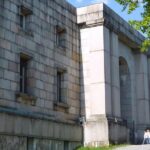
- Kongresshalle (Congress Hall) Ruins: Hitler’s Roman Colosseum Idea
- Why the Guide Matters: Humor, Photos, and Staying Human
- Price and Time: Is $43 Good Value for This 4-Hour Mix?
- When This Tour Is Right for You (and When It Might Not Be)
- Should You Book This Nuremberg Old Town and Nazi Rally Grounds Tour?
- FAQ
- How long is the Nuremberg Old Town and Nazi Rally Grounds walking tour?
- How much does the tour cost?
- Where do I meet the tour guide?
- Is the tour offered in English?
- Is lunch included?
- Are transportation costs included in the tour price?
- Is admission to the Documentation Center included?
- Does the tour run in bad weather?
- Is the tour suitable for people who have trouble walking or limited mobility?
- Is there free cancellation?
Key Points You Will Actually Notice
- Old Town first, then the Rally Grounds, so the day makes sense instead of feeling split
- Craftsmen’s Court still shows traditional making, not just museum scenery
- Imperial Castle courtyards give you strong views and an easy way to understand Nuremberg’s power
- Hauptmarkt lunch break lands right in the market atmosphere, including December Christmas Market season
- Rally Grounds with context, including Congress Hall ruins and how the city addresses the past now
- Public transport included, bus out and tram back, which saves energy for the walking you do
Starting in Hauptbahnhof: Your Day Gets Organized Fast
I like tours that begin with an easy meeting point, and this one does. You meet outside the large center arched entrance of Nuremberg Central Station (Hauptbahnhof), with your guide holding a red and white Nuremberg Tours in English sign. It is a no-stress start, and you immediately get that “we have a plan” feeling.
From there, the tour moves on foot through the Old Town first. You cover key sights in a sensible order, so you are not spending the day jumping around on your own. Guides keep things moving, but the pace is steady, not sprint-like.
Tip: bring comfortable shoes. You will be walking on city streets and uneven historic areas, and the tour runs rain or shine.
More Walking Tours in Nuremberg
- Nuremberg: Old Town Guided Walking Tour
★ 4.6 · 2,416 reviews - Nuremberg: Walking Tour of Former Nazi Party Rally Grounds
★ 4.7 · 1,665 reviews - Nuremberg Old Town and Nazi Party Rally Grounds Walking Tour in English
★ 4.5 · 504 reviews
Handwerkerhof and Mauthalle: Medieval Work You Can Still See
One of the smartest early stops is Handwerkerhof, also known as the Craftsmen’s Court. This is not just a pretty courtyard. You get a look at how local artisans work with traditional materials and methods, which makes medieval Nuremberg feel real instead of postcard-still.
Right after that, you pass by Mauthalle. Even without a long sit-down there, it helps set the stage. Places like this remind you that medieval cities ran on trade, rules, and practical systems, not only castles and churches.
If you like details you can picture, this is where the tour starts to pay off. It is the kind of stop that makes later history stick.
Churches and Squares: St. Lorenz, St. Sebaldus, and the Gothic Side
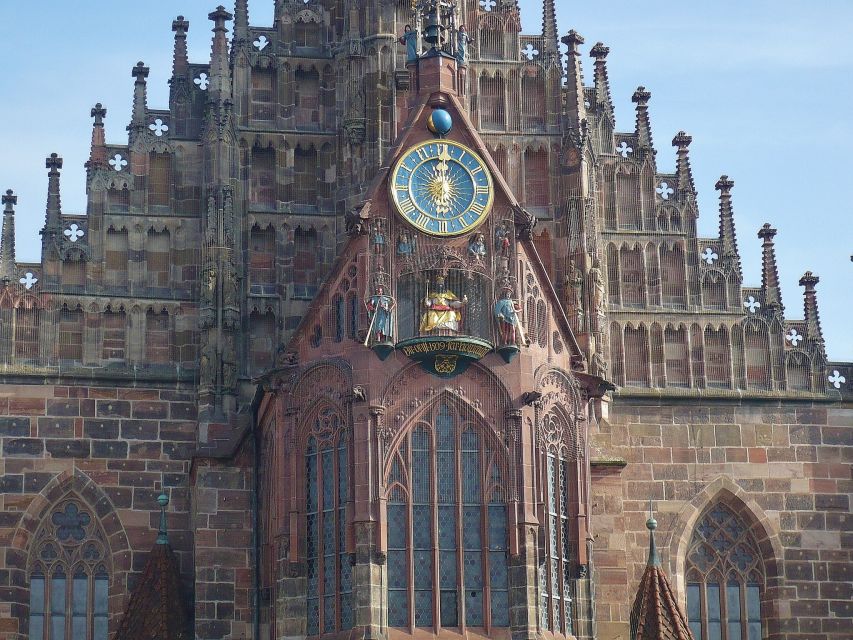
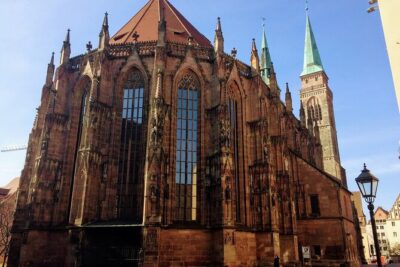
As you walk, you pass major Gothic churches, including St. Lorenz and St. Sebaldus. You do not just get names. You get a sense that Nuremberg was shaped by religious art and skilled craftsmanship, not only politics and warfare.
These passes are useful because they function like orientation. Even if you do not go inside every church, you still understand where the city’s visual centerpoints are and why certain blocks mattered.
Also, the guide’s commentary connects the art to the bigger story of how the city formed and gained influence. That connection matters later when you switch from medieval power to 20th-century ideology.
Hauptmarkt and Old City Hall: Where Nuremberg’s Social Life Happens
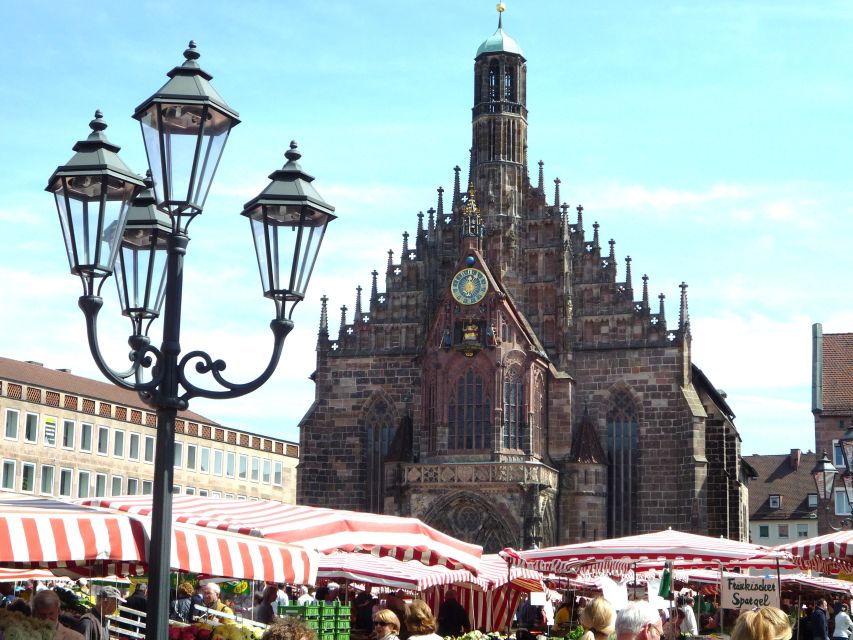
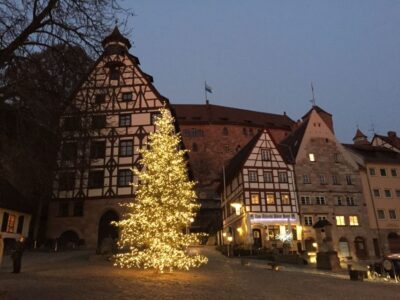
Then you hit Hauptmarkt Nürnberg, and it is one of the best places to start seeing how the city breathes. This square has hosted colorful markets for nearly 700 years, so even if your visit is short, you are standing in a long-running tradition.
The tour takes time here in two ways. First, you get guided time to learn what makes the square important. Second, you get a free stretch later (about 30 minutes) to grab something and wander at your own speed.
Old City Hall is part of the guided look during the morning. It is a strong reminder that Nuremberg was not only ruled by emperors and generals. It was also run by civic power, local decisions, and organized city life.
Practical value: if you want to eat well later, you learn where to focus your attention now. The guide points you toward good traditional food and drinks.
Imperial Castle Courtyards: Power, Views, and Easy-to-See History
Imperial Castle of Nuremberg is one of those stops that feels worth it even if you only have a few hours. The tour focuses on the courtyards, and that choice helps. Courtyards give you breathing room and panoramic sightlines without turning the day into a climb marathon.
You also get context about the Holy Roman Emperors. Holy Roman Empire rule lasted over 500 years, and the guide ties that long timeframe directly to what you see around you. The castle stops feel like a visual timeline.
I also like that you do not need a separate plan to appreciate it. Even if you are not a “castle person,” the views and explanations make it hit.
Further Third Reich and wartime history tours:

Albrecht Dürer’s House: Art History Without the Museum Maze
Next comes Albrecht Dürer’s House. This is a smart inclusion because it brings you from architecture and politics into creative life. You get guided time at a key point tied to one of Germany’s most famous artists.
If you like Renaissance details, you get them without turning your day into a museum marathon. Even the guided time is paced so you stay engaged while moving efficiently to the next big shift of the day.
You also learn a little about how Nuremberg’s status as a cultural center mattered, not just its role in later, darker chapters.
Market Lunch Break in Hauptmarkt: Eat Like a Local, Not Like a Rush Job
After the Old Town portion, you take a break for lunch in the marketplace. This is not an afterthought. It is built into the schedule on purpose.
Hauptmarkt is perfect for this because the atmosphere changes with the season. In December, it is connected to Christmas market energy, which means your lunch break can double as a slow wander. Even if you are not shopping, it is still a nice reset.
Guides typically help you with where to try Nuremberg’s famous sausages and local beer. One guide-led tip that shows up repeatedly in the experience is a practical stop for a sausage snack, including mention of a 3 sausage roll option. You also get recommendations for things like gluhwein during the festive season.
Important: lunch is not included. You use the time to pick your own meal. The benefit is choice, and the downside is you should plan to eat a real meal, not just a quick bite, because the Rally Grounds portion comes next.
The Bus Out and the Shift in Tone: From Town Pride to Third Reich Reality
After Old Town, you board a bus to the former Nazi Party Rally Grounds. This change of location is dramatic, and the tour treats it that way.
What I appreciate is that the guide frames the sights with what happened there. You see the parade grounds where Adolf Hitler inspected columns of SS men and performed pseudo-religious cult rituals before saluting masses as part of Nazi propaganda. It is the kind of information you need to understand what you are looking at, because the structures can otherwise feel like empty stone.
This is also the moment the tour asks you to be mentally prepared. The setting is heavy. The guide keeps the discussion focused and factual, and they explain how Nuremberg deals with this past today.
If you are visiting with kids or you know you can handle serious history, this part can work well when the guide is thoughtful. If you need a lighter day, this tour might feel like too much all at once.
Zeppelin Field, Luitpold Arena, and Volksfestplatz: Seeing Propaganda Built in Stone
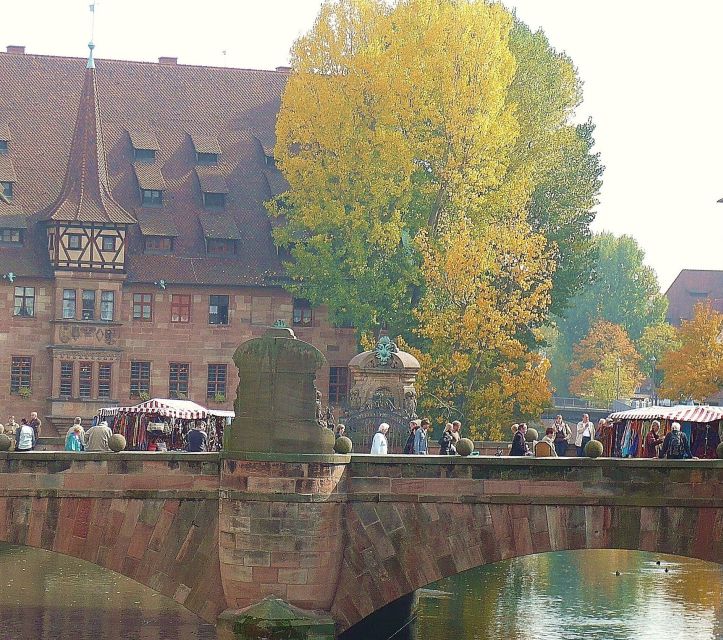
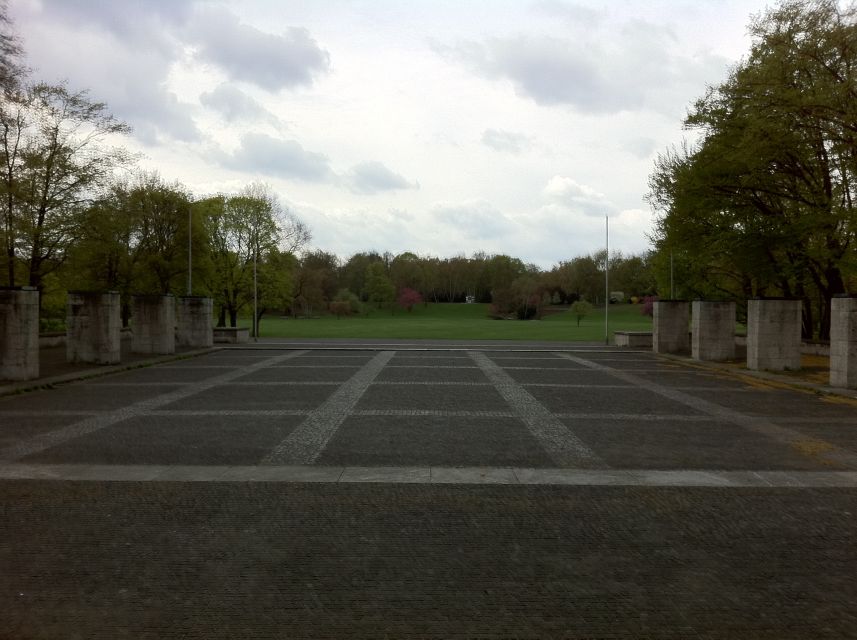
On the Rally Grounds side, you move through key areas including Luitpoldhain and the Luitpold Arena zone, plus Volksfestplatz. The tour is designed so you understand how these areas worked together for mass events.
You also get a look at the Zeppelin Field area. The point here is not just to see where rallies took place. It is to understand the scale and the design choices meant to intimidate and persuade.
The guide helps you connect that layout to the role of propaganda. You hear how the space was engineered for spectacle, not spontaneity. Once you understand that goal, you start seeing why the geometry is so important.
Practical tip: this portion is outdoors. Bring layers in colder months, and keep your scarf handy. You may not be sitting much, and even short walks can feel longer in winter wind.
Kongresshalle (Congress Hall) Ruins: Hitler’s Roman Colosseum Idea
One of the most haunting stops is the remains of the Congress Hall, also known as Kongresshalle. This was Hitler’s half-finished attempt to build a Roman Colosseum-like monument.
The ruin matters because it shows the gap between megalomania and reality. The guide uses the setting to explain what the Nazi regime wanted people to believe, then points to how the city responds to that legacy now.
If you want closure, you will not always get it from a single walk. But you do get clarity about the structures and the message behind them.
Also, seeing the “unfinished” elements makes it easier to grasp how ideology can waste resources and time. It turns propaganda into something you can measure and critique.
Why the Guide Matters: Humor, Photos, and Staying Human
Across the experience, guides are a huge part of what makes the day work. Names you may run into include Hannes, Natasha, Nic, Dimitri, and Johannes, and the consistent theme is how they balance facts with tone.
Several guides use visual aids, including photos displayed on an iPad, to help explain what you are seeing in those Rally Grounds spaces. That helps you picture the historical events without you needing to guess.
Most importantly, they manage pacing so you do not feel bombarded. Even with heavy material, the tour keeps moving and gives you small breaks in focus.
If you want to maximize the value, listen for the guide’s transitions. The Old Town portion is about how the city functioned. The Rally Grounds portion is about how ideology tried to hijack public space. That connection is what makes the whole day feel like one story.
Price and Time: Is $43 Good Value for This 4-Hour Mix?
At $43 per person for a roughly 4-hour tour, the value is mostly in two areas: transportation and guided interpretation.
Public transport costs are included, including the bus ride to the former rally grounds and the tram return to Hauptbahnhof. That matters because it saves you time and energy. You do not have to figure out local transit when your day is already packed with walking.
You also get English-language guidance throughout the Old Town sights and the Rally Grounds. Admission to the Documentation Center is not included, which keeps the price lower, but it also means you are not getting that museum-style deeper layer during this specific tour.
So, what do you get for your money? You get a curated “see and understand” walk across two very different eras. For many visitors, that is exactly what you need before you explore further on your own.
When This Tour Is Right for You (and When It Might Not Be)
This tour is ideal if you want a structured introduction to Nuremberg without planning your own route. It suits people who like walking tours but also want guidance to connect medieval architecture to 20th-century history.
You will likely enjoy it if you:
- want Old Town orientation quickly
- like Christmas market atmosphere in the Hauptmarkt area
- appreciate a sensitive, place-based explanation of Nazi sites
I would think twice if you:
- have mobility limits or trouble walking
- prefer lighter, less intense history in a single day
- want only a museum visit rather than an outdoor walk through large sites
Should You Book This Nuremberg Old Town and Nazi Rally Grounds Tour?
If you want one efficient, English-guided way to see Nuremberg’s centerpieces plus the major Nazi-era sites, I think this is a strong booking choice. The $43 price makes sense when you factor in included transport and a guide who helps you understand what you are looking at.
My advice is simple: wear good shoes, plan for outdoors time, and come ready for a serious history segment. If that fits your travel style, you will leave with clearer bearings in the Old Town and a deeper understanding of the Rally Grounds, not just photos on your phone.
FAQ
How long is the Nuremberg Old Town and Nazi Rally Grounds walking tour?
The total duration is about 4 hours, including a lunch break.
How much does the tour cost?
The price is $43 per person.
Where do I meet the tour guide?
Meet outside the large center arched entrance of Nuremberg Central Station (Hauptbahnhof). The guide will be holding a red and white Nuremberg Tours in English sign.
Is the tour offered in English?
Yes, the live tour guide speaks English.
Is lunch included?
No. Lunch is not included, though there is a break in the marketplace where you can eat.
Are transportation costs included in the tour price?
Yes. Public transportation costs to the former rally grounds and back are included.
Is admission to the Documentation Center included?
No. Admission to the Documentation Center is not included.
Does the tour run in bad weather?
Yes. The tour takes place rain or shine.
Is the tour suitable for people who have trouble walking or limited mobility?
No. The tour is not suitable for people who have trouble walking, and it is not suitable for people with mobility impairments.
Is there free cancellation?
Yes. You can cancel up to 24 hours in advance for a full refund.
Cities at Walking Speed
- Nuremberg: Free Walking Tour
★ 4.9 · 213 reviews - “Rotes Bier” and “Blaue Zipfel”. A historical-culinary walk
★ 4.4 · 190 reviews - Walking tour Nuremberg
★ 5.0 · 188 reviews - Nuremberg 2-Hour Old Town Highlights Walking Tour in English
★ 4.4 · 107 reviews
Fresh on the arrivals board for Nuremberg

Third Reich & World War II Tours, compared.

Berlin’s Best: 2 Hour Walking Tour Third Reich and the Cold War
Read our review →
Third Reich Berlin: Hitler and WWII Walking Tour
Read our review →
Walking Tour of Former Nazi Party Rally Grounds
Read our review →
Browse the lists this tour appears in