
Reviewed · GUIDED WALKS IN MUNICH
Munich: Third Reich & WWII Walking Tour
Munich has a dark street-level origin story. On this 2.5-hour walking tour, I like how it connects WWII roots to real places, not just names from a textbook. You walk with a live guide through key gathering spots tied to Nazi momentum in Bavarias capital, and you get the story behind how ordinary street corners became political stages.
My second favorite part is the balance: you do not leave only with Hitler. The walk also points to the White Rose resistance, which matters because it shows there were Germans who refused the Nazi script. One drawback to consider: it is an outdoor walking tour, and cold weather can make the experience tougher, so dress for winter walking.
In This Review
- Key highlights to look for
- Munich’s Third Reich story starts with post-WWI chaos
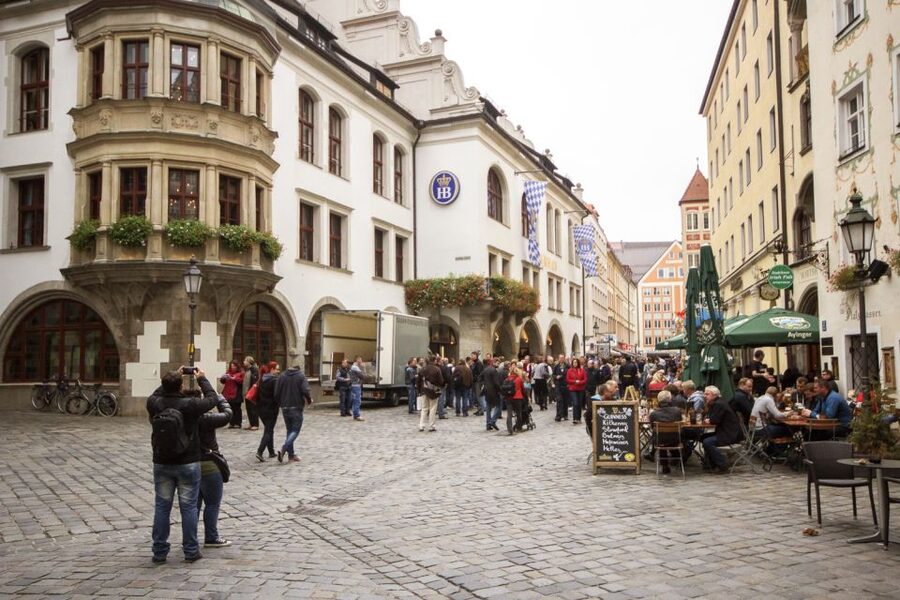
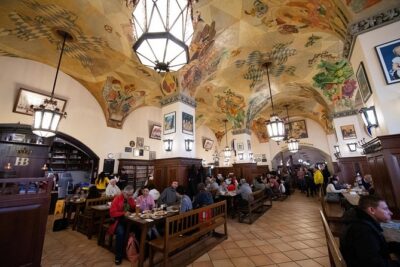
- Hofbräuhaus, where mass politics learned to roar
- Feldherrnhalle: when attempted power turns violent
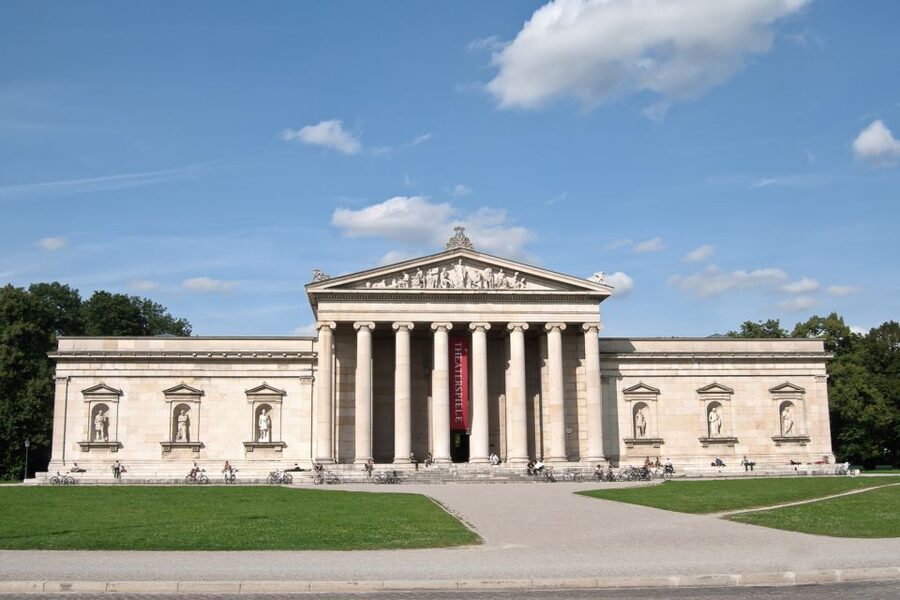
- Königsplatz rally grounds, where ideology needed space
- The Hofgarten and the White Rose resistance counterpoint
- What the 2.5 hours feels like on the ground
- Price and value: why $31 can work here
- Who should book this Munich Nazi history walk
- Should you book the Munich Third Reich and WWII walking tour?
- FAQ
- How long is the Munich Third Reich and WWII walking tour?
- What sites does the tour cover?
- How much does the tour cost?
- What is included in the price?
- What languages are offered?
- Is the tour wheelchair accessible?
- Where do we meet?
- What should I bring?
- Can I cancel for a refund?
- What payment options are available?
Key highlights to look for
- Street-level proof of Nazism’s rise through named sites in central Munich
- Hofbräuhaus to Feldherrnhalle stops that show how mass politics and violence fit together
- Königsplatz rally grounds where propaganda-era events shaped public life
- A resistance counterweight with discussion of the White Rose movement
- Guides who keep it audible and moving with strong voices and practical pacing, even in bad weather
Munich’s Third Reich story starts with post-WWI chaos
This is the kind of tour where you will feel the city changes in your head as the narrative builds. Munich mattered because it sat at the right place in time, right after World War I, when Germany was defeated and humiliated. The tour frames how hyperinflation, revolution, and political assassination helped create an environment where extremist ideas could spread fast.
The guide also ties the local story to the bigger arc you already know. You start with how the Nazi movement formed, then you trace its growth across the city, using specific locations tied to rallies, attempts at power, and later symbolism. That structure helps you avoid the common problem with WWII tours, where it becomes a list of dates and buildings instead of a connected story.
One practical note: this is heavy material. The focus is on the origins of the Nazi movement and what came out of it, so expect sober talking points, not entertainment. If you prefer WWII history mainly through museums or battle sites, you might still enjoy this, but it will likely hit a different emotional note than lighter sightseeing.
More Guided Walks in Munich
- Third Reich Walking Tour Munich
★ 4.5 · 4,291 reviews - Munich: Old Town & Viktualienmarkt City Walk in German
★ 4.7 · 2,304 reviews - Munich: Night Watchman Walking Tour
★ 4.7 · 2,092 reviews
Hofbräuhaus, where mass politics learned to roar
One of the first major stops is the Hofbräuhaus area, a place that has long drawn crowds in Munich. Here, the tour centers on the beginning of the Nazi movement and the early mass meetings that helped turn a small political group into a public phenomenon. The point is not just who was there, but how they used atmosphere, repetition, and public attention to gain momentum.
This is a valuable stop because it shows how propaganda works in real life. You get context on how post-WWI instability made people hungry for certainty, and how extremist groups offered simple answers with big theater. Seeing the setting as a lived crowd space helps you understand how quickly rhetoric can spread when people are already frightened.
Also, guides tend to bring energy and clarity at this stage. In past groups, names like Michael and Josh got repeated praise for strong delivery, being easy to follow, and keeping the group engaged for the full walk. If you want a guide who can keep a crowd listening, this tour is often in the right hands.
Feldherrnhalle: when attempted power turns violent
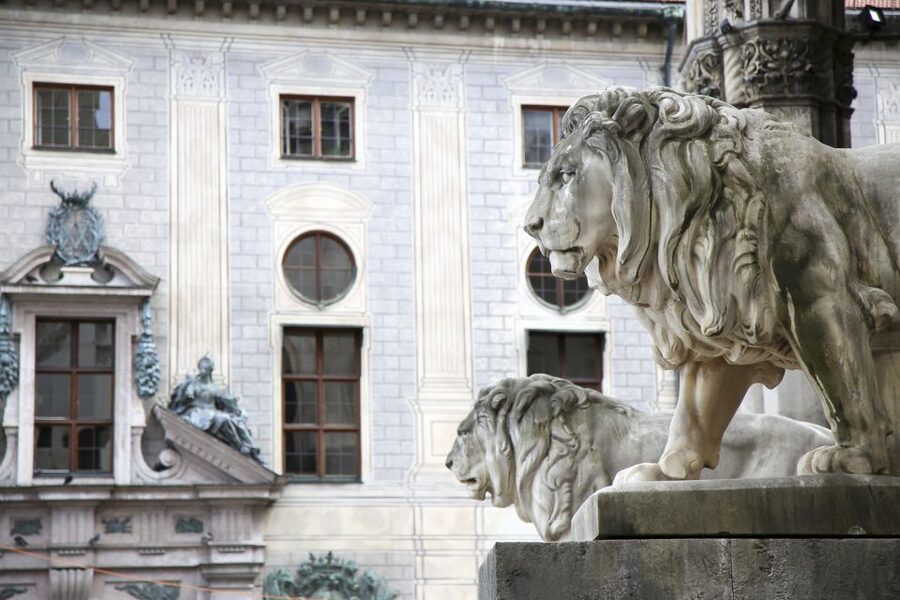
The Feldherrnhalle stop is where the story sharpens. The tour uses this location to explain the failed attempt to seize power, showing how Nazi ambition went beyond speeches and marches. The idea you take away is that violence was part of the political pathway, not just a later chapter.
This stop is also useful for understanding timing. You learn how the Nazi movement was still building strength in its early phase, yet already willing to test power through confrontations. That detail helps the later rise make more sense, because you see the movement experimenting before it consolidated.
Look closely at your surroundings and pay attention to what the guide emphasizes. In many walking tours, people breeze past statues and facades. Here, those same features become evidence in the story: symbols, public visibility, and the drive to impress crowds.
Königsplatz rally grounds, where ideology needed space
Königsplatz is one of the core places on the route, and it is easy to see why. The tour uses the party rally context here to show how space and architecture can serve political theater. When you hear how the Nazi movement planned big public events, the open areas and prominent setting become more than scenery.
This section of the walk is valuable because it helps you connect messaging to mass attendance. Propaganda is not only words. It is the staging of groups, the sense of inevitability, and the visual impact of uniformity and numbers. The guide walks you through that logic so the rise of the Third Reich feels less like a sudden magic trick and more like a deliberate process.
One more practical perk: this is a stop where you often get a chance to pause, look, and absorb. Even in fast-paced history tours, the ability to stop and take notes makes a difference, especially if you plan to connect what you learn to later visits.
The Hofgarten and the White Rose resistance counterpoint
The tour also takes you to the Hofgarten area to talk about the White Rose resistance movement. This is a key emotional shift in the experience. After tracing how Nazism grew, you get introduced to Germans who opposed it, at real cost.
I like this approach because it prevents the story from becoming only about victims and villains with no human resistance in between. It reminds you that even in a terrifying system, people made choices, used whatever freedom they had, and tried to disrupt the Nazi machine.
If you are the type of traveler who needs balance, this is the part that can stick with you longest. The guide’s explanation makes it clear that resistance was not abstract. It was actions tied to risk, courage, and moral refusal.
Further Third Reich and wartime history tours:

What the 2.5 hours feels like on the ground
The tour runs about 2.5 hours, around 165 minutes. That time window is long enough to cover the storyline across multiple sites, but short enough that you are not stuck in a marathon of standing and listening. Expect a walking rhythm with stops that focus attention, so you are not simply touring from one point to another with no context.
If you are worried about hearing, you are right to think about it. Several past reviews praised guides who projected well, like Michael, Steve, Alex, Florian, and Danielle, with comments about making sure the group could hear them. In winter conditions, clarity matters even more, because cold air can dull sound and people instinctively hunch down.
I would plan for outdoor comfort even if you do not usually overpack. Reviews specifically mention cold weather, and more than one guide was said to bring small comfort touches like hot tea or seating help during breaks. Still, those details may vary by guide, so your best move is simple: wear warm layers and bring comfortable shoes.
Price and value: why $31 can work here
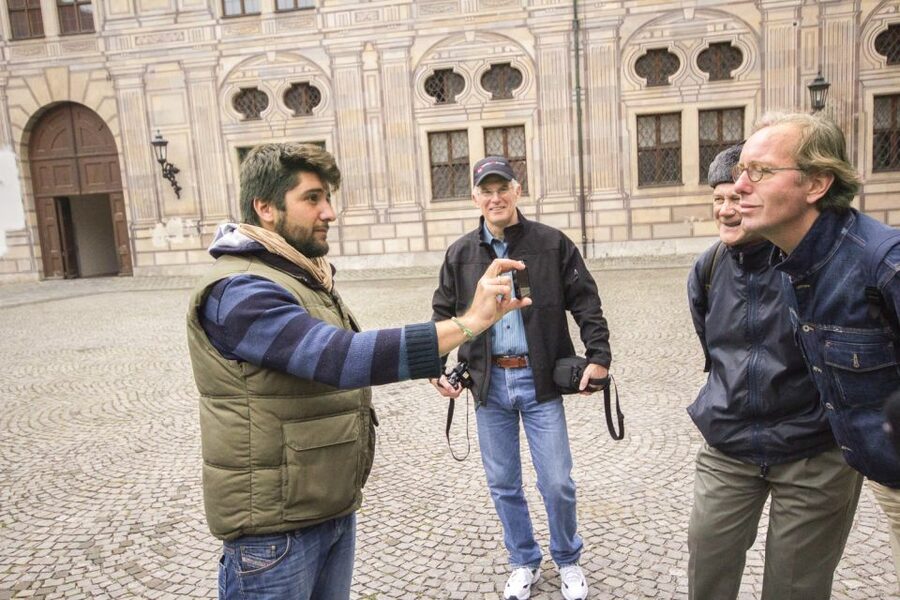
At about $31 per person for a 2.5-hour guided walk, the value is tied to two things. First, you are paying for a live guide who explains how events connect, not just for access to streets and buildings. Second, you are covering multiple major landmarks in central Munich, including Hofbräuhaus, Feldherrnhalle, and Königsplatz, plus the resistance discussion.
This pricing also makes the tour realistic for a short visit. If you only have a couple days in Munich, you can still get a coherent WWII origin story without spending a whole day in a museum. For many people, that is the sweet spot, especially if you already plan to do at least one more Munich history stop afterward.
There is also an efficiency factor. Walking tours cut transit time and keep you close to the story, so the learning happens while you are standing in the relevant environment. If you prefer history through context rather than browsing alone, this is usually a smart use of time.
Who should book this Munich Nazi history walk
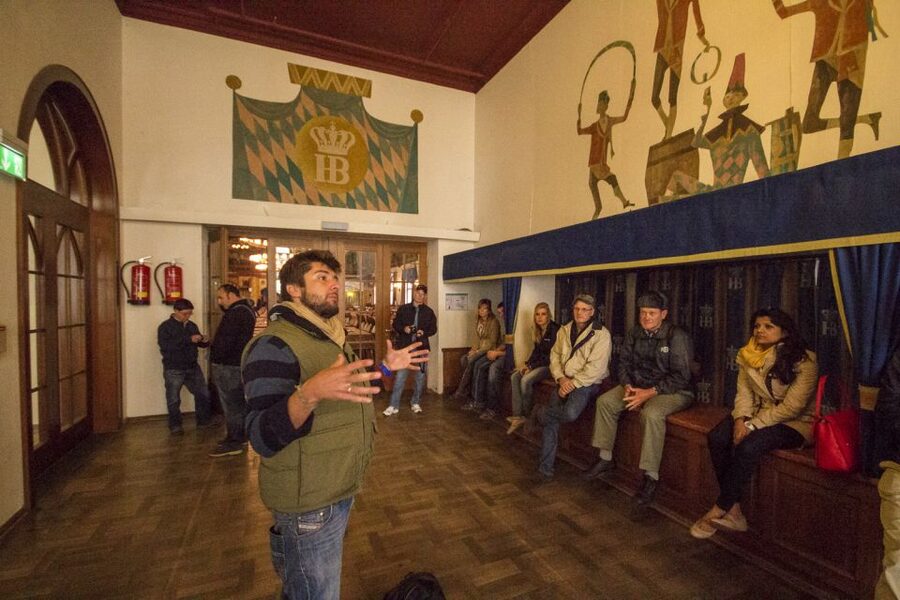
This tour is best for travelers who want Nazi origins explained in a street-level way. If you are interested in WWII history, you will likely appreciate the focus on how Nazism rose in Bavaria’s capital and how the movement spread across Munich.
It also suits people who value a narrative with a counterweight. The White Rose discussion matters if you are tired of one-note villain history and want to understand how resistance operated within German society.
If you travel with a wheelchair, you will want to know the tour is listed as wheelchair accessible. If you have a private group, private options are available too, which can help if you want a calmer pace and more space for questions.
Should you book the Munich Third Reich and WWII walking tour?
If you want a focused, guided route through the Nazi movement’s Munich roots, I think it is worth booking. The combination of specific sites plus the White Rose resistance segment gives you more than just gloomy context. You come away with a clearer sense of how propaganda, public staging, and political violence worked together in the early Third Reich period.
On the other hand, book it with your expectations in check. This is not a casual stroll, and it is not designed to be light. If you are sensitive to dark WWII themes, go in ready to be serious, and dress for cold sidewalks.
FAQ
How long is the Munich Third Reich and WWII walking tour?
It lasts 2.5 hours, which is listed as 165 minutes.
What sites does the tour cover?
The tour highlights include the Hofbräuhaus, Feldherrnhalle, and Königsplatz, and it also includes time at the Hofgarten for discussion of the White Rose resistance movement.
How much does the tour cost?
The price is $31 per person.
What is included in the price?
The included item is a guided tour.
What languages are offered?
The live tour guide is available in English and German.
Is the tour wheelchair accessible?
Yes, it is listed as wheelchair accessible.
Where do we meet?
The meeting point may vary depending on the option booked.
What should I bring?
You should bring comfortable shoes.
Can I cancel for a refund?
Yes, free cancellation is available up to 24 hours in advance for a full refund.
What payment options are available?
There is a reserve now and pay later option, where you can book your spot and pay nothing today.
Cities at Walking Speed
- Munich Ghosts and Spirits Evening Walking Tour
★ 5.0 · 1,900 reviews - Munich Old Town Walking Tour
★ 4.5 · 1,287 reviews - Munich: Walking Tour Old Town and Viktualienmarkt
★ 4.7 · 839 reviews - Munich: Old Town Walking Tour
★ 4.7 · 589 reviews
Fresh on the arrivals board for Munich

Guided Walks in Munich, compared.
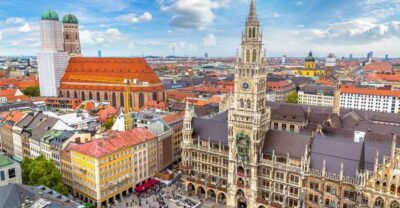
Old Town & Viktualienmarkt City Walk in German
Read our review →
Munich Ghosts and Spirits Evening Walking Tour
Read our review →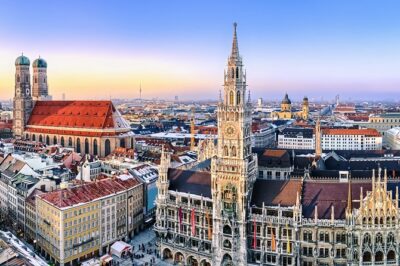

Birthplace of the Third Reich Guided Walking Tour
Read our review →Browse the lists this tour appears in