
Reviewed · GUIDED WALKS IN MUNICH
Third Reich & WWII Walking Tour
Munich has a Nazi trail you can walk. This 2.5-hour Third Reich walking tour connects the key sites tied to WWII-era Nazi momentum. You start at Marienplatz and work toward Königsplatz, ending near Hitler’s former headquarters.
Two things I really liked: the small group size, and the way the guides keep the facts clear without turning cold or sensational. Guides such as Alex and Michael were praised for staying interactive, answering questions, and creating space for the group to process what they just heard.
The one real drawback is the pace. You’re walking and standing for close to the full 2 hours 45 minutes, with only limited rest time, so bring a snack and water. It’s also a serious topic, and it’s not recommended for children under 12, plus cold weather can make it harder to hear if you’re not close to the guide.
In This Review
- Key Things to Know Before You Go
- From Marienplatz to Königsplatz: Following a WWII Timeline on Foot
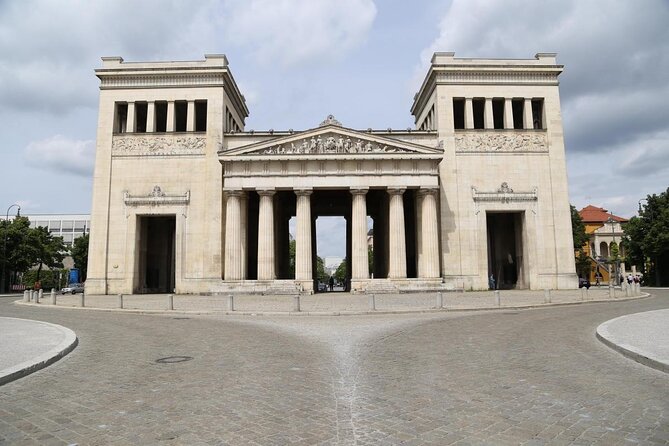
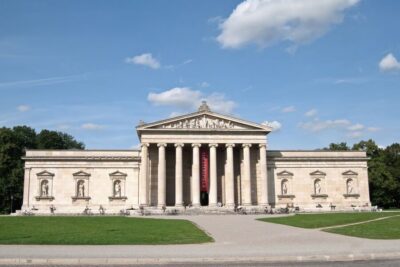
- Königsplatz: Where Mass Rally Power Became Physical Space
- Hofbräuhaus to Feldherrnhalle: From Early Mass Meetings to a Failed Takeover
- Hofgarten and the White Rose: Resistance in the Same City Streets
- Ending at Hitler’s Former Headquarters and the Document Museum
- Price and Logistics: Getting Value From About $35
- What to Bring for a Cold, Long Walk Through Heavy Topics
- Who Should Book This Third Reich Tour in Munich
- Should You Book This Third Reich Walking Tour?
- FAQ
- How long is the Third Reich walking tour?
- Where does the tour start and end?
- What major sites are included on the walk?
- Is the tour offered in English?
- Is it suitable for children?
- Are food and drinks included?
- Are museum or site admission tickets included?
- Is cancellation free?
Key Things to Know Before You Go
- A tight route through central landmarks: Marienplatz, Hofbräuhaus, Feldherrnhalle, Königsplatz, plus a stop in the Hofgarten area
- Small-group feel: limited to 10 people for personalization, with an overall max of 30
- Guides handle heavy material with care: praised for sensitivity, factual narration, and room for questions
- You’ll cover more than Nazi rise: the tour includes the White Rose resistance movement
- It ends at the Hitler headquarters area: and you’re in position to visit the nearby document museum exhibits
From Marienplatz to Königsplatz: Following a WWII Timeline on Foot
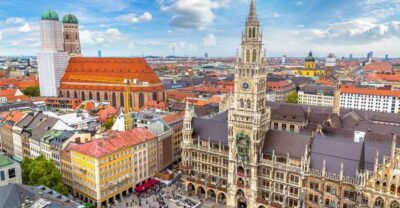
This is not a museum day where you sit, read, and move on. It’s a guided walk that uses Munich’s streets as the lesson plan. You start at Marienplatz and trace how Nazi power grew in the 1919 to WWII-era years, with the route organized around major real-world locations.
What I like is the balance of places plus context. You’re shown why the Nazis gained followers during a time of humiliation after World War I, hyperinflation, and political violence in Bavaria. Then you connect those conditions to the public events tied to the Nazi movement, including early mass gatherings and later displays of power.
The tour’s structure also makes it practical for a Munich visit. It’s long enough to feel like you learned something concrete, but short enough to still have energy for other stops afterward. If you like your history on the ground, this hits the sweet spot: you finish the walk near Hitler’s former headquarters, right where the modern city still shows traces of that era.
More Guided Walks in Munich
- Munich: Third Reich & WWII Walking Tour
★ 4.6 · 6,181 reviews - Third Reich Walking Tour Munich
★ 4.5 · 4,291 reviews - Munich: Old Town & Viktualienmarkt City Walk in German
★ 4.7 · 2,304 reviews
Königsplatz: Where Mass Rally Power Became Physical Space
Königsplatz is the kind of place that explains itself once you know what you’re looking for. This square was tied to mass party rallies, and the tour uses that setting to show how symbolism and staged gatherings helped the Nazi movement sell its message.
You learn how the movement rose from chaos and anger in the early post-World War I years. The tour sets that stage, then leads you into the space where those rallies happened. Standing in the area, the idea becomes clearer: propaganda was not just speeches and posters. It was architecture, crowd control, and spectacle.
There’s also a deeper lesson here about how cities remember. Munich is known for beer halls and old buildings, but Königsplatz forces you to look at how public spaces can be used for ideology. The guide’s tone matters, too. Several guides were praised for treating the topic with respect, and that helps you keep your footing emotionally as the story gets darker.
Hofbräuhaus to Feldherrnhalle: From Early Mass Meetings to a Failed Takeover
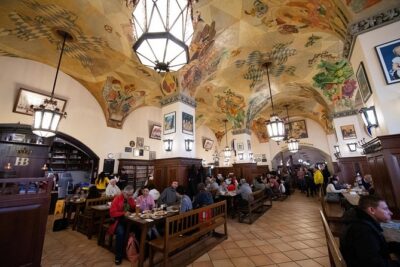
A big part of the tour’s draw is that it follows the Nazi rise through turning points, not just “greatest hits.” You’ll hear about the first mass meeting at Hofbräuhaus and then move to Feldherrnhalle, where the failed attempt to seize power happened.
Hofbräuhaus matters because it shows how Nazi influence grew in a public, everyday setting. Instead of imagining the movement as something distant, the tour places it in Munich life, where regular people could be pulled into the momentum. This is one of the reasons the walk works even if you’re starting with limited WWII context. It gives you a real sequence of events.
Then comes Feldherrnhalle, where the story sharpens. The guide frames the failed power grab as part of the Nazi path toward legitimacy and control. The lesson is that history does not move in a straight line. It’s messier. It has setbacks, shifts, and calculated moves.
On the walk, you also get the practical gift of locations you can keep using later. You’ll know what to look for the next time you pass a landmark, and why it matters. That’s the real value of a site-based tour.
Hofgarten and the White Rose: Resistance in the Same City Streets
One of the best moments on the route is the stop connected to the White Rose resistance movement in the Hofgarten area. This is where the tour stretches beyond the Nazi story and adds a second thread: resistance and moral courage.
That choice matters. If your trip to Munich is only about the rise of the regime, you can end up with a one-note, crushing narrative. The White Rose angle shifts the focus to people who refused to go along, even when the world around them felt trapped.
Also, the guide handling of this part seems to be a point of pride. Multiple guides were described as sensitive with tragic events, with moments for reflection and remembrance rather than nonstop talking. That tone helps the resistance content land with the respect it deserves.
If you care about how ordinary people respond to extreme pressure, this stop gives you a clearer picture. It answers the question many visitors have after learning about Nazi power: what did people do when they saw where it was going?
Ending at Hitler’s Former Headquarters and the Document Museum
The tour finishes at Königsplatz 1 and ends near Hitler’s former headquarters. That end point is heavy, but it’s also useful. You’re not left with facts floating in the air. You end in the place connected to the regime’s command center.
Near the finish, the guide may point you toward the document museum area. In at least one account, the suggestion was specifically tied to moving into the museum space, where exhibits include photographs, art, and film footage from the time. I like this design because it gives your brain a place to slow down after the walking. You can turn your emotional energy into focused reading and watching, without rushing to another bus stop.
One practical note: this is a walking tour with standing time. You’ll likely be thinking about what you saw for the rest of the day. So, end-of-tour museum time is a smart match. It’s also ideal if you want to keep your learning style flexible: some people prefer facts in text, others want visuals.
Further Third Reich and wartime history tours:



Price and Logistics: Getting Value From About $35
At $35.09 per person for roughly 2 hours 45 minutes with a professional guide, you’re paying mainly for two things: expert interpretation and a route that links the sites into a story. The tour is offered in English, uses a mobile ticket, and is positioned near public transportation, which makes it easier to plan around other Munich sights.
Also, the small group matters for value. It’s limited to 10 people for a personalized feel, though the overall max is 30. That creates a strong chance you’ll get real attention when you ask questions, and the guide can keep the narration moving without chaos.
The big thing to budget is that admission tickets are not included. So if you’re hoping to go into museum spaces right away, plan on extra costs. The tour itself is focused on guiding you to the right areas and explaining what happened there.
Finally, this is a topic that benefits from good pacing, and the reviews praise that. One common theme was that guides kept the flow moving without turning it into a sprint. Still, since there’s limited break time, it’s on you to come prepared. That small prep is what makes a “good tour” turn into a “great morning.”
What to Bring for a Cold, Long Walk Through Heavy Topics
Bring the boring stuff. It pays off.
- Snacks and water: there isn’t much time to rest during the walk, and some accounts note the need for more obvious breaks.
- Warm layers: especially if you’re visiting during colder months, since the tour is mostly outdoors.
- Comfortable shoes: you’ll be walking and standing for close to 3 hours.
- Position yourself for audio: a few accounts mention hearing the guide could be tough, and amplification helps. If you’re struggling, move closer.
This tour is also not child-focused, and it’s the kind of subject where you want your attention fully on the guide. That means you don’t want sore feet or a grumbling stomach distracting you.
If you’re a beginner to WWII history, you can still do this. Guides were praised for welcoming questions and pacing the conversation so people could follow even without prior knowledge. But if you’re new, consider going in with one goal: learn how the Nazi movement grew in Munich, then learn one resistance thread to balance it.
Who Should Book This Third Reich Tour in Munich
Book this if you want a structured, walkable way to understand Munich’s role in the Nazi rise and early WWII-era momentum. It’s especially good for people who like learning from places, not just timelines in a book.
I think it also fits well if you’re planning your day around central Munich landmarks. Starting at Marienplatz means you can combine it with other old-town stops before or after. Ending near Hitler’s former headquarters plus the museum area gives you a natural next step if you want more context.
It’s not a great fit if you need light, quick sightseeing. This is serious. It’s also a lot of sitting with uncomfortable events in a short window. The tour explicitly isn’t recommended for kids under 12, and that’s a useful guideline for adults too.
If you do book, come ready to ask questions. The tour experience is strongest when you participate, not just listen. Several guides were praised for interaction and for creating moments of reflection instead of racing through tragedy.
Should You Book This Third Reich Walking Tour?
If your visit to Munich includes wanting to understand how Nazism took hold locally, I’d book it. For about $35 and nearly 3 hours, you’re getting a tight route through the most important Nazi-era landmarks, plus a guide who treats the material with sensitivity.
I’d only hesitate if you struggle with long cold walks, need lots of frequent breaks, or you’re not comfortable with heavy subject matter. If you can handle walking and you’re mentally ready for a serious topic, this is one of the most practical ways to turn Munich landmarks into real understanding.
FAQ
How long is the Third Reich walking tour?
It runs for about 2 hours 45 minutes.
Where does the tour start and end?
The tour starts at Marienplatz, 80331 Munich, and ends at Königsplatz 1, 80333 Munich, at the Hitler former headquarters area.
What major sites are included on the walk?
The tour includes stops at Königsplatz, Feldherrnhalle, and Hofbräuhaus, with discussion connected to the White Rose resistance movement in the Hofgarten area.
Is the tour offered in English?
Yes, it is offered in English.
Is it suitable for children?
It is not recommended for children under 12.
Are food and drinks included?
No, food and drinks are not included.
Are museum or site admission tickets included?
No, admission ticket(s) are not included.
Is cancellation free?
Free cancellation is available if you cancel at least 24 hours before the experience starts.
Cities at Walking Speed
- Munich: Night Watchman Walking Tour
★ 4.7 · 2,092 reviews - Munich Ghosts and Spirits Evening Walking Tour
★ 5.0 · 1,900 reviews - Munich Old Town Walking Tour
★ 4.5 · 1,287 reviews - Munich: Walking Tour Old Town and Viktualienmarkt
★ 4.7 · 839 reviews
Fresh on the arrivals board for Munich

Guided Walks in Munich, compared.
Old Town & Viktualienmarkt City Walk in German
Read our review →
Munich Ghosts and Spirits Evening Walking Tour
Read our review →

Birthplace of the Third Reich Guided Walking Tour
Read our review →Browse the lists this tour appears in