
Reviewed · HISTORICAL TOURS
Nuremberg: Private History Tour with a Local
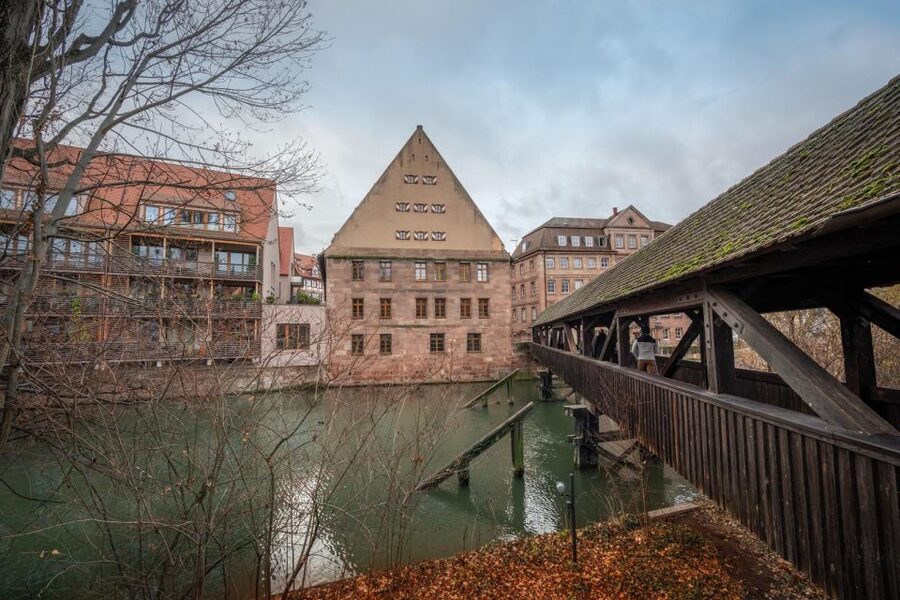
Nuremberg history hits hardest on a human scale. This private tour with a local turns major landmarks into stories you can actually place, from St. Lawrence Church to the Imperial Castle. I especially like how personal it feels, and how you get a tailored walk that matches your pace and interests instead of a one-size script.
One thing to plan for: this is a walking tour and it is not suitable for people with mobility impairments, so you’ll want to think about your comfort level before you book.
In This Review
- Key moments that make this tour worth your time
- A private local guide in Nuremberg, not a generic route
- Starting at Tugendbrunnen, then getting your bearings fast
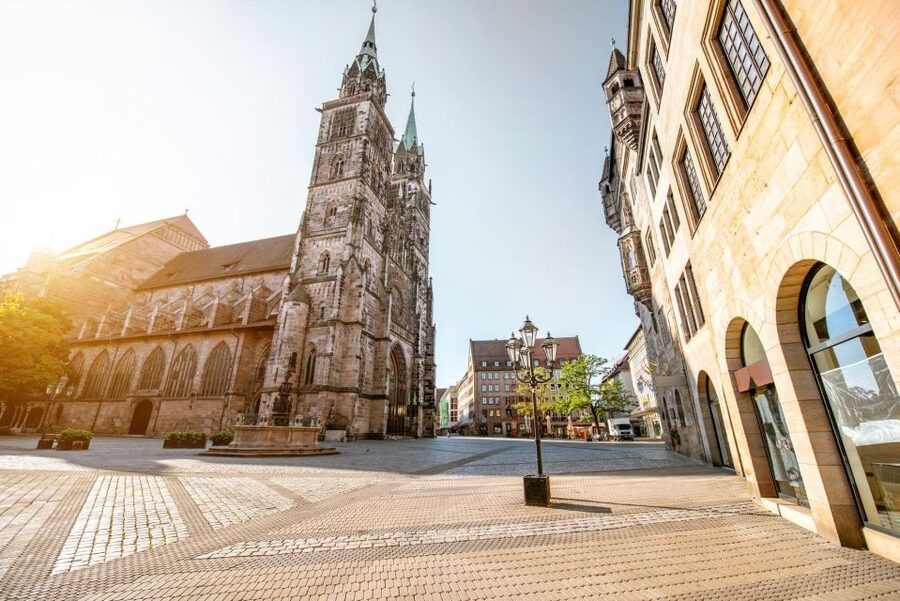
- St. Lawrence Church: a landmark with real context
- Imperial Castle of Nuremberg, and the power behind the streets
- Nuremberg Trials: where the past still shows up
- How the route adapts to you, and why that matters
- English or German, and what “private local” feels like
- What you actually get during the 2 to 3 hours
- Price and value: is $150 per person fair?
- Practical tips so your tour feels easy
- Who this tour suits best
- Should you book this Nuremberg private history tour?
- FAQ
- How long is the Nuremberg private history tour?
- Where do we meet for the tour?
- Is this a private tour?
- What sights will we see?
- What languages is the live guide available in?
- What is included in the price?
- Are tickets to museums and monuments included?
- What should I bring?
- Is the tour suitable for mobility impairments?
- What are the cancellation terms?
Key moments that make this tour worth your time
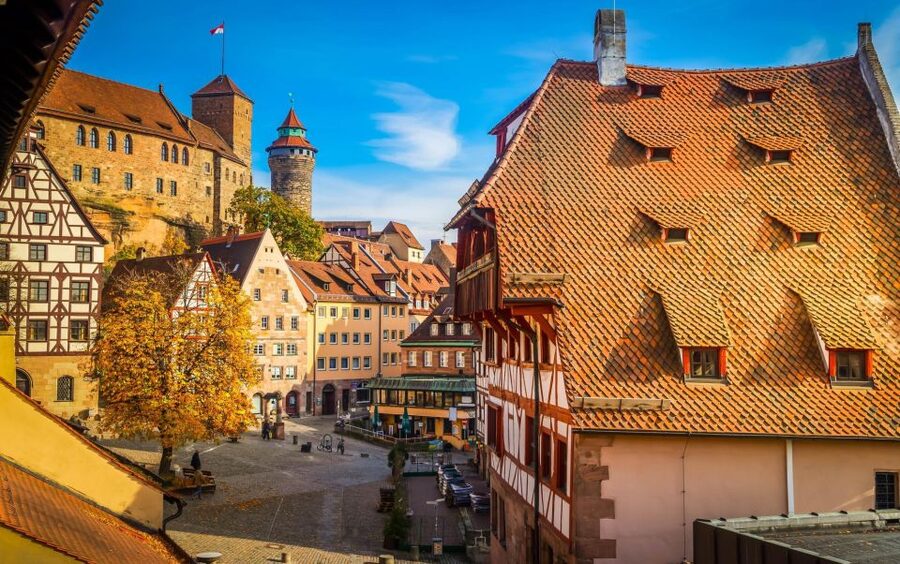
- Tugendbrunnen fountain meeting point, a clean starting anchor in the old town core
- St. Lawrence Church stop, where the landmark matters and the background helps you see it properly
- Imperial Castle focus, connected to why Nuremberg grew the way it did
- Nuremberg Trials explained with local after-effects, including architecture, culture, and the East Franconian German dialect
- A private pace, with route adjustments based on your interests and walking speed
- Guides like Hermann and Stefan, who reportedly take their time and make the old town feel alive
A private local guide in Nuremberg, not a generic route
What I like about this kind of tour is simple: you are not competing with strangers for the guide’s attention. In a private setup, questions come up naturally, and the conversation can follow what you find interesting that day.
The big theme here is cause and effect. You are not only seeing famous spots, you’re connecting them to the forces that shaped Nuremberg, including imperial power and the lasting cultural impact of the trials.
More centuries per city block:
- Nuremberg: 1.5-Hour Private Tour through Historical Old Town
★ 4.8 · 283 reviews - “Rotes Bier” and “Blaue Zipfel”. A historical-culinary walk
★ 4.4 · 190 reviews - Nuremberg: Historical Rock Passages Tour
★ 4.8 · 131 reviews
Starting at Tugendbrunnen, then getting your bearings fast
You meet at the Tugendbrunnen fountain. That’s a practical choice, because it gives you a clear landmark to orient from before you start walking through the older streets.
Once you’re on the move, the tour keeps the “where am I?” problem from growing. A local host can point out what you should notice and what you can safely ignore, so you spend your time looking at things that actually matter.
St. Lawrence Church: a landmark with real context
One of the tour’s core stops is St. Lawrence Church. If you’ve ever stood in front of a major church and felt like you were missing the plot, this is where a guide earns their keep.
You’ll get the story behind why it’s an iconic part of Nuremberg’s past, not just what it looks like. The benefit is that you start reading the building as evidence, not decoration. Even if you are not a history nerd, you’ll likely walk away with a better sense of how the city’s identity formed around places like this.
A small practical note: churches often bring uneven surfaces and steps. Bring comfortable shoes and don’t rush. This is a “take your time” style tour.
Imperial Castle of Nuremberg, and the power behind the streets
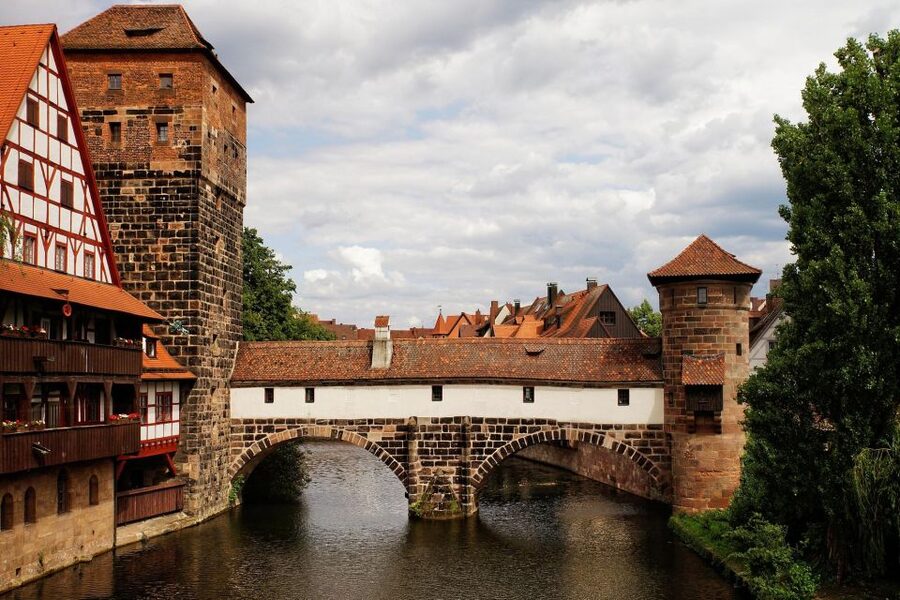
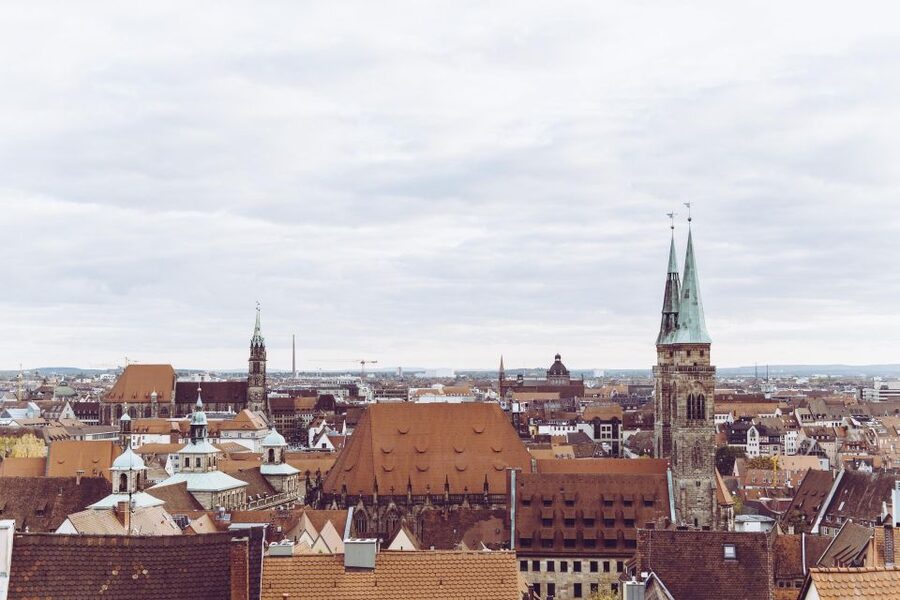
The Imperial Castle of Nuremberg is treated as a key driver of the city’s story. That matters because Nuremberg didn’t just “have buildings,” it gained status, influence, and political weight over time. The castle is the anchor for understanding why the city’s layout and priorities developed the way they did.
In my experience, castle stops can go two ways: either you get a quick overview, or you get meaning. This tour leans toward meaning. You’ll see the landmark and then understand how it shaped Nuremberg’s history, so you can connect what you see outside to what was happening historically.
Also, if you’re the type who enjoys architecture, you’ll probably like how the guide links the physical presence of power to the everyday life of the city. You start seeing the old town as a system, not random sights.
Nuremberg Trials: where the past still shows up
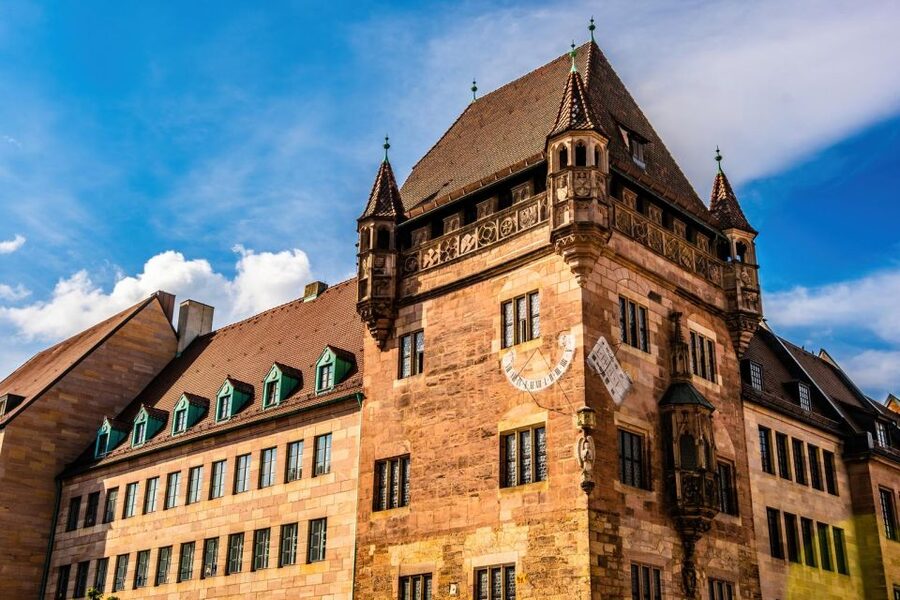
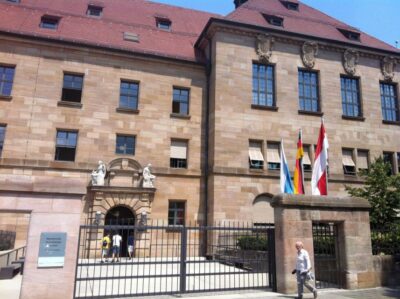
This tour doesn’t treat the 20th century like a separate chapter. It connects the Nuremberg Trials to present-day effects in three specific ways: architecture, culture, and the East Franconian German dialect.
That’s a powerful combination because it moves beyond dates. Architecture and culture are visible, and language is personal. When a guide ties all three together, you get a fuller picture of how events can keep shaping daily life long after the headlines fade.
I also like that the guide’s approach is explained in plain terms. You’re not stuck translating history into sightseeing. Instead, the tour helps you notice how the city’s identity and the way people speak reflect the legacy of those events.
Also holding a platform in Nuremberg


How the route adapts to you, and why that matters
This is a private group, and the itinerary can adapt to your interests and walking pace. That flexibility is more than a nice feature. It can change how satisfying the whole tour feels.
If you care more about medieval power, you’ll likely get more attention on the Imperial Castle angle. If you want the modern history thread, the tour is built to follow that too, including how the trials influence what you see and hear today.
One practical consideration: stops may vary depending on weather conditions. If it’s raining, windy, or simply unpleasant, you should expect the guide to make adjustments. The upside is that you’re less likely to feel stuck on an outdoor segment that isn’t working.
English or German, and what “private local” feels like
The tour is a live guided experience in English and German, and it’s hosted by an independent local. That matters because local hosts often guide with local priorities, not just textbook highlights.
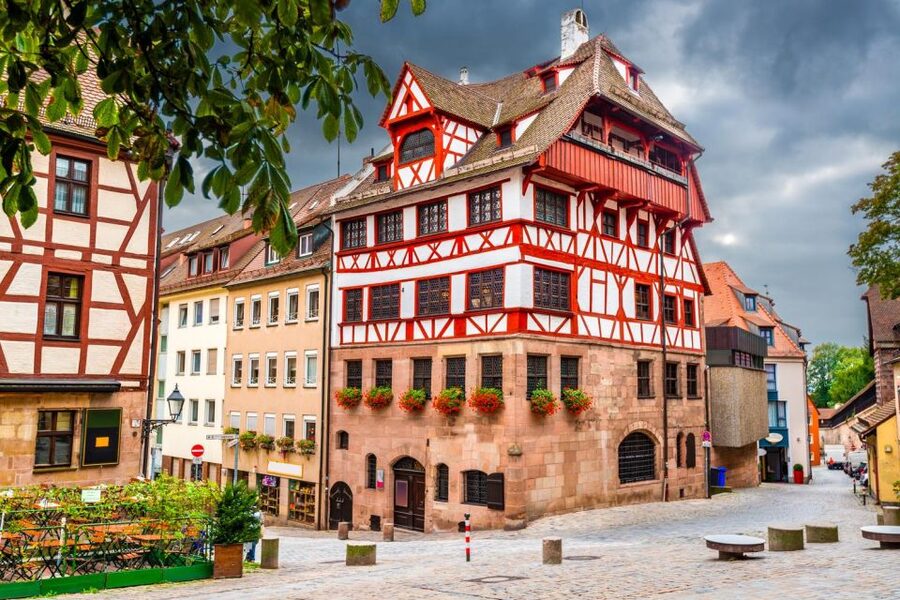
From past experiences with guides like Hermann and Stefan, the common thread is time. Hermann reportedly took his time and expanded on local Nuremberg history with strong explanations. Stefan reportedly brought old Nuremberg alive and showed parts of the old town that you might not find on your own.
You’ll feel that in the way the tour is paced. It’s not “photo, next, next.” It’s more like, “Look here, notice this, then here’s why it’s meaningful.”
What you actually get during the 2 to 3 hours
The tour runs 2 to 3 hours, so it’s a great fit for people who want depth without a half-day commitment. It also means you are unlikely to feel drained before the rest of your day in Nuremberg.
Included in what you pay:
- an exclusive private tour
- a local host
- a tailored itinerary
Not included:
- personal expenses
- entry tickets for transportation, museums, and monuments
That last point matters for planning. If you want to go inside specific sites, you may need additional tickets. Ask your guide what’s worth stepping into during your walk so you can match your interests to your time and budget.
Price and value: is $150 per person fair?
At $150 per person for a private, guided history walk, the value depends on one thing: how much attention you want and how you like to travel.
If you’re traveling solo or with one or two people, the “private time” can feel expensive compared to joining a group. But if you hate standing with strangers while a guide speaks to the lowest common denominator, private time is usually worth it. You also get personalization, not just a fixed script.
I also think it’s good value because the guide’s job is not only to point out sights. They connect the dots: Imperial Castle as a historical driver, St. Lawrence Church as an identity marker, and the Nuremberg Trials as a force that still shows up in architecture, culture, and language. When that kind of interpretation clicks, you end up with more than memories. You end up with understanding.
Practical tips so your tour feels easy
Bring comfortable shoes and water. Even a short walking tour can add up, especially if your guide moves at a thoughtful pace with extra stops for explanation.
Bring a charged smartphone. You’ll want it for photos and quick reference while the guide points out details you may not notice at first.
Also plan around the fact that stops can change with weather. If you’re the type who over-plans, this tour will gently push you to stay flexible. That’s usually a good thing.
Finally, this tour is not suitable for mobility impairments, so don’t book it unless you know the walking level will work for you.
Who this tour suits best
This experience is ideal for:
- couples or small groups who want a more intimate guide experience
- history-minded visitors who want more meaning than a quick landmark pass
- people who like asking questions and building their own understanding as they walk
- first-time visitors to Nuremberg who want a strong orientation plus deeper context
It may be less ideal if you want a mostly indoor, museum-heavy day, since the experience is built around walking through key landmarks over 2 to 3 hours.
Should you book this Nuremberg private history tour?
If your goal is to understand why Nuremberg looks the way it does, and not just to tick off sights, I’d book it. The mix of Imperial Castle, St. Lawrence Church, and the lasting influence of the trials gives you a shaped perspective on the city.
I’d especially consider it if you like guided storytelling and you appreciate when a local host takes time with explanations. With guides like Hermann and Stefan previously emphasizing slower pacing and making old Nuremberg feel alive, the odds are good that you’ll leave with real context, not just photos.
FAQ
How long is the Nuremberg private history tour?
It lasts 2 to 3 hours, and you can check availability to see starting times.
Where do we meet for the tour?
You meet at the Tugendbrunnen fountain.
Is this a private tour?
Yes. It is an exclusive private tour for your group.
What sights will we see?
You’ll visit major landmarks including St. Lawrence Church and the Imperial Castle of Nuremberg.
What languages is the live guide available in?
The live tour guide is available in English and German.
What is included in the price?
The tour includes an exclusive private tour, a local host, and a tailored itinerary.
Are tickets to museums and monuments included?
No. Entry tickets for transportation, museums, and monuments are not included.
What should I bring?
Bring comfortable shoes, water, and a charged smartphone.
Is the tour suitable for mobility impairments?
No. It is not suitable for people with mobility impairments.
What are the cancellation terms?
You can cancel up to 24 hours in advance for a full refund. There’s also a reserve now, pay later option.
If you tell me your travel dates and whether you prefer medieval topics or more on the trial-era history, I can suggest what to emphasize when you choose your route.
Fresh on the arrivals board for Nuremberg


Historical Tours, compared.

City History Canal Sightseeing Tour on a Motorboat
Read our review →

Browse the lists this tour appears in