
Reviewed · HISTORICAL TOURS
Nuremberg: Historical Rock Passages Tour
Underground beer stories in Nuremberg still feel fresh. This guided hour walks you through 700-year-old rock passages and shows how the city used bright sandstone for storage and survival. You’ll also hit a brewery and whiskey warehouse that keep some of the tradition alive today.
I like the small-group feel, limited to just 4 participants, so the guide can actually answer questions. I also like that the tour mixes practical sights, like an WWII air raid shelter, with the “how did they do this” details about beer maturation. One drawback to plan for: it is not suitable for claustrophobia, since the rock corridors can feel enclosed.
In This Review
- Key Points You’ll Actually Care About
- The 700-Year Rock Passage Network Under Nuremberg
- Meeting at Bergstraße 19, and What Small Groups Change
- The Rock Passages Tour: What “Beer Cellars” Really Means
- WWII Air Raid Shelter Stop: A Different Kind of Underground
- Altstadthof Brewery and the “Today” Side of the System
- Whiskey Warehouse and Spirits Storage You Can Actually Picture
- Sampling Options After the Tour, and What You Pay For
- The Guide Experience: German-Language Tour and Audio Support
- Price and Value: Why $16 for an Underground Hour Works
- Who This Tour Is Best For (and Who Should Skip It)
- Should You Book This Historic Rock Passages Tour?
- FAQ
- How long is the Nuremberg Historical Rock Passages Tour?
- What is the price per person?
- Where does the tour start?
- Is the tour guided?
- What languages are available?
- Is beer included in the tour price?
- What stops are included during the tour?
- How big is the group?
- Is the tour refundable if plans change?
Key Points You’ll Actually Care About
- Small group (up to 4), so you get more back-and-forth with the German guide
- 700-year-old rock passage system under Nuremberg, tied to beer storage and city life
- WWII air raid shelter stop, adding context beyond beer history
- Brewery cellars plus whiskey storage, so you get both beer and spirits culture
- Beer sampling is on you. Beer is not included in the tour cost
The 700-Year Rock Passage Network Under Nuremberg
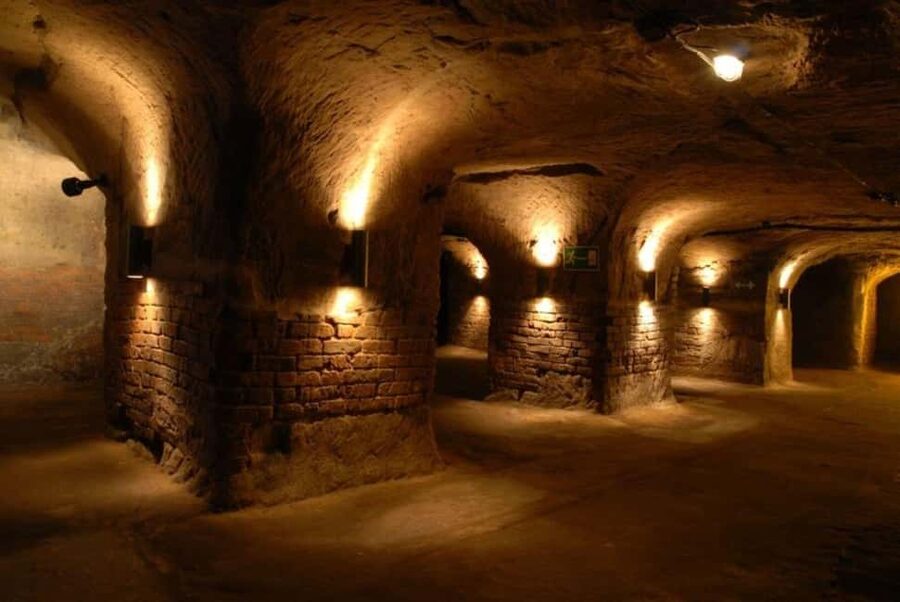
What makes this tour special is the setting. Nuremberg’s “historic rock passages” are not a museum hallway idea. For centuries, citizens dug vaults and corridors into the bright colored sandstone under the city, building an underground system that was first mentioned in a document in 1380.
A key point the guide will help you grasp is purpose. These spaces were not just for cool storage. Over many centuries, the cellars were mainly used for maturation and storage of beer, especially Nuremberg city beer, known as red Nuremberg beer. That is how the underground ties into daily life and local pride.
Today, only part of that branched labyrinth is still used in a working way. The Altstadthof brewery uses a small portion again for maturing and storing special beers and beer spirits. So you’re not only looking at old stone. You’re seeing where the process continues.
More centuries per city block:
- Nuremberg: 1.5-Hour Private Tour through Historical Old Town
★ 4.8 · 283 reviews - “Rotes Bier” and “Blaue Zipfel”. A historical-culinary walk
★ 4.4 · 190 reviews - Nuremberg:Complete Tour! Castle/Old Town/World War history
★ 5.0 · 45 reviews
Meeting at Bergstraße 19, and What Small Groups Change
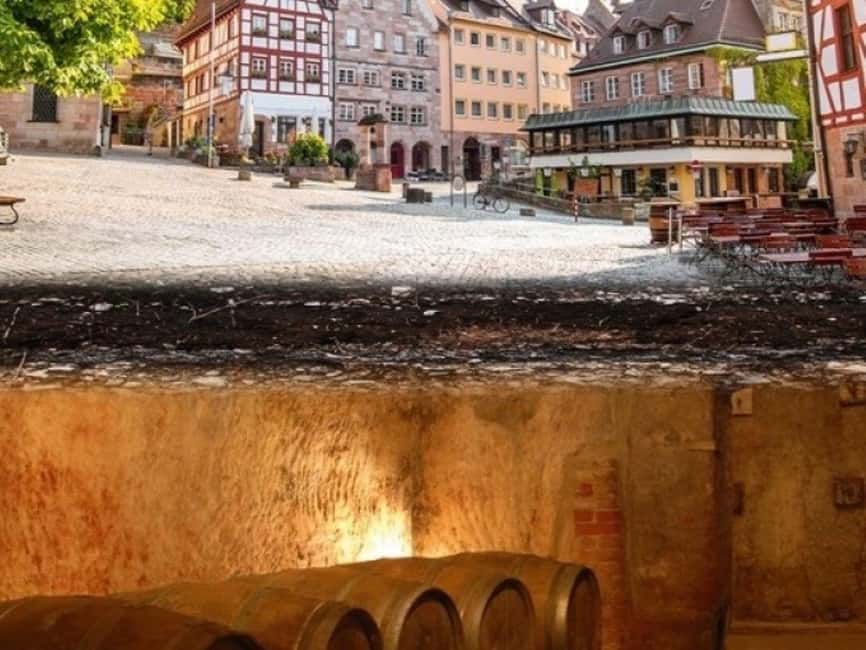
You start in front of the brewery shop at Bergstraße 19. The tour itself is short on paper, just 1 hour, but it is structured so you do not waste time walking back and forth without context.
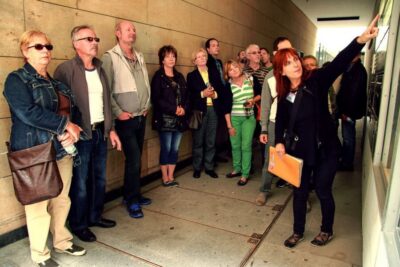
The small group limit of up to 4 people matters more than you might think. In places like underground corridors, being packed in a larger group can turn the experience into a line. Here, the group stays tight, and the guide can slow down when questions come up, which is exactly the kind of pacing you want in a history-and-process tour.
You’ll also be with a live guide in German. If you read German or you are comfortable with listening, you’re in a good spot. If not, plan for the fact that some content may show up in its original language.
The Rock Passages Tour: What “Beer Cellars” Really Means
The guided walkthrough focuses on the origin and use of these historic rock passages over roughly 700 years. As you move through, the story stays centered on storage, maturation, and the practical problem of keeping beer stable before modern refrigeration.
You can think of the underground system as an early piece of brewing infrastructure. The sandstone setting helped with temperature stability and protection from weather. That is why beer storage became the main use for so long.
One thing I like about the way this kind of tour is built is that it explains why the system existed at all. You get past the wow factor of tunnels and into the “this was useful” part of the story. You’ll also understand why a small portion is still active today at the Altstadthof brewery.
And yes, you do get the “working cellar” feeling. The tour includes the beer cellar, which connects the underground architecture to what the brewery does now.
WWII Air Raid Shelter Stop: A Different Kind of Underground
Not every underground tour adds this piece. Here, the experience also includes an air raid shelter during World War II.
That stop changes the tone in a good way. You’re still underground, still in stone corridors, but now the purpose shifts from commerce and beer storage to protection during wartime. It gives you a fuller sense of how these spaces could be reused across very different eras.
If you are the type who likes context, this is where the tour becomes more than a drink-story. The guide’s job is to connect the site’s long timeline, including how people adapted to changing needs in the same kind of underground environment.
One caution: this is one of the reasons the tour is not recommended for claustrophobia. Underground spaces, even when explained well, can feel tight.
Altstadthof Brewery and the “Today” Side of the System
The tour brings you to the brewery component as more than a storefront visit. You’ll see the home brewery and distillery connected to the rock passage story.
This is important for value. A lot of history tours stop at narration. Here, you get an active link to modern production. The tour description is clear that Altstadthof uses a small portion of the branched, labyrinthine cellar system again for maturation and storage of special beers and beer spirits.
So when you hear about old uses, it is not just a past snapshot. The tour helps you understand the “continuity” part. The same underground advantages that made beer storage practical centuries ago still make sense for controlled maturation today.
This is also where you start getting to know the specialties you might want after the tour. The experience is set up so you can keep the story going with tastings afterward at different spots associated with the brewery.
Also holding a platform in Nuremberg


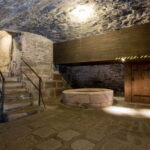
Whiskey Warehouse and Spirits Storage You Can Actually Picture
Along with the beer cellar side, the tour includes whiskey storage and a stop at the whiskey distillery area.
This helps you broaden your mental map. The rock passage narrative is not only about beer. The underground spaces and the brewery environment are also tied to spirits storage, including beer spirits. Even if you are not a big whiskey person, the storage concept is intuitive. You’re learning about time, temperature stability, and how cellars and warehouses support aging and flavor development.
If you like tours that teach you how to “read” a place, this part is strong. You can physically connect the architecture to the process, instead of treating spirits as something that magically appears in a bottle.
Sampling Options After the Tour, and What You Pay For
Here’s the practical bit: beer is not included in the price. But the tour description makes it clear you can sample specialties in several places tied to the brewery experience.
After the guided portion, you can look for tasting at the tasting boutique, at the brewery, at the restaurant, or in the brewery’s cellar tavern. That means you can choose the style you want without turning the tour into a forced drinking event.
You should also know there is a separate audio guide component available in various languages, but audio guides are not included. So if you want extra layers, you might need to plan for that outside the basic tour price.
One more useful detail: the tour is focused and compact. Since it is only an hour, build in time after for purchases or tastings if you want them. If you do not care about sampling, you can still get a complete story in that hour.
The Guide Experience: German-Language Tour and Audio Support
This is a guided tour with a live guide, and the live tour guide is German. Some content is shown in its original language, so you’ll get the vibe of a local explanation, not a translated summary.
The good news is the guide style seems to land well. Based on the guide quality patterns around this experience, the tour aims for humor and interaction. One named guide, Charlie, is highlighted for using humor and involving visitors with questions, which is exactly how you make a history lesson feel like a conversation.
If you only speak English, do not panic, but do set expectations. You might lean more on the structure of what you see: stone corridors, cellar spaces, the air raid shelter stop, then the brewery and whiskey storage areas.
Also, audio guides exist in various languages, but because they are not included, you should consider whether you want them enough to pay extra.
Price and Value: Why $16 for an Underground Hour Works
At $16 per person for a 1-hour guided experience, the value is strong if you care about stories with physical context.
You are not just buying access to a tunnel. You are paying for a live guide plus multiple site elements: the beer cellar, the WWII air raid shelter, the home brewery and distillery areas, and whiskey storage. That is a lot of “stop density” for a short time, which helps if you have limited time in Nuremberg.
Also, the small group size is part of the value. Paying a low price and still getting a guide-led hour in a group of up to 4 tends to beat the big-group sightseeing model.
The trade-off is that you bring your own tasting (beer is not included), and the language is German. If you want a silent, self-paced English experience, this might not be the best fit.
Who This Tour Is Best For (and Who Should Skip It)
This tour is a great match if you like:
- history that is connected to real buildings you can stand in
- food and drink culture with process and purpose
- short experiences that feel complete within an hour
It is also well suited if you want a “Nuremberg underground story” that goes beyond the usual city-center sights.
But skip it if you:
- have claustrophobia
- use a wheelchair or need accommodations for mobility impairments
- need a fully English experience, since the live guide is German
And if you’re traveling with a family, note that unaccompanied minors are not allowed, and baby carriages are not allowed either. If you’re traveling with certain items, you’ll want to be aware of the restrictions on oversize luggage and some personal items.
Should You Book This Historic Rock Passages Tour?
I think you should book it if you want Nuremberg to feel like a real place, not a distant story. The combination of rock passages, beer cellars, a WWII air raid shelter, and whiskey storage makes this more balanced than a single-theme drinking stop.
Book it especially if you enjoy guided explanations and you’re okay with a German-language tour. If your top priority is tastings, plan on buying beer and spirits afterward since beer is not included.
I would not book it if you are claustrophobic or if mobility limitations make underground spaces hard. In that case, you’d be risking comfort and the whole point of a short trip is to enjoy it, not endure it.
FAQ
How long is the Nuremberg Historical Rock Passages Tour?
The tour lasts 1 hour.
What is the price per person?
It costs $16 per person.
Where does the tour start?
The meeting point is in front of the brewery shop at Bergstraße 19.
Is the tour guided?
Yes. It includes a live tour guide.
What languages are available?
The live tour guide is German. Audio guides are available in various languages, but the audio guide is not included.
Is beer included in the tour price?
No. Beer is not included.
What stops are included during the tour?
The tour includes the beer cellar, an air raid shelter during World War II, the home brewery and distillery, and whiskey storage.
How big is the group?
It is a small group, limited to 4 participants.
Is the tour refundable if plans change?
Yes. You can cancel up to 24 hours in advance for a full refund.
Fresh on the arrivals board for Nuremberg


Historical Tours, compared.

City History Canal Sightseeing Tour on a Motorboat
Read our review →




Browse the lists this tour appears in