
Reviewed · NUREMBERG TOURS & ACTIVITIES
Nuremberg: Medieval Dungeons Guided Tour
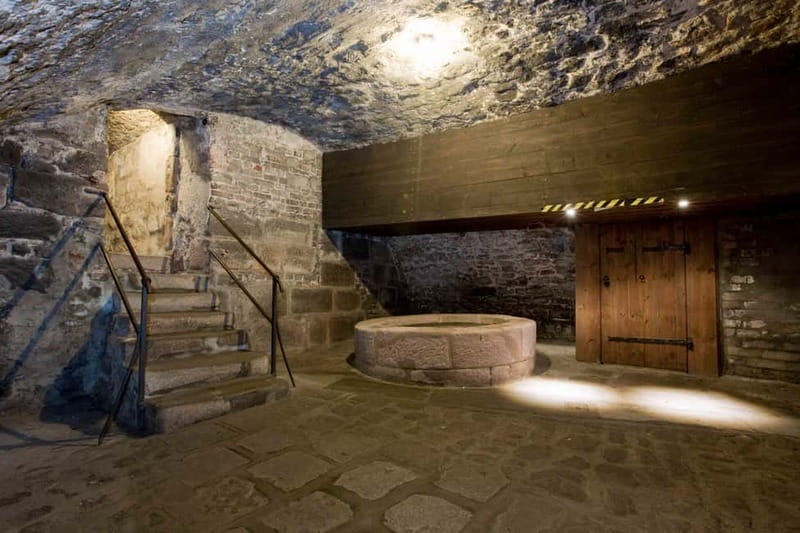
Step into the dark side of Nuremberg. This Medieval Dungeons Guided Tour takes you below the Old City Hall to walk through tiny cells and see the dungeon spaces that helped power the city’s medieval justice system. The best part is how fast it moves, you get real context in only 45 minutes, without feeling dragged through a museum maze.
The experience shines with vaulted cellars under the Rathaus and guides who bring the story to life, like Andreas, who mixes clear history with just the right amount of theatre. The downside to keep in mind is that this tour includes reports about torture, so it is not for everyone.
I especially like the way you get to picture everyday reality, not just vague “history.” You walk through twelve small cells, learn how prisoners were held and questioned pending judgment, and get pointed details about what people endured before confession, guilty or not. Andreas and other guides like Ralf and Johann also tend to keep it engaging, with humor used in service of the story rather than at odds with it.
One consideration: this is tight, low-ceiling, and not meant for comfort at the wrong moment. If you have claustrophobia or mobility limits, or if you’re traveling with children under 10, you’ll want to skip or choose something more suitable.
In This Review
- Key Things You’ll Notice On This Nuremberg Dungeon Tour
- Medieval Dungeons Under Nuremberg’s Old City Hall
- Where You Meet And How The Timing Works (45 Minutes)
- Your Underground Walkthrough: Cells First, Then The Torture Chamber
- What You Learn Inside The Cells (Justice, Waiting, Confession)
- The Guides And Why Their Style Matters Here
- What To Bring (And What Not To Bring)
- Who This Tour Is Best For (And Who Should Skip)
- Price And Value: Why This One Costs About $11
- Practical Tips So You Get The Most From It
- Should You Book The Nuremberg Medieval Dungeons Tour?
- FAQ
- How long is the Nuremberg Medieval Dungeons Guided Tour?
- Where do I meet for the Old City Hall dungeons tour?
- Is the tour guided, and what languages are offered?
- What will I see during the 45-minute tour?
- How much does the tour cost?
- What should I bring?
- Is food or drinks allowed during the tour?
- Are children allowed?
- Is this tour suitable for people with mobility impairments or claustrophobia?
Key Things You’ll Notice On This Nuremberg Dungeon Tour
- Below the Altes Rathaus: You explore the old city hall cellars, not a far-off site.
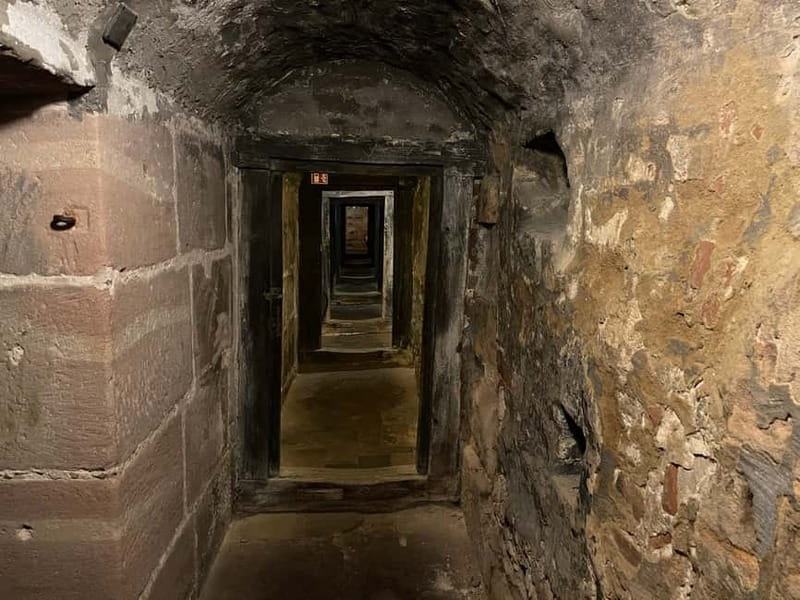
- Twelve small cells: You move through the remand prison layout used to hold and question prisoners.
- Mostly original furnishings: You see what remains of the dungeon setup and get meaning from it.
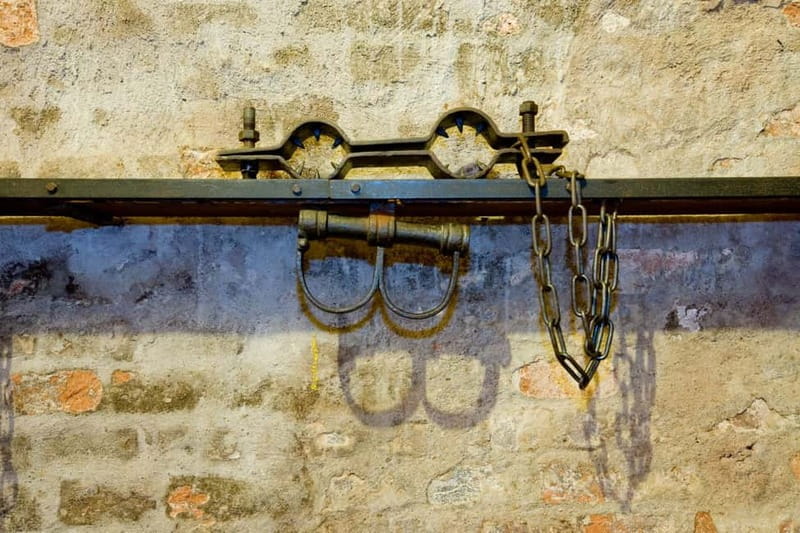
- The torture chamber: You visit the chamber and hear how medieval punishment and interrogation were framed.
- Guides use storycraft: Many guides, including Andreas and Johann, use a mix of clarity and humor to keep the pace lively.
Medieval Dungeons Under Nuremberg’s Old City Hall
If you like history that feels physical, this tour hits hard. Nuremberg’s Old City Hall, the Altes Rathaus, sits over vaulted underground spaces that once served the city’s system of crime and punishment. Instead of reading about it, you are walking those corridors where prisoners were held and questioned.
What makes it interesting is the time period and purpose. From the 14th century, these dungeons were used to hold people and interrogate them while waiting for judgment. That detail matters because it shifts the focus from “torture for drama” to a broader idea of how medieval justice worked as a process, not a clean court.
I also appreciate the guide-driven approach. You’re not left wandering. The route is built to take you from cell to cell so you start to grasp scale and confinement, then end at the torture chamber where the story turns darker. It’s short, but it feels structured.
And yes, the tour is uncomfortable at points by design. You’ll hear reports of torture, and the walls and low spaces help you understand why “being thrown into the dungeon” was treated like a near death sentence in the Middle Ages.
Also holding a platform in Nuremberg
- Nuremberg: City Tour with the Bimmelbahn Train
★ 4.4 · 2,475 reviews - Nuremberg: Old Town Guided Walking Tour
★ 4.6 · 2,416 reviews - Nuremberg: Tunnels and Secret Passages in the City Wall Tour
★ 4.8 · 2,334 reviews
Where You Meet And How The Timing Works (45 Minutes)
Plan this as a focused stop in your day, not a slow afternoon. The tour is 45 minutes, and that matters in Nuremberg because you will likely stack multiple sights close together in the historic center.
You meet in front of the Old City Hall (Altes Rathaus) near the middle entrance, and you should wait outside. Once you’re inside with the group, you’ll move through the dungeons on foot. Expect a packed schedule, and keep your timing simple: arrive a little early so you’re not rushing when you step into the underground entry.
The tour runs with a live guide in English or German. If you’re choosing between languages, pick what you can follow best. In a place like this, small details matter, like how the remand prison functioned and what “confession” meant to the medieval system.
Your Underground Walkthrough: Cells First, Then The Torture Chamber
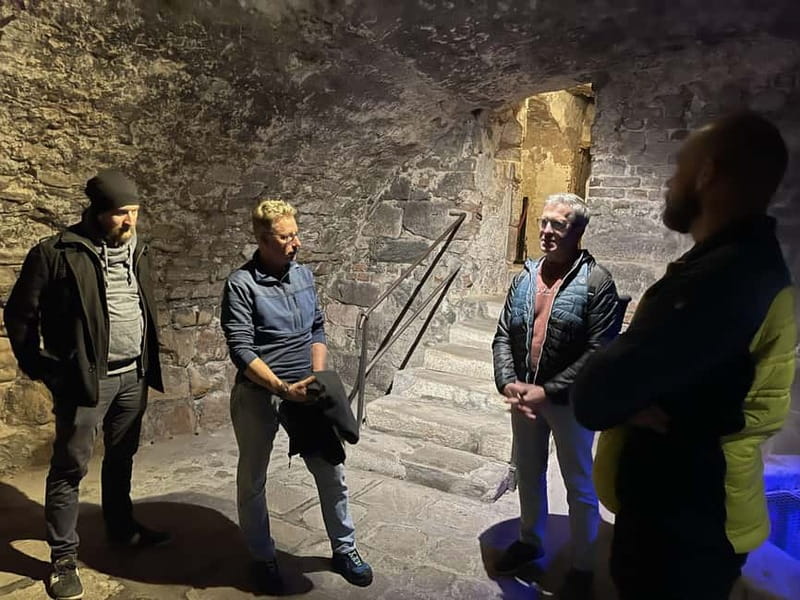
The route is built around a clear progression: imprisonment and questioning, then the spaces tied to torture. That pacing is useful, because your brain needs time to adjust from “tourist viewing” to “historical context.”
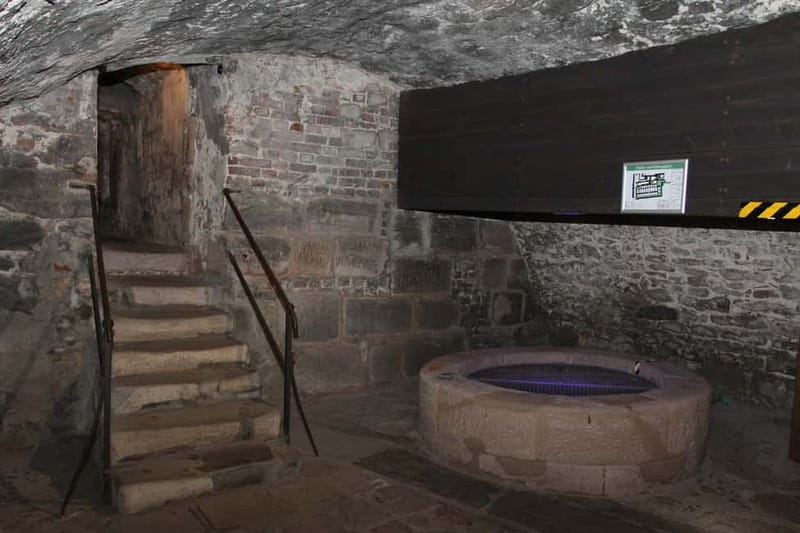
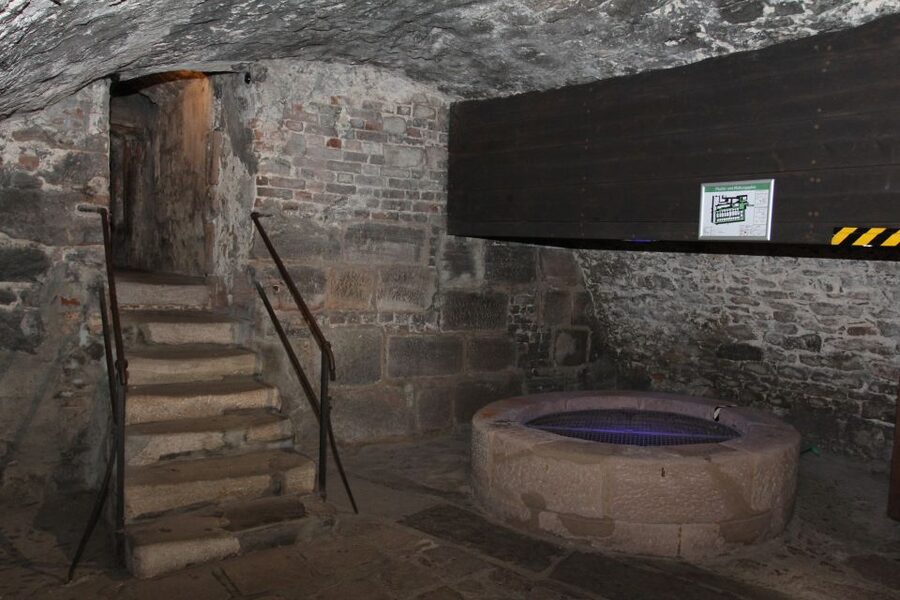
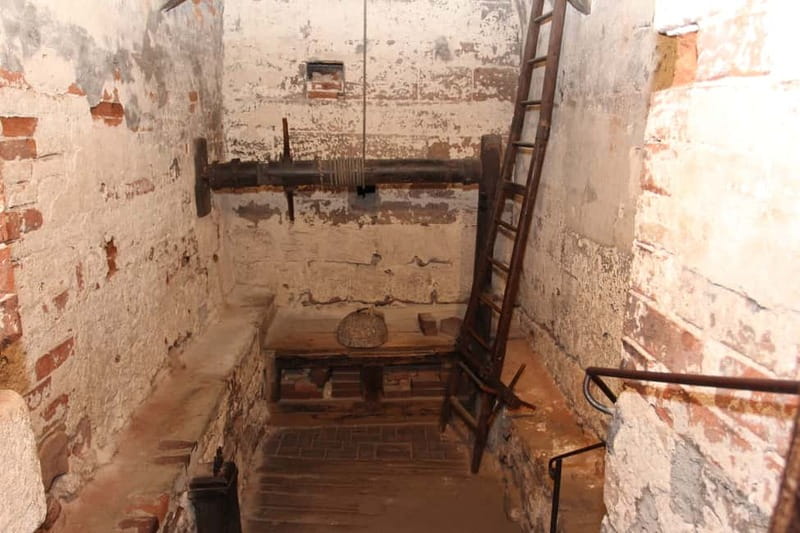
You start by stepping into the vaulted cellars beneath the Rathaus. These underground rooms do more than look old. They pressure the imagination in a way that photos can’t. When you stand somewhere that was designed to confine, you naturally start asking practical questions like: how did they keep people here, how did guards control movement, and how did prisoners survive the waiting period?
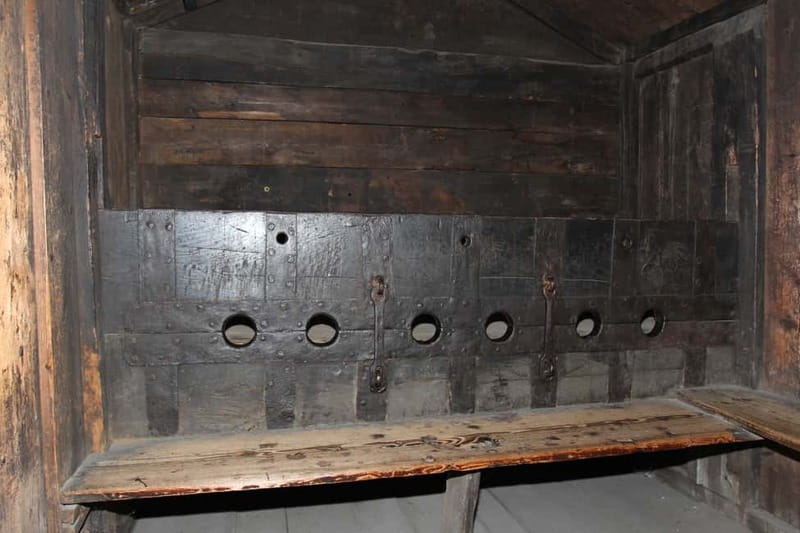
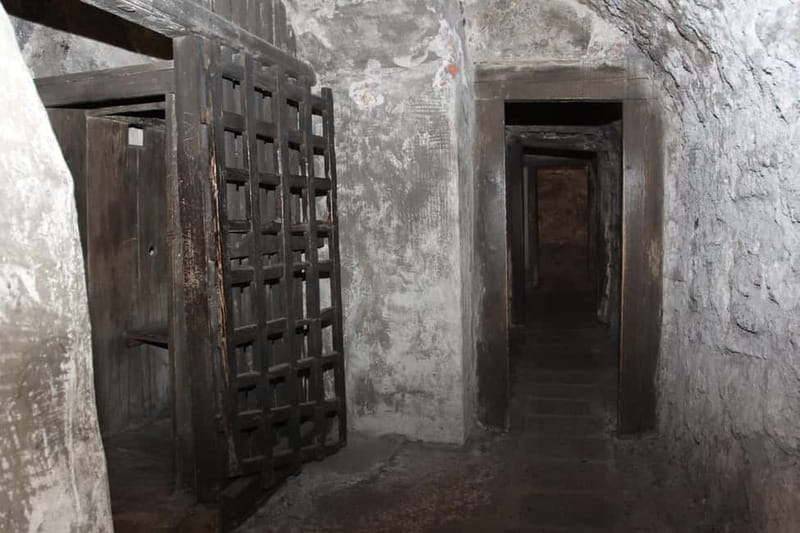
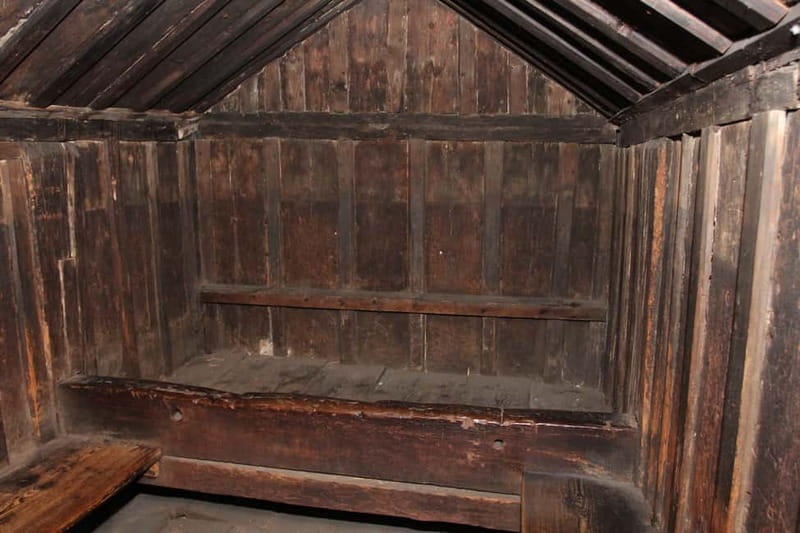
Next comes the walk through the twelve small cells. Each cell is small, which helps you understand confinement as the daily condition, not a single event. The guide connects the layout to the idea of a remand prison. These weren’t only long-term prisons. They were places where people were held and questioned pending judgment, from the time authorities decided someone needed detention until the legal process caught up.
Then you move toward the torture chamber. This is the stop that is most emotionally difficult for many people, and it’s also the most important to understand. The tour frames torture as part of medieval interrogation practices, and you’ll hear reports about what prisoners had to go through until they confessed, guilty or not.
What You Learn Inside The Cells (Justice, Waiting, Confession)
The tour’s educational value is that it treats the dungeon as part of a system. You’re not just seeing rooms. You’re learning the logic medieval authorities applied.
Here’s what the tour explains in a clear sequence:
- the dungeons were used to hold and question prisoners pending judgment
- prisoners could face what was described as interrogation until confession
- and the whole process could feel like a death sentence, even before final judgment
That last point is not just dramatic language. The dungeon structure itself supports the idea: small cells, underground space, limited movement, and a waiting period that could stretch while a case was processed. When you picture someone trapped there, the moral weight becomes clearer. The medieval system might have claimed order and truth, but the reality was fear and suffering.
I also like that the tour uses “mostly original furnishings” as a teaching tool. Seeing furnishings that remain (rather than a totally reconstructed set) helps you connect details to real use. The message is not “this is a movie set.” It’s more like, this is what they left behind, and this is what it likely functioned as.
The Guides And Why Their Style Matters Here
Dungeon tours can easily go two wrong ways. Either they go too graphic, or they go too watered down. This tour often strikes a third path: it gives context, uses careful storytelling, and moves quickly enough to keep the group focused.
The review-style patterns point to a consistent guide approach. Guides such as Andreas and Johann are repeatedly praised for being entertaining and using humor as a tool. That matters because torture is heavy history. Humor can keep attention from drifting, but the best guides still maintain respect for what happened.
If you want a “short, informative, and fun” dungeon stop, this tour tends to fit that brief. You’re not stuck for half a day, and you still get the key takeaways: why the dungeons existed, how they worked, and what the prisoners endured.
Just remember: a guide’s humor does not erase the subject. The tour explicitly warns that you will hear reports of torture, and the actual spaces you walk through make the topic feel immediate.
Onward connections from Nuremberg:



What To Bring (And What Not To Bring)
You’ll be underground, moving through tight rooms, so pack smart.
Bring:
- Warm clothing (cellars are cooler, and you’ll be standing still at points while the guide explains)
- a charged smartphone (it is listed as something you should have ready)
Not allowed:
- Food and drinks
That “no food or drinks” rule is common in enclosed historic spaces. It also keeps the air and surfaces cleaner when you’re walking close to walls and through small cells.
Who This Tour Is Best For (And Who Should Skip)
This is a great fit if you want history that is physical, direct, and structured. It’s also a strong choice if you’re trying to understand Nuremberg beyond the big postcard sights and want a darker angle that is still educational.
It is likely best for:
- adults and older teens who can handle the subject matter
- travelers who like guided storytelling and a clear route
- anyone comfortable with confined underground spaces
You should skip or think twice if you:
- are under 10 years old (children under 10 are not allowed)
- have mobility impairments
- have claustrophobia
- are sensitive to discussions and reports of torture
If you’re traveling as a family, that age cutoff is the big factor. If you’re traveling for comfort, tight ceilings and underground layouts are the big factor.
Price And Value: Why This One Costs About $11
At $11 per person, the price feels low for what you get, especially in a city full of paid sights. You’re paying for a guided route through real historic spaces under the Rathaus, with a live guide explaining how the dungeon system worked.
You also get a value advantage from the duration. At 45 minutes, you can fit it without eating up your whole afternoon. In practical terms, it’s easier to justify spending money when the time cost is small, and the experience still gives clear learning goals.
One more value point: the tour includes an entry ticket. So you’re not dealing with extra costs just to access the dungeon spaces themselves. You pay once and then focus on the experience.
Practical Tips So You Get The Most From It
A dungeon tour rewards readiness. A few small choices help you absorb the story instead of just surviving the discomfort.
- Wear warm layers. The underground temperature can surprise you.
- Be mentally ready for torture reports. This is part of the guided narrative, and the tour warns you ahead of time.
- Keep your phone charged. You’ll be standing in dark areas, and you don’t want a dead battery when you want photos or notes.
- Use the guide’s pacing. If you rush ahead, you lose the connections they make between cells, questioning, and the torture chamber.
This is not the kind of tour where you can wander slowly and catch up later. You’ll enjoy it more if you follow the route and let the guide do the tying together.
Should You Book The Nuremberg Medieval Dungeons Tour?
I’d book it if you want a short, guided look at medieval justice in a real underground setting under the Altes Rathaus. The structure is tight and the content is clear: cells first, context about holding and questioning, and then the torture chamber where the story turns darkest.
I’d skip it if any of your group is under 10, has mobility challenges that make low, enclosed spaces hard, or has claustrophobia. Also, if you know you struggle with torture-related history, the tour is honest about what you’ll hear.
If you can handle the subject and want something different from Nuremberg’s usual highlights, this is a strong value stop at about $11 for 45 minutes.
FAQ
How long is the Nuremberg Medieval Dungeons Guided Tour?
The tour lasts 45 minutes.
Where do I meet for the Old City Hall dungeons tour?
Meet in front of the Old City Hall (Altes Rathaus) near the middle entrance, and wait outside.
Is the tour guided, and what languages are offered?
Yes, it is a live guided tour, offered in English and German.
What will I see during the 45-minute tour?
You’ll explore the vaulted cellars below the old city hall, walk through twelve small cells, view mostly original furnishings, and visit the torture chamber.
How much does the tour cost?
The price is listed as $11 per person.
What should I bring?
Bring warm clothing and a charged smartphone.
Is food or drinks allowed during the tour?
No, food and drinks are not allowed.
Are children allowed?
No, children under 10 years are not allowed.
Is this tour suitable for people with mobility impairments or claustrophobia?
No. It is listed as not suitable for people with mobility impairments and people with claustrophobia.
Fresh on the arrivals board for Nuremberg


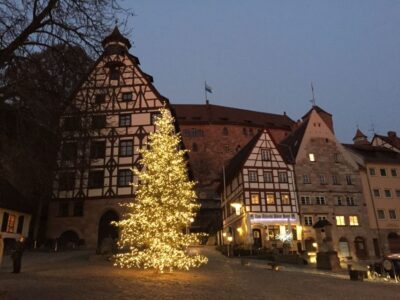

Nuremberg Tours & Activities, compared.


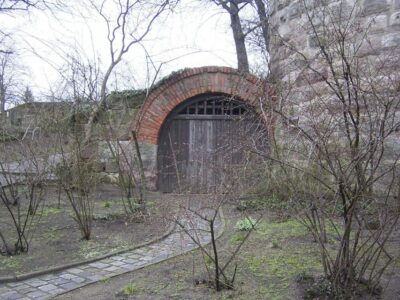
Tunnels and Secret Passages in the City Wall Tour
Read our review →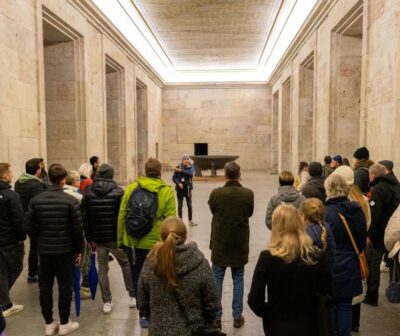
Walking Tour of Former Nazi Party Rally Grounds
Read our review →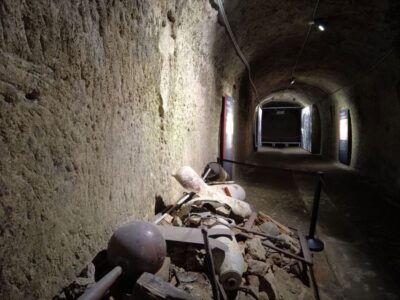


Nuremberg Old Town and Nazi Party Rally Grounds Walking Tour in English
Read our review →Browse the lists this tour appears in