
Reviewed · THIRD REICH & WORLD WAR II TOURS
Nuremberg: Historischer Kunstbunker WWII Art Bunker Tour
One hour underground in Nuremberg can feel like a time machine. The Historischer Kunstbunker tour is a guided walk through tunnels where Nazi officials tried to save priceless art during bombing, and where the city’s medieval past and WWII devastation collide.
What I like most is the way the tour connects famous works to real wartime choices, including pieces tied to Albrecht Dürer and the Altarpiece of Veit Stoss. I also love the local, practical feel of the tunnel routing, with a guide helping you move through the network without getting turned around.
The main drawback to consider is comfort. It is a cold, confined space, and the experience is not suitable for people with claustrophobia or mobility limits, plus groups can feel tight in the corridors.
In This Review
- Key highlights you will actually care about
- Why Nuremberg’s Art Bunker Story Hits Hard
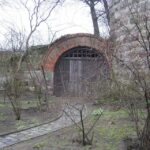
- From the Entrance to the Cellar: Where the Tour Starts
- The One-Hour Underground Route (and What Makes Each Part Special)
- 1) Setting the stage: why art mattered during bombing
- 2) Nazi-era preservation in action
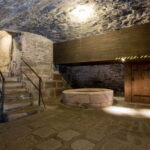
- 3) The medieval twist: beer storage before the war
- 4) The human-scale question: what survived, what did not
- Artworks You Will Hear About, and Why They Matter
- Cold Tunnels, Tight Turns, and Who This Tour Fits
- Guides and Style: What Makes the Narration Work
- Price and Value for a 1-Hour WWII Art Bunker Experience
- How to Pair It With the Rest of Nuremberg
- Should You Book the Historischer Kunstbunker Tour?
- FAQ
- How long is the Nuremberg Historischer Kunstbunker WWII Art Bunker tour?
- Where do I meet my guide?
- What is the price per person?
- Is the tour offered in English and German?
- Does the tour run in bad weather?
- What should I bring?
- Is the tour suitable for people with claustrophobia?
- Is the tour suitable for wheelchair users or mobility impairments?
- What is included in the ticket price?
- What is not included?
- Can I get a refund if I cancel?
Key highlights you will actually care about
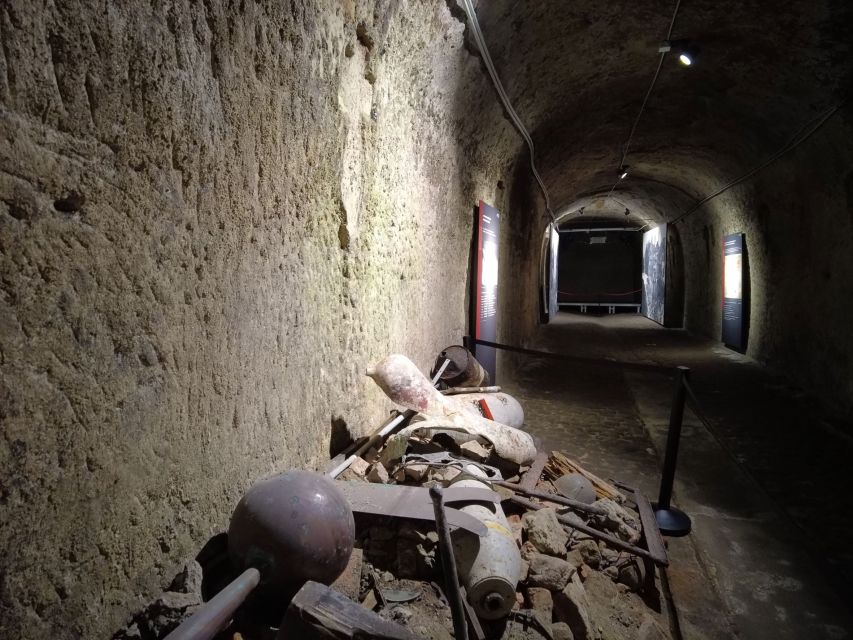
- WWII art rescue story tied to specific masterpieces, not just general facts
- Tunnels and rooms turned into an emergency storage space for artworks
- Medieval-to-WWII transformation, including the site’s earlier use to store beer
- Real scale of destruction, with the Old Town hit hard and later rebuilt
- Local guiding through the undercity, designed to keep you oriented
- Cold reality check, plan for cool temperatures and dress for it
Why Nuremberg’s Art Bunker Story Hits Hard
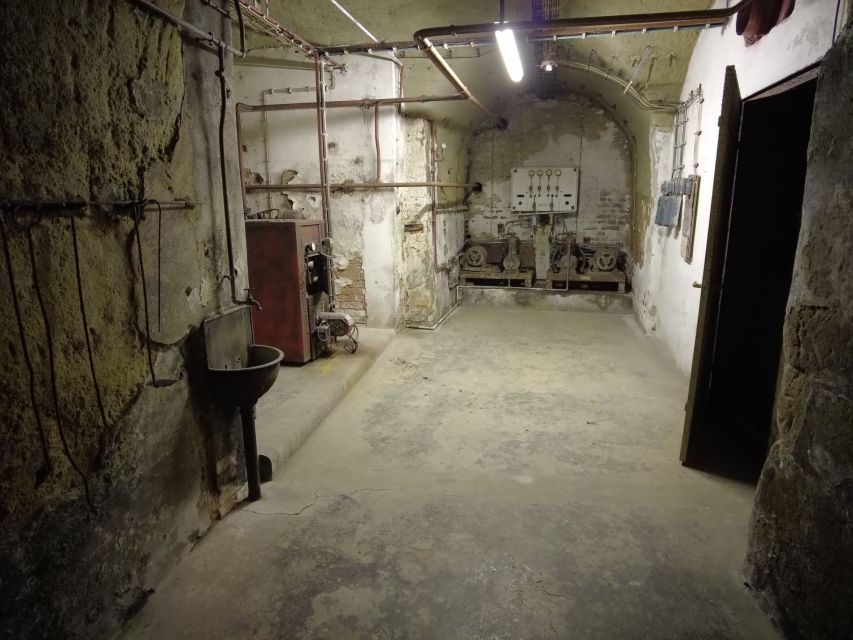
Nuremberg is known for impressive architecture above ground, but this tour pulls the curtain back. You get the unusual viewpoint of underground storage: a place built to keep art safe when the city was being attacked from the air.
The most powerful part is how the story is not only about the war. It is also about planning, logistics, and priorities. You will hear how Nuremberg’s Old Town was largely destroyed during WWII and then rebuilt afterward, while the bunker functioned as a wartime answer to a very specific problem, where do you put culture when everything else is burning.
There is also a sobering layer you should expect. The space is presented as a rescue effort for artworks, but it was still controlled by the Nazi system. That mix of protection and the moral context is part of what makes the tour feel real.
Further Third Reich and wartime history tours:
- Nuremberg: Walking Tour of Former Nazi Party Rally Grounds
★ 4.7 · 1,665 reviews - Nuremberg Old Town and Nazi Party Rally Grounds Walking Tour in English
★ 4.5 · 504 reviews - Nuremberg Old Town and Nazi Rally Grounds Walking Tour
★ 4.7 · 377 reviews
From the Entrance to the Cellar: Where the Tour Starts
You meet your guide at the entrance of the Historischer Kunstbunker Museum in Nuremberg’s Old Town. From there, the hour runs as a continuous guided experience, moving from the museum setting into the underground spaces.
This is one of those tours where location matters. You are not taking a bus to a remote site. You are stepping into the undercity right where the city’s history already feels close. After the tour, you are positioned to keep exploring Nuremberg outdoors, which makes it a good match for a packed itinerary.
One practical point before you go: this takes place rain or shine. Since you will still spend time outdoors on the walk to the entrance and then move back out afterward, you will want basic weather gear, but your bigger comfort issue will be underground temperature.
The One-Hour Underground Route (and What Makes Each Part Special)
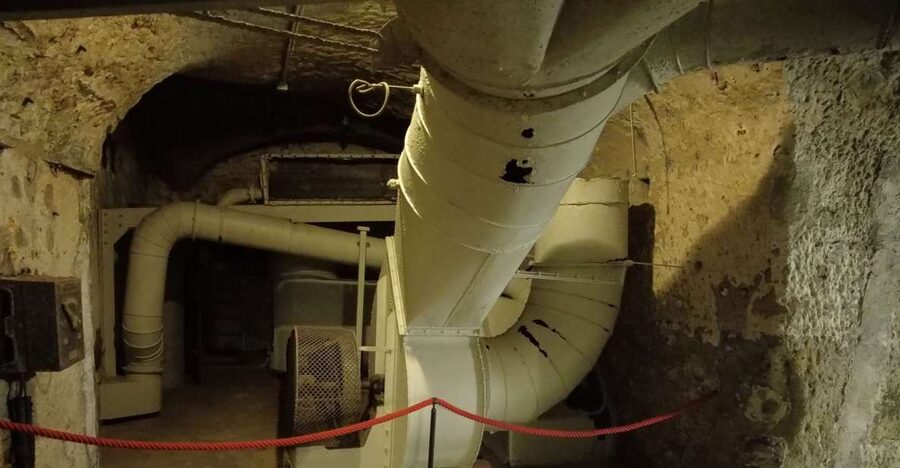
The tour is about 1 hour, and it moves at a pace that balances story and movement. You follow your guide through tunnels, with sections designed so you are not constantly guessing where to go next.
Here is how the experience typically feels, stop by stop:
1) Setting the stage: why art mattered during bombing
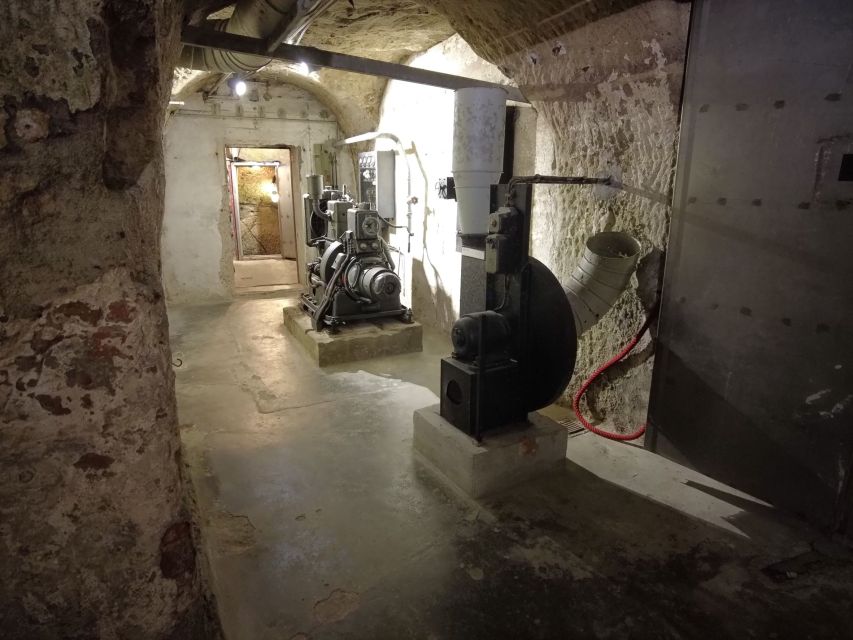
Early on, the guide explains the purpose of the Historischer Kunstbunker. You will learn how it functioned as a bomb shelter converted into a place to store artworks, with the goal of keeping them intact during bombing raids.
This context matters because it changes how you interpret the rooms. Instead of thinking of the bunker as a generic WWII site, you start seeing it as a practical system, built for handling, cataloging, and storage.
2) Nazi-era preservation in action
As the tour moves deeper, the story turns specific. You will hear how this space was used to protect artworks that included items like the Altarpiece of Veit Stoss and an automaton clock associated with the Frauenkirche. You also hear about manuscripts such as the Codex Manesse.
Even if you do not know the names cold, the guide frames why each object mattered. You see the bunker not just as shelter, but as a storage strategy.
Also holding a platform in Nuremberg

3) The medieval twist: beer storage before the war
Then comes a surprising shift. This cellar was used to store beer in medieval times. That detail does more than entertain you. It makes the bunker feel layered, like the undercity has served different needs across centuries.
You will walk through spaces that were not always designed for wartime survival. That “before and after” contrast makes the conversion into a WWII art shelter hit harder.
4) The human-scale question: what survived, what did not
The tour addresses destruction in plain terms, including how around 90 percent of the medieval Old Town was destroyed during WWII and what happened afterward. It connects that destruction to what the bunker did and did not accomplish.
To be clear, the tour is about rescue and preservation stories, not about pretending history was tidy. The point is that amid massive loss, some cultural works were saved, and that becomes part of the city’s long rebound.
Artworks You Will Hear About, and Why They Matter
A good art bunker tour should do two things: name the works and explain why those works were worth the trouble. This one does both.
You can expect to hear about major objects, including:
- Albrecht Dürer, mentioned in the tour’s focus on what was protected
- The Altarpiece of Veit Stoss, one of the centerpiece examples
- The automaton clock linked to the Frauenkirche
- The Codex Manesse, a standout example of what was at stake
If you love art, these names give you anchors. If you are more into WWII history, they shift the conversation from weapons to preservation, from front lines to what cities tried to save behind the lines.
Either way, the most useful takeaway is how the guide connects artwork scale to storage decisions. You stop seeing art as something only museums hold, and you start seeing it as something people tried to keep alive under impossible conditions.
Cold Tunnels, Tight Turns, and Who This Tour Fits
Plan for cool temperatures underground. The tour takes place rain or shine, but the cellar temperature is the bigger variable. People consistently flag that it is cool in the tunnels, with conditions around 10 to 12°C.
Bring warm clothing. A light jacket or sweater is usually not enough for some people, especially if you get cold easily. Closed-toe shoes also help, since the experience is in tunnels and you will be walking and standing in confined areas.
This is also a tour with real space limits. It is not suitable for people with mobility impairments, wheelchair users, or people with claustrophobia. In the wrong mind-body state, tunnels will not feel like history, they will feel like discomfort.
Group size is another practical consideration. If your group is bigger, you may feel a bit squeezed in tight sections. One traveler noted that a group of around 21 people could feel crowded in the space. The guide will manage pacing, but it is still an undercity, so you should go in expecting less breathing room than you would have in a normal museum hall.
Guides and Style: What Makes the Narration Work
The tour lives or dies by the guide, and the guiding style here is repeatedly praised for clarity and engagement. What I look for in a WWII bunker explanation is not just facts, it is pacing, how well they connect the why to the what, and whether they handle questions without rushing.
You may also notice a local tone. Guides with names like Andrea, Andres, Marc, Michael, Jana, Adrian, Ralf, Owen, Stefan, Marianne, and Andreas show up in the guide experiences tied to this tour. Across those different names, the common thread is the same, clear explanation plus real confidence answering questions.
And the best part is the balance. The guide frames the story emotionally but keeps it understandable. You do not get a lecture that drags. You get a narrative that helps you picture what the bunker was doing, and why the rescue mattered, even in a morally complicated setting.
Price and Value for a 1-Hour WWII Art Bunker Experience
At $14 per person for an hour, this tour is one of the better-value ways to experience Nuremberg’s WWII story. You are paying for a guided route that includes the museum entry and the guide service.
What makes the value feel real is that it is not just a static exhibit. You get movement through tunnels, you get context for the space’s transformation, and you get specific art examples tied to bombing conditions. At this length, it also works financially and time-wise even if you are juggling other Nuremberg stops.
You do need to plan your own day around it. Transportation and food are not included, so factor in a meal either before or after, and allow time to get back to your hotel or to keep sightseeing on foot.
How to Pair It With the Rest of Nuremberg
This is an Old Town location, and the tour’s tight timing can fit neatly into a day of walking.
A smart approach is:
- Do the bunker tour when you want a contrast to the surface view of Nuremberg
- Then shift back to outdoor sightseeing right afterward
Many people like pairing it with other nearby sights because the tour gives a different historical angle. You can look at the city above ground with new context, then compare it to what was under your feet.
If you are planning multiple indoor stops, remember the tunnel cold. You will likely feel the temperature difference more than you expect, especially if you are visiting in warmer months.
Should You Book the Historischer Kunstbunker Tour?
Book it if you want a WWII tour that is not only about battles. This one connects bombing to the preservation of culture, with concrete examples like Dürer-related stories and works tied to Stoss, the Frauenkirche, and the Codex Manesse. It also gives you a very practical underground experience, helped by a local guide who keeps the route manageable.
Skip it if you know you will struggle with confined spaces or if you have mobility limitations. The tour is clearly set up for people who can handle tunnels comfortably, and it is not designed for wheelchairs or claustrophobic conditions.
If you are on the fence about whether $14 is worth it, the math is simple: you get museum entry plus a guided walk through a distinctive undercity site for a short time. For many visitors, that is exactly what makes it easy to justify.
FAQ
How long is the Nuremberg Historischer Kunstbunker WWII Art Bunker tour?
The tour lasts 1 hour.
Where do I meet my guide?
Meet your guide at the entrance of the Historischer Kunstbunker Museum.
What is the price per person?
The price is $14 per person.
Is the tour offered in English and German?
Yes. The live tour guide is available in English and German.
Does the tour run in bad weather?
Yes. The tour takes place rain or shine.
What should I bring?
Bring warm clothing. The tunnels are cool.
Is the tour suitable for people with claustrophobia?
No. It is not suitable for people with claustrophobia.
Is the tour suitable for wheelchair users or mobility impairments?
No. It is not suitable for people with mobility impairments and wheelchair users.
What is included in the ticket price?
Included are the Historischer Kunstbunker Museum entry fee and the guide.
What is not included?
Transportation and food and drinks are not included.
Can I get a refund if I cancel?
Yes. Free cancellation is available up to 24 hours in advance for a full refund.
Fresh on the arrivals board for Nuremberg
Third Reich & World War II Tours, compared.

Berlin’s Best: 2 Hour Walking Tour Third Reich and the Cold War
Read our review →
Third Reich Berlin: Hitler and WWII Walking Tour
Read our review →
Walking Tour of Former Nazi Party Rally Grounds
Read our review →
Berlin Third Reich Sites: Half-Day Walking Tour
Read our review →Browse the lists this tour appears in