
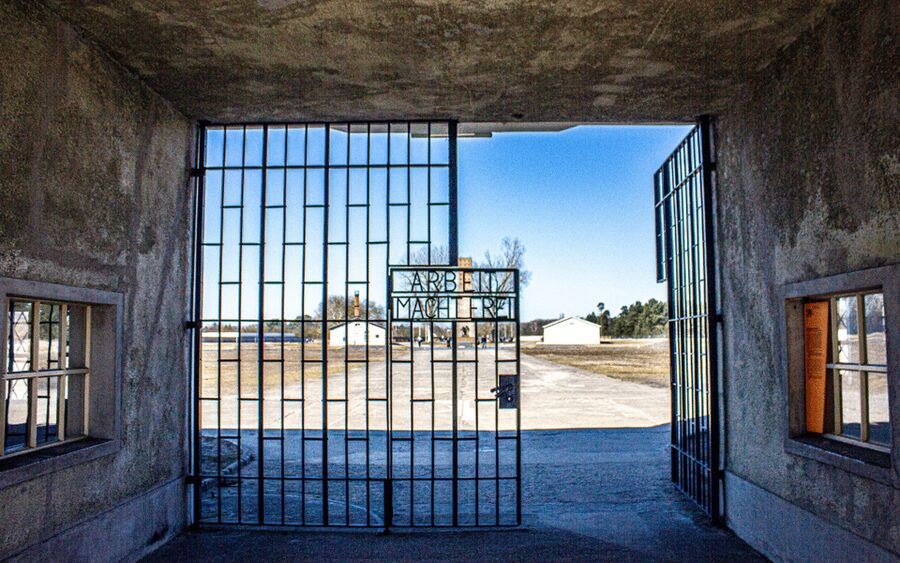
Reviewed · MUSEUM TOURS IN BERLIN
From Berlin: Sachsenhausen Concentration Camp Museum Tour
Sachsenhausen is heavy history, in real space. This Berlin day trip to the Sachsenhausen Memorial turns hard facts into a walkable story of human choice, suffering, and survival.
What I like most is the live English guidance. Guides such as Siobhan and Roshana are repeatedly praised for answering questions clearly and pacing the group with care. I also like how the tour doesn’t stop at the camp layout, it connects what you see to Berlin’s longer journey through the 20th century and into today.
One consideration: you need to be ready for a long walk day. The site is large, and transport from the station to the memorial can mean extra walking on some days, so bring good shoes and plan your energy.
In This Review
- Key things to know before you go
- Why Sachsenhausen hits differently when you can walk it
- From Alexanderplatz to Sachsenhausen: your 5-hour rhythm
- The first walk onto the grounds: where structure becomes meaning
- The 3-hour guided tour: punishment cells, daily struggle, and resistance
- Berlin before and after: how the city contrast shapes your understanding
- What to expect on the ground: reading time, museum limits, and walking needs
- Price and value: what $17 includes, and what costs extra
- Who this tour fits best, and who should think twice
- Guides make the difference: what the best runs feel like
- Should you book this Sachsenhausen tour from Berlin?
- FAQ
- Where is the meeting point in Berlin?
- How long is the tour, and how much time is spent on the memorial?
- Is the tour in English, and is it wheelchair accessible?
- What is included, and what costs extra?
- Do I need a special public transport pass?
- What should I bring?
Key things to know before you go
- A certified English guide leads the whole memorial walk so you are not trying to decode the site alone
- The tour is structured for comprehension with about 3 hours on the grounds, plus transit and walking time
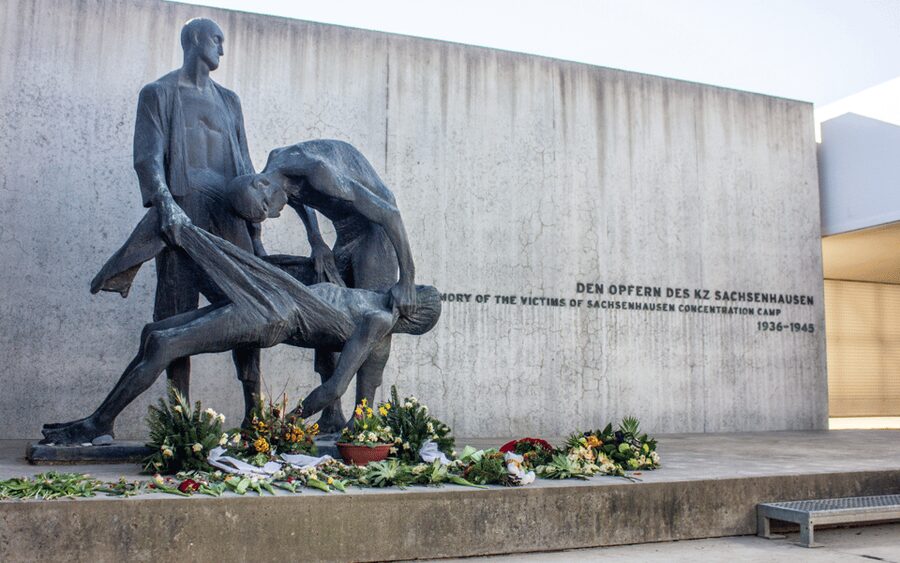
- You’ll follow the camp’s design including punishment areas and guard towers, and how they shaped daily life
- The focus includes more than cruelty it also highlights moments of optimism and resistance
- The meeting point is clear look for the white umbrella in front of Premier Inn Berlin Alexanderplatz
- Guides often help with practical next steps like group coordination and how to get back smoothly
Why Sachsenhausen hits differently when you can walk it
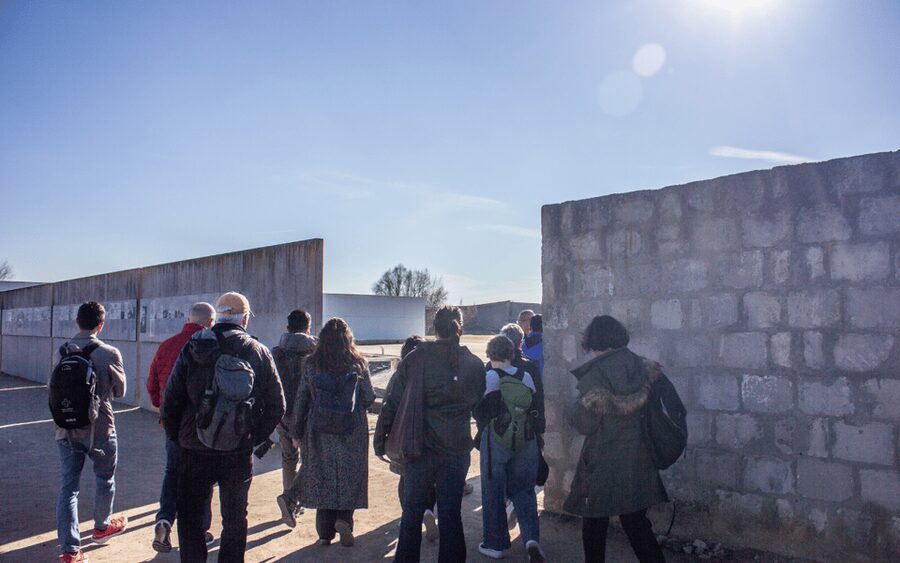
Sachsenhausen is not a place you can skim. Seeing it in person changes the scale of everything you have heard before. The ground plan, the sightlines, and the way buildings relate to each other tell you why control worked the way it did.
That is also where a guided format matters. A memorial site can be full of signage and museum rooms, yet still feel confusing. On this tour, your guide connects the dots as you move. You do not just read dates, you learn how the camp worked day to day, and why certain locations mattered.
The best guides bring a second layer too: the human layer. The tour approach you get here is repeatedly described as respectful and careful, with storytelling that acknowledges hardship without turning it into spectacle. You will also hear about optimism and resistance, not only brutality. That balance is important, because it keeps the focus on the people inside the system, not just the system itself.
More Museum Tours in Berlin
- Berlin: DDR Museum Tickets
★ 4.3 · 3,443 reviews - Berlin: Natural History Museum Entrance Ticket
★ 4.6 · 3,382 reviews - Berlin: Museum Island Multiple Museum Entry Ticket
★ 4.4 · 2,861 reviews
From Alexanderplatz to Sachsenhausen: your 5-hour rhythm
This is a focused half-day outing. You start at Premier Inn Berlin Alexanderplatz, and you are meant to be on time because you catch the train. The meeting point is easy to spot if you know what you are looking for: a white umbrella in front of the hotel.
Here’s the pace in plain terms:
- You take a 25-minute train from Berlin toward the memorial area.
- You then have a 30-minute walk to reach the camp grounds.
- The core experience is a 3-hour guided tour inside Sachsenhausen.
- You return by train again for 25 minutes.
That schedule is one reason the tour tends to work well for visitors with limited time in Berlin. You get real time at the memorial, not just a fast pass and a photo stop. But it also means you should treat the day like an all-around outing, not a gentle stroll.
Practical tip: if you are the type who reads every label, you may feel rushed during the 3-hour guided portion. Some people handle that by saving extra museum time for later if they have it. If you do not, lean into the guide’s framing. It helps you understand what you are seeing, even if you cannot absorb everything written on the walls.
The first walk onto the grounds: where structure becomes meaning
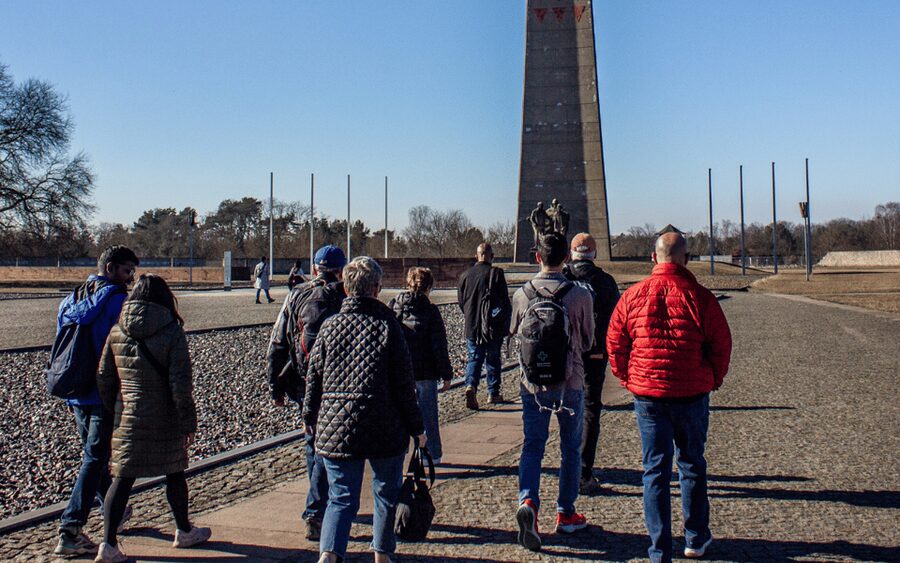
That 30-minute walk from the station to Sachsenhausen is more than transit. It is the moment when the day shifts from city mode to memorial mode. As you approach, you start noticing the deliberate layout and how far the grounds stretch.
A guided approach matters here too. When you arrive without context, you might wonder what to look at first. With a certified guide, you get direction on what features represent in the camp’s story. In the tour description, the route is built to take you across the solemn layout, including places associated with punishment and the looming guard towers.
This is where good guiding makes a real difference. Several reviews mention that guides help you understand the smaller parts of the site, not only the headline spots. That is the stuff most visitors would otherwise miss, like how the camp design influenced prisoners’ daily movement and risk.
You also get a consistent tone. This is not a tour that rushes through tragedy for laughs. Yet multiple guide reviews mention a human touch, sometimes including light moments of humor. That does not undercut the seriousness. Instead, it helps the group keep steady enough to take in what they are seeing.
The 3-hour guided tour: punishment cells, daily struggle, and resistance
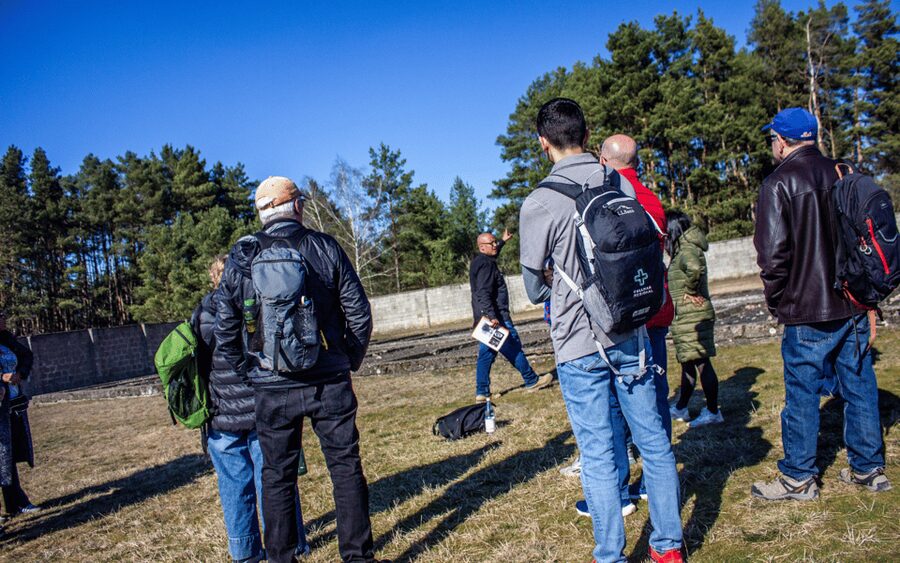
The heart of the day is about 3 hours of guided time on site. That is long enough to build an actual picture of the camp, not just a quick overview.
From the way this experience is framed, you should expect a walk that moves through key physical locations and explains how they connect to the camp’s function. The tour description specifically calls out:
- Oppressive punishment cells
- Looming guard towers
- The camp’s internal workings, including the daily struggle
- Small acts of defiance, as well as forced hardship
What I appreciate about this approach is that it treats the camp as more than a set of grim buildings. You are learning how the system operated: how fear was produced, how routine was controlled, and how survival sometimes depended on the smallest chances.
The reviews add useful context about how guides handle this. Many mention that guides answer questions clearly and thoughtfully, and that they take time to make sure the group understands the significance of each spot. Guides named Siobhan, Roshana, Miguel, Claudia, Anna, and Sebastian come up often in the feedback. That matters because it reinforces a pattern: people remember the way the story was told, not just the locations.
Also, pay attention to how the tour balances narratives. The description includes hardship plus optimism and resistance. Some guides are also described as tying the history to current reality and asking you to think about what power does to people and institutions. That connection can be uncomfortable, but it is often the point of visiting a memorial, not just collecting information.
Berlin before and after: how the city contrast shapes your understanding
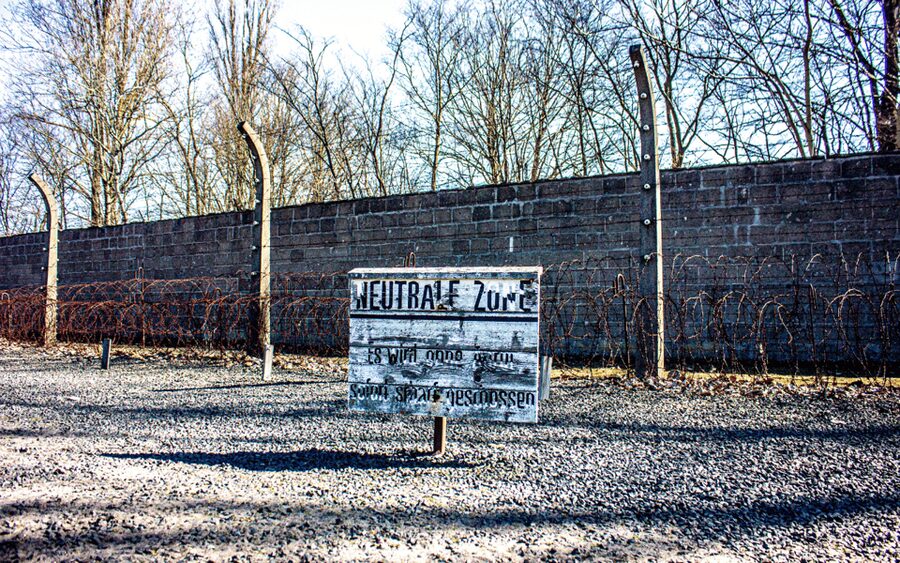
One standout theme is the comparison between Berlin then and Berlin now. You start in the city center, move out to Sachsenhausen, and then return to Berlin’s everyday rhythm. That shift can feel jarring, and it is useful.
You are learning about a system that exploited ordinary life. Then you come back into a city that has rebuilt itself. The tour description emphasizes this contrast, and it fits with the way the guides are praised for giving broader context during the day.
On practical terms, the train rides help too. Some reviews mention that guides share information en route, so you are not arriving to the memorial cold. You get setup for what you will see next, and you may also get directions for how to get back.
If you like tours that end with meaning, this one is designed that way. You do not just leave with facts. You leave with a clearer sense of how a city changes after a dark chapter, and how memory work shapes civic life.
Other visits to the Sachsenhausen memorial:
What to expect on the ground: reading time, museum limits, and walking needs
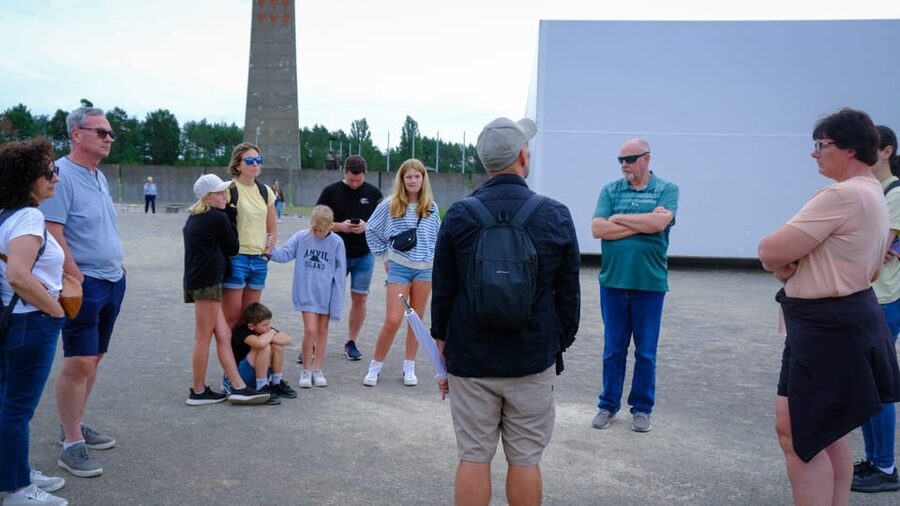
Even with a guided route, Sachsenhausen is large. You will likely notice that there is more information available than any half-day can fully cover. Some reviews specifically mention that you do not have much time for museum reading, which is not surprising. The 3-hour guided time is a balance between movement and explanation.
So here is how I suggest you handle it:
- If you want maximum comprehension, treat the guide as the filter. Let the guide tell you where to focus so you are not overwhelmed.
- If you are a museum label reader, accept that you will not read everything on this single outing. Choose the areas that grab you most and let the rest be a reason to come back another day.
Walking is the other big factor. The site covers ground, and you also have walking before and after the guided segment. Reviews strongly warn that you should be able to walk well. One note to keep in mind is that on weekends, transport from the station to the camp may be limited, which can mean extra walking. If you have joint pain or mobility limits, plan carefully and consider whether this walking load fits you.
Comfort tip that stays practical: bring snacks. The tour data explicitly suggests it, and it also makes sense for energy if you are walking for hours between transit and the grounds.
Price and value: what $17 includes, and what costs extra
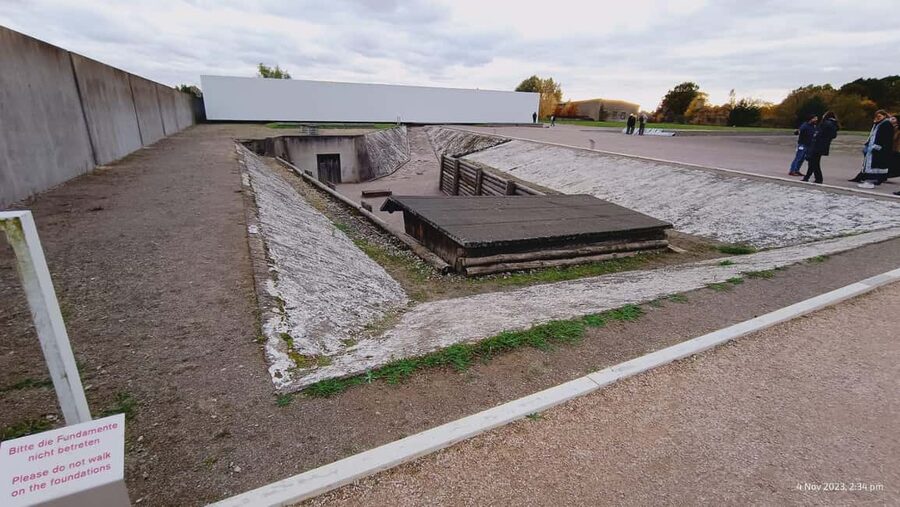
At $17 per person for about 5 hours, this tour is priced in a way that feels accessible for a guided memorial visit. You are paying for two things that usually cost extra if you do them separately:
- A certified English-speaking guide
- Entry to the Sachsenhausen Concentration Camp
There is also a small memorial contribution mentioned as €3 cash that is not included. That is normal for memorial sites and worth budgeting for. If you forget, you can end up stopping to sort it out at the worst moment. So plan to carry cash for that part.
Another value point is timing. The structure is not vague. You know roughly how long the transit and guided portions are, and the meeting point is straightforward. That lowers stress, which matters on a day where attention and respect are the whole point.
If you are comparing options in Berlin, the true value question is simple: do you want to walk into a major site with a guide who can explain what you see as you go? If yes, this price lands in the “good deal for a serious experience” category.
Who this tour fits best, and who should think twice
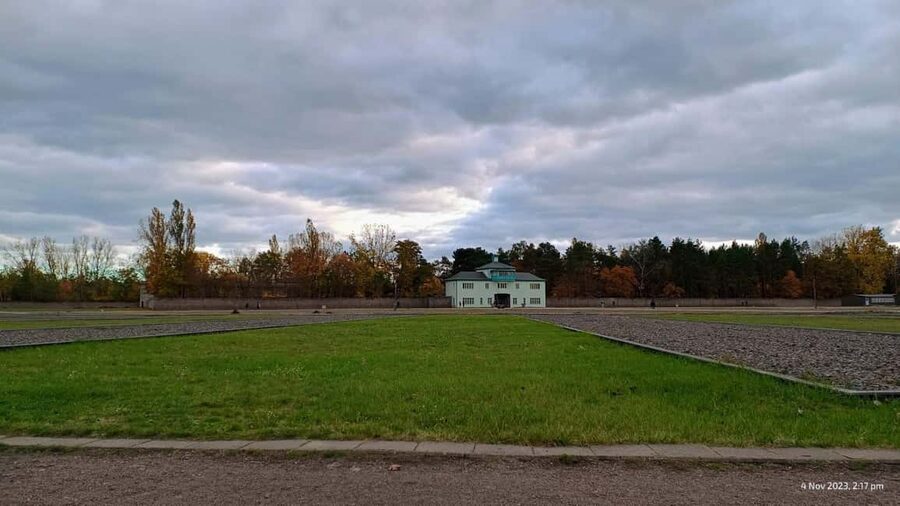
This works best for you if you:
- Want a guided memorial visit with English interpretation
- Appreciate explanations that connect physical locations to how the camp operated
- Prefer a structured day plan rather than free-form museum wandering
It may be less ideal if you:
- Need minimal walking, since you are scheduled for station-to-memorial walking and the grounds are large
- Want long, quiet time to read every exhibit label, because the tour time is split between transit, guidance, and walking
If you are traveling solo, you are also likely to appreciate the way guides manage small groups. Reviews describe scenarios with very small group sizes where the tour still continued, and guides still gave substantial attention. That suggests the experience scales in a human way, not just a “group gets rushed” way.
Guides make the difference: what the best runs feel like
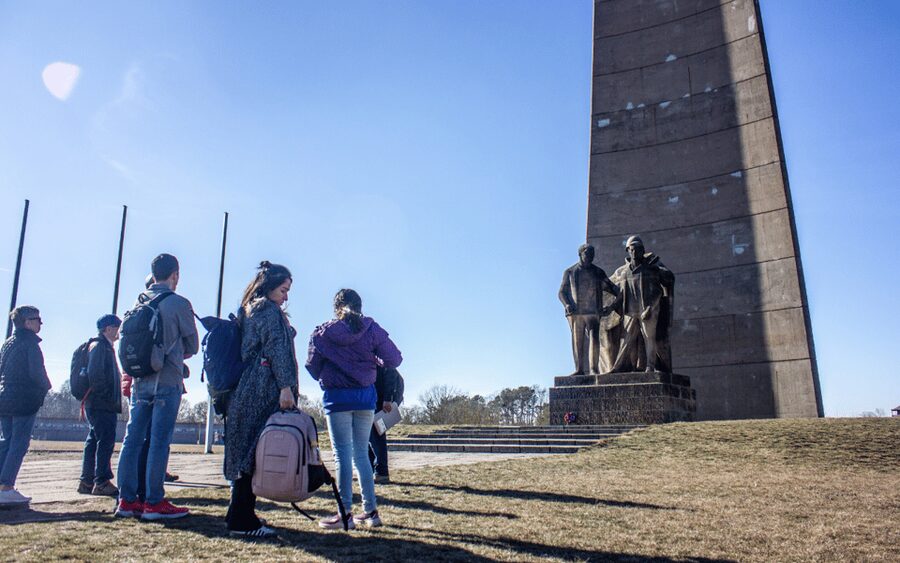
A memorial tour is only as good as the people telling the story. Here, the repeated praise is specific:
- Guides like Siobhan and Roshana are described as friendly, attentive, and strongly focused on clarity.
- Many reviews emphasize that guides answer questions patiently and with care.
- Several mention that guides help with practical details, including directions back to Berlin when trains or schedules get messy.
That last point is underrated. When you are in a foreign transit system, late trains can turn a meaningful day into a stressful one. The tour experience here aims to keep you oriented so you can stay present instead of worrying about logistics.
Also note the emotional tone. One review describes a mix of laughs and tears, which is not the usual combo for a grim site. But it points to how guides manage the room, acknowledging emotion while keeping the tour respectful and organized.
Should you book this Sachsenhausen tour from Berlin?
If you want a guided, respectful visit to Sachsenhausen that includes context, not just a list of sights, I think you should book it. The pricing is reasonable for what you get, especially because the guide and entry are included. You are also leaving Berlin with a clear before-and-after contrast, which helps the history land.
Book it if you can handle a walking day and you want to learn from a certified English guide who pays attention to details and questions. Skip it or swap to a different pacing option if walking is a serious issue for you, since the site is big and the day includes transit plus ground walking.
If you do book, do two things that will make the day smoother: bring snacks, and plan to be at the meeting point on time by the white umbrella outside Premier Inn Alexanderplatz. That one small discipline helps you start the day in the right mindset.
FAQ
Where is the meeting point in Berlin?
Meet in front of the Premier Inn Berlin Alexanderplatz hotel. Look for the white umbrella.
How long is the tour, and how much time is spent on the memorial?
The total duration is about 5 hours, with roughly 3 hours on the Sachsenhausen grounds during the guided tour.
Is the tour in English, and is it wheelchair accessible?
Yes, the live guide speaks English. The tour is listed as wheelchair accessible.
What is included, and what costs extra?
Included are a certified guide and entry to Sachsenhausen. Not included is public transit, and there is a memorial contribution of €3 cash.
Do I need a special public transport pass?
Yes. You need a valid ABC transit pass for public transportation.
What should I bring?
Bring snacks, especially since the day includes transit and walking time.
Halls Between Trains
- Skip-the-Line: Berlin Wall Museum at Checkpoint Charlie
★ 4.1 · 2,041 reviews - Berlin: Interactive DeJa Vu Museum Entrance Ticket
★ 4.1 · 1,338 reviews - Berlin: “Pergamonmuseum. The Panorama” Exhibition Tickets
★ 4.6 · 1,245 reviews - Berlin: East Side Gallery Spree Cruise in a Solar Catamaran
★ 4.1 · 1,086 reviews
Fresh on the arrivals board for Berlin



Museum Tours in Berlin, compared.

Skip-the-Line: Berlin Wall Museum at Checkpoint Charlie
Read our review →
“Pergamonmuseum. The Panorama” Exhibition Tickets
Read our review →
East Side Gallery Spree Cruise in a Solar Catamaran
Read our review →
Cold War, Berlin Wall, Spies and the East Side Gallery
Read our review →Browse the lists this tour appears in