
Reviewed · MUSEUM TOURS IN BERLIN
Berlin: DDR Museum Tickets
The DDR Museum turns history into something you can touch. You get recreated East German rooms packed with real-feeling details, plus hands-on moments like opening cupboards and even starting a classic Trabant. I especially love the tactile exhibits that make the past feel practical, not distant.
Second, I like that the museum is built around daily life, so you understand more than slogans, you understand routines. The only real drawback: it can get crowded, so on busy days you may need to move briskly to read everything comfortably.
In This Review
- Key things to know before you go
- First Stop: The DDR Apartment Sets You Can Explore Like a Home
- The Trabant Simulator: When East German Roads Become Sounds in Your Head
- The Senses Matter: Smells, Sounds, and the “Wait, That’s How It Was” Effect
- Where the Value Really Comes From: $15 Entry and Why It Feels Like More Than a Ticket
- How the Museum Flows: Rooms, Repeated Themes, and Small Detours
- Timing and Crowds: When to Go for Easier Reading
- Location on the Spree: Easy to Pair With Cathedral-Spotting
- Who This Works Best For (and Who Might Want Another Plan)
- Should You Book DDR Museum Tickets?
- FAQ
- Where is the DDR Museum entrance in Berlin?
- How much do DDR Museum tickets cost?
- How long does the DDR Museum experience take?
- What is included with the ticket?
- Is a museum guide included?
- What are the museum hours?
- Are kids allowed for free?
- Are pets allowed?
- Is there a limit on how long my ticket is valid?
- What languages can I expect at the museum?
Key things to know before you go
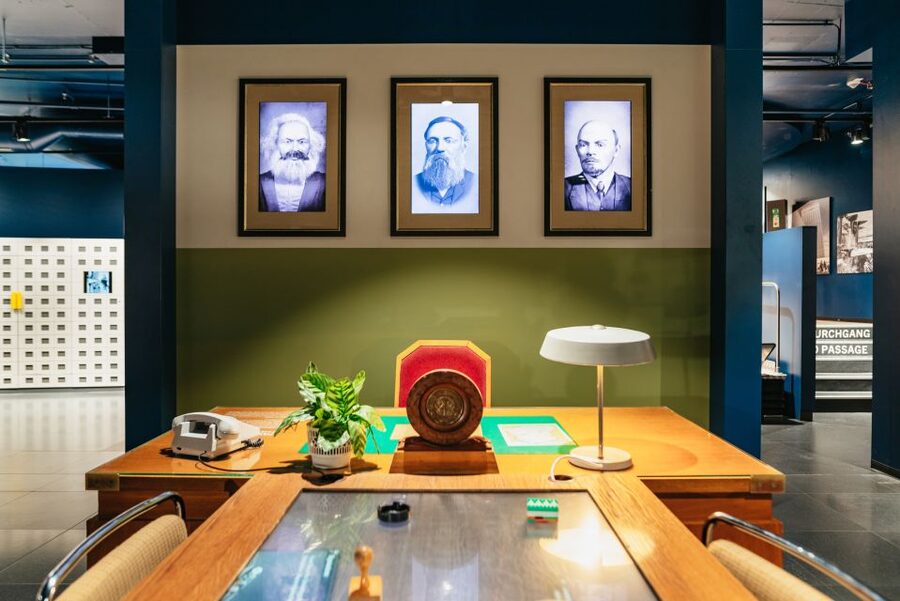
- You can open and handle objects: drawers, cupboards, and everyday items are meant to be looked at up close, not stared at behind glass.
- A Trabant simulator is a major highlight: climb in, start the ignition, and hear those instantly recognizable sounds.
- Reconstructed DDR apartments feel lived-in: rooms are arranged like a real home, including a well-known wall cabinet and typical kitchen items.
- You’ll experience DDR life with multiple senses: sounds, smells (like spices), and interactive set pieces help it stick.
- The tone is educational, not overly heavy-handed: it presents the story in an accessible way, with plenty for kids and adults.
- Plan on more than an hour if you want to slow down: people often spend longer than expected if you read details and replay the interactive bits.
First Stop: The DDR Apartment Sets You Can Explore Like a Home
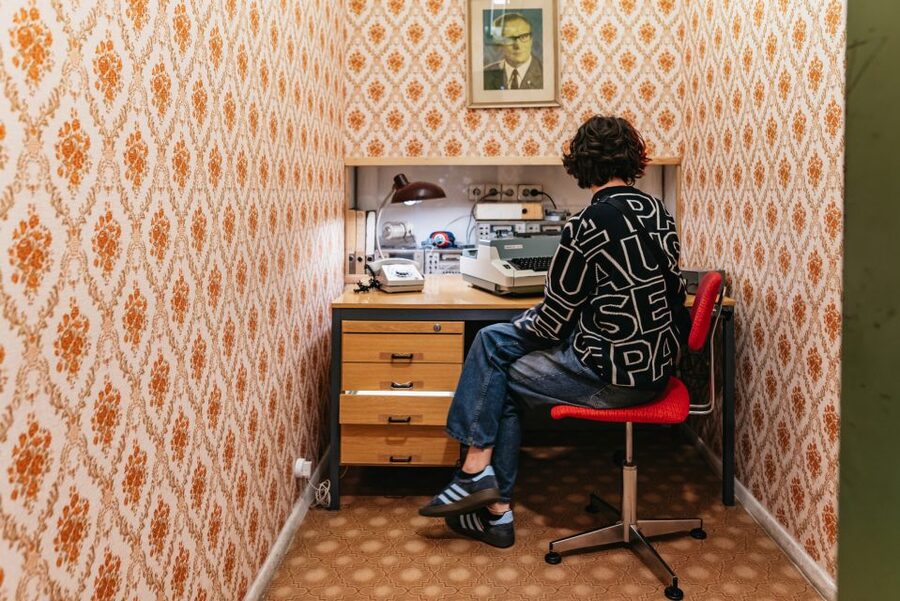
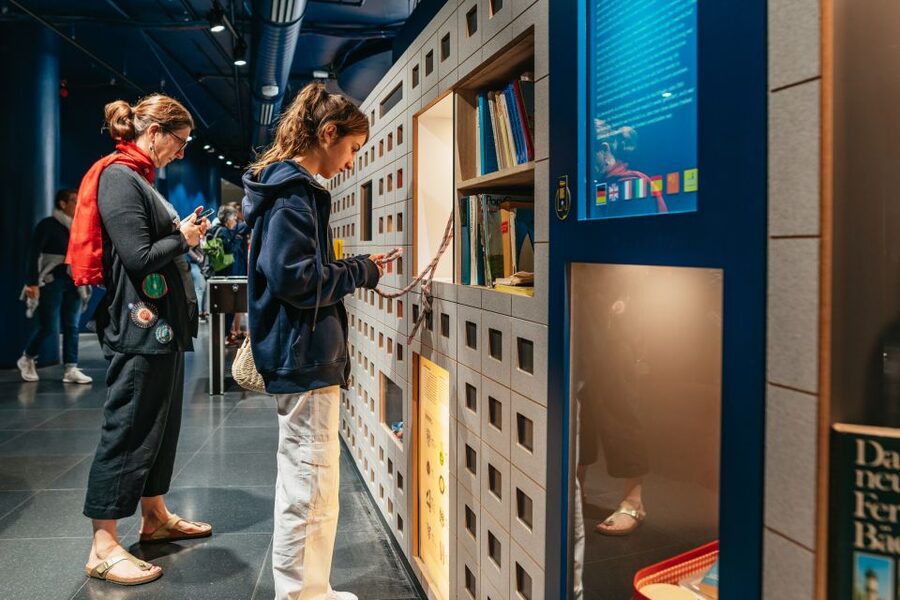
The museum starts with the kind of scene you normally only see in films. You walk into reconstructed DDR living spaces where the furniture and objects look staged to teach, but also staged to feel real. The big difference is the museum lets you actually examine what’s in the rooms. You pull out drawers. You open cupboards. You reach into spaces that would usually be off-limits in most museums. That one choice changes the whole visit, because you’re not just reading. You’re investigating.
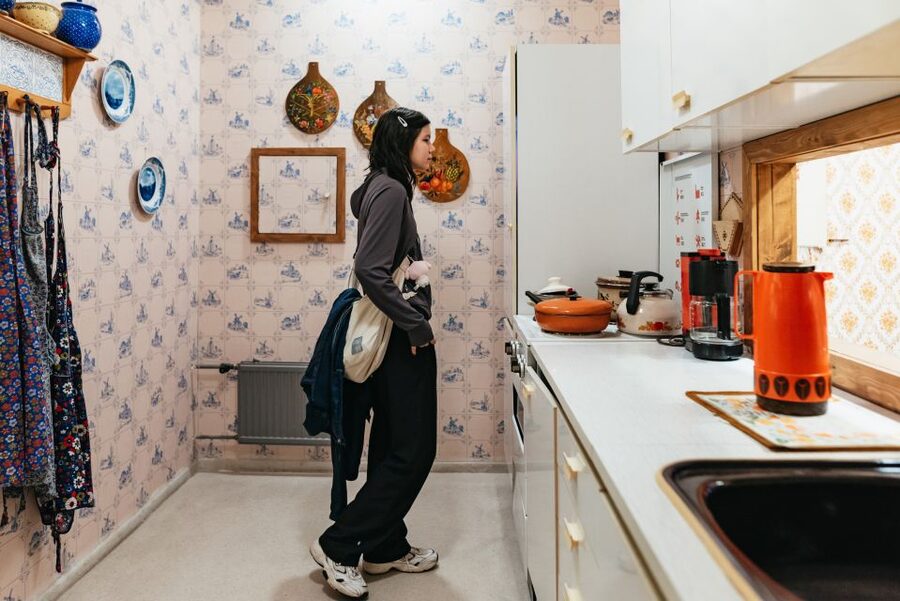
Two moments stand out here. First, you’ll see how a DDR apartment could look when arranged for everyday use, with items displayed in the places you’d expect them to be. Second, you get that “how people lived” feeling through the small practical stuff, like what’s on the stove and what’s sitting around the kitchen area.
One highlight is the Karat wall-cupboard, a very evocative piece of East German home furnishing. In the typical living-room area, you can also turn on a television set and work your way through an atmosphere that feels like someone should walk in any second. That’s not just set dressing. It’s a way of making the DDR feel like a lived system, not a distant chapter in a history book.
If you’re visiting with kids, this is where the win is strongest. Several people highlight how much children enjoy the interactive room exploration, because it breaks the museum rule of “look only.” Adults tend to like it for a different reason: it’s easier to understand constraints and daily routines when you’re standing inside the spaces where those routines happened.
More Museum Tours in Berlin
- Berlin: Natural History Museum Entrance Ticket
★ 4.6 · 3,382 reviews - Berlin: Museum Island Multiple Museum Entry Ticket
★ 4.4 · 2,861 reviews - Skip-the-Line: Berlin Wall Museum at Checkpoint Charlie
★ 4.1 · 2,041 reviews
The Trabant Simulator: When East German Roads Become Sounds in Your Head
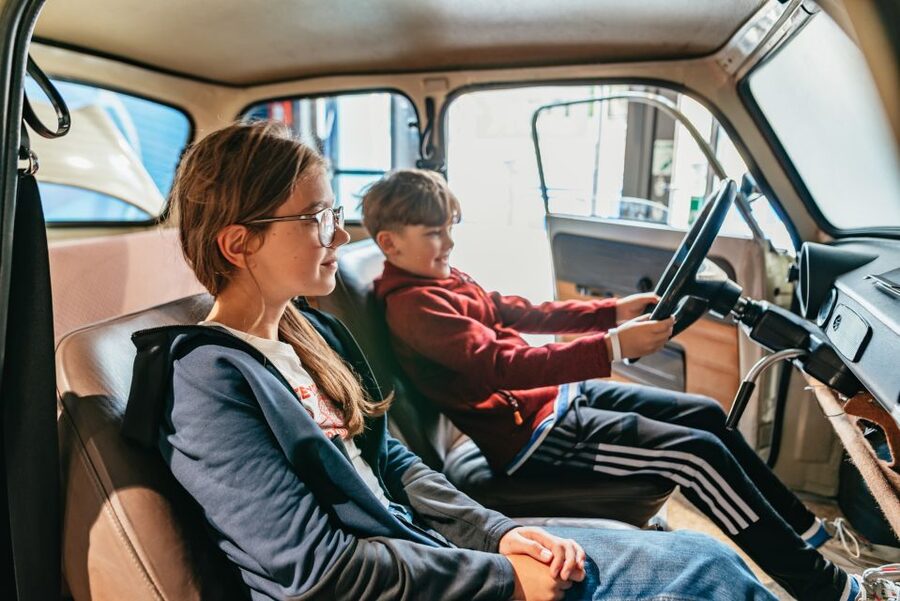
Then comes the moment many visitors remember most: the Trabant experience. You climb into an original Trabant, turn the ignition, and the simulator kicks into action with the familiar Trabant noises. It’s playful, but it also does real work. It turns a car you might know only from photos into a sensory memory, complete with the soundscape that people who lived in that era would recognize.
This is the kind of exhibit that helps you connect the dots between politics and everyday reality. Cars are not just transportation. In a system with shortages and limits, even something as basic as getting around shapes daily life. The simulator makes that idea concrete without turning the museum into a lecture hall.
Practical tip: if you see this area getting a line, don’t assume it’s a waste of time. It’s repeatedly called out as the highlight, and it’s also one of the clearest examples of why the museum is interactive. Even if you’re not a “hands-on person,” this one tends to land.
The Senses Matter: Smells, Sounds, and the “Wait, That’s How It Was” Effect
A lot of museums show you artifacts. This one pushes further, into sensory cues. In the apartment and kitchen scenes, you can smell spices. In the living-room moments, you can turn on a television. There’s also an entertainment slice of DDR life built into the experience, including news-reports presented from an original cinema stall setting, and even music and dance tied to the DDR’s version of rock-and-roll (Lipsi is highlighted as East Germany’s answer).
This matters because DDR history can feel abstract if you only read about it. The sense-based design helps you remember more because your brain files it under lived experience, not just facts. It also keeps the visit from turning into a checklist. You’ll naturally pause in one room, then wander to the next because the exhibits invite curiosity.
There’s also a “browse mode” quality to the museum. Instead of exhibits being locked behind glass, many are presented like things waiting to be discovered. That design encourages a slower pace even though the museum can be busy.
Where the Value Really Comes From: $15 Entry and Why It Feels Like More Than a Ticket
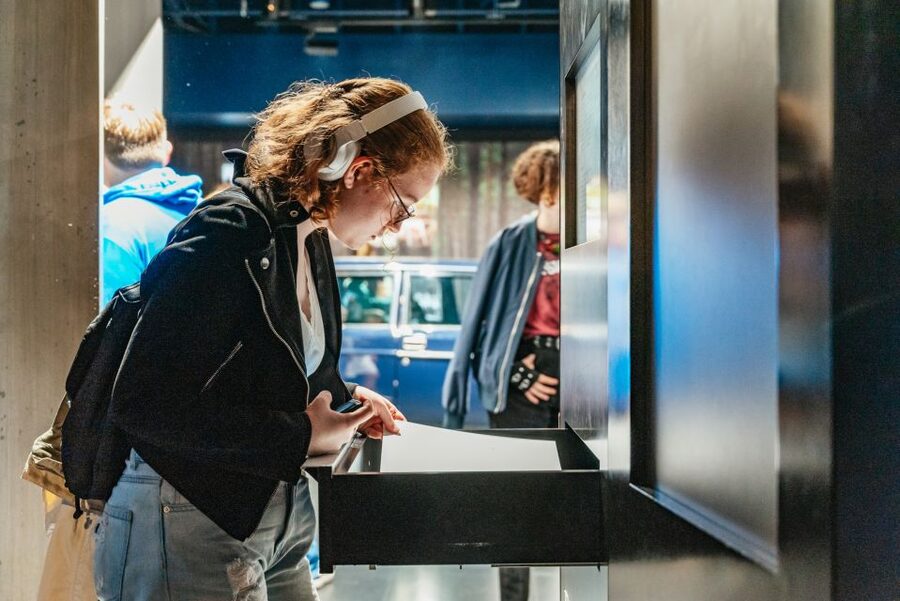
At about $15 per person, the DDR Museum is priced like a short Berlin detour. But the value is in the interaction level. You’re not just paying to look. You’re paying for an experience that keeps hands and senses engaged for a good stretch of time.
Most people seem to plan around one and a half to three hours depending on how closely you read and how long you linger with the interactives. If you come in expecting a quick museum stop, you might feel rushed. If you come in expecting to explore and reset your mental image of what daily life looked like, it feels like a bargain.
Also, the ticket includes entry, and you explore on your own pace. There is no museum guide included. That’s important to understand before you go. If you love having someone interpret details for you, you may want to rely on the exhibit text. If you like figuring things out as you go, the setup fits perfectly.
How the Museum Flows: Rooms, Repeated Themes, and Small Detours
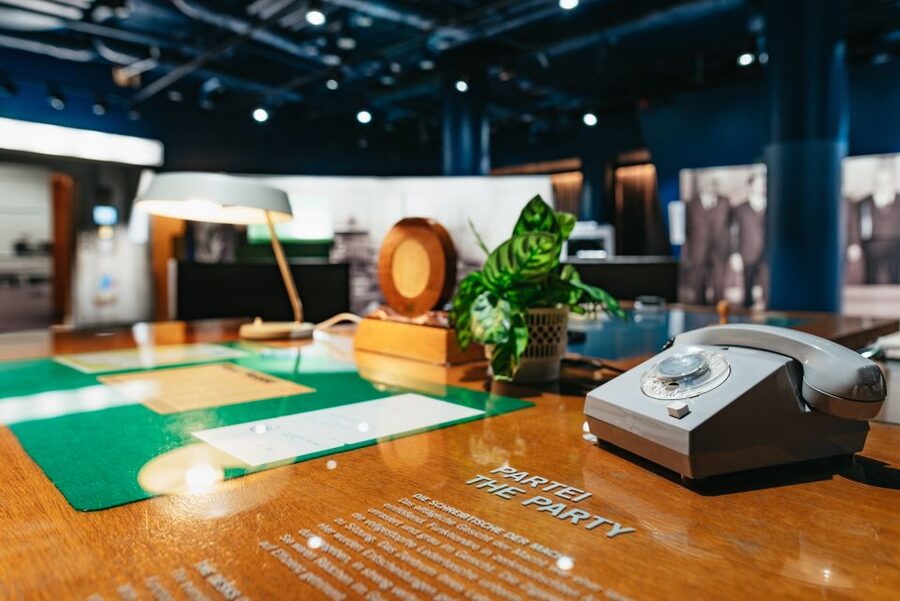
The museum is organized as a set of scenes rather than a single linear timeline. That’s why it feels different from many history museums. You can move through sections without feeling forced into one strict route. One review even notes you can shift between sections without needing to follow a particular path.
A typical flow looks like this:
- Start in the apartment rooms where you can open storage spaces and study everyday objects.
- Move into living-room and entertainment set pieces where you can turn on a television and experience staged media moments.
- Hit the Trabant simulator when you’re ready for the loudest and most memorable interactive.
- Expect additional DDR life spaces that reinforce the theme of daily routine and the limits of the era. Some people also mention a prison-cell type of setting, so if that kind of exhibit appeals to you, it’s worth looking for in your wander.
Because it’s a “you decide” layout, your visit depends on your reading speed. If you stop to read everything, you’ll need time. If you skim, you can still get a lot from the interactive objects and apartment scenes.
More museum halls between train times:



Timing and Crowds: When to Go for Easier Reading
Here’s the honest part. The DDR Museum can be popular, and it gets crowded, especially on peak periods and on days when everyone’s looking for indoor plans. Crowds matter here because the museum is built around reading exhibit text and examining small objects. If you’re standing shoulder-to-shoulder, it’s harder to absorb the details.
My advice is simple: go earlier when you can, or aim for a calmer time window. One person suggested visiting earlier since standing for long periods can be tiring, which is a fair point given the room-to-room walking. If you can only go on a busy day, slow down where the interactive exhibits are, and treat the quieter text-heavy rooms as places you visit in bursts.
Also, the museum is open Monday through Sunday from 9am to 9pm. Two exceptions matter: on December 24th and 31st, hours are 9am to 4pm.
Location on the Spree: Easy to Pair With Cathedral-Spotting
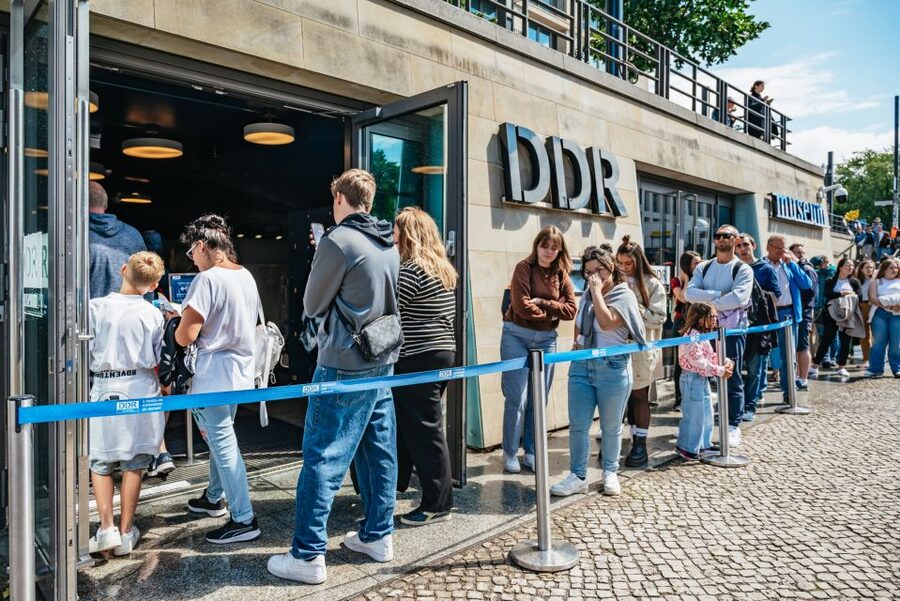
The entrance is on the bank of the Spree, opposite Berlin Cathedral. That makes the museum easy to plan around. You can treat it as part of a broader central Berlin walk, with the option to pair it with sights around the cathedral area.
Why that helps: the DDR Museum takes enough time that having a nearby “second stop” reduces backtracking. You’re not stuck planning a full day around one attraction. You can make it part of your route, especially if you’re already in the Mitte area.
Who This Works Best For (and Who Might Want Another Plan)

This museum is a strong match for almost everyone who likes real things you can see and do. Families do well here because the interactives give kids permission to engage. Adults often appreciate the tactile approach, and people who like understanding everyday life under political systems rather than only hearing abstract ideology tend to enjoy it a lot.
It’s also a good choice if you want history that uses humor and reality at the same time. The tone described by some visitors suggests it’s presented from a Western perspective, but not as a moral lecture. That balance can make it easier to stay focused without feeling overwhelmed.
Who might hesitate? If you hate crowds, you may find it stressful in peak hours. If you strongly prefer guided tours, the lack of a guide included with entry means you’ll rely on exhibit text and your own questions.
Should You Book DDR Museum Tickets?
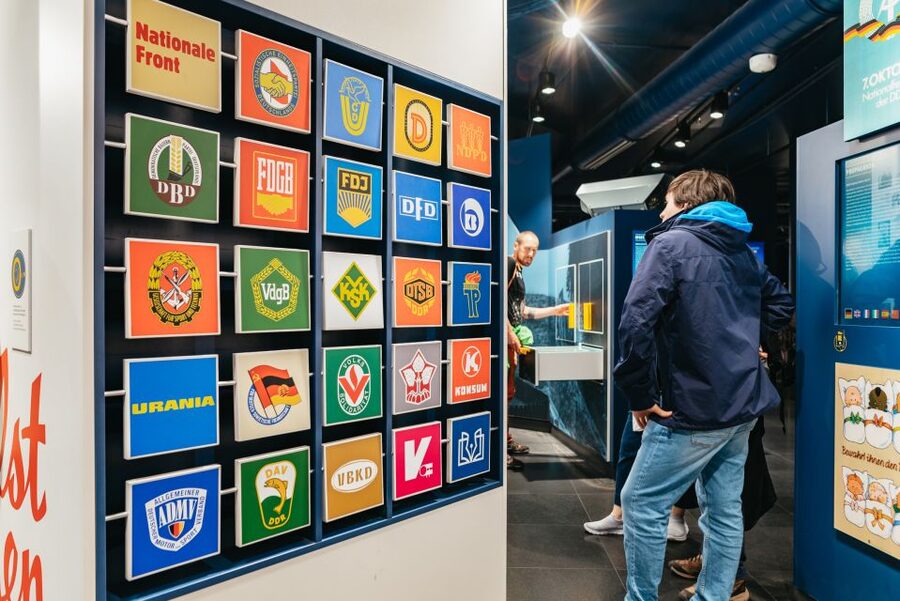
Yes, if you want a hands-on Berlin history stop that doesn’t require a degree in politics. The best reason to book is the interaction level: opening drawers, exploring reconstructed rooms, and experiencing a Trabant simulator make it feel like you stepped into a different daily world for a while.
Book with confidence if you can spare at least a couple hours and you’re okay with reading some text while navigating a museum flow that can get busy.
One last practical check: because the museum operates with starting times and you’ll want to choose a calmer slot if possible, aim for an earlier time if you can. That small decision makes a noticeable difference in how much you take in.
If that sounds like your style of sightseeing, the DDR Museum is worth your time and your ticket price.
FAQ
Where is the DDR Museum entrance in Berlin?
The museum entrance is on the bank of the Spree, opposite Berlin Cathedral.
How much do DDR Museum tickets cost?
The price is listed as $15 per person.
How long does the DDR Museum experience take?
It is listed as a one-day ticket. In practice, people often spend around one and a half to three hours depending on how closely they read and how long they linger at interactive exhibits.
What is included with the ticket?
The ticket includes entry to the DDR Museum.
Is a museum guide included?
No. A museum guide is not included.
What are the museum hours?
The museum is open Monday through Sunday from 9am to 9pm. On December 24th and 31st, it is open from 9am to 4pm.
Are kids allowed for free?
Children up to 5 get free entry.
Are pets allowed?
No, pets are not allowed.
Is there a limit on how long my ticket is valid?
The ticket is valid for one day. You should check availability for starting times.
What languages can I expect at the museum?
Information is available in German and English, based on visitor notes.
Fresh on the arrivals board for Berlin





Museum Tours in Berlin, compared.
Skip-the-Line: Berlin Wall Museum at Checkpoint Charlie
Read our review →
“Pergamonmuseum. The Panorama” Exhibition Tickets
Read our review →
East Side Gallery Spree Cruise in a Solar Catamaran
Read our review →
Cold War, Berlin Wall, Spies and the East Side Gallery
Read our review →
Berlin WelcomeCard: Museum Island & Public Transport
Read our review →Browse the lists this tour appears in