
Reviewed · MUSEUM TOURS IN BERLIN
Full Classical Experience – Altes Museum & Pergamon Panorama
Two museums, one classical story. You’ll move through Rotunda of the Gods and the Pergamon Panorama with a real archaeologist, Gali Jaffe, turning statues and pottery into stories you can follow.
I especially love how the tour gives you a guided pass through standout pieces, including the Rotunda of the Gods, classical period pottery, Etruscan finds, and Roman-period statues, instead of having you wander alone. I also like the small group size, limited to 7 participants, which keeps the pace relaxed and makes it easier to ask questions in English or Hebrew.
One possible drawback: the whole experience is only 150 minutes total, so if you want to linger in every gallery, this may feel a bit tight.
In This Review
- Key highlights at a glance
- Two stops on Museum Island that actually connect
- Starting at Altes Museum, with the right mindset
- Rotunda of the Gods: where the room matters
- Greek and Roman statues: how to notice the details fast
- Classical period pottery: the real value of looking closely
- Etruscan finds plus Roman statues: a broader ancient picture
- 10-minute walk, big change in mode
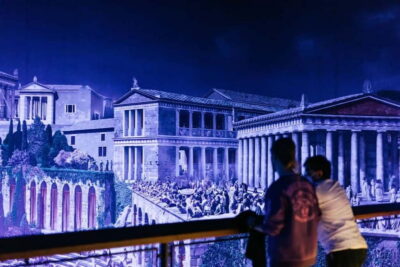
- Pergamon Panorama: 360 degree city life, not just a picture
- Ticket and museum logistics, so you do not lose momentum
- Who this tour fits best
- Price and value: $88 for guided time that changes how you look
- Should you book the Full Classical Experience?
- FAQ
- Where is the meeting point for the tour?
- How long is the tour?
- What is included in the price?
- Do I need to buy my own museum entry ticket?
- What languages is the tour offered in?
- Are food, drinks, and large bags allowed?
Key highlights at a glance

- Rotunda of the Gods focus, not just a quick loop past the main room
- Greek and Roman statues explained in clear, story-driven context
- Classical pottery you’ll know what you are looking at when you leave
- Pergamon Panorama 360 degree experience of ancient city life
- Small group of 7 with time for questions
- Gali Jaffe’s archaeology background brings object-by-object interpretation
Two stops on Museum Island that actually connect
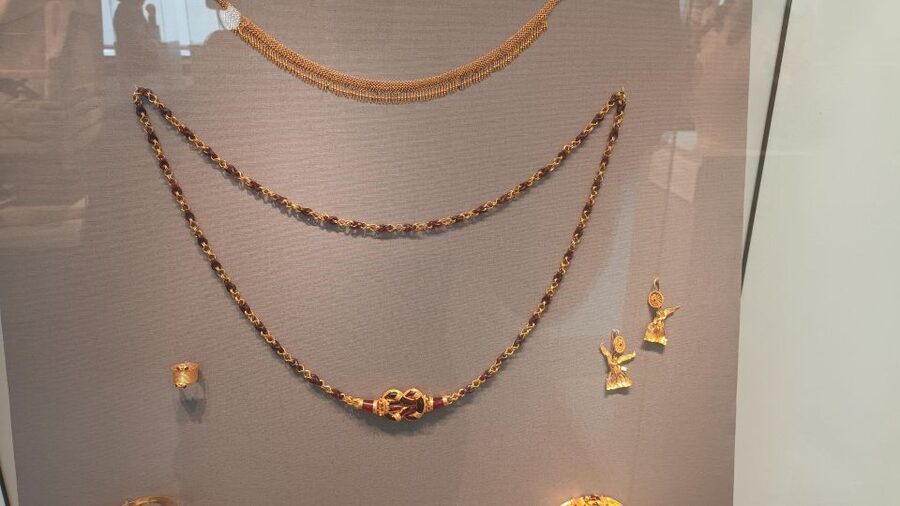
This is a classic Berlin archaeology pairing, with one museum visit that’s heavy on artifacts and one exhibition that’s heavy on atmosphere. Altes Museum is where you get the objects, the shapes, the material, the moments captured in sculpture and pottery. Then Pergamonmuseum, Das Panorama flips the switch to a 360 degree view of how life in ancient Pergamon could have looked.
What makes it work for me is the structure. You don’t just see pieces, you get guided attention on why they matter and how to read them with your eyes. With an experienced guide like Gali Jaffe, an archaeologist with BA and MA degrees from Tel Aviv University and years of field and excavation direction, the tour is built for people who want the meaning, not just the labels.
More Museum Tours in Berlin
- Berlin: DDR Museum Tickets
★ 4.3 · 3,443 reviews - Berlin: Natural History Museum Entrance Ticket
★ 4.6 · 3,382 reviews - Berlin: Museum Island Multiple Museum Entry Ticket
★ 4.4 · 2,861 reviews
Starting at Altes Museum, with the right mindset
You’ll meet at the top of the staircase of the Altes Museum. That matters because it sets the tone early: you get organized before you step into the galleries, and you avoid the scramble that can happen when everyone arrives at once.
From there, you have 1.5 hours of guided time inside Altes Museum. That is enough to see the main highlights the tour is built around, but it also means you should treat it like a focused walk, not an open-ended museum day. If your goal is learning a lot quickly, this pace is a plus.
Rotunda of the Gods: where the room matters
The Rotunda of the Gods is one of the big reasons this tour is worth your time. Instead of treating it as one more space to pass through, the guide puts it into context so you can connect what you see with the ideas behind it.
Here’s how to get the most from this kind of room-focused stop. Look at the statue groupings and how your viewpoint changes as you move. Then, ask yourself what the guide points out, because the story helps your brain organize what would otherwise feel like a jumble of figures. This is the moment in the tour where the objects start to feel like a system, not separate artworks.
Greek and Roman statues: how to notice the details fast
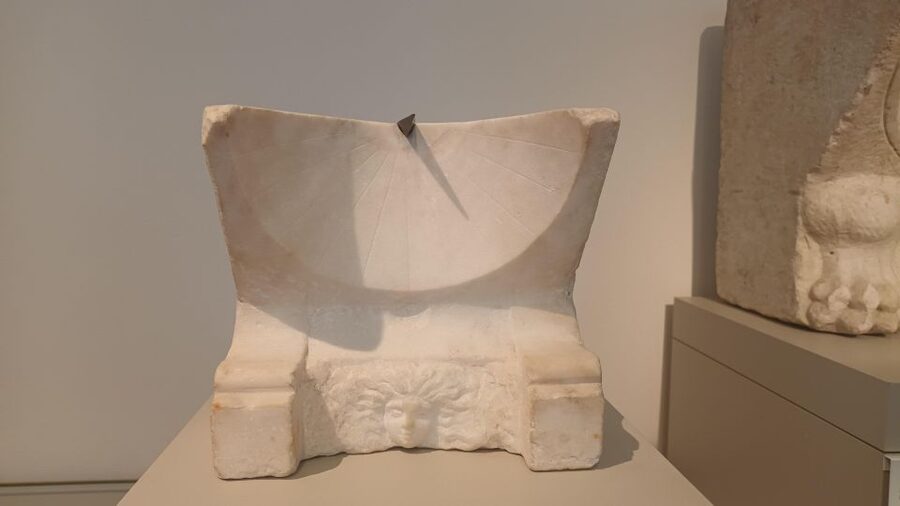
A major highlight is the chance to see various Greek and Roman statues with commentary that gives you something to hold onto. If you’ve ever felt museum statues are either too familiar or too distant, guided attention helps. You stop treating them like background decor and start reading them like evidence.
During the guided time, you’ll also pick up cues on what to watch for in pose, style, and visual emphasis, even if you are not an art specialist. The key is that the tour is built around understanding, and the guide is leading you through the great finds, not leaving you to figure it out alone.
Classical period pottery: the real value of looking closely
Pottery sounds simple until you actually have a guide teach you how to see it. One of the standout elements here is the visit to mesmerizing classical period pottery, explained as part of the broader ancient world the guide is building for you.
When you look at pottery the right way, it becomes more than a pretty object. You begin to notice how shapes and decoration work together, and how the object fits into daily life, rituals, or display. I like that this tour uses pottery as more than a “side stop.” It’s treated as central to understanding the ancient visual language.
More museum halls between train times:

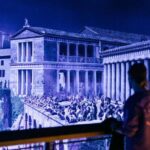

Etruscan finds plus Roman statues: a broader ancient picture
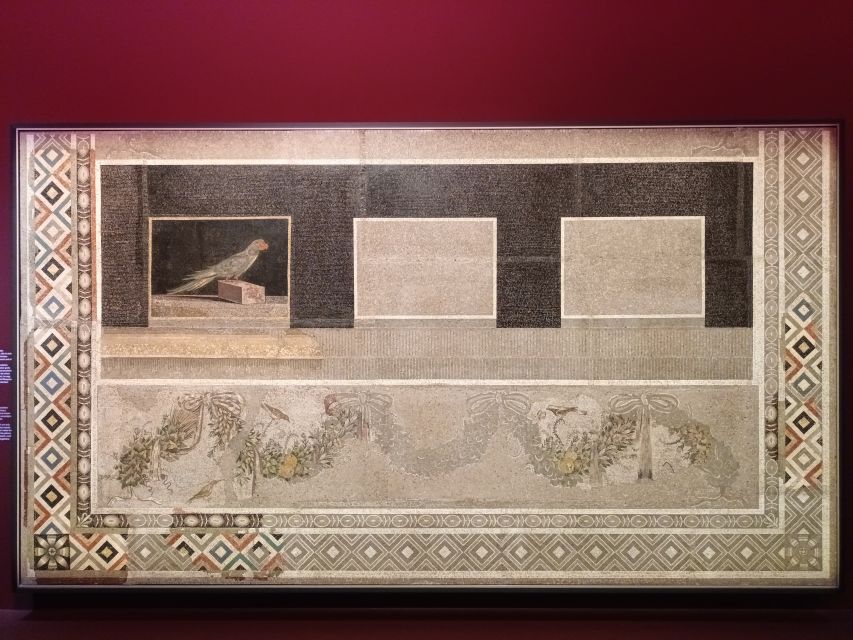
The tour also includes Etruscan finds alongside Roman-period statues. That combination is valuable because it widens the lens beyond just one culture or one time period. You get exposed to differences in artistic approach and what people chose to preserve and present.
This is one of the tours where the archaeologist’s background shows. Gali Jaffe specializes in Near Eastern cultures and Biblical Archaeology, and that kind of training often leads to better explanations of why objects travel across time and why they were collected, displayed, or valued. Even when you do not know the subject already, the guide’s way of explaining helps you build a working mental map.
10-minute walk, big change in mode
Between the museums, you’ll have an on-foot transfer of about 10 minutes. Don’t rush it. Use this short gap to reset your attention, because the second half changes from artifacts you can circle and inspect to a designed 360 degree environment built for storytelling.
If you wear glasses or you have mobility questions, this is a good time to adjust before you enter the panorama space. Once you are in, the experience is meant to be watched and oriented as a whole, not in quick glances.
Pergamon Panorama: 360 degree city life, not just a picture
The Pergamon Panorama guided segment lasts about 45 minutes. This is the part many people remember, and for good reason. A 360 degree presentation changes how you experience the past because it feels like you are standing in a scene rather than reading a textbook panel.
To enjoy it fully, give yourself a few moments to orient. Then let your eyes move the way the guide’s commentary encourages. You are not trying to memorize everything at once. You are learning how to connect parts of the scene to the bigger idea of ancient Pergamon life.
The best practical advice I can give you is to treat the panorama as a guided sequence. If you try to speed through, you miss the point. Let the guided timing help you notice patterns and transitions across the view.
Ticket and museum logistics, so you do not lose momentum
Here is the one part you should plan for carefully: you must purchase the entry ticket yourself. The tour provides the guide, and it also references a Museum Island day pass for coverage, but the entry ticket requirement is on you. You can buy online in advance or at the ticket office at the beginning of the tour.
Also, bags and large coats are not allowed in the museum. Food and drinks are not allowed either. So travel light. If you normally carry a big daypack, you might need to adjust your routine before you arrive.
The good news is that the tour description says you skip the ticket line, which is exactly what you want when you have a tight 150-minute schedule. To make this smooth, have your ticket details ready before you meet the guide at the staircase.
Who this tour fits best
This is a strong pick if you:
- like structured museum time where you get help understanding what you are seeing
- want both classical objects and a 360 degree exhibition, without planning two separate visits
- appreciate archaeology explanations from a working professional, not just general commentary
- prefer small groups, since this is limited to 7 participants
It can also suit couples or friends who want a shared experience with room for questions. And if you are traveling in Berlin and want a Museum Island day that feels purposeful, this pairs well with other nearby sights because it gives you a clear anchor.
Price and value: $88 for guided time that changes how you look
At $88 per person, you are paying for two things: guided time in Altes Museum and a guided 45-minute panorama experience. The value is not just the content, it’s the pacing. In a short trip, it is easy to see a museum and retain almost nothing. With a guide like Gali Jaffe, the tour is designed to turn objects into a connected story you can remember.
Also, the group size matters for value. A limited group often means you spend less time waiting and more time listening. If you dislike tours where you get swept along with no chance to ask questions, this format is closer to what you want.
Should you book the Full Classical Experience?
I think you should book this tour if your goal is to get real meaning out of Berlin’s classical highlights without spending hours trying to figure things out on your own. The Rotunda of the Gods, classical pottery, Etruscan finds, Roman-period statues, and the Pergamon Panorama give you a balanced mix of object study and big-scene storytelling.
I would skip it or choose a different option if your top priority is unhurried museum browsing. The schedule is tight, and even with a good guide, you cannot do deep, slow art-history reading in only 150 minutes. For most people, though, that time limit is actually a feature, because it keeps you engaged and moving.
FAQ
Where is the meeting point for the tour?
You meet at the top of the staircase of the Altes Museum.
How long is the tour?
The total duration is 150 minutes.
What is included in the price?
The tour includes a museum guide and a Museum Island ticket for the day.
Do I need to buy my own museum entry ticket?
Yes. Entry ticket must be purchased separately either online in advance or at the ticket office at the beginning of the tour.
What languages is the tour offered in?
The live tour guide offers English and Hebrew.
Are food, drinks, and large bags allowed?
Food and drinks are not allowed, and luggage or large coats are not allowed in the museum.
Fresh on the arrivals board for Berlin

Museum Tours in Berlin, compared.

Skip-the-Line: Berlin Wall Museum at Checkpoint Charlie
Read our review →
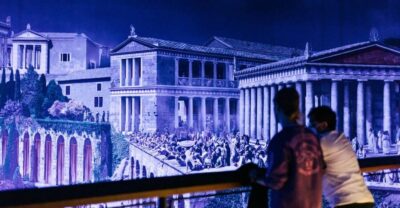
“Pergamonmuseum. The Panorama” Exhibition Tickets
Read our review →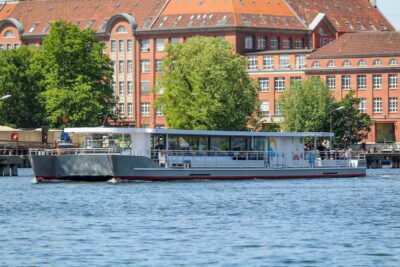
East Side Gallery Spree Cruise in a Solar Catamaran
Read our review →
Cold War, Berlin Wall, Spies and the East Side Gallery
Read our review →Browse the lists this tour appears in