

Reviewed · MUSEUM TOURS IN BERLIN
Berlin: Interactive DeJa Vu Museum Entrance Ticket
Your eyes are the unreliable narrator here. The DeJa Vu Museum turns optical illusions into an hour-and-a-half you can touch, pose in, and photograph. I especially love the themed mirror rooms and the layered Oleg Shupliak artwork, though you may hit waiting in small rooms on busier times.
This is a compact, two-floor circuit built around hands-on exhibits, puzzles, and gallery spaces where you are part of the picture. You start at the entrance by Alexanderplatz, about 300 meters from the Fernsehturm, so it fits neatly into a Berlin day.
One more thing that matters: this museum is not right for everyone, so I’d read the practical notes before you go. If you are not sure about the fit for your group, the rest of this review will help you decide quickly.
In This Review
- Key things to know before you go
- DeJa Vu Museum by Alexanderplatz, how to plan your arrival
- Two floors of optical illusions, what the circuit feels like
- Interactive exhibits that play with your senses
- Beuchet-Stuhl, the interactive puzzle-chair moment
- Dark Room, when lighting does the talking
- Interactive Sandbox, hands-on without being messy
- Puzzles and interactive gallery spaces
- Oleg Shupliak artwork, how the portrait game works
- Mirror rooms like Starroom and Abyss, and why photos matter
- Projector rooms that put you at the center of the illusion
- Price and value for 1.5 hours in Berlin
- Timing tips, crowds, and how to make the most of it
- Rules that affect your comfort level
- Who should book this, and who will feel it is not for them
- Should you book the DeJa Vu Museum ticket?
- FAQ
- Where is the DeJa Vu Museum meeting point?
- How long does the visit take?
- What does the ticket include?
- How much is the ticket?
- What kinds of exhibits will I see?
- Is it suitable for people with epilepsy or mobility impairments?
- What languages are available at the museum?
- Is it allowed to bring pets, food, or alcohol?
Key things to know before you go
- A 1.5-hour, two-floor flow that keeps moving from exhibit to exhibit without feeling like a chore
- Beuchet-Stuhl, Dark Room, and Interactive Sandbox among the hands-on highlights on the route
- Oleg Shupliak artwork layers and portrait guessing that turn looking into a game
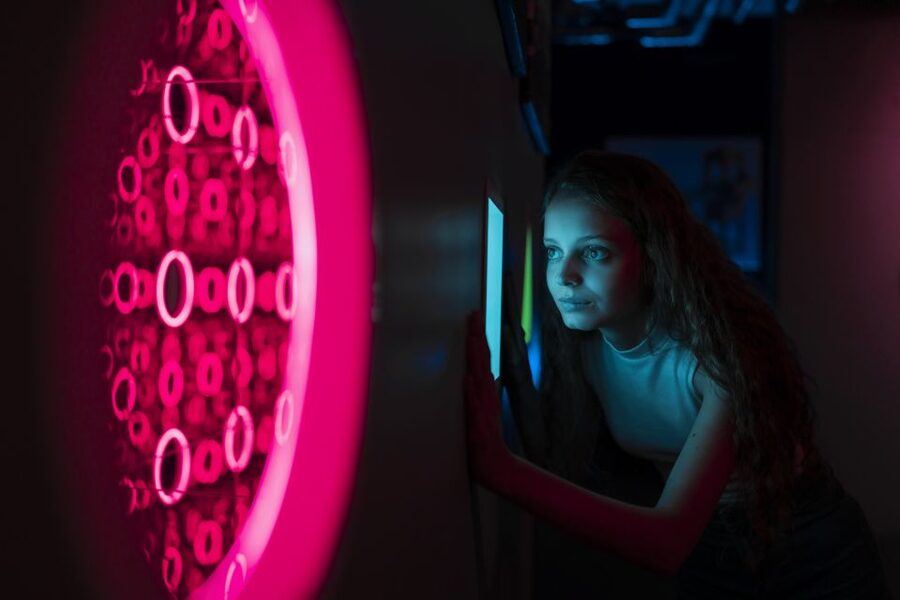
- Starroom and Abyss mirror rooms, plus kaleidoscope visuals, made for camera time
- Projector rooms where you become the focus, so the illusion reacts to you
DeJa Vu Museum by Alexanderplatz, how to plan your arrival
The easiest way to anchor this stop is around Alexanderplatz. The museum entrance is right near it, roughly 300 meters from the Fernsehturm, so you can reach it on foot without wrestling with transfers.
Think of this as an indoor, walk-through experience. That means your time is more about how long you linger in each room than about getting from one far-away site to another.
More Museum Tours in Berlin
- Berlin: DDR Museum Tickets
★ 4.3 · 3,443 reviews - Berlin: Natural History Museum Entrance Ticket
★ 4.6 · 3,382 reviews - Berlin: Museum Island Multiple Museum Entry Ticket
★ 4.4 · 2,861 reviews
Two floors of optical illusions, what the circuit feels like
You explore two floors of exhibits, puzzles, and gallery spaces. The idea is simple, your eyes interpret what they see, and then the museum challenges that interpretation over and over.
Most of the fun comes from doing, not just watching. Even the gallery sections feel more like an experience you participate in, because you are encouraged to look closely and keep testing what your brain believes.
The museum’s theme stays consistent: how perception can be pushed off track. That is why it works as a “quick reset” activity in Berlin, especially if your day has been heavy on museums or heavy on crowds.
Interactive exhibits that play with your senses
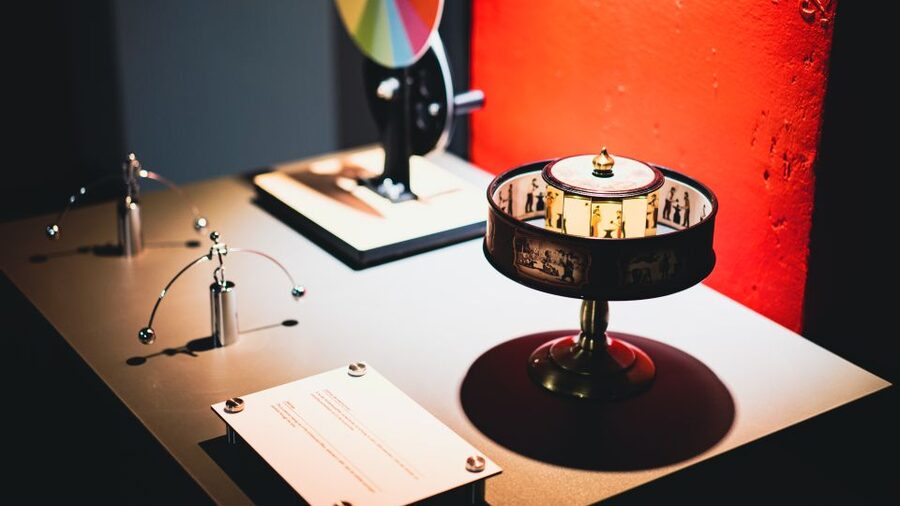
Several named stops shape the visit, so it helps to know what you are looking for as you walk through.
Beuchet-Stuhl, the interactive puzzle-chair moment
The Beuchet-Stuhl is one of the featured interactive exhibits. It is the type of display that asks you to slow down and check your assumptions, which is exactly what makes these rooms fun.
If you like optical tricks that depend on perspective, you will likely enjoy the mental workout. It is not the kind of exhibit where you passively get it in one glance.
Dark Room, when lighting does the talking
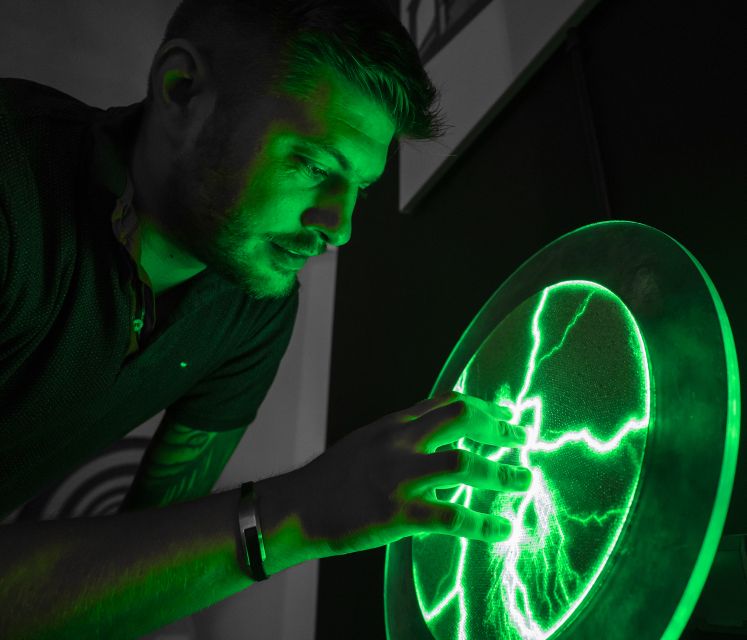
The Dark Room is another highlight in the mix. Dark-room exhibits generally change the rules of what you can trust visually, and here that effect is part of the museum’s overall “eyes vs reality” theme.
This is a good place to take your time, because the payoff often comes when you look again after a few seconds. If you move too fast, you can miss why the illusion works.
More museum halls between train times:

Interactive Sandbox, hands-on without being messy
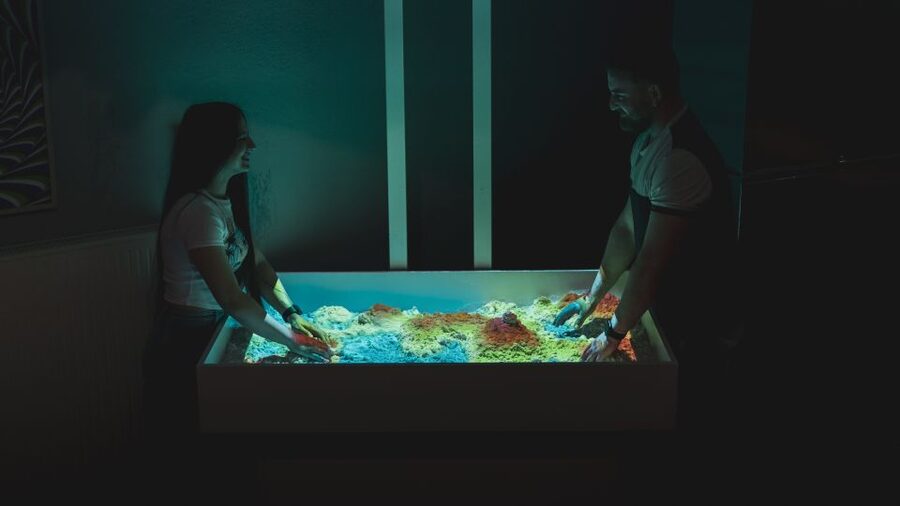
The Interactive Sandbox is on the list of attractions, which tells you this museum includes tactile, playful elements. It is the kind of exhibit that keeps kids engaged and also gives adults a reason to stop reading signs and start trying things.
It is also a nice contrast to mirror rooms and projector rooms. After seeing your reflection multiply or your movement become part of the artwork, a hands-on activity helps you reset your focus.
Puzzles and interactive gallery spaces
Beyond the headline names, the museum includes puzzles and interactive exhibits throughout the route. That variety matters because it reduces the risk of “one gimmick fatigue,” where an experience feels fun for ten minutes and then repeats itself.
Still, if you go at a busy time, some of these rooms can be slower because they are inside spaces built for only a few people at once. It is not a dealbreaker, just plan your expectations.
Oleg Shupliak artwork, how the portrait game works
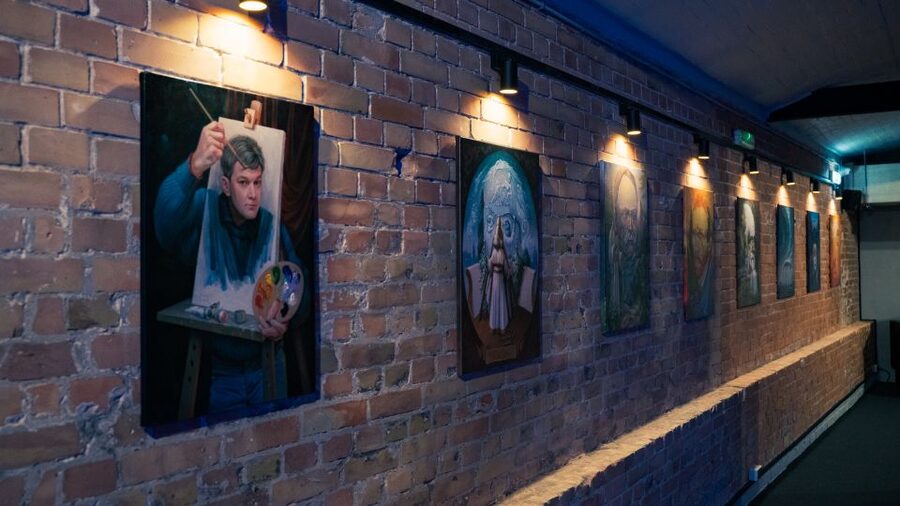
The museum also has an art gallery by Oleg Shupliak. This is where the experience shifts from pure visual tricks to something closer to “layered looking,” where you notice different aspects of the artwork over time.
One of the standout ideas is that you get to guess who is portrayed in his portraits. That turns a standard gallery moment into a challenge, so you do not just admire. You actively interpret.
If you like art but you also like puzzles, this part is likely the best bridge between “wow” and “I get it.” It also helps justify the ticket cost because you are not paying only for gimmicks.
Mirror rooms like Starroom and Abyss, and why photos matter
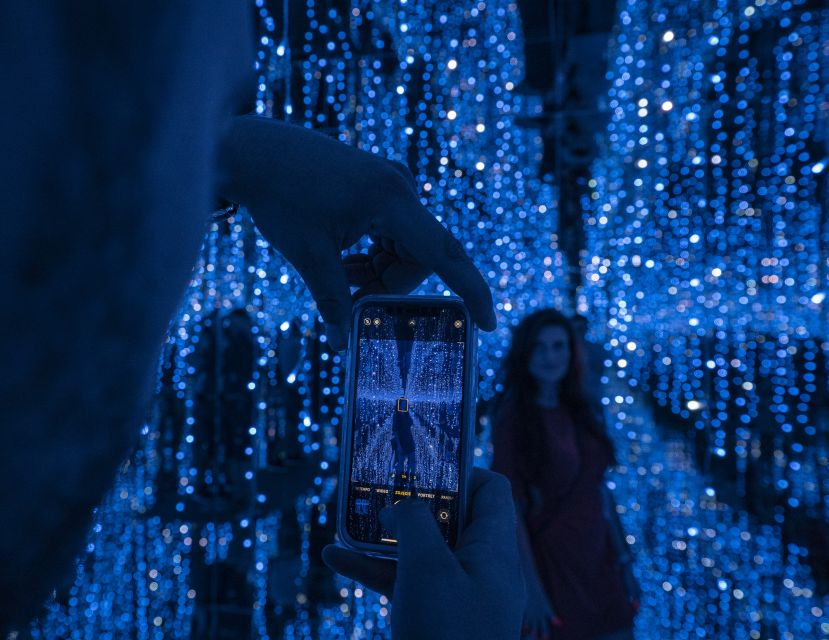
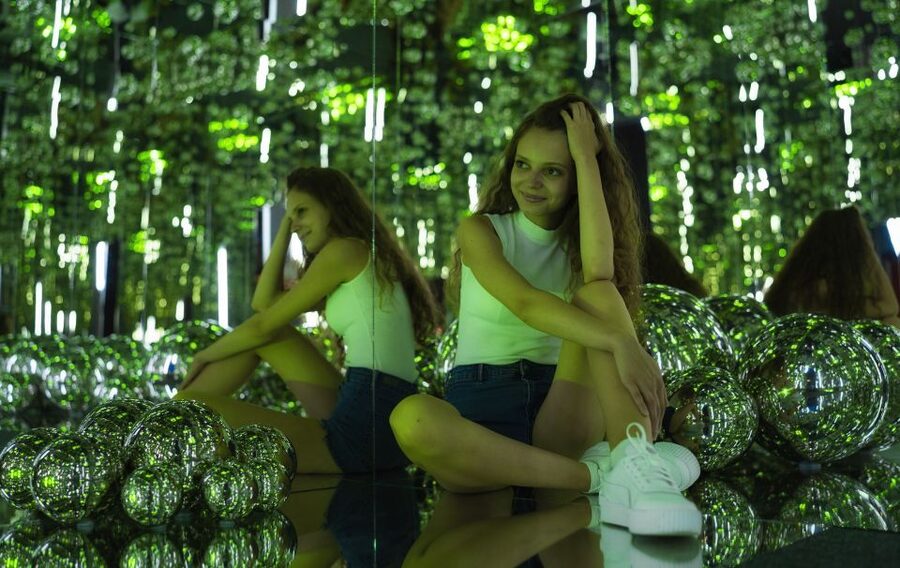
The museum leans hard into visual photo moments, especially with themed mirror rooms. The highlights called out include the Starroom and the Abyss, plus other mirror gallery spaces.
These rooms are where your camera will do most of the work. The trick is that the environment multiplies color, reflections, and perspective, so you get images that look more dramatic than a normal hallway.
This is also where the experience becomes very social. Everyone in your group will want to test poses, angles, and timing to see what the illusion does.
Practical tip: keep an eye on space and turn-taking. Mirror rooms are designed for close viewing, so if you are in a tight spot, be polite and let people finish their photos.
Projector rooms that put you at the center of the illusion
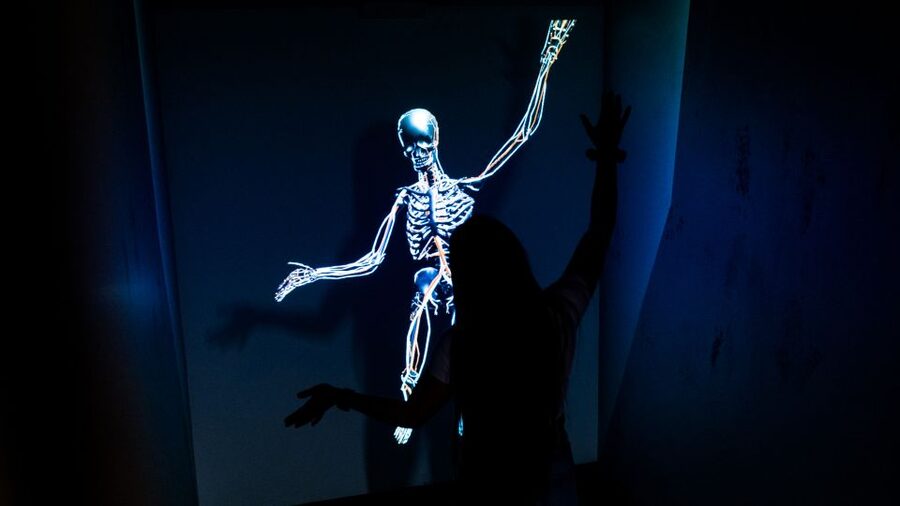
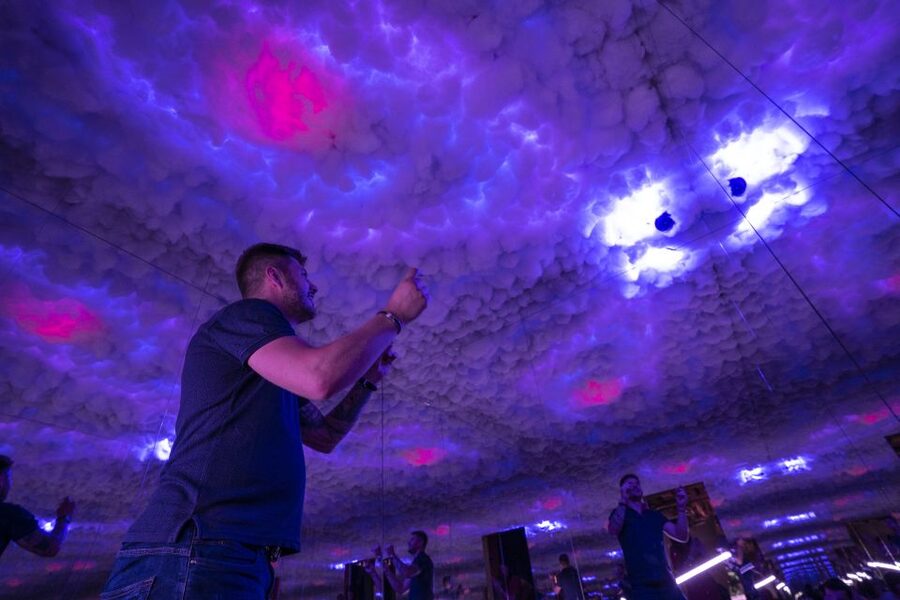
Projector rooms are another major category here, and the key detail is that you become the focus of the artwork and illusions. That means it is not just a wall projection. Your position and movement influence what you see.
This is one of the best parts for groups because you can watch your friends react in real time. It also helps the museum feel more active than passive.
Pairing projector rooms with mirror rooms works well. You go from seeing a distorted reflection to seeing a projected version of yourself, and the museum keeps asking the same question: what do your eyes actually know?
Price and value for 1.5 hours in Berlin
At about $17 per person for a 1.5-hour visit, the DeJa Vu Museum is priced for short, high-impact fun. You are not spending half a day, and you are getting a mix of interactive exhibits, mirror rooms, projector rooms, puzzles, and an art gallery section.
Is it a “cheap ticket” attraction? It is fairly reasonable for Berlin, especially when you factor in that photos and hands-on moments are built into the concept. It is also a great rainy-day fallback because the whole thing is indoors.
What about value for adults versus families? The museum is clearly set up for people who enjoy being playful with perception. Kids and teens can burn through the experience with laughter and photo stops, while adults often get hooked by the art layers and the portrait guessing.
If you want maximum value, plan to slow down in the rooms that create photo and puzzle moments. That is where the ticket stops feeling like a “quick pass” and starts feeling like a full activity.
Timing tips, crowds, and how to make the most of it
The museum is a two-floor walkthrough, and most people want to see everything without getting stuck. Your best strategy is to pace yourself and accept that a few rooms may need waiting in smaller indoor areas.
On busier times, some interactive exhibits can feel slow because they are in rooms that only hold a couple of people at once. If your group is flexible, going earlier or later in the day can help you keep momentum.
Also, this is an experience where you can lose time if you keep replaying the same photo setup. If you want the best mix, alternate: photo room, then puzzle or exhibit, then back to a room with bigger visual payoff.
A simple rule that works: pick one “must-do” room (like a mirror room) and one “must-try” interactive exhibit (like the sandbox). Then everything else becomes bonus.
Rules that affect your comfort level
The museum has a clear list of what is not allowed: pets, food and drinks, and alcohol and drugs. So if you are planning a long day, eat before you arrive and keep snacks out of the equation.
There are also safety and suitability notes that matter a lot for planning. It is not suitable for people with mobility impairments and it is not suitable for people with epilepsy.
If any member of your group has concerns, take those notes seriously. A museum built around light and visual effects can create the wrong kind of risk or discomfort for some visitors.
Who should book this, and who will feel it is not for them
This is a strong fit if you want a light, hands-on Berlin activity. I would put it near the top of the list if your group includes teens, or if you like optical illusions, art that invites interpretation, and photo opportunities that look like something you cannot easily recreate outside.
It also works well for mixed groups. The mirror rooms and projector rooms keep everyone laughing and moving, while the Shupliak gallery gives adults something to think about.
But if your group needs step-free accessibility or if anyone has epilepsy, it is likely a miss based on the museum’s stated suitability limits. In that case, you will probably want a different indoor option.
Should you book the DeJa Vu Museum ticket?
Book it if you want a 1.5-hour indoor experience that mixes optical illusion, interactive exhibits, mirror rooms, and an art gallery stop. The ticket price is easier to justify when you treat it as a hands-on activity, not a quiet gallery visit, and when your goal includes photos and playful viewing.
Skip or reconsider if your group has mobility accessibility needs or anyone has epilepsy concerns. Also, if you hate waiting in small rooms, plan your timing so you do not get stuck behind slow-going turns in the most popular areas.
Bottom line: this museum is built for fun with your senses. If that sounds like your kind of Berlin afternoon, it is an easy yes.
FAQ
Where is the DeJa Vu Museum meeting point?
The entrance to the museum is right by Alexanderplatz, roughly 300 meters from the Fernsehturm.
How long does the visit take?
The experience lasts about 1.5 hours.
What does the ticket include?
Your ticket includes interactive exhibits, mirror rooms, puzzles, and access to the art gallery by Oleg Shupliak.
How much is the ticket?
The price is listed as $17 per person.
What kinds of exhibits will I see?
You can expect interactive exhibits such as the Beuchet-Stuhl, the Dark Room, and the Interactive Sandbox, plus projector rooms, puzzles, mirror rooms (including the Starroom and the Abyss), and the Oleg Shupliak art gallery.
Is it suitable for people with epilepsy or mobility impairments?
No. It is not suitable for people with mobility impairments and it is not suitable for people with epilepsy.
What languages are available at the museum?
The host or greeter is available in English, German, Polish, Spanish, and French.
Is it allowed to bring pets, food, or alcohol?
No. Pets are not allowed, food and drinks are not allowed, and alcohol and drugs are not allowed.
Fresh on the arrivals board for Berlin




Museum Tours in Berlin, compared.
Skip-the-Line: Berlin Wall Museum at Checkpoint Charlie
Read our review →
“Pergamonmuseum. The Panorama” Exhibition Tickets
Read our review →
East Side Gallery Spree Cruise in a Solar Catamaran
Read our review →
Cold War, Berlin Wall, Spies and the East Side Gallery
Read our review →
Berlin WelcomeCard: Museum Island & Public Transport
Read our review →Browse the lists this tour appears in