
Reviewed · SACHSENHAUSEN MEMORIAL VISITS FROM BERLIN
Berlin: Sachsenhausen Concentration Camp Tour in English
Sachsenhausen is not sightseeing, it is confronting history. This English tour from Berlin takes you by train to the Sachsenhausen Memorial and Museum in Oranienburg, where you walk through the camp’s key structures with a guide trained by the memorial authority. You also get context about how the Nazi system worked, from early political imprisonment to mass execution and later death marches.
I love that the focus is on real, on-site places, including punishment and torture cells, Station Z, the gas chamber, and the crematorium, so the story stays grounded in what still stands. I also like that you travel with an expert historian style guide and finish with a return train trip to Berlin, so you do the tough part without the navigation stress.
One thing to consider is that this is a long, walking-heavy day, and food is not included, with practical advice from past groups to bring snacks and water since options can be limited.
In This Review
- Key things that make this tour worth your time
- Why Sachsenhausen is the day trip your Berlin trip needs
- Getting to Oranienburg smoothly from near Friedrichstraße
- Oranienburg before the memorial: context you will feel later
- Inside Sachsenhausen: cells, barracks, and the camp’s working parts
- Station Z and the gas chamber: what you are really looking at
- Punishment areas and the camp’s inner geography
- How much walking, weather reality, and what to pack
- Price, what is included, and the real cost of going
- Which type of traveler will love this, and who should think twice
- Should you book Sachsenhausen in English from Berlin? My take
- FAQ
- What language is the Sachsenhausen tour in?
- How long is the tour from Berlin to Sachsenhausen and back?
- Where do I meet the guide?
- Is entry to the Sachsenhausen memorial included?
- What transport tickets do I need besides the tour price?
- Is food included during the tour?
- Can I cancel for a full refund?
Key things that make this tour worth your time
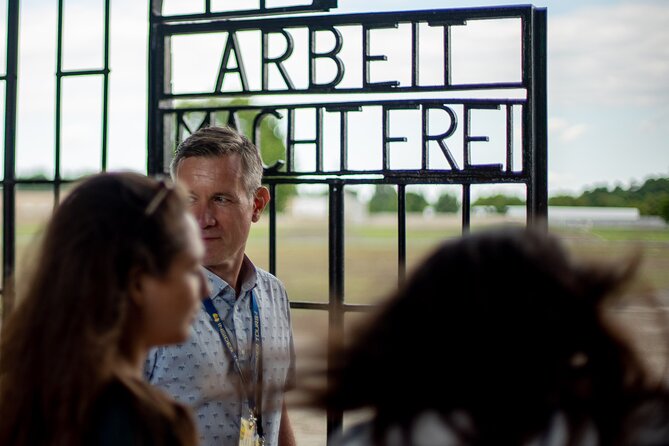
- Licensed guide trained by the memorial authority for a respectful, structured visit
- Entry to the Sachsenhausen Memorial included, so you spend time inside, not on logistics
- Donates €3 per guest to the Sachsenhausen memorial, turning your ticket into direct support
- Major sites included such as punishment cells, Station Z, gas chamber, crematorium, and burial areas
- Max group size of 29 travelers, with a slower pace that helps you process what you’re seeing
Why Sachsenhausen is the day trip your Berlin trip needs
Berlin can make the Third Reich feel distant, like it belongs to photos and big buildings. Sachsenhausen makes it physical. You’re looking at a concentration camp built as a purpose-built system, not a museum set dressed after the fact.
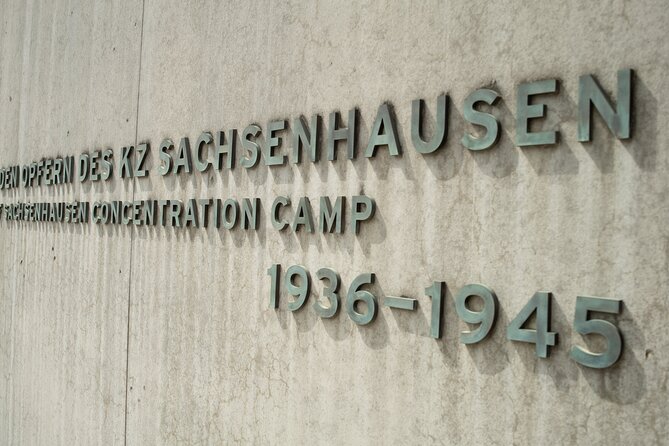
The tour sets the timeline clearly. More than 200,000 people were imprisoned there between 1936 and 1945. At first, many were political opponents of the Nazi regime, then later the camp expanded to include people defined by the Nazis as racially or biologically inferior. By 1939, large numbers of people from occupied European states were also imprisoned here.
Then you see what that system did to human bodies and human choices. The information you hear connects starvation, disease, forced labor, and mistreatment to the SS’s role in systematic extermination, and it includes the final chapter too, the death marches after the camp was evacuated in April 1945. Around 3,000 sick prisoners and the doctors and nurses who stayed behind were freed by Soviet and Polish soldiers.
Other visits to the Sachsenhausen memorial:
- Berlin: Sachsenhausen Concentration Camp Memorial Tour
★ 4.7 · 3,716 reviews - Sachsenhausen Concentration Camp Bus Tour in English from Berlin
★ 5.0 · 1,962 reviews - Berlin: Sachsenhausen Concentration Camp Tour in English
★ 4.8 · 1,889 reviews
Getting to Oranienburg smoothly from near Friedrichstraße
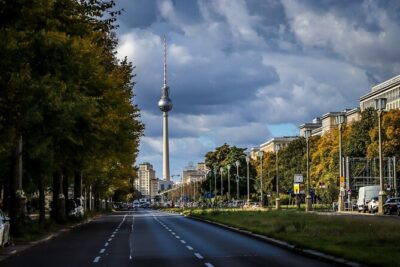
The day starts with a meet and greet near S+U Friedrichstraße, with the listed meeting point at Reichstagufer 17, 10117 Berlin. You should arrive 15 minutes early, because you’ll be getting sorted as a group before boarding.
From there, you take the train north to Oranienburg, the city where the camp was constructed. This transfer matters more than it sounds. It keeps your day organized, and you avoid spending your limited daylight figuring out routes while also mentally preparing for a heavy site.
The tour includes a return train trip to Berlin. That means you end the day with a clear exit, rather than being stuck trying to piece together last-step travel when you’re tired.
Oranienburg before the memorial: context you will feel later
Before you enter the memorial, the tour includes a short walk and orientation in Oranienburg. You do a town-based segment that helps you understand how close the camp was to everyday life.
This isn’t just geography. You learn about how complicit townsfolk were, and you see where inmates used to work. That matters because it changes the way you interpret what you’re seeing inside the camp. The violence was not isolated inside one wire fence. It was connected to a wider society and its choices.
The time here is brief, about 15 minutes, and admission for this portion is free. It’s also a useful mental transition, like stepping out of Berlin’s abstract narrative and moving into the local reality first.
Inside Sachsenhausen: cells, barracks, and the camp’s working parts
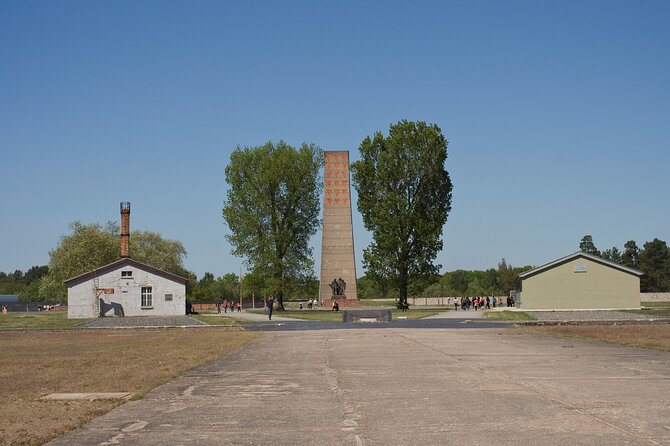
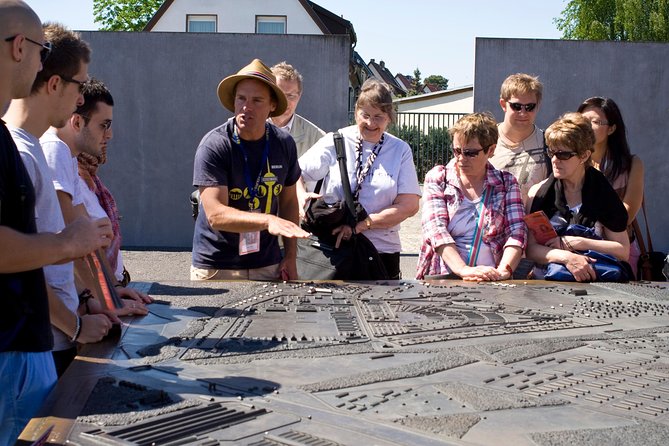
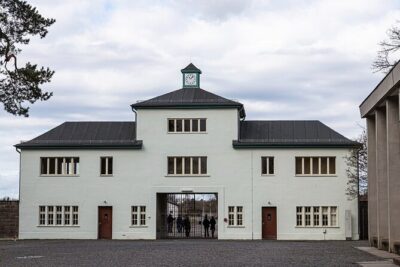
Once you arrive at the memorial, you get a guided walk through the old camp layout and key buildings, including the first camp area that was built for concentration-camp use rather than being reused from existing structures.
You’ll spend about 2 hours 30 minutes inside, moving through spaces that were designed to control prisoners. The tour includes the kinds of areas that explain how the camp functioned day to day, not only the most famous “horror highlights.” That balance helps you understand the system as a machine.
Expect to see the old barracks, the prison cells, and the torture cells. You’ll also visit the camp kitchen, which is one of those places that can feel jarring because it shows how ordinary infrastructure supported an extraordinary cruelty. You’ll also cover Station Z, which is where mass executions took place, and you’ll hear what made it operational.
A major point is that you get more than a list of sites. A trained guide connects them into a story you can follow: who was imprisoned there across different phases, how the camp’s purpose shifted, and how the SS ran violence in a bureaucratic way.
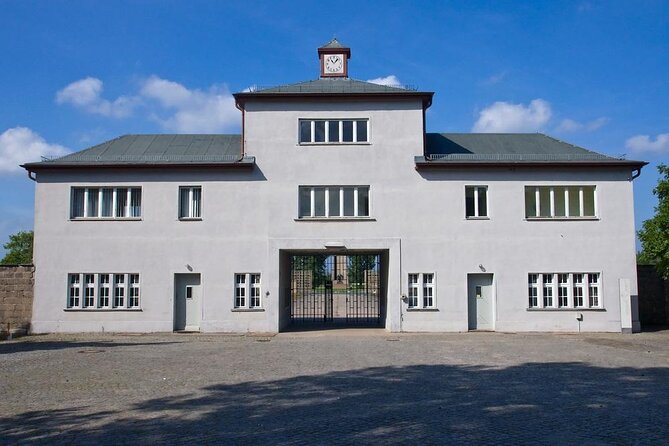
You’ll also see places tied to medical abuse and coercion, including infirmaries and a pathology center. And you get a clear visual anchor with Tower A, the main guard tower. When you look up from ground level, the tower helps you grasp how surveillance was built into the layout.
Station Z and the gas chamber: what you are really looking at
Some sections of Sachsenhausen are designed to make you stop and process. The tour includes the gas chamber and the crematorium, plus reference to burial pits located inside the prison area.
When a guide talks through these sites with care and structure, it helps you avoid two common mistakes. One is treating them like dark photo stops. The other is trying to summarize them with vague, emotional impressions only. Instead, you learn what happened there and how it fit into the camp’s role in Nazi extermination ideology.
This portion is also where the earlier context pays off. If you understand that large groups of prisoners arrived from occupied European states, and that many died through starvation, disease, forced labor, and mistreatment, then the later sites stop being “separate events.” They become part of a continuum.
It’s heavy. The tour doesn’t soften it, but it does keep you oriented, so you don’t feel lost inside the site.
Also holding a platform in Berlin



Punishment areas and the camp’s inner geography
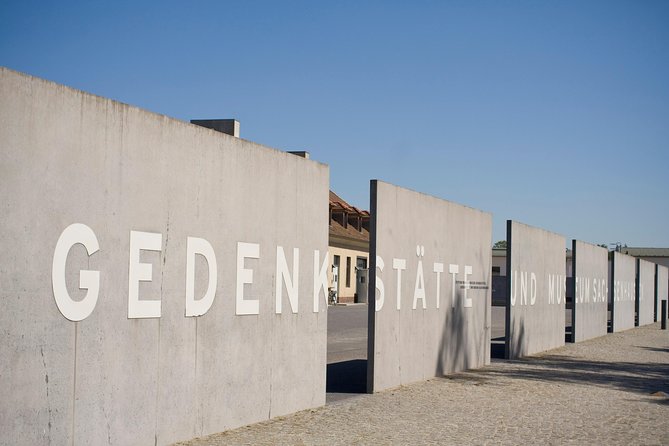
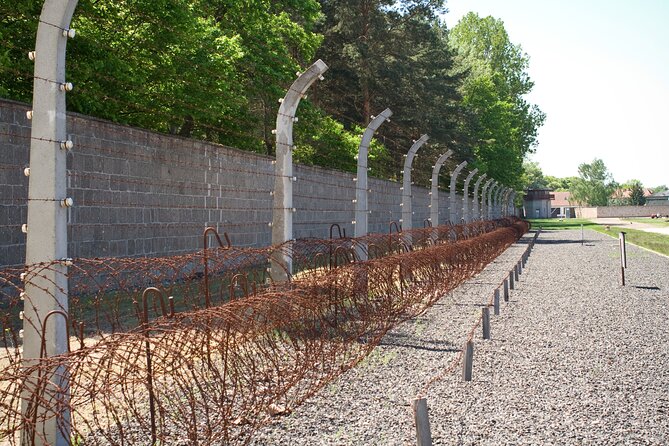
The tour specifically highlights the punishment cells and also references gallows inside the prison area, alongside the gas chamber and burial sites. These areas can feel small compared to the big public idea of a camp, and that contrast is part of the lesson.
In practical terms, you’ll spend time understanding how prisoners moved through the camp, how control was enforced, and what kinds of spaces were used for punishment. That inner geography is one of the reasons I think guided visits beat independent browsing here. A good guide helps you connect each area to what it did to people, instead of letting you wander in a fog of names and dates.
How much walking, weather reality, and what to pack
This is a day tour that runs roughly 5 hours 30 minutes total. The memorial portion is long enough that you’ll want to treat it like a serious walking activity, not a quick stop.
Bring good walking shoes. The tour requires moderate physical fitness and it is not recommended for limited mobility or walking impairments. If you know you struggle with prolonged standing outdoors, plan accordingly.
Also pack for weather. Reviews and the site’s setup both point to cold and exposed time. One practical tip that comes up often is to bring an umbrella, since there may not always be shelter between buildings.
Most important, pack your own food and water. Even though the tour ends with a return train trip to Berlin, the day is long, and food is not included. Past groups specifically recommend bringing snacks and water, because there is not a straightforward on-site solution for meals.
Price, what is included, and the real cost of going
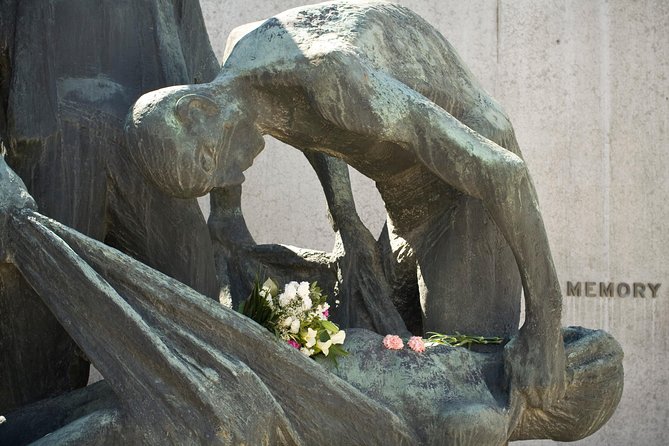
The listed price is $36.16 per person for an English tour lasting about 5 hours 30 minutes. It’s also booked around 27 days in advance, which is a hint to reserve sooner rather than later if your dates are tight.
What you get for the ticket matters. You receive a licensed guide trained by the memorial authority, entry to the memorial included, and an insider support element where the tour donates €3 per guest to the Sachsenhausen memorial. You also get a mobile ticket, which helps you travel light.
What costs extra is mostly about getting around and eating. You’ll need local transit tickets for zones ABC costing about €9 per person, plus an ABC train ticket required for the round trip from the meeting point to the memorial, listed at €10.00 per person. Food and drinks are not included.
So the value is not just the $36.16. It’s that you pay for guided access to major parts of the memorial and you don’t have to spend your energy planning each stop. The tradeoff is that you must handle transit tickets and bring your own meal plan.
Which type of traveler will love this, and who should think twice
If you want your Berlin history to go beyond the center and into the machinery of Nazi detention, this tour fits. It is for adults who want a structured, respectful visit with a historian-style guide and a clear route through the camp’s key areas.
It’s also a good match if you like asking questions and want pacing that avoids rushing. Many guides on this tour have been praised for being patient, answering questions, and keeping their delivery respectful, with names that have shown up like Georgia, Tina, Daniel, Hannah, Mikhail, Will, Gregor, Ariel, Scott, and Pete. You cannot control who you get, but the pattern is there: people consistently highlight the guide’s ability to explain without turning the topic into spectacle.
If you have limited mobility or you cannot manage prolonged walking outdoors, think twice. The tour is not recommended for those situations.
Should you book Sachsenhausen in English from Berlin? My take
Book it if you want a day that turns broad Nazi history into something you can actually picture, with the camp’s key sites tied together by a guide trained for this work. The mix of punishment spaces, mass execution context, the gas chamber and crematorium, plus the medical and guard infrastructure gives you a full understanding of how the camp operated and why it mattered.
Skip it if you need a light day, or if long outdoor walking and cold weather will be a dealbreaker. Also skip if you cannot bring your own food and water and handle extra transit tickets, since those practical needs are part of the day.
If you go, do it with the right mindset. This is not a quick checklist. It is a memorial visit where you learn how a system of cruelty worked, and you leave with a much clearer grasp of how ideology turned into policy and, eventually, into daily life for prisoners.
FAQ
What language is the Sachsenhausen tour in?
The tour is offered in English.
How long is the tour from Berlin to Sachsenhausen and back?
The duration is about 5 hours 30 minutes.
Where do I meet the guide?
The meeting point is near S+U Friedrichstraße, listed at Reichstagufer 17, 10117 Berlin, and you should arrive 15 minutes before the start time.
Is entry to the Sachsenhausen memorial included?
Yes. Entry to the memorial is included.
What transport tickets do I need besides the tour price?
You will need a Transport ticket for zones ABC costing about €9 per person, and you also need an ABC train ticket for the round trip from the meeting point to the memorial listed at €10.00 per person.
Is food included during the tour?
No. Food and drinks are not included, and it’s a long day, so bringing your own snacks and water is a smart move.
Can I cancel for a full refund?
Yes. You can cancel for a full refund up to 24 hours before the experience starts. If you cancel less than 24 hours before, the amount paid is not refunded.
Fresh on the arrivals board for Berlin


Sachsenhausen Memorial Visits from Berlin, compared.
Sachsenhausen Concentration Camp Memorial Tour
Read our review →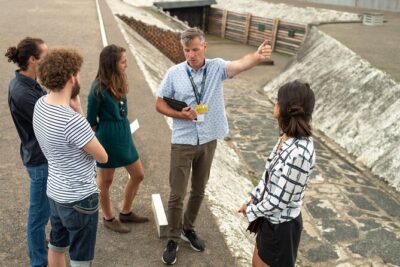
Sachsenhausen Concentration Camp Bus Tour in English from Berlin
Read our review →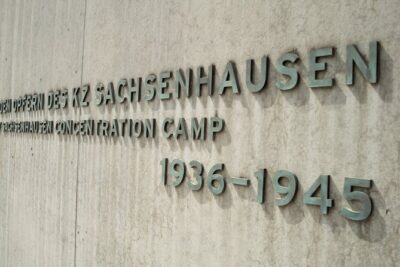
Sachsenhausen Concentration Camp Tour in English
Read our review →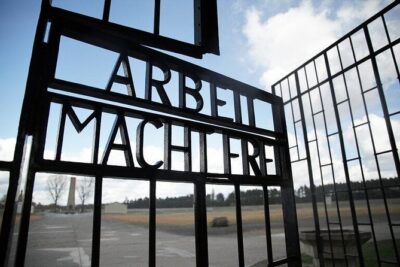
Sachsenhausen Concentration Camp Memorial Tour (Max. 15 Guests)
Read our review →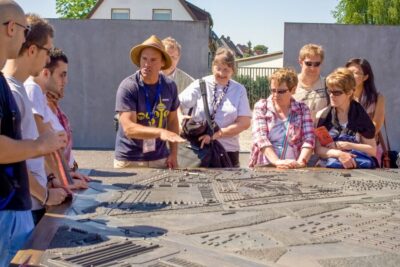
English Bus Tour to Sachsenhausen Concentration Camp
Read our review →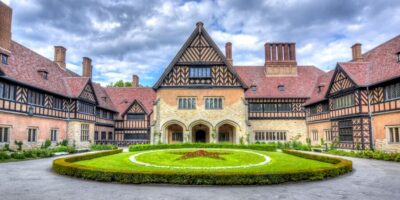
Sachsenhausen Concentration Camp and Potsdam Tour
Read our review →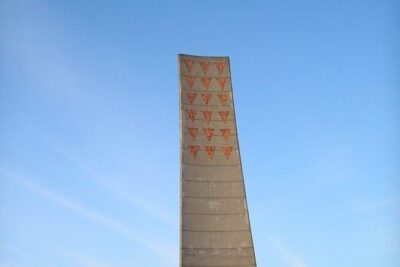
Sachsenhausen Concentration Camp Memorial Tour
Read our review →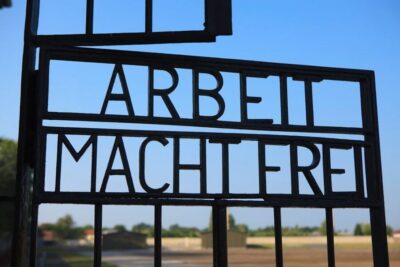
Browse the lists this tour appears in