
Reviewed · SACHSENHAUSEN MEMORIAL VISITS FROM BERLIN
Berlin: Sachsenhausen Concentration Camp and Potsdam Tour
A sobering day, carefully organized. This Berlin-area tour strings together Sachsenhausen Memorial and Potsdam’s royal sights with transport included, so you do not spend your time figuring out trains and transfers.
I really like the way the camp visit is handled: you get a guided walkthrough that focuses on how the camp was run and how labor was organized, not just a list of buildings. I also like the Potsdam half, where you move from Slavic roots into royal power, then get real breathing room with free time to wander at your own pace.
One heads-up: you will do a moderate amount of walking, and it is a long day, so bring good shoes and plan for time outdoors in whatever weather Berlin throws at you.
In This Review
- Key points to know before you go
- From Alexanderplatz to Sachsenhausen, without the stress
- Sachsenhausen Memorial: what the guided visit is really trying to teach
- The Potsdam switch: from Slavic town roots to royal residences
- Potsdam free time: how to use your 45 minutes well
- Glienicke Bridge and Checkpoint Bravo: Cold War details while you ride
- Berlin panoramic wrap-up: landmarks seen from the bus
- Price and time: is $65 worth it for a 7-hour day?
- Who should book this tour, and who should skip it
- Should you book this Sachsenhausen and Potsdam tour?
Key points to know before you go
- Transport included so the day runs on rails from Alexanderplatz to Sachsenhausen to Potsdam and back
- Skip-the-line entry for the Sachsenhausen Memorial visit
- Guides who balance facts with respect, with praised examples like Matteo, Peter, Walid, and Lucia
- Potsdam includes a guided walk plus 45 minutes free time to explore on your own
- You pass major Cold War landmarks on the way back, including Glienicke Bridge and Checkpoint Bravo
- A Berlin panoramic bus tour gives you a fast snapshot from the bus of big-ticket landmarks
From Alexanderplatz to Sachsenhausen, without the stress
This is a straightforward day plan that starts right in the city center. You meet next to the World Time Clock at Alexanderplatz, with your guide waiting there and wearing the Buendía accreditation. That matters, because the tour’s whole selling point is that you do not need to coordinate separate tickets or schedules.
The schedule is also built for flow. After the meeting point, you take a bus ride of about 50 minutes toward Sachsenhausen. The pacing is practical: you settle into the group, you get oriented before you arrive, and then you switch modes from street Berlin to the memorial setting.
Even if you come to Berlin for big sights like the Brandenburg Gate or the Reichstag, this day gives context that those postcards do not. Sachsenhausen is not just history in the abstract. It shows how ordinary systems were turned into machinery of cruelty, and the guide’s job is to keep that grounded and understandable.
One more practical point: you’ll be in a group, and you will move with the guide’s timing. That is a plus for most people, since it reduces decision fatigue. Just know that you should stay close during transitions, especially when the group gets set for walking.
Other visits to the Sachsenhausen memorial:
- Berlin: Sachsenhausen Concentration Camp Tour in English
★ 5.0 · 5,711 reviews - Berlin: Sachsenhausen Concentration Camp Memorial Tour
★ 4.7 · 3,716 reviews - Sachsenhausen Concentration Camp Bus Tour in English from Berlin
★ 5.0 · 1,962 reviews
Sachsenhausen Memorial: what the guided visit is really trying to teach
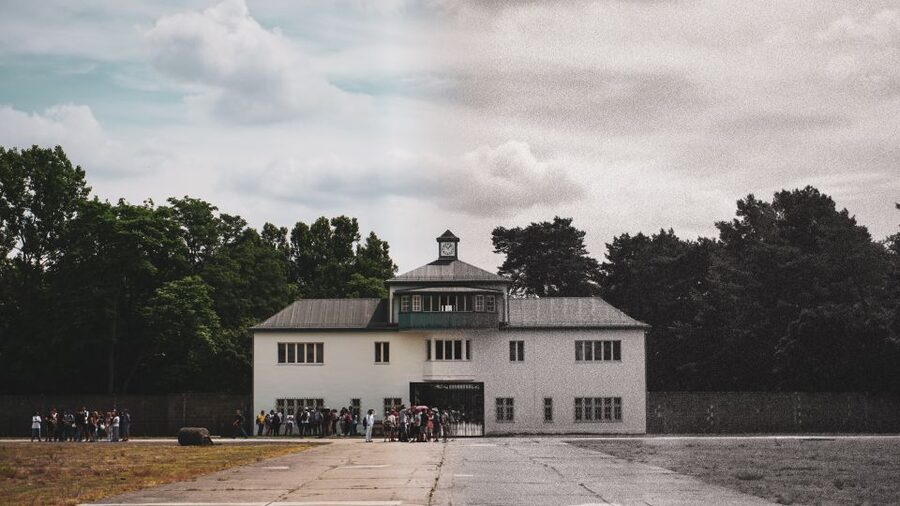
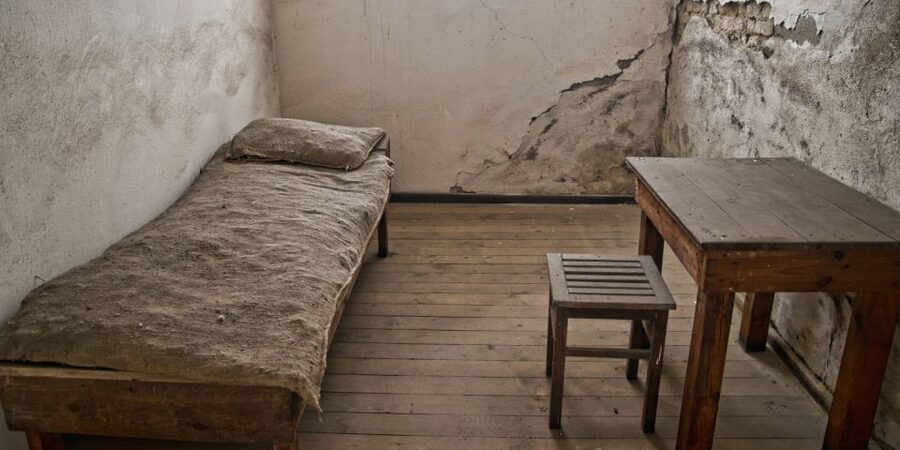
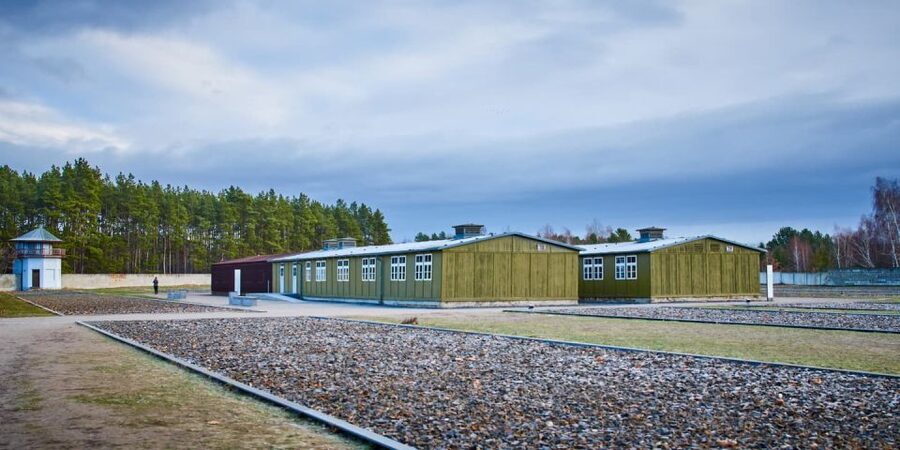
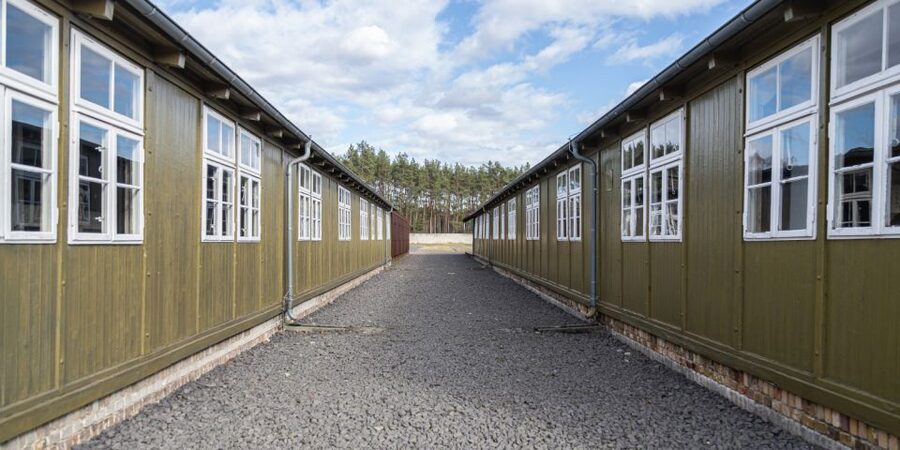
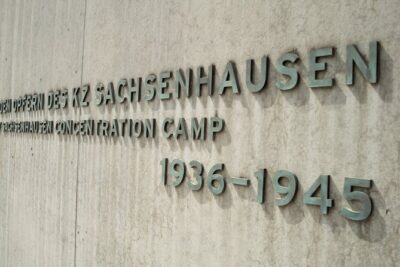
The highlight is the Sachsenhausen Memorial guided tour. The time on site is about 2 hours, and you enter through a separate entrance so you can skip the line.
What I like about how this is described is that it focuses on the camp as a system. You are guided through the dimensions of the cruelty committed there, and the explanation includes how work was organized, including how jobs were distributed and how the camp was run. That helps you understand why Sachsenhausen was not random violence. It was deliberate, bureaucratic, and designed to control people.
A strong guide is key for a visit like this, and the day has a lot of praise for that human factor. Names that come up again and again in the feedback include Matteo and Peter, plus guides like Walid and Lucia who are described as empathetic and respectful while still packed with facts. In plain terms, you want a guide who can answer questions without turning the subject into a performance. This tour is set up to do that, and it shows in how people talk about the experience.
What to do to get the most out of the memorial portion:
- Wear comfortable shoes. Some paths feel long when you are standing still to take things in.
- Keep your questions for the guide when you have them. The group timing is meant to support that.
- When you see a place that feels confusing, ask what happened there and why it mattered.
This part is moving. People describe the visit as thought-provoking and respectful. If you are someone who likes to understand the background before you arrive, you may still want a little mental space for this site, because it does not feel like a typical sightseeing stop.
The Potsdam switch: from Slavic town roots to royal residences
After Sachsenhausen, you head back by bus for about 1 hour and then arrive in Potsdam for a guided segment of about 1 hour. This is where the day pivots hard, and it works because the tour gives you the story bridge between eras.
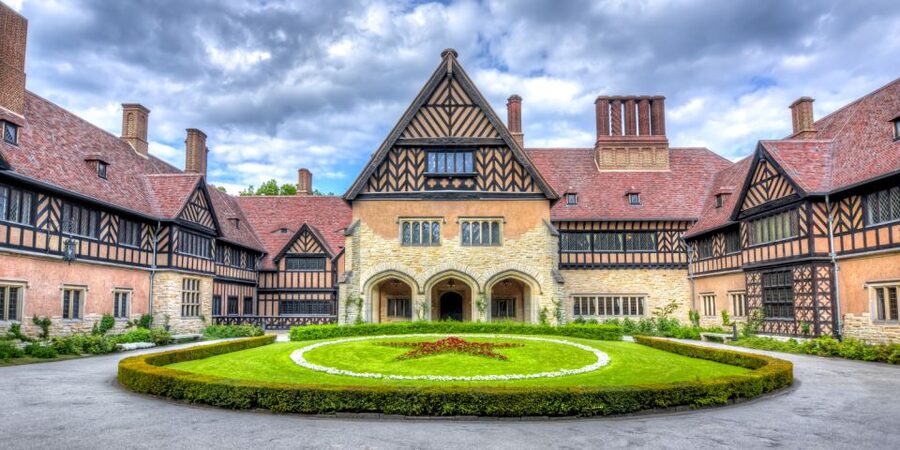
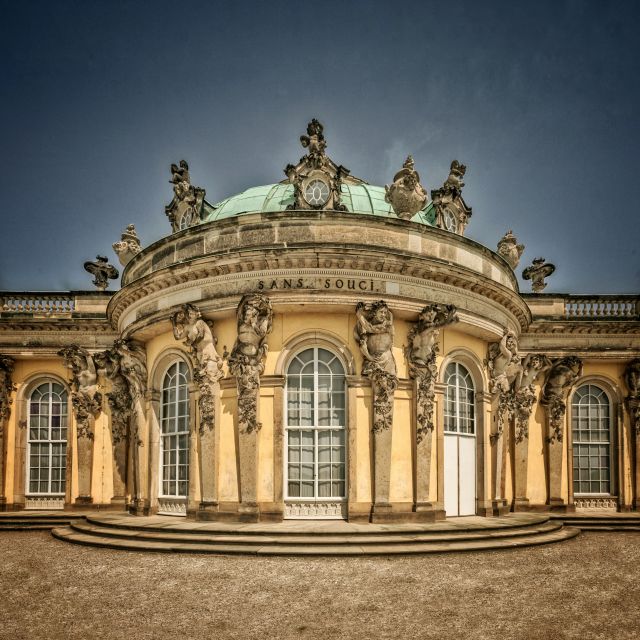
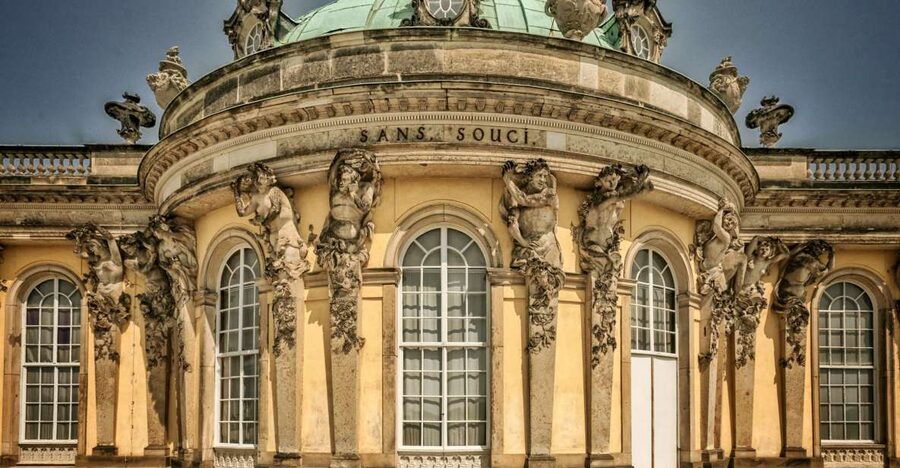
Potsdam is framed as more than a pretty town with palaces. You hear how it went from an older Slavic town to a royal residence. Then you walk through the royal-world basics: palaces and gardens where royal families and their courts ruled and walked.
I like this contrast because it teaches you something practical about Germany’s built environment. Architecture is not neutral. Power shows up in layouts, gardens, and the way places are designed to support court life. When you pair that with what you learned at Sachsenhausen, you get a sharper sense of how systems of authority can shape everyday life, even when the visuals look totally different.
The guided walk is helpful because Potsdam can feel easy to drift through on your own, especially if you only follow signs. With a guide, you get a line of meaning: what you’re seeing, who used it, and why it became important.
Potsdam free time: how to use your 45 minutes well
You get 45 minutes of free time after the guided Potsdam walk. That is not a long block, but it is the right amount for a breather and for catching a few extra views without turning the day into a full-day Potsdam binge.
Because time is short, I’d treat this part like a mini mission:
- Pick one area to linger in and one photo angle to chase.
- Do not try to cover every palace and every path.
- Use the free time to step away from the group and soak in the atmosphere at street level.
This free time is also where weather becomes your real planner. If it is clear, you can wander the gardens and viewpoints. If it is gray or rainy, you can still explore town streets and check out nearby vantage points without losing the whole day to transit.
The best part of this setup is choice. You get guidance for the big story beats, then you get enough personal time to move at your own speed. People specifically appreciate this break, and it also helps keep the camp part from feeling like nonstop heaviness.
Glienicke Bridge and Checkpoint Bravo: Cold War details while you ride
On the way back to Berlin, the bus crosses Glienicke Bridge, which connects Berlin and Potsdam. This bridge is famous worldwide for Cold War prisoner exchanges, and it is also known from the movie Bridge of Spies.
Right after that, you pass by Checkpoint Bravo, one of the key border crossings between East and West Berlin during the city’s division. You do not have to plan this stop yourself, which is the point. You get a guided interpretation as you pass, and that makes the Cold War concrete instead of abstract.
I like these in-between moments because they connect the day’s themes. Today is about power, control, and human consequences. The Sachsenhausen section talks about the machinery of oppression. Potsdam talks about court life and authority. Glienicke Bridge and Checkpoint Bravo show how those ideas played out in a city split in two.
Practical tip: during the drive segments, keep an eye on the guide and the bus layout for where to look. When a landmark appears, it is quick. If you want photos, be ready when the coach slows down.
Also holding a platform in Berlin


Berlin panoramic wrap-up: landmarks seen from the bus
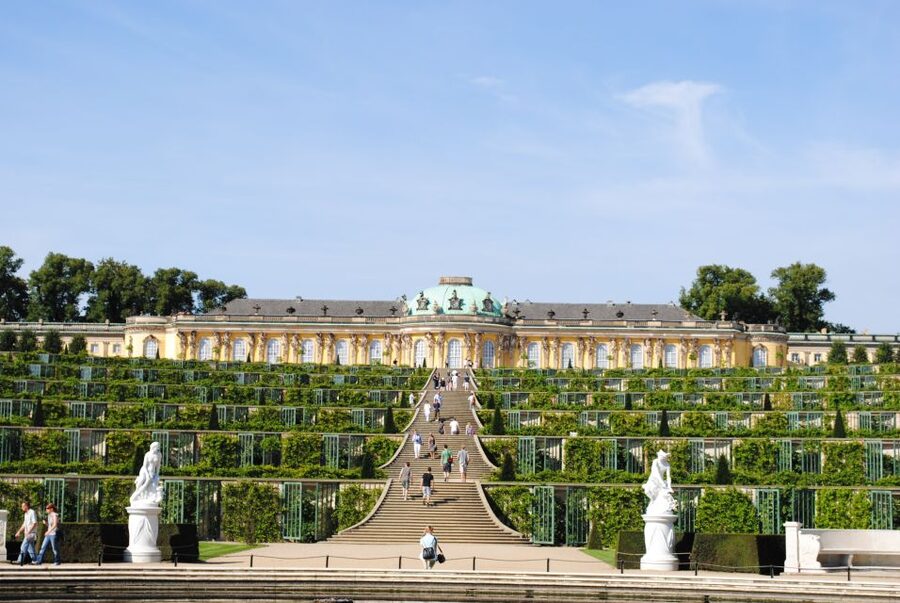
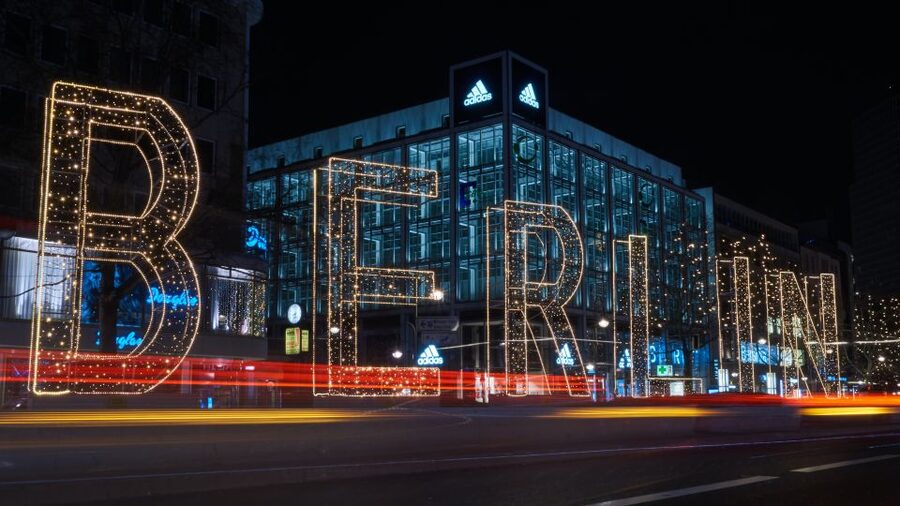
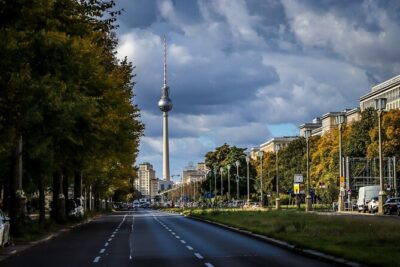
After Potsdam and the return drive, the tour includes a 25-minute panoramic city bus tour in Berlin. This is a quick look, but it hits the landmarks that most first-timers want, including the Reichstag, the Brandenburg Gate, and the Holocaust Memorial.
It is not a replacement for a full day in Berlin. Think of it as a way to build a mental map. If you come out of this tour understanding the surrounding history better, this final drive helps you place the sites you might visit later.
What you get here is orientation and direction. After the bus tour, you’ll know what areas you might want to explore at walking pace on another day. Even if you only remember a few names, the drive helps you connect the dots between political history and what you see in front of you today.
Price and time: is $65 worth it for a 7-hour day?
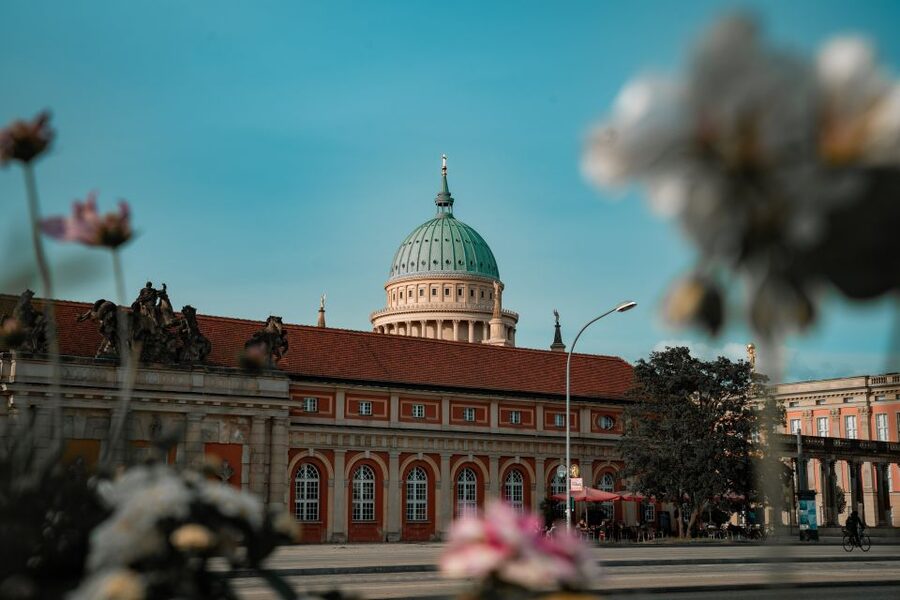
At about $65 per person for 7 hours, the value is mostly in the structure.
Here is what you are paying for, beyond simply admission tickets:
- Transport included, including the rides between Berlin, Sachsenhausen, and Potsdam
- Professional guide time covering both sites and the city overview
- Sachsenhausen entry and memorial fee, plus skip-the-line access
- Guided Potsdam visit and a Berlin panoramic bus tour
If you tried to build this day yourself, you would likely lose time shopping for schedules, arranging transport, and coordinating ticketing. That time has a cost, especially when you are trying to do two major destinations in one day.
Also, the tour is designed to reduce friction. Meeting at Alexanderplatz is easy. You do not have to worry about getting back because the bus brings you to the same meet-up point.
The trade-off, of course, is that it is tightly scheduled. You get a short Potsdam free time, not an all-day wander. But for the price, it is a solid way to cover two big, important stops without wasting a day on logistics.
One more cost note: food and drinks are not included. This is common on half-day style tours, but you should treat it seriously. If you go hungry, the day feels longer, and the camp visit is already emotionally demanding. I’d eat well before you go, and if you can, carry a snack for the gaps.
Who should book this tour, and who should skip it
This tour fits best if you:
- Want a guided Sachsenhausen Memorial visit with entry handled for you
- Like pairing a heavy historical site with a guided story-walk through Potsdam
- Prefer transport included so you can focus on the experience
- Are okay with moderate walking for a day that lasts around 7 hours
People who may want to choose something else:
- Anyone who needs wheelchair access or mobility support, since the tour is not suitable for wheelchair users and people with mobility impairments.
If you are traveling solo, couples, or even with friends who split up and then rejoin easily, a group tour can be a relief. You follow the guide, you learn the key points, and you still get your own small window of freedom in Potsdam.
If you are sensitive to very heavy topics, plan your expectations. Guides are described as empathetic and respectful, and that helps. Still, Sachsenhausen is not a casual stop, and you should allow extra mental space.
Should you book this Sachsenhausen and Potsdam tour?
If you want one day that teaches you how systems of power worked, from camp cruelty to royal control, and you want transport to do the heavy lifting, I think this is a strong booking. The biggest reason is the combination: a guided Sachsenhausen Memorial visit with skip-the-line entry, then Potsdam with a guided story plus 45 minutes to wander.
Two practical decision points:
- If you are willing to do moderate walking and dress for weather, book it and go in with comfortable shoes and a calm mindset.
- If you strongly prefer lots of time in Potsdam or want a hands-on exploration rather than a guided overview, you might treat Potsdam as a future return visit and still do this day for Sachsenhausen.
My bottom line: at roughly $65 for a full guided day with included transport, it is a practical value if you want both places in one shot and do not want logistics to steal your energy.
Fresh on the arrivals board for Berlin


Sachsenhausen Memorial Visits from Berlin, compared.
Sachsenhausen Concentration Camp Tour in English
Read our review →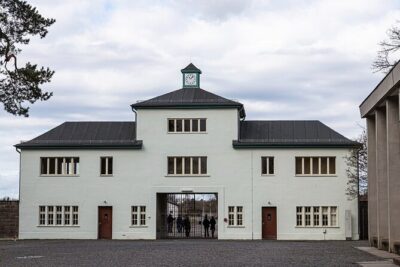
Sachsenhausen Concentration Camp Memorial Tour
Read our review →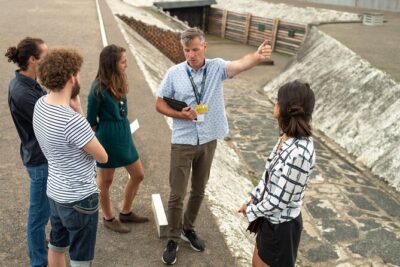
Sachsenhausen Concentration Camp Bus Tour in English from Berlin
Read our review →Sachsenhausen Concentration Camp Tour in English
Read our review →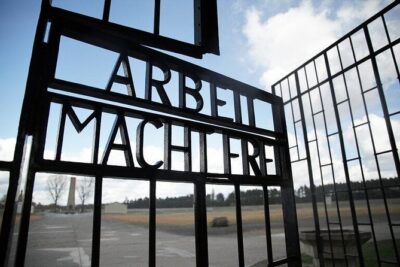
Sachsenhausen Concentration Camp Memorial Tour (Max. 15 Guests)
Read our review →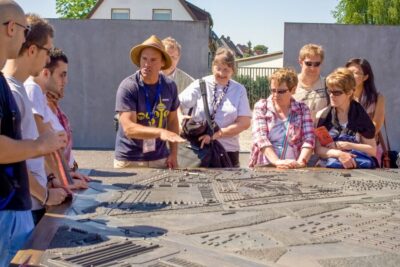
English Bus Tour to Sachsenhausen Concentration Camp
Read our review →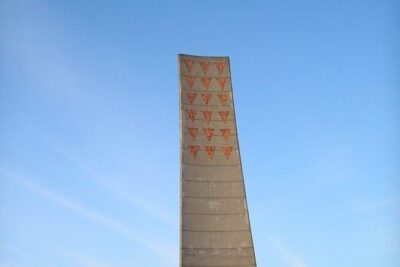
Sachsenhausen Concentration Camp Memorial Tour
Read our review →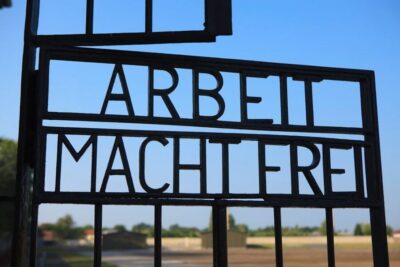
Browse the lists this tour appears in