
Reviewed · SACHSENHAUSEN MEMORIAL VISITS FROM BERLIN
Berlin: Sachsenhausen Concentration Camp Memorial Tour
Sachsenhausen hits fast, and stays longer. This half-day outing from Berlin is a guided, respectful walkthrough of one of Nazi Germany’s most important camp memorials. I like that you get expert context before you step through the gate, not just facts on site. Two other things I really enjoy are the focus on specific places like Barracks 38 and the calm, structured way the guide handles heavy material.
You’ll travel from Alexanderplatz to the memorial by scenic train ride, with your guide explaining how Sachsenhausen functioned and why it became a model camp. You also get a clear route through the main remains, from the entrance area to punishment spaces and execution sites. One consideration: this is not a light day. You should expect cold outdoor walking, lots of standing, and emotional content throughout.
In This Review
- Key things to look for
- From Alexanderplatz to Sachsenhausen, what the ride sets up
- Tower A and the gate area, where the tour begins
- Barracks 38 and 39, and how cramped space becomes evidence
- Punishment cells and the camp’s system of minor offenses
- Infirmary and morgue, and the meaning behind the exhibits
- The prisoner kitchen and the way the memorial tells time
- Station Z, executions, and how the site keeps its distance
- Soviet memorial and the afterlife of the site
- Price, time, and how $21 becomes real value
- Tips to make the day smoother and more respectful
- Who should book this Sachsenhausen tour from Berlin
- Should you book it, or choose another option?
- FAQ
- How long is the Berlin to Sachsenhausen memorial tour?
- What does the price include?
- What do I need to bring?
- Do I need train tickets in advance?
- Where do we meet in Berlin?
- What languages is the tour offered in?
- Is this tour suitable for wheelchair users or mobility impairments?
- What is the cancellation policy?
Key things to look for
- A guided Berlin to Sachsenhausen route that helps the site make sense before you arrive
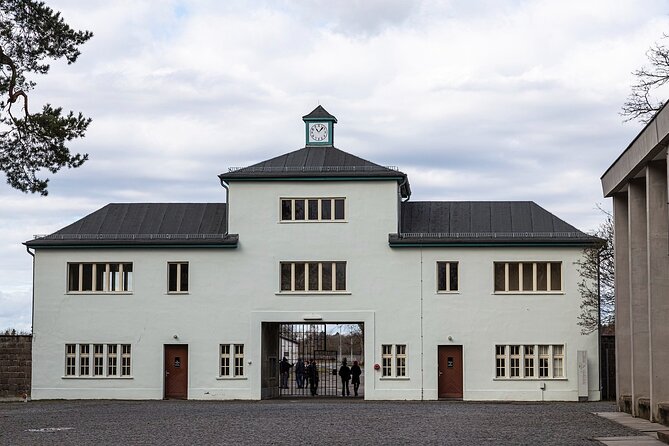
- Tower A and the camp entrance area where you start at the official threshold
- Barracks 38 and 39 with a museum focus on cramped Jewish prisoner life
- Punishment cells and Station Z for a direct look at how control and violence worked
- Medical violence details tied to what happened in the infirmary and morgue
- Multiple layers of memorial meaning, including the Soviet memorial from 1961
From Alexanderplatz to Sachsenhausen, what the ride sets up
The day starts in Berlin at Alexanderplatz, right by the World Time Clock. Your guide meets you there wearing Buendía accreditation, and then you head to the memorial by train together. The big win here is timing: you are not just scrambling on your own to get out to the site, and you are not trying to read the camp like a map.
You will need an ABC zone train ticket in advance. The good news is you can buy it at the machines in the stations or online through the Berliner Verkehrsbetriebe website. The tour itself covers the guided portion and the memorial entrance fee, so your main job is simply getting the right transit ticket so you do not slow the group down.
What I like about the pre-visit orientation is that it frames Sachsenhausen as more than a list of atrocities. Your guide explains the camp’s origins and purpose, including its role as a “model” camp in Nazi planning. That context matters because the memorial is built from many decisions over time, and you’ll want a sense of why certain monuments exist where they do.
One more practical note: the train ride and the memorial visit can line up with winter cold. One visitor described the day as bitter cold but still felt guided and cared for, which tells you something about pacing and group management. Bring warm layers, and wear shoes you trust.
Other visits to the Sachsenhausen memorial:
- Berlin: Sachsenhausen Concentration Camp Tour in English
★ 5.0 · 5,711 reviews - Sachsenhausen Concentration Camp Bus Tour in English from Berlin
★ 5.0 · 1,962 reviews - Berlin: Sachsenhausen Concentration Camp Tour in English
★ 4.8 · 1,889 reviews
Tower A and the gate area, where the tour begins
At Sachsenhausen, you start near Tower A, the main entrance area. This is where you see the famous sign that many people associate with Nazi imprisonment systems. Your guide’s job here is not just to point and move on, but to explain what that entrance represented within the camp’s psychology of control.
From the start, the tone is usually structured. You’ll be led through the memorial with respect for the victims, and the guide will connect the physical spaces to what happened there. The pacing tends to be careful, meaning you’ll have enough time at each stop to understand why it is important, not just take a photo and leave.
If you’re worried about handling the mood, focus on the guide’s approach rather than fighting your own feelings. Many past guides on this route have been praised for being respectful and for keeping the tone appropriate, even when facts are grim. One recurring theme in the feedback is a calm delivery that still makes the history clear and logical.
Also, the tour includes skip-the-line access through a separate entrance. You still walk the grounds, but you avoid that extra waiting that can feel especially pointless on a day like this.
Barracks 38 and 39, and how cramped space becomes evidence
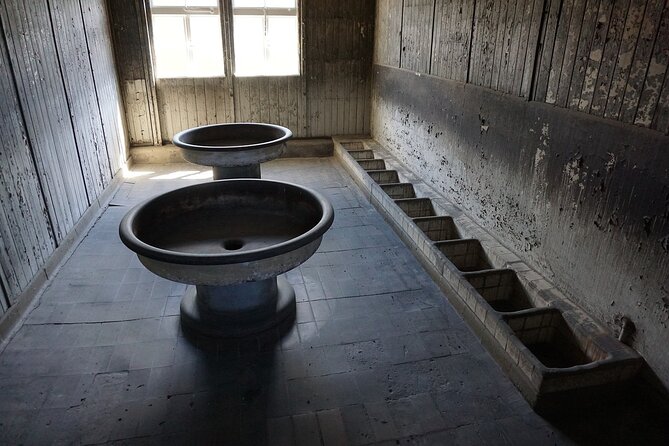
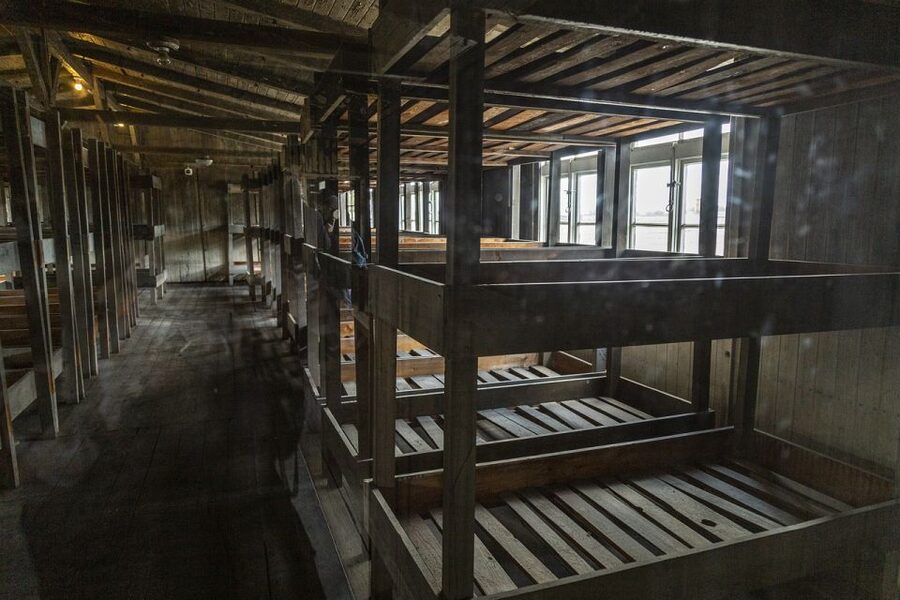
The most important early stop for many people is Barracks 38 and 39. You’ll learn that Jewish prisoners were held there under extremely cramped conditions, and the memorial lays out that reality in a way you can actually see. Barracks 38 now functions as a museum, focusing on daily life. That is a key difference from many historical sites where you only get high-level descriptions.
Standing in a reproduced or preserved setting like these barracks can feel strangely physical. You start to understand how overcrowding was not accidental. It was part of the system. And when your guide explains what “daily life” meant in practice, the story becomes concrete rather than abstract.
Barracks 39 is paired in the route for a reason. Your guide connects the buildings to how prisoners were processed, managed, and confined. Even if you think you already know the basics, these stops are often where people recalibrate their understanding of what confinement did to people in real terms.
A bonus of choosing a guided format is that you are not left to guess. The guide helps you interpret what you’re seeing, instead of wandering between exhibits and making your own (often wrong) assumptions. This is one of the most repeated reasons people recommend this tour, especially because the content is heavy and the details can get confusing fast.
Punishment cells and the camp’s system of minor offenses
After the barracks, the tour moves to original punishment cells used to detain prisoners for minor offenses. This section can be hard to process because it shows how control worked at the smallest scale. It’s not just about mass violence. It’s also about the everyday threat of punishment, the constant pressure, and how quickly someone could be targeted.
What makes this stop valuable is the way it reveals the camp’s logic. The memorial spaces are arranged to show not only where harm happened, but how the Nazis tried to create an environment where fear operated like routine. When your guide explains that, you start seeing patterns, not isolated events.
This is also a point where comfort and pace matter. If you’re sensitive to enclosed spaces, you might feel it here. Wear shoes you can stand in for a while, and take breaks when the guide pauses for questions. In many group tours, guides make space for questions at natural moments, and that can help you process without falling behind.
Infirmary and morgue, and the meaning behind the exhibits
Next up are references to medical experiments connected to what happened in the infirmary and morgue. This is one of the most disturbing sections, but it is also one of the most historically important. The memorial does not treat these details as isolated rumors. You’ll get explanations that connect medical institutions and experimentation to the camp’s wider machinery.
The value here is balance. Your guide should stay factual and respectful, explaining what happened and why it matters, without turning the visit into shock tourism. Based on the pattern in previous experiences with guides on this route, the best tours keep a steady tone and make sure the focus stays on victims and historical accuracy.
If you want to get the most out of this portion, listen for the “why.” Ask yourself: what did the camp gain by doing this, and what does it show about the system? Then take a breath before moving on. It’s okay to slow down.
Also holding a platform in Berlin



The prisoner kitchen and the way the memorial tells time
The route also includes the former prisoner kitchen, which now functions as a museum space. This stop might sound less dramatic than cells or execution areas, but it often becomes emotionally powerful for a different reason: food, cooking, and kitchen routines were tied to survival and control.
Your guide will highlight key moments in the camp’s history through this space. That makes sense, because kitchens are often where you understand daily structure, not just extreme punishment. You’ll learn how the camp maintained function while also denying basic dignity.
This is where I like to take mental notes. Notice how the memorial uses different buildings to tell different parts of the story. Even within one camp, there were stages and shifts. And the memorial layout reflects that, including later additions.
In practical terms, it’s also a helpful mid-visit pause if you need to regroup. You can catch your breath, reset your emotional state, and continue with clearer focus.
Station Z, executions, and how the site keeps its distance
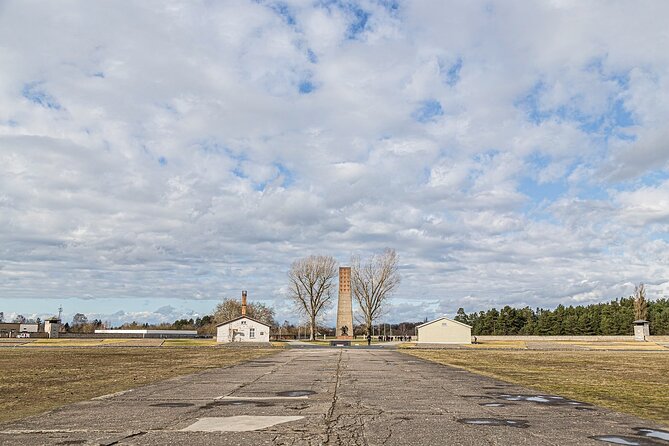
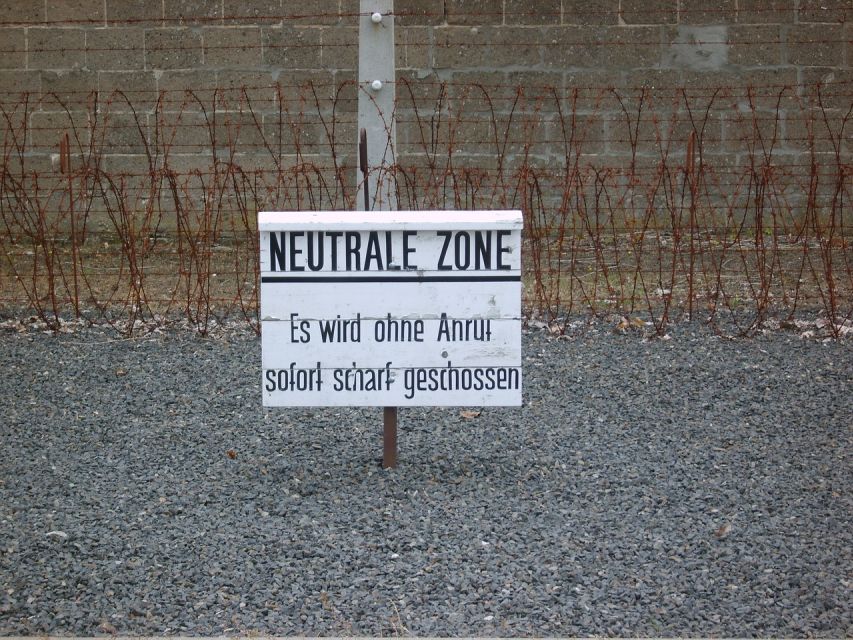
One of the final major stops is Station Z, where many executions took place. The remains at this point can feel like the memorial is asking you to stand with the facts rather than imagining scenes. Your guide connects what you see to what happened here, and you’ll likely feel the weight settle in.
This section is where tours often feel the most difficult. It is not just the topic. It is also the physical reality of being at a place that still bears the outline of what occurred. When your guide handles it well, you get clarity without sensational language.
If you’re traveling with someone who wants to keep things moving fast, this is a place to slow down together. The best experience is when you let the moment land. Take the time your guide gives you, and if your body is reacting, step aside briefly during pauses so you can return with steadier attention.
Soviet memorial and the afterlife of the site
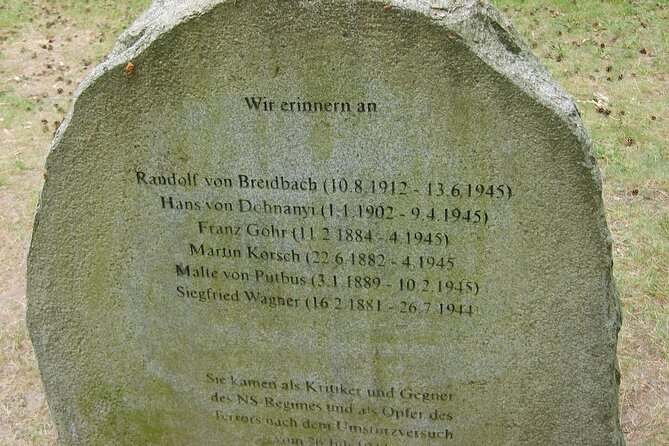
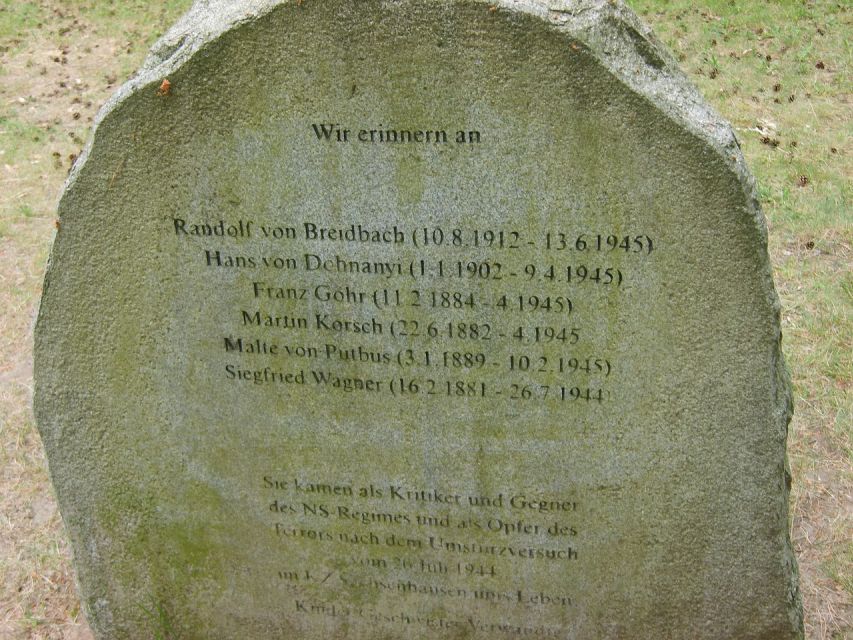
After the camp’s operational core is addressed, you’ll visit the Soviet memorial built in 1961. This is crucial because it shows that Sachsenhausen did not end when the war ended. Different powers and ideologies shaped how the world remembered the site, and that meaning is physically present here.
Your guide explains the camp’s role after World War II and how later memorial choices reflect changing narratives. This matters because it prevents a common mistake: treating the site as frozen in time. It isn’t. It’s been interpreted, rebuilt, and repurposed as history evolved.
If you like historical nuance, you’ll appreciate this segment. It’s where the tour helps you understand why the memorial has different monument styles and messages, placed at different times for different reasons.
Price, time, and how $21 becomes real value
At about $21 per person for a 5-hour experience, the value is mostly in the guided component. The tour includes a professional guide who travels with you from Berlin, plus the entrance fee to the memorial (with 3 euros included). It also saves you effort through skip-the-line access, and it structures your time so you see key areas without getting lost in what can feel like a vast emotional site.
What is not included is the train ticket. You’ll need the ABC zone ticket before you go, and you should buy it in advance to avoid delays. In other words, the price is not inflated with transit costs. It’s priced around guide time and memorial access, which is what you’re really paying for.
This length also makes sense. Five hours is long enough to cover the main sites in a coherent order, but not so long that you feel permanently stuck in discomfort. If you have limited time in Berlin, this is a workable way to add a high-impact day without sacrificing the rest of your schedule.
One practical advantage: at the end, you can choose to return to Berlin by train with your guide’s help, or stay longer at the memorial on your own. That flexibility is useful if you want extra time in the museum spaces or if you need a quieter walk to process everything.
Tips to make the day smoother and more respectful
This is one of those tours where small choices matter. You should bring comfortable shoes since you’ll be walking a route through multiple sections. Also, bring snacks because you’ll want energy ready for the emotional weight and cold conditions, especially if your day starts in the morning.
Dress for weather, not fashion. Even if the tour is managed well, outdoor sections will take time. In winter, the group can feel cold and still have to move between stops, so layers are your friend.
Use the guide’s rhythm. Many guides on this route are praised for making logistics easier, like helping people get on the correct trains back and reminding everyone about transport. So when your guide gives instructions, treat them like lifelines. It keeps the visit from turning into a chaotic hunt for platforms.
Finally, take the option to stay after if you need it. Some people like having the chance to continue at their own pace after the guided portion. If you do, give yourself a little time to think and revisit the spaces that affected you most.
Who should book this Sachsenhausen tour from Berlin
Book this if you want a structured, guided visit that helps you connect buildings to meaning. It’s a good fit if you care about historical context, especially how the memorial addresses both the camp’s function and later layers of memory.
It’s also a good choice if you want to avoid DIY confusion. With a guide from Berlin, you’re not trying to interpret the grounds while also figuring out transit. And with a route that hits Tower A, Barracks 38 and 39, punishment cells, infirmary and morgue references, Station Z, and the Soviet memorial, you get a complete sweep.
One clear consideration: it is not suitable for people with mobility impairments or wheelchair users, based on the information provided. If accessibility is a concern for you, check alternative options or contact the operator for guidance.
Should you book it, or choose another option?
Yes, I would book it if you have half a day in Berlin and you want a guided, respectful experience at Sachsenhausen. The price feels fair for what you get: a professional guide traveling with you from Alexanderplatz, skip-the-line memorial access, and a route that hits the major sites in a logical order.
Don’t book it expecting comfort or upbeat vibes. This is a serious visit. But if you show up with good shoes, warm clothes, and the willingness to listen, you’ll leave with a clearer understanding of what Sachsenhausen was, how it operated, and how memory around the site has evolved over time.
FAQ
How long is the Berlin to Sachsenhausen memorial tour?
The tour lasts about 5 hours.
What does the price include?
The price includes a professional guide who accompanies you from Berlin, entrance fee to the Sachsenhausen Concentration Camp Memorial (3 euros included), and guided historical explanations.
What do I need to bring?
Bring comfortable shoes and snacks.
Do I need train tickets in advance?
Yes. You need to purchase an ABC zone train ticket before the activity. You can buy it at ticket machines in stations or online on the Berliner Verkehrsbetriebe website. Train tickets are not included in the tour price.
Where do we meet in Berlin?
You meet at Alexanderplatz, next to the World Time Clock. The guide will be waiting there wearing Buendía accreditation.
What languages is the tour offered in?
The live tour guide is available in Spanish, English, German, French, and Italian.
Is this tour suitable for wheelchair users or mobility impairments?
No. It is not suitable for people with mobility impairments or wheelchair users.
What is the cancellation policy?
You can cancel up to 24 hours in advance for a full refund.
Fresh on the arrivals board for Berlin



Sachsenhausen Memorial Visits from Berlin, compared.
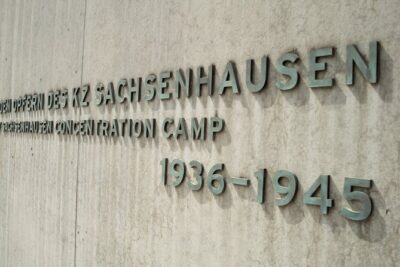
Sachsenhausen Concentration Camp Tour in English
Read our review →
Sachsenhausen Concentration Camp Bus Tour in English from Berlin
Read our review →Sachsenhausen Concentration Camp Tour in English
Read our review →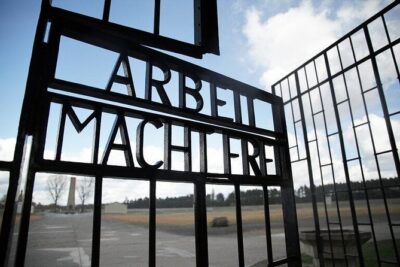
Sachsenhausen Concentration Camp Memorial Tour (Max. 15 Guests)
Read our review →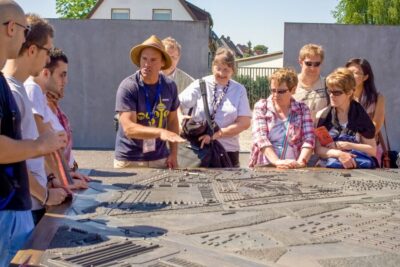
English Bus Tour to Sachsenhausen Concentration Camp
Read our review →
Sachsenhausen Concentration Camp and Potsdam Tour
Read our review →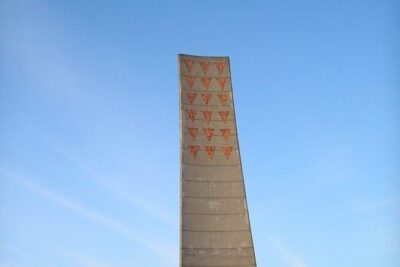
Sachsenhausen Concentration Camp Memorial Tour
Read our review →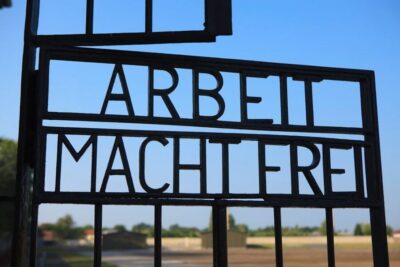
Browse the lists this tour appears in