
Reviewed · SACHSENHAUSEN MEMORIAL VISITS FROM BERLIN
Berlin: Sachsenhausen Concentration Camp Tour in English
A day at Sachsenhausen changes how you see Germany. This English guided tour connects the camp’s purpose in Nazi times with what happened afterward, with a licensed guide and a simple Berlin round-trip plan.
I especially like how you walk through Sachsenhausen’s layout, not just museum photos. You get the Administration Center context first, then the prisoner-facing locations like the barracks and punishment areas, so the story clicks into place fast.
One drawback to plan for: the walking is moderate and you’ll spend time outdoors in all weather, so you’ll want good shoes and water.
In This Review
- Key things I’d bet you’ll care about
- Berlin to Sachsenhausen, the meeting point and train rhythm
- First stop: the Camp Administration Center and how the system worked
- Station Z, watchtowers, and the places tied to mass murder
- Jewish barracks, punishment cells, and the daily machinery of cruelty
- Experimentation and Special Camp 1/7, the postwar chapter that many people miss
- Resistance stories, notable prisoners, and how the guide keeps it coherent
- Practical pacing: walking time, what to wear, and how to handle the emotional weight
- Should you book Sachsenhausen from Berlin with an English licensed guide?
- FAQ
- How long is the Sachsenhausen Concentration Camp tour?
- Where do I meet the guide in Berlin?
- Do I need public transport tickets?
- What language is the tour in?
- What sites are included during the visit?
- Is the tour wheelchair accessible?
Key things I’d bet you’ll care about
- Licensed English guide from Berlin, so you get real explanations, not just signage
- A structured route through major sites, including Station Z and the gallows
- Prisoner stories and resistance, including the Jewish revolt in 1942 and defiance by British POWs
- Hard physical locations, from barracks to punishment cells and experimentation sites
- After-1945 context, including how the Soviets used Sachsenhausen (Special Camp 1/7)
- Fast, simple transit, a short train hop from Berlin to Oranienburg and back
Berlin to Sachsenhausen, the meeting point and train rhythm
If you want the easiest path to the memorial, this tour’s built for you. You start at Friedrichstraße train station, outside on the square beside the Traenenpalast (Palace of Tears). The guides hold yellow umbrellas, so spotting them is usually quick, even if Berlin is doing its usual windy, fast-moving thing.
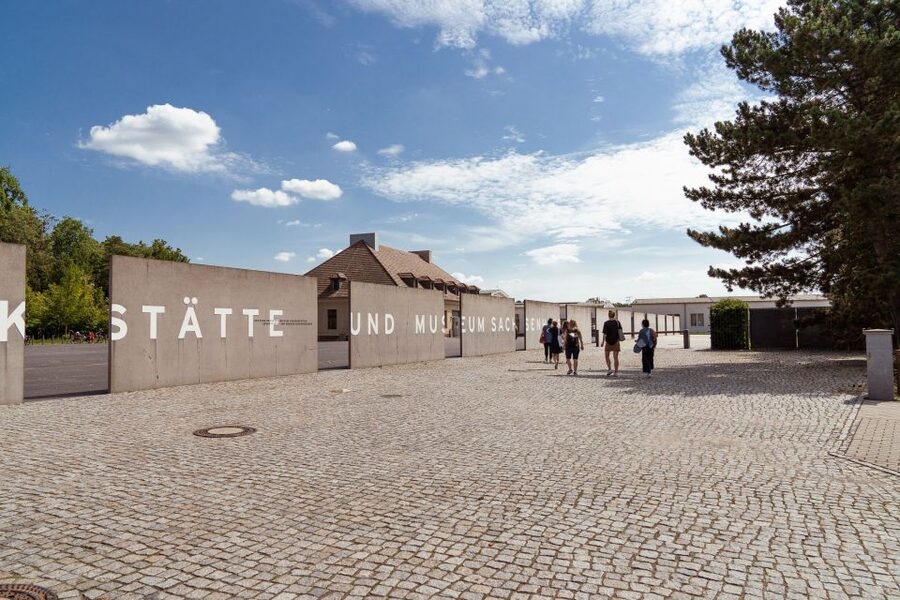
From there, you take a train to Oranienburg, then it’s a short walk to the Sachsenhausen Memorial. The total trip is about half a day, around 5.5 to 6 hours, with a little train time and a longer guided walk. That matters because you will not be drifting around at your own pace. You’ll move as a group, stop where it counts, and get history tied directly to what you’re seeing.
Public transport tickets are not included, so you should expect to sort that out on the day. The tour notes that you’ll need an ABC zone ticket and that you can buy it with help from on-site staff at the meeting point. This is one of those small practical details that saves a lot of stress.
Bring a small snack and water. The route is outdoors for stretches, and the memorial itself is solemn. In winter, you’ll feel it in your legs. I’d treat this like a serious walking day, not a “quick look” excursion. Comfortable clothes are your friend, because the tour runs in all weathers.
Other visits to the Sachsenhausen memorial:
- Berlin: Sachsenhausen Concentration Camp Tour in English
★ 5.0 · 5,711 reviews - Berlin: Sachsenhausen Concentration Camp Memorial Tour
★ 4.7 · 3,716 reviews - Sachsenhausen Concentration Camp Bus Tour in English from Berlin
★ 5.0 · 1,962 reviews
First stop: the Camp Administration Center and how the system worked
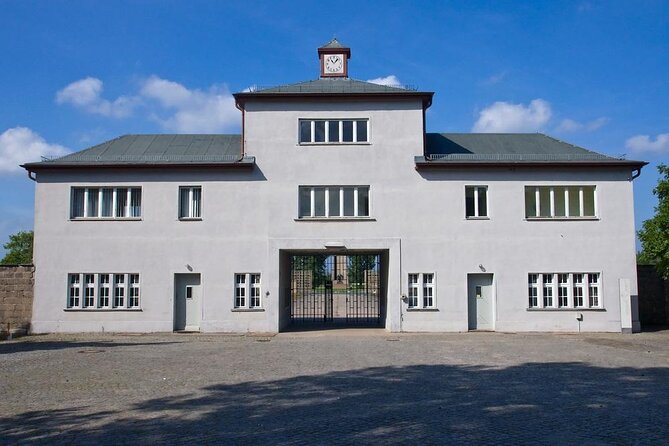
Your guided tour begins at the Camp Administration Center, now an on-site museum. This building used to serve as the headquarters for overseeing the Third Reich’s main camps and a huge network of satellite camps. That’s the first big mental shift you should make. Sachsenhausen wasn’t a random backwater. It was part of an administrative machine built to control and dehumanize.
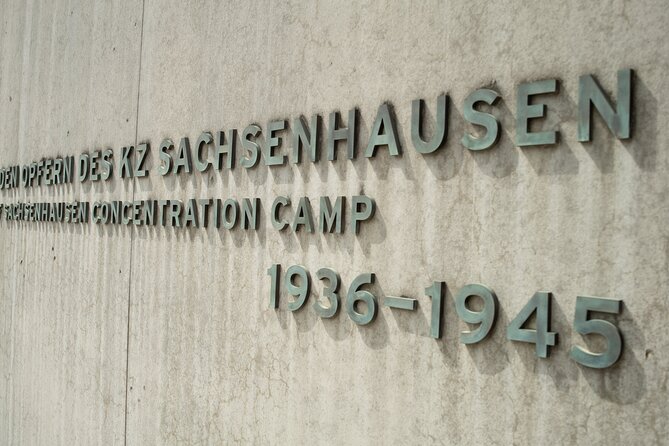
Starting here helps because it gives you the “why” behind what you’ll see next. The guide talks through the camp’s purpose over time, and you’ll hear the timeline clearly: construction began in 1936, first aimed at detaining opposition to the Nazi regime, then expanding to imprison anyone the Nazis considered a threat to their ideology.
You’ll also get key transitions. The guide explains the grim reality of the Death March that happened before liberation in 1945. And you’ll learn what happened afterward, when the Soviets repurposed Sachsenhausen. This after-1945 layer is easy to miss when you only focus on Nazi-era history, but it’s crucial to understanding how violence and imprisonment can be rebranded, reused, and continued under new flags.
If your goal is to leave with a mental map, this is where it starts. The route through later sites makes much more sense once you understand the role of the administration complex.
Station Z, watchtowers, and the places tied to mass murder
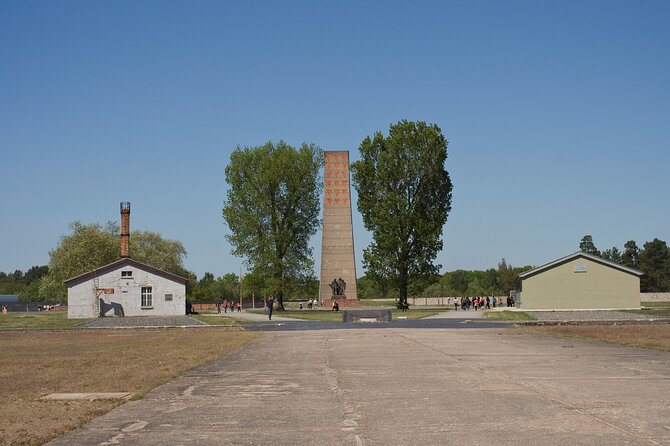
After the museum start, you move into the camp’s outdoor spaces, where the history becomes physical. One of the most difficult stops is Station Z, described on the tour as the site of mass murder. You’ll also see structures designed for control and visibility, including a watchtower.
What I like about including places like this is that it forces you to understand how the system worked, not just what happened. You can stand there and see how people were monitored, how prisoners were routed, and how the camp’s design supported terror. This is where your guide’s tone and pacing matter, because the subject is heavy and the site can hit fast.
You’ll also visit parts of the leadership infrastructure, such as the Commandant’s House. That might sound like a break from the prisoner experience, but it adds balance to the story. It shows the distance between those who planned and ordered, and those who suffered. You’re not only looking at remnants. You’re looking at power.
This part of the tour can feel emotionally intense. The best guides keep it respectful and clear, and they give you time to absorb what you’re seeing without rushing you past key points. You should still expect to feel unsettled. That’s normal here, and it’s part of why a guided visit matters.
Jewish barracks, punishment cells, and the daily machinery of cruelty
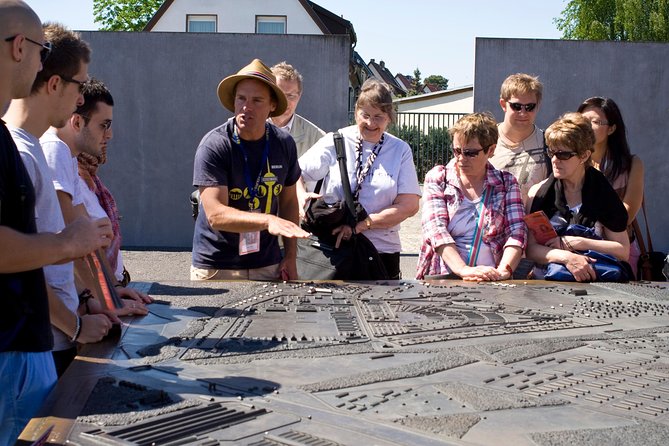
Next comes the prisoner-facing spaces. The tour includes the Jewish Barracks, plus areas tied to discipline and suffering, including punishment cells. These stops are where “camp history” becomes “human lived reality,” even if you only see fragments of what was once there.
The Jewish barracks stop is especially important because it helps you connect policy to people. You learn about prisoner groups and their tragic fates, and you hear about resistance that sprang from the same brutal conditions that were meant to crush people. One example the tour highlights is the Jewish revolt in 1942. Hearing it while standing near the sites tied to confinement makes it more than a line in a textbook.
The punishment cells and other control areas bring you into the camp’s day-to-day logic. Instead of thinking only about mass killing, you’re reminded that terror was also administrative. The camp ran on deprivation, punishment, and fear.
You’ll also cover the gallows, another site tied to execution. It’s the kind of location where words like “order” or “control” feel obscene. But the guide’s job here is to keep the facts clear, so you leave understanding the system’s full scope.
These stops are not easy. Still, I think they are the most meaningful part of a Sachsenhausen visit, because they show what imprisonment was designed to do to bodies and minds.
Experimentation and Special Camp 1/7, the postwar chapter that many people miss
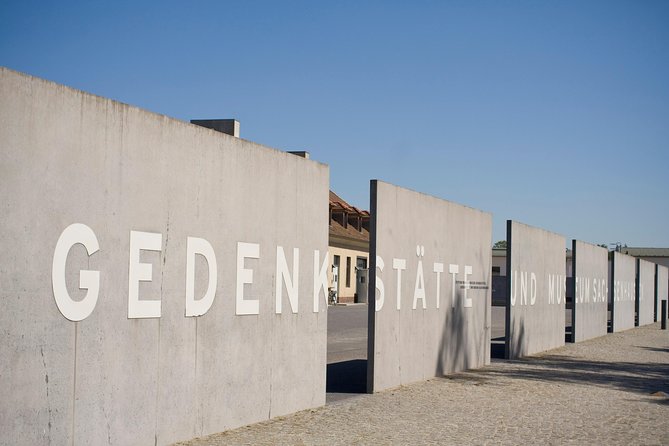
Sachsenhausen is not only a Nazi-era story. The tour explicitly includes sites connected to experimentation, such as a Pathology Laboratory and an Infirmary where experimentation is described as part of the history.
When you see a space labeled through that lens, it changes how you interpret everything around it. The camp was not just a place of detention. It was also part of a brutal, pseudoscientific system that treated human beings as material. The guide connects those details to the wider context so you understand what was being attempted and why it mattered in the larger Nazi project.
Then the tour shifts into the after-1945 reality with Special Camp 1/7, focused on how the Soviets used Sachsenhausen after World War II. This is one of the tour’s strengths, because it prevents a common mental shortcut. If you leave only with the Nazi story, you miss how imprisonment and political violence can continue under different regimes.
You’ll also visit the SS Training Camp, which adds another layer. It helps explain how ideology could be turned into training, doctrine, and everyday behavior, not only into “what happened in the past.”
Also holding a platform in Berlin



Resistance stories, notable prisoners, and how the guide keeps it coherent
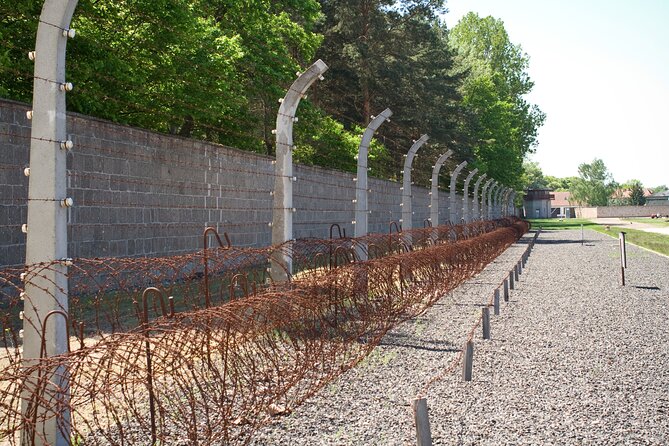
A concentration camp tour can easily feel like a pile of facts. The guides who do this well work to keep a thread running through everything.
This tour highlights resistance and defiance. You hear about sabotage by Soviet and Polish prisoners, and you learn about defiance by British POWs. Those stories can seem like “secondary points” until you realize they answer the main question: what did people do when the system tried to erase them?
The tour also covers the broader landscape of prisoner groups and their tragic fates, and it includes notable individuals imprisoned at Sachsenhausen, such as Stalin’s son. Mentioning a name like that helps some people orient, but it should never replace the focus on the many. A good guide will use famous names carefully, then keep the story rooted in how the camp functioned for different categories of prisoners.
One thing I repeatedly value from guides in this format is their willingness to answer questions, even after the tour ends. In the records of past trips, names like Daniel, Lucia, Xavier, Gregor, Paul Declan, and Chris come up often, and the common theme is respect plus clarity. You still get a serious day, but the explanation stays human and organized.
Practical pacing: walking time, what to wear, and how to handle the emotional weight
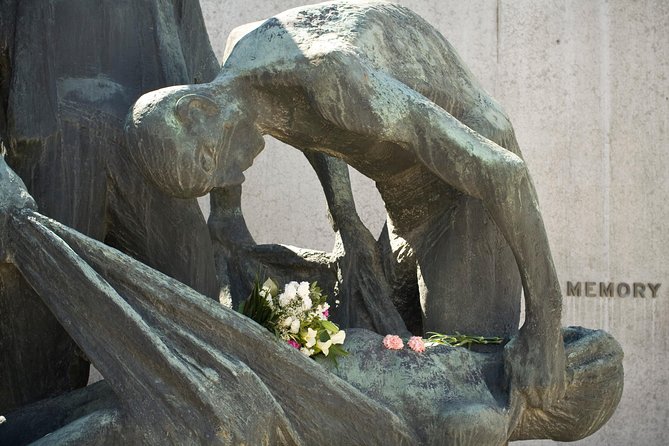
Plan for a day that is both structured and physically real. The tour includes a walk from Oranienburg to the memorial (about 20 minutes) plus a guided tour that is roughly 3 hours. Add the train ride time and you’re in for a half day on your feet.
This is not wheelchair accessible, and it’s not recommended for people with limited mobility or walking impairments. The site includes uneven terrain and outdoor sections, and the tour notes a moderate walking requirement. If that’s a concern for you, consider contacting the provider before booking, but the safest choice is to match this tour to your mobility.
What to wear is simple: comfortable shoes, warm layers in winter, and a coat that blocks wind when needed. The tour runs in all weather, so don’t assume it will be cancelled or shortened on a cold day.
Food and drink are not included. That’s another practical call. Pack snacks and water so you can focus during the difficult parts without a sugar crash right after.
You also have to think about emotional pacing. This isn’t a sightseeing stop. It’s a place to remember victims and understand a system of oppression. The goal isn’t to feel good. The goal is to understand clearly, so the lessons land.
Should you book Sachsenhausen from Berlin with an English licensed guide?
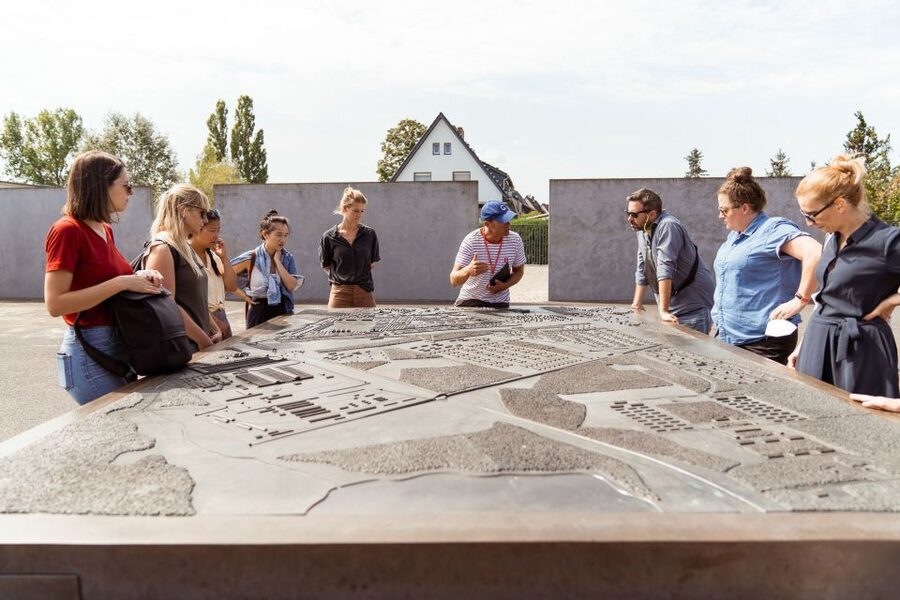
If you want a coherent, fact-driven visit and you’re short on time in Berlin, I’d book this. The tour hits the biggest sites, ties them together into a real timeline (before, during, and after WWII), and adds the after-1945 angle with Special Camp 1/7. For the price point around $22, you’re getting a licensed English guide plus a guided visit, and the tour includes a €3 donation to the memorial.
Skip it only if you know you cannot handle the physical walking, or if you absolutely need a completely self-paced experience. This tour is designed for group flow. It’s also designed for respect, and that means you should expect seriousness, not entertainment.
If you’re pairing this with other Berlin stops, give yourself breathing room afterward. You’ll likely want quiet time, or at least something simple for dinner, because your brain will keep replaying what you saw.
FAQ
How long is the Sachsenhausen Concentration Camp tour?
The tour lasts about 5.5 to 6 hours, including travel time by train from Berlin to Oranienburg and back, plus a guided visit at the memorial.
Where do I meet the guide in Berlin?
Meet your guide outside Friedrichstraße train station, on the square beside the Traenenpalast (Palace of Tears). Look for the guides holding yellow umbrellas.
Do I need public transport tickets?
Yes. Public transport tickets are not included, and an ABC zone ticket is required. The tour notes that you can purchase the ticket on the day with help from on-site staff.
What language is the tour in?
The tour is offered with a live guide in English (and also German, depending on the guide and booking option).
What sites are included during the visit?
The tour includes stops such as the Camp Administration Center (on-site museum), Station Z, the watchtower, the Commandant’s House, Jewish Barracks, punishment cells, the Pathology Laboratory, the Infirmary, Special Camp 1/7, the SS Training Camp, and the gallows.
Is the tour wheelchair accessible?
No. The tour is not wheelchair accessible and is not recommended for people with limited mobility or walking impairments.
Fresh on the arrivals board for Berlin



Sachsenhausen Memorial Visits from Berlin, compared.
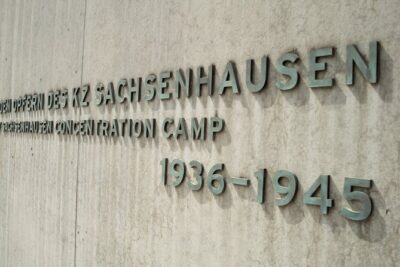
Sachsenhausen Concentration Camp Tour in English
Read our review →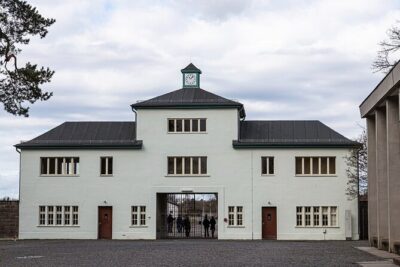
Sachsenhausen Concentration Camp Memorial Tour
Read our review →
Sachsenhausen Concentration Camp Bus Tour in English from Berlin
Read our review →
Sachsenhausen Concentration Camp Memorial Tour (Max. 15 Guests)
Read our review →
English Bus Tour to Sachsenhausen Concentration Camp
Read our review →
Sachsenhausen Concentration Camp and Potsdam Tour
Read our review →
Sachsenhausen Concentration Camp Memorial Tour
Read our review →
Browse the lists this tour appears in