
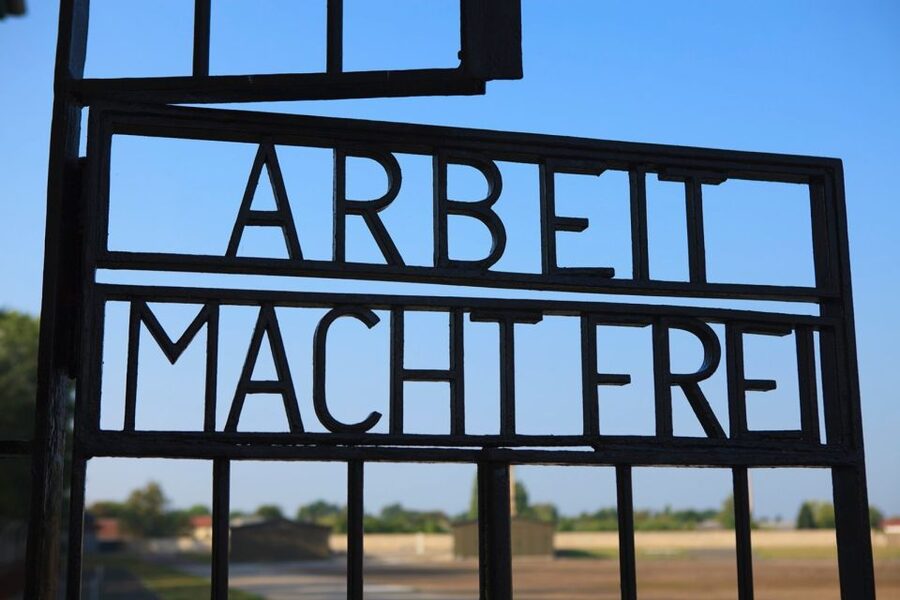
Reviewed · SACHSENHAUSEN MEMORIAL VISITS FROM BERLIN
Berlin: Sachsenhausen Memorial 6-Hour Tour in Spanish
Sachsenhausen hits differently with clear Spanish context. This 6-hour tour from Alexanderplatz focuses on two key sites, the A Tower and Station Z, then ties them to the wider story of Nazi and Soviet-era repression. You also get guided context that helps you follow what you are seeing, not just stare at it.
I really like that the guide explains the camp’s purpose and daily reality using sources like survivor accounts, photos, and official documents. I also like the way the visit connects the Nazi camp period with the later Soviet gulag use, including the GDR memorial.
One drawback to plan for: it is emotionally heavy, and parts of the experience are outside or exposed. Bring snacks and drinks too, because there is no shop at Sachsenhausen.
In This Review
- Key points before you go
- From Alexanderplatz to Sachsenhausen: the simple train setup
- A Tower and Station Z: where the system shows its face
- How Sachsenhausen worked as a model camp and an admin hub
- Nazi camp history to Soviet gulag use, plus the GDR memorial
- Museum exhibits and documents that turn facts into meaning
- What Spanish guidance changes (and why guides matter here)
- Time, comfort, and small logistics that can make or break your day
- Price and whether it is good value for Sachsenhausen
- Who this tour suits best
- Should you book this Spanish Sachsenhausen tour?
- FAQ
- How long is the Sachsenhausen memorial tour?
- Where is the meeting point in Berlin?
- What language is the tour in?
- What do I get to see at the camp?
- Is the public transport ticket included?
- Do I need a specific public transport ticket?
- Is there a shop at Sachsenhausen?
- What is included in the tour price?
- Is the tour wheelchair accessible?
- Is free cancellation available?
Key points before you go
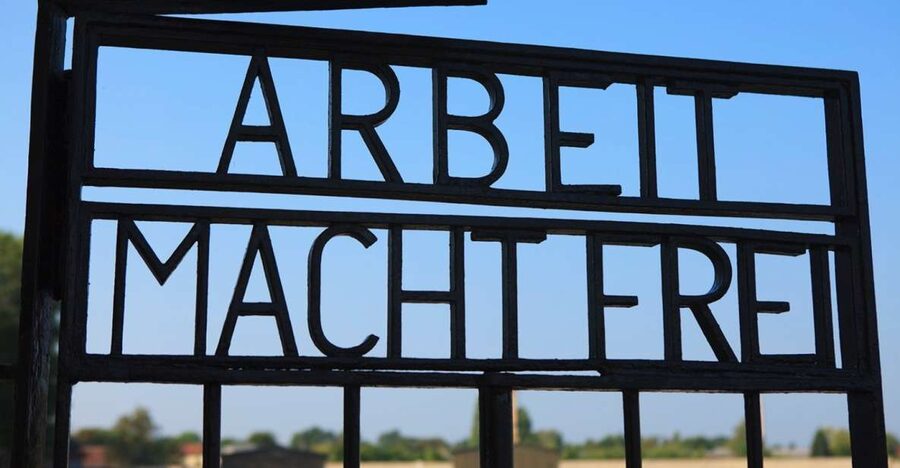
- A Tower and Station Z are the emotional backbone of the visit, tied directly to how the camp was run.
- Nazi and Soviet history are both part of the story, so you understand the camp’s long afterlife.
- Survivor accounts, photos, and official documents help the facts feel human, not abstract.
- Spanish-only live guidance is a huge value if you want to actually understand the legal and administrative logic of the system.
- Bring snacks and drinks, since there is no shop at the memorial.
From Alexanderplatz to Sachsenhausen: the simple train setup
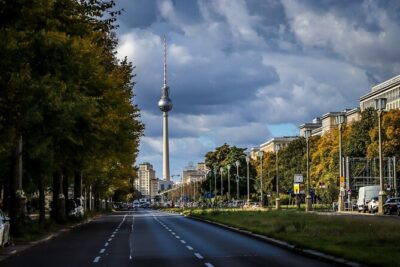
Your day starts right in central Berlin, at the Fernsehturm area in Alexanderplatz. Look for a green flag that says tours en español, placed beside the only entrance to the TV tower. You are also close to Espresso House, so it is easy to re-orient if you arrive a few minutes early.
From there, the group heads to the northern outskirts of Berlin. You ride the train for about 50 minutes, which keeps the outing practical without turning it into a full-day travel slog. The big practical thing to know is the transit ticket: you need a public transport ticket covering zones ABC.
If you are new to Berlin, this is one of the rare tours where the meeting point is very clear, which reduces the “where do I go?” stress. On a cold, gray day, less stress helps because you need your attention for what you will learn.
Other visits to the Sachsenhausen memorial:
- Berlin: Sachsenhausen Concentration Camp Tour in English
★ 5.0 · 5,711 reviews - Berlin: Sachsenhausen Concentration Camp Memorial Tour
★ 4.7 · 3,716 reviews - Sachsenhausen Concentration Camp Bus Tour in English from Berlin
★ 5.0 · 1,962 reviews
A Tower and Station Z: where the system shows its face
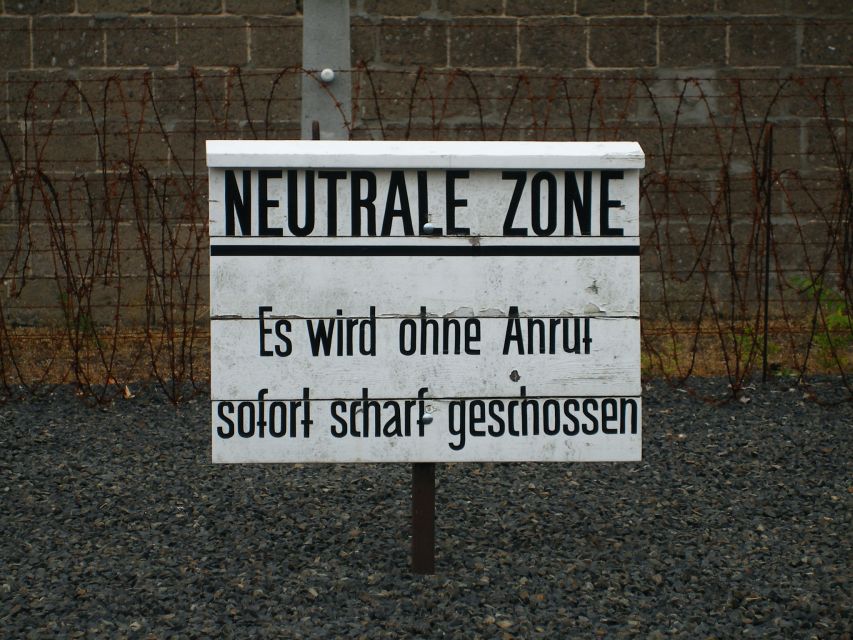
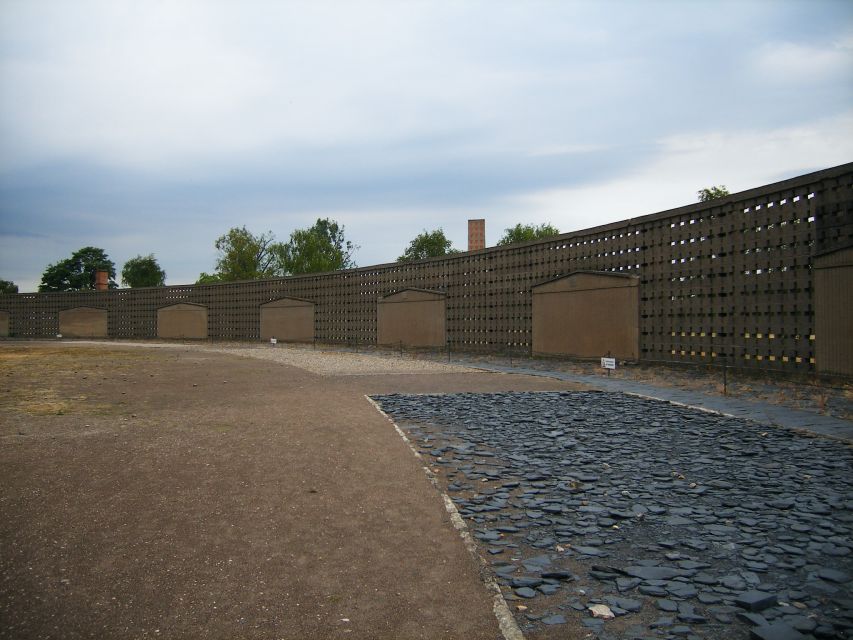
Sachsenhausen is not just a pile of ruins. It is an organized place, designed to control people through routine, surveillance, and punishment. Two spots make that logic painfully clear: the A Tower and Station Z.
The A Tower was the roll-call location. That means it is not just a building you pass by, it is the stage where the camp’s daily process of counting, ordering, and enforcing obedience happened. Standing there, you can see why roll-call mattered so much. It was how the system made bodies visible and made everyone feel watched, every day.
Then there is Station Z, added in 1942. Its purpose was to kill victims quickly and clinically. That wording is chilling, and the site is designed to communicate that very point. Your guide’s job here is crucial, because you want the historical explanation, not vague impressions. The best tours use the ground layout, maps, and documents to connect the site to policies and outcomes.
A note for your expectations: this is not a “walk quickly, take photos, move on” stop. You will want slower steps and time to process. If your group is chatty, politely ask your guide to keep going, because the meaning of these places sits in silence as much as in words.
How Sachsenhausen worked as a model camp and an admin hub
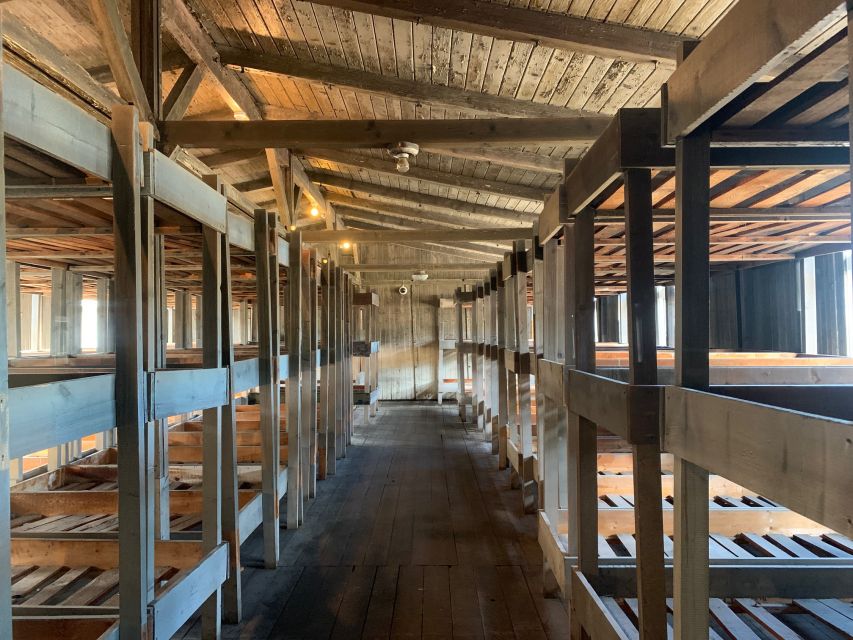
Sachsenhausen was intended as a model camp. That does not mean humane. It means designed to be efficient for the regime, a template that could be copied and managed across other camps. It also served as an administrative center for other Nazi concentration camps, so it was part of a larger machinery, not an isolated prison.
The numbers help you understand scale. Over 200,000 people passed through Sachsenhausen, and at least 50,000 died. Those are not just statistics. They explain why the camp had administrative structures, labor assignments, and documented processes. The guide’s explanations about what life could be like in the camp and the kinds of work prisoners were forced to do gives you a clearer picture of day-to-day reality.
One of the most useful things you can do as a visitor is focus on how the camp was organized. It is easy to get stuck on individual tragedies and miss the system. But when a guide connects buildings, rules, and work patterns to the camp’s role across the network, you leave understanding something hard and important: the brutality was administered like a bureaucratic project.
If you care about how laws, paperwork, and enforcement worked in Nazi Germany, this is one of those tours that can genuinely satisfy that curiosity, because the camp’s function was legal as well as physical.
Nazi camp history to Soviet gulag use, plus the GDR memorial
A big reason this tour feels complete is that it does not treat Sachsenhausen as a one-time Nazi story. After Hitler’s fall, the Soviets transformed Sachsenhausen into a gulag for their own prisoners. That shift matters, because it shows how a site built for one terror system could be reused for another.
You will also visit the GDR memorial. That part helps you see how Germany dealt with memory and education after the war, and it gives you a bridge from the historical site to the present-day role of the memorial.
For you as a visitor, this is valuable because it keeps the visit honest. You are not only learning about dates and names. You are learning how power changes hands, how places get repurposed, and how regimes decide who is punished and why. The emotional tone stays serious throughout, but the context helps you make sense of the whole timeline.
If you are the type who likes history that continues past the moment of defeat or victory, this structure will work well. It also makes the memorial feel less like a static museum and more like a living lesson.
Museum exhibits and documents that turn facts into meaning
Sachsenhausen has a museum and a set of exhibits, and this tour uses them in a purposeful way. The aim is to keep you grounded in evidence, not in guesswork. You are told about the camp’s origins and what life could be like inside, and the guide supports that with personal accounts from survivors, photographs, and official documents.
This is where the “Spanish guide” part starts to pay off. If you do not speak enough German to comfortably read, the risk is that you walk through exhibits without really absorbing what you are seeing. With a live Spanish explanation, you can follow the logic behind the images and text, instead of translating everything in your head.
One practical point: museum time can move at a different pace than outdoors time. You might find yourself wanting to linger on certain displays. If you do, it helps to let your guide know quietly so you can focus on the pieces that hit you most.
Also, since there is no shop at Sachsenhausen, build in your own breaks. A small snack before you get deep into the exhibits can make the day more manageable, especially if you are visiting in colder months.
Also holding a platform in Berlin



What Spanish guidance changes (and why guides matter here)
In a memorial like this, language is not a luxury. It is how you stay connected to what you are learning. This tour is fully guided in Spanish, live, and focused on explaining key sites like Station Z and the A Tower.
The guides also shape the tone. One guide experience you might get, for example, is with Héctor, described as direct and confident, someone who knows the topic and speaks without softening the reality. That matters here. You want clarity. You want the explanation to feel grounded rather than generic.
There was also praise for the way some guides explain the camp’s structure, including how things worked from a legal point of view. That is a rare angle and a useful one. The camp was built on systems, and those systems were enforced through rules and administrative processes. If you understand those, you understand more than the tragedy, you understand the engine.
If your Spanish is intermediate, you will likely keep up well, especially because the tour uses visible anchors, like specific locations and exhibit sections. It is easier to follow an explanation when you can look at the place being discussed.
Time, comfort, and small logistics that can make or break your day
You are committing to about 6 hours total. That is enough time to travel from Berlin, take in the major sites, and still have meaningful museum and exhibit time. But it is also long enough that you should dress smart.
Bring layers. Even if Berlin looks calm in the morning, you can hit wind and chill once you are outside on the memorial grounds. Comfortable shoes are a must, because you will be walking through areas that are meant for education and movement, not for casual sightseeing stops.
Also, plan your food the realistic way: there is no shop at Sachsenhausen. You should bring snacks and drinks, because waiting for a purchase can steal time from the parts you actually came to understand.
Finally, arrive at the meeting point with a little buffer. Alexanderplatz is busy, and you do not want to start your history lesson while hunting for the correct entrance. The green tours en español flag helps you locate the group quickly.
Price and whether it is good value for Sachsenhausen
The tour costs $41 per person for a 6-hour guided visit. On top of that, there is a concentration camp foundation surcharge of €3 included in the tour. The math is not just about the dollar amount. It is about what you get for that time.
You get:
- A full guided experience of Sachsenhausen
- Live Spanish interpretation
- Structured focus on the most important areas, especially A Tower and Station Z
What you do not get is a public transport ticket. You supply that separately, and you need zones ABC coverage.
In value terms, I think this is fairly priced for what it includes. You are paying for guided context that turns the site from “I walked through” into “I understood what I saw.” For memorials, that difference is everything. If you can only do one well-explained visit, paying for guidance is often a better deal than trying to piece together details alone.
Who this tour suits best
This Sachsenhausen tour is a strong match if:
- You want Spanish interpretation rather than struggling with written materials
- You care about understanding how the camp functioned, not just the headline facts
- You want the story to cover both Nazi Germany and the later Soviet gulag use
- You prefer a clear structure around key sites like Station Z and the A Tower
It is also a good pick if you are in Berlin for a short stay and want a guided day trip that stays efficient. The departure is simple from Alexanderplatz, and the train ride is about 50 minutes each way in practice.
If you are traveling with accessibility needs, this tour is wheelchair accessible, which is an important advantage to confirm early if you need it.
Should you book this Spanish Sachsenhausen tour?
I would book it if you want a guided visit where the key locations are explained in Spanish and linked into a coherent timeline. The biggest selling point is that you do not only see the memorial, you understand the logic behind what happened, including the Nazi camp period and the later Soviet gulag use, plus the GDR memorial.
Skip it only if you think you would freeze up in a structured tour environment, or if you are not ready for a serious, emotionally intense day. This is not light sightseeing. But if you are ready to learn with respect, this format is one of the most practical ways to do it while staying genuinely informed.
FAQ
How long is the Sachsenhausen memorial tour?
The tour duration is 6 hours.
Where is the meeting point in Berlin?
Meet at the front of the Alexanderplatz TV Tower (Fernsehturm), by a green flag that says tours en español. It is between the tower and the Alexanderplatz train station, next to the Espresso House.
What language is the tour in?
The live tour guide speaks Spanish.
What do I get to see at the camp?
The tour includes visits to key areas like the A Tower and Station Z, plus the National Memorial Sachsenhausen and the GDR memorial.
Is the public transport ticket included?
No, the public transport ticket is not included.
Do I need a specific public transport ticket?
Yes. You need a transport ticket covering zones ABC.
Is there a shop at Sachsenhausen?
There is no shop at Sachsenhausen, so it is advisable to bring snacks and drinks.
What is included in the tour price?
The tour includes the full Sachsenhausen tour with a Spanish-speaking guide and a concentration camp foundation surcharge of €3.
Is the tour wheelchair accessible?
Yes, the tour is wheelchair accessible.
Is free cancellation available?
Yes. You can cancel up to 24 hours in advance for a full refund.
Fresh on the arrivals board for Berlin


Sachsenhausen Memorial Visits from Berlin, compared.
Sachsenhausen Concentration Camp Tour in English
Read our review →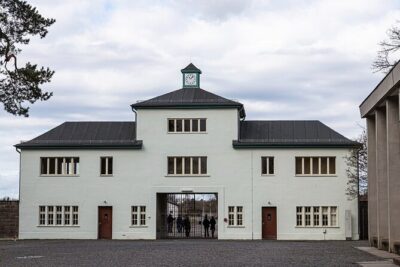
Sachsenhausen Concentration Camp Memorial Tour
Read our review →
Sachsenhausen Concentration Camp Bus Tour in English from Berlin
Read our review →Sachsenhausen Concentration Camp Tour in English
Read our review →
Sachsenhausen Concentration Camp Memorial Tour (Max. 15 Guests)
Read our review →
English Bus Tour to Sachsenhausen Concentration Camp
Read our review →
Sachsenhausen Concentration Camp and Potsdam Tour
Read our review →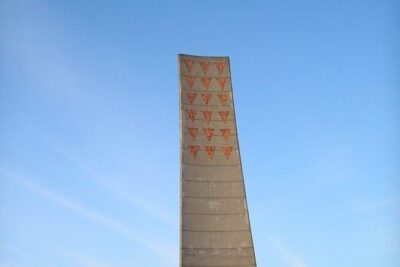
Sachsenhausen Concentration Camp Memorial Tour
Read our review →Browse the lists this tour appears in