

Reviewed · MUSEUM TOURS IN BERLIN
Stasi Museum GDR History Skip-the-line Private Tour Berlin
Stasi secrets start in busy Alexanderplatz. A reserved entry slot and a guide with lived east German perspective make this Stasi Museum tour feel personal, not just textbook. I also like the way you start at Alexanderplatz, then move into the former headquarters to see how surveillance worked, including original spying tech and Erich Mielke’s red briefcase. The one drawback to consider is that the topic is intense, so if you want light sightseeing, this may feel heavy.
You meet at Alexanderplatz and travel by public transport to a museum that sits a bit outside the city center. You’ll spend about two hours inside the building, then end back at the meeting point so you can continue the rest of your Berlin day with less hassle.
At $258.59 per person, it’s not a budget add-on, but private time, skip-the-line entry, and included transport tickets make it feel more like a focused experience than a generic museum pass.
In This Review
- Key things you should know before you go
- Where the tour begins at Alexanderplatz (and why it matters)
- Skip-the-line entry and meeting point rules that save your time
- Alexanderplatz in 1989: the GDR moment you can actually picture
- The ride to the Stasi Museum, with transit tickets included
- Inside the former Stasi headquarters: what you’ll actually see
- What to watch for as you move through the exhibits
- Erich Mielke’s office and the red briefcase effect
- Learning about communism through the mechanics of control
- Price and value: is $258.59 per person worth it?
- Who this tour is best for (and who might want to skip it)
- Quick FAQ
- FAQ
- How long is the Stasi Museum skip-the-line private tour?
- Where do I meet the guide for the Stasi Museum tour?
- Is this tour private or group-based?
- What’s included for tickets and entry?
- Is this the same museum as the former Stasi prison in Berlin-Hohenschönhausen?
- Can I cancel and get a full refund?
- Should you book this Stasi Museum private tour?
Key things you should know before you go
- Reserved skip-the-line entry means you have a scheduled time slot, so plan to arrive on time at Alexanderplatz.
- Original Stasi headquarters building lets you connect the stories to the actual rooms where operations ran.
- Erich Mielke’s office and red briefcase give a human anchor to the system of control.
- You see real surveillance tools like bugs and hidden cameras, not just photos and diagrams.
- Two-way public transport tickets included because the museum is outside the city center.
Where the tour begins at Alexanderplatz (and why it matters)
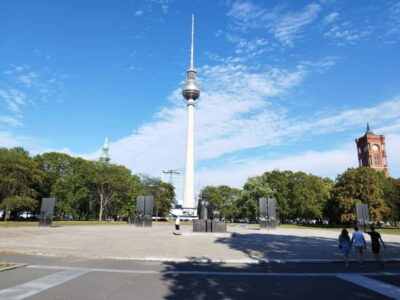
The tour starts at Alexanderplatz, right outside Park Inn by Radisson Berlin Alexanderplatzl, specifically at Alexanderpl. 5-7 (between Burger King and T-Mobile). I like starting here because Alexanderplatz is one of those places in Berlin where modern life and late GDR history overlap in the same view. It also helps you get oriented fast, since it’s a major transport hub.
Before you even move, there’s a short meet-up moment. You’re asked to wait at the entrance and not go into the building, since staff may not be expecting your group. That small instruction matters more than it sounds, because in a scheduled tour, being in the wrong spot can cost real minutes, and minutes are what keep you from missing your entry slot.
More Museum Tours in Berlin
- Berlin: DDR Museum Tickets
★ 4.3 · 3,443 reviews - Berlin: Natural History Museum Entrance Ticket
★ 4.6 · 3,382 reviews - Berlin: Museum Island Multiple Museum Entry Ticket
★ 4.4 · 2,861 reviews
Skip-the-line entry and meeting point rules that save your time
This is the kind of tour where timing is part of the value. With skip-the-line tickets, you’re not just buying convenience, you’re being assigned a reserved time slot to enter. That means you do best if you arrive at the meeting point right on schedule and stick to the group timing your guide sets.
One more practical tip: check your email the day before with info from Rosotravel, the tour operator. That message can include details you’ll want in hand so there are no surprises when you show up.
Also, this is a private tour, so it’s only your group. That’s a big difference from a loud, hurry-up group where your questions never land. You can listen, ask, and then keep going at a pace that works for you.
Alexanderplatz in 1989: the GDR moment you can actually picture
Right after the meet-up, your guide frames Alexanderplatz as a political stage in 1989, the year the GDR was coming apart. You’ll hear about the largest demonstration in GDR history taking place there, and you’ll connect that square to what people were experiencing day to day. That context matters, because otherwise the Stasi Museum can feel like a list of devices and documents instead of a lived system.
What I like about this approach is that you don’t start with cold facts. You start with place. Once you see how a public space carried pressure, anger, fear, and hope, the museum content lands with more meaning when you walk into the former Stasi headquarters.
This start also works well if you’re not a hardcore history buff. You’re not expected to know names and dates. You’re given a visual anchor, then the guide builds from there.
The ride to the Stasi Museum, with transit tickets included
After Alexanderplatz, you’ll take public transport to the Stasi Museum. The key detail here is that two-way transit tickets are included, because the museum is located outside the city center. That saves you the hassle of figuring out fares and routes while also trying to keep your tour group together.
This travel segment is about 50 minutes, which gives you time to settle in. You also get a smooth transition from the broad story of 1989 to the focused reality of how the Stasi operated. If you’re the type who likes to have a plan, it’s comforting that the tour supplies the transport rather than asking you to coordinate on your own.
Inside the former Stasi headquarters: what you’ll actually see

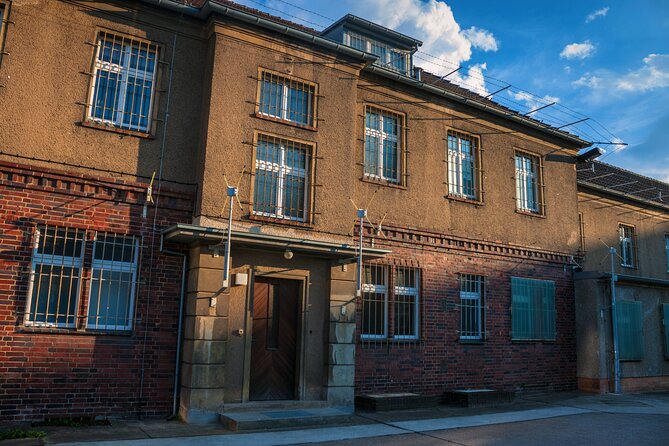
The heart of the tour is the Stasi Museum at Forschungs- und Gedenkstätte Normannenstraße, housed in the original building of the former Ministry of State Security. Walking into a real headquarters building changes the whole tone. You’re not reading about control, you’re stepping into the infrastructure where that control was planned and carried out.
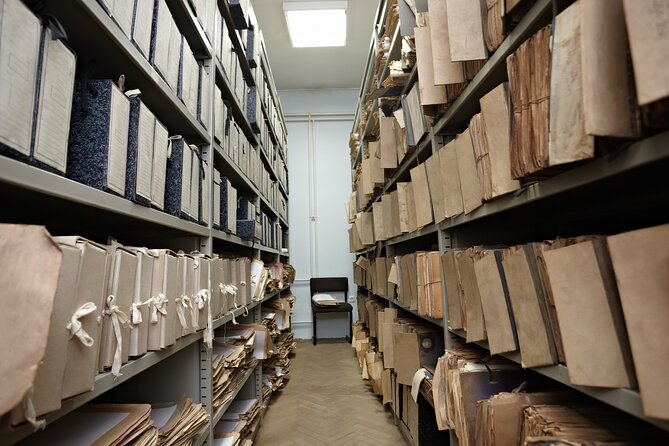
Your time inside is about two hours, and the content focuses on how the secret police functioned and how citizens were monitored and managed. This is where you’ll see original spying technology such as bugs and hidden cameras, plus exhibits that explain the system behind the scenes.
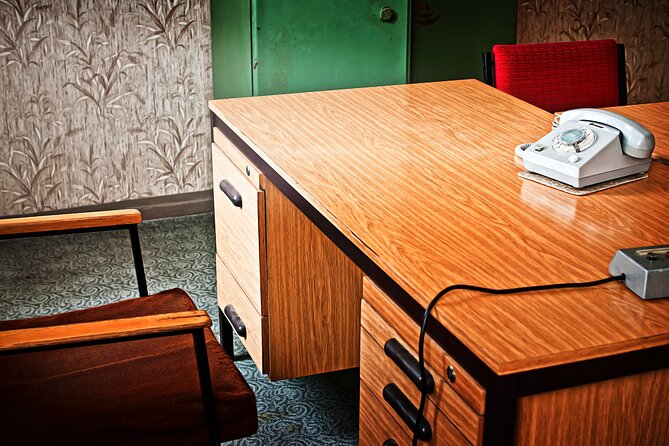
I especially like that you also get guided attention on the administrative side, not just the scary gadgets. You’ll visit the ministerial offices, learn about how informants were recruited, and see how information moved through the organization. That combination is what makes the Stasi story feel like a machine, not a single villain or a single incident.
More traces of the Wall through Berlin:



What to watch for as you move through the exhibits
As you go room to room, look for the logic chain the guide gives you:
- surveillance begins with observation and reporting,
- informants and data feed the system,
- decisions get made inside offices,
- then everyday life changes for people who never chose that life.
When you notice that pattern, the exhibits stop feeling random. They start feeling like cause and effect.
Erich Mielke’s office and the red briefcase effect
One of the most memorable moments in the museum experience is the visit to Erich Mielke’s office. You’ll also see his famous red briefcase, which the museum uses to represent how the most sensitive information was handled. It’s one of those objects that works as a symbol, but it’s also grounded in the real setting of the headquarters.
I find this moment useful because it turns the Stasi into something more concrete. Instead of thinking about control as an abstract concept, you see it tied to specific roles, specific workflows, and specific power centers. It also helps you understand how bureaucracy can become dangerous, simply by being organized and unquestioned.
If you like history that includes human details, this stop gives you that. If you prefer purely political analysis, the context you get around recruitment and surveillance still provides a clear framework for understanding the system.
Learning about communism through the mechanics of control
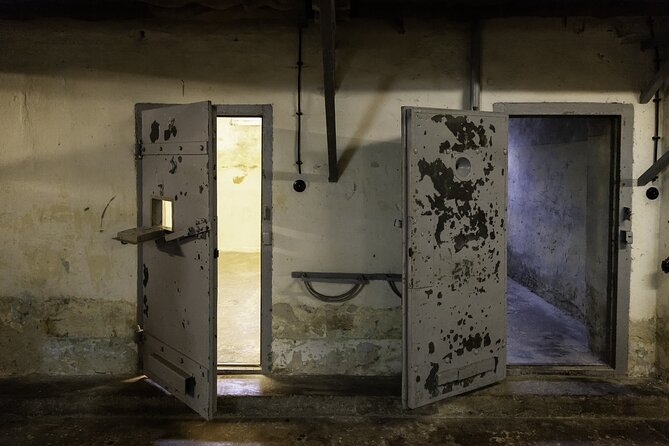
The museum experience is also a study of daily life under the GDR, because the Stasi was not just spying in secret. It influenced how people acted, what they feared, and what they kept silent about.
Your guide’s lived perspective can make a big difference here. One of the strongest strengths of this tour is that the guide brings personal experience from growing up in the east and understanding the impact of Stasi rule. That kind of context tends to make explanations sharper and less like a lecture.
And the guide has time to tailor it to you since the tour is private. If you want more detail on informant networks, you can ask. If you want the “why did people do what they did” angle, you can steer there too.
This is also a place where you may feel a bit unsettled. That’s normal. You’re learning how fear worked as a policy tool. Try to give yourself a moment when you need it, then keep going.
Price and value: is $258.59 per person worth it?
Let’s talk money in a practical way. At $258.59 per person, this is a premium-priced museum tour. You’re paying for several value pieces that add up in Berlin:
- a private guide setup,
- skip-the-line reserved time slot entry,
- the museum ticket included,
- two-way public transport tickets because the site is outside the center,
- and an English tour format.
If you were to buy a basic museum ticket and then do it unguided, you’d get access but likely lose the “system explanation” that makes the Stasi story click. The strongest argument for this tour is the guided framework, especially with the guide’s background and the way the tour connects political events at Alexanderplatz to the operations inside the headquarters.
Could you do it cheaper on your own? Yes, you can. But if you want clarity, context, and a pace that keeps the experience from becoming overwhelming, the price starts to feel more fair.
Who this tour is best for (and who might want to skip it)
This experience fits you best if you want to understand the Stasi not as a scary headline, but as a functioning organization that shaped everyday life. It also suits history buffs who like the nuts and bolts, from recruitment to surveillance tools to office structure.
It also works if you’re curious about communism and life in East Berlin, without needing a graduate-level background. The tour starts with Alexanderplatz in 1989 and then builds toward the museum’s specific focus.
You might consider another option if you prefer lighter topics or if the idea of secret policing and surveillance makes you uncomfortable. This isn’t entertainment. It’s a serious look at how control works, and it can feel emotionally heavy.
Quick FAQ
FAQ
How long is the Stasi Museum skip-the-line private tour?
The tour lasts about 3 hours.
Where do I meet the guide for the Stasi Museum tour?
Meet at Alexanderpl. 5-7, 10178 Berlin, Germany, in front of Park Inn by Radisson Berlin Alexanderplatzl, between Burger King and T-mobile. Wait at the entrance and do not enter the building.
Is this tour private or group-based?
It is private, so only your group participates.
What’s included for tickets and entry?
The tour includes tickets to the Stasi Museum (Forschungs- und Gedenkstätte Normannenstraße). Skip-the-line tickets provide a reserved time slot for entry. Two-way public transport tickets are also included because the museum is outside the city center.
Is this the same museum as the former Stasi prison in Berlin-Hohenschönhausen?
No. This is a different museum than the Berlin-Hohenschönhausen Memorial (Gedenkstätte Berlin-Hohenschönhausen).
Can I cancel and get a full refund?
Yes. You can cancel up to 24 hours in advance for a full refund.
Should you book this Stasi Museum private tour?
If you’re aiming for more than a passive museum walk, I think you’ll be happy you booked. The reserved entry helps you stay on schedule, and the guided explanations give the surveillance story a clear shape, from Alexanderplatz in 1989 to the original Stasi headquarters spaces. The strongest praise here is the guide’s depth and the way the tour can feel longer than expected, because the topic is explained with real understanding and lived perspective.
Book it if you want context and a guided “how it worked” story. Skip it only if you know the subject matter will weigh on you too much. Either way, plan your timing, show up at Alexanderplatz on time, and you’ll get a focused, memorable slice of Berlin history that you cannot easily recreate on your own.
Centuries Per Block
- Berlin: 3-Hour World Heritage Cruise to Potsdam
★ 4.5 · 1,569 reviews - Berlin: History of the Third Reich Guided Walking Tour
★ 4.7 · 791 reviews - Berlin: Berlin Charité Guided History Tour
★ 4.4 · 660 reviews - Berlin Historical Highlights Walking Tour
★ 4.9 · 657 reviews
Halls Between Trains
- Berlin: Interactive DeJa Vu Museum Entrance Ticket
★ 4.1 · 1,338 reviews - Berlin: “Pergamonmuseum. The Panorama” Exhibition Tickets
★ 4.6 · 1,245 reviews - Cold War, Berlin Wall, Spies and the East Side Gallery
★ 5.0 · 1,024 reviews - Berlin WelcomeCard: Museum Island & Public Transport
★ 4.3 · 999 reviews
Fresh on the arrivals board for Berlin

Museum Tours in Berlin, compared.


Skip-the-Line: Berlin Wall Museum at Checkpoint Charlie
Read our review →

“Pergamonmuseum. The Panorama” Exhibition Tickets
Read our review →
East Side Gallery Spree Cruise in a Solar Catamaran
Read our review →
Cold War, Berlin Wall, Spies and the East Side Gallery
Read our review →Browse the lists this tour appears in