

Reviewed · HISTORICAL TOURS
Berlin: Berlin Charité Guided History Tour
Berlin medicine has a pulse you can feel. This 2-hour Charité guided walk strings together 300 years of illness, discovery, and hard ethical questions. I especially like how the tour threads big-name science with real places you can actually point at in Berlin, from plague-era beginnings to modern Charité medicine. You also get a strong sense of storytelling, with famous names like Rudolf Virchow, Robert Koch, Emil von Behring, and Ferdinand Sauerbruch used as signposts, not just trivia.
Two hours at $28 is not a long time, but the focus is sharp. You’ll see the Charité campus from the outside, learn what made Berlin a medical powerhouse, and get inside one of the oldest surviving teaching spaces, the mysterious medicine temple tucked away in a backyard. One thing to plan for: you do not go inside the Charité Bed House, and the main hospital grounds are not open for group tours, so expect viewpoints from outside more than full hospital access.
In This Review
- Key Things to Know Before You Go
- A 2-Hour Walk Through 300 Years of Charité Medicine
- Meeting Point at Charité Tower: Quick Start, Clear Direction
- The Outside Views of Charité You Actually Want
- Charité Campus Mitte: Why You Won’t Get Full Hospital Access
- Nobel Names, Plague Roots, and the Dark Ethical Chapters
- Animal Anatomical Theatre (TAT): When Medical Teaching Turns Concrete
- Berlin’s Oldest Teaching Building in a Backyard Medicine Temple
- Why $28 for 2 Hours Feels Like Good Value
- Who This Tour Best Fits (and Who Might Want Something Else)
- Should You Book the Berlin Charité History Tour?
- FAQ
- Where is the Berlin Charité guided history tour meeting point?
- How long is the tour and what language is it?
- Does the tour go inside the Charité Bed House?
- Can you access the Charité Campus Mitte hospital grounds during the tour?
- What sites does the tour include besides seeing buildings from outside?
- Is the Animal Anatomical Theatre (TAT) always open during the tour?
Key Things to Know Before You Go

- 300 years of Berlin medical history, starting from plague-era roots that feed into Charité’s story
- Nobel-winning doctors and science legends get explained in context, including Rudolf Virchow and Robert Koch
- Dark chapters are part of the walk, including how doctors worked with the Nazi regime
- A medicine temple in a backyard, Berlin’s oldest surviving teaching building you can enter
- The Animal Anatomical Theatre (TAT) is on the route, with possible hour changes and closure on public holidays
- Guided tour in German, with the timing starting on schedule from the Charité Tower meeting point
A 2-Hour Walk Through 300 Years of Charité Medicine

If you think medical history is all textbooks and museum glass, this tour will correct that fast. It’s a focused two-hour route that treats buildings like evidence, and names like clues. You’ll trace how Charité grew out of earlier medical life in Berlin, including an 18th-century plague house that later developed into what became one of Europe’s most important university hospitals.
What makes it worth your time is the balance. You don’t just hear success stories. You also hear about the human cost, and the uncomfortable ways institutions can be used. That includes the period when doctors collaborated with the Nazi regime, a chapter that changes how you look at any “great institution” story. The guide uses the city itself as the classroom.
And yes, you’ll learn plenty of famous material. You’ll hear about Nobel Prize winners tied to Charité, including Emil von Behring, Robert Koch, and Rudolf Virchow. Then Ferdinand Sauerbruch enters the conversation as another anchor point for how Berlin medicine built its reputation. You don’t need to be a medical history nerd to appreciate the way the guide connects these figures to the places you see.
More centuries per city block:
- Berlin: Natural History Museum Entrance Ticket
★ 4.6 · 3,382 reviews - Berlin: 3-Hour World Heritage Cruise to Potsdam
★ 4.5 · 1,569 reviews - Berlin: History of the Third Reich Guided Walking Tour
★ 4.7 · 791 reviews
Meeting Point at Charité Tower: Quick Start, Clear Direction
The tour meets in front of the Charité Tower at the crossroads of Schumannstraße, Charitéplatz, and Charitéstraße. The tour starts on time, so don’t drift in “soon.” In Berlin, a few minutes can mean you spend the first stop playing catch-up.
This matters because the route is compact. You’re not boarding a bus or taking long metro rides. It’s a walking tour built around nearby Charité sites, so showing up ready helps you get the full arc: outside looks, guided explanations, and the interior visit.
Also note the language. The live guide is German, so this is best for travelers who either speak German or don’t mind relying on a basic understanding plus attentive listening for names and dates. If you use a translation app, you’ll likely find it easier to follow the story than when you wait for summaries at the end.
The Outside Views of Charité You Actually Want
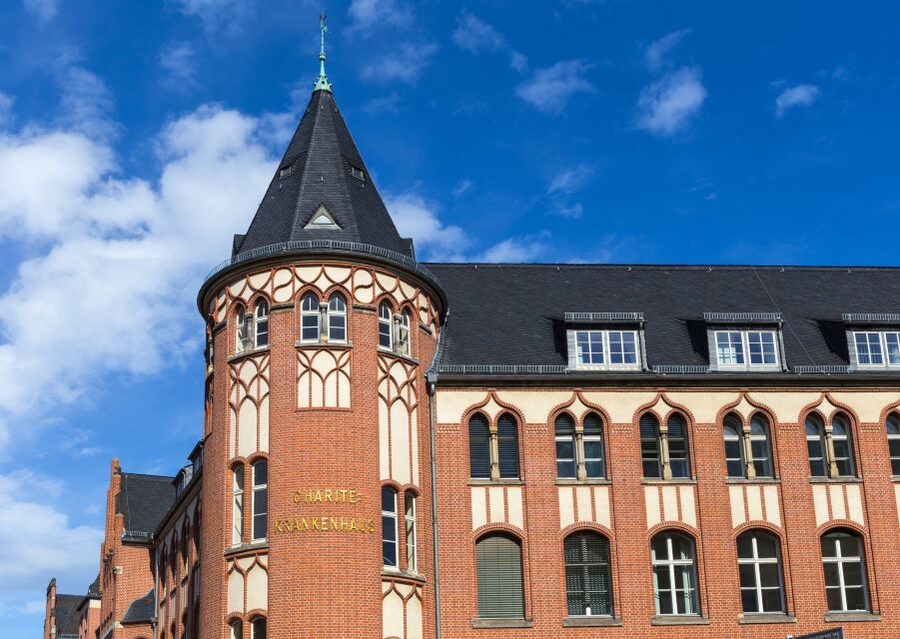
Right away, you’ll get oriented with a key external landmark. You start at the Charité Tower area, then the route includes viewing the Charité Bed House from outside. This is a useful setup even if you are hoping for “in-hospital” access, because the guide can show you the building’s role in the bigger institutional story without pushing you into restricted spaces.
Here’s the practical tradeoff: you do not go inside the Charité Bed House. The tour follows the reality of a working hospital, with protection and hygiene regulations. So while you might wish for more interior access, what you gain is time and focus. You can still learn a lot, because the guide’s job is to make the outside details meaningful.
You’ll also walk along Luisenstraße and cross parts of the university campus area on the way to the teaching-site stops. This “outside walking” is not filler. It’s what lets the tour connect Charité’s identity as a university hospital with Berlin’s broader academic setting.
Charité Campus Mitte: Why You Won’t Get Full Hospital Access
One of the most important planning details is also the easiest to miss: the Charité Campus Mitte hospital grounds are not accessible for group tours. That means the tour can’t offer the kind of enclosed walkthrough some people imagine when they hear hospital history.
So what should you expect instead? You’ll get viewpoints and guided explanations around the accessible areas. You can still learn how Charité functioned historically, how it built research and medical teaching, and how power inside hospitals shapes what gets remembered.
I like this limitation because it keeps expectations honest. You’re not paying for a fantasy tour that promises you’ll roam everywhere. You’re getting a curated route that fits real operational boundaries while still covering the big intellectual story: how Berlin became a medical center and what it cost, ethically and personally.
If you love photography, you’ll get plenty of chances to stop, look, and frame buildings. If you prefer quiet, bring patience. Hospital-adjacent areas can be busy, and your best photos often come after the guide points out what to look for.
Nobel Names, Plague Roots, and the Dark Ethical Chapters
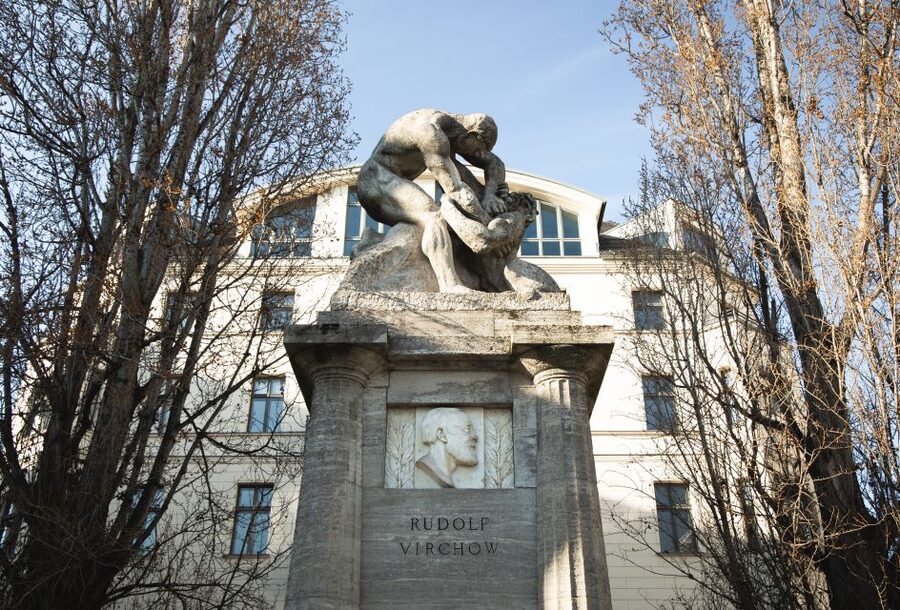
This tour is at its best when it turns famous doctors into understandable context. The guide doesn’t treat the Nobel-linked names like trophies. Instead, you learn how people like Rudolf Virchow and Robert Koch fit into a bigger arc of medical thinking and institutional growth.
Emil von Behring is part of that Nobel conversation too, as a signpost for how Berlin medicine helped drive major advances. And Ferdinand Sauerbruch rounds out the set, giving you a sense that Charité’s impact wasn’t only about early laboratory science. It also influenced how medicine was practiced and how doctors developed methods tied to real patients.
Then the story changes tone. You’ll hear about times when doctors collaborated with the Nazi regime. That’s not a “side note.” It affects how you interpret the entire institution. A hospital is not just bricks and discoveries. It’s people, systems, and choices. When you hear that part clearly, the rest of the tour lands differently.
Why this matters for you, especially if you’re visiting Berlin for the first time, is that Charité becomes more than a famous name. It becomes a lens for how society handles illness, authority, and responsibility. You leave with a more mature understanding of what medical greatness can include, and what it can hide.
Also holding a platform in Berlin



Animal Anatomical Theatre (TAT): When Medical Teaching Turns Concrete
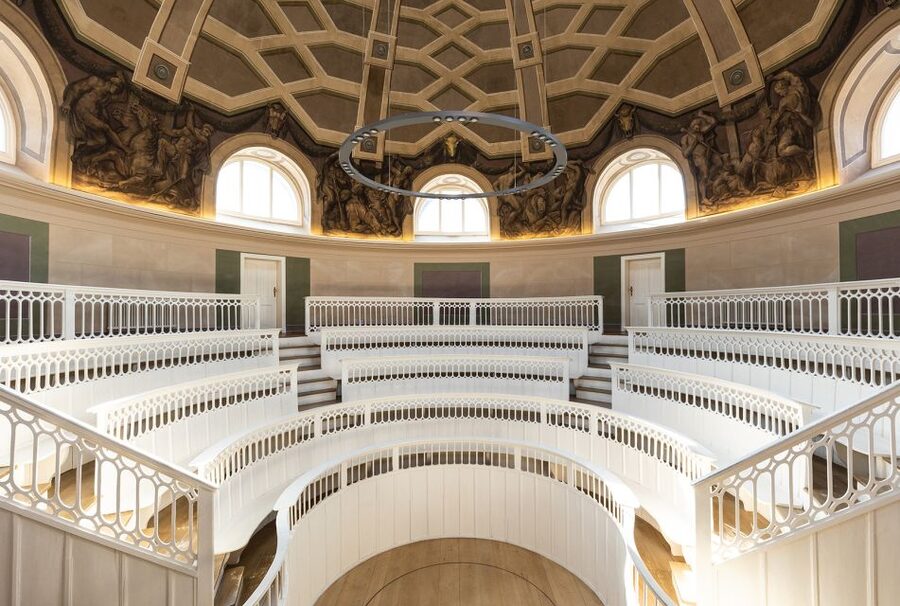
Midway through the tour, you visit the Animal Anatomical Theatre (TAT). This is one of those places where you can feel the purpose of the building immediately. A teaching space is different from a lecture hall. It’s designed for observation and demonstration, for students to learn the language of the body in a hands-on way.
There is a real-world scheduling note you should keep in mind. The TAT reserves the right to adjust opening hours at short notice due to closed events. It is also closed on public holidays. That doesn’t mean the tour falls apart. It means your visit could depend on timing.
If you’re planning travel around German public holidays, check ahead and be flexible with your day. If the TAT visit is affected, the guide will still keep the tour moving with explanations tied to the Charité story, but your exact stop timing could shift.
I like including a teaching site like this because it brings the tour out of pure narrative mode. You get a physical anchor for what medical education meant in earlier centuries and how that shaped the rise of Berlin medicine.
Berlin’s Oldest Teaching Building in a Backyard Medicine Temple
The “medicine temple” moment is a highlight for good reason. You’ll discover Berlin’s oldest surviving teaching building, hidden in a backyard, and visit it from the inside. This is your chance to see how old medical education spaces can still feel oddly intimate, even when they’re part of a much larger modern institution.
This is also where the tour’s pacing feels smart. After outside views and campus walks, you get an interior experience. It breaks up the route and gives you a memorable stop that doesn’t rely on just spotting landmarks from the street.
Important detail: you do not go inside the Charité Bed House. So if you were hoping for a hospital interior, this “teaching building” interior visit is your best shot at stepping into a historic medical space. Expect to follow the building’s rules, because it’s still an active medical and learning-related environment.
If you’re the kind of traveler who likes history that you can physically stand inside, this part is likely what you’ll remember most.
Why $28 for 2 Hours Feels Like Good Value
At $28 per person for a 2-hour guided tour, the price looks fair because you’re not just paying for a stroll. You’re paying for interpretation, and the tour delivers a lot of distinct “story stops” in a short time window.
You get:
- A guided explanation spanning 300 years of medical history
- Clear coverage of famous Berlin medical figures, including Rudolf Virchow and Robert Koch
- A truthful look at darker chapters, including collaboration with the Nazi regime
- A structured route that includes outside viewing and two specific site experiences, including the TAT and the older teaching building
Also, you’re paying for the guide in a live format. The reviews that rate the tour highly point to how informative the guides are and how much people learn. One review even notes that the tour is worthwhile for Berliners, which is a good sign. City locals usually don’t bother with tours unless the story is genuinely solid.
Is it perfect? No. You won’t roam the hospital grounds, and you won’t enter the Bed House. But given the constraints of a working medical facility, you’re still getting a strong “place plus story” package.
If you’re price sensitive, this is also the kind of tour that can replace a more generic walking tour that might not teach you names, context, and ethical history tied to one institution.
Who This Tour Best Fits (and Who Might Want Something Else)
You’ll enjoy this tour if you like:
- City history that connects to real institutions
- Learning famous names in context, not as random facts
- Ethically honest storytelling, not only success stories
- A compact walking format in central Berlin
It might not be ideal if:
- You specifically want full access inside hospital wards or deep access into hospital grounds
- You want a tour in English (this one is German-language with a live guide)
- You are visiting on a public holiday and need the TAT stop for your schedule
If you’re traveling with teens or curious adults, this can work, especially if they enjoy science and real-world history. It’s one of those tours that makes “history” feel immediate, because medicine is always affecting real lives.
Should You Book the Berlin Charité History Tour?
If your goal is a smart, focused introduction to Berlin’s medical story tied to real places, book it. For $28, you get a guided narrative that covers the rise of a major university hospital, famous Nobel-era doctors, and the heavy ethical chapter that many institution tours avoid.
The key is expectation-setting. You are not getting unlimited hospital access. You are getting a curated walk with meaningful site visits, including the TAT and Berlin’s oldest surviving teaching building in a backyard medicine temple. If that matches your style, you’ll likely come away feeling you learned something real and specific, not just heard a generic overview.
One last practical tip: plan for the tour to start on time, and consider checking your calendar if you’re traveling near public holidays because the TAT is affected then.
FAQ
Where is the Berlin Charité guided history tour meeting point?
You meet in front of the Charité Tower at the crossroads of Schumannstraße, Charitéplatz, and Charitéstraße.
How long is the tour and what language is it?
The tour lasts 2 hours and is led by a live guide in German.
Does the tour go inside the Charité Bed House?
No. The tour does not go inside the Charité Bed House. It is a hospital facility with protection and hygiene regulations.
Can you access the Charité Campus Mitte hospital grounds during the tour?
No. The hospital grounds (Charité Campus Mitte) are not accessible for group tours.
What sites does the tour include besides seeing buildings from outside?
During the tour you visit the Animal Anatomical Theatre (TAT) and also visit Berlin’s oldest surviving teaching building inside, described as a medicine temple hidden in a backyard.
Is the Animal Anatomical Theatre (TAT) always open during the tour?
Not necessarily. The TAT can adjust opening hours at short notice for closed events, and it is closed on public holidays.
Fresh on the arrivals board for Berlin






Historical Tours, compared.

City History Canal Sightseeing Tour on a Motorboat
Read our review →




Browse the lists this tour appears in