
Reviewed · GUIDED WALKS IN BERLIN
Berlin Historical Highlights Walking Tour
Berlin history hits you fastest on foot. This tour strings together Cold War landmarks and memorial sites into one clear story across eras. You get a guided route through Potsdamer Platz, the Berlin Wall area, and on to major sights like the Brandenburg Gate and the Humboldt Forum, with a guide who turns landmarks into human-scale moments.
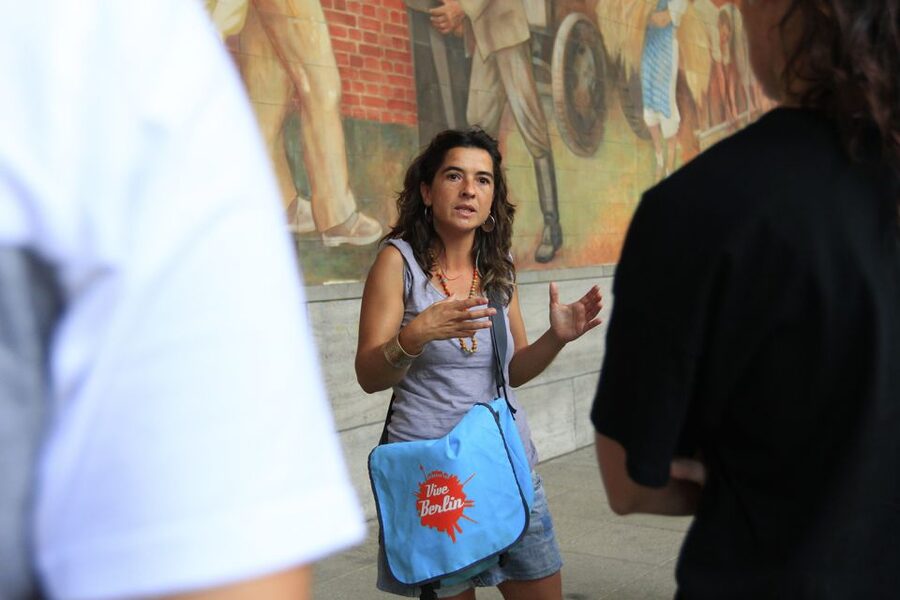
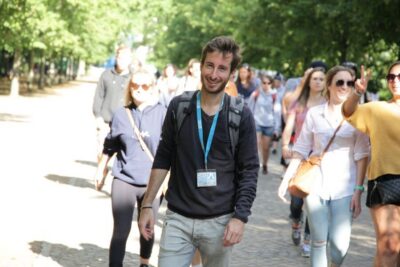
I especially like the small-group feel and the personal attention. Guides such as Paul, Céline, Jean Charles, and Paolo are praised for making the walking pace feel effortless, even when the weather is cold, snowy, or windy. The one drawback to plan for is that you’ll spend a lot of time outside and moving between stops, so you need comfortable shoes and a flexible attitude about timing.
In This Review
- Key highlights you will actually feel
- Why this Potsdamer Platz start makes Berlin click
- Berlin Wall, Checkpoint Charlie, and the symbols of Cold War power
- The Holocaust Memorial stop, and why timing matters
- Reichstag to Brandenburg Gate, how reunification feels in public space
- Museum Island and the Humboldt Forum: culture after the break
- Price and value, when $389 per group makes sense
- Practical logistics: weather, transport, and pacing
- Who should book, and who might want a different style
- Should you book the Berlin Historical Highlights Walking Tour?
- FAQ
- How long is the Berlin Historical Highlights walking tour?
- Where does the tour start and where does it end?
- Is the guide included in the price?
- Which languages are available for the live tour guide?
- Do I need a public transport ticket?
- Is the tour wheelchair accessible?
- Is pickup available?
- What should I bring for the tour?
- Is there a private group option?
- Can I book at the last minute?
- Is free cancellation available?
Key highlights you will actually feel
- A tight, guided timeline that connects kings and fascism to division and reunification
- Cold War symbolism up close, including Checkpoint Charlie and Berlin Wall remnants
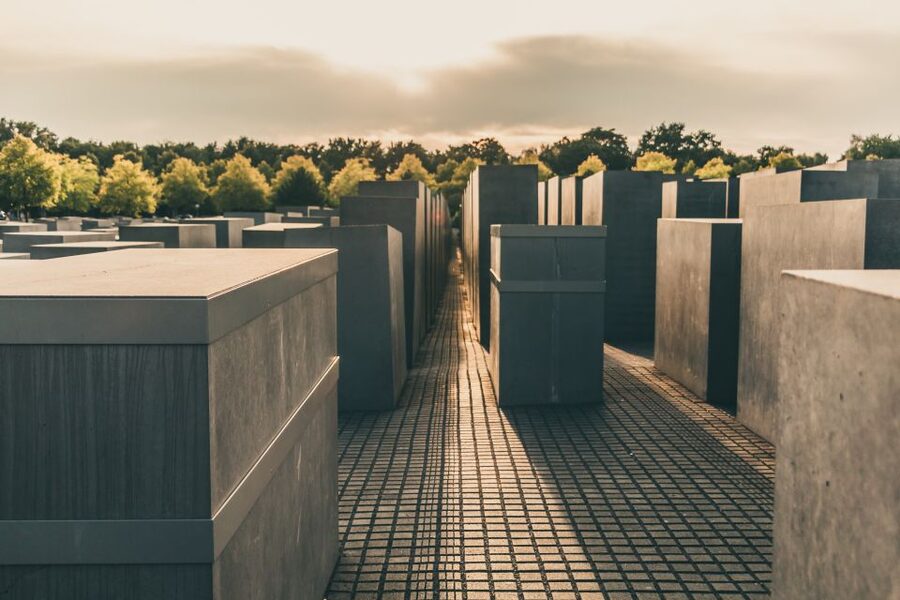
- A respectful pause at the Memorial to Murdered Jews of Europe, not a quick photo stop
- Central Berlin classics in one route, from Potsdamer Platz to Unter den Linden
- Culture after the trauma, with Museum Island and the Humboldt Forum on the same walk
Why this Potsdamer Platz start makes Berlin click
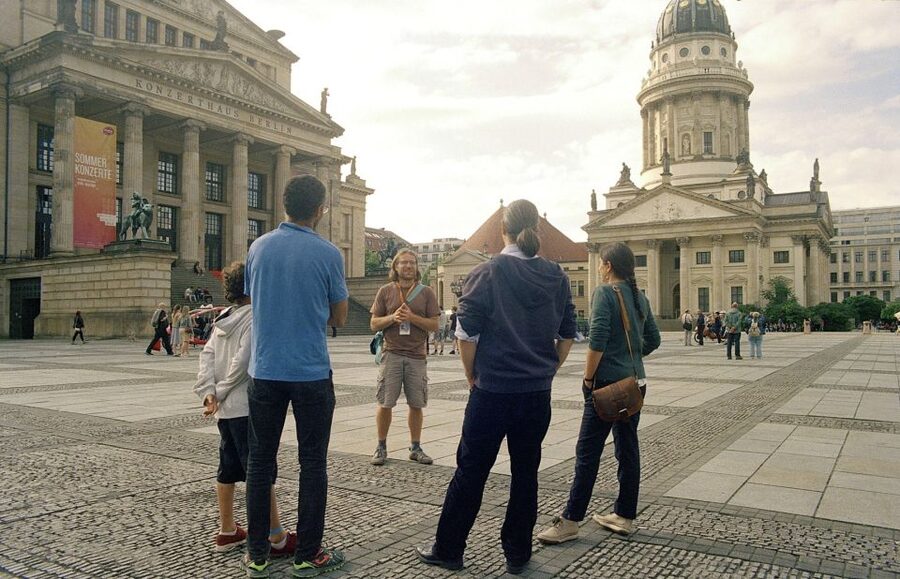
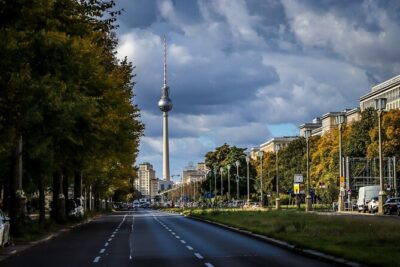
Potsdamer Platz is a smart place to begin because it shows you modern Berlin right away. Then the tour “steps backward” through time, so the later stops about division and war do not feel random. You start with a short guided introduction, and by the time you reach the Wall area you already understand what you are looking at.
This pacing matters. Berlin can be overwhelming because the city layers history so visibly, but this route keeps your bearings by moving in a logical line through the center. You will walk from major squares and avenues, so you are not trying to navigate like a subway puzzle before you even get oriented.
The walk is designed for a half-day rhythm, and it typically stretches anywhere from about 3 hours to as much as 6 depending on conditions and the exact flow. In tough weather, the guide may take the metro during the tour, which helps you stay sane without losing the storyline.
If you want a guided hit of the city’s big moments without buying a pile of separate tickets and planning each stop, this is the kind of route that makes first-day Berlin easier.
More Guided Walks in Berlin
- Discover Berlin Half-Day Walking Tour
★ 5.0 · 9,624 reviews - Berlin City walk Government District and Places of Democracy
★ 4.7 · 8,467 reviews - Berlin: Third Reich & Cold War Guided Walking Tour
★ 4.9 · 8,378 reviews
Berlin Wall, Checkpoint Charlie, and the symbols of Cold War power
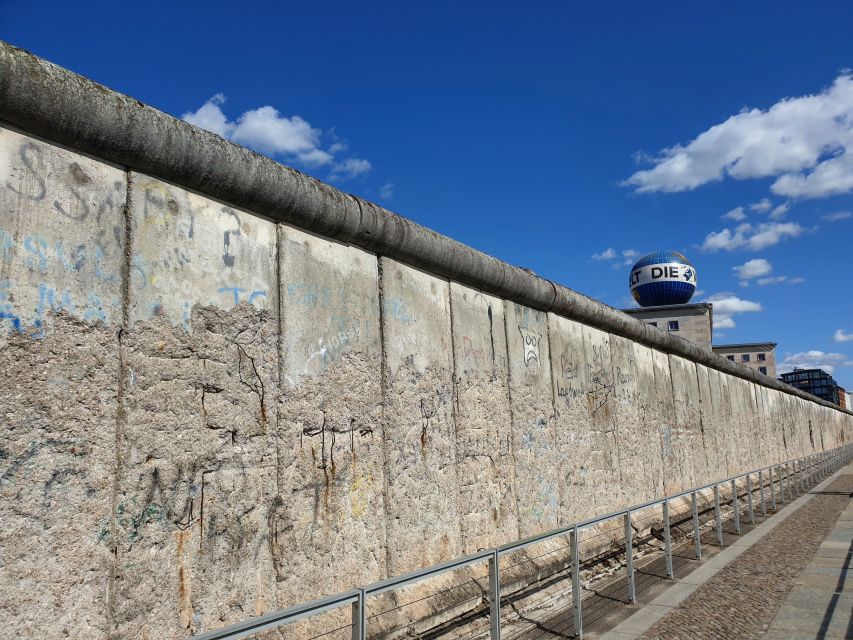
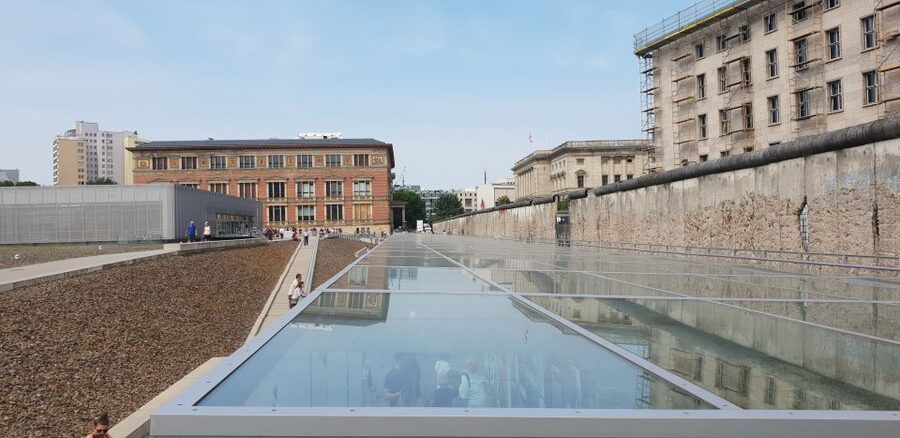
The middle of the tour is where Berlin turns into a living lesson about competing ideologies. You will spend time at the Berlin Wall area, and the guide’s job is to explain what those physical remains mean in context. The Wall was not just a barrier, it reshaped daily life and made the city feel like two different worlds.
From there, you move through other Cold War touchpoints. Topography of Terror is part of the route, giving you historical context around the mechanisms of terror and control tied to the Nazi regime, before the later division era. Checkpoint Charlie then shifts the focus to the international showdown in Berlin, where borders became theater and paperwork could decide your future.
Finally, you reach the area associated with Hitler’s bunker. This part can feel heavy, but it is also important because it ties war-era collapse to what followed. Berlin’s story does not jump from 1930s to 1989 and call it a day, and a guided explanation helps you understand the bridge between those periods.
Two practical things help here. First, the guided time at each stop is long enough for meaning, not just pass-by sightseeing. Second, because you are on foot and in a small group, your guide can keep the pace steady and answer the questions that naturally come up when you see these sites.
The Holocaust Memorial stop, and why timing matters
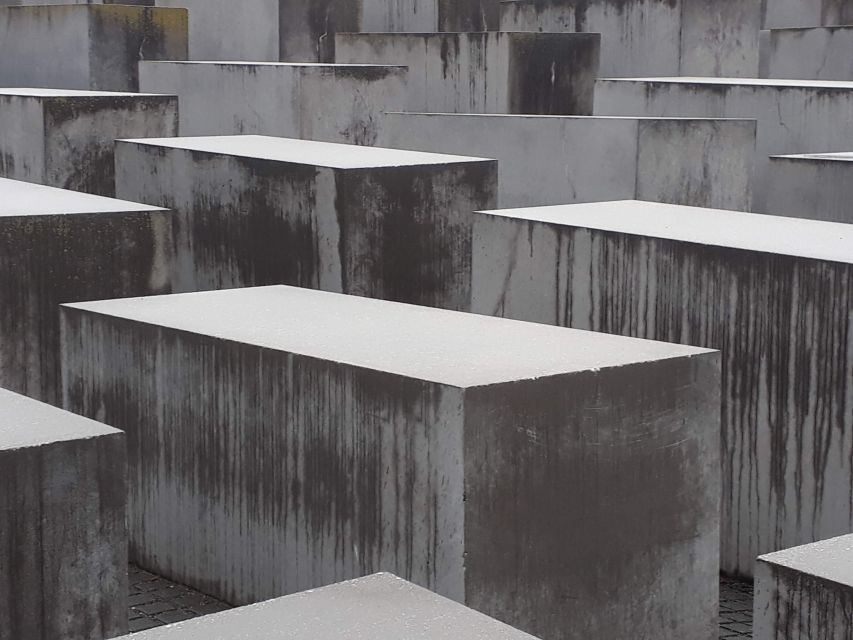
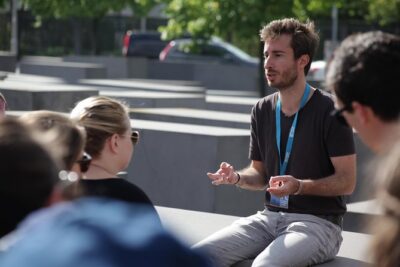
You will pause at the Memorial to Murdered Jews of Europe, and this is one of the moments where the tour’s structure really shows. The time you spend there is long enough for you to slow down, not long enough for you to feel like you are being herded. That matters because memorial sites do not work like attractions, they work like places to reflect.
I like that the tour does not treat the memorial as a box to check. A good guide will help you understand the purpose of the space and how to approach it respectfully, especially if it is your first time seeing it. Your best move is to treat this as your mental reset point for the rest of the walk.
Also, this stop is placed after the more overtly political landmarks. That sequencing helps because you can recognize the difference between what was ideological propaganda and what was mass human loss. It makes the later sights feel less like disconnected sightseeing and more like a city trying to rebuild itself after catastrophe.
If you are the kind of traveler who wants time to take it in, this part is a strong reason to choose a guided route.
Reichstag to Brandenburg Gate, how reunification feels in public space
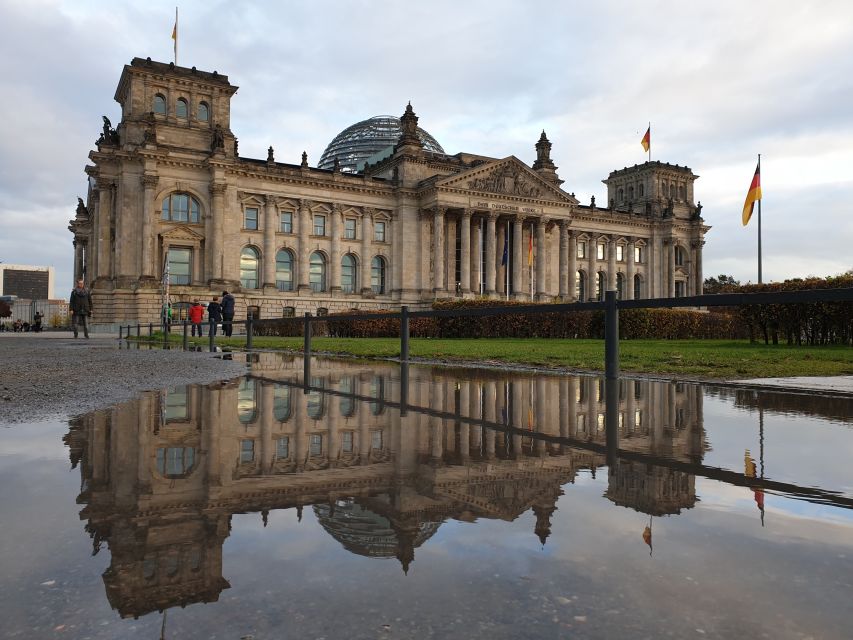
After the memorial, the tour shifts back to the larger stage of Berlin’s civic identity. You will see the Reichstag area, then move toward the Brandenburg Gate. This sequence is useful because you connect government power, national symbolism, and the long shadow of war and division.
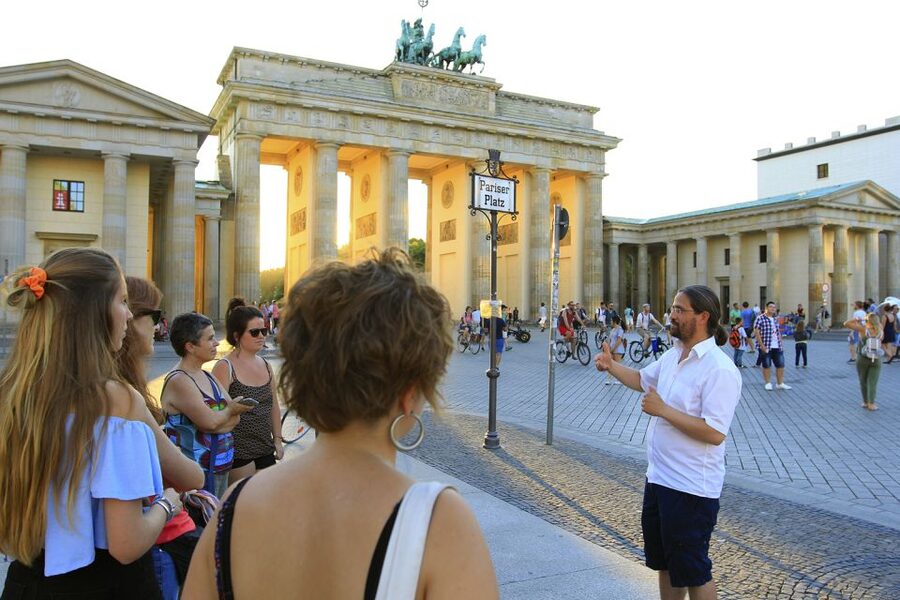
Brandenburg Gate is especially powerful in a guided walk because its meaning changes depending on the era you are thinking about. It started as an 18th-century statement of power, then it became wrapped into 19th-century national ambition, and later it stood in the visual grammar of Cold War division. Even if you are not a history nerd, a good guide helps you read the site like a timeline.
There is also a break built in. That small pause is not just comfort, it keeps the day from turning into nonstop staring. Use it to catch your breath, check your phone for transit plans, and reset your energy before you continue along the grand avenues.
Then you head into Unter den Linden. This boulevard is a classic Berlin axis, and walking it with context makes it feel like more than a pretty street. You understand why it matters, and you get the sense that Berlin’s identity keeps changing names and meanings but the city center stays in constant conversation with itself.
Museum Island and the Humboldt Forum: culture after the break
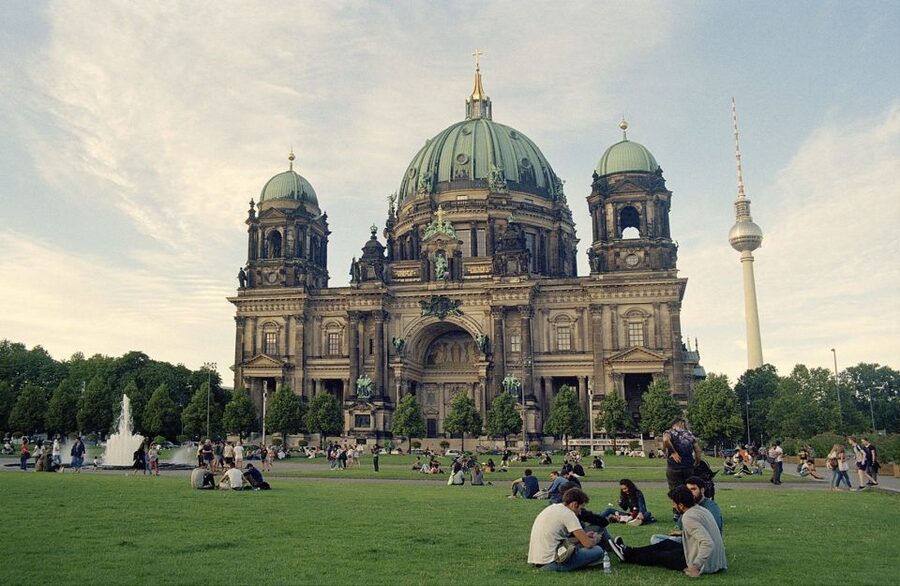
Toward the end of the walk, the tour lands on Museum Island and the Humboldt Forum. This is where Berlin shows its post-war drive to rebuild cultural life and reclaim public space for learning. You are not touring every museum in depth, but you get an anchored introduction that helps you decide what to do next on your own.
Museum Island is a meaningful stop because it represents the city’s long relationship with scholarship and collections. When you pair it with what you just saw about dictatorship and division, it feels like a deliberate contrast: a city placing memory and education back into the center of daily life.
The Humboldt Forum adds another layer. It represents a modern cultural space that signals Berlin’s attempt to position itself as a global conversation, not just a national monument. A short guided visit here helps you understand the role the building plays in the city’s current identity.
If you have limited time and you want to know where to spend extra hours after the tour, this ending works well. You leave with enough context to point your curiosity in the right direction instead of guessing.
More German cities at walking speed:




Price and value, when $389 per group makes sense
The price is $389 per group up to 6 people. That structure matters because it can be good value if you are traveling as a small unit, like friends or a family group. You are paying for a guide, not per person in a way that multiplies the cost quickly as your group size increases.
What you get is a guided walking experience with a focused route through major landmarks. The guide is included, but public transport tickets are not. Given Berlin is a large city, this matters for how you plan to get to and from the meeting point, and for how you continue exploring after the tour.
You should also weigh the route design. This is not a slow museum crawl, it is a “see the key scenes and understand them” format. If your goal is to fully enter and spend long hours inside major buildings, you may feel you are moving fast. But if your goal is to get your bearings and understand what you are seeing, the cost-to-time ratio is often fair.
One more value point: the tour has a high overall rating of 4.9 with hundreds of reviews. That is a strong signal that the guiding approach tends to land well for most people, especially those who want historical storytelling rather than just location names.
Practical logistics: weather, transport, and pacing
Bring comfortable shoes. You are walking through central Berlin and you will be outside for long stretches. The guide may use metro during difficult weather, which helps keep the day manageable, but you should still expect a walking-first style overall.
For getting to the meeting point and continuing your day, the guidance is to consider a public transport ticket for the AB zones. That is not about complicating your day, it is about avoiding the stress of ticket guessing when you are already thinking about where you need to be next.
Meeting point can vary depending on the option you select, and you may have an optional pickup. If pickup is included, you are asked to wait in the hotel lobby 10 minutes before your scheduled pickup time. You also may want to contact the operator a few days ahead to discuss pickup details.
The tour is wheelchair accessible, and there is a private group option. The distance and timing are still weather dependent, so if mobility is a concern, you will be happier when you communicate needs early and choose the right option.
Drop-off happens at Unter den Linden 5, 10117 Berlin, so you end near one of the most convenient areas for onward exploration.
Who should book, and who might want a different style
This walking tour fits you best if you want a first-class overview of Berlin’s most important sites without building a custom itinerary from scratch. It is also a great fit if you like history explained in a human way, not just dates and facts.
It works well for travelers who want the city’s “big meanings” explained: Cold War symbolism, the Nazi war shadow, the trauma memorialized at the Holocaust Memorial, and then the cultural rebuild shown through Museum Island and the Humboldt Forum. The route also suits people who prefer smaller groups, since you get a dedicated guide and less crowd-pressure.
You might choose something else if you want to linger for long periods inside museums and exhibitions. The tour is designed around guided viewing and short guided stops, not extended independent time in multiple indoor venues.
Should you book the Berlin Historical Highlights Walking Tour?
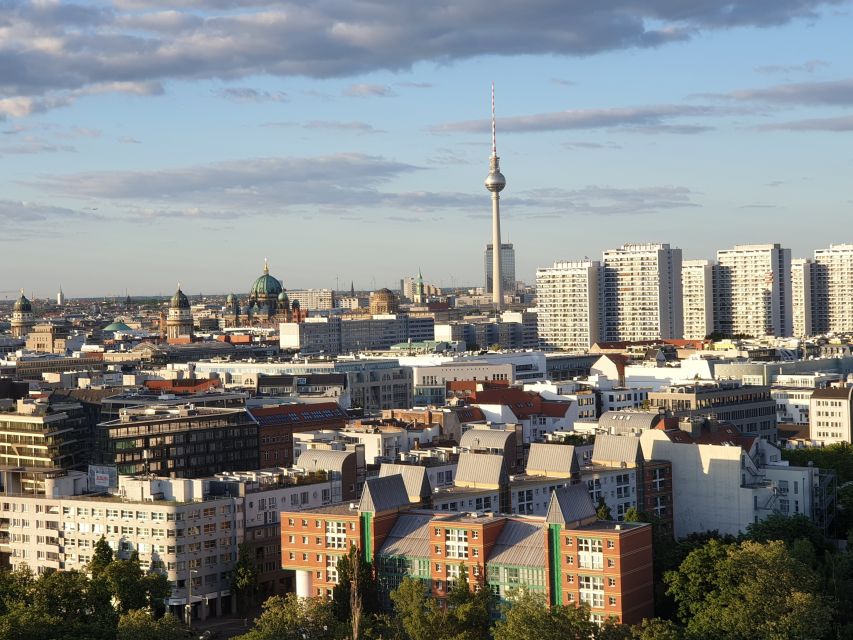
If you are short on time and you want Berlin’s center to make sense, I think you should book this. The strongest reason is the sequence: you move from modern Berlin into division-era imagery, then through memorial reflection, and finally into the cultural institutions that define the city today. That order helps you see how Berlin’s present was shaped by its worst chapters.
If you are budget-sensitive, the pricing can still feel reasonable when spread across a group of up to 6, since the guide is included. If you are traveling solo, it may feel pricier compared to per-person group tours, but the trade-off is a more personal experience.
My final tip: plan a little extra time after you finish. When this tour ends near Unter den Linden, you will already know what to return to, what to skip, and what to explore next on your own.
FAQ
How long is the Berlin Historical Highlights walking tour?
The duration is listed as 3 to 6 hours, depending on starting time availability and conditions during the tour.
Where does the tour start and where does it end?
The tour starts at Potsdamer Platz, and the meeting point can vary based on the option booked. Drop-off is at Berlin, Unter den Linden 5, 10117 Berlin, Deutschland.
Is the guide included in the price?
Yes. A live tour guide is included.
Which languages are available for the live tour guide?
The tour offers live guides in French, Italian, Spanish, and English.
Do I need a public transport ticket?
Public transport tickets are not included. The guidance is to buy a public transport ticket for the AB zones for the day to help you reach the meeting point and continue your journey.
Is the tour wheelchair accessible?
Yes, the tour is listed as wheelchair accessible.
Is pickup available?
Pickup is optional. If pickup is arranged, you are asked to wait in the hotel lobby 10 minutes before the scheduled pickup time, and you should contact in advance to discuss details.
What should I bring for the tour?
Wear comfortable shoes, since the tour is designed to be done on foot.
Is there a private group option?
A private group is available, and you can also select options that change the meeting point and logistics.
Can I book at the last minute?
For private tours, the provider states it cannot be organized in less than 72 hours, so leave at least a few days between booking and your visit.
Is free cancellation available?
Yes. Free cancellation is available up to 24 hours in advance for a full refund.
Centuries Per Block
- Berlin: Natural History Museum Entrance Ticket
★ 4.6 · 3,382 reviews - Berlin: 3-Hour World Heritage Cruise to Potsdam
★ 4.5 · 1,569 reviews - Berlin: History of the Third Reich Guided Walking Tour
★ 4.7 · 791 reviews - Berlin: Berlin Charité Guided History Tour
★ 4.4 · 660 reviews
Fresh on the arrivals board for Berlin



Guided Walks in Berlin, compared.
Berlin City walk Government District and Places of Democracy
Read our review →

Berlin’s Best: 2 Hour Walking Tour Third Reich and the Cold War
Read our review →
Third Reich Berlin: Hitler and WWII Walking Tour
Read our review →
Browse the lists this tour appears in