
Reviewed · GUIDED WALKS IN BERLIN
Discover Berlin Half-Day Walking Tour
Berlin has a way of stacking eras. This half-day walk strings together Prussians through the Cold War in one route, with major monuments like Brandenburg Gate, the Reichstag, the Holocaust Memorial, Checkpoint Charlie, and Topography of Terror. I love how the guide turns street corners into stories you can actually place on a map, and I love that you get a quick orientation without paying for lots of add-ons. One drawback: it is a lot of walking and some parts are heavy, so bring comfy shoes and expect emotional stops.
Meeting is at Neue Promenade 3, and the tour runs about 3 hours 30 minutes in English with a mobile ticket. You’re capped at 25 people, so you still get real answers, not just a lecture from far away. The big rating and 98% recommendation rate (4.9 out of 5) fits the feel: this tour is designed to make Berlin make sense.
That said, you will cover a lot of famous sights in a short window, so you might want to plan a second visit on your own to linger. If you are the type who hates crowds or needs frequent sit-down breaks, you may feel it more. Still, as an early trip anchor, it is hard to beat.
In This Review
- Key highlights worth showing up for
- The point of this walk: Berlin in layers, not a random hits tour
- Meeting at Neue Promenade 3, then getting your bearings fast
- Hackescher Markt and James Simon Park: quick context before the big icons
- Museum Island stops: the Einstein moment and the museum cluster feeling
- A parade down Unter den Linden: where the city’s power corridor becomes visible
- Stadtschloss to Berlin Cathedral area: royal buildings, civic power, and city shape
- Deutsche Historisches Museum and Neue Wache: memory starts to sharpen
- Bebelplatz and the book burning memorial: Nazi-era propaganda made physical
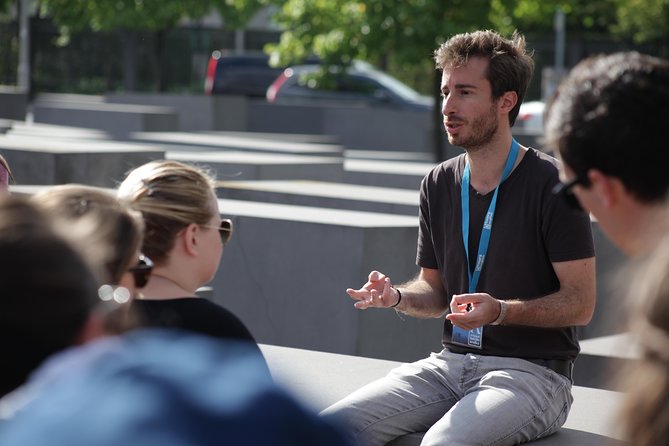
- Pariser Platz and Holocaust Memorial: understanding the space between sites
- Brandenburg Gate and the Reichstag: symbols plus the state behind them
- Holocaust Memorial to Fuhrerbunker and 1953 uprising: when the tour refuses to gloss over
- Berlin Wall moment: seeing the boundary line and hearing why 1989 mattered
- Topography of Terror: the Cold War story turns into a specific location
- Checkpoint Charlie and the death strip: learning the route people actually crossed
- Final touches: Franzoesischer Dom, and smaller stops that keep the story human
- Price and value: $24.19 for a guided “see it all” framework
- Guides can make or break this type of tour, and this one is often praised for pacing
- Who should book this walk, and who might want a different day plan
- Should you book Discover Berlin Half-Day Walking Tour?
- FAQ
- How long is the Discover Berlin Half-Day Walking Tour?
- Is the tour offered in English?
- What is included in the price?
- Are food and drinks included?
- How large is the group?
- Can I cancel for a full refund?
Key highlights worth showing up for
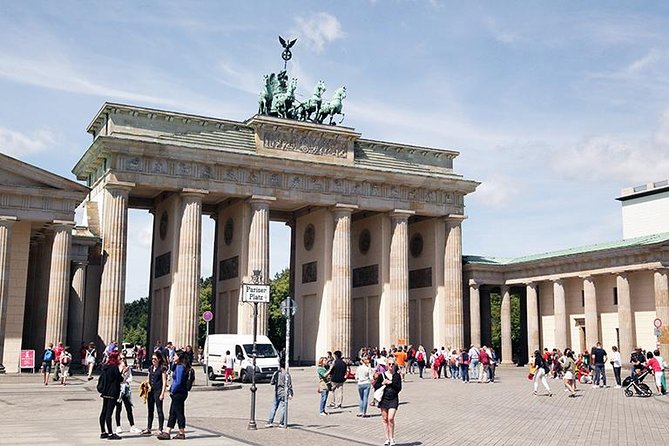
- Unter den Linden as your timeline, linking Stadtschloss, Pariser Platz, and Brandenburg Gate in one straight shot
- Einstein at the Berlin State Library, with a quick stop that makes the city feel personal, not just monumental
- Pariser Platz details, including the Hitler bunker site and the connection to the Holocaust Memorial
- Bebelplatz and the book burning memorial, a direct, guided look at Nazi-era propaganda
- Berlin Wall plus Topography of Terror, where the Cold War line ends and the history gets real and specific
- Checkpoint Charlie and the death strip story, so you understand what the crossing meant instead of just seeing a plaque
The point of this walk: Berlin in layers, not a random hits tour
This tour works because it treats Berlin like a set of overlapping timelines. You start with the city’s older power structures, then move forward through 20th-century violence, and finally end at places tied to the Cold War and the aftermath.
I like that the guide keeps tying the present to the past. You’re not just spotting buildings, you’re learning why Berlin chose these spaces to remember what happened there. And because you walk between them, the story stays on your feet, not trapped in a museum room.
More Guided Walks in Berlin
- Berlin City walk Government District and Places of Democracy
★ 4.7 · 8,467 reviews - Berlin: Third Reich & Cold War Guided Walking Tour
★ 4.9 · 8,378 reviews - Berlin: Discover Berlin Walking Tour
★ 4.9 · 5,998 reviews
Meeting at Neue Promenade 3, then getting your bearings fast
You meet at Neue Promenade 3 (10178 Berlin). From there, the tour heads through central landmarks with frequent short stops, usually around 5 minutes, plus a few longer pauses like the Reichstag and the Holocaust Memorial.
The format matters. A guided route that’s tight on time makes sense in a city where the sights sprawl. You get a fast mental map, and the guide’s job is to help you see relationships, like how Unter den Linden links major sites from different eras.
You can also tell this is geared for real walking. It is about 3.5 hours, and the stops are brief enough that you will keep moving. If you need frequent rest breaks, plan a slower day later.
Hackescher Markt and James Simon Park: quick context before the big icons
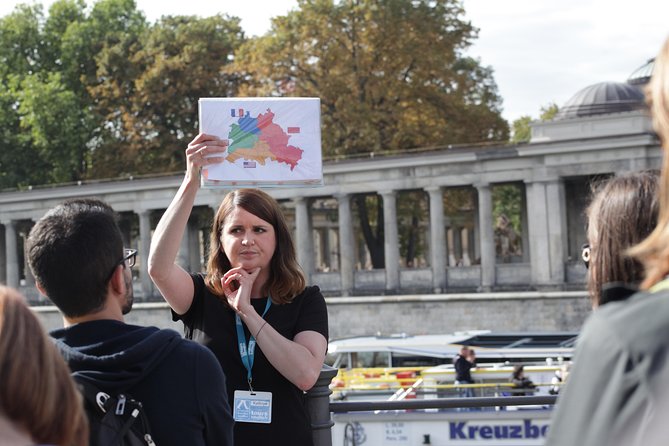
The tour begins with short orientation stops around Hackescher Markt and James Simon Park. Each one is built around the guide explaining the site’s history, not just pointing at a landmark photo spot.
Think of these as your warm-up chapters. They help you understand how Berlin’s central areas evolved, so when you hit the grand monuments, they feel connected instead of random.
Museum Island stops: the Einstein moment and the museum cluster feeling
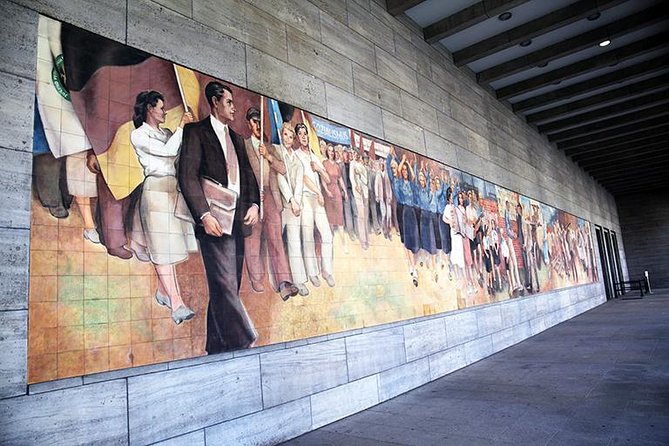
Next you move into the Museum Island area, with stops tied to Museum Island, Neue Museum, Pergamonmuseum, and Altes Museum. You also pause by the Berlin State Library, which the tour description notes was once the workplace of Albert Einstein.
This part is valuable because it shows Berlin’s cultural status without pretending the city was only about beauty. Museums and learning matter, but the tour also uses the same streets later to talk about political power and propaganda.
A practical note: museum names can make you think you will go inside. The time at each stop is short, so you should treat this as orientation and context, not a museum ticket strategy.
A parade down Unter den Linden: where the city’s power corridor becomes visible
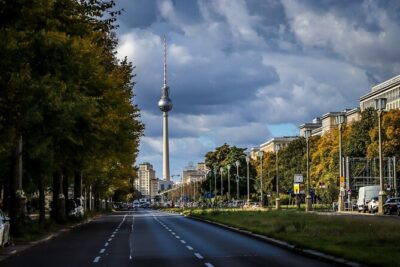
Then the tour shifts into one of Berlin’s best-known avenues: Unter den Linden. The route description is specific about the street’s logic, noting it links Stadtschloss royal palace with Pariser Platz and the Brandenburg Gate.
This is where the “eras layered on top of eras” idea really clicks. The guide explains how Unter den Linden grew even grander as Berlin pushed westward in the 19th century. You’re watching urban design change while you walk, which is the easiest way to learn it.
Along the way you hit stops like Staatsoper Unter Den Linden and Humboldt University (Humboldt Universitat). The tour uses these as anchors for why Berlin’s education and institutions mattered, even before the darker 20th-century chapters arrive.
More German cities at walking speed:


Stadtschloss to Berlin Cathedral area: royal buildings, civic power, and city shape

You also pass key civic and landmark stops, including Stadtschloss Berlin, Rotes Rathaus, and Berliner Dom. The tour description frames this as moving through the city’s changing eras, from royal and imperial authority toward the structures that represented a modern state.
Stops like Nikolaiviertel, Lustgarten, and Schlossbrucke help explain how Berlin’s public spaces formed the stage for events. These are quick moments, but they help you understand the city’s layout and where decisions got made.
If you like architecture and planning, this section is a treat. You can also use it as a planning tool, since these are areas you will naturally return to.
Deutsche Historisches Museum and Neue Wache: memory starts to sharpen
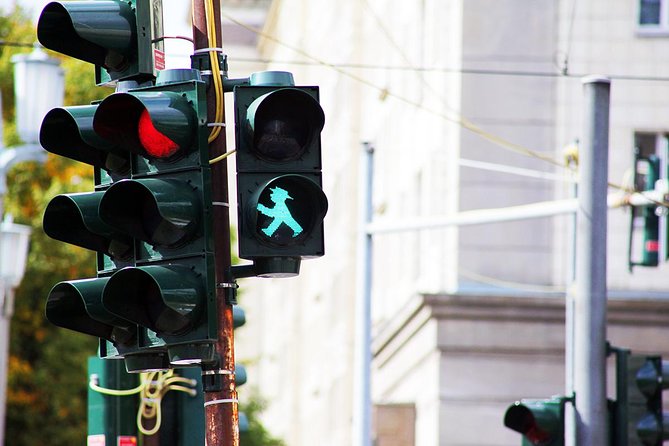
You then reach Deutsches Historisches Museum and Neue Wache. The tour description specifically calls Neue Wache a memorial stop, so you’re not just walking past a landmark, you’re approaching a place designed to make you stop.
This is also a good moment to slow your brain down. The tour moves from learning to remembering, and the guide’s pacing helps you adjust. You’ll want mental space for that, especially if you are also balancing sightseeing with jet lag.
Bebelplatz and the book burning memorial: Nazi-era propaganda made physical
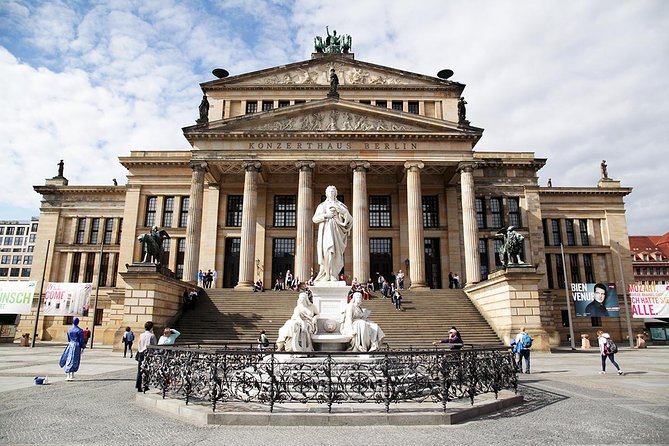
One of the most direct stops is Bebelplatz, including the Book Burning Memorial at Bebelplatz. The description is clear: it ties to the infamous 1933 book burning by the Nazis.
This is where a guided walk earns its price. You get the point, context, and significance, not just a scary-looking monument. It helps you understand the theme of the tour, brutal power, and how ideology tries to control what society reads, believes, and repeats.
Pariser Platz and Holocaust Memorial: understanding the space between sites
As you approach Pariser Platz, the tour makes two important connections. First, it notes this is the location of Hitler’s bunker. Second, it links the same area to the Holocaust Memorial, commemorating Jews who lost their lives during the Nazi regime.
That pairing is intense. It is also exactly why this walk works: you don’t treat the Holocaust Memorial as a standalone stop. You understand it as part of a geographic and political story that the guide lays out step-by-step.
After you reach the Memorial, the route continues toward other WWII and Cold War markers, so the emotion stays threaded into history rather than ending abruptly.
Brandenburg Gate and the Reichstag: symbols plus the state behind them
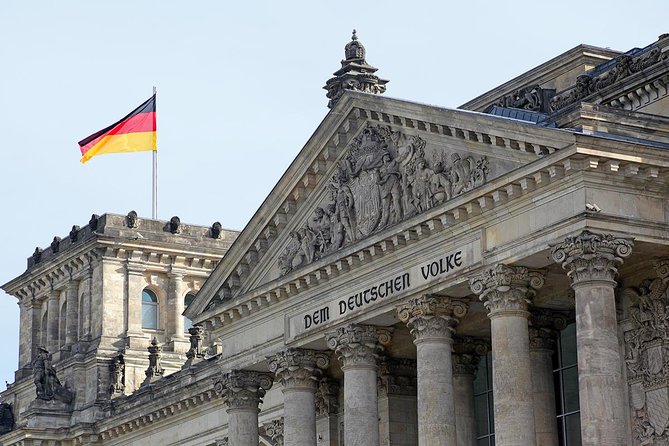
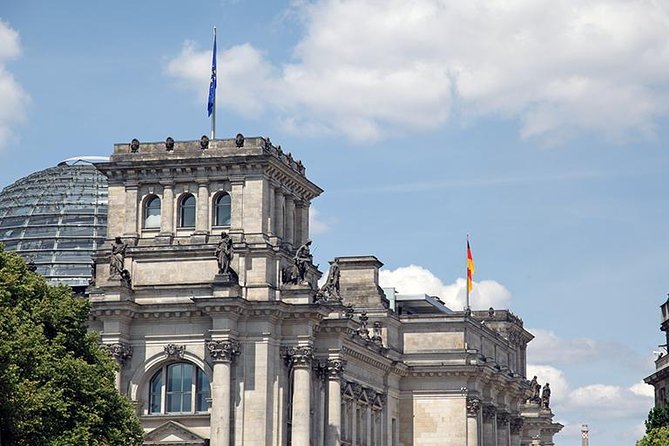
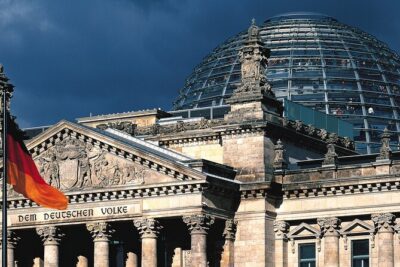
The tour has you pass the Brandenburg Gate, then moves to the Reichstag Building. The description notes Brandenburg Gate as part of the Unter den Linden beginning, and the Reichstag as home of Germany’s parliament.
These aren’t just photo stops. With a guide, you learn how symbols function in politics, and how the same stones can represent different kinds of authority over time. That matters in Berlin, where the city has repeatedly reinvented what its landmarks mean.
Then you also see stops like the Victory Column, which the tour includes as part of the broader story of power and national identity. Expect the guide to explain the significance tied to the eras they’re covering.
Holocaust Memorial to Fuhrerbunker and 1953 uprising: when the tour refuses to gloss over
From the Holocaust Memorial area, the tour continues to stops including Fuhrerbunker and Platz des Volksaufstandes von 1953. You also reach Aviation Ministery of Berlin later in the route.
I appreciate that the walk doesn’t try to smooth over history into something lighter. Some cities hide the hardest parts behind distance. This one brings them closer, and the guide’s job is to handle the story with respect and clarity.
If you want to skip heavy material, you might find yourself wishing for a pause here. If you can handle it, this section is one of the most meaningful on the whole tour.
Berlin Wall moment: seeing the boundary line and hearing why 1989 mattered
The tour includes a walk along the Berlin Wall, plus details about its downfall in 1989. You also stop at the Memorial of the Berlin Wall, so you are not just hearing facts, you are also standing where the boundary was.
This part is usually where the tour goes from history lesson to real place. Once you’ve seen the markers and followed the guide’s explanation, it’s much easier to understand Berlin’s postwar division and why reunification felt so dramatic.
Topography of Terror: the Cold War story turns into a specific location
Next up is Topography of Terror. The tour description is explicit: it’s situated at the former Gestapo and SS Headquarters. It also points out that the city’s leaders chose this location to confront and reconcile with Berlin’s past.
What makes this stop especially heavy is the mention of the excavated cellars, described as places where political prisoners were tortured and killed. A good guide helps you hold that information without rushing past it, and the guide’s tone matters a lot here.
This is also where many people find the walk most memorable, because the history is grounded in an exact site rather than vague descriptions.
Checkpoint Charlie and the death strip: learning the route people actually crossed
You then visit Checkpoint Charlie. The tour description includes the idea of tracing the path of the so-called death strip, connecting that crossing point to what people faced when moving between East and West Berlin.
Again, this is the guided advantage. Seeing a checkpoint name is one thing. Understanding what made the area dangerous and how the route functioned gives the landmark weight.
Final touches: Franzoesischer Dom, and smaller stops that keep the story human
The walk also includes stops like Franzoesischer Dom and earlier smaller markers such as Stiftung Neue Synagoge Berlin – Centrum Judaicum. It also includes a stop called Ampelmann Shop, where the guide explains the history.
I like these lighter, more human-sized pauses. Not every stop is meant to be dramatic. A good guide uses them to remind you Berlin is a lived-in city, not only a memorial map.
And if you are the type who loves getting restaurant or neighborhood tips, some guides also use these pauses to share practical advice, which can help you plan the rest of your trip.
Price and value: $24.19 for a guided “see it all” framework
At $24.19 per person, the value is strong for what you get. You pay for a professional guide and a format that covers many of Berlin’s most important landmarks in roughly 3 hours 30 minutes.
The tour also uses lots of quick stop times, which usually means you are not spending the whole day standing in lines. Many listed stops show admission ticket free, which supports the idea that you are paying primarily for the interpretation, not for expensive add-ons.
The biggest value is mental. By the end, you understand the city’s major turning points: Prussian roots, imperial shifts, Nazi terror, and Cold War division, all tied to physical places you can return to later.
Just know what is not included. Food and drinks are not included, so plan to grab a snack before or after. Also expect to do real walking, because the tour is built around moving.
Guides can make or break this type of tour, and this one is often praised for pacing
This is a guide-heavy experience. The route includes sensitive topics, so you want someone who can keep the tone respectful while still making complex history clear.
When this tour runs well, you feel it in pacing and in how the guide handles questions. Guides mentioned in the provided feedback include Amanda, Emma, Georgia, Rebecca, Tobi, Luisa, Glenn, Walid, and Ruben. People highlight traits like humor, clarity, and a willingness to answer questions, plus a respectful approach when discussing harder chapters of German history.
If you get a guide with an East Berliner perspective, it can add an extra layer, since local lived-in context often makes history feel less abstract. Even if you are not, a strong guide should still bring the city to life with specific stories tied to each stop.
Who should book this walk, and who might want a different day plan
This tour is a great fit if you want:
- A first-day Berlin orientation that helps you decide what to revisit
- A route that links symbols like Brandenburg Gate and the Reichstag to real political history
- A guided walk that includes Cold War and Nazi-era sites without sugarcoating
It may be less ideal if you:
- Hate long walking sessions and need lots of breaks
- Prefer deeper time inside museums rather than quick landmark context
- Know you get overwhelmed by topics like torture, political repression, and mass murder, and you need a gentler start
If you do book it, do yourself a favor and build in downtime afterward. Your brain will be full.
Should you book Discover Berlin Half-Day Walking Tour?
Yes, if you want the fastest way to understand Berlin’s big story and see the key landmarks that define it. At $24.19 with a professional English guide, you are buying interpretation more than admission.
Book it early in your trip if you can. The route gives you a base map of what matters, so your later day plans feel smarter. And if you are choosing between doing this now versus piecing together the sights on your own, the guided connections are the difference.
If you are sensitive to heavy history, just go in prepared. Wear shoes, bring water if you prefer, and treat the emotional stops as the main event, not a side detour.
FAQ
How long is the Discover Berlin Half-Day Walking Tour?
The tour runs about 3 hours 30 minutes.
Is the tour offered in English?
Yes, it is offered in English.
What is included in the price?
The tour includes a professional guide.
Are food and drinks included?
Food and drinks are not included unless specifically mentioned.
How large is the group?
The tour has a maximum of 25 travelers.
Can I cancel for a full refund?
Free cancellation is available up to 24 hours in advance for a full refund. If you cancel less than 24 hours before the start time, the amount paid is not refunded.
Fresh on the arrivals board for Berlin



Guided Walks in Berlin, compared.
Berlin City walk Government District and Places of Democracy
Read our review →
Berlin’s Best: 2 Hour Walking Tour Third Reich and the Cold War
Read our review →
Third Reich Berlin: Hitler and WWII Walking Tour
Read our review →
Browse the lists this tour appears in