
Reviewed · WALKING TOURS
Trier: Private Walking Tour with a Local Guide
Roman Trier is waiting.
This private walking tour turns the city into a readable story, from the UNESCO Porta Nigra to Constantine’s throne room and the Roman Bath complex.
I especially like that it is private, so you get a calmer pace and more time to ask questions. I also like the line-up of landmarks, because you cover both the Roman city and the later medieval and religious layers in just 3 hours.
One consideration: entrance fees are not included, so if you want to go inside every paid space you spot, you’ll need a little extra budget.
In This Review
- Key things you’ll notice on this Trier walk
- Meeting at Hotel Römischer Kaiser, right by the Roman story
- Porta Nigra: seeing the biggest ancient gate in context
- Dreikonigenhaus: a small detour that adds personality
- Frankenturm: fortified brickwork with a residential twist
- Market Cross and the Kornmarkt: medieval trade, today’s everyday rhythm
- St. Gangolf Kirche: an old church with deep roots
- St. Peter’s Cathedral: where Roman foundations still matter
- Basilica of Constantine: “kept intact” walls and the throne room link
- The archbishops and electors residence, then the Roman Bath complex
- Why this tour is strong value for a private guide
- Who this Trier tour fits best
- Practical details that help your day go smoother
- Should you book this private walking tour of Trier?
Key things you’ll notice on this Trier walk
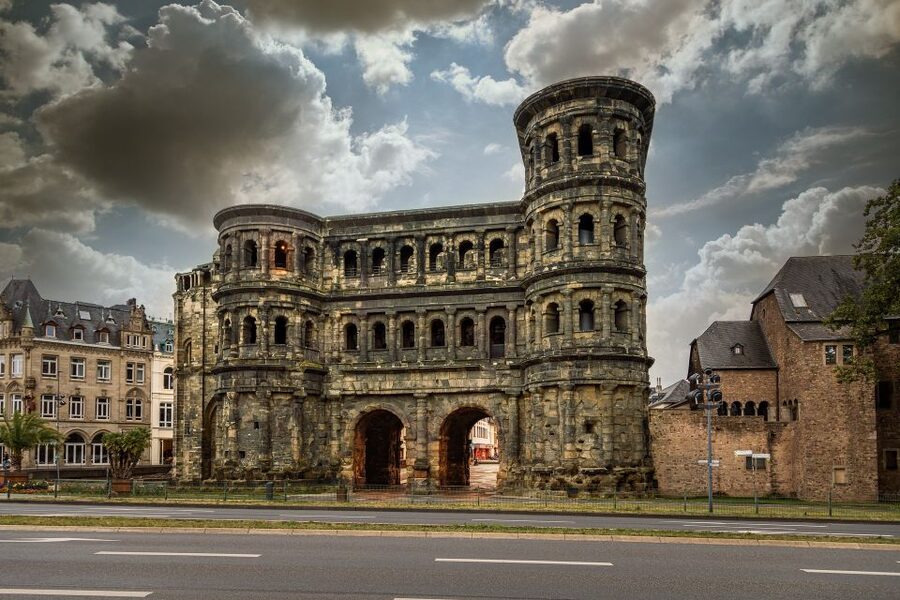
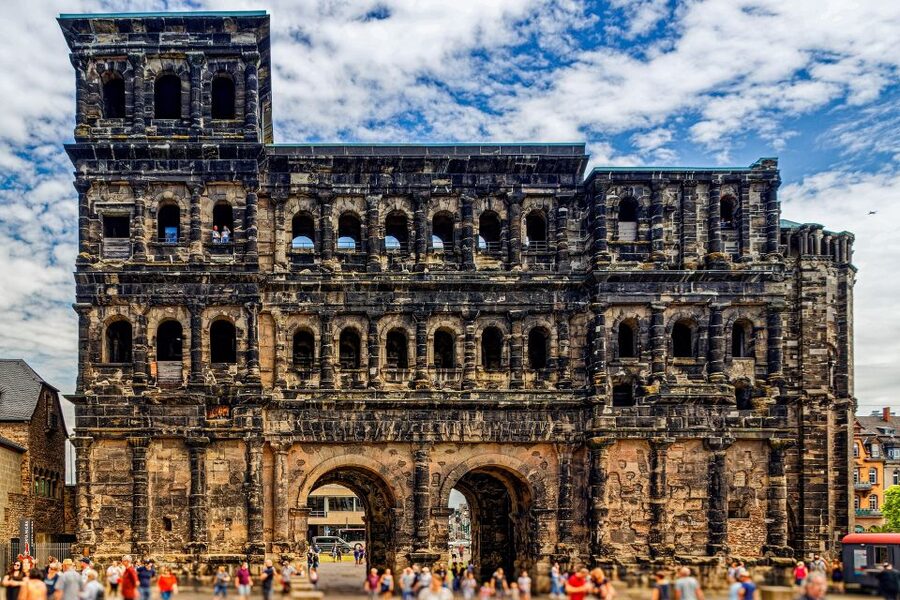
- Porta Nigra, UNESCO UNESCO UNESCO: the ancient city gate built after 170 AD with grey sand
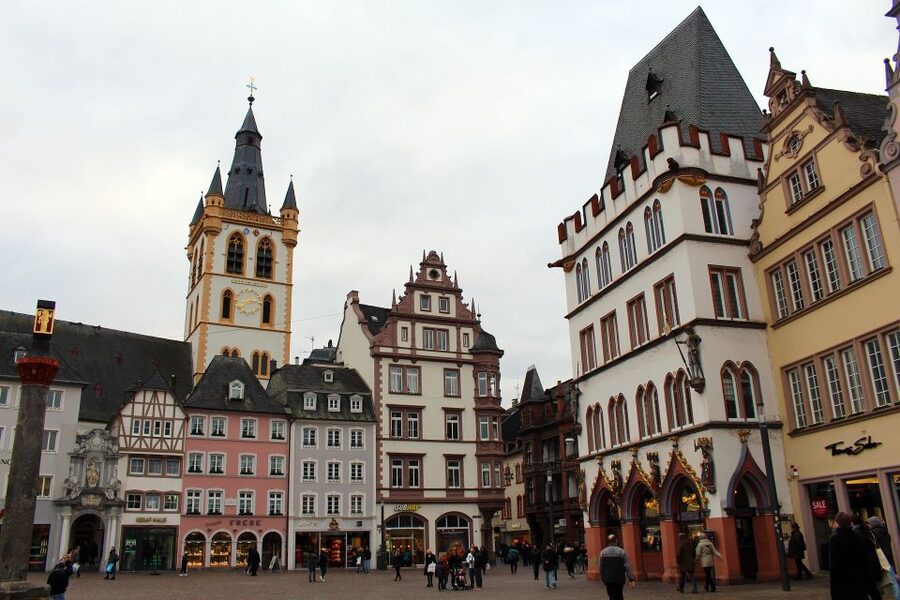
- Frankenturm tower: fortified brickwork that dates to the 11th century
- Market Cross at the main market: the medieval trading hub feel, right in the center of town
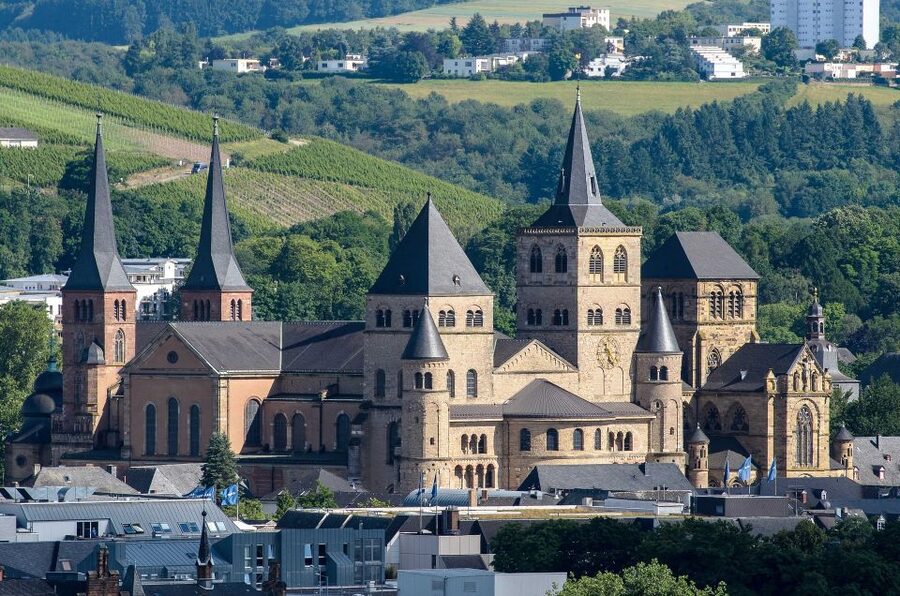
- St. Peter’s Cathedral: early 4th-century Roman bricklayers under the oldest church in Germany
- Basilica of Constantine: walls kept intact from the 4th century era, plus the throne room connection
- Roman Bath complex: a big 4th-century end point that makes the whole route click
Meeting at Hotel Römischer Kaiser, right by the Roman story
You start in Trier at the front of Hotel Römischer Kaiser, close to the Porta Nigra. That is smart. It keeps you from wasting time getting oriented, and it means the tour begins where the city’s Roman identity becomes impossible to ignore.
From the first minutes, you get a practical advantage of a private guide: you can ask, pause, and adjust. If you like photos, your guide can help you pick the angles that explain the architecture, not just the pretty postcard view.
And yes, wear comfortable shoes. Trier’s highlights are packed close together, but it is still a walking tour, and your feet will do most of the work.
More German cities at walking speed:
- Trier: Guided City Walk with Wine Tasting
★ 4.8 · 979 reviews - Trier: Guided Old Town Highlights and History Walking Tour
★ 4.7 · 687 reviews - Trier: City Walking Tour
★ 4.6 · 118 reviews
Porta Nigra: seeing the biggest ancient gate in context
The tour’s first major stop is Porta Nigra, a UNESCO World Heritage Site and the largest city gate from the ancient world. Built with grey sand after 170 AD, it has the kind of scale that makes everything else feel smaller in a good way.
What I like about this stop is the way a local guide can explain why this gate mattered. It was not just a wall decoration. It was the city’s arrival point and defense statement all at once. You also get a better sense of how Roman Trier functioned as a place of power, movement, and control, not just ruins you happen to pass.
If you enjoy architecture, pay attention to how the structure reads from different sides. Porta Nigra is one of those places where the details only start making sense once you know what you are looking for.
Dreikonigenhaus: a small detour that adds personality
Next you pass Dreikonigenhaus, a unique house associated with Trier’s local charm. This is the kind of stop that many walking routes gloss over, but here it helps you switch gears.
After the big Roman monument energy, a smaller, quirky landmark like this gives the city breathing room. It reminds you that Trier did not stop being a living town once the Romans were gone. The medieval and later periods left their own marks, often right alongside the Roman giants.
Frankenturm: fortified brickwork with a residential twist
Then you reach the Frankenturm, a fortified brick residential tower built in the 11th century. This is one of those buildings that looks like it was designed to survive trouble, even if it also had a domestic purpose.
A good guide makes this tower more than a “cool photo spot.” You start seeing how later Trier adapted and repurposed its space as political and social needs changed. In practical terms, this stop is a visual bridge between Roman planning and medieval life.
If you like history that you can point at, Frankenturm is perfect. The form is the message.
Market Cross and the Kornmarkt: medieval trade, today’s everyday rhythm
You walk through the Market Cross on Trier’s main market, a square known for its medieval trading hub role. For me, this is a key moment because markets are where history becomes human. People negotiated, bought essentials, exchanged gossip, and kept the city running.
The tour also threads in the Kornmarkt area and, specifically, Saint George’s Fountain, built between 1750 and 1751 by the same builder of the Electoral Palais. That pairing matters. It connects the fountain to a bigger architectural and civic story, instead of treating it like an isolated decoration.
You can also enjoy a practical bonus here: shops and cafés are around the market, so you can grab a quick break if you need it. With a private tour, that pause is easier to manage without losing the overall flow.
Also holding a platform in Trier
St. Gangolf Kirche: an old church with deep roots
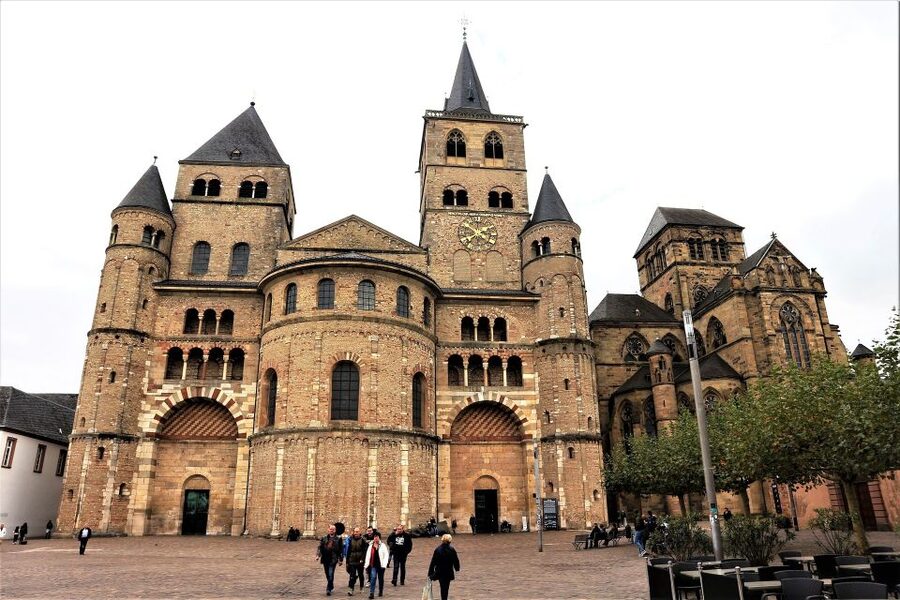
You then visit St. Gangolf Kirche, dedicated to St. Gangulphus, and described as the second-oldest church in Trier. Churches like this are useful on a walking tour because they mark how religious life and community identity developed across centuries.
What I like is that the stop is not just about standing near a church. You get a sense of continuity. Roman Trier had its structures and authority systems. Later Trier built spiritual anchors that shaped daily rhythms, from ceremonies to community meetings.
If you want to understand how a city changes without losing its core, this is one of the best kinds of stops.
St. Peter’s Cathedral: where Roman foundations still matter
Next up is St. Peter’s Cathedral, described as the oldest church in Germany and the largest religious structure in Trier. Its foundation includes Roman bricklayers from the early 4th century, which is an eye-opening detail because it makes the cathedral feel less like a separate world.
Instead of treating the Roman era and the medieval era as disconnected chapters, this tells you how later builders created on top of earlier work. That is a theme you will keep seeing as the tour continues, and it makes the city feel more layered and honest.
A practical tip: when a guide points out the Roman foundation connection, listen closely. It is the kind of fact that helps you interpret what you see in front of you.
Basilica of Constantine: “kept intact” walls and the throne room link
The tour highlights the Basilica of Constantine, built around 310 AD. Here, you get a particularly compelling detail: the inner walls have been kept intact, without changes, even after repair work following World War II.
That is more than a trivia nugget. It affects how you experience the place. When walls have not been heavily altered, the building feels closer to its original presence. It is easier to believe you are seeing something that endured, not something reconstructed until it became new.
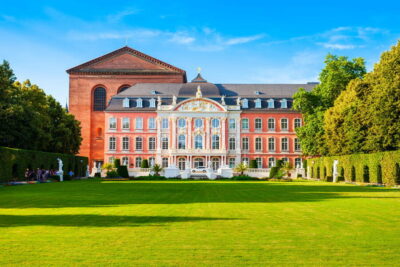
You also get the Throne Room of Constantine the Great and subsequent Roman Emperors from the 4th century. The tour notes that this space is now used as a Protestant church. That religious shift is one of those small facts that changes how you view the whole Roman-Christian arc of the city.
I also like the way this stop helps you understand power in two modes: imperial authority in the Roman era, and later church authority that continued to use the same monumental space.
The archbishops and electors residence, then the Roman Bath complex
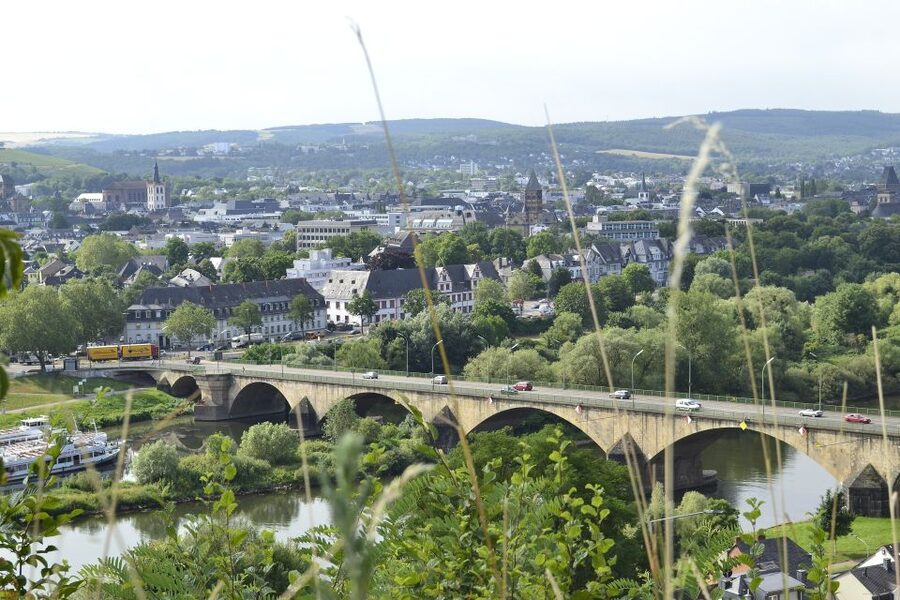
After the Basilica, you continue to the 16th-century residence of the Archbishops and Electors of Trier. This is where the tour adds political texture. You start seeing that Trier was not only an ancient Roman stage, and it was not only a medieval church center. It also mattered in the power structure of later Europe.
Finally, the walk ends at the large Roman Bath complex, constructed in the 4th century AD. Ending here is a smart choice because baths were where Romans mixed routine with culture. It is not just about warfare and monuments. It is also about daily comfort, social life, and civic identity.
By the time you reach the bath complex, you have already visited the city’s major symbols of authority. The bath ruins bring it back to life.
Why this tour is strong value for a private guide
At $441 per group (up to 20) for about 3 hours, the price can look steep on first glance. But value is about what you get packaged into that time: a private, local guide, a tight set of big-name sights, and a route that connects Roman, medieval, and religious Trier without making you jump around town.
You also get English or German guidance, with an official guide included. That matters in Trier because the details are the story. A gate is not just a gate when someone explains its construction period and why it is so important. A cathedral is not just a big building when you learn the Roman bricklayers connection.
Two reviews included names like Nicholas and Andrea Tullius, both praised for being kind, friendly, and easy to understand. That kind of delivery is not a small perk. It is the difference between wandering through impressive landmarks and actually getting the city’s logic in your head.
One last value note: entrance fees are not included, so check whether your must-sees require paid entry. If a sight is free to enter, you are good. If it is paid, you will want a plan before you arrive.
Who this Trier tour fits best
This private walking tour is a great match if you:
- want high impact in a short time, without feeling rushed
- enjoy Roman sites but also want the medieval and church layer explained
- prefer asking questions and moving at your own pace, which is the advantage of a private group
- value clear, friendly guide communication, especially in a city where the details matter
If you are traveling with kids, this can work too, but you might want to keep expectations flexible. This is history-forward, and you will likely need a few short stops for snacks or photos to keep energy up.
Practical details that help your day go smoother
- Duration is 3 hours, so aim for a calm morning or afternoon, not a full calendar sprint.
- The tour starts at Hotel Römischer Kaiser, near Porta Nigra, and ends back at the meeting point. No weird transportation puzzle at the end.
- The route is packed with major sights. That means good walking shoes, a water bottle, and a willingness to look up at big stone instead of just at street level.
- The guide language options are English and German.
If you are the type who likes to understand what you are seeing, this itinerary rewards you quickly.
Should you book this private walking tour of Trier?
If you want Trier history that feels connected instead of pieced together, I think this is a strong choice. The Porta Nigra start, the Basilica of Constantine walls and throne room, and the way the walk layers in St. Peter’s Cathedral and the Roman Bath complex make the city feel like one story, not separate stops.
I would book it if you care about having a local guide who can explain the meaning of the architecture in plain terms. It is also a good pick when you prefer a private setup rather than sharing attention with a big group.
Skip it or rethink if you are only looking for quick exterior photos and do not want to spend time on historical context. This tour is built for understanding, not just sightseeing.
Overall, this is a smart way to spend a half-day in one of Germany’s most Roman-minded cities, with a guide who helps the landmarks make sense fast.
Fresh on the arrivals board for Trier
Walking Tours, compared.
Berlin City walk Government District and Places of Democracy
Read our review →
Berlin’s Best: 2 Hour Walking Tour Third Reich and the Cold War
Read our review →
Browse the lists this tour appears in