
Reviewed · MORNING
Trier: Early morning tour without the hustle and bustle and with less noise
Trier before the crowds is a different city. This early-bird walk through historic Trier feels calm, focused, and surprisingly easy on your nerves, with a small group and a guide who tells lively stories. I like that you get that “almost to ourselves” feeling while still covering the classic World Heritage highlights. And I really like the practical pace, with photo stops and plenty of chances to look and listen without being jostled. The main drawback is simple: you see the big interiors from the outside, since indoor visits like the cathedral and Imperial Baths are not included.
I’d call this a smart choice for anyone who wants the essentials, but in kinder conditions. When the shops are still closed and the streets smell like freshly baked goods, your brain has room to take in details. Plus, you’ll often find benches along the way if you need a breather.
In This Review
- Early morning Trier, when the streets finally feel breathable
- Meeting at Porta Nigra, and getting your bearings fast
- Dreikönigenhaus photo stop, then straight into the old streets
- Judengasse and Hauptmarkt: learning Trier’s layers in manageable chunks
- Kreuzgang im Dom St. Peter: a quieter way to meet the big cathedral complex
- Aula Palatina (25 minutes) and the Roman scale you can feel
- Kaiserthermen finish: seeing the Imperial Baths without the indoor wait
- What’s included, what’s not, and why that’s still good value
- Price and logistics: why $23 feels fair for 2 hours of guided focus
- Who should book this quiet Trier tour
- Should you book Mit dem frühen Vogel durch Trier?
- FAQ
- Where do I meet for the tour?
- How much does the early-bird tour cost?
- How long is the tour?
- What time does it start?
- How many people are in the group?
- What languages are offered?
- Are indoor visits included for the cathedral and Imperial Baths?
- Is the tour wheelchair accessible?
Early morning Trier, when the streets finally feel breathable
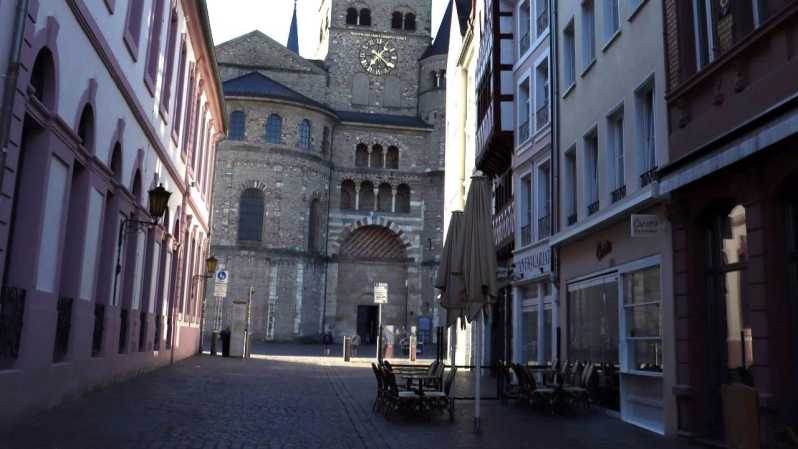
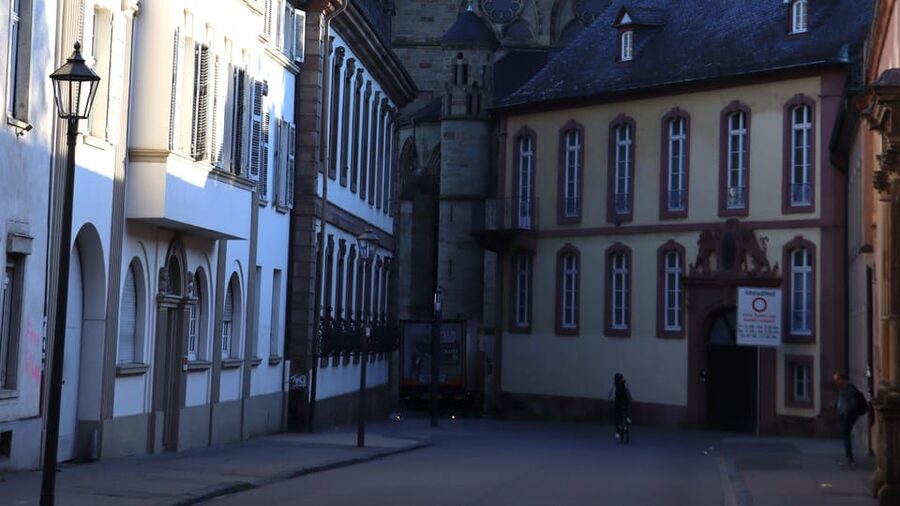
This tour runs Fridays and Saturdays, starting at 8:00 am (or earlier, depending on the departure time you select). That early start matters more than you might think. Trier’s center can get busy, and busy means noise, crowds, and constant “move along” energy. Here, you get quiet streets, fewer distractions, and a kinder rhythm for walking and photos.
For me, the best part is the atmosphere shift. You’re standing at the same historic points, but the mood is different. The city feels awake in small ways, like the smell of bakeries and the soft clink of morning routine, not the rush of daytime sightseeing. It’s a city you can actually hear.
And yes, this is also a great fit for neurodiverse folks. Less sensory overload helps. A smaller group helps too. You’re not trying to process a lot at once while dodging people.
Meeting at Porta Nigra, and getting your bearings fast
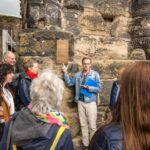
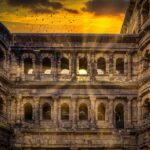
You meet at the entrance to the Tourist Information, right next to Porta Nigra. That’s a smart starting choice because it’s easy to find, and it gives you a clear “home base” landmark right away. From there, the guide sets the tone: what you’ll see, what to notice, and how long each stop will take.
The group is limited to 10 participants. That size changes the experience. You can keep up without feeling like you’re speed-walking in a crowd. It also makes it easier to ask quick questions or for the guide to adjust the pace if people need a moment.
One practical note for your planning: the tour is 2 hours. It’s not meant to replace a longer deep itinerary. It’s meant to help you see the highlights in a calm, efficient way.
Also holding a platform in Trier
- Trier: Guided City Walk with Wine Tasting
★ 4.8 · 979 reviews - Trier: Guided Old Town Highlights and History Walking Tour
★ 4.7 · 687 reviews - Trier: Discovery Tour – Germany’s Oldest Wine Cellar
★ 4.7 · 218 reviews
Dreikönigenhaus photo stop, then straight into the old streets
The first stop is the Dreikönigenhaus. You’ll get a short photo pause and guided sightseeing for about 5 minutes. This is the kind of stop that works well early in the tour. You’re not asked to sit through a long lecture before your eyes have a chance to orient.
What I like about this kind of opening is that it gets you thinking like a visitor, not like a checklist robot. You start noticing how the buildings connect, how the street layout shapes movement, and how Trier’s layers show up in everyday scenery.
Then you move on, still in that calm morning window where you can actually look up and read the city without constantly stepping around people.
Judengasse and Hauptmarkt: learning Trier’s layers in manageable chunks
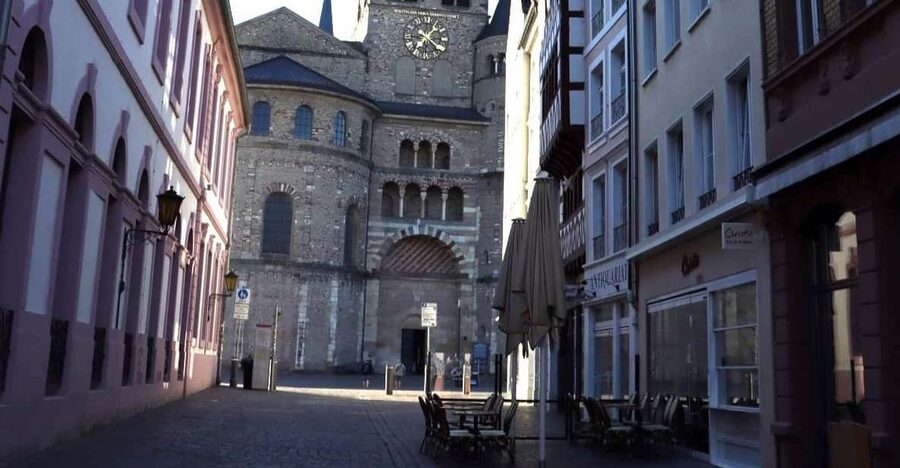
Next up is the Judengasse, with a photo stop and about 10 minutes of guided sightseeing. This segment helps you understand Trier as a city shaped by changing communities and time periods. Even without long stops, the guide’s focus helps you connect names and places to real street scenes.
You’ll then spend around 20 minutes at Hauptmarkt, Trier. This is one of those central squares where a morning tour makes a huge difference. In the daytime, you can end up distracted by movement and storefront activity. Here, the square feels more like a “stage” for history and architecture.
A square also gives you natural vantage points. You can rotate your view, compare building facades, and let the guide’s comments land. For photos, it’s often easier too, because you’re less likely to get crowds drifting through your frame.
Kreuzgang im Dom St. Peter: a quieter way to meet the big cathedral complex
The itinerary brings you to the Kreuzgang im Dom St. Peter. Expect about 10 minutes here, including photo time and guided sightseeing.
A cloister or cross-walk area gives you something different from a street-level stop. It’s structured, more enclosed, and it lets you slow down. Even if you’re not going inside for an extended visit, you can still notice how the space is designed for movement and stillness.
This is a good point in the tour to reset. If you’re walking with sensory sensitivity, having a more sheltered, calmer-looking area helps your brain switch gears. And since the route is paced, you don’t feel rushed.
Aula Palatina (25 minutes) and the Roman scale you can feel
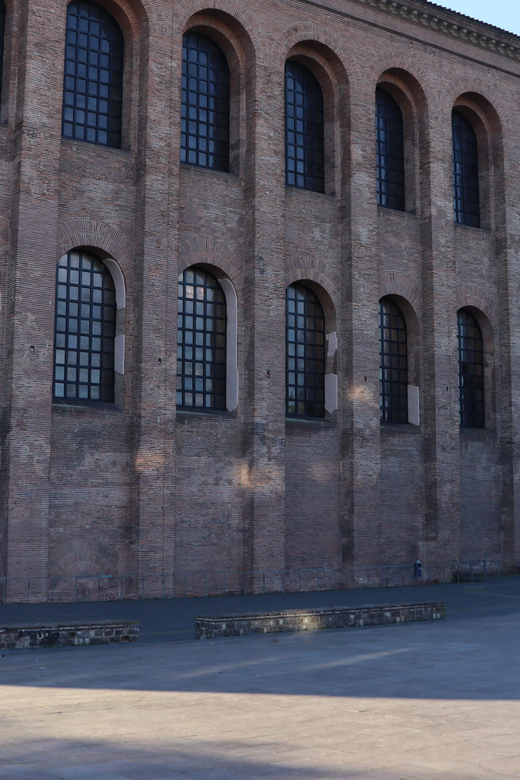
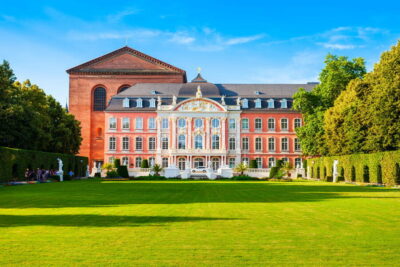
Then you get to the Aula Palatina, Trier, with around 25 minutes of photo stop and guided sightseeing. This is one of the longer stops, and it pays off.
Why it matters is scale. This is where Trier’s Roman footprint becomes hard to ignore. Even without indoor access, you can still grasp the importance of the space and the way it ties into the wider route toward the Imperial Baths.
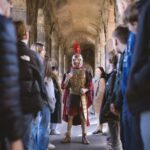
I like that the guide uses storytelling here rather than just facts. The point is to help you picture what the place was for, and what it meant in its time. If your tour guide includes the energetic storytelling style that comes up often, you’ll likely remember specific details, not just the names of sites.
And because the tour is early, you’re often able to take photos without a constant stream of strangers cutting across your shot. That’s a small thing, but it changes how enjoyable picture-taking feels.
Onward connections from Trier:
Kaiserthermen finish: seeing the Imperial Baths without the indoor wait
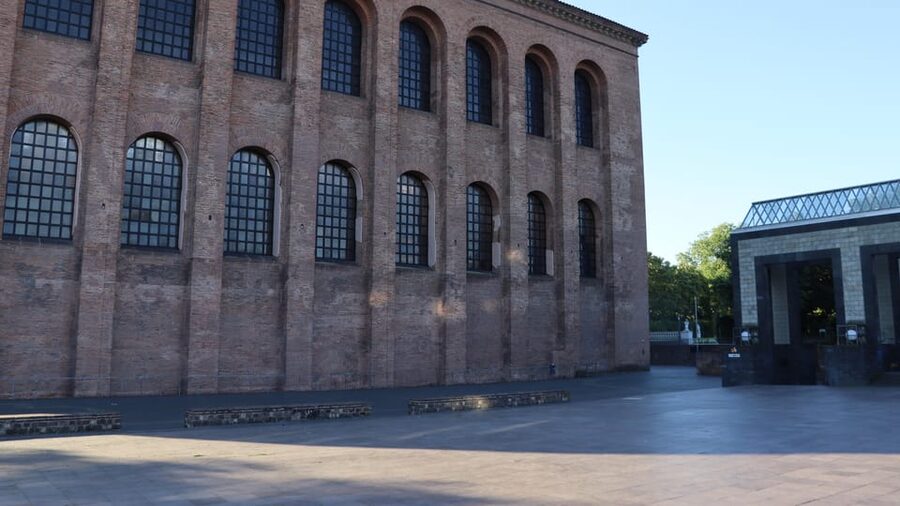
Your tour ends at Kaiserthermen. This is the final classic stop on the route, and it’s also where early timing shines again. If you were doing this later in the day, you’d run into lines, crowds, and that “everyone is thinking the same thought” bottleneck.
Here, you finish with the big site in front of you, while the city is still relatively quiet. You get a guided wrap-up and a clear sense of what you’re seeing next, even though indoor access is not included.
Also, keep in mind what’s not part of the tour. Indoor visits such as the cathedral interior, the Church of Our Lady interior (often referred to as Liebfrauen), the basilica interior, and entry into the Imperial Baths are not included. That doesn’t make the sights less meaningful, but it does set expectations. You’re doing an exterior-and-context experience, with the guide helping you connect the dots.
What’s included, what’s not, and why that’s still good value
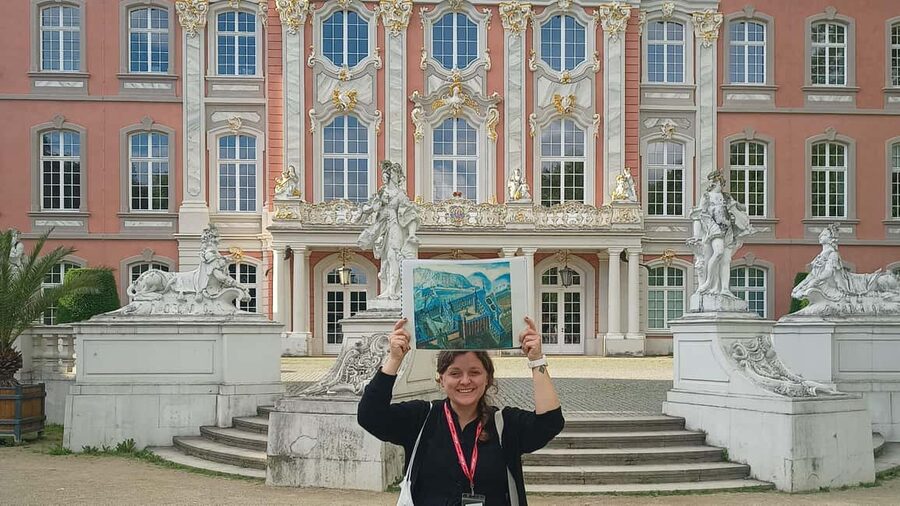
This early-bird tour includes a guided walk on the classic route connecting the key World Heritage sites. You’ll see the Cathedral of St. Peter, the Church of Our Lady, the Basilica, and the Imperial Baths along the way, while the guide explains how they fit into Trier’s story.
What’s not included is the inside time. No cathedral interior tour, no Church of Our Lady interior visit, no basilica interior visit, and no Imperial Baths interior visit. You should plan to spend your time learning outside, seeing viewpoints, and getting context rather than ticking boxes for indoor rooms.
Coffee also isn’t included. That said, the tour setting is designed for the morning mood. If you want coffee, bring your own or grab one after, but don’t expect it in the tour package.
Price and logistics: why $23 feels fair for 2 hours of guided focus
At $23 per person for a 2-hour live guided tour with a small group cap, the value comes from structure. You’re paying for a guide, a smart route, and the time you save figuring out what to prioritize.
In a busy city, you can easily lose 2 hours just finding your way or waiting for the right gaps between crowds. Here, the tour route and timing do the heavy lifting. You’re also getting a guide who can help you notice what most people miss, especially on the “in-between” stops where a self-guided walk often turns into blurry photo spam.
The language setup is worth knowing. The tour runs in either German or English, and it can only be done in one language per departure. The language you get depends on who books first.
Who should book this quiet Trier tour
You’ll likely love this if you want the highlights without the chaos. It’s a great fit if:
- You’re sensitive to noise, crowds, or overstimulation
- You want a focused overview rather than a long museum-style day
- You care about photos, but don’t want strangers constantly in the background
- You like practical history told in a way that feels like a story, not a script
Families can work well too, since the group stays small and the walking rhythm is manageable. And if you’re short on time in Trier, this gives you a “now I get it” sense of the city.
Should you book Mit dem frühen Vogel durch Trier?
If your goal is to see Trier’s key World Heritage sights in a calmer, easier-to-take-in way, I think this is a strong pick. The early start is the whole point, and you feel that difference immediately. You get guided context, you keep moving at a human pace, and you avoid the worst crowd pressure.
Book it if you want a morning reset, a smooth route, and a small-group guide who can make history feel readable. Skip it only if you specifically want indoor visits as part of the package, because this one is designed for exterior viewing and guided explanation, not long entry tickets inside.
FAQ
Where do I meet for the tour?
You meet at the entrance to the Tourist Information, right next to Porta Nigra.
How much does the early-bird tour cost?
The price is $23 per person.
How long is the tour?
The tour lasts 2 hours.
What time does it start?
It runs on Fridays and Saturdays, starting at 8:00 am, or earlier depending on the starting time you choose.
How many people are in the group?
The group is limited to 10 participants.
What languages are offered?
The live tour guide offers German or English, and the tour runs in only one language.
Are indoor visits included for the cathedral and Imperial Baths?
No. Cathedral, Church of Our Lady, basilica, and Imperial Baths interior visits are not included.
Is the tour wheelchair accessible?
Yes, the tour is wheelchair accessible.
Fresh on the arrivals board for Trier
Morning, compared.
Leipzig’s Mystery Morning: Breakfast & Escape Game
Read our review →
Nuremberg’s Mystery Morning: Breakfast & Escape Game
Read our review →

Early Morning Private Photoshoot to avoid the Crowd
Read our review →
Braunschweig’s Mystery Morning: Breakfast & Escape Game
Read our review →Browse the lists this tour appears in