
Reviewed · TRIER TOURS & ACTIVITIES
Trier: Solve the Mystery of the Merchant’s Gold!
A Roman mystery walk beats sitting still. In Trier, you follow a story set in 310 AD, solving clue puzzles as you move between real landmarks. I like the instant start at the starting point, and I also like that it is family-friendly without feeling like baby steps. One thing to consider, it is currently only in German, so plan for reading and solving in that language.
You’ll do this at your own pace, with no group pressure. The route is a manageable 1.3 km loop-or-line style walk, and the puzzle difficulty lands at 2 out of 5, which usually works well for mixed ages. The main drawback is that you should not expect deep, long-form explanation at every stop, the goal here is the game, not a full guided lecture.
In This Review
- Key highlights you should care about
- A Roman Time-Trip From Porta Nigra to Kaiserthermen
- How the self-guided smartphone adventure really works
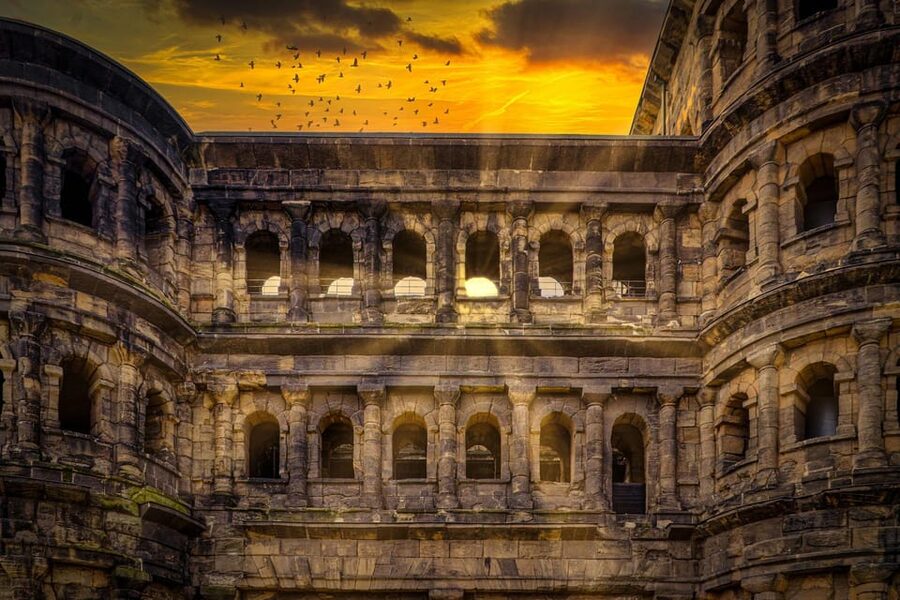
- Stop 1: Porta Nigra, where the mystery begins
- The Trier walk: clues, landmarks, and quick facts
- Puzzle difficulty 2/5: the sweet spot for mixed ages
- Stop 2: Kaiserthermen, finishing the case
- Price and value: $23 for a small team
- Language matters: German-only, but still manageable
- Who this Trier mystery tour suits best
- Should you book the Trier Merchant’s Gold mystery tour?
- FAQ
- Where does the tour start?
- Where does the tour finish?
- How long does the tour take, and how much walking is involved?
- What does it cost, and how big is the group?
- What language is the tour available in?
- Do I need to install an app to start?
- What do I need to bring?
- Can I start and stop whenever I want?
- Is the tour wheelchair accessible, and are admissions included?
Key highlights you should care about
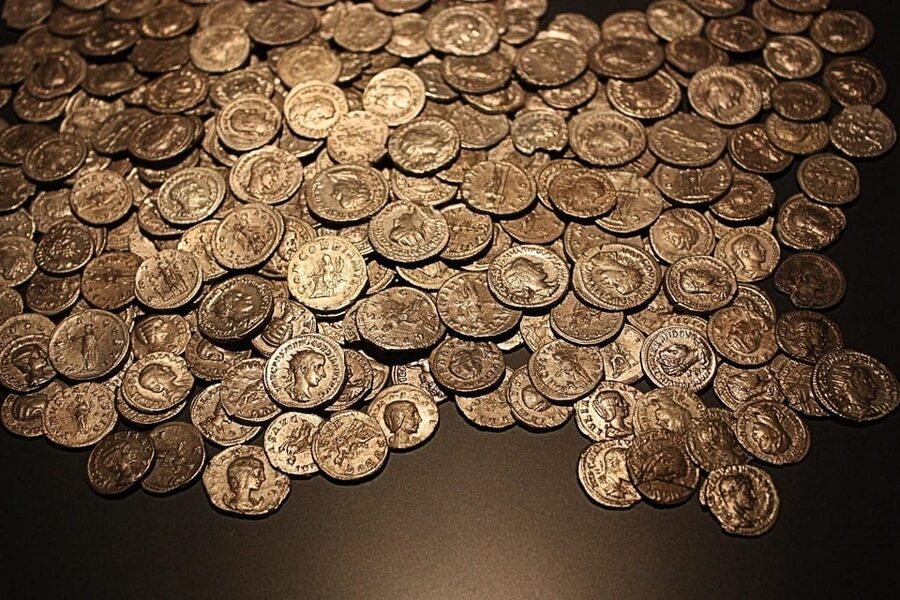
- Roman Trier storyline (310 AD), with young Marcus and a merchant uncle named Gaius Magnus
- Porta Nigra start to Kaiserthermen finish, built around iconic places you can recognize
- Web app, no download, start right away by using a shared token
- Puzzle difficulty 2/5, designed to be approachable for families
- 1.3 km walk in about 90 minutes, easy to fit into a day
- Only available in German, so bring a reader or be ready to work with the language
A Roman Time-Trip From Porta Nigra to Kaiserthermen
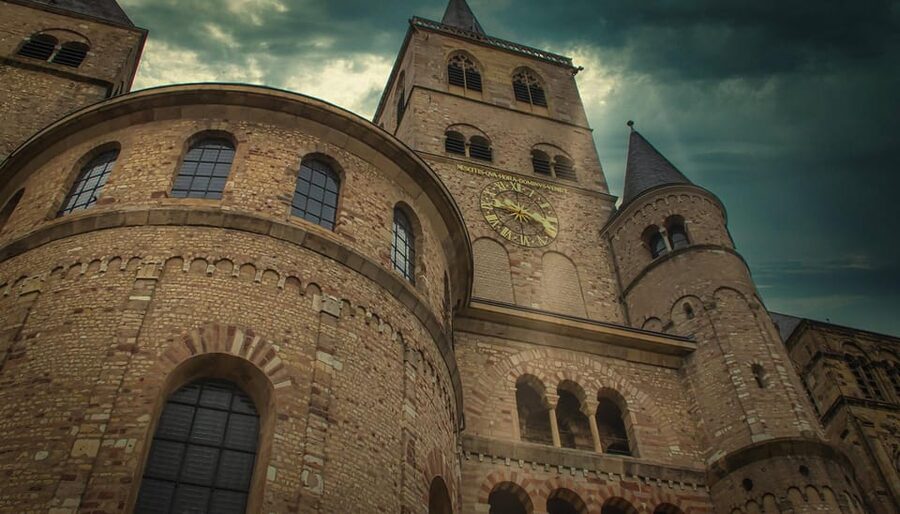
This experience is built like a city puzzle game, set in Roman Trier when it was known as Augusta Treverorum. The story pulls you into the year 310 AD, right around the time young Marcus Aurelius gets a mysterious letter from his uncle, Gaius Magnus, a successful merchant in Trier. Something is troubling the uncle, and the solution starts with clues you solve as you move through town.
What I like about the premise is that it turns sightseeing into problem-solving. Instead of marching from one landmark to the next, you actually have a reason to look closely, compare clues, and figure out where to go next. Trier is famous for its Roman remains, and this format helps you connect the places you see with the era you are learning about.
Also, you get a clear sense of scale. You are not committing to a long hike or a half-day outing that eats your entire afternoon. A 90-minute self-guided walk is long enough to feel like an adventure, yet short enough to stay flexible.
Also holding a platform in Trier
- Trier: Guided City Walk with Wine Tasting
★ 4.8 · 979 reviews - Trier: Guided Old Town Highlights and History Walking Tour
★ 4.7 · 687 reviews - Trier: Discovery Tour – Germany’s Oldest Wine Cellar
★ 4.7 · 218 reviews
How the self-guided smartphone adventure really works
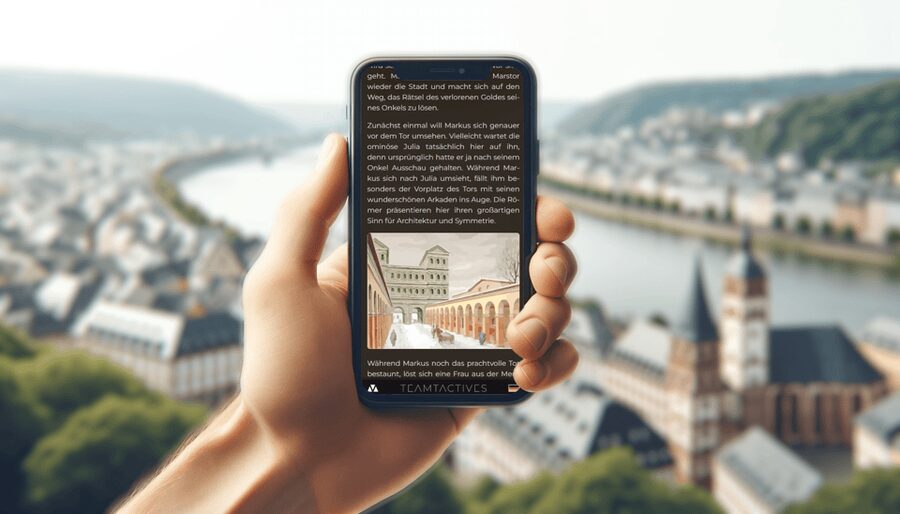
The mechanics are simple, and that is a big plus when you are traveling. You receive a shared access token for your team. Each person follows the story on their own smartphone using the same token, so one phone does not become the bottleneck.
You do not need to download an app. The web app is ready immediately at the start point. When you are at Porta Nigra, you start the tour and begin receiving prompts, puzzles, and location guidance on your phone.
You can also start and stop anytime. That matters in real travel life. If the kids need a snack break, or you want to step into a side street for a photo, you can pause and resume without feeling like you are falling behind a schedule.
Two practical requirements you should not ignore:
- You need a fully charged smartphone
- You need mobile internet access
And there is one major constraint: the tour content is only available in German. That does not make the experience less fun, but it does change how you should plan if your group is not comfortable reading German.
Stop 1: Porta Nigra, where the mystery begins
Your tour starts at Porta Nigra, one of Trier’s most recognizable Roman gateways. Starting there is smart, because your brain already links the place to Roman Trier. From the first moment, the story frames what you are doing: you are not just touring. You are investigating.
At the start point, you begin using the token and follow the first set of prompts on your smartphone. Expect clue-based navigation, where solving something correctly tells you where to go next. This is the core idea of TEAMTACTIVES style city games: you move through a real city, but each step is tied to a puzzle and a piece of information.
Tip for making the first minutes smoother: be ready with your map orientation and keep your eyes up. These tours often work best when you notice small visual cues in the environment around the clue location.
The Trier walk: clues, landmarks, and quick facts
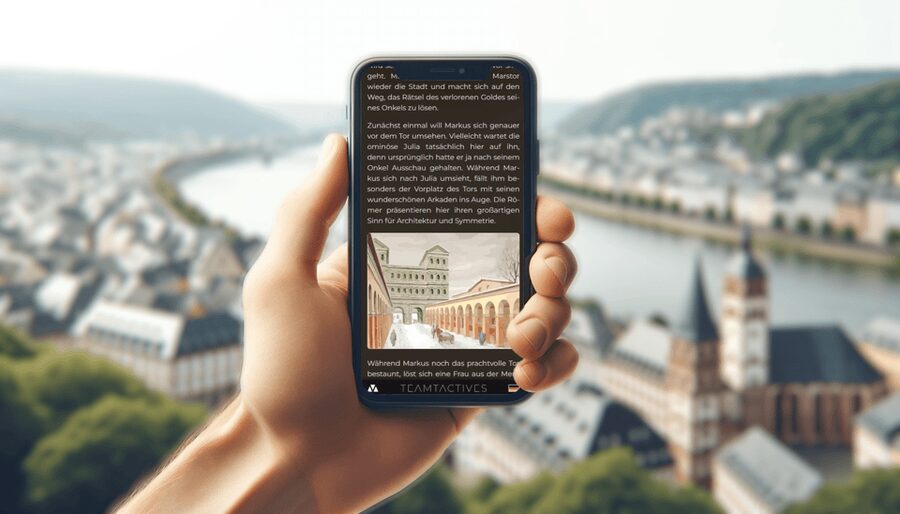
The tour is an outdoor adventure and you will cover about 1.3 km. That distance is short enough to feel easy, but long enough to get meaningful momentum across the city.
Along the way, you solve puzzles to move to the next location and learn historical facts about Germany’s oldest city. You do not need to be a Roman expert. The experience gives you enough context through the story and the prompts so you can learn as you play.
You’ll likely spot fact-style popups, the kind that ask, Did you know…? One review specifically called out that these fact bits were interesting and well done. That matches the design goal: small, digestible learning beats long text walls when you are walking.
What about the pace? Because the tour is self-guided, you can slow down when something catches your attention, or speed up when you crack the puzzle quickly. If you are traveling with kids, this “just keep moving” rhythm tends to work better than sitting inside for long stretches.
Possible trade-off: if you want deeper explanations at every stop, you might feel like you are getting “enough to know,” not “everything to master.” One comment noted that it would be nice to have more information per location. So treat this as a smart, story-based city game with learning built in, not as a substitute for a full guidebook or a specialist tour.
Puzzle difficulty 2/5: the sweet spot for mixed ages
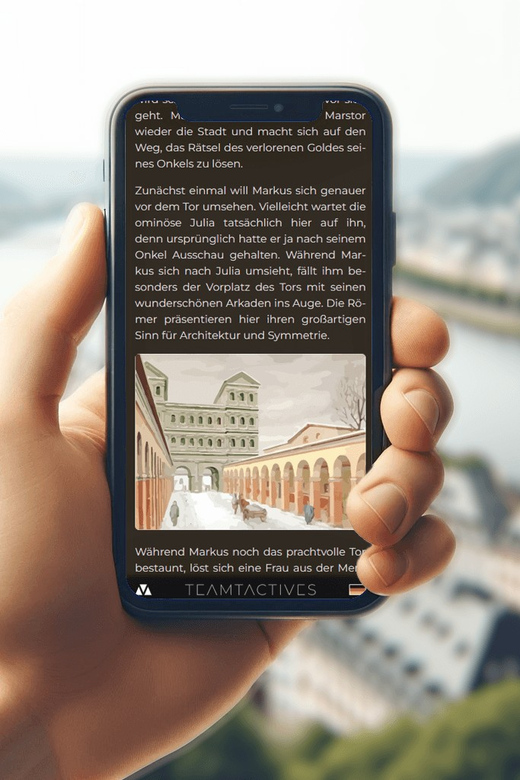
The puzzle difficulty is listed as 2 out of 5. In practical terms, that usually means the challenges are meant to be solvable without expert training. You still have to pay attention, but you are not going to spend the entire outing stuck on one riddle.
That balance is why this can work for families. Reviews also suggest the experience is genuinely enjoyable for people trying to solve puzzles together, and one person even felt it could be slightly harder, which is a good sign if you want it accessible but still engaging.
How to use the difficulty level to your advantage:
- If you have younger kids, stick to one person solving while the others read or check answers together.
- If your group likes harder games, you can still make it more challenging by having everyone propose an answer, then compare reasoning.
The best part is that difficulty affects stress. A 2/5 puzzle route is less likely to turn into a “stop and argue” situation mid-walk. It keeps the story moving.
Onward connections from Trier:


Stop 2: Kaiserthermen, finishing the case
The tour ends at Kaiserthermen. Closing a story at a real historic site is satisfying, because you get that final “the mystery is resolved” feeling while standing in a place that belongs to the Roman era.
Like the start, this finish is built into the game flow. You solve puzzles along the way until the tour naturally brings you to the endpoint. Then you are done. No need to keep hunting for more content after you feel mentally ready to wrap up.
If you want an easy travel win, plan your next activity near the end point. Ending at Kaiserthermen makes it simpler to continue exploring Trier without trekking back across town later.
Price and value: $23 for a small team
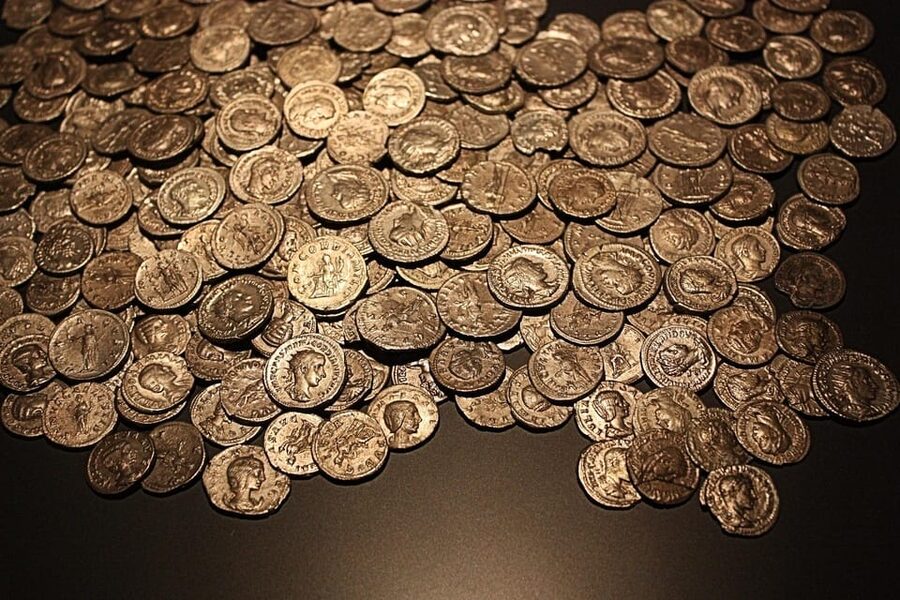
The price is $23 per group up to 3. That pricing structure matters because it turns the tour into a flexible add-on rather than a budget-breaker.
Why this can be good value:
- The content is shared through a token, so your group gets the experience together.
- You get a complete outing (about 90 minutes) without extra per-person costs.
- It replaces some “guided tour time” with an activity you can control, pause, and restart.
What is not included is also worth noting. Transportation to the starting point and from the end point is not included, though both are described as walkable from Trier’s city center. Admission tickets for attractions along the route are also not included. So you should expect to either treat the walk as the main event, or pay for any optional stops separately.
One practical budgeting idea: if you are planning to add museums or Roman sites with entry fees, keep those costs separate from the $23 and you will have fewer surprises.
Language matters: German-only, but still manageable
The tour is currently only available in German. That is the biggest “fit” factor for this specific experience.
If your group includes someone comfortable reading German, you will likely glide through the puzzles and facts without friction. If everyone is starting from scratch, the activity can still be fun, but you may spend extra time decoding instructions.
A simple way to decide:
- Choose this tour if your group can read basic German or is happy to work together using the phone prompts.
- Skip it if you want a fully explained, English-first narrative tour.
Who this Trier mystery tour suits best
This is a strong fit if you want:
- A self-paced outing instead of a timed group tour
- Outdoor walking with story-driven motivation
- A puzzle level that is not too hard, ideal for families
- A way to connect Trier’s Roman sites to an actual plot, with clue-driven navigation
It might be a weaker fit if you want:
- Long, teacher-style explanations throughout
- A tour in English or another language
- An activity where everyone can solve everything independently without reading German
In other words, it is best when your group enjoys the game side of travel, not just the photo side.
Should you book the Trier Merchant’s Gold mystery tour?
I think you should book this if you are visiting Trier and want an easy-to-start, family-friendly way to explore Roman landmarks while solving puzzles along the route. The instant start at Porta Nigra, the short 1.3 km walk, and the 2/5 puzzle difficulty make it a good “we can do this today” activity.
Skip it if language is a deal-breaker for your group, because the tour content is German-only. And if you expect a deep guided lecture at every location, you may feel slightly underfed, since the experience is designed around solving clues more than providing long explanations.
If those trade-offs sound acceptable, this is a smart value choice for a small team that wants Trier to feel like a real adventure.
FAQ
Where does the tour start?
The tour starts at Porta Nigra.
Where does the tour finish?
The tour finishes at Kaiserthermen.
How long does the tour take, and how much walking is involved?
It is a self-guided tour of about 90 minutes with an approximately 1.3 km walk.
What does it cost, and how big is the group?
The price is $23 per group, for groups up to 3 people.
What language is the tour available in?
The tour is currently only available in German.
Do I need to install an app to start?
No. It works as a web app that is ready to use immediately, with no installation needed. You just go to the starting point and begin.
What do I need to bring?
Bring a fully charged smartphone and internet access.
Can I start and stop whenever I want?
Yes. You can start and stop the tour anytime. The tour is also valid for 28 days from the first activation.
Is the tour wheelchair accessible, and are admissions included?
The tour is wheelchair accessible and fully barrier-free. Admission to attractions along the route is not included.
Fresh on the arrivals board for Trier

Trier Tours & Activities, compared.

Guided Old Town Highlights and History Walking Tour
Read our review →


Tour with the Trier Night Watchman – Costume Tour
Read our review →
Browse the lists this tour appears in