
Reviewed · GUIDED WALKS IN BERLIN
Sachsenhausen Memorial: Walking Tour from Berlin
Berlin makes it easy to forget what sits just beyond the city limits. This tour takes you to Sachsenhausen Memorial, the Nazi camp closest to the capital, so the scale feels real fast. I especially like the focused walking route through the most important remains, and I like how guides bring the story down to human decisions, not just dates. One practical catch, it is a lot of walking and there is no lunch stop, so come ready.
You ride north from Berlin to Oranienburg, then spend the heart of the day on foot inside the memorial and museum. The day is heavy, but it is also clear and structured, with stops that explain how SS power was built into the camp itself, including Station Z. The possible downside for some people is that you must be prompt for the train connection, because the guided part starts immediately after boarding.
In This Review
- Key highlights you should know before you go
- Why Sachsenhausen feels different when you are this close to Berlin
- Getting there from Berlin, and why being on time is non-negotiable
- The walking route inside Sachsenhausen: what the guide focuses on
- Tower A, roll-call square, and the way space controlled people
- Forced labor, punishment systems, prisons, and medical rooms
- The kitchen museum, Station Z, and the end-of-line horror
- What you learn about resistance and the death marches
- Return to Berlin: plan for a long, thoughtful day
- Price and value: is $511 per group up to 6 worth it?
- Who should book this Sachsenhausen tour, and who might want to skip it
- Should you book this tour?
- FAQ
- How long is the Sachsenhausen Memorial walking tour from Berlin?
- What portion of the day is the guided walking tour at Sachsenhausen?
- Where do we go first, and how do we get to the memorial?
- What train station is closest to the memorial?
- What guide languages are available?
- Is there a memorial donation?
- Are public transport tickets included?
- Is there a lunch stop?
- How small is the group?
- What should I bring and wear?
Key highlights you should know before you go
- A 3.5-hour guided walking tour at the memorial, with a certified guide and a clear route
- Key camp locations on the ground, from Tower A and the roll-call square to Station Z
- Architecture as a weapon, with explanations of how Nazi designers used space for control
- A group day done responsibly, with a small-group feel and a professional, empathetic approach
- Bring lunch for the train, since eating is not permitted on the memorial site and there is no stop
Why Sachsenhausen feels different when you are this close to Berlin
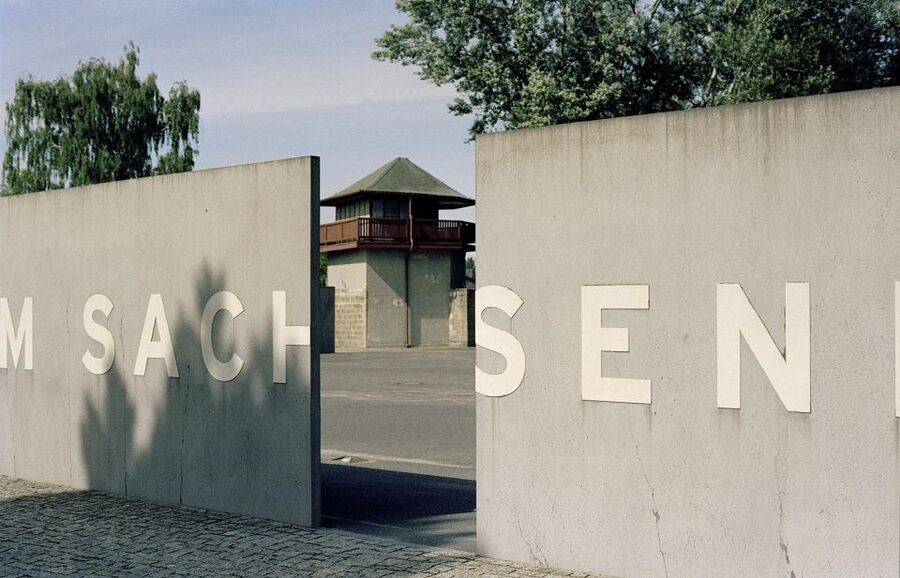
Sachsenhausen is not one of those far-away sites where you have time to mentally distance yourself. It is just a few kilometers north of Berlin, and that proximity matters. This camp was built in 1936, used early on to imprison political opponents, and later expanded to hold many other groups, including Jews, Sinti and Roma, prisoners of war, and Jehovah’s Witnesses. If you want to understand how Nazi dictatorship ran like a system, being so close to the Nazi power center makes the story land.
What I like most is that the tour treats the camp as a designed machine. You do not just walk past remnants and hope your brain connects the dots. The guide explains how the Nazi authorities planned the space to enforce total subjugation to SS authority. That theme helps you understand why certain buildings, squares, and routes mattered.
There is also a human layer to what you learn. Daily life in the camp, prisoners’ attempts at resistance, and the end-of-war death marches are not tacked on as afterthoughts. You come away with a better grasp of the mechanisms of terror, not just the outcomes.
More Guided Walks in Berlin
- Discover Berlin Half-Day Walking Tour
★ 5.0 · 9,624 reviews - Berlin City walk Government District and Places of Democracy
★ 4.7 · 8,467 reviews - Berlin: Third Reich & Cold War Guided Walking Tour
★ 4.9 · 8,378 reviews
Getting there from Berlin, and why being on time is non-negotiable
The plan starts in Berlin and then you go together by public transport to Oranienburg, the nearest station to the memorial. The distance is about 35 km north of Berlin, and you are not flying in. This is a real transit day, with a real timetable.
Here is the thing to watch: the group most likely takes the train about 5 minutes after the official start time of the tour. The guide is not going to wait. To avoid missing the train, you need to arrive at least 15 minutes before the scheduled start time at the meeting point, which varies depending on the option you book.
Also, the tour does not include your ABC public transport tickets. You should buy a 24-hour ticket covering zones ABC for Berlin. Bring it with you, and keep it accessible. This is one of those days where tiny friction can snowball, because you cannot easily fix a missed connection.
Finally, dress like this is an all-weather walking day. You will be out in the elements for a long time, so comfortable shoes are not optional.
The walking route inside Sachsenhausen: what the guide focuses on
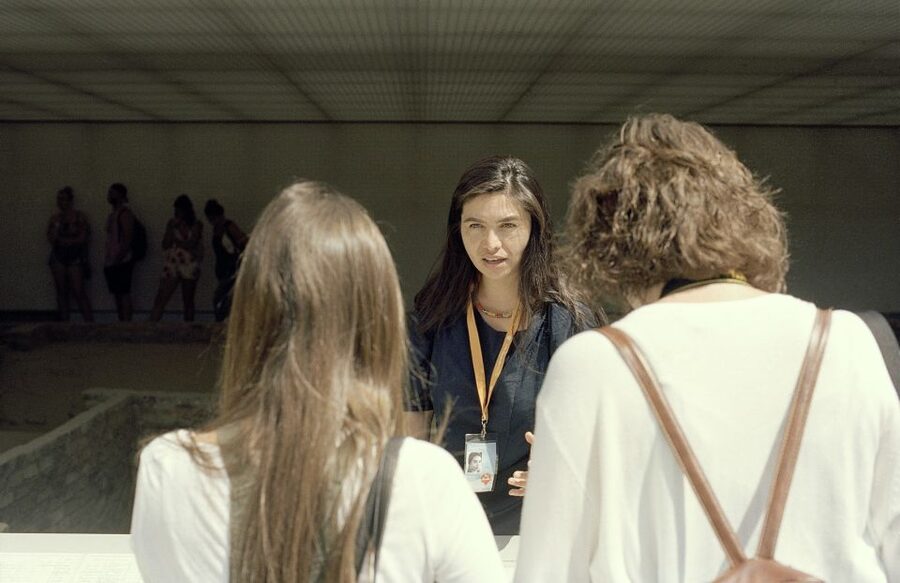
Once you reach the memorial, you get a guided walking tour of about 3.5 hours. The pacing is designed to move you through the parts of the camp that carry the most meaning today, while also explaining what those parts did during Nazi rule. You are not just looking at ruins, you are learning what the Nazis built, how it functioned, and why it was so effective at breaking people.
Your guide works with historical research and survivor testimonies. That matters because it keeps the tour from turning into cold theory. You hear about the camp’s role as a model SS concentration camp, including how it trained guards and supported the wider system of exploitation and extermination across Nazi Europe.
From what you are told and what you see, you start to notice the logic of the place: SS authority was not only enforced by guards, it was enforced by the environment.
If you are choosing this tour because you want understanding, this is the right format. A guided route prevents the common trap of wandering and missing the main story.
Tower A, roll-call square, and the way space controlled people
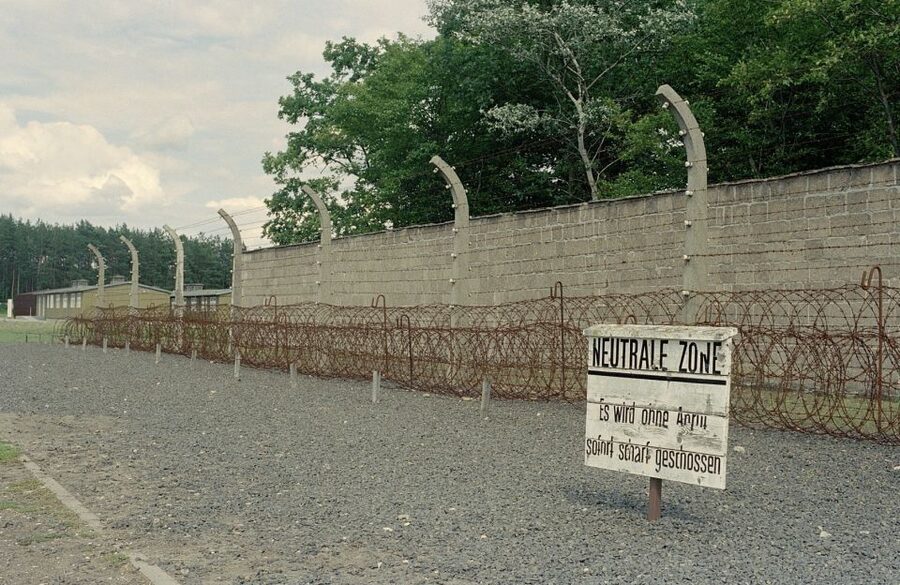
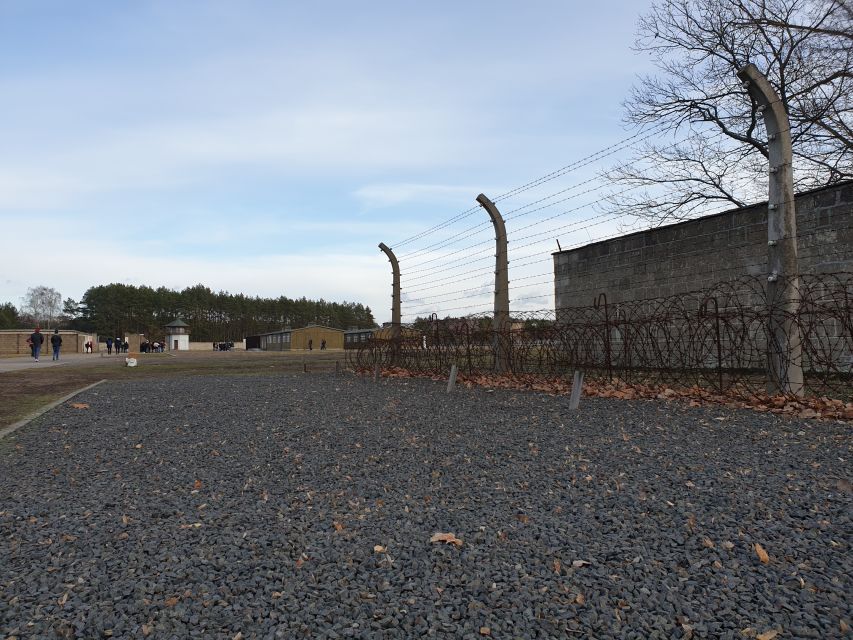
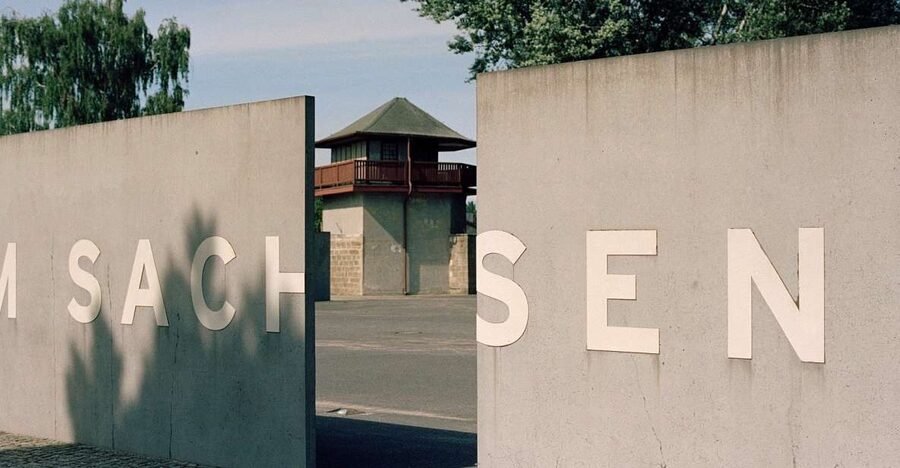
One of the first stops is Tower A and the roll-call square. This is where the tour’s most important lesson starts to click. Nazi camp design was not accidental. Architecture helped enforce obedience.
At a roll-call square, the point is collective control. Everyone is visible, everyone is accounted for, and the act of standing in place becomes part of punishment and routine. Tower A and the sightlines around it reinforce who had power and who was being watched.
The guide also connects these physical features to the broader Nazi aim of subjugation to SS authority. You start to understand that the camp was designed to limit choice, break resistance, and keep prisoners in constant awareness of surveillance.
This is also where your body gets involved, because you are physically walking through the same kinds of spaces that structured prisoners’ daily experience. If you do not like tours with strong emotional content, you may find this section especially difficult. But if you are here for education, it is one of the best-structured parts of the day.
Forced labor, punishment systems, prisons, and medical rooms
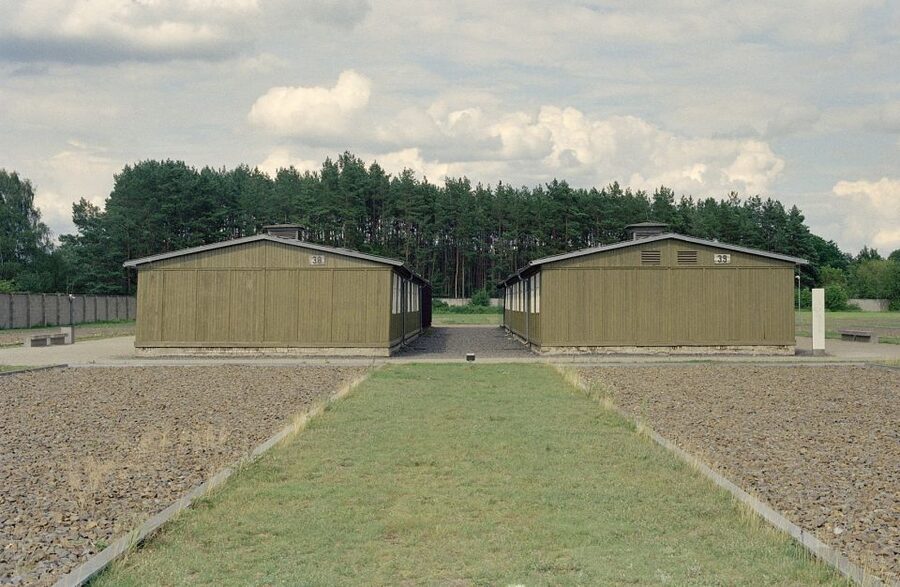
After you understand the camp layout, the tour shifts into the camp’s daily machinery. You learn about the system of forced labor and punishment, and you see how certain areas functioned as instruments of terror.
The tour includes stops related to prison barracks and medical experimentation rooms. That part can be tough, because it is about abuse carried out in the name of control and ideology. The guide explains how the camp evolved over time, starting with political opponents and expanding to other targeted groups as the Nazi system hardened.
You also learn how the Nazis used physical space to regulate bodies and movement. It is not just that people suffered. It is that the place was built to keep them suffering.
One value of this tour is that it does not skip the uncomfortable details. Instead, it frames them in a way that helps you understand the system, including how the camp worked alongside wider exploitation networks.
Other visits to the Sachsenhausen memorial:
The kitchen museum, Station Z, and the end-of-line horror
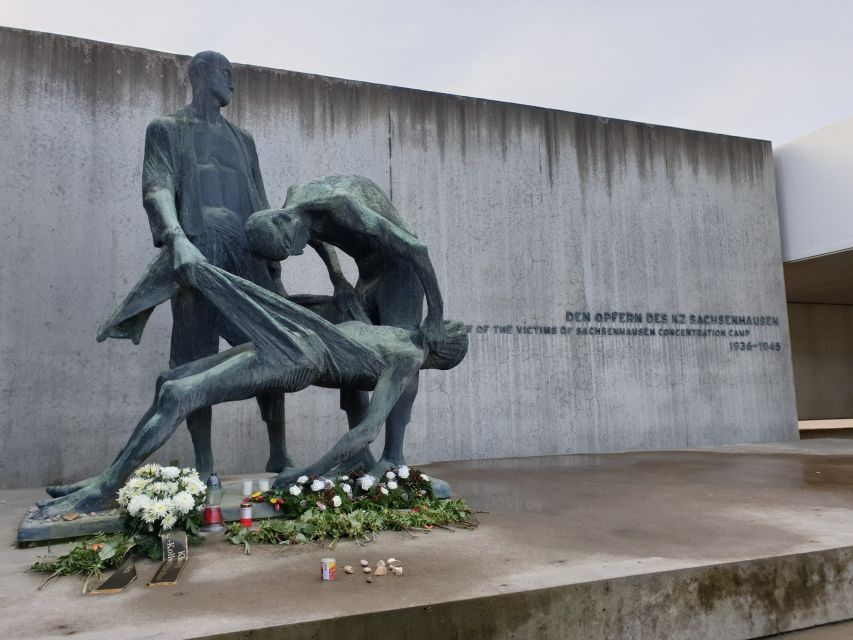
You will also visit areas such as the former kitchen, now presented as part of the museum. It can be easy to assume the camp story is only about violence. But the tour uses places like the kitchen to show how everyday routines were still part of the oppression system.
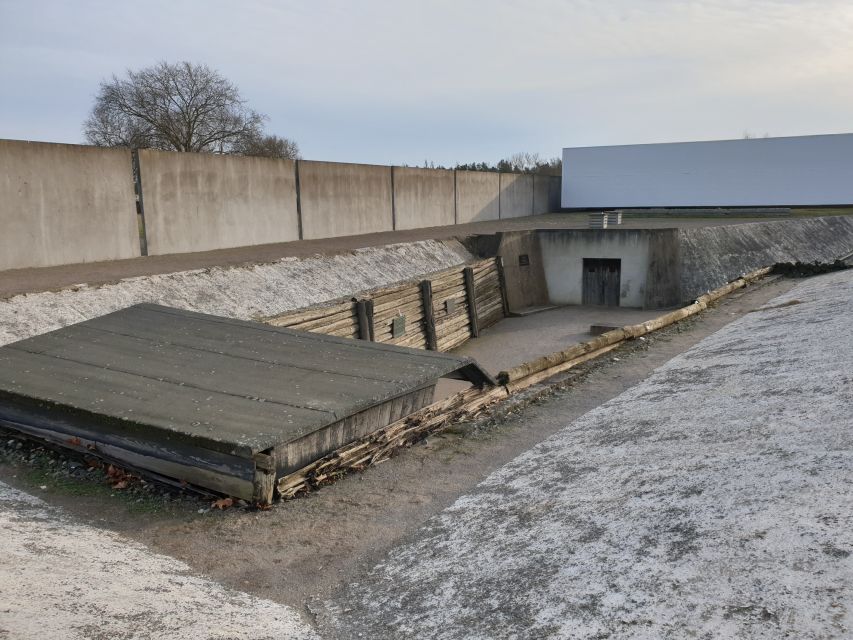
Then comes Station Z, where the crematoriums and gas chamber once stood. This is one of the hardest sections. The guide presents what happened there in a factual way and ties it back to the camp’s role in the Nazi extermination and terror machinery.
If you want the clearest understanding of how the system moved from imprisonment and punishment toward mass killing, this is the stop that helps you grasp the full scope. It turns the camp from a place you heard about into a place you can actually locate in your mind.
I also appreciate that the tour includes context about the camp’s function as a training center for SS guards. That helps explain why Sachsenhausen was not just a site of suffering but a tool of Nazi power-building.
What you learn about resistance and the death marches
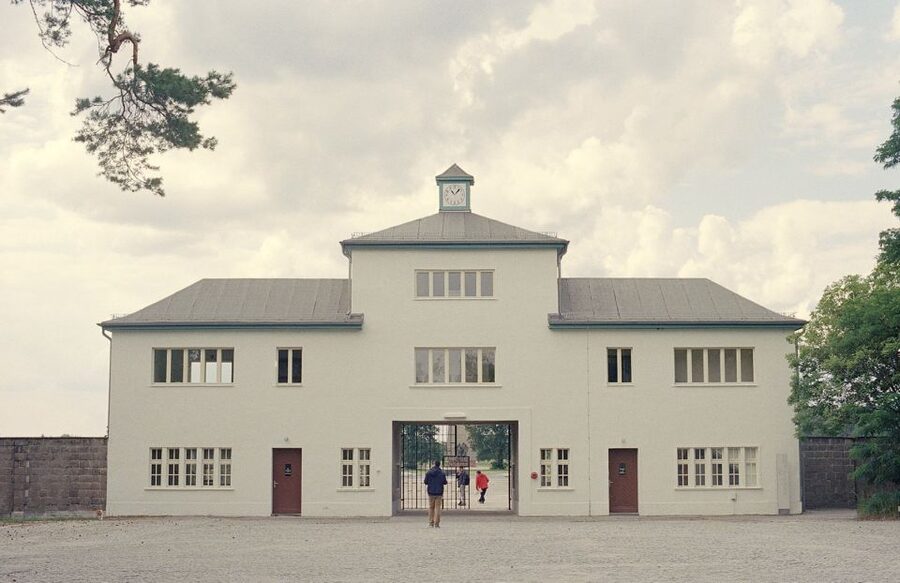
Good history tours do not end at the moment the Nazis controlled everything. This one goes further.
You learn about prisoners’ attempts at resistance and what life could look like when survival depended on small chances and constant risk. You also learn about the death marches at the end of the war. That matters because it shows that Nazi violence did not stop when the regime started collapsing. It moved, it shifted, and people continued to die in brutal conditions.
After hearing about those final months, the postwar story of the site becomes more meaningful. Under Soviet occupation, Sachsenhausen continued to operate as a special camp where thousands were detained, including former Nazis, political opponents, and civilians. Many died due to hunger and disease.
This is where you get the full arc of why memorial sites exist. They are not only about naming perpetrators. They are also about preserving evidence, remembering victims, and explaining how political terror spreads.
Return to Berlin: plan for a long, thoughtful day
After the guided portion, you return together to Berlin. There are two drop-off points listed, Potsdamer Platz 10 and Friedrichstraße 141, depending on the option.
Because you are walking a lot and eating is not permitted on the memorial site, you should treat this as a day meal planning challenge. The recommendation is to bring your own lunch for the train journey, since there is no lunch stop during the whole activity. This is one of those details that can affect your experience more than you expect. If you arrive hungry, the second half of the day will feel harder than it needs to be.
My practical tip: pack water and simple snacks for the transit portion, and keep them separate from anything you might want during the memorial visit, since eating is not allowed there.
Price and value: is $511 per group up to 6 worth it?
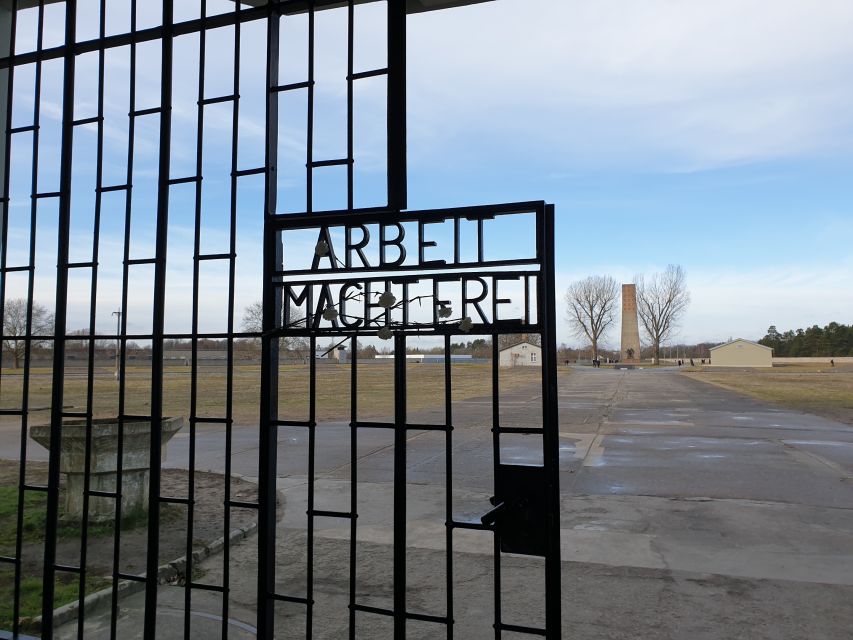
The price is listed as $511 per group up to 6, and the tour runs about 6 hours. That framing is important. This is not an economy mass tour. It is a paid guided experience where you are getting a structured walking visit, professional guidance, and a route through key parts of the memorial and museum.
To judge value, look at what is included versus what you must pay separately. Included is the walking tour with a guide for a small group, and languages offered include French, Italian, and English, depending on the departure. You also pay a mandatory memorial donation of €3 in cash at the meeting point, and you handle your own Berlin ABC public transport ticket.
If you have a group near the top size of 6, the cost works out to about $85 per person for the guided portion, before the €3 donation and your transport ticket. If you are coming alone or as a pair, the per-person value drops, but the shared-group format can still be worth it for the quality of the guiding and the time efficiency of going together by train.
I think the big value is the guide’s role. The reviews repeatedly point to guides who are both prepared and emotionally respectful, with real communication skills about a delicate topic. Some named guides from recent groups include Fabio, Soleil, Lorenzo, Sueli, and Andrea, and the consistent theme is that the stories feel guided, not thrown at you. That makes a big difference at a site like this, where you need clarity more than volume.
Who should book this Sachsenhausen tour, and who might want to skip it
I would book this if you:
- Want a guided, structured visit to a Nazi camp site, with specific stops like Tower A and Station Z
- Prefer a clear explanation of how space and architecture supported oppression
- Like history that explains systems, not just individual events
I would think twice if you:
- Have low tolerance for heavy, emotionally intense content, especially when you reach Station Z
- Struggle with long walking days and all-weather outdoor time
- Do not want to plan meals, since there is no lunch stop and eating is not permitted on the memorial site
This is also a good match for travelers who want to understand how camps functioned across Nazi Europe, including the training role for SS guards and the link between political persecution and racist terror. If Berlin already feels like a lot, this adds a necessary, uncomfortable layer just outside it.
Should you book this tour?
If you are coming to Berlin and you want one trip that turns your knowledge into understanding, this is a strong choice. The route is focused, the guiding is professional and empathetic, and you get to see the camp’s logic on foot, including the parts that show how the Nazis designed control into the environment.
Book it if you can commit to punctual transit, comfortable shoes, and a no-lunch-stop day. Skip it if you need a lighter day or you are hoping for a casual sightseeing outing.
If you do book, plan ahead for food and transport, arrive early enough to catch the connection, and give the guide your attention. At Sachsenhausen, that is what turns a visit into real learning.
FAQ
How long is the Sachsenhausen Memorial walking tour from Berlin?
The full experience lasts about 6 hours.
What portion of the day is the guided walking tour at Sachsenhausen?
The guided walking tour at the memorial is about 3.5 hours.
Where do we go first, and how do we get to the memorial?
You start in Berlin and travel together by public transport to Oranienburg, the nearest station to the memorial site.
What train station is closest to the memorial?
Oranienburg is listed as the nearest station to the Sachsenhausen Memorial.
What guide languages are available?
Guides are available in French, Italian, and English.
Is there a memorial donation?
Yes. You must pay a mandatory €3 memorial donation in cash at the meeting point.
Are public transport tickets included?
No. You need ABC public transport tickets for Berlin, and it is recommended to buy a 24-hour ticket.
Is there a lunch stop?
No. There is no lunch stop during the activity, and eating is not permitted on the memorial site. It is recommended that you bring your own lunch for the train journey.
How small is the group?
The tour is described as groups of up to 25 people, with a private group option also available.
What should I bring and wear?
Bring comfortable shoes, food and drinks for the allowed eating times, and your public transport ticket. The tour operates in all weathers, so dress accordingly. Smoking, alcohol, drugs, and nudity are not allowed.
Cities at Walking Speed
- Berlin: Discover Berlin Walking Tour
★ 4.9 · 5,998 reviews - Berlin’s Best: 2 Hour Walking Tour Third Reich and the Cold War
★ 5.0 · 5,486 reviews - Berlin: Hidden Backyards Guided Walking Tour
★ 4.8 · 5,360 reviews - Third Reich Berlin: Hitler and WWII Walking Tour
★ 5.0 · 3,301 reviews
Fresh on the arrivals board for Berlin
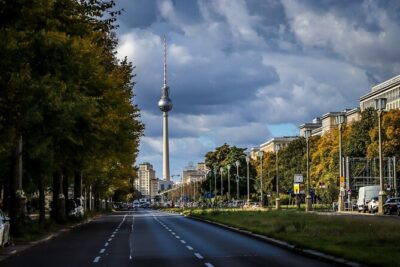


Guided Walks in Berlin, compared.
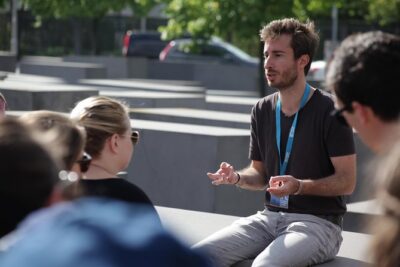
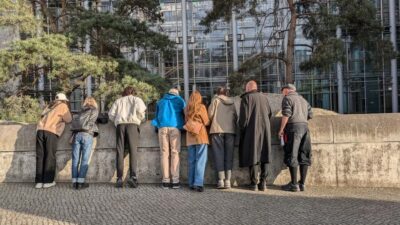
Berlin City walk Government District and Places of Democracy
Read our review →
Berlin’s Best: 2 Hour Walking Tour Third Reich and the Cold War
Read our review →
Third Reich Berlin: Hitler and WWII Walking Tour
Read our review →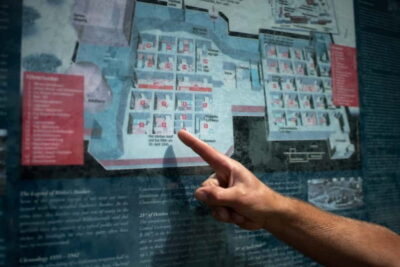
Browse the lists this tour appears in