
Reviewed · SACHSENHAUSEN MEMORIAL VISITS FROM BERLIN
Berlin & Sachsenhausen: 5-Hour Tour “Third Reich” by VW-Bus
Nazi Germany has a paper trail you can walk. I like how this private VW-bus format connects government addresses in 1930s Berlin with what you see at Topography of Terror and Sachsenhausen. The other thing I really value is the pacing, you get room to ask questions and process the places without being squeezed into a large crowd.
There is one practical drawback to plan around: food and drink are not included, so you’ll want to eat before or bring a simple plan for afterwards.
In This Review
- Key highlights worth your time
- A 5-hour Third Reich route with real stops, not just stories
- Hotel pickup, VW-bus comfort, and a private-group pace
- Wilhelmstrasse: where Berlin’s administration became a weapon
- From Brandenburg Gate to Platz des Volksaufstandes 1953: the torchlight route
- Adenauer’s hiding place, the Propaganda Ministry, and Göring’s air ministry link
- Topography of Terror: perpetrators, documentation, and prison remnants
- Sachsenhausen Memorial: why it functioned so close to Berlin
- How the 5-hour timing works for your attention span
- Price and value: is $448 per group up to 2 a good deal?
- Who this tour suits best (and who may want something else)
- Should you book this tour?
- FAQ
- How long is the Berlin and Sachsenhausen Third Reich tour?
- How much does the tour cost?
- Is hotel pickup included?
- What transport do we use?
- Which sites are visited in Berlin?
- What is visited outside Berlin?
- Is the guide included?
- Are meals included?
- What languages are offered?
- Is the tour wheelchair accessible?
Key highlights worth your time
- Hotel pickup within 10 km of Brandenburg Gate makes the start easy
- Wilhelmstrasse + ministerial sites show how the Nazi system ran day to day
- Topography of Terror documentation center links perpetrators to specific locations, including prison remnants
- Sachsenhausen Memorial in Oranienburg connects Berlin power to a real camp that trained and inspected
- Air-conditioned VW bus keeps the transfer comfortable
A 5-hour Third Reich route with real stops, not just stories
This tour is built for one core goal: following how Nazi power worked in Berlin, then seeing the concentration camp system at Sachsenhausen. It is not the kind of history tour that only points at monuments from the outside. You move through the places where decisions were made, enforced, and documented, then you end at a memorial that explains how the machinery of terror was run.
What I like most is the contrast in evidence. Berlin gives you buildings, districts, and political geography. Then Sachsenhausen shifts the focus to the camp as a functioning institution, with a clear role in the wider camp system. The result is a “cause and effect” feeling, not just a list of dates.
The tour runs about 5 hours total, with a calm rhythm. You start with pickup near Brandenburg Gate, travel by air-conditioned VW bus, then spend the day walking and learning at each key site. If you want a fast, focused introduction that still feels grounded in real places, this is a strong fit.
Other visits to the Sachsenhausen memorial:
- Berlin: Sachsenhausen Concentration Camp Tour in English
★ 5.0 · 5,711 reviews - Berlin: Sachsenhausen Concentration Camp Memorial Tour
★ 4.7 · 3,716 reviews - Sachsenhausen Concentration Camp Bus Tour in English from Berlin
★ 5.0 · 1,962 reviews
Hotel pickup, VW-bus comfort, and a private-group pace
Logistics matter on tours about heavy history. You want a guide who can manage time without rushing the emotional parts. Here, the setup helps.
You get hotel pickup and drop-off within 10 kilometers of Brandenburg Gate, and you travel to Oranienburg by air-conditioned VW bus. Because it is a private group, you should expect more room to ask follow-ups. In the feedback, I especially noticed praise for guides taking their time with questions and for the ability to sit with the experience together, including with teenagers or with mobility needs.
Two practical notes before you go:
First, you will be on your feet during walks at major stops. Wear comfortable shoes. Second, no food and drink are included, so plan to eat before you start, especially if your tour time is during a meal window.
Wilhelmstrasse: where Berlin’s administration became a weapon
Your Berlin part starts on Wilhelmstrasse, the government district of Berlin in the 1930s. One detail that helps make the district understandable is that the area was completely rebuilt in just one year. That speed tells you something important: this was not a slow, accidental development of power. It was intentional state-building, done fast, in a very controlled environment.
As you walk through this area, the goal is to connect buildings to functions. Wilhelmstrasse is the administrative backbone. You are not just seeing architecture, you are learning how the Nazi regime organized authority across ministries and offices.
The tour also includes stops tied to specific people and state structures. That is where it becomes more than a scenic history loop. You’re looking at the kinds of spaces where policy, propaganda, surveillance, and repression were planned.
From Brandenburg Gate to Platz des Volksaufstandes 1953: the torchlight route
One of the smartest choices in the itinerary is the walk from the Brandenburg Gate area toward Platz des Volksaufstandes 1953. It is a short travel-style segment, but it carries heavy historical meaning.
You learn about the path Hitler used for a huge torchlight procession on 30 January 1933, when he led the show of force to take possession of the Reich Chancellery. Even if you already know the date, seeing it mapped to the actual streets helps your brain connect propaganda and spectacle to physical control of power.
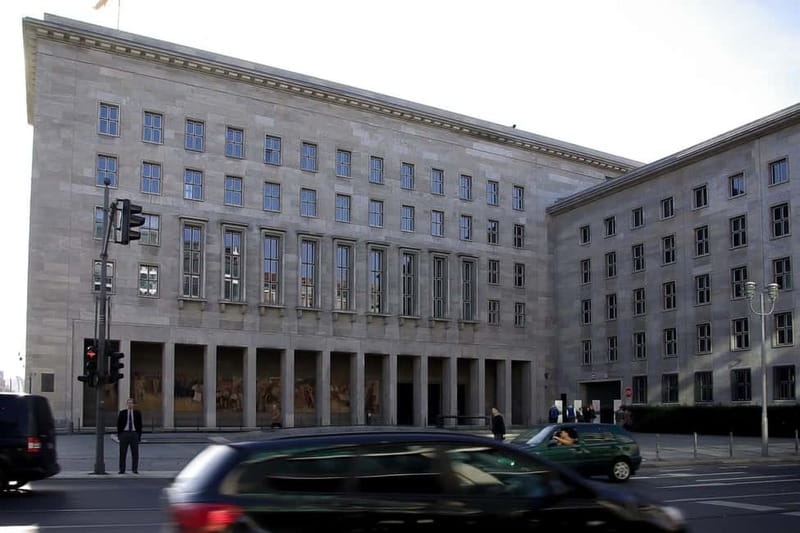
This portion also sets up why the Reich Air Ministry site matters later. The walk becomes a bridge between the political theater of early Nazi rule and the institutions that followed.
Adenauer’s hiding place, the Propaganda Ministry, and Göring’s air ministry link
This tour doesn’t treat famous names like trivia. It uses them to point at how the system worked and who resisted, even if briefly.
You visit the area of the German Ministry for Consumer Protection, where Konrad Adenauer had an official residence and spent more than a month hiding from the Nazis. That detail does not just add drama. It anchors the history in lived risk, showing that Nazi power reached into the everyday safety of public figures.
Next you see the Federal Ministry of Labor, where the Ministry of Propaganda used to be housed. This is a key connection for anyone who wonders how propaganda fit with persecution. It was not separate. It lived close to the state organs that made enforcement possible.
Then you stop by the monument to Georg Elser, whose planned assassination attempt at the Bürgerbräukeller in Munich failed. Bringing Elser into the Berlin story gives you a reminder that there were individuals trying to disrupt the regime, even as the machinery kept moving.
The segment that ties this all together is Platz des Volksaufstandes 1953, where the Reich Air Ministry was located. You also learn that a pre-Wannsee conference on the Final Solution took place here under the leadership of Göring. That is a lot of weight for one stop, and it is precisely why the pacing matters on a private tour. You can ask questions when your mind needs them, instead of waiting for the group to catch up.
Further Third Reich and wartime history tours:
Topography of Terror: perpetrators, documentation, and prison remnants
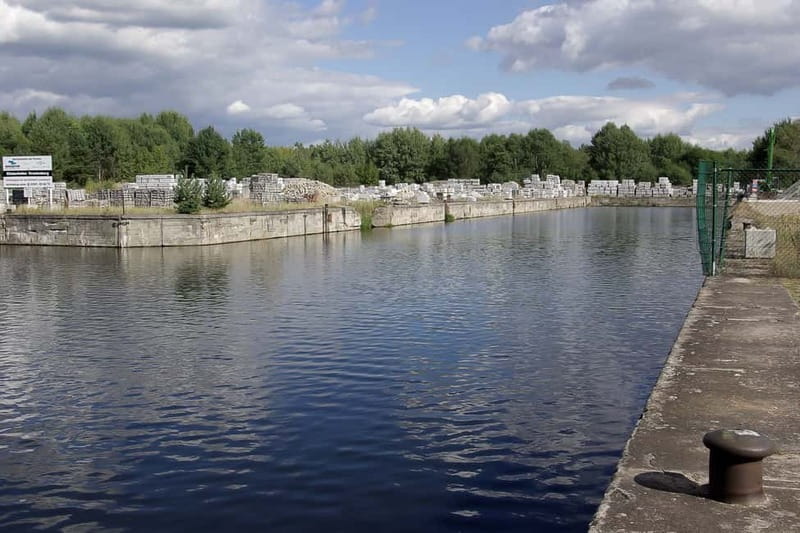
If Berlin’s ministries show how power was organized, Topography of Terror shows how that power documented itself and how oppression was carried out by specific agencies.
At the documentation center, you focus on the perpetrators of oppression, including the Gestapo, the SS, and the Reich Security Head Office. This matters because it keeps the story concrete. You are not only absorbing vague “Nazi evil.” You are learning about the institutions that did the work, and how they fit into the regime.
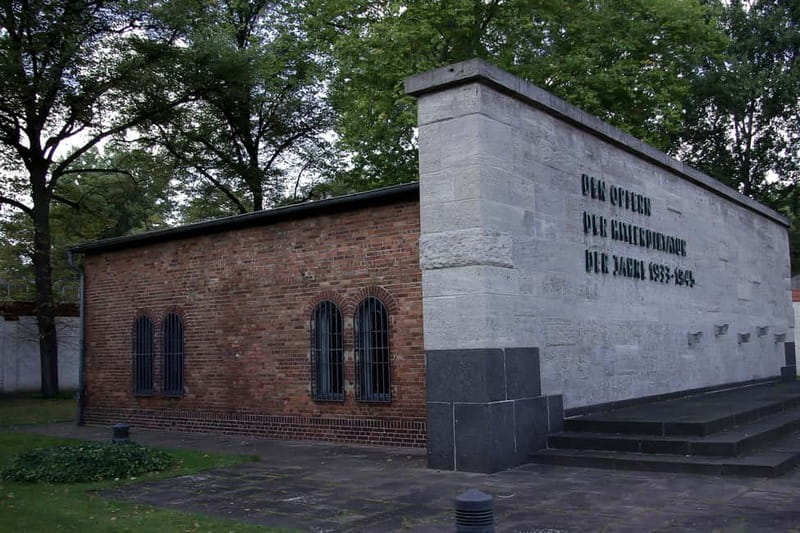
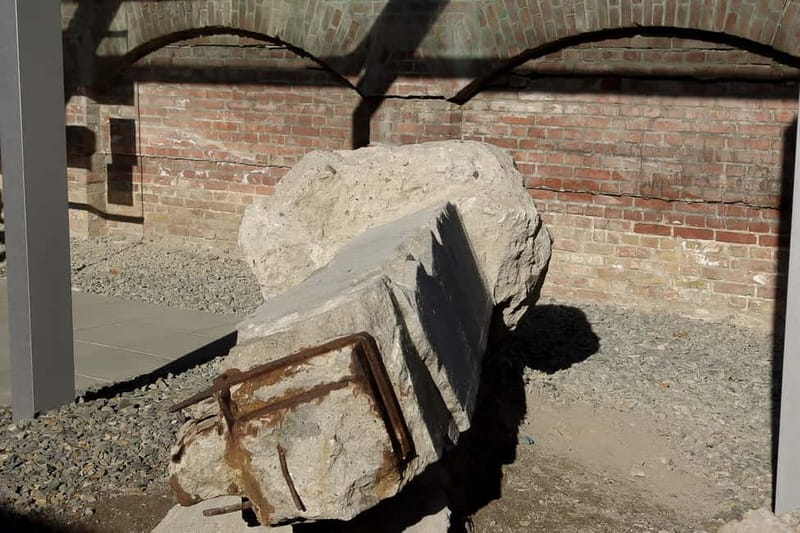
One of the most important elements here is that the tour points you toward remnants of the cells in the infamous prison house. Seeing physical remnants, even partial ones, changes the feeling of the history. It turns abstraction into something you can visualize as confinement, interrogation, and detention, rather than just policy.
This stop is also where you benefit from a good guide. In the feedback, guides like Johannes (and, in German, Herr Westerkamp is also mentioned) were praised for being engaging, patient with questions, and sensitive with this kind of topic. On a subject like this, that human approach matters as much as factual accuracy.
Sachsenhausen Memorial: why it functioned so close to Berlin
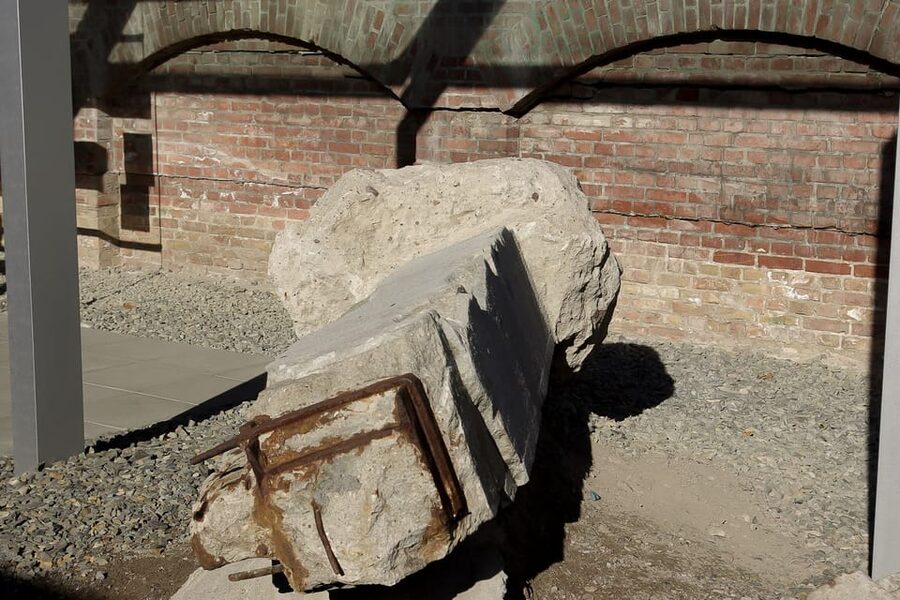
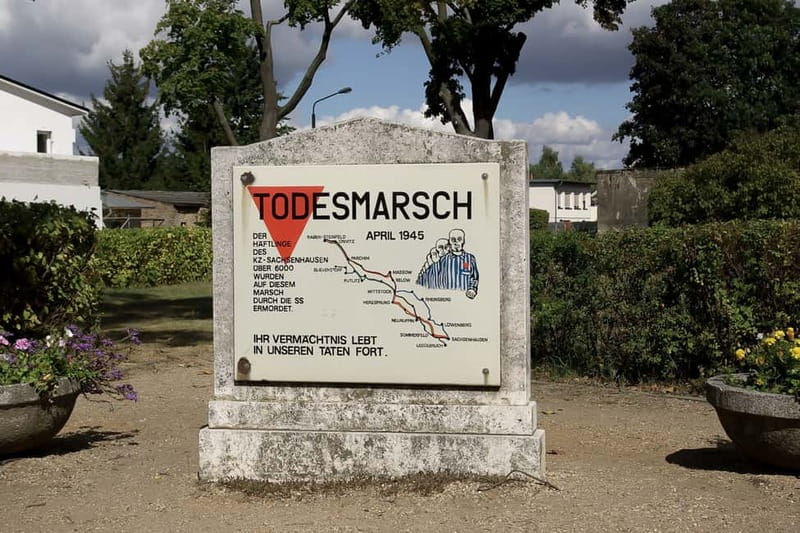
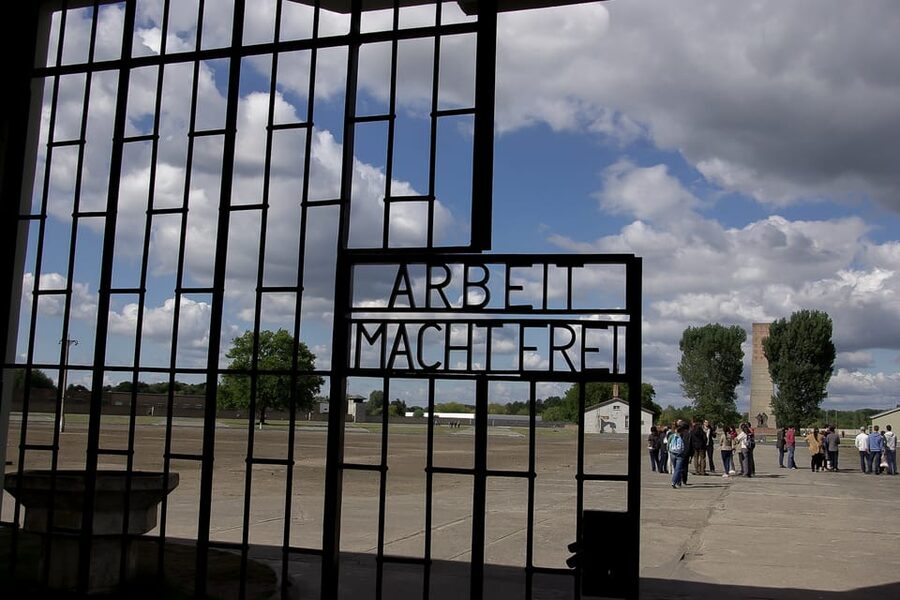
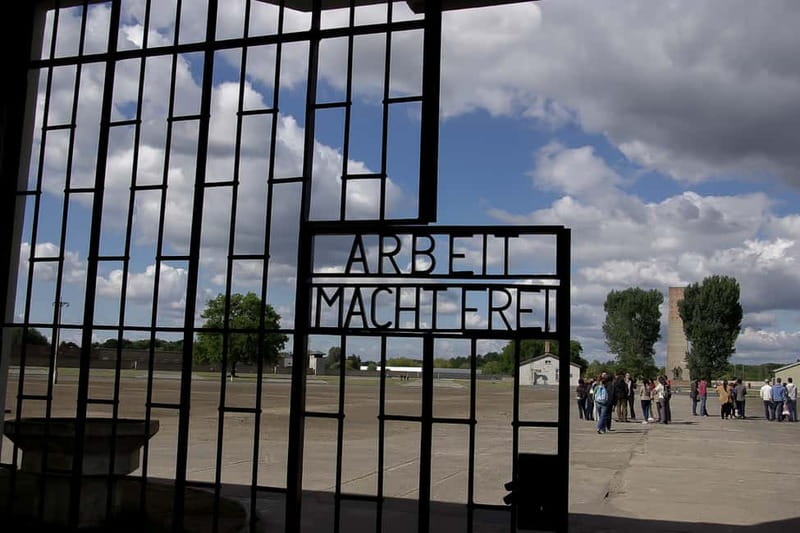
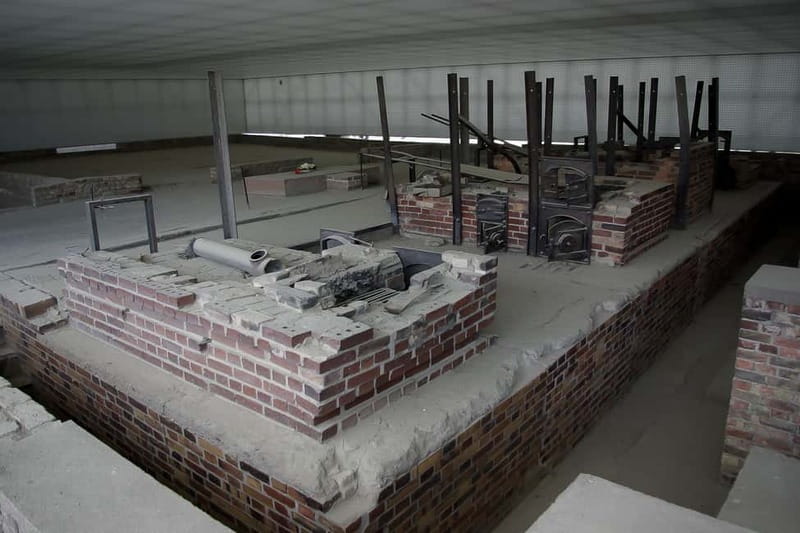
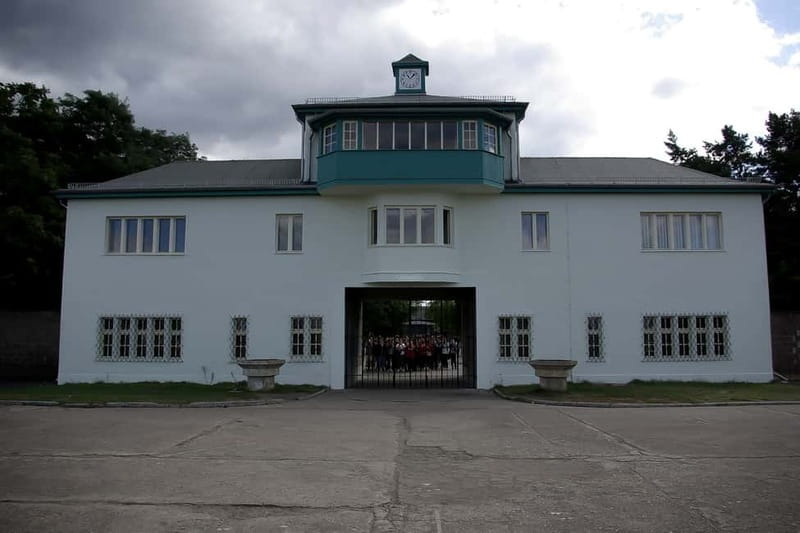
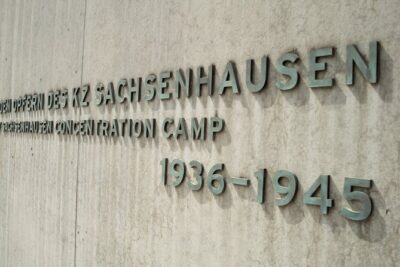
After Berlin, you ride the bus out to Sachsenhausen Memorial in Oranienburg. This is the part many people remember most clearly, because the camp is not just a memorial site. It is a place designed to explain a system.
Sachsenhausen played a significant role as a model and training camp because it was close to Berlin. That proximity matters. It means the camp wasn’t isolated. It was part of the infrastructure that supported the capital’s political center. The itinerary also highlights that it was the official residence of all camp inspectors. That point helps you understand how inspections, administration, and control were structured at the top.
A guide to Sachsenhausen is included, which is a big deal. Camp grounds can look like “lots of space” unless someone connects the layout to the function. Your guide helps make sense of what you are seeing, so you don’t only walk and look, you understand why the place was built this way.
Time is limited by the overall 5-hour duration, so you should expect a focused visit rather than a slow, hours-long immersion. If you are very camp-history hungry, you might want more time. Still, as a single visit that pairs Berlin ministries with the concentration camp system, this is a well-balanced pairing.
How the 5-hour timing works for your attention span
Five hours sounds short for such a heavy topic. Yet the structure makes sense: you get the Berlin district story in a walkable way, then you switch to Oranienburg for the concentration camp overview.
The practical advantage of the time limit is that it helps you focus. You are not trying to cover every memorial, every museum, or every building in Berlin in one shot. You are hitting three core pillars:
1) Wilhelmstrasse administrative power
2) Topography of Terror documentation and cell remnants
3) Sachsenhausen Memorial as a model and training site
The likely drawback is that the Sachsenhausen portion may feel like it could be longer if you want deep detail on every area. Even in the feedback, the comment that the tour might feel too short for more camp viewing shows up. If that sounds like you, you might consider adding extra time on your own at Sachsenhausen after the guided portion ends.
Price and value: is $448 per group up to 2 a good deal?
The price is $448 per group up to 2, for a total duration of 5 hours. That is not cheap by day-tour standards, but it is also not a “pay-per-person massive group bus ride” situation.
The value comes from a few things bundled together:
- Private group format, which usually means better question time and pacing
- Hotel pickup and drop-off within 10 km of Brandenburg Gate
- Air-conditioned VW-bus transport
- A guide to Sachsenhausen concentration camp
- A guided Berlin route connecting multiple historically specific sites
If you are traveling as two people, you are essentially buying a tailored history session with direct transport. If you are traveling solo, you might still find it worthwhile if you strongly prefer private attention over sharing the day with strangers.
Where you should be realistic: this is a short tour. You are buying an efficient overview with strong structure, not a full-day Berlin deep-history marathon.
Who this tour suits best (and who may want something else)
This tour is a good match if you want:
- A clear, guided introduction to Nazi terror sites in Berlin plus Sachsenhausen
- A private-group approach so you can ask questions without feeling rushed
- A balance of political geography (Berlin ministries and propaganda) and camp-system reality (Sachsenhausen)
It may be less ideal if:
- You already know the basics and want a very long, highly detailed camp study
- You prefer a museum-heavy pace with lots of time for silent reading and lingering
For families, it seems to work well when teenagers are with you. In the feedback, the experience with two teenagers and the guide’s ability to handle questions in an engaging way is specifically mentioned. For mobility needs, there is also mention of kindness and support, and the tour is described as wheelchair accessible.
Should you book this tour?
Yes, I’d book it if you want a tight, well-guided route that connects Berlin’s government machinery to Sachsenhausen as an active camp system. The inclusion of both Topography of Terror and Sachsenhausen Memorial, plus the VW-bus transport and pickup, keeps the day from feeling like logistical homework.
I would only hesitate if you know you want many hours at Sachsenhausen specifically. In that case, you can still book this as your guided anchor, but plan extra time later so you can linger where your questions point.
FAQ
How long is the Berlin and Sachsenhausen Third Reich tour?
The tour lasts about 5 hours.
How much does the tour cost?
It costs $448 per group up to 2.
Is hotel pickup included?
Yes. Pickup and drop-off are included for hotels located within 10 kilometers of the Brandenburg Gate in Berlin.
What transport do we use?
You travel by an air-conditioned VW bus.
Which sites are visited in Berlin?
The tour includes Wilhelmstrasse, the Topography of Terror documentation center, and stops connected to locations such as the Reich Aviation Ministry area and other ministerial sites along the route.
What is visited outside Berlin?
You visit the Sachsenhausen concentration camp Memorial in Oranienburg.
Is the guide included?
Yes. You get a live guide for the tour, and a guide to Sachsenhausen concentration camp is included as well.
Are meals included?
No. Food and drink are not included.
What languages are offered?
The live tour guide is available in English and German.
Is the tour wheelchair accessible?
Yes, it is described as wheelchair accessible.
Fresh on the arrivals board for Berlin


Sachsenhausen Memorial Visits from Berlin, compared.
Sachsenhausen Concentration Camp Tour in English
Read our review →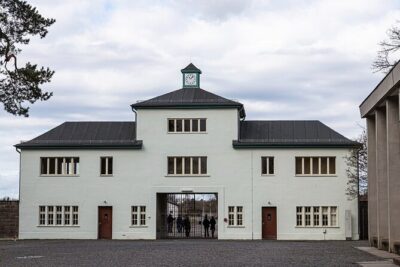
Sachsenhausen Concentration Camp Memorial Tour
Read our review →
Sachsenhausen Concentration Camp Bus Tour in English from Berlin
Read our review →Sachsenhausen Concentration Camp Tour in English
Read our review →
Sachsenhausen Concentration Camp Memorial Tour (Max. 15 Guests)
Read our review →
English Bus Tour to Sachsenhausen Concentration Camp
Read our review →
Sachsenhausen Concentration Camp and Potsdam Tour
Read our review →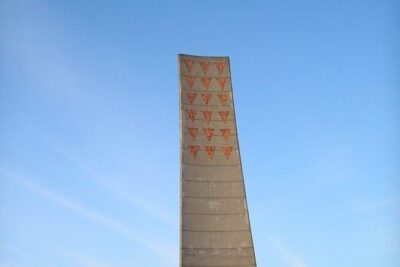
Sachsenhausen Concentration Camp Memorial Tour
Read our review →Browse the lists this tour appears in