
Reviewed · CYCLING TOURS IN BERLIN
Berlin: Private Bike Tour of the Berlin Wall and Third Reich
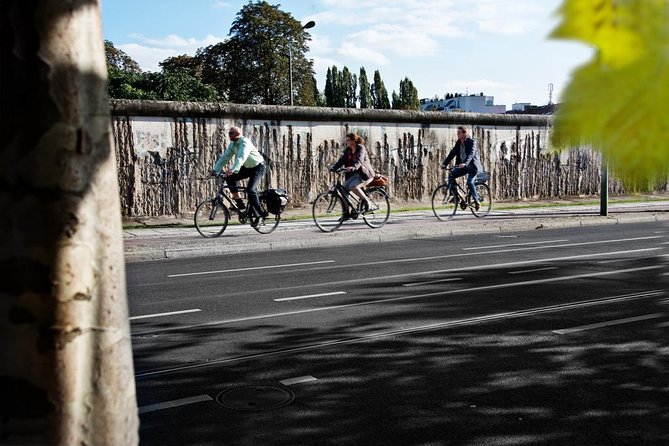
Pedaling Berlin’s Cold War belt feels personal. This private bike tour strings Wall-era places together with Third Reich context, plus major Holocaust memorials, so the story clicks fast.
I like the format because biking helps you cover ground quickly, without losing the human details that matter. I also like the Free-Berlin concept, where each guide builds the route, so your day can match your interests.
One consideration: some stops are exterior views or memorials rather than inside-the-building moments, so if you want museums and long entrances, you may need extra time.
In This Review
- Key things worth knowing before you ride
- Why this private Wall and Third Reich bike tour works in Berlin
- Price and time: what you are really paying for
- The practical setup: meeting point, bike logistics, and comfort
- How the route is shaped by the Free-Berlin concept
- Stop-by-stop: what you’ll see and what it means
- Nikolaiviertel as the starting mindset: real old town, real bombing era
- Jewish heritage and civil courage at the Neue Synagoge site
- A deportation-and-Holocaust memorial with a GDR-era contrast
- The Berlin Wall memorial segment: where the Wall is most understandable
- Mauerpark: a look at how the East tried to define the border
- Humboldthain Flak Tower: Nazi architecture and a panoramic payoff
- Günter Litfin Memorial: the first person shot at the Wall
- Invalidenfriedhof: graves cut in two by the Wall
- Spreebogenpark and Albert Speer’s Great Hall plan
- Reichstag Building: power grab and democratic history from the outside
- Another set of Holocaust memorial stops: multiple victim groups, different messages
- The Holocaust Memorial to the Murdered Jews of Europe: size, meaning, and discomfort
- The Führerbunker site: the place is gone, the lessons are not
- Checkpoint Charlie: why this Cold War corner mattered, and why it depends on language
- What I’d watch for on a day like this
- Who this tour is best for
- Should you book it?
- FAQ
- How long is the Berlin Wall and Third Reich private bike tour?
- What is the price per person?
- Is this tour private?
- What languages are offered?
- Is Checkpoint Charlie included on every tour?
- Do I need to bring a bicycle or a helmet?
- Is the tour family-friendly?
- Does it run in bad weather?
- Where does the tour start and end?
- Is hotel pickup included?
- Can I get a full refund if I cancel?
Key things worth knowing before you ride
- A private group setup, so you are not cycling through history with strangers
- Bike + helmet included, which keeps the day simple and safe
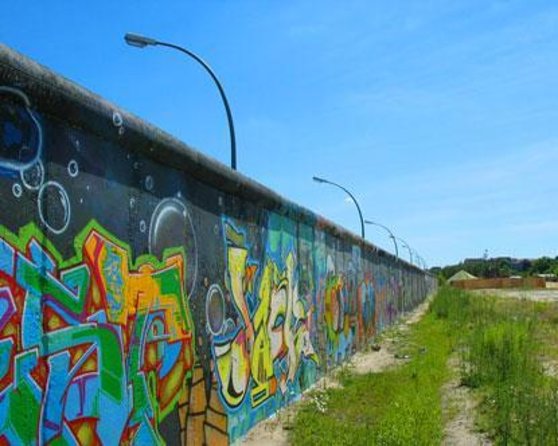
- Wall remnants you can really read on the ground, not just from far away
- Multiple memorial stops, including the big Holocaust memorial and other GDR-era memorial sites
- Checkpoint Charlie is English-version only, so pick your language accordingly
- All-weather operation, so bring gear for cold rain or bright sun
Why this private Wall and Third Reich bike tour works in Berlin
Berlin can feel like a highlight reel until you slow down and connect the dots. A bike tour helps because you are moving through the city as it actually is now, while your guide gives you the “why” behind what you are seeing.
I like that this is a private tour. You can ask questions, you can set your own pace, and the guide can tailor the route to what grabs you most. You also get a real lesson from the cycling rhythm, because you are not stuck waiting for traffic lights and crowds to drain your energy.
And yes, the subject matter is heavy. You are riding past places tied to wartime violence, Nazi power, the Wall, deportation, and the Holocaust. That can be a lot for one day, but the pacing and frequent stops make it manageable.
More Cycling Tours in Berlin
- Berlin: Sights and Highlights Bike Tour with a Local Guide
★ 4.8 · 2,698 reviews - Berlin Highlights 3-Hour Bike Tour
★ 5.0 · 948 reviews - Berlin City Bike Tour with Beer Garden Stop
★ 5.0 · 917 reviews
Price and time: what you are really paying for
At $107.42 per person for about 3 hours, this price makes sense when you look at what is included. You get a professional guide, a bicycle, and a helmet, and you do not have to spend time renting gear or planning routing between distant sites.
Another value point: many stops are admission free. Instead of spending your day buying entry tickets, you spend it learning from the places themselves, with your guide doing the translation from streets and buildings into history.
It is also booked fairly far ahead on average, which tells me people plan this as a core Berlin experience, not a last-minute add-on. So if your schedule is fixed, it helps to lock it in early.
The practical setup: meeting point, bike logistics, and comfort
You meet at Free Berlin Bike Tours & Rental, Poststraße 11, 10178 Berlin, and the tour ends back at the same place. That is a small detail, but it matters because it keeps the day tidy, especially if you plan dinner or another activity right after.
You also get a mobile ticket, and you receive confirmation at booking. The tour runs in all weather, so you are not protected from rain, but you are protected from cancellations based on a forecast.
This is a minimum of 4 persons to operate. Since it is still described as private, that usually means your group goes together when the minimum is met, rather than mixing with other groups.
Kids are welcome, and infant seats can be provided on request. If you travel with family, a bike format can be easier than walking long distances, as long as everyone is comfortable on two wheels.
How the route is shaped by the Free-Berlin concept
This tour uses the Free-Berlin concept, meaning each guide designs their own route. In practice, that matters because history in Berlin is not one straight line. Depending on your guide and your preferences, you can get a slightly different mix of Wall alignment, Third Reich-related architecture, and memorial emphasis.
That flexibility is a plus if you are a history buff who wants the “connective tissue,” not just a list of famous landmarks. It can also be a downside if you expect the exact same stopping pattern every time. Still, the themes stay consistent, and the key Wall and memorial points are clearly part of the core experience.
Stop-by-stop: what you’ll see and what it means
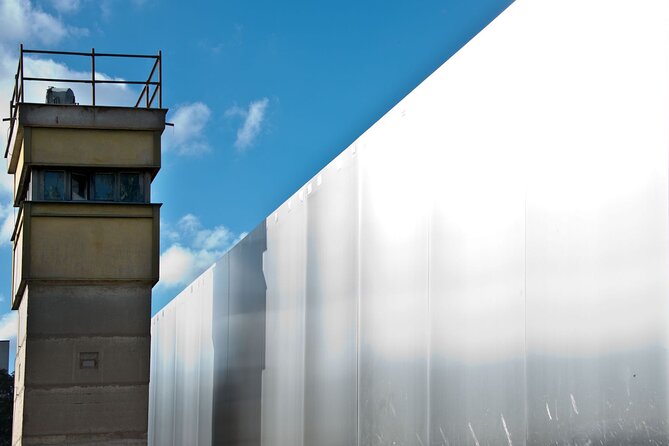
More traces of the Wall through Berlin:
Nikolaiviertel as the starting mindset: real old town, real bombing era
You begin in Nikolaiviertel, described as Berlin’s only true-feeling old town area. The point here is not just nostalgia. It is the chance to talk about how Berlin’s center was shaped by history, including the reality of war and bombings.
Even early in the ride, you are learning that Berlin was never frozen in time. It gets rebuilt, repurposed, and reinterpreted, and that shapes what you see today.
Jewish heritage and civil courage at the Neue Synagoge site
Next is Stiftung Neue Synagoge Berlin – Centrum Judaicum. The story focuses on civil courage, including an episode tied to the night of broken glass, when a police officer helped save the building.
This stop matters because it grounds the broader Berlin narrative in specific people, specific acts, and specific targets. You are not just learning about borders and politics. You are seeing how cultural life was affected and how individuals responded.
A deportation-and-Holocaust memorial with a GDR-era contrast
You then reach a memorial for victims of deportation and the Holocaust that was designed in the GDR era. It is highlighted as a harsh contrast to the more well known memorial near the Brandenburg Gate.
This is a smart inclusion, because it gives you more than one “memory style.” Berlin has multiple layers of remembrance, and the GDR and reunified eras have different ways of expressing trauma.
The Berlin Wall memorial segment: where the Wall is most understandable
You stop at the Memorial of the Berlin Wall at a section where the Wall is still present in a way you can really understand and experience. The tour frames this as the best place for “edutainment,” meaning you get facts with emotional clarity, not just signage.
This is one of those stops where biking makes sense. You can get there quickly, but you are still at a human scale. The Wall is not an abstract line on a map anymore.
Mauerpark: a look at how the East tried to define the border
From there you reach Mauerpark, known today for its Sunday flea market. On the tour, the focus is on how the site reflects persistent attempts by East Germany’s rulers to establish the perfect border.
That contrast is useful. Berlin is full of places that evolved from division to everyday life. When you hear the border logic behind the space, the park stops being just a hangout and becomes a clue.
Humboldthain Flak Tower: Nazi architecture and a panoramic payoff
At Humboldthain Flak Tower, you talk about its role as a giant fortress and air-raid shelter. The stop also gives you a panoramic view and a chance to talk about Nazi architecture and how power tried to look permanent.
Here is the practical value: you get both the “what it was” and the “what it looks like now,” including how the city opens out around it. Even if you do not remember every detail, you usually remember the view and the purpose of the structure.
Günter Litfin Memorial: the first person shot at the Wall
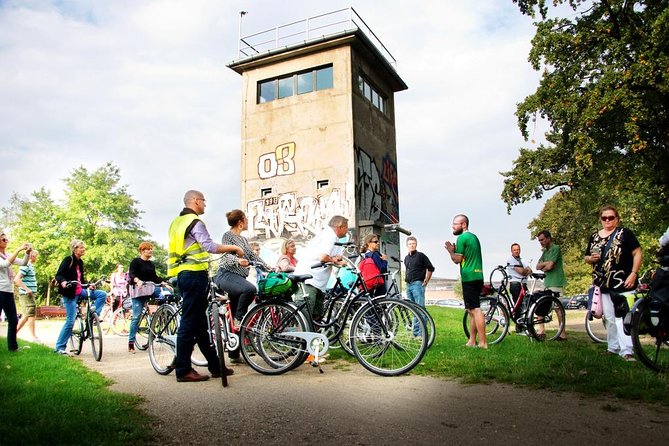
Next is the Gunter Litfin Memorial, centered on an original tower preserved to remember Günter Litfin, described here as the first person shot at the Wall.
This is one of the most sobering moments on the route, because it turns a famous historical event into a specific person. The Wall era becomes less about systems and more about consequences.
Invalidenfriedhof: graves cut in two by the Wall
You then ride to Invalidenfriedhof, a burial ground cut in the middle by the Wall. The tour explains that it was made for the “heroes” of German military history, with an added note that some people are important to remember even if you do not honor them.
This is one of those places where history feels physical. You can often sense the cruelty of a division even before you learn every background fact.
Spreebogenpark and Albert Speer’s Great Hall plan
At Spreebogenpark, you get an overview of Berlin’s governing district and what it aimed to represent. The tour also covers Hitler’s architect Albert Speer and his vision for a Great Hall that would have had enough room for 180,000 people.
This stop is valuable because it connects ideology to built planning. When you understand the scale they imagined, it helps you interpret why certain areas and structures look the way they do.
Reichstag Building: power grab and democratic history from the outside
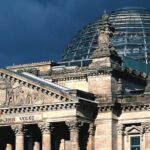
You stop at the Reichstag Building for discussion about Hitler’s grab of power and Germany’s democratic history. You do not have time to go inside, but you still get the best of the exterior context.
If you care a lot about the building itself, you might want to plan a separate time to visit indoors. Still, for a bike tour, you get the key narrative without turning the ride into a museum day.
Another set of Holocaust memorial stops: multiple victim groups, different messages
The route includes additional stops tied to the idea of three memorials for the three biggest victim groups of the Holocaust. The tour also includes a focus on a designed contrast in GDR-era remembrance, so you are seeing how different regimes and eras shape public memory.
This is one area where it helps to listen closely. The names and the intent can blur if you read signs too fast, so take your time and let the guide connect the dots.
The Holocaust Memorial to the Murdered Jews of Europe: size, meaning, and discomfort
You then reach The Holocaust Memorial – Memorial to the Murdered Jews of Europe. It is described as the biggest genocide memorial in the world, created by those responsible for the killing, and it is framed as incredible in size and importance.
This stop is heavy and intentionally so. The guide’s job here is to explain what you are looking at and why the form matters. Even if you only take in part of the explanation, you will leave with a stronger sense of how Berlin insists on remembering.
The Führerbunker site: the place is gone, the lessons are not
You move to Fuhrerbunker, the place where Hitler hid during the last weeks of the war and where he committed suicide. Today, what you can see is essentially a parking lot, but the tour explains why that is the reality.
This stop is a reminder that many sites of power and violence are not preserved as monuments in the way people expect. Berlin chooses different methods of acknowledgment, and your guide helps you read what is missing.
Checkpoint Charlie: why this Cold War corner mattered, and why it depends on language
The tour includes Checkpoint Charlie as a stop only in the English version. The explanation focuses on it as the Cold War’s most famous border station, the only shared one between the USA and USSR, and a moment when a wider war almost started right there in central Berlin.
This is a strong capstone because it shifts you from Nazi-era sites into Cold War pressure. It also shows how the city’s border story did not end in 1945, it changed uniforms and moved into the next era.
What I’d watch for on a day like this
This tour is ideal for people who want structure. If you like drifting, this might feel too intentional, because the history themes are tight and you will be cycling from one point to the next.
You should also think about your comfort level with a bike for about 3 hours. The schedule is built around short stops, quick movements, and frequent changes of mental gear from Wall topics to memorial topics to architecture.
Finally, expect emotional heaviness at multiple stops. You might want to pace yourself with short breaks when the guide offers them, and take a moment if you need air. A private group format can help because the guide can adjust pacing.
Who this tour is best for
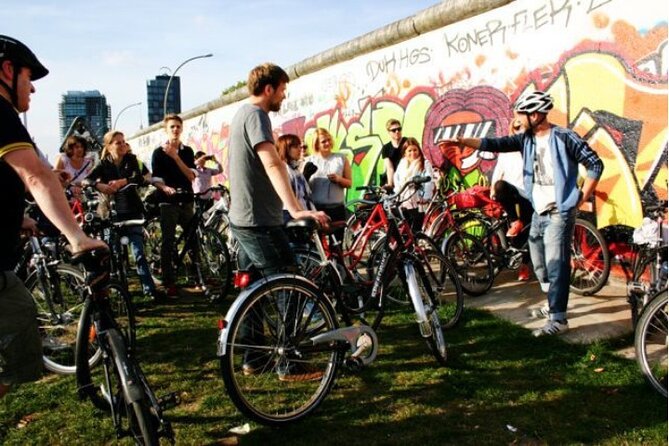
I think this tour fits best for:
- History buffs who want clear context, not just photos
- People who want Wall and Nazi-era stories together, because the connections matter in Berlin
- Travelers who prefer learning while moving, instead of sitting through lectures
- Families who can handle a serious topic at a kid-appropriate level
If you only want one slice of history, like purely Cold War or purely WWII, you might find it dense. But if your brain likes timelines that overlap, this route is built for you.
Should you book it?
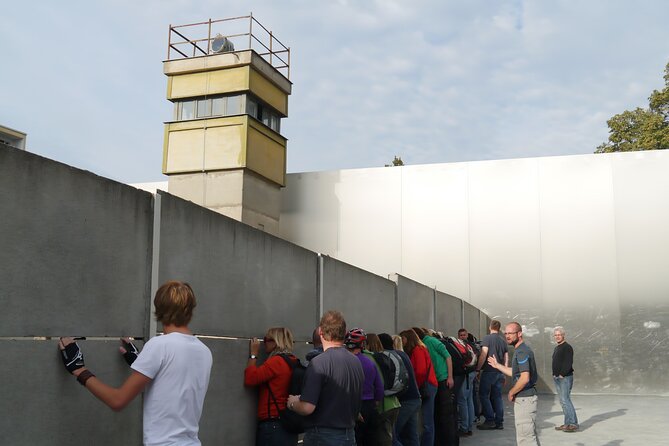
Yes, I would book it if you want a fast, guided way to understand how Berlin’s streets connect to the Wall, the Third Reich, and multiple layers of Holocaust remembrance. The value looks strongest when you factor in what you get for the price: bike, helmet, private guiding, and frequent free stops that keep the day focused.
I would skip or adjust your expectations if you plan to spend most of your trip chasing indoor attractions, because several high-profile stops are explained from outside or at sites that are not preserved as full museum spaces. If you do book, pair it with one separate indoor visit later that day for balance.
If you are trying to choose between language options, remember Checkpoint Charlie is only in the English version, so plan your route accordingly.
FAQ
How long is the Berlin Wall and Third Reich private bike tour?
It lasts about 3 hours.
What is the price per person?
The price is $107.42 per person.
Is this tour private?
Yes. It is a private tour, and only your group participates.
What languages are offered?
The tour is offered in English and German, and other languages may be possible on request.
Is Checkpoint Charlie included on every tour?
Checkpoint Charlie is included only in the English version.
Do I need to bring a bicycle or a helmet?
No. The tour includes use of bicycle and use of helmet.
Is the tour family-friendly?
Yes. Children are welcome, and infant seats can be provided on request. Children must be accompanied by an adult.
Does it run in bad weather?
Yes. It operates in all weather conditions, so dress appropriately.
Where does the tour start and end?
It starts at Free Berlin Bike Tours & Rental, Poststraße 11, 10178 Berlin, Germany and ends back at the same meeting point.
Is hotel pickup included?
No. Hotel pickup and drop-off are not included.
Can I get a full refund if I cancel?
You can get a full refund if you cancel at least 24 hours before the experience starts.
Flat Kilometres
- Berlin Highlights: 3-Hour Bike Tour
★ 4.9 · 809 reviews - Berlin Highlights Sightseeing Bike Tour in Small Groups
★ 5.0 · 652 reviews - Berlin: The Wall and Third Reich Guided Bike Tour
★ 4.8 · 578 reviews - Berlin: Alternative Bike Tour of Kreuzberg & Friedrichshain
★ 4.7 · 548 reviews
Third Reich & Wartime History
- Third Reich Berlin: Hitler and WWII Walking Tour
★ 5.0 · 3,301 reviews - Berlin: Third Reich, Hitler, and WWII Walking Tour
★ 4.9 · 1,757 reviews - Berlin Third Reich Sites: Half-Day Walking Tour
★ 5.0 · 835 reviews - Berlin: History of the Third Reich Guided Walking Tour
★ 4.7 · 791 reviews
Fresh on the arrivals board for Berlin
Cycling Tours in Berlin, compared.
Sights and Highlights Bike Tour with a Local Guide
Read our review →
Berlin Highlights Sightseeing Bike Tour in Small Groups
Read our review →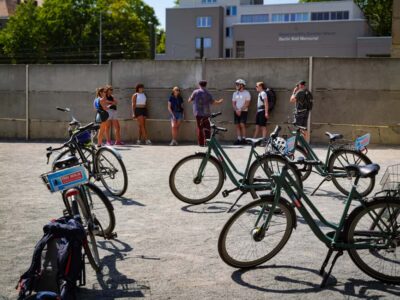
Alternative Bike Tour of Kreuzberg & Friedrichshain
Read our review →
Browse the lists this tour appears in