
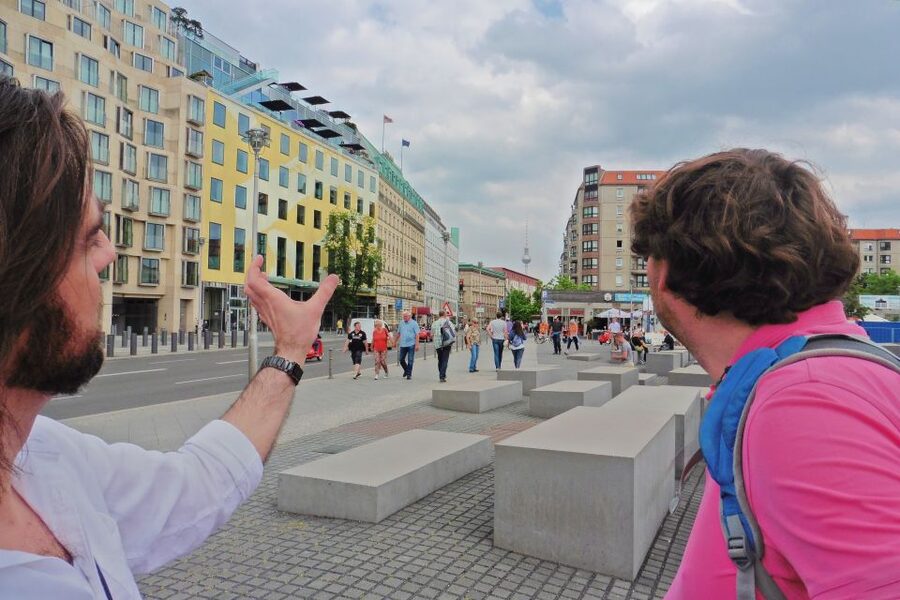
Reviewed · BERLIN WALL TOURS
Berlin: Historical Sights & Berlin Wall Tour with a Berliner
Berlin’s borders are still visible. I like how this small-group route turns famous landmarks into story-powered moments, guided by a local Berliner.
You get a tight, 2-hour format that covers the key sites people come to Berlin for, but with explanations that connect them. One possible drawback: it is a walking tour, so bring comfortable shoes and be ready for all-weather departures.
What I really like is the focus on symbolism, starting at the Brandenburg Gate. You’ll learn why it was isolated for 28 years, then see how that fits into Germany’s long road to reunification.
In This Review
- Key Takeaways Before You Go
- Starting at Brandenburger Tor: Why the Brandenburg Gate Sets the Tone
- Walking Berlin Wall Remains on the Berliner Mauerweg
- Reichstag and Hotel Adlon Kempinski: Short Stops, Big Signals
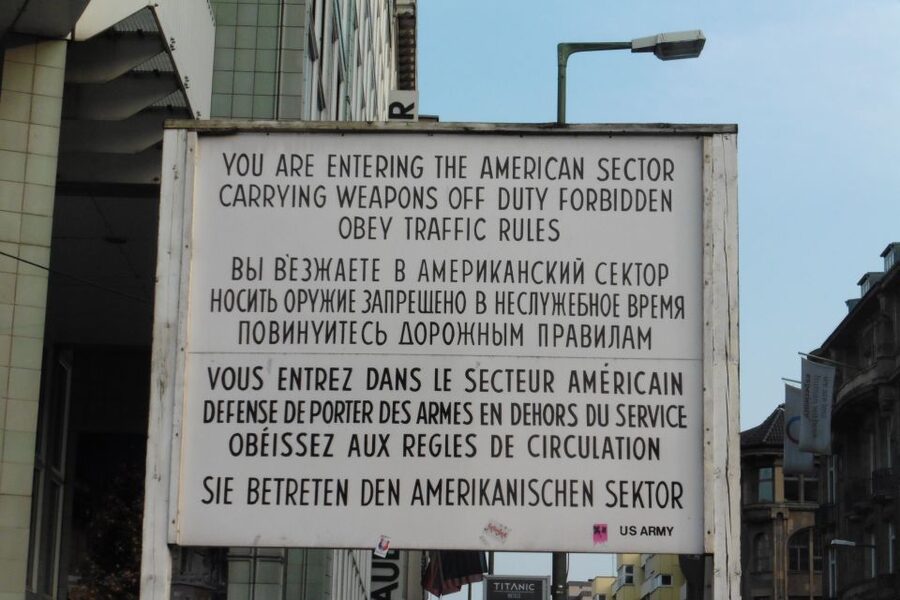
- Checkpoint Charlie: The Allied Border and the 1961 Flashpoint
- Price and Value for a 2-Hour Berlin Wall Walk
- What You’ll Really Learn (Beyond the Landmarks)
- Weather, Clothing, and Walking Pace You Should Plan For
- Should You Book This Berlin Wall Tour?
- FAQ
- How long is the Berlin Historical Sights and Berlin Wall tour?
- How much does the tour cost?
- Where does the tour start and where does it end?
- How large is the group?
- What language is the live guide?
- Does the tour run in bad weather?
- Is the tour wheelchair accessible?
Key Takeaways Before You Go
- Berliner guide, certified and multilingual, so you get context in plain language and can ask follow-ups
- Brandenburg Gate, the Wall remains, and Checkpoint Charlie in one 2-hour loop, with clear historical links
- Escape stories from East Berlin, shared as gripping, human-scale accounts rather than just dates
- Photo stop at Checkpoint Charlie, plus a story about a 1961 altercation that almost sparked World War 3
- Group size capped at 10, which makes it easier to hear the guide and move at a steady pace
Starting at Brandenburger Tor: Why the Brandenburg Gate Sets the Tone
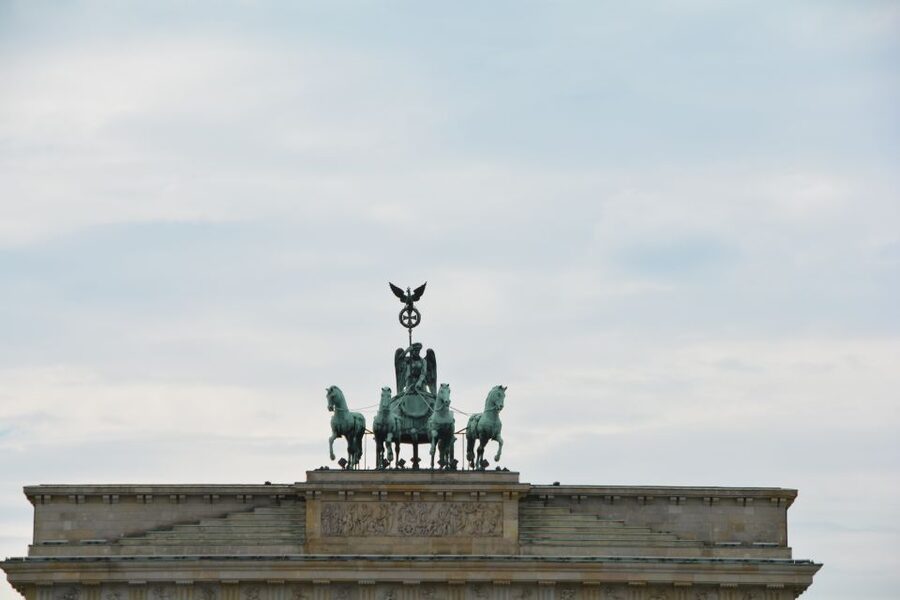
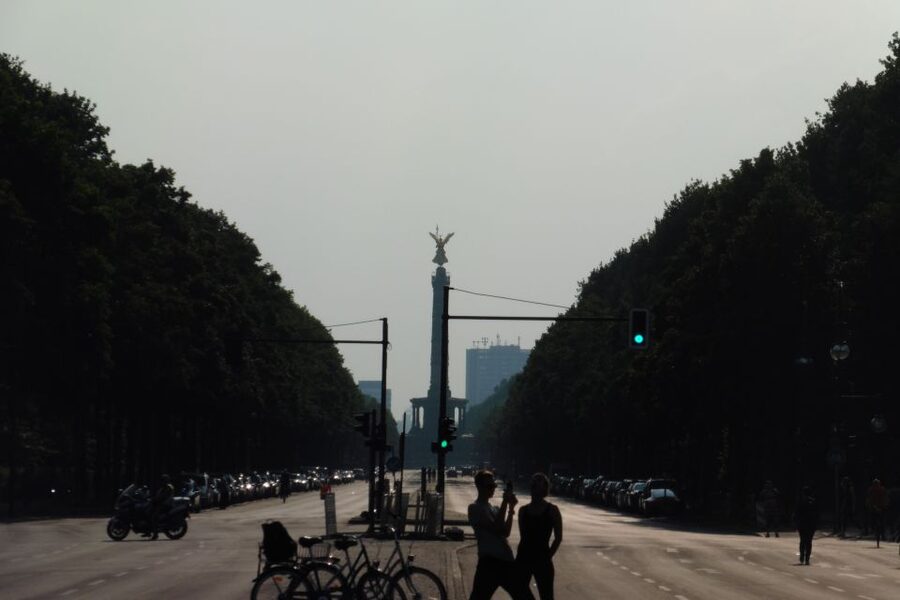
This tour begins at one of the most recognizable places in Germany: the Brandenburg Gate area. The meeting point is at the exit of the metro station S+U Bhf. Brandenburger Tor, exit B toward Pariser Platz / Straße des 17. Juni. Look for the guide with the Get Your Guide – You in Berlin flag.
I like starting here because it works like a headline. Before you even reach the Wall, you’re given the big idea: the Gate is not just a photo spot. It’s a symbol tied to how Germany was separated and later reunited.
Your guide will explain what the Gate meant during the divided years, including why it sat isolated for 28 years. That number matters, because it frames everything you see afterward. Instead of treating the Wall as a random scar on the city, you start to understand it as the physical result of political decisions and daily life restrictions.
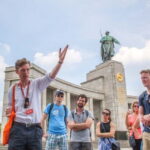
You’ll also get a sense of the tour’s style early on. The guide is the one who connects the dots, and the group stays small enough that you can keep up without feeling rushed. If you’re the kind of traveler who wants history that makes sense, not just history that sounds dramatic, this beginning does a great job of getting you oriented fast.
More traces of the Wall through Berlin:
- Berlin: Third Reich & Cold War Guided Walking Tour
★ 4.9 · 8,378 reviews - Berlin’s Best: 2 Hour Walking Tour Third Reich and the Cold War
★ 5.0 · 5,486 reviews - Skip-the-Line: Berlin Wall Museum at Checkpoint Charlie
★ 4.1 · 2,041 reviews
Walking Berlin Wall Remains on the Berliner Mauerweg
After the Gate, you’ll continue along the former border between East and West Berlin. This is where Berlin stops being a list of monuments and starts becoming a story you can walk through.
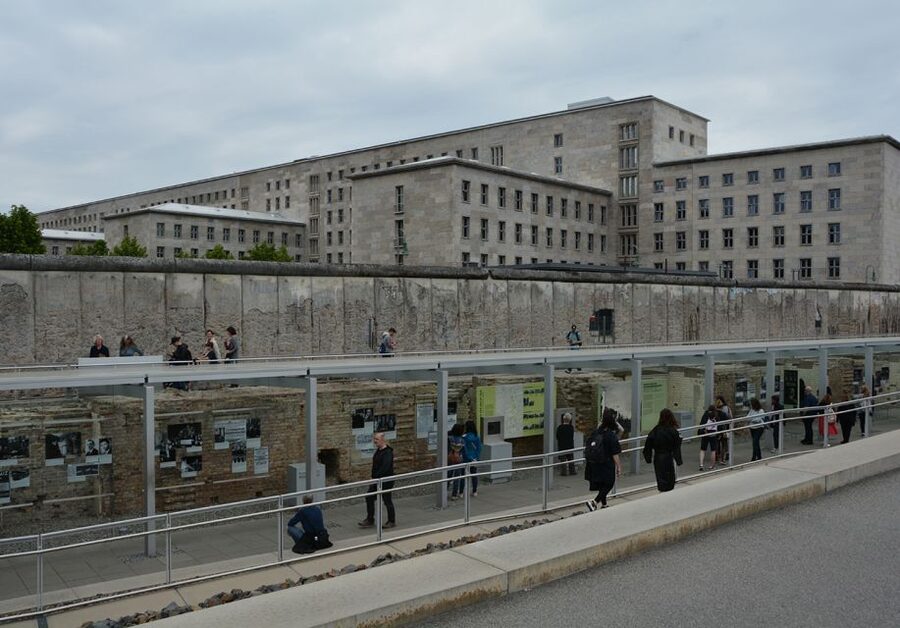
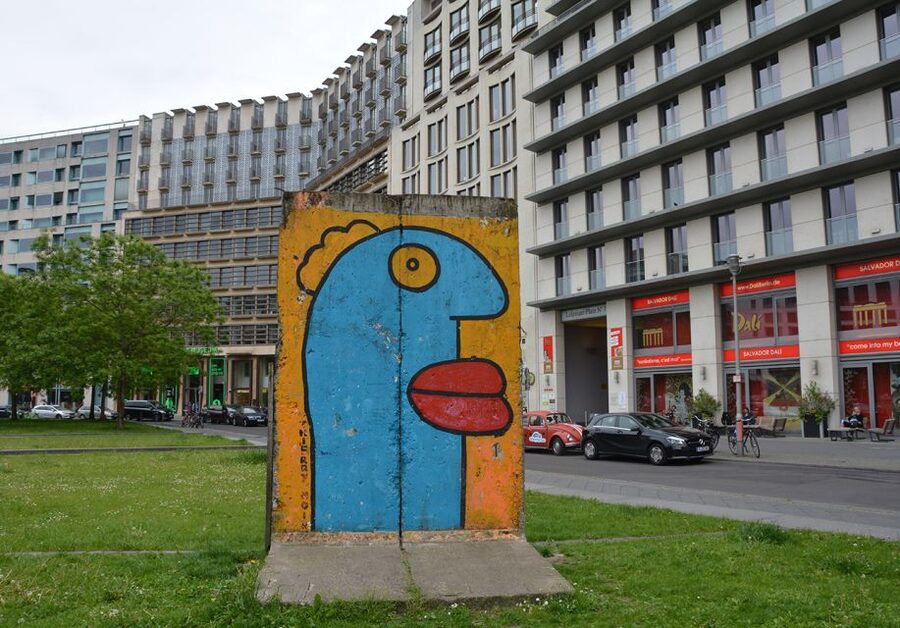
You’ll spend time along the remainder of the Berlin Wall, seeing what’s left and hearing what it meant when it was the dividing line. “Remainders” is the key word here. The city you see today has changed, but the pieces you walk by help you picture how different daily life became on each side.
The most compelling part is the way the guide frames escape attempts and the human pressure behind the partition. You’ll hear gripping stories of escapes from East Berlin, not just the outcome, but why people risked everything. That focus can hit harder than a museum exhibit, because you’re moving through the same kind of space where those choices played out.
Your guide also brings in the bigger label Berlin once carried: the city was called the “front city.” That idea helps you understand why tension wasn’t abstract here. Berlin felt like the edge of a wider confrontation, a place where Cold War realities were visible every day.
And the tour ties this to the concept of Berlin as an island of freedom during the Cold War. That phrase is more than marketing if you listen for what your guide is emphasizing: the contradiction of a city under pressure, yet still full of people trying to live, work, and escape limits.
Practical tip for this segment: plan on taking your time with photos. The guide’s stories are the point, but you’ll also want at least a couple snapshots for the Wall pieces, because that’s the one visual you’ll remember when you compare Berlin to other European capitals.
Reichstag and Hotel Adlon Kempinski: Short Stops, Big Signals
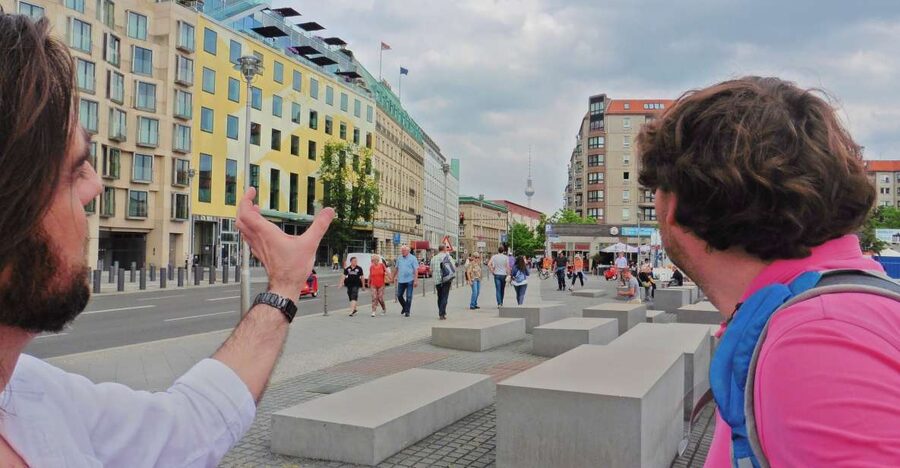
Midway through the walk, you’ll reach the Reichstag area and then the Hotel Adlon Kempinski Berlin zone. These aren’t long museum-style stops in a 2-hour tour, but they matter because they sit in the same visual corridor of modern Berlin.
Here’s how to get value from these brief moments. Use them as context markers. When you’re walking from the Wall border toward Checkpoint Charlie, you’re moving through Berlin’s timeline: division, tension, and then political transformation and rebuilding. The Reichstag stop gives you a chance to register how Germany’s capital identity evolved after reunification, even if you only get brief sightseeing time.
The Hotel Adlon Kempinski is another type of clue. It signals Berlin’s shift into a global, “back in the center” era, where historic Cold War spaces now sit next to luxury, conferences, and a fast-moving city vibe. If you pay attention, it helps you see how quickly Berlin rebounded and rebranded itself after the worst years of partition.
Could these stops disappoint you if you want deep access? Possibly, but that’s not what this tour is selling. This is a history walk with a tight sequence, and the longer emotional work happens at the Wall remains and at Checkpoint Charlie.
My advice: keep your expectations aligned. Treat these stops as anchors for transitions. Let the guide’s thread connect them for you, and you’ll get more than a quick glance.
Checkpoint Charlie: The Allied Border and the 1961 Flashpoint
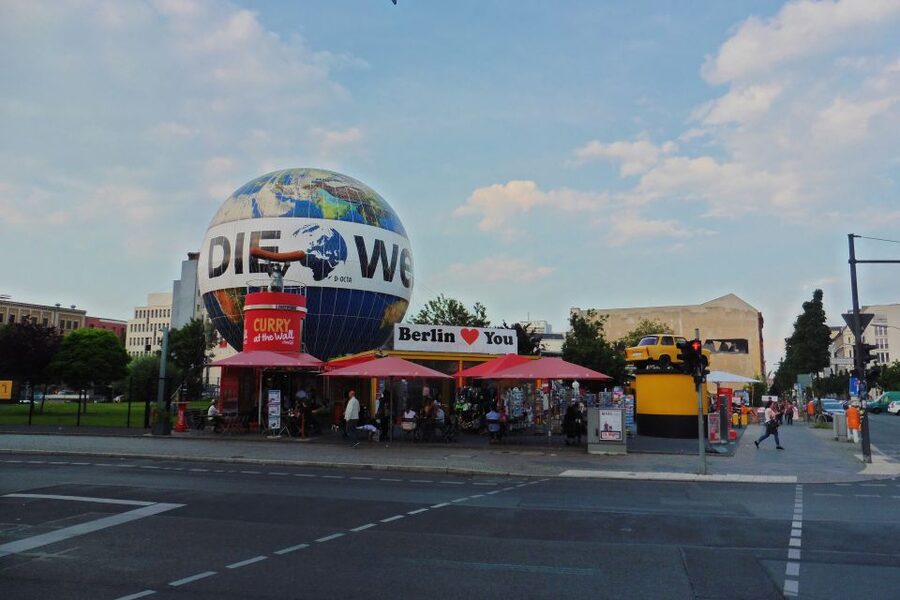
The final major moment arrives at Checkpoint Charlie, the official allied border crossing between West and East Berlin during the partition period. This is where the tour turns from “border as a physical barrier” into “border as a tense international stage.”
You’ll get a guided explanation of what Checkpoint Charlie represented and why it mattered to the people living nearby and to the powers watching from the outside. This matters for two reasons.
First, it helps you understand why the Cold War played out differently in Berlin than in other places. Second, it shows how borders were not only about local control, but also about international confrontation.
Then comes the detail that makes Checkpoint Charlie feel like more than history text. Your guide shares a story about an altercation that happened in 1961, one that almost ignited World War 3. Even if you know the Cold War in broad strokes, hearing this kind of near-miss tied to a specific location makes it hit differently.
And yes, you’ll take a photo at Checkpoint Charlie. That sounds simple, but it’s useful. This is one of those places where the photo works as a memory hook. Later, when you’re reading or thinking about Berlin Wall stories, you’ll remember the exact corner your guide pointed out.
If you want to get the most from this last segment, don’t rush through the photos. Listen first. Take one photo quickly, then give the guide your full attention. The tour’s story payoff is here.
Price and Value for a 2-Hour Berlin Wall Walk
At $43 per person for about 2 hours, this tour is priced like the sweet spot between a quick highlight walk and a long deep-dive. The value comes less from the number of stops and more from the format.
You’re paying for a professional city tour guide who can explain the places in connected terms, and you’re also paying for the small-group size, capped at 10 participants. That matters because it keeps the pace human and makes it easier to hear the guide without craning your neck the whole time.
Another value driver is the guide’s background. The tour emphasizes a local Berliner perspective, and past departures include guides sharing personal, lived-in context. In one example, a guide named Carlo described what it was like growing up in West Berlin, and that kind of detail turns the Cold War from a concept into a daily atmosphere.
You’re also getting the key trio of sites people want for a first Berlin Wall experience: Brandenburg Gate, Wall remains, and Checkpoint Charlie. If you try to do this on your own, you can absolutely assemble the route, but you’ll likely lose the connective tissue that makes it memorable.
So is it worth it if you love history? Yes, because the stories are the product. Is it worth it if you just want photos and a quick overview? Usually, yes, but only if you’re willing to listen for context during the walk.
More centuries per city block:



What You’ll Really Learn (Beyond the Landmarks)
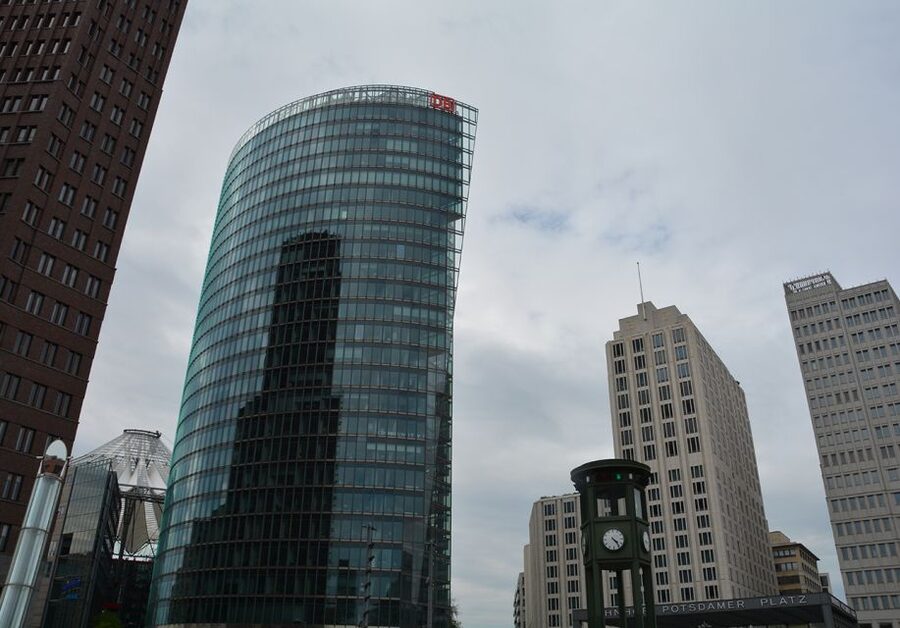
This tour is not just about seeing Berlin’s big name sights. It’s built around cause and effect.
Start with Brandenburg Gate: you learn how isolation for 28 years shaped the meaning of a single monument. Then you walk the old border area and see Wall remains, where the guide’s escape stories make the partition feel urgent and personal. Along the way, you connect Berlin’s “front city” label to the feeling that pressure came from multiple directions.
Finally, Checkpoint Charlie reframes the story as an international flashpoint, including that 1961 altercation nearly sparking World War 3.
That is the learning arc: symbolism, division, and near-global consequences.
If you’re a traveler who likes practical storytelling, you’ll probably enjoy the way the guide keeps it moving. And because it’s a live guided tour in German, you’ll get the most out of it by being ready to focus. If you’re not comfortable with German, you might still follow key themes through the guide’s pace and the emphasis on landmark meaning, but it will be best for German speakers.
Weather, Clothing, and Walking Pace You Should Plan For
This is a walking tour in all weather conditions and on all public holidays. That means you should dress like you’re going to be outside for most of the day, even though the tour is only 2 hours. Bring layers, and consider a compact rain layer. If it’s cold, having a scarf or gloves makes the experience more comfortable, so you can stay focused on stories instead of thinking about your feet.
Wear shoes with grip. You’ll cover ground between stops and you’ll want stability when you’re pausing for photos. Since the tour ends back at Checkpoint Charlie, you can plan your next stop afterward without needing to retrace your steps.
Should You Book This Berlin Wall Tour?
I’d book it if you want the most important Berlin Wall locations packed into 2 hours, with a guide who can connect those places to real experiences and tension, not just bullet-point facts. The small group size, capped at 10, is a strong reason to choose it over larger group walks.
Skip it if your ideal tour is mostly museum time, or if you hate walking in any weather. This is built for the outdoors, and the pay-off comes from moving between landmarks with a clear story.
If you want an easy, focused first taste of the Cold War places that still feel sharp today, this one makes sense.
FAQ
How long is the Berlin Historical Sights and Berlin Wall tour?
The tour duration is 2 hours.
How much does the tour cost?
The price is $43 per person.
Where does the tour start and where does it end?
You meet at S+U Bhf. Brandenburger Tor, exit B (toward Pariser Platz / Straße des 17. Juni), and the tour finishes at Checkpoint Charlie.
How large is the group?
The tour is a small group limited to 10 participants.
What language is the live guide?
The live tour guide language is German.
Does the tour run in bad weather?
Yes, the tour takes place in all weather conditions.
Is the tour wheelchair accessible?
Yes, the tour is wheelchair accessible.
Fresh on the arrivals board for Berlin

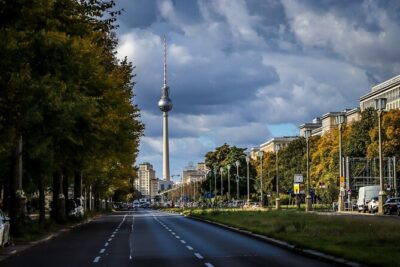


Berlin Wall Tours, compared.

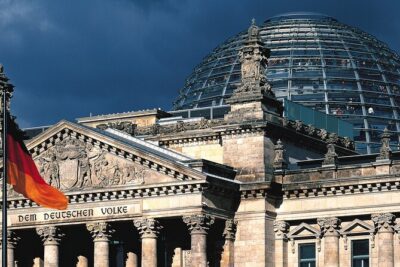
Berlin’s Best: 2 Hour Walking Tour Third Reich and the Cold War
Read our review →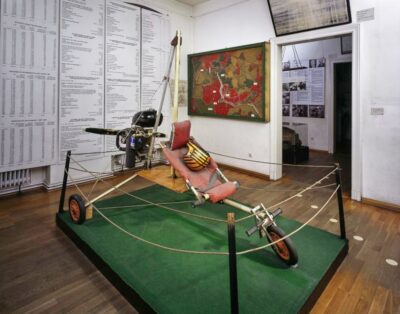
Skip-the-Line: Berlin Wall Museum at Checkpoint Charlie
Read our review →
East Side Gallery Spree Cruise in a Solar Catamaran
Read our review →
Cold War, Berlin Wall, Spies and the East Side Gallery
Read our review →
Cold War & Berlin Wall History Guided Bike Tour
Read our review →
Browse the lists this tour appears in