

Reviewed · MUSEUM TOURS IN BERLIN
Berlin: The Wall Museum East Side Gallery Ticket
Berlin’s Wall story hits hard. I love the multimedia format, with films, interviews, and artifacts across 13 themed rooms. With your skip-the-line entry, you spend more time inside and less time queuing.
The museum sits right by the East Side Gallery, so the visit feels tied to what is still standing. You walk through key moments like the Wall being erected in 1961 and the fall in 1991, with a strong focus on what daily life meant in a divided city.
One consideration: this is emotionally intense material. Plan a calmer schedule, because you will likely want time in the rooms with documents and films, not a tight sprint between stops.
In This Review
- Key things I’d zero in on
- Wall Museum at East Side Gallery: why this ticket makes sense
- Meeting point at Mühlenstraße, and how to use the location well
- Inside the 13 themed rooms: how the museum tells the story
- Room flow you can expect
- What Berlin was like after the war, before the Wall hardened everything
- Seeing the Wall erected in 1961, and why that moment matters
- Life in a divided city: what the rooms help you imagine
- The fall in 1991: from barrier to rupture
- How the museum handles meaning, not only dates
- Price and value: is $14 a good use of time?
- Who this ticket is best for
- Should you book the Berlin Wall Museum East Side Gallery ticket?
Key things I’d zero in on
- Skip-the-line entry that helps you maximize museum time
- 13 themed rooms that turn history into a guided-style flow
- Films, interviews, and artifacts that make the story feel human
- A Cold War timeline anchored in 1961, division, and 1991
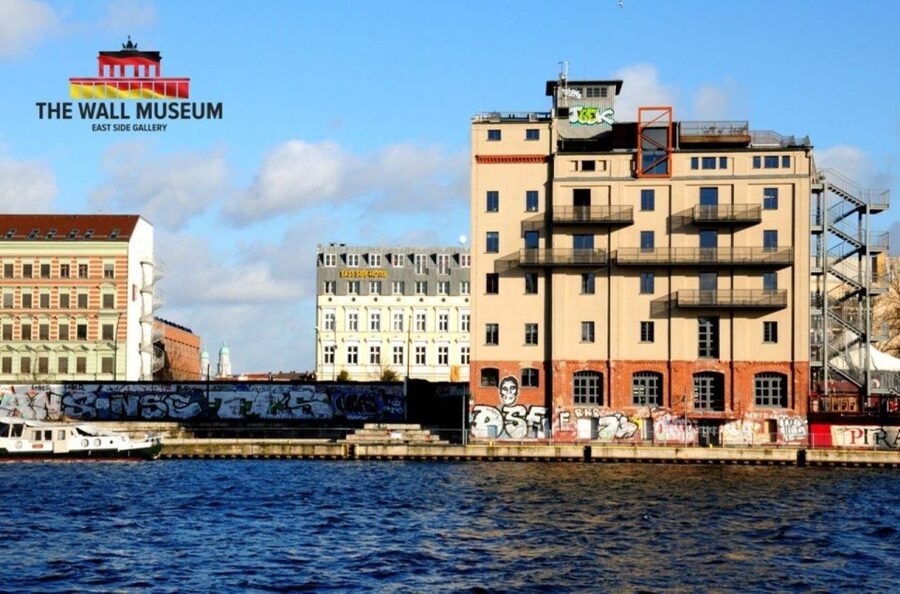
- Location next to the East Side Gallery, the largest Wall section still standing
- Wheelchair accessibility, so more people can make the visit
Wall Museum at East Side Gallery: why this ticket makes sense
This is one of those Berlin stops where the location and the content reinforce each other. You are at the East Side Gallery, where a big chunk of the Berlin Wall still exists, and the museum uses that nearby reality to explain what you are looking at. That mix helps the Cold War story land fast.
What I like most is the museum approach. Instead of one big display, you move through 13 themed rooms built around different questions, time periods, and experiences. The history is told with films, interviews, and artifacts, so you are not only reading dates. You are seeing and hearing how the Wall changed lives.
And then there is the practical win: skip-the-line entry. Berlin museums can be popular, and saving waiting time matters, especially if you are also trying to fit in a walk along the Wall outside.
More Museum Tours in Berlin
- Berlin: DDR Museum Tickets
★ 4.3 · 3,443 reviews - Berlin: Natural History Museum Entrance Ticket
★ 4.6 · 3,382 reviews - Berlin: Museum Island Multiple Museum Entry Ticket
★ 4.4 · 2,861 reviews
Meeting point at Mühlenstraße, and how to use the location well
Your meeting point is at Mühlenstraße 78-80, 10243 Berlin, next to the East Side Gallery. The museum is in Mühlenspeicher, second floor, next to the Pirates Restaurant. Since it is right by a major Wall landmark, you can use the timing like a mini route: Wall outside first, museum meaning second, or reverse it.
If you are doing this as part of a wider East Berlin day, I suggest building in walking time. The museum sits in a lively area because the East Side Gallery draws people, and you will likely want a quick look at the Wall section nearby before or after your indoor rooms. Even a short outside glance helps you picture the Wall as a physical object, not just an idea.
Also note the help on site. A host or greeter is available in German, English, Spanish, and Italian, which is a comfort when you are arriving and want simple direction without hassle. You do not need a study session to find your way.
Inside the 13 themed rooms: how the museum tells the story
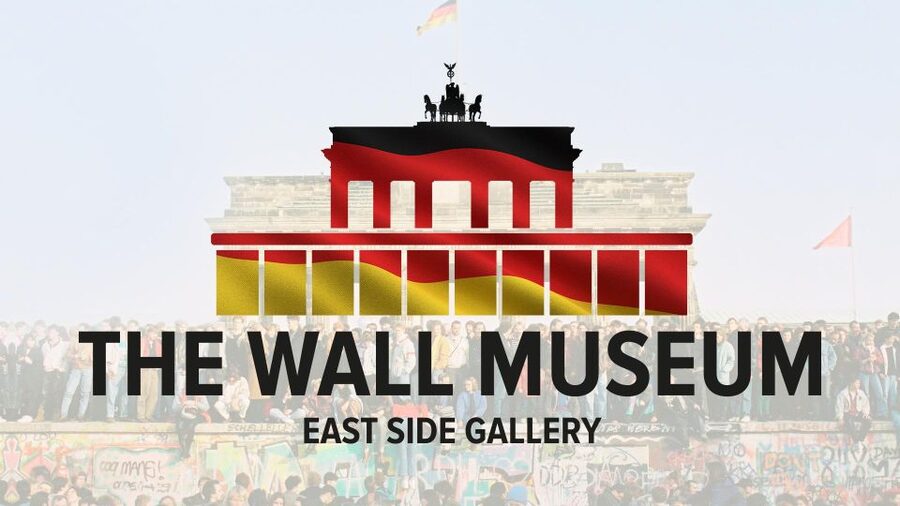
The heart of the experience is the museum’s room-by-room structure. You do not just see one exhibit. You move through a sequence of 13 themed rooms, each focused on a different angle of Berlin’s recent history during the Cold War.
What that structure gives you is clarity. The Wall is not just one event. It is a system, a policy, and a daily barrier. A room that looks at the Wall’s construction and another room that looks at life after division lets you connect the timeline without getting lost.
Because the museum uses film, documents, and interviews, the rooms also feel like they have different “textures.” Some rooms lean visual and personal. Others lean documentary. That variety can keep you engaged, especially if you are not the kind of person who enjoys reading long panels in one go.
Room flow you can expect
Even without guessing specific room titles, the museum experience is described as covering major turning points. Here is the arc you should mentally prepare for:
- What Berlin was like after the war
- How the Wall was erected in 1961
- What life looked like in a divided city
- The dramatic fall in 1991
- The idea of the Wall’s truth, and how the city changed afterward
That means the visit works as both history lesson and emotional reality check. You get context first, then you feel the consequences more directly, then you end up in the aftermath.
What Berlin was like after the war, before the Wall hardened everything
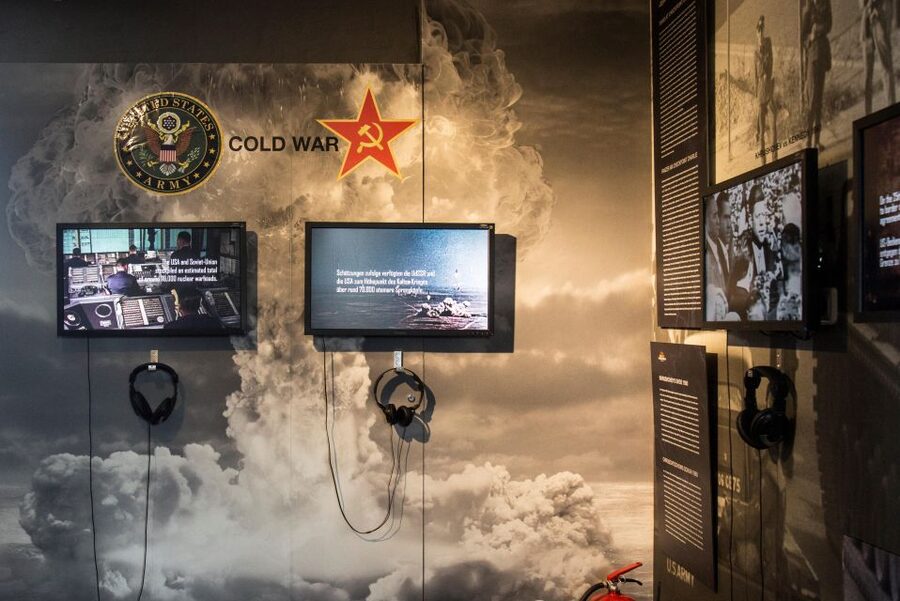
The museum starts with the pre-Wall reality: how the city was shaped after the war. This matters because the Berlin Wall did not appear out of thin air. You understand a tense postwar environment first, then the Wall becomes a physical expression of that tension.
For you, the benefit is perspective. If you jump straight to 1961, the Wall can feel like a sudden shock. When you see the postwar setup first, it reads more like a forced outcome. That makes later rooms about division and daily life hit harder, because you can tell what was lost.
This is also where the multimedia format helps. Films and interviews are effective when you need to understand atmosphere, not only chronology. Even if you have read about Berlin’s Cold War role before, this kind of human-centered storytelling tends to make the story feel less abstract.
More traces of the Wall through Berlin:


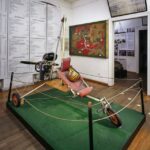

Seeing the Wall erected in 1961, and why that moment matters
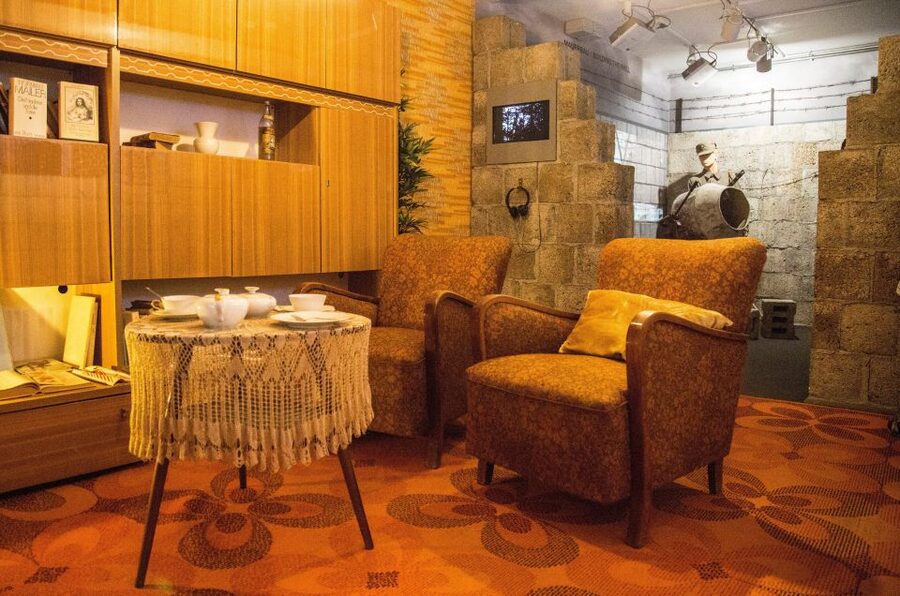
One of the museum’s biggest strengths is that it directly addresses the Wall’s construction in 1961. That specific anchor point is useful. It gives the experience a clear “before and after,” which is what you want when you are trying to understand how quickly a city’s daily logic can change.
Standing at the East Side Gallery outside, you can view the Wall as a landmark. Inside, the 1961 focus helps you understand it as a decision. The Wall stops being only an artifact, and becomes a mechanism used to control movement and shape lives.
If you like your history grounded in concrete milestones, you will probably appreciate this. Museums sometimes blur timeline details, but here the key year is explicitly part of the journey. It gives your brain something solid to hold while you process the heavier content later.
Life in a divided city: what the rooms help you imagine
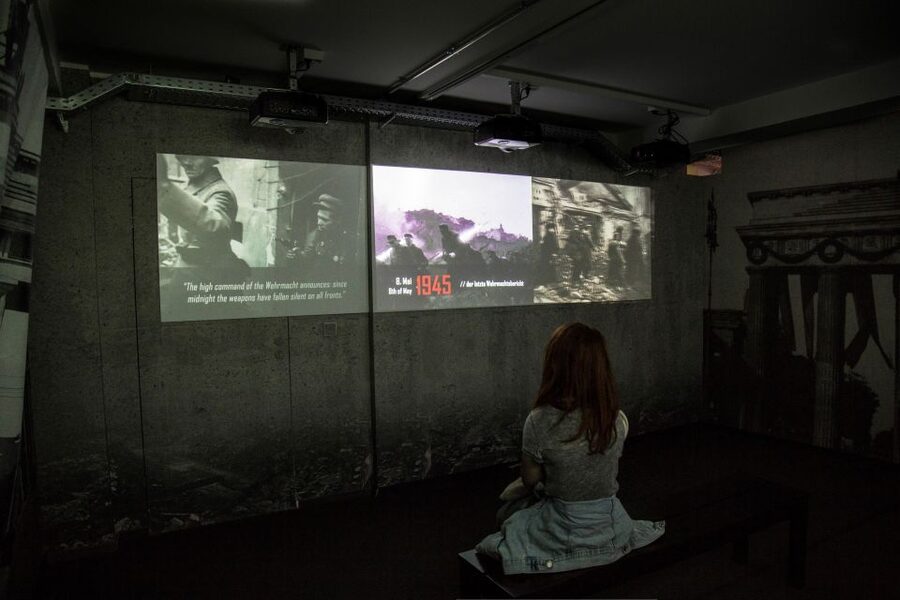
After you get the construction story, the museum turns toward daily experience in a divided Berlin. This is where the museum’s use of interviews and film clips becomes more than decoration.
The Wall’s impact was not only geopolitical. It showed up in routines, relationships, and opportunities. The museum’s themed room approach helps you track those consequences without forcing you to guess what mattered. Each room tends to take one slice of the reality, so the picture forms step by step.
One practical tip: pace yourself. The subject matter is intense, and the multimedia elements are designed to make you feel it, not just read it. Give yourself time to sit for a moment inside the rooms that use films and documents, because those are usually the parts that stick with people.
The fall in 1991: from barrier to rupture
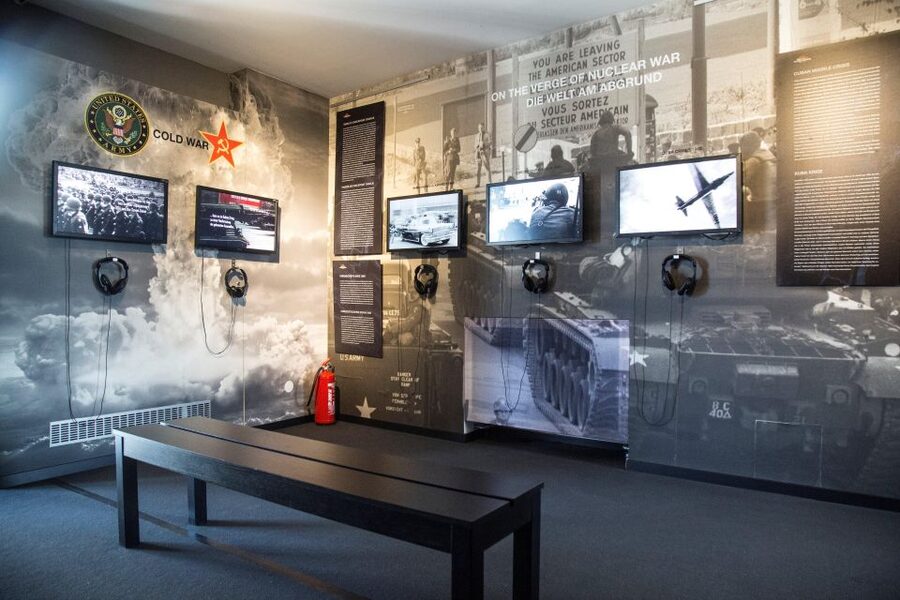
Then you reach the dramatic turning point, the fall of the Berlin Wall in 1991. The museum’s arc is clearly built to take you there, which is valuable for anyone who wants a complete story rather than disconnected displays.
This portion helps you connect the emotional tone to the historic result. You can see why the Wall was both a symbol and a practical barrier, and why its collapse changed more than borders on a map.
Even if you already know 1991 as a year, the museum’s format can still surprise you. Films and interviews tend to show how people experienced the shift in real time, or how they interpret it afterward. That can turn a “historical event” into something more human, which is often the difference between forgetting a museum quickly and remembering it later.
How the museum handles meaning, not only dates
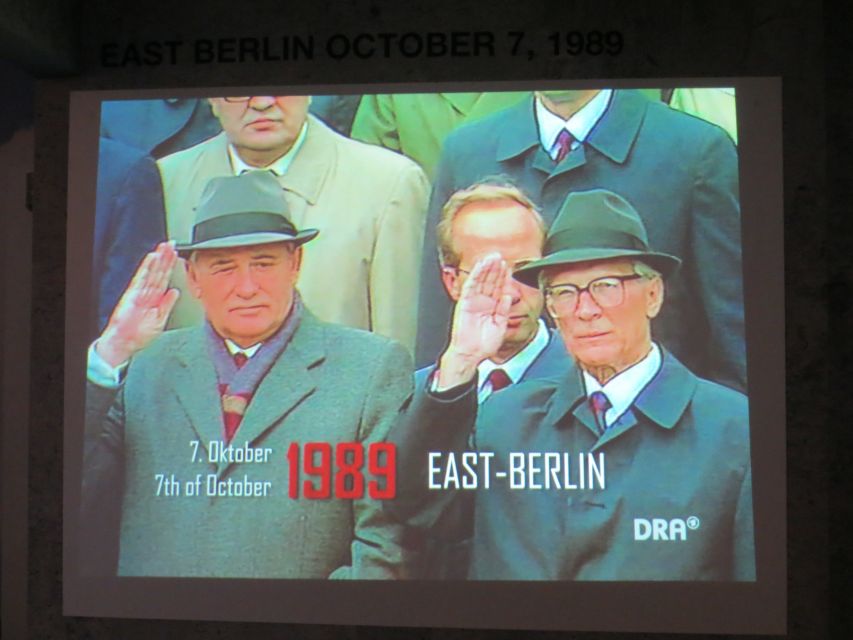
After the fall, the museum shifts toward a theme of truth and change, including how the Wall changed an exceptional city. That wording matters. It signals that the experience is not only about the tragedy of division. It also points toward how Berlin reconfigured itself afterward.
For you, this ending can be a relief, even if you are still processing hard material. It helps the story stop at an actual outcome, not only a closed door. And because the museum is located next to a surviving Wall section, you can step out afterward and see what is left, what has been preserved, and what has been transformed.
If you like museums that connect history to present-day space, you will likely enjoy that physical link. You are not only learning in a building. You are standing in the real urban geography where these events still echo.
Price and value: is $14 a good use of time?
At $14 per person for a 1-day experience, the price is reasonable if your goal is depth. You are paying for more than a single exhibit. You get a multimedia museum experience with skip-the-line entry and a structured visit across 13 themed rooms.
Value depends on how you travel. If you hate wasting time waiting, skip-the-line tends to justify itself fast. If you want a concentrated Berlin Wall education without juggling multiple sources, this gives you a single-ticket path.
It also helps that the museum is designed for a broad range of interests. Some people are there for political history. Others are there for human stories. The film and interview approach means the museum can satisfy both kinds of curiosity.
One balanced note from ratings: the overall score is around 4.1 out of 5 from 292 ratings. That suggests it works for most people as an informative experience. At the same time, there is at least some disappointment in how the presentation lands for a minority. So if you are very sensitive to presentation style, you might want to keep expectations flexible and be ready to focus on the content rather than the format alone.
Who this ticket is best for
This experience is a strong match if you want a self-contained way to understand the Berlin Wall and Cold War division. It fits well for:
- First-time visitors who want the core story in one place
- People who learn best through multimedia, not just text
- Anyone combining East Side Gallery sightseeing with real context
It may feel less ideal if you are looking for something purely lightweight or purely visual without heavier documentary material. The museum’s topic is serious, and the rooms are designed to make you confront what the Wall meant.
Should you book the Berlin Wall Museum East Side Gallery ticket?
Yes, I think you should book this if you want an efficient, structured museum visit tied to one of Berlin’s most famous surviving Wall sections. The skip-the-line entry is a real time saver, and the 13 themed rooms approach gives you a clear historical arc from 1961 to the 1991 fall.
Book it with a simple mindset: you are going to learn, but you are also going to feel. If you go in with that expectation and give yourself enough time to sit with the films and documents, the $14 cost feels like solid value for a concentrated experience.
If you are short on time in Berlin, this is one of the more practical ways to turn a Wall sight into an actual understanding of the people and the pressure behind it.
Halls Between Trains
- Berlin: Interactive DeJa Vu Museum Entrance Ticket
★ 4.1 · 1,338 reviews - Berlin: “Pergamonmuseum. The Panorama” Exhibition Tickets
★ 4.6 · 1,245 reviews - Cold War, Berlin Wall, Spies and the East Side Gallery
★ 5.0 · 1,024 reviews - Berlin WelcomeCard: Museum Island & Public Transport
★ 4.3 · 999 reviews
Fresh on the arrivals board for Berlin





Museum Tours in Berlin, compared.

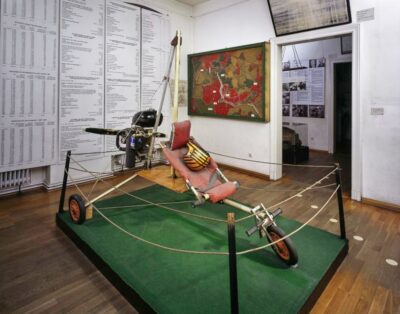
Skip-the-Line: Berlin Wall Museum at Checkpoint Charlie
Read our review →
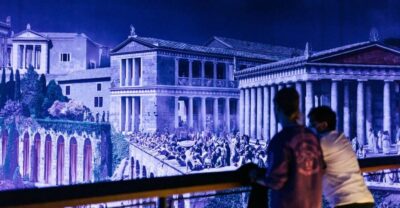
“Pergamonmuseum. The Panorama” Exhibition Tickets
Read our review →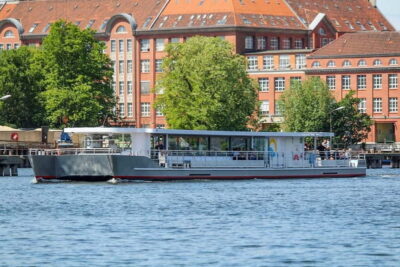
East Side Gallery Spree Cruise in a Solar Catamaran
Read our review →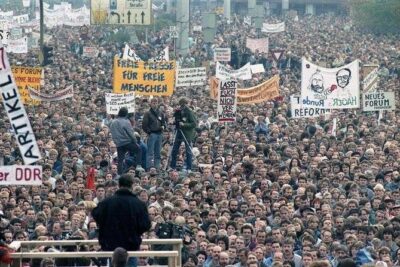
Cold War, Berlin Wall, Spies and the East Side Gallery
Read our review →Browse the lists this tour appears in