
Reviewed · GUIDED WALKS IN BERLIN
Berlin: Berlin Wall & East Side Gallery Walking Tour
The Berlin Wall changes once you read it like art. This 2-hour walk ties together Wall history and street-art storytelling, with your guide, Cristobal, pointing out what matters and why it mattered. I like that it moves through both history and the living city, not just a single monument.
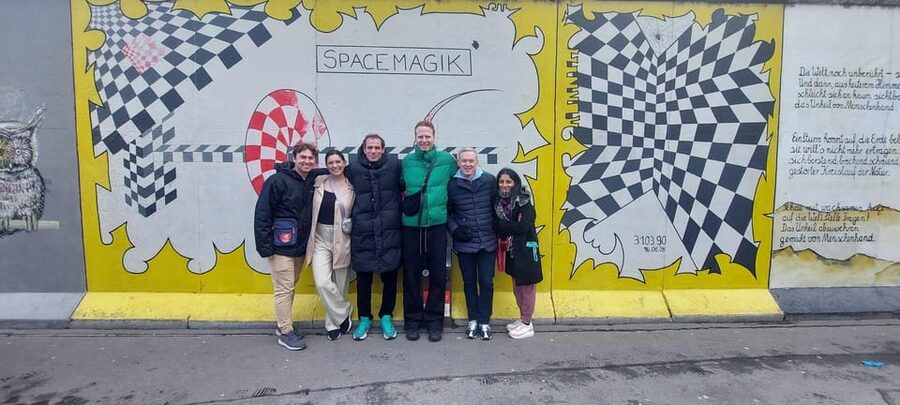
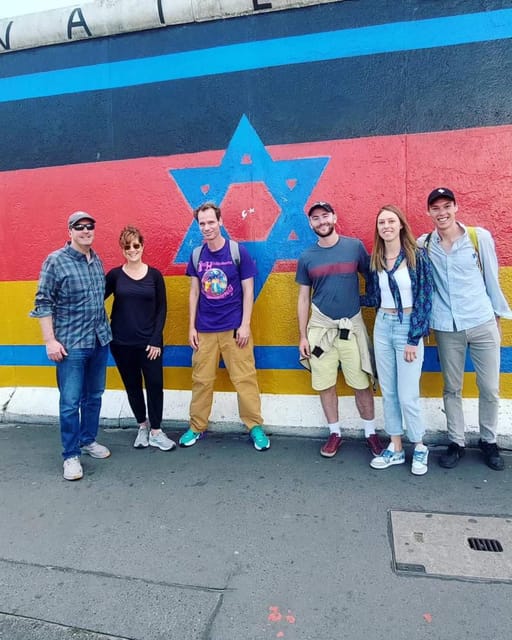
What I really loved was the way you get context for the murals at the East Side Gallery, where the Cold War spills into symbolism, artist intent, and the shift into the 1990s era. The second big win: Cristobal also works like a mini photo coach, setting up specific photo moments so you come away with better shots, not just more photos.
One thing to consider is that this is a walking-focused tour in Berlin weather. Bring real winter gear, because you are outside, moving between stops, and the pace can still be brisk when it is icy cold.
In This Review
- Key points to know before you go
- A two-hour Wall walk that feels like Berlin itself
- Starting near East Side Bäckerei, then getting your bearings fast
- Berlin Wall and Berlin Wall Museum: what to look for, not just what to see
- East Side Gallery: the Wall turns into street-art messaging
- Don’t miss the Cengaver Katranci Memorial detail
- Oberbaumbrücke and architecture: where Berlin looks cinematic
- Kreuzberg and Friedrichshain: reading the city after the Wall
- Finish at Schlesisches Tor: time for coffee and debrief
- Price and value: why $29 is a bargain if you like context
- Who should book, and who might want a different option
- Weather, clothing, and how to make the tour enjoyable in winter
- Photography help that actually changes your results
- My verdict: book this if you want Wall history plus street art meaning
- FAQ
- How long is the Berlin Wall and East Side Gallery walking tour?
- What is the price per person?
- Where does the tour usually start?
- What places will you visit during the tour?
- Are the tour guides available in English and Spanish?
- Is the tour wheelchair accessible?
- What should I bring?
- Is the tour suitable for everyone?
- Do you offer free cancellation?
- Is the tour available for flexible planning with pay later?
Key points to know before you go
- Cold War storytelling tied to what you see today, so the Wall is not just dates and facts
- East Side Gallery analysis, with attention to symbols and artist motivations
- Photo scenarios at real locations, plus practical tips you can use right away
- Stops across Friedrichshain and Kreuzberg, so you feel how the city evolved
- Oberbaumbrücke views and architecture, giving you a wider Berlin perspective
- Small-time tour feel, with an experienced guide who keeps you engaged
A two-hour Wall walk that feels like Berlin itself
This tour is priced at $29 per person for a reason. You are not paying for a long museum day, you are paying for interpretation, pacing, and context at the exact places where the story happened. Berlin is full of plaques and ruins, but the meaning is harder to see unless someone shows you the connections.
I also appreciate that the experience is built around two things you can actually stand in front of: the remaining Berlin Wall elements and the East Side Gallery’s huge strip of murals. Those two settings do most of the teaching. The guide just makes sure you notice the right details.
You’ll cover a route through Friedrichshain and Kreuzberg, including major points like the Berlin Wall and Berlin Wall Museum, the East Side Gallery, and stops like Oberbaumbrücke, plus a finish at Schlesisches Tor. That mix matters because it shows how the Wall story is not stuck in the past. It lives in neighborhoods, walls, bridges, and street art that people walk past every day.
More Guided Walks in Berlin
- Discover Berlin Half-Day Walking Tour
★ 5.0 · 9,624 reviews - Berlin City walk Government District and Places of Democracy
★ 4.7 · 8,467 reviews - Berlin: Third Reich & Cold War Guided Walking Tour
★ 4.9 · 8,378 reviews
Starting near East Side Bäckerei, then getting your bearings fast
The meeting point can vary, but one common starting option is East Side Bäckerei, Warschauer Str. 34-36. Either way, you’ll start in the general East Side area, where the Wall and its afterlife feel close by.
Before you leave the meeting spot, I recommend you do two quick prep moves:
- Wear shoes you trust, because you’ll be on foot for the full 2 hours.
- Layer up. Berlin weather can swing fast, and you are outside the whole time.
This is also where Cristobal’s approach starts to help. He gives you the kind of structure that helps your brain stop treating the streets like scenery. You start seeing them as stages, with the Wall era as a background layer.
Berlin Wall and Berlin Wall Museum: what to look for, not just what to see
The tour includes Berlin Wall and the Berlin Wall Museum as core stops. This is a smart pairing. Seeing the Wall itself gives you physical scale. Visiting the museum side gives you the how and why behind the Wall system.
At the Wall-focused stops, the key is noticing what you can understand at street level:
- The relationship between barriers and movement, meaning how control shaped daily life.
- How Cold War logic translated into space, not just politics.
- The story beats behind episodes of the Cold War that shaped Berlin’s direction.
Cristobal’s strength here is making history feel human. Instead of treating the Wall as a single event, you start connecting it to broader Cold War dynamics and the lived experience around it.
East Side Gallery: the Wall turns into street-art messaging
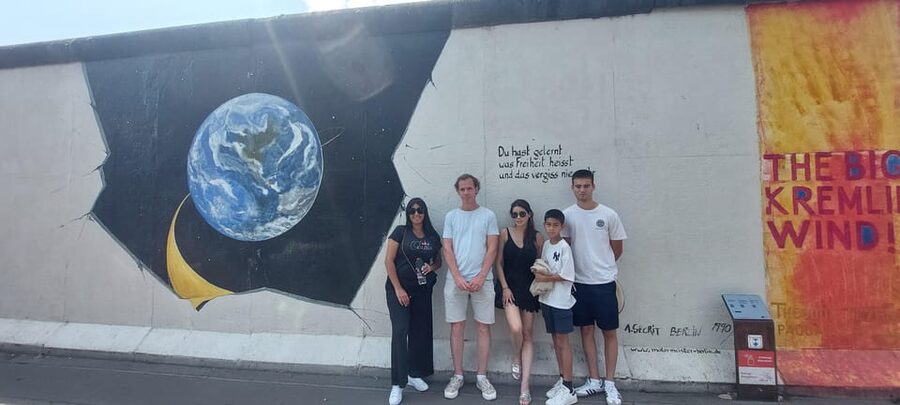
Then comes the headline: the East Side Gallery. This is a Berlin Wall memorial and street art gallery in one long outdoor stretch, and it is often described as the largest open-air gallery in the world. On this tour, you do not just walk along it. You look at it with a guide’s lens.
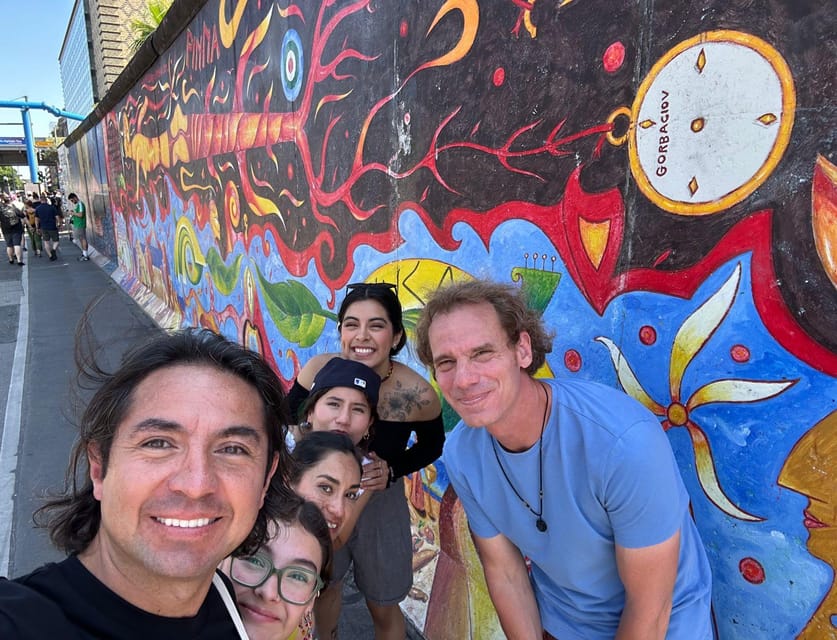
What you’ll get at the East Side Gallery is the difference between street art as decoration and street art as commentary. You’ll spend time observing pieces and learning what the imagery points to, including symbolism tied to the time when the Wall era was ending and the city was changing.
One of the most praised parts of the experience is how Cristobal explains the murals. The tour aims at interpretation, not trivia. You learn influences on the artists, plus how the messaging changes depending on the social moment.
A bonus for anyone who cares about photos: this section is basically a classroom for photography. The guide offers practical advice and sets up photography scenarios, with chances to take more intentional shots. If you’ve ever pointed your camera at street art and thought, I’m not getting what I saw with my eyes, this part is designed to fix that.
Don’t miss the Cengaver Katranci Memorial detail
Along the way, the route includes the Cengaver Katranci Memorial. Even if you only catch a portion of it quickly, it matters. Memorials like this help you remember that the Wall was not only symbolism and politics. It was also human stakes, and the city carries that weight in public space.
On a tour like this, memorial stop time is a useful counterbalance. After talking about art symbolism, you get reminded of real consequences. That balance is what keeps the tour from feeling like a purely aesthetic street-art walk.
More Museum Tours in Berlin
Oberbaumbrücke and architecture: where Berlin looks cinematic
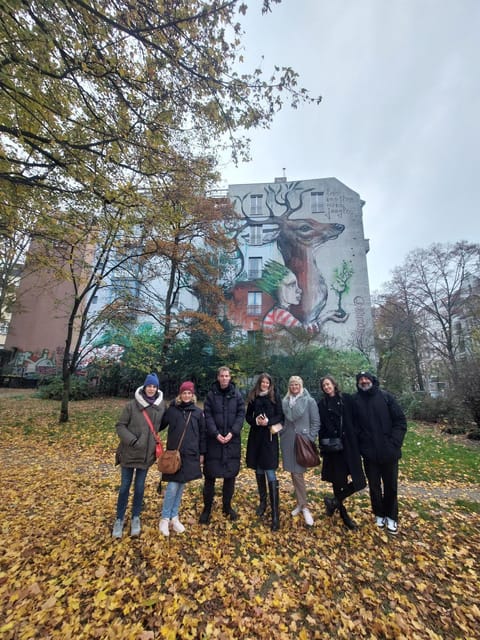
Next is Oberbaumbrücke, with a guided stop built in. Bridges do something powerful in Berlin. They connect neighborhoods, and they also frame views across parts of the city that feel different from street level.
This part is worth your attention if you like architecture or photography. You’ll get time to look at how the built environment shapes the mood of the area. The tour uses the setting to help you take better pictures, but it also teaches you to notice structure and contrast, old architecture in front of street-era stories.
If you’re walking with a camera, this is a good place to pause and reframe. Don’t just shoot murals. Use the bridge and the surrounding architecture as your “breather shots,” so your photo set tells a bigger Berlin story.
Kreuzberg and Friedrichshain: reading the city after the Wall
The walk also includes Kreuzberg and time in the broader Friedrichshain-Kreuzberg area. This is where the tour stops being about the Wall as a single line on a map and starts being about how neighborhoods carry memory.
Street art in Berlin is not always random. It often feels like a conversation with the city. In Kreuzberg, you get that sense of a place shaped by history, but not trapped by it. You can feel the layered identity: older architecture, newer urban culture, and the echo of the Wall still shaping how people express themselves.
You’ll also get a guided segment that helps you connect the mural stories to what’s around you now. The goal is for you to leave with a mental map that links murals, streets, and historical context.
Finish at Schlesisches Tor: time for coffee and debrief
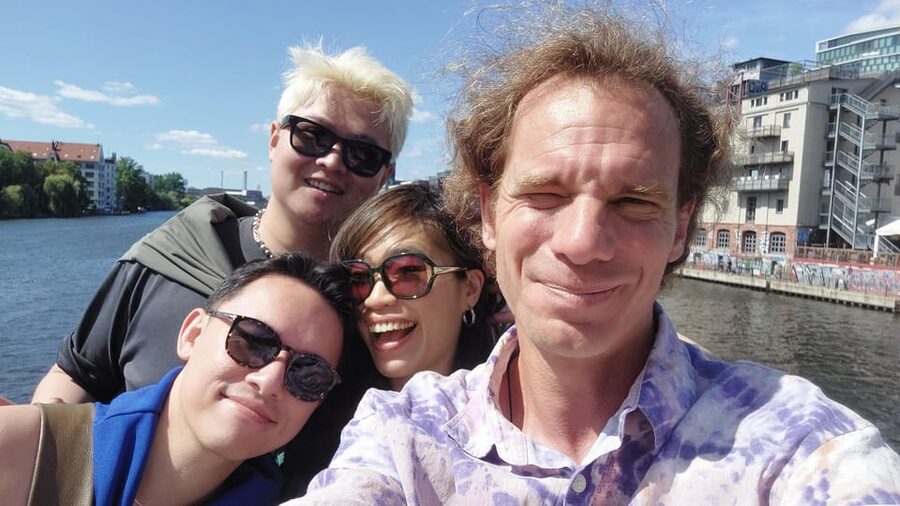
The tour ends at Schlesisches Tor. I like this kind of finish because it gives you momentum to keep exploring right after. You are already in the city’s rhythm, not stuck at a far-away museum exit.
The guide also tends to give practical neighborhood tips, including recommendations for food and coffee after the walk. That matters for value because you can turn your knowledge into an actual plan, not just a cool story.
If you want your trip to move from interesting to memorable, take 15 minutes after the tour to write down what imagery stood out. Then you can connect it later to other places you see on your own.
Price and value: why $29 is a bargain if you like context
At $29 for 2 hours, this tour is priced like a short walk. But it doesn’t feel short on meaning.
Here’s why it’s good value:
- You are covering multiple major sites in one go, including the East Side Gallery and Oberbaumbrücke.
- You get interpretation at each stop, not just location names.
- The photography coaching component is genuinely useful if you like taking photos. Small improvements matter when you are paying for time anyway.
- The tour style can be flexible for weather, with the guide adjusting pacing so you stay engaged in the cold.
So, yes, it is a budget-friendly price. But the value comes from how the guide connects the Wall era to today’s visual culture. If you only want a quick photo stop, you might feel it is too much talk. If you want your photos and your understanding to match what you see, it is a strong deal.
Who should book, and who might want a different option
This experience is best for you if you:
- Love street art and want the symbolism explained clearly.
- Care about Berlin’s Cold War story, but you want it in plain language and tied to real sites.
- Enjoy photography and want practical tips plus photo chances at concrete spots.
- Are okay walking outdoors for the full 2 hours.
A few practical limits based on the tour’s own rules:
- The guide offers English and Spanish. You should speak good enough English or Spanish to follow along.
- It is a walking tour, so it is not suitable if you have a physical problem like a broken foot.
- It is not suitable for people with hearing loss, and there is no sign language interpreter.
- The tour is not suitable for people over 95 years.
If you meet those basics, you’re in the sweet spot.
Weather, clothing, and how to make the tour enjoyable in winter
Berlin can be cold enough to make you start hating your own hands. This tour is outside, so you’ll want warm clothing and real layers. The recommended packing list is practical: comfortable shoes, warm clothing, snow clothing, weather-appropriate gear, and thermal clothing.
Here’s how I’d approach it:
- Dress like you’re going to stand still for a bit, because there are pauses while you look at art and listen.
- Keep gloves and a hat ready. If you are adjusting clothing constantly, you miss the story.
- Bring a jacket that blocks wind.
One review detail stuck with me because it reflects the tour’s style. On icy days, Cristobal keeps people involved and warm as much as possible by tailoring the time and pacing. That kind of effort matters when you’re out in the cold.
Photography help that actually changes your results
The tour doesn’t just say take photos. It trains your eye. You’ll get photography tips during the walk, with structured opportunities to shoot at specific places with street art and older architecture.
That is useful because street art photography has its own problems:
- Light can be harsh.
- Murals are large, so framing is tricky.
- Details that matter are small unless you know where to stand.
Cristobal helps you with concrete shots at concrete spots. You also get to observe how the art sits in its surroundings, which improves composition. Even if you only take a handful of photos, you’ll take better ones.
My verdict: book this if you want Wall history plus street art meaning
If you’re visiting Berlin for the first time and want a tour that connects the Wall to what you see walking the streets today, I’d book this. It is not just a checklist of famous locations. It is a guided read of the city, with the East Side Gallery as the main lesson and the Berlin Wall context as the foundation.
It is especially worth it when you like street art, symbolism, and photography. The guide, Cristobal, is repeatedly praised for making history and art feel connected, and for explaining details in a way you can remember later.
If you hate walking in winter or you need a more relaxed pace with fewer stops, consider adjusting your expectations. And if language access is an issue for you, don’t force it. This tour works best when you can actually follow the guide’s explanations.
If that sounds like you, this is a smart, high-value way to spend 2 hours in Berlin.
FAQ
How long is the Berlin Wall and East Side Gallery walking tour?
The tour lasts 2 hours.
What is the price per person?
The price is $29 per person.
Where does the tour usually start?
Meeting point can vary by option, but one listed start location is East Side Bäckerei, Warschauer Str. 34-36.
What places will you visit during the tour?
The tour includes Berlin Wall, Berlin Wall Museum, East Side Gallery, Cengaver Katranci Memorial, Oberbaumbrücke, and areas in Kreuzberg and Friedrichshain, ending at Schlesisches Tor.
Are the tour guides available in English and Spanish?
Yes. The live guide speaks English and Spanish.
Is the tour wheelchair accessible?
Yes, it is wheelchair accessible.
What should I bring?
Bring comfortable shoes and dress for Berlin weather, including warm clothing. Snow clothing and thermal clothing are recommended, along with weather-appropriate layers.
Is the tour suitable for everyone?
It is not suitable for people over 95 years. It also notes that it is not appropriate for certain physical problems like a broken foot, and it does not mention accommodations for hearing loss.
Do you offer free cancellation?
Free cancellation is available up to 24 hours in advance for a full refund.
Is the tour available for flexible planning with pay later?
Yes, it offers reserve now and pay later, so you can book your spot and pay later.
Cities at Walking Speed
- Berlin: Discover Berlin Walking Tour
★ 4.9 · 5,998 reviews - Berlin: Hidden Backyards Guided Walking Tour
★ 4.8 · 5,360 reviews - Third Reich Berlin: Hitler and WWII Walking Tour
★ 5.0 · 3,301 reviews - Berlin: Third Reich, Hitler, and WWII Walking Tour
★ 4.9 · 1,757 reviews
Traces of the Wall
- Berlin’s Best: 2 Hour Walking Tour Third Reich and the Cold War
★ 5.0 · 5,486 reviews - Berlin: East Side Gallery Spree Cruise in a Solar Catamaran
★ 4.1 · 1,086 reviews - Cold War, Berlin Wall, Spies and the East Side Gallery
★ 5.0 · 1,024 reviews - Berlin: Cold War & Berlin Wall History Guided Bike Tour
★ 4.8 · 422 reviews
Fresh on the arrivals board for Berlin


Guided Walks in Berlin, compared.
Berlin City walk Government District and Places of Democracy
Read our review →
Berlin’s Best: 2 Hour Walking Tour Third Reich and the Cold War
Read our review →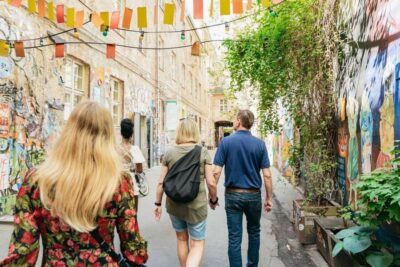
Third Reich Berlin: Hitler and WWII Walking Tour
Read our review →
Browse the lists this tour appears in