
Reviewed · GUIDED WALKS IN BERLIN
Berlin: Cold War History and Berlin Wall Guided Walking Tour
Berlin feels whole until you look closer. Once you do, the Cold War pops right back into view. This 3-hour guided walk takes you from the Brandenburg Gate area to the Wall sites that still shape Berlin’s identity, including Checkpoint Charlie and the Berlin Wall Memorial.
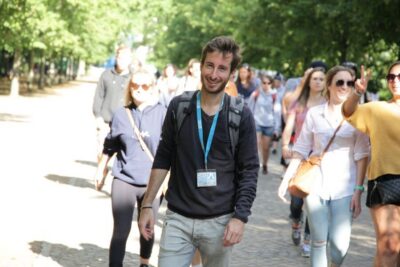
I like that the tour is built around key, name-brand locations, not random stops. You’ll also get a human layer through storytelling from guides such as Eugen, Cieran, Paul, and Cairan, including moments where they share personal photo stories tied to the Wall.
One drawback to plan for: it’s a walking tour in city streets, so weather matters and street noise can interfere when the group is in the wrong spot. Comfortable shoes and smart positioning help a lot.
In This Review
- Key highlights worth your attention
- Start at Hopfingerbräu, then trace the Wall’s story
- Brandenburg Gate to Potsdamer Platz, seeing the city from two sides
- Topography of Terror, the context that makes the Cold War click
- Checkpoint Charlie, the crossing everyone recognizes, then you understand
- Berlin Wall remnants, watchtower details, and the 200-meter reality check
- Berlin Wall Memorial, where the guide spends the most time
- Escape stories and bravery, told with a human scale
- Weather, shoes, and a smart spot in the group
- Price and value, why $31 works (when you want the right format)
- Who this walking tour suits best
- Should you book this Berlin Cold War walking tour?
- FAQ
- How long is the Berlin Cold War History and Berlin Wall Guided Walking Tour?
- Where does the tour meet?
- What are the main places you will visit?
- Is the tour offered in English?
- What should I bring for the tour?
- Is the tour wheelchair accessible?
Key highlights worth your attention
- Hopfingerbräu meeting point by Brandenburg Gate makes it easy to start with a landmark you already recognize
- Checkpoint Charlie with context, not just a photo stop
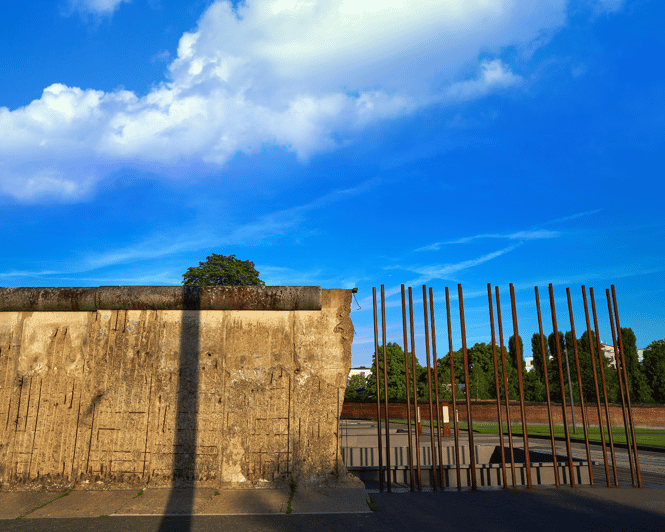
- A former DDR watchtower and Wall remnants during the Berlin Wall segment
- A 200-meter stretch along Niederkirchnerstrasse, where the division is visible in real space
- Berlin Wall Memorial gets extra time (75 minutes) for deeper, more respectful interpretation
- Guides bring it to life with personal stories, including examples from Eugen and Cieran
Start at Hopfingerbräu, then trace the Wall’s story
This tour starts near the Brandenburg Gate area at Ebertstraße 24, with the meetup outside Hopfingerbräu by the Gate. That is a clever setup. You begin in the part of Berlin that screams capital and power, then you walk into the quieter truth of division.
The guide leads at a pace that works well for a 3-hour window. You are moving often enough to feel like you are doing something, but not so fast that the story gets rushed. And because the guide is a local historian, the explanations tend to connect political events to daily life, not just recite dates.
I also like that this is a history you can see, literally. Several stops are tied to remaining structures or memorial spaces, so you can look, pause, and then understand what you’re looking at.
More Guided Walks in Berlin
- Discover Berlin Half-Day Walking Tour
★ 5.0 · 9,624 reviews - Berlin City walk Government District and Places of Democracy
★ 4.7 · 8,467 reviews - Berlin: Third Reich & Cold War Guided Walking Tour
★ 4.9 · 8,378 reviews
Brandenburg Gate to Potsdamer Platz, seeing the city from two sides
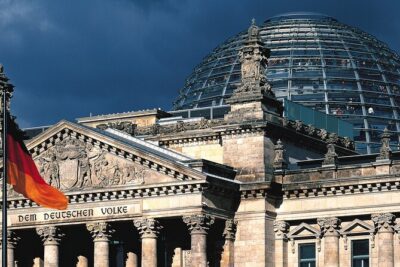
The first big orientation point is the Brandenburg Gate. Even with only about 15 minutes there, it works as a mental reset. It gives you a reference point for where Berlin became a symbol, and why the Cold War turned the city into a high-stakes stage.
From there, you move through the parts of the city that help explain why people ended up living with walls, checkpoints, and rules. Potsdamer Platz is a brief stop, but it matters. It sits right in the story of a divided city, where streets and spaces carried different meanings depending on which side you lived on.
If you are the type who likes your facts tied to geography, this section will feel satisfying. You start to notice how Berlin’s modern look still contains old fault lines.
Topography of Terror, the context that makes the Cold War click
You also pass through Topography of Terror. That stop can add weight fast, because it helps you see how the Second World War set the stage for everything that followed.
This tour’s framing is about the uncomfortable shift after World War II. You’ll hear how alliances between major powers crumbled and how the Cold War formed out of that breakdown. Bringing in the post-war gravity helps the Berlin Wall feel less like an isolated construction project and more like the result of political pressure building over time.
One practical note: Topography of Terror is not the kind of place where everyone wants a cheerful chat. Keep your voice low in the area, and give yourself a moment to adjust. The guide’s pacing here keeps the tone respectful.
Checkpoint Charlie, the crossing everyone recognizes, then you understand
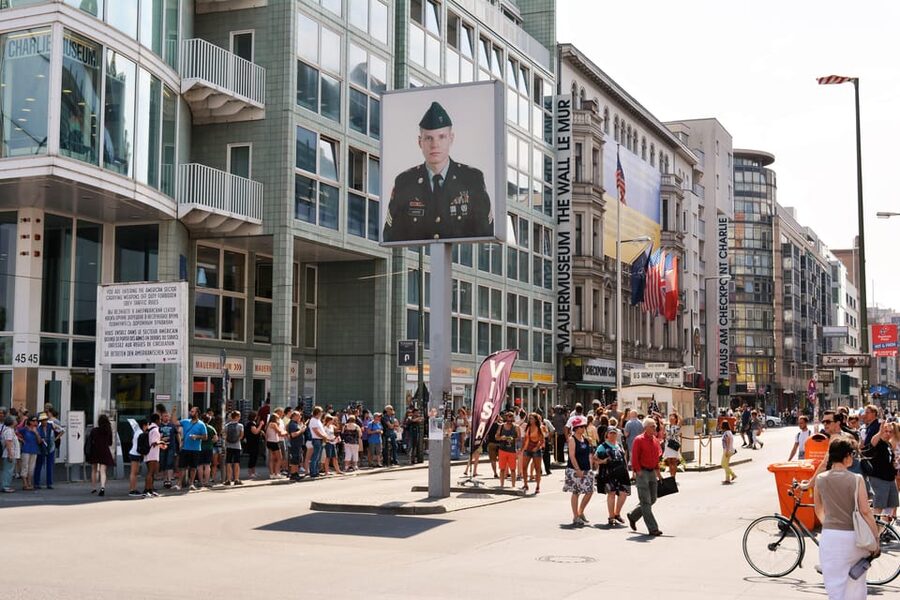
Next is Checkpoint Charlie, with a guided segment (about 25 minutes). This is the stop people often plan around because it’s famous, but the value here is what the guide does after the first photos.
Checkpoint Charlie is not treated as a movie set. You learn what it meant as a border crossing between East and West Berlin, and how people navigated that reality with fear, hope, paperwork, and constant risk.
I really like that the guide connects the spectacle of a famous checkpoint to the actual human cost. You hear stories about what it took to attempt an escape and what it meant to live under a system designed to control movement. It helps you understand why Berlin’s division was so emotionally heavy, even for people who never tried to cross.
Berlin Wall remnants, watchtower details, and the 200-meter reality check
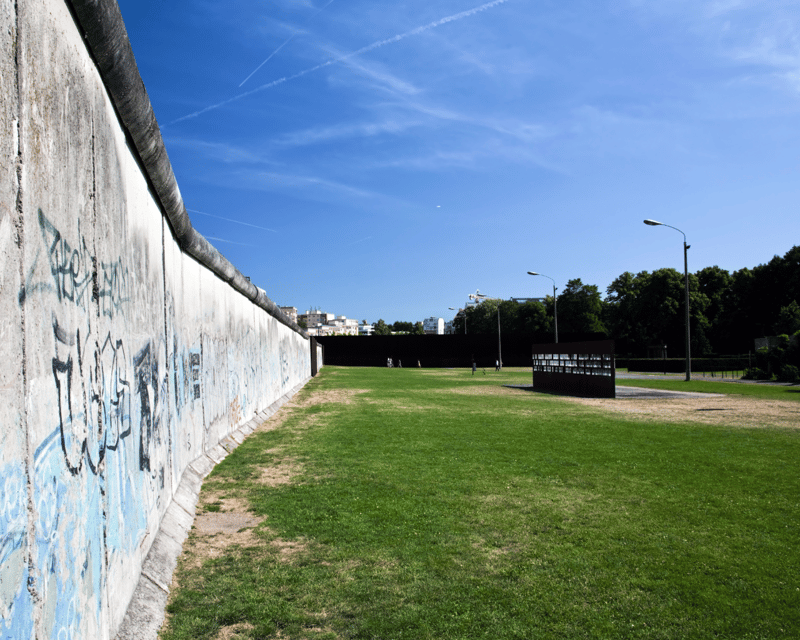
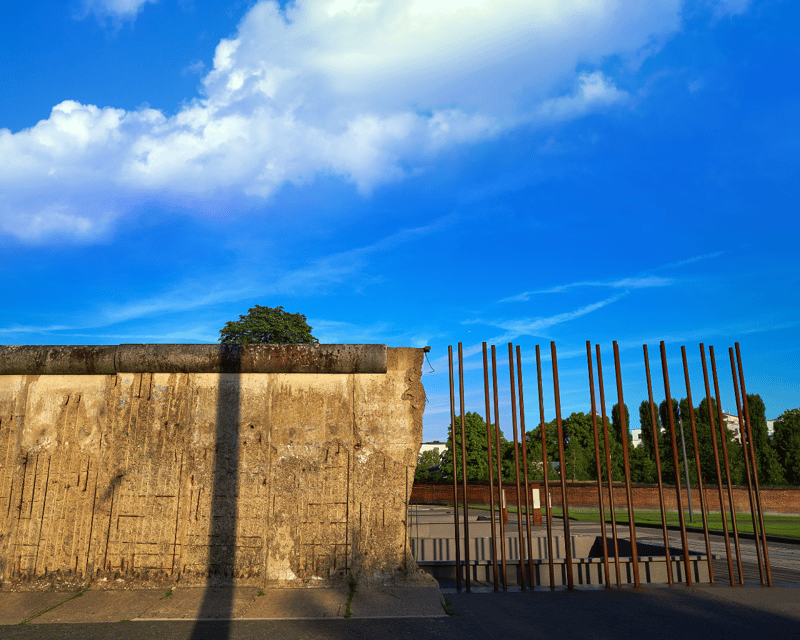
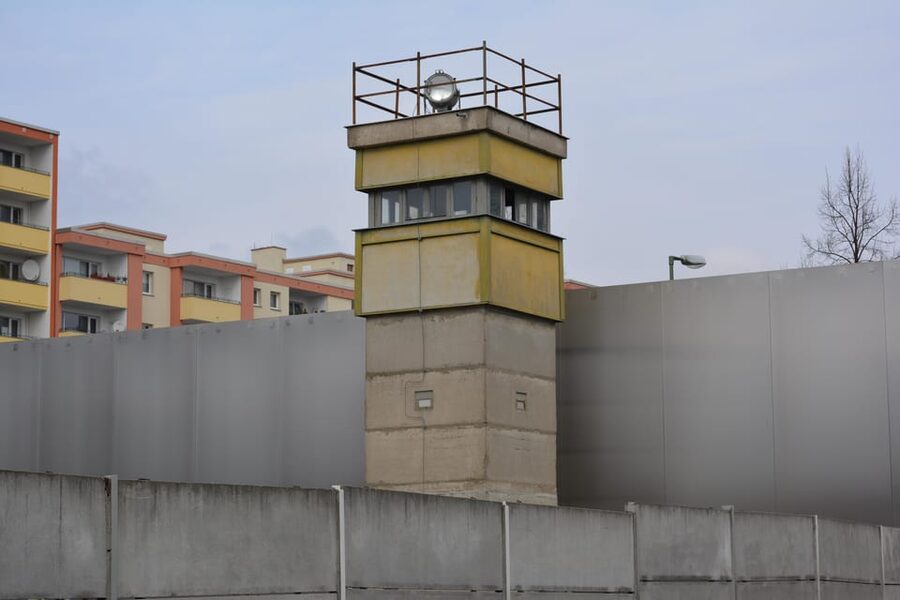
Then you hit the Berlin Wall segment (about 25 minutes). This is where the tour becomes more physical. You see remnants of the divided city, and the highlights specifically call out a former DDR watchtower. Even if you know the Wall story in broad terms, this part can recalibrate your understanding because it turns an idea into a visible structure.
The tour also includes a 200-meter stretch of the former wall along Niederkirchnerstrasse. That detail matters. It’s long enough for you to look at how the Wall line worked in the landscape, not just as a short marker. You can also see why memorialization is so important. When you stand near what’s left, you start to grasp how much control was embedded in geography.
A small tip: look for the patterns the guide points out. The guide often explains what you’re seeing in a practical way, like what the Wall meant for sightlines, access, and the daily routine of living in a divided city.
More traces of the Wall through Berlin:

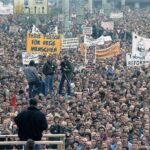
Berlin Wall Memorial, where the guide spends the most time
The Berlin Wall Memorial is the centerpiece stop, with about 75 minutes of guided time. That extra allocation is a good sign. When a tour gives that much time to a memorial, it usually means the focus is on understanding people, not racing to the next photo.
This is where you’ll hear the most about why the Wall was constructed and what led to its eventual fall. The tone tends to shift here. The guide’s job becomes interpretation, not just information.
I like that this stop is built to help you leave with a clearer story arc: the Wall’s purpose, the experience on both sides, and the long build-up toward the Wall’s end. If you’ve ever felt like Cold War history was a bunch of abstract politics, this is where the tour makes it concrete.
Escape stories and bravery, told with a human scale
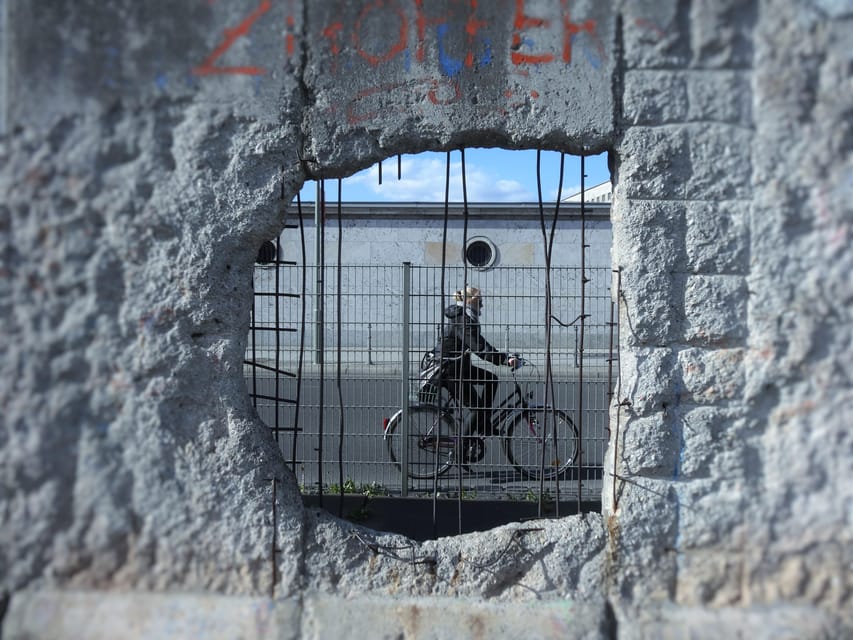
The tour is especially strong on the human side. The highlights call out tales of bravery and escape, and that’s exactly the kind of storytelling that can change how you remember history.
Instead of treating escapes like trivia, the guide frames them as life-and-death choices shaped by surveillance, fear, and the limits of what was possible. That perspective helps you avoid the common trap of romanticizing the past. These were risky moments, and the guide keeps the emphasis on consequences and context.
Guides also sometimes bring in personal photo material tied to the Wall. For example, Cieran is noted for showing photos from his and his family’s own experiences, and Eugen is described as using images with personal stories behind them. Even if you don’t catch every personal detail on a given day, you can expect the guide to use story-driven examples to make the information stick.
Weather, shoes, and a smart spot in the group
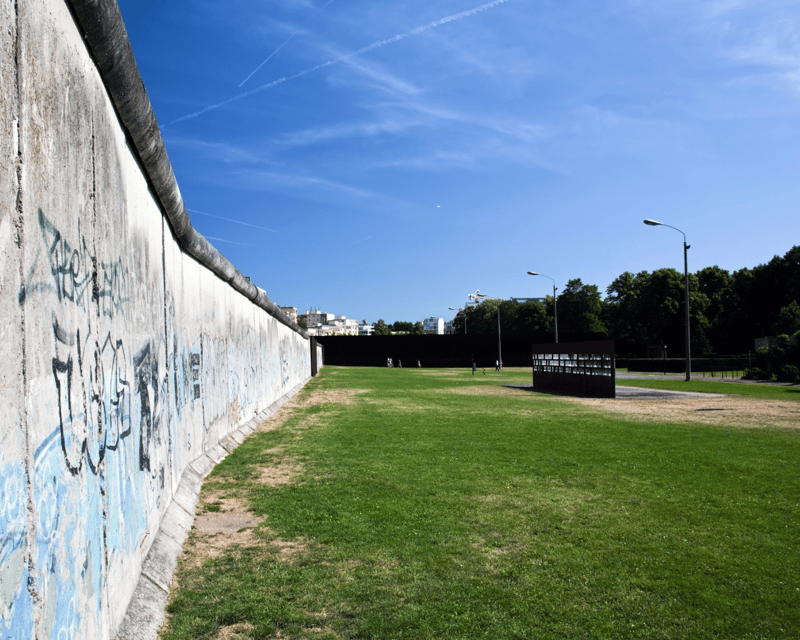
This tour is outdoors and on sidewalks, so plan like it’s a real walk, not a museum shuttle. The guidance is simple: bring comfortable shoes and weather-appropriate clothing.
If the day is noisy, street traffic can be distracting. One practical tip from the tour experience: when the group settles to listen, try to position yourself so you’re facing toward the guide and the group, rather than having your attention constantly tugged away by sound. It can make the difference between catching the story and missing the key point.
And yes, winter Berlin can be cold. One guide experience was described as keeping energy even through heavy snow. That doesn’t mean the cold is fun, but it does mean you should dress for it and you’ll still get value out of the time.
Price and value, why $31 works (when you want the right format)
At $31 per person for about 3 hours, this is priced for travelers who want a focused, guided experience rather than a DIY hop between sites.
What you get for the money is not just a list of famous names. You get:
- a guided walk connecting several major Cold War touchpoints
- a long memorial stop (75 minutes)
- explanation of how the post-World War II situation led to the Wall’s construction
- stories about life on both sides of the divide
If you like to understand what you’re seeing, a local historian at this format is usually good value. It saves you time and turns landmarks into meaning.
If you only want quick photos and you’re already comfortable piecing together timelines on your own, you might not feel the same payoff. But if Berlin’s Cold War story is something you want to learn in a structured way, the price-to-time ratio makes sense.
Who this walking tour suits best
This is ideal if you:
- want Cold War history explained in plain language
- prefer walking between sites instead of jumping on buses
- enjoy guides who tell stories and connect politics to daily life
- want a respectful, time-focused visit at the Berlin Wall Memorial
It can be less ideal if you:
- have very limited mobility or get exhausted quickly, since it’s still a street walk
- expect a self-guided museum pace, with lots of independent browsing
The good news is that the tour is marked wheelchair accessible, and the guide is listed as working in German and English, so you can plan around your language comfort.
Should you book this Berlin Cold War walking tour?
I’d book it if you want your Berlin Wall visit to feel more like understanding a whole system than just seeing a few famous spots. The mix of Checkpoint Charlie, Wall remnants including the 200-meter section, and a long guided memorial stop makes it one of those experiences where the time adds up.
Hold off only if your main goal is casual sightseeing with minimal listening. This tour works best when you show up ready to pay attention.
If you are planning a short Berlin stay and want the Cold War explained with context, a local guide who can tell the story clearly is exactly the kind of shortcut your future self will thank you for.
FAQ
How long is the Berlin Cold War History and Berlin Wall Guided Walking Tour?
The tour lasts about 3 hours.
Where does the tour meet?
Meet outside Hopfingerbräu next to the Brandenburg Gate. The starting location is listed as Ebertstraße 24.
What are the main places you will visit?
You will visit the Brandenburg Gate area, a Berlin Wall segment, Topography of Terror, Potsdamer Platz, Checkpoint Charlie, and the Berlin Wall Memorial.
Is the tour offered in English?
Yes. The live tour guide languages include German and English.
What should I bring for the tour?
Wear comfortable shoes and bring weather-appropriate clothing.
Is the tour wheelchair accessible?
Yes, the tour is listed as wheelchair accessible.
Centuries Per Block
- Berlin: Natural History Museum Entrance Ticket
★ 4.6 · 3,382 reviews - Berlin: 3-Hour World Heritage Cruise to Potsdam
★ 4.5 · 1,569 reviews - Berlin: History of the Third Reich Guided Walking Tour
★ 4.7 · 791 reviews - Berlin: Berlin Charité Guided History Tour
★ 4.4 · 660 reviews
Cities at Walking Speed
- Berlin: Discover Berlin Walking Tour
★ 4.9 · 5,998 reviews - Berlin: Hidden Backyards Guided Walking Tour
★ 4.8 · 5,360 reviews - Third Reich Berlin: Hitler and WWII Walking Tour
★ 5.0 · 3,301 reviews - Berlin: Third Reich, Hitler, and WWII Walking Tour
★ 4.9 · 1,757 reviews
Fresh on the arrivals board for Berlin



Guided Walks in Berlin, compared.
Berlin City walk Government District and Places of Democracy
Read our review →
Berlin’s Best: 2 Hour Walking Tour Third Reich and the Cold War
Read our review →
Third Reich Berlin: Hitler and WWII Walking Tour
Read our review →
Browse the lists this tour appears in