
Reviewed · MUSEUM TOURS IN BERLIN
Berlin: Classical concerts at the Bode Museum Berlin
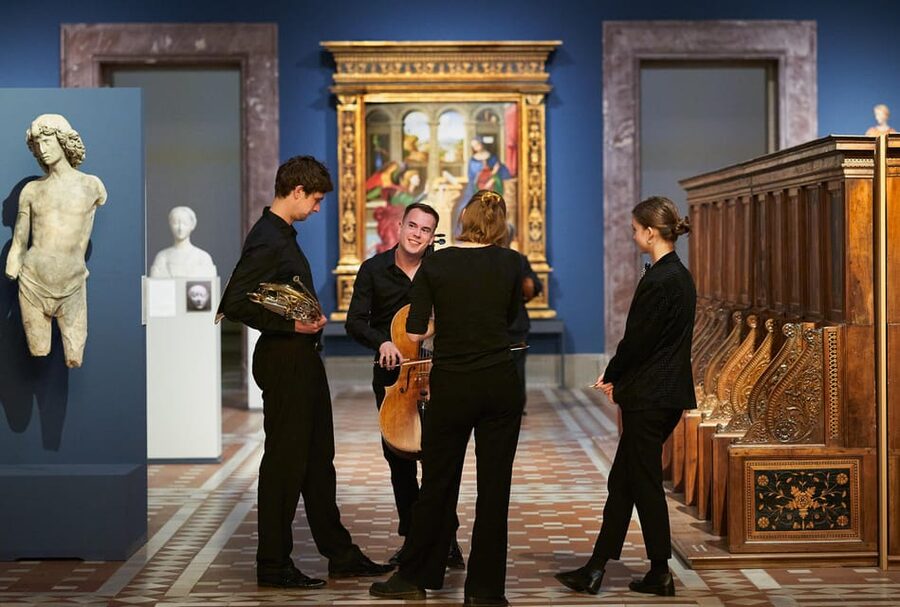
Berlin sounds good in the Gobelin Hall. This concert series turns the Bode Museum into a music room, with classical performances in a historic setting that feels special the moment you enter. I especially like the Gobelin Room atmosphere and how the evening is built around a focused, 90-minute experience.
I also love that your ticket includes free museum admission, so you can treat it like a full Berlin outing, not just a quick show. And I like that the programs span clear musical worlds, from Baroque recorders to Romantic duets and piano-focused nights.
The main drawback to plan for is logistics, namely finding the first-floor hall and then accepting that you can choose a seating category, not a specific seat.
In This Review
- Key takeaways before you go
- The Gobelin Room at the Bode Museum, where Berlin turns quiet
- Your 90-minute concert, plus a real museum stop
- Choosing your 2026 concert night: Baroque to Romantic duets and Mozart
- February 14, 2026: Italian Masters of the Baroque
- March 28, 2026: The Birth of Romanticism
- April 1, 2026: Pure Romance Romantic Duets
- April 2, 2026: Italian Impressions
- April 3, 2026: The Seven Last Words by Joseph Haydn, Op. 51
- April 4, 2026: Piano music to dream to
- April 5, 2026: Romanticism in women’s hands
- April 6, 2026: Beethoven-Liszt in dialogue
- May 9, 2026: Bach Violin Sonatas 2
- May 10, 2026: Mozart Bastien and Bastienne and Gluck The Converted Drunkard
- Where the value really comes from: free admission plus a ticketed concert
- Practical reality: where to meet, how to get in, and how to not waste time
- How the format feels in real life: seating categories and the usual break
- Who this concert series is best for
- Should you book Berliner Schlosskonzerte at the Bode Museum?
- FAQ
- Where does the concert take place?
- How long is the concert?
- What is included with the ticket?
- What is not included?
- What do I need to bring to the concert?
- Do I get to choose specific seats?
- Is the venue wheelchair accessible?
- Can I cancel for a full refund?
- What 2026 program dates are available?
- Who performs on May 10, 2026?
Key takeaways before you go

- A concert inside the Bode Museum’s Gobelin Room on the first floor
- Free museum admission paired with your concert ticket
- Pick from 2026 themed programs, from Italian Baroque to Mozart and Haydn
- 90 minutes to up to two hours, with a usual 20-minute break
- Seating category only, so exact seats are not guaranteed
- Worth checking box office prices if you notice a big online markup
The Gobelin Room at the Bode Museum, where Berlin turns quiet
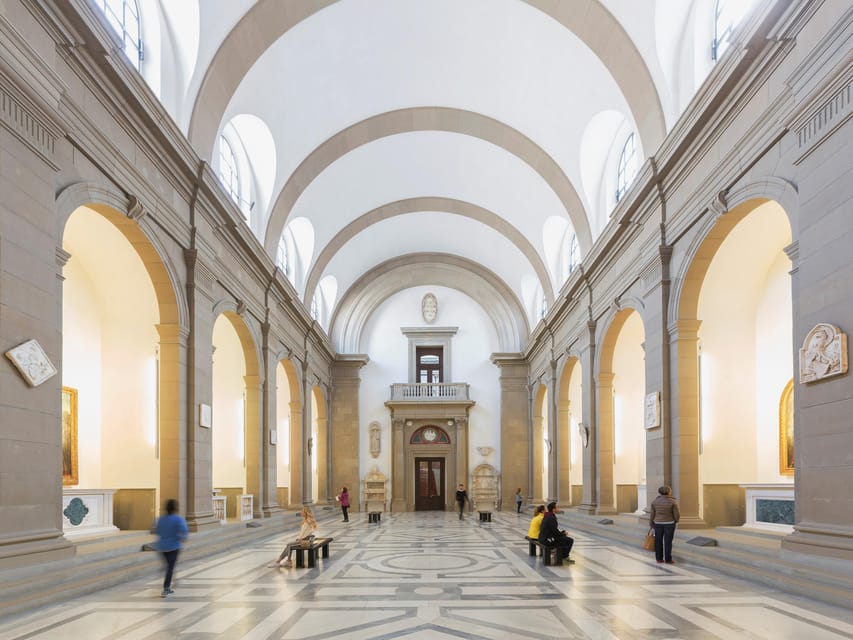
If you want Berlin classical music without the big-hall crowd chaos, this is a strong choice. The concert takes place in the Bode Museum’s Gobelin Room, located on the first floor. That location matters. You are not wandering across a giant campus after dark, you are moving through a museum space that already feels curated and calm.
What I like here is the way the setting supports the music. A museum like the Bode is made for looking and listening. When you pair that with chamber-style programming and a dedicated concert evening, the whole experience feels more concentrated than a typical “go find your seat” evening.
One more practical plus: the ticket bundle includes more than just sound. You get free museum admission alongside the concert, which means you can build an evening that makes sense even if you arrive with plenty of time.
More Museum Tours in Berlin
- Berlin: DDR Museum Tickets
★ 4.3 · 3,443 reviews - Berlin: Natural History Museum Entrance Ticket
★ 4.6 · 3,382 reviews - Berlin: Museum Island Multiple Museum Entry Ticket
★ 4.4 · 2,861 reviews
Your 90-minute concert, plus a real museum stop
Think of your plan like this: museum first, music second. The activity itself runs 90 minutes, but the concert lasts between 90 minutes and two hours and usually includes a 20-minute break. That break is not wasted time. It’s enough to stretch, check your bearings, and return without feeling rushed.
You will also notice how the ticketing is designed. You can select a seating category, not a specific seat. That means you should show up a bit early if you care about where you end up. The venue is wheelchair accessible, so mobility needs should be manageable, but you still want to arrive early enough to settle.
Food is not included, so plan for an easy dinner before or after. If you’re pairing this with museum time, you will want to eat outside the concert slot. A museum evening works best when you are not trying to squeeze a meal into a tight schedule.
Choosing your 2026 concert night: Baroque to Romantic duets and Mozart
Your “itinerary” is really the program you choose. Each concert has a theme, and the performers tell you what kind of sound world you’ll enter. Here’s the lineup for 2026, and how to match it to your taste.
February 14, 2026: Italian Masters of the Baroque
This one is for people who love early music colors. The performers are Susanne Ehrhardt (recorders) and Christian Finke (chest organ). Recorders can sound airy and precise, while a chest organ adds that grounded, old-world resonance. If you want something that feels close to the roots of the classical tradition, this is a great starting point.
March 28, 2026: The Birth of Romanticism
You get the Mozart Ensemble Berlin for a program labeled as a shift into Romanticism. If you like the idea of tracing musical style changes rather than only hearing famous works, choose this night. It sounds like a curated “turning point” evening, with the ensemble bringing a coherent chamber sound.
More museum halls between train times:


April 1, 2026: Pure Romance Romantic Duets
This program leans into voices and piano. The lineup is Inês Pinto (soprano), Kristina Naudé (alto), and Beatrice Wehner-Schaller (piano). If you enjoy the texture of two singers blending with piano, this is likely the night for you. Duets often create a stronger sense of drama than single-voice recitals, even when the venue is intimate.
April 2, 2026: Italian Impressions
This one is color and variety. You have Marianne Boettcher (violin), Yasuko Fuchs-Imanaga (flute), and Karin Leo (guitar). The guitar adds a different timbre than the usual string-and-keyboard mix, and the flute can bring a light, nimble line on top. If you like “different instruments, different moods,” this is the program to aim for.
April 3, 2026: The Seven Last Words by Joseph Haydn, Op. 51
Another strong pick if you want something dramatic under a respected composer name. The performers are Mozart Ensemble Berlin. The title alone signals a solemn or reflective tone, and that often pairs well with a museum venue where you can actually focus. It’s also a good option if you prefer instrumental ensemble nights over vocal programs.
April 4, 2026: Piano music to dream to
This is a pure piano-focused evening with Maria-Magdalena Pitu-Jokisch (piano). When a program is framed as “to dream to,” that usually means you should expect softer dynamic variety and lyrical pacing. If you’re in Berlin for a packed itinerary and you want one night that feels calmer, this is the one.
April 5, 2026: Romanticism in women’s hands
The featured performer is Beatrice Wehner-Schaller (piano). The program title puts the spotlight on women musicians, and you’ll get a full evening of piano expression under that theme. If you like the clarity of a solo instrument night and want something framed around Romantic expression, this fits well.
April 6, 2026: Beethoven-Liszt in dialogue
You get Naoko Fukumoto (piano). The “dialogue” idea matters because Beethoven and Liszt sit in different emotional and technical worlds. Even without reading program notes, this kind of pairing usually leads to contrasting styles, from Beethoven’s structure to Liszt’s show of technique and color. If you want an evening that feels like argument and resolution inside one instrument, pick this.
May 9, 2026: Bach Violin Sonatas 2
This is a Bach program with Marianne Boettcher (violin) and Yuko Tomeda (harpsichord). Harpsichord changes the whole emotional feel of Baroque music. Compared with modern piano, it tends to sound more articulate and spring-loaded, with less sustain. If you like crisp textures and careful listening, this is a very satisfying choice.
May 10, 2026: Mozart Bastien and Bastienne and Gluck The Converted Drunkard
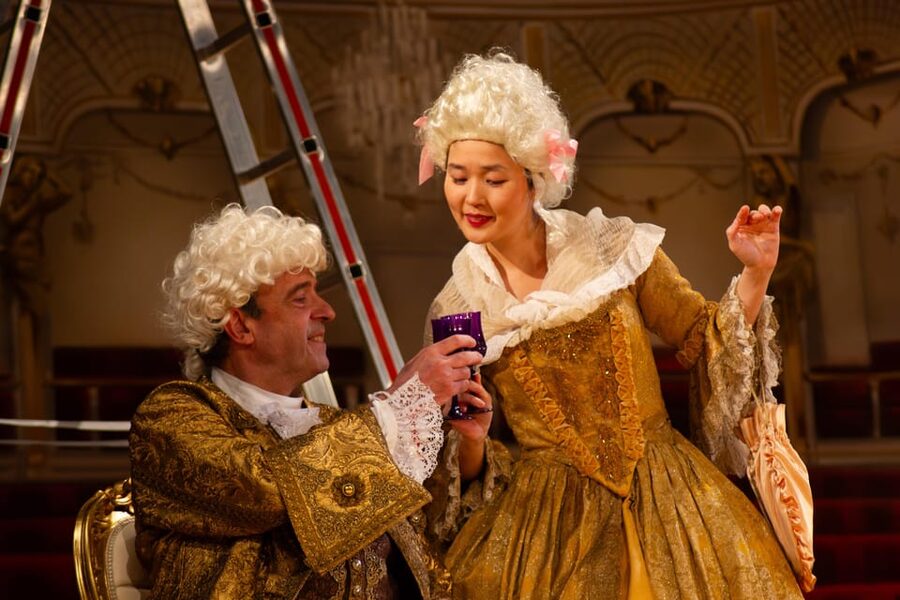
This is the most “theatrical” option on the list, with staging by Roland Treiber and two works in one evening. The performer lineup is detailed:
- Mozart Bastien and Bastienne: Yuri Mizobuchi (Bastien), Inês Pinto (Bastienne), Stephen Barchi (the magician)
- Gluck The Converted Drunkard: Marcel Benedikt (Jacob Ofenloch), Kristina Naudé (Barbara), Inês Pinto (Bastienne), Yuri Mizobuchi (Bastien), Stephen Barchi (Luke)
If you want something that feels more like opera storytelling than a straight concert, this date is likely the best fit. Staging can add energy and make the evening easier to follow, especially if you don’t read music fluently.
Where the value really comes from: free admission plus a ticketed concert
Let’s talk price in a way that helps you decide. The activity is listed at $37 per person, and it includes free museum admission plus the concert tickets. That combination is the main value driver. In Berlin, museum ticket costs are real, and you do not need to “choose between” culture and music. You can do both in one ticketed plan.
Now the only caution: you may see different pricing depending on how you book. One attendee noted that the online price was much higher than the ticket window price, with examples like 64€ versus 48€ or 40€ at the counter. I can’t tell you what it will be for your exact date, but I recommend you check the box office pricing if you see a surprising markup online.
If you like predictable value, this is still a good deal at the stated rate. The concert plus museum entry is simply more complete than many music add-ons that only buy you a seat.
Practical reality: where to meet, how to get in, and how to not waste time
The meeting point is straightforward: the Gobelin Room is on the first floor of the Bode Museum. You should present your voucher at the box office to receive your tickets.
Here’s the practical trick: arrive early enough to find the room without rushing. Some people have found the search harder than expected on a first visit, and there’s nothing fun about trying to locate a specific hall while the ensemble is warming up. Give yourself time, and if you get stuck, ask at the box office for directions to the Gobelin Room.
Also, since you can only choose a seating category, arriving earlier gives you a better shot at a seat you’ll actually enjoy. This matters more than people think. In smaller rooms, a slightly different location can change how much you feel the balance between voice, strings, and keyboard.
How the format feels in real life: seating categories and the usual break
Your concert experience will likely follow a pattern: a performance block, a usual 20-minute break, then a second block. Total duration runs about 90 minutes to up to two hours. That’s a sweet spot for a Berlin evening. It’s long enough to feel like you saw something meaningful, short enough that you can still eat afterward without your schedule unraveling.
Because seating is by category, not exact seat selection, the smartest approach is simple: aim for a calmer evening by picking the category you want and arriving early so you get the best available placement within that category.
If you’re bringing anyone sensitive to noise or movement, the break helps. You can step out without missing the whole show. Just be ready to return on time, since the music will continue.
Who this concert series is best for
This series is a great match if you:
- like classical concerts but want them in a museum setting, not a typical concert hall
- want a structured evening plan, with free museum admission plus a ticketed performance
- enjoy themed concerts, like Baroque instruments, Romantic duets, piano nights, and staged works
It may be less ideal if you:
- hate uncertainty about where you’ll sit, since you choose category only and not specific seats
- want an ultra-flexible plan, since the concert itself runs up to two hours and usually includes a break
- are hungry during the show, since food is not included
The overall rating is 4.3 out of 5 across 26 reviews, and that lines up with what people tend to care about here: the venue and the quality of the concert experience.
Should you book Berliner Schlosskonzerte at the Bode Museum?
Book it if you want a Berlin evening that feels thoughtfully put together: museum first, music second, in the Gobelin Room where the whole event stays focused. The price can be a very fair deal when your ticket also covers museum entry, and the 2026 schedule gives you plenty of ways to match your mood, whether you’re after recorders and chest organ, vocal duets, Bach with harpsichord, or a staged Mozart and Gluck night.
Before you hit confirm, do two small things. First, compare the box office rate on the day you plan to go, because some people have seen major differences. Second, arrive early enough to locate the first-floor Gobelin Room without stress.
If you like classical music with atmosphere and a practical evening plan, this is a strong yes.
FAQ
Where does the concert take place?
The concert is held in the Gobelin Room on the first floor of the Bode Museum in Berlin.
How long is the concert?
The concert lasts 90 minutes, and it can run between 90 minutes and two hours. It usually includes a 20-minute break.
What is included with the ticket?
Your ticket includes free museum admission and the concert ticket.
What is not included?
Food is not included.
What do I need to bring to the concert?
Present your voucher at the box office to receive your tickets.
Do I get to choose specific seats?
You can select a seating category, but you cannot choose specific seats.
Is the venue wheelchair accessible?
Yes, the activity is listed as wheelchair accessible.
Can I cancel for a full refund?
Yes. You can cancel up to 24 hours in advance for a full refund.
What 2026 program dates are available?
February 14, 2026; March 28, 2026; April 1, 2026; April 2, 2026; April 3, 2026; April 4, 2026; April 5, 2026; April 6, 2026; May 9, 2026; and May 10, 2026.
Who performs on May 10, 2026?
The program includes staging by Roland Treiber and features Yuri Mizobuchi, Inês Pinto, Stephen Barchi, Marcel Benedikt, Kristina Naudé, and Inês Pinto again across the Mozart and Gluck works as listed.
More Concerts in Berlin
- Berlin: Stars in Concert
★ 4.2 · 25 reviews - Dresden: Gala Concert in the Dresden Zwinger
★ 4.7 · 1,510 reviews - Munich: Classical Concert at the Residenz Palace
★ 4.6 · 299 reviews - Munich: Concert in the Court Chapel of the Residenz
★ 4.4 · 108 reviews
Fresh on the arrivals board for Berlin






Museum Tours in Berlin, compared.

Skip-the-Line: Berlin Wall Museum at Checkpoint Charlie
Read our review →

“Pergamonmuseum. The Panorama” Exhibition Tickets
Read our review →
East Side Gallery Spree Cruise in a Solar Catamaran
Read our review →
Cold War, Berlin Wall, Spies and the East Side Gallery
Read our review →Browse the lists this tour appears in