
Reviewed · FAIRYTALE CASTLES & PALACE TOURS
Berlin: Classical concerts in Köpenick Palace – Aurora Hall
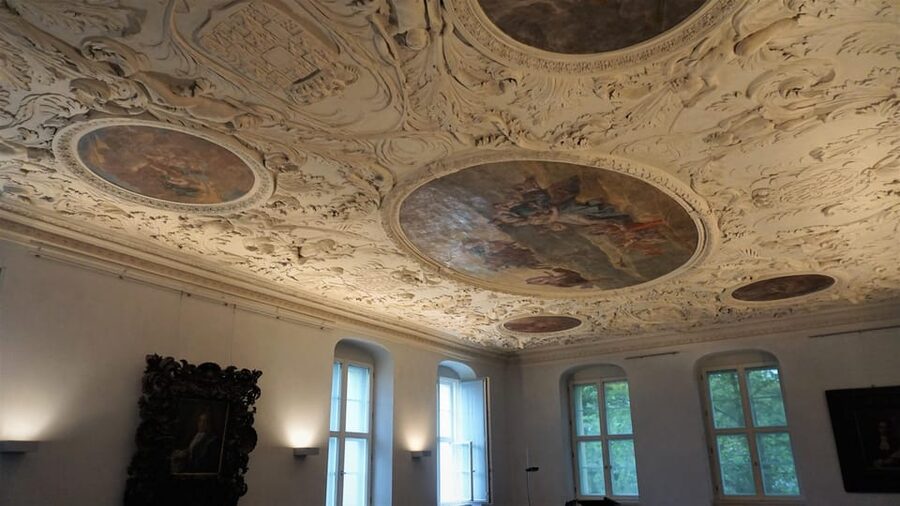
A palace hall makes Mozart feel personal. In Berlin, I love how Aurora Hall turns a classical concert into a close-up experience, where voices and piano land with clarity. I also like the program mix, from opera-flavored duets to major Mozart piano seasons, with performers such as Inês Pinto and the Mozart Ensemble Berlin. One thing to plan for, though: one recent booking flagged extreme heat with no air cooling, so bring a light layer.
This is a 90-minute concert night, run by Berliner Schlosskonzerte, and it pairs nicely with the palace itself. You get free museum admission, so you can treat it like more than a seat-and-sit event. Just note the basics of the house rules: alcohol and drugs are not allowed, and audio recording is also off limits.
At around $33 per person, it feels like solid value for a dedicated classical performance in a historic setting. Still, reliability matters, and at least one public report said the booked event did not take place, with no response at the time. I’d go in with a Plan B mindset if you have very tight travel timing.
In This Review
- Key things to know before you go
- Entering Köpenick Palace and finding Aurora Hall
- The 90-minute concert flow you should plan for
- Choosing your date with the 2026 lineup in mind
- Feb 15, 2026: Pure Romance, Romantic Duets
- Mar 8, 2026: Mozart Piano Works Complete Performance, Program 2
- Mar 22, 2026: Mozart, Songs, Arias, and Duets
- Mar 29, 2026: The Seven Last Words of the Savior on the Cross
- Apr 3, 2026: The Music Book of Frederick the Great
- Apr 4, 2026: Mozart Piano Works Complete Performance, Program 3
- Apr 5, 2026: Piano magic for 4 hands
- Apr 6, 2026: Classical violin sonatas
- May 1, 2026: Schubert Potpourri
- May 10, 2026: Bach Violin Sonatas, 2
- May 17, 2026: Piano music to dream to
- May 31, 2026: Iberian sounds
- Price and value at about $33, with free museum admission
- Comfort, rules, and what to pack for Aurora Hall
- A reliability check before you commit
- Should you book the Köpenick Palace Aurora Hall concerts?
- FAQ
- Where is the meeting point for the concert?
- How long is the classical concert?
- What is the price per person?
- Are there free things included with the ticket?
- Is the venue wheelchair accessible?
- Can I record audio during the concert?
- Are alcohol and drugs allowed?
- What dates and programs are offered in 2026?
Key things to know before you go
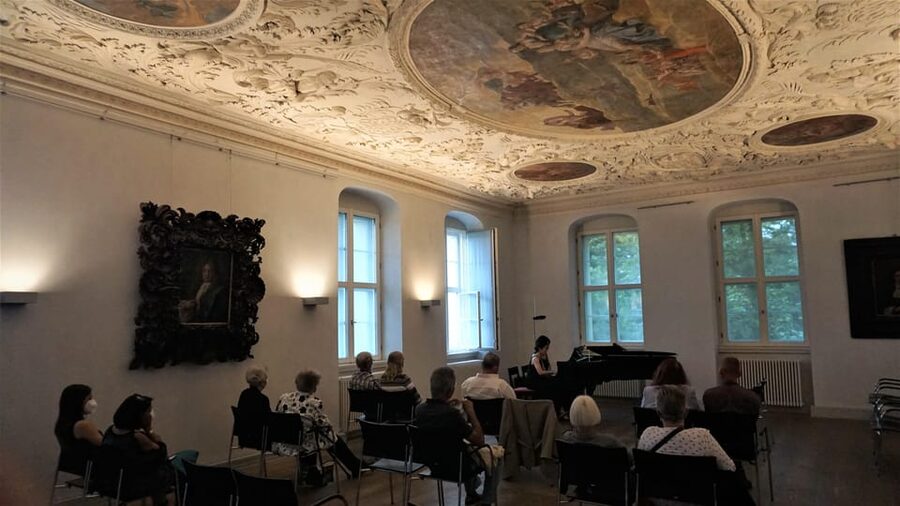
- Aurora Hall in Köpenick Palace gives you a real sense of place, not just another concert venue.
- A tight 90-minute format keeps attention focused from start to finish.
- A varied 2026 lineup moves across romantic duets, Mozart, baroque chamber sounds, violin sonatas, and guitar.
- Big-name performers appear throughout including Inês Pinto, Stephen Barchi, Yuri Mizobuchi, and Yuko Tomeda.
- Free museum admission adds extra value if you arrive a bit early or stay after.
- Comfort can be the wild card, since one note pointed to heat in the hall.
Entering Köpenick Palace and finding Aurora Hall
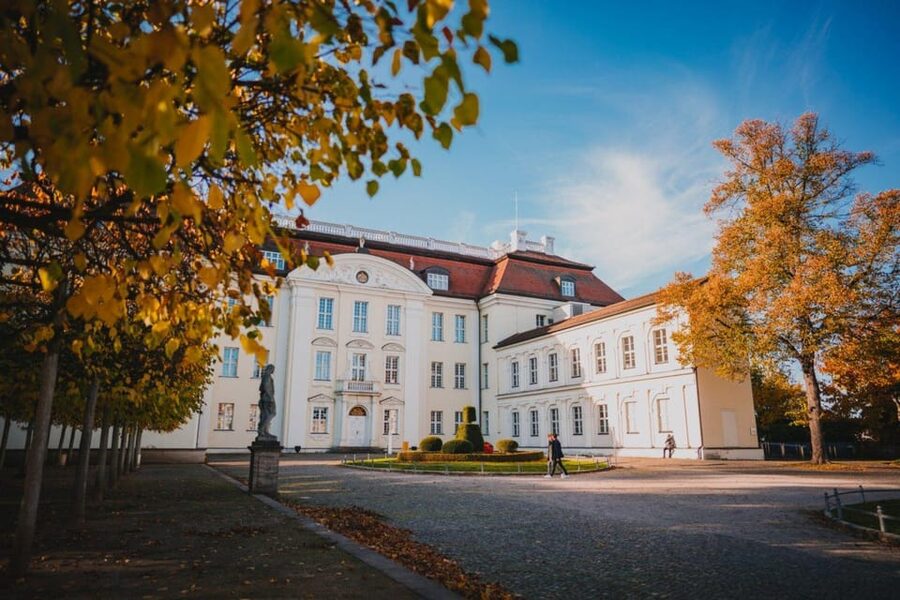
Köpenick Palace is a calm pocket of Berlin compared with the busiest tourist core, and that matters on a concert day. You are going to Aurora Hall, which is also the meeting point, so you do not have to play guessing games once you’re on site. I suggest getting there early enough to slow down, find your way, and settle your mind before the music starts.
What makes this experience feel different is that it is tied to a palace complex. With free museum admission, you can make the evening feel like part culture walk, part performance. If you like to build context, you’ll probably enjoy using the time before the concert to wander at your own pace rather than rushing straight to the seat.
Also, the venue rules point to the vibe: it’s meant to be focused. No alcohol and no drugs means you can expect a quieter room. And no audio recording means the hall stays in listening mode, not gadget mode.
More turrets against the hills:
- Berlin: Charlottenburg Palace Entry Ticket
★ 4.4 · 2,076 reviews - From Berlin: Potsdam and Sanssouci Palace Tour with Entry
★ 4.7 · 1,219 reviews - Potsdam Tour from Berlin With Guided Sanssouci Palace Visit
★ 4.5 · 364 reviews
The 90-minute concert flow you should plan for
The show is listed at 90 minutes, which is perfect if you want classical music without committing to a long evening. That compact timing also changes how you should prepare.
First, use the time before the concert begins for the small stuff. If you tend to get restless in your seat, handle it before the performance starts, because you may not have much slack. Second, dress for comfort. One audience note mentioned unusually hot conditions, so if you get warm quickly, plan like you might be sitting in a stuffy room for the whole 90 minutes.
During the concert itself, expect a program built around specific themes and performers. These nights are not random mixes. They are structured as complete musical statements, like Pure Romance with romantic duets, or Mozart piano programs treated as a full experience rather than a quick sampler.
And if you are the type who likes to understand what you are hearing, you can take a simple approach: decide whether you prefer voices (soprano/mezzo/baritone) or pure instrumental nights. Then pick a date that matches your mood.
Choosing your date with the 2026 lineup in mind
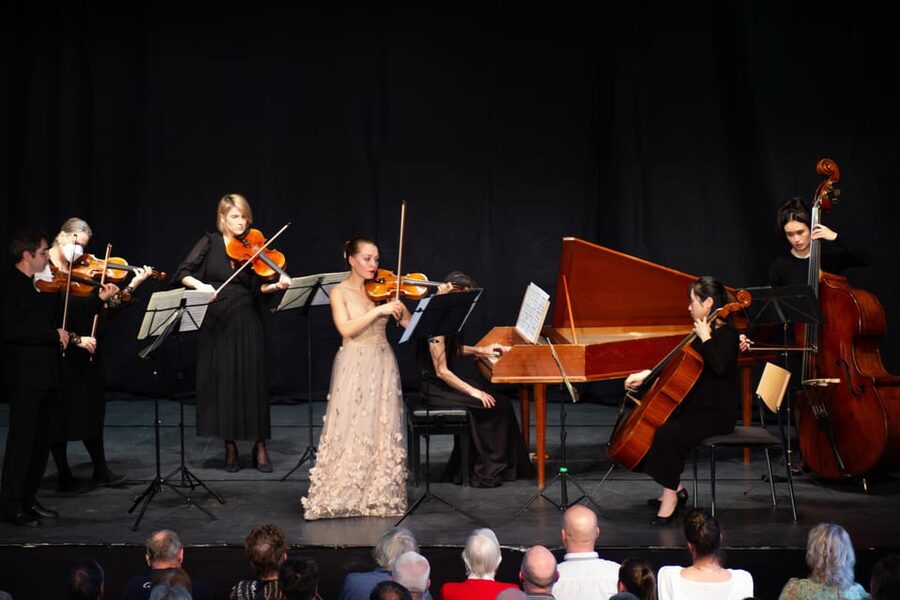
The best way to enjoy this series is to pick the program that matches your listening taste. The schedule for 2026 is packed with variety, and it helps you avoid one of the most common concert regrets, showing up and realizing the night is not your style.
Feb 15, 2026: Pure Romance, Romantic Duets
This night centers on two singers and piano: Inês Pinto (soprano), Kristina Naudé (alto), and Beatrice Wehner-Schaller (piano). If you like music that feels lyrical, story-like, and emotionally direct, this is the most straightforward entry point. You’ll get the thrill of vocal duets, with the piano acting like the engine under the voices.
What I like about this kind of program is that it works even if you are not a hard-core classical nerd. The emotional cues in romance and duet writing tend to be easy to follow, especially in a focused room like Aurora Hall.
Mar 8, 2026: Mozart Piano Works Complete Performance, Program 2
Here the focus is on the piano with Maria-Magdalena Pitu-Jokisch. A complete-performance format usually means you are not just hearing highlights, you’re hearing a sustained musical argument. If you enjoy the mind-work of Mozart piano writing, this is a great choice.
This is also a good date for people who want something calmer and more brainy than vocal opera nights. You can listen for structure, phrasing, and how the performer shapes tempo and tone over time.
Also holding a platform in Berlin



Mar 22, 2026: Mozart, Songs, Arias, and Duets
This program adds more drama and vocal color with Yuri Mizobuchi (mezzo-soprano), Stephen Barchi (baritone), and Graham Cox (piano). If you love how Mozart blends humor, longing, and sharp wit inside music, vocal programs like this are the most rewarding.
I like pairing this with a simple expectation: you are going to get variety inside one evening. Songs, arias, and duets usually bring different voice colors and different emotional speeds, and piano keeps everything anchored.
Mar 29, 2026: The Seven Last Words of the Savior on the Cross
This one is listed with the Mozart Ensemble Berlin. Titles like this tend to lean serious and contemplative, which makes it a strong choice for a quieter evening when you want the music to feel weighty rather than light.
If you already know you enjoy ensemble sound, this date is for you. If you’re new to this kind of repertoire, it can still be approachable because the emotional tone does a lot of guiding.
Apr 3, 2026: The Music Book of Frederick the Great
You’ll hear Susanne Ehrhardt (recorders) and Yuko Tomeda (harpsichord). This is the kind of program that teaches your ears new details. Recorder sound is distinct, and harpsichord color changes how you perceive rhythm and harmony. If your classical listening has mostly been modern piano or romantic orchestral works, this is a refreshing switch.
This is also a great date if you care about historical texture. Even without getting technical, you’ll likely notice how crisp and speech-like the recorder can be next to the harpsichord’s clarity.
Apr 4, 2026: Mozart Piano Works Complete Performance, Program 3
Again, this is centered on piano, with Naoko Fukumoto. If you liked Program 2, this is your follow-through. I think complete-performance series are smart because you can track the musical thinking over multiple nights, instead of treating each show as a one-off.
Apr 5, 2026: Piano magic for 4 hands
A real crowd-pleaser style, listed with Naoko Fukumoto and Maria-Magdalena Pitu-Jokisch, playing piano works for four hands. The title alone tells you to expect playful energy, tight coordination, and moments where two pianists sound like one big machine.
If you want something lighter without going silly, this is a strong bet. Four-hand piano often brings warmth and rhythmic sparkle.
Apr 6, 2026: Classical violin sonatas
This day brings violin and piano: Annegret Pieske (violin) and Victoria Litsoukova (piano). I love violin sonatas because the conversation is the whole point. The violin sings, the piano responds, and you hear how melodies and accompaniment trade roles.
If you like music with clear back-and-forth energy, you’ll probably feel it quickly.
May 1, 2026: Schubert Potpourri
A vocal-instrumental mix again with Stephen Barchi (baritone) and Maria-Magdalena Pitu-Jokisch (piano). Schubert is often remembered for tenderness and lyrical storytelling, and a potpourri format usually means you’ll sample multiple moods.
This is a good date if you want a “feel-good” kind of classical night that still sounds serious and well-crafted.
May 10, 2026: Bach Violin Sonatas, 2
Starring Marianne Boettcher (violin) with Yuko Tomeda (harpsichord). Bach with harpsichord tends to make patterns pop. Even when the music is complex, it often feels purposeful, like everything is connected.
If you like hearing how counterpoint works, this is an excellent pick. It can also be a great bridge between baroque interests and modern listening habits.
May 17, 2026: Piano music to dream to
A solo piano night with Maria-Magdalena Pitu-Jokisch. When a program is labeled as dreamlike, I’d expect softer dynamics, reflective pacing, and a more inward mood. If you are in Berlin for a packed itinerary, this may be the evening that helps your brain downshift.
May 31, 2026: Iberian sounds
This final date leans regional in flavor, with Inês Pinto (soprano) and Márcio Silva (guitar). Guitar changes the texture fast. Pair that with a voice and you get an evening that can feel more colorful and rhythmic than typical piano-heavy classical nights.
If your classical tastes include world-influenced classical crossover, this is probably the most distinctive option on the calendar.
Price and value at about $33, with free museum admission
Let’s talk value like a practical traveler. The ticket price is $33 per person for a 90-minute concert. On paper, that is straightforward. In real life, the value comes from two things.
First, you’re paying for a focused, dedicated performance in Aurora Hall. That kind of setting matters. If you’ve ever been to a concert where the room is too chaotic to listen, you know how expensive it is to waste your attention.
Second, the experience includes free museum admission. That turns your evening into a fuller cultural stop. Even if you only spend a short time in the museum, you get more than just the show. For some people, this is what makes a cheaper ticket feel like a bigger outing.
If you are traveling on a budget, or you’re trying to balance “must-see Berlin” with “stuff I actually enjoy,” this series can fit well. The lineup also gives you a way to choose what you want, instead of buying a random show and hoping it matches your taste.
Comfort, rules, and what to pack for Aurora Hall
This is where I’ll be very honest. One recorded experience said the hall had serious heat issues and no refrigeration. That does not mean every night will be the same, but it means you should not show up dressed for cool theater air.
My packing list is simple:
- Bring a light layer you can remove if needed.
- Wear breathable clothes if you run warm.
- Consider a small personal fan if you tolerate that kind of item, just stay aware of what’s allowed in the hall.
The other rules are clear and helpful. Alcohol and drugs are not allowed, and audio recording is not allowed. That usually means fewer distractions and a calmer atmosphere. If you are the type who likes to listen without interruptions, these rules support that.
Wheelchair accessibility is listed, which is a major plus if you need it. But even if you do not, accessibility information often correlates with better signage and smoother entry, which makes the start of the concert easier.
A reliability check before you commit
One public report noted that a booked event did not take place and that there was no response at the time. That’s not enough to scare me away from the whole series, but it is enough to change how I plan.
If you want a low-stress experience, do two things:
- Confirm your exact date and start time before you leave your hotel.
- Keep your day flexible enough that if something slips, you still have something good to do nearby.
Also, the series offers free cancellation up to 24 hours in advance, so you can use that buffer if your schedule is in flux. When you are traveling, small insurance like that can save your evening.
Should you book the Köpenick Palace Aurora Hall concerts?
I’d book this if you want classical music in a palace setting and you like choosing from a lineup that covers both vocals and instruments. I especially like the range from Mozart piano focus to chamber styles like recorders and harpsichord, plus the more approachable dates like Pure Romance and the four-hand piano program.
I would think twice if you are highly sensitive to heat or if you have no room for schedule disruption. That heat note and the one reliability complaint are real enough that you should plan smart, not just hopeful.
If you match the right date to your taste, this series can feel like a perfect Berlin evening. A calm hall, a clear program, and a setting that turns classical listening into something personal.
FAQ
Where is the meeting point for the concert?
The meeting point is Aurora Hall.
How long is the classical concert?
The concert lasts about 90 minutes.
What is the price per person?
The price is listed as $33 per person.
Are there free things included with the ticket?
Yes, free museum admission is included.
Is the venue wheelchair accessible?
Yes, it is listed as wheelchair accessible.
Can I record audio during the concert?
No, audio recording is not allowed.
Are alcohol and drugs allowed?
No, alcohol and drugs are not allowed.
What dates and programs are offered in 2026?
In 2026 the lineup includes: February 15, Pure Romance (Romantic Duets); March 8, Mozart Piano Works Complete Performance Program 2; March 22, Mozart Songs, Arias, and Duets; March 29, The Seven Last Words of the Savior on the Cross; April 3, The Music Book of Frederick the Great; April 4, Mozart Piano Works Complete Performance Program 3; April 5, Piano magic for 4 hands; April 6, Classical violin sonatas; May 1, Schubert Potpourri; May 10, Bach Violin Sonatas 2; May 17, Piano music to dream to; and May 31, Iberian sounds.
Fresh on the arrivals board for Berlin

Fairytale Castles & Palace Tours, compared.

Neuschwanstein & Linderhof Castle Full-Day Trip
Read our review →
Neuschwanstein & Linderhof Castle-Fairytale Day Tour from Munich
Read our review →



Premium Neuschwanstein Castle and Linderhof VIP Tour from Munich
Read our review →

Browse the lists this tour appears in