
Reviewed · WALKING TOURS
Warnemünde: Guided Walking Tour
Warnemünde is small, but it never feels boring. In just 1.5 hours with a live German guide, you get a focused stroll through fishermen-house alleys and the promenade sights that define this Baltic seaside resort. I like how the tour keeps you moving, so you’re not stuck staring at a map while the best views pass by.
My second favorite part is the mix of famous landmarks and practical, what-am-I-looking-at context. You’ll see the Warnemünde Lighthouse and the Teepott, then learn what’s going on with the beach’s geology and the village’s fishing traditions. The only drawback to plan for is that entry to attractions is not included, so if you want inside access somewhere, you’ll need to budget extra.
In This Review
- Key points before you go
- Warnemünde on Foot, Why This 1.5 Hour Walk Works
- Meeting at Rostock-Information Warnemünde, Then You Start
- Old Fishermen’s Alleys and How the Fishing Village Worked
- Bannhofsbrücke and the Old River: A Mini Geography Lesson
- The Edvard Munch House Stop: Art History Without the Museum Fatigue
- Promenade Icons: Lighthouse and the Teepott Photos That Mean Something
- Warnemünde Beach Geology: What You Can See With Your Own Eyes
- Optional Detour: Train Station and Neuer Strom
- Price and Value: Is $17 a Fair Deal for 1.5 Hours?
- Who This Tour Suits Best (and Who Might Skip It)
- Should You Book the Warnemünde Guided Walking Tour?
- FAQ
- How long is the Warnemünde guided walking tour?
- How much does the tour cost?
- Where is the meeting point?
- What’s included in the price?
- Is entry to attractions included?
- What sights will we see?
- What language is the guide?
- Are there different starting times?
- Can I cancel for a full refund?
- Can I pay later?
Key points before you go
- Old fishermen-house streets give you the real Warnemünde vibe fast
- Bannhofsbrücke and the old river add a clear local geography lesson
- Edvard Munch House connects the seaside to one of Europe’s best-known artists
- Warnemünde Lighthouse and the Teepott are quick, iconic photo stops on the promenade
- Beach geology explanations help you notice details you’d miss on your own
- Optional add-ons can include Warnemünde Train Station and Neuer Strom (if you choose)
Warnemünde on Foot, Why This 1.5 Hour Walk Works
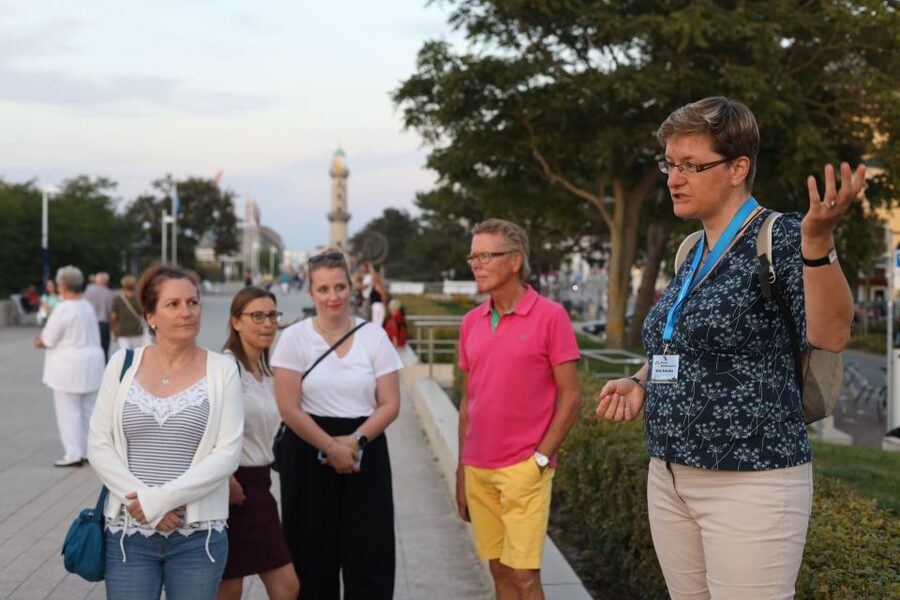
This is a short tour, and that’s a big part of why it’s such good value. At 1.5 hours, you’ll cover the classic highlights of Warnemünde without turning your day into an all-day logistics project. You walk, you pause for key sights, and you get a guide to translate what you’re seeing into something meaningful.
The best part is the balance. You get the picturesque stuff, like those charming alleys and the seaside promenade views. But you also get the everyday logic behind the place, including how Warnemünde grew from a fishing village and how fishermen used to lure their catch.
Also, this isn’t a lecture. It’s a walking tour where the story sticks because you’re seeing the landmarks while the guide explains them. If you like sightseeing where you leave with more than photos, this format helps a lot.
More German cities at walking speed:
- Rostock: City Walking Tour
★ 4.9 · 198 reviews - Discover Berlin Half-Day Walking Tour
★ 5.0 · 9,624 reviews - Berlin City walk Government District and Places of Democracy
★ 4.7 · 8,467 reviews
Meeting at Rostock-Information Warnemünde, Then You Start
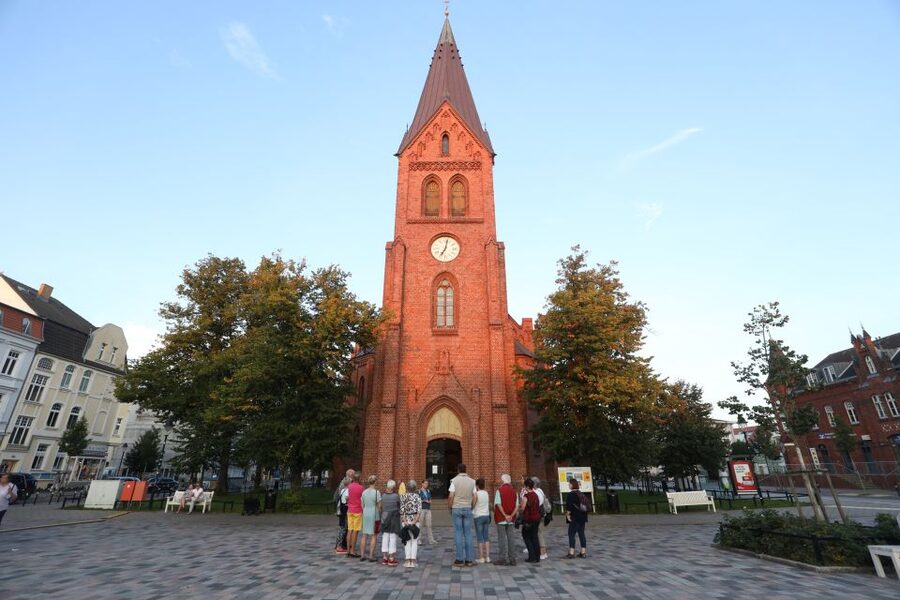
You meet in a simple, easy-to-find spot: in front of Rostock-Information Warnemünde, at the corner of Alexandrinenstraße and Kirchenstraße. That matters because a tour like this lives or dies on momentum. If you’re still hunting for the meeting point, you’ll start the walk flustered, not curious.
The tour is led by a live guide, and the language is German. If you’re not comfortable with German, you might still enjoy the visual side, but you’ll miss some of the cultural connections. I’d treat this as a great choice if you can follow along at least at a basic level, or if you’re traveling with someone who can.
No worries about long commitments. The length is fixed at 1.5 hours, and you can check availability to find starting times. If your schedule is flexible, you can also reserve first and pay later, then cancel for a full refund up to 24 hours before (if plans change).
Old Fishermen’s Alleys and How the Fishing Village Worked
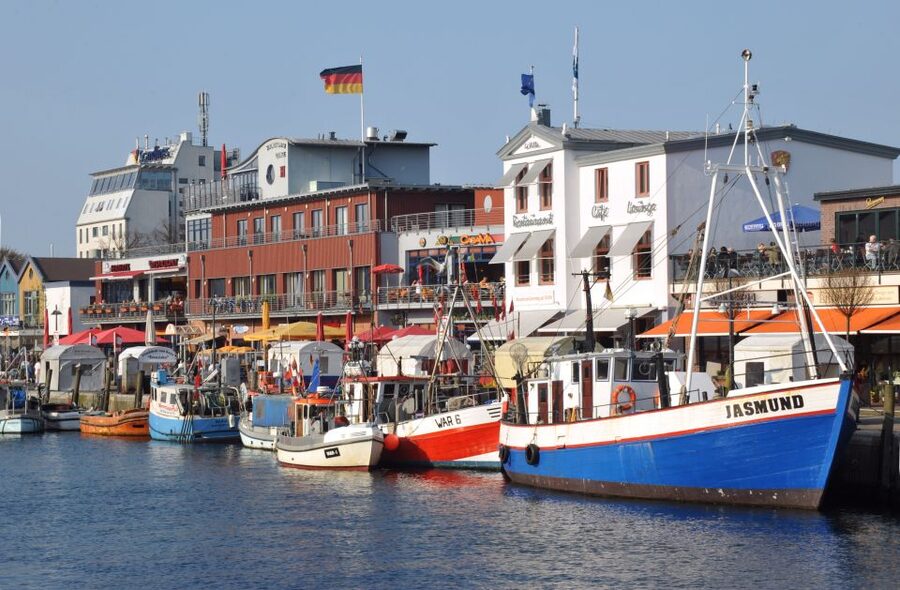
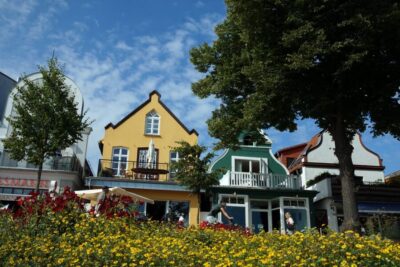
Right away, you’re in the part of Warnemünde that feels lived-in. The tour takes you through charming alleys lined with old fishermen’s houses. These are the streets where you understand why the town’s identity is so tied to the harbor and the sea.
Then the guide connects the buildings to the past. You’ll hear how the small fishing village of Warnemünde formed its culture and traditions, and you’ll learn how fishermen used to lure their beloved catch. That kind of detail is more than trivia. It explains why certain places mattered, why the harbor area had a particular rhythm, and why the town developed the way it did.
If you love “how places worked” stories, this is one of the stronger parts. Even if you’re just passing through, these explanations make the streets feel like a real environment, not a postcard set.
Bannhofsbrücke and the Old River: A Mini Geography Lesson
One of the most practical stops is the bridge, Bannhofsbrücke, plus the old river. This is the moment where the tour stops being only scenic and starts being structured in your head.
When you see how waterways shape settlement patterns, everything else clicks. You understand why routes mattered, why the river and harbor zones connect the town the way they do, and why certain promenades feel like the town’s spine. The guide’s anecdotes help you connect the dots as you walk, so you don’t have to piece it together later.
There’s also an easy “travel benefit” here. After a geography refresher like this, you’ll navigate the rest of Warnemünde with more confidence. You’ll know what’s nearby and what direction the town’s key areas sit in.
The Edvard Munch House Stop: Art History Without the Museum Fatigue
One highlight you should look forward to is the Edvard Munch House, the house he once called home. This is a clever addition because it adds a layer that’s easy to miss when you think of Warnemünde only as a seaside destination.
The tone here tends to be personal and place-based. You’re not just hearing art history in a vacuum. You’re linking a famous artist to a specific setting, the kind of sea air and coastal atmosphere that shaped daily life for people there.
Because you’re on foot, the Munch stop feels integrated, not isolated. You see it as another chapter in how the town developed, not as a separate attraction you must schedule into your day.
Keep one thing in mind: entry to attractions is not included. So if you’re hoping for an inside visit, you’ll need to treat this stop as a viewing point and possibly plan separate tickets if you want more.
Also holding a platform in Rostock



Promenade Icons: Lighthouse and the Teepott Photos That Mean Something
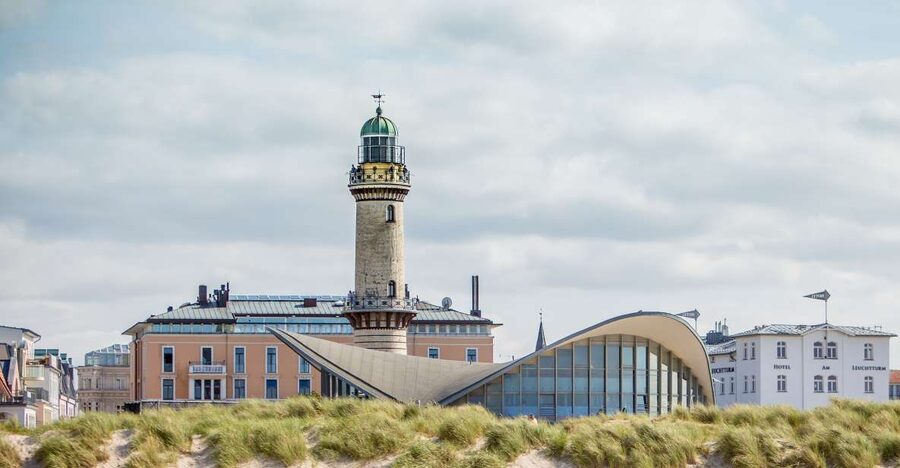
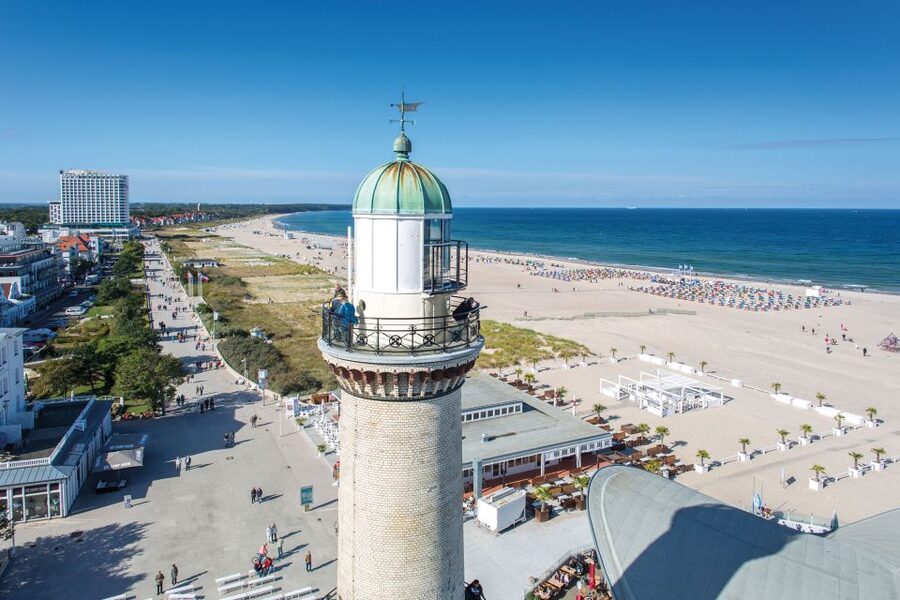
Along the promenade, you get the two big headline sights: the Warnemünde Lighthouse and the Teepott. These aren’t random photo props. They represent how the town presents itself, from navigation and maritime identity to the way Warnemünde has become a recognizable seaside resort.
The lighthouse is the kind of landmark you can spot from a distance, and that makes it ideal for a walking tour. It gives you a visual anchor while you move through the promenade zone. You’ll likely find yourself using it as a reference point to orient the walk in your mind.
Then there’s the Teepott. Even if you only know it as an iconic shape, seeing it in context helps. The guide’s commentary ties it back to Warnemünde’s local culture and the promenade’s role in daily life.
This section is great if you want classic coastal views but also want a bit of explanation that makes the landmarks feel tied to the town, not just famous objects.
Warnemünde Beach Geology: What You Can See With Your Own Eyes
A surprising highlight is the geological side of Warnemünde Beach. Most seaside walks focus on views and weather. This one tries to train your eyes on the ground itself.
The idea is simple and very useful: when your guide points out what the beach’s geology means, you stop treating the shore as background. You start noticing patterns and features that you’d otherwise walk right past.
I like this kind of stop because it upgrades your experience without slowing the group down. In a short tour, you still get variety. And geology is one of those topics where a short explanation can unlock a lot of observation.
Even if you’re not a science person, you’ll probably leave with a mental checklist of what to look for next time you’re near a coastline like this.
Optional Detour: Train Station and Neuer Strom
If you have a little extra time or you just enjoy longer walking routes within the same tour, you may be able to explore Warnemünde Train Station and Neuer Strom. These are framed as optional discoveries, which is practical.
This works especially well for you if you’re planning to use public transport during your stay. You’ll get a clearer sense of where things sit in relation to the rest of town, and you can connect the tour experience to your own schedule.
On the other hand, if you’re traveling with limited stamina or you want only the headline sights, it’s fine to focus on the core route. The main walking highlights already cover the lighthouse, Teepott, and Munch house area, plus the beach geology stop.
Price and Value: Is $17 a Fair Deal for 1.5 Hours?
At $17 per person, this tour is priced like something built for value, not like a premium full-day excursion. And for good reason. You’re paying for a live guide for 1.5 hours and for someone to connect the dots between spots you might not fully understand on your own.
Here’s how I think about value for a guided walk like this:
- You get access to cultural context you can’t easily guess from the street view.
- The guide helps you prioritize what matters in a short timeframe.
- You don’t need to design a route, which saves time and stress.
Since entry to attractions is not included, the tour value comes from the walking, explanations, and viewpoint stops. If you’re expecting museum entrances or ticketed sites, you’ll need to plan separately. But if you want a strong orientation to Warnemünde with local storytelling, $17 feels fair.
And the group pace matters. A guided walk at this duration usually means you’re not dragged through an overlong route. You see the key sights and you still have plenty of time for your own seaside wandering afterward.
Who This Tour Suits Best (and Who Might Skip It)
This fits you well if you like these things:
- walking-based sightseeing that keeps your time efficient
- local guide storytelling about fishing village life
- a mix of landmark views and practical explanations
- a short plan you can repeat later on your own
It also suits you if you want a “first-timer orientation” to Warnemünde. In a couple of hours, you’ll get enough structure to explore independently afterward.
I’d be a bit more cautious if you only want interior access to major attractions. Because entry is not included, this is more about seeing and learning from the outside and from viewpoints along the promenade.
Language is another factor. The tour is German. If German is a challenge, you might still enjoy the sights, but you’ll likely feel the tour is less satisfying than it could be.
Should You Book the Warnemünde Guided Walking Tour?
Yes, I think you should book it if you want a simple, focused way to learn Warnemünde without building an itinerary from scratch. It’s short, clearly structured, and it hits multiple kinds of interest in one route: coastal landmarks, local bridge and river context, the Edvard Munch House connection, and beach geology that gives you something to look for.
Book it especially if you like small details explained by a real local guide. The comments tied to the tour’s usefulness often point to the same theme: it’s the small things you notice only after someone points them out.
Skip it if you only care about ticketed attractions or if you strongly prefer English-language guiding. Otherwise, at $17 for 1.5 hours, it’s a solid way to turn a seaside stop into a more memorable one.
FAQ
How long is the Warnemünde guided walking tour?
The tour lasts 1.5 hours.
How much does the tour cost?
The price is $17 per person.
Where is the meeting point?
Meet in front of Rostock-Information Warnemünde at the corner of Alexandrinenstraße and Kirchenstraße.
What’s included in the price?
The tour includes a walking tour and a local guide.
Is entry to attractions included?
No. Entry to attractions is not included.
What sights will we see?
You’ll see Warnemünde Lighthouse, the Teepott, Bannhofsbrücke and the old river, the Edvard Munch House, and you’ll also explore the geological side of Warnemünde Beach. You may also visit Warnemünde Train Station and Neuer Strom if you wish.
What language is the guide?
The live tour guide is in German.
Are there different starting times?
You can check availability to see starting times.
Can I cancel for a full refund?
Yes. You can cancel up to 24 hours in advance for a full refund.
Can I pay later?
Yes. You can reserve now and pay later.
Fresh on the arrivals board for Rostock


Walking Tours, compared.

Berlin City walk Government District and Places of Democracy
Read our review →


Berlin’s Best: 2 Hour Walking Tour Third Reich and the Cold War
Read our review →

Browse the lists this tour appears in