
Reviewed · ROSTOCK TOURS & ACTIVITIES
Rostock: Tour with the Rostocker Executioner
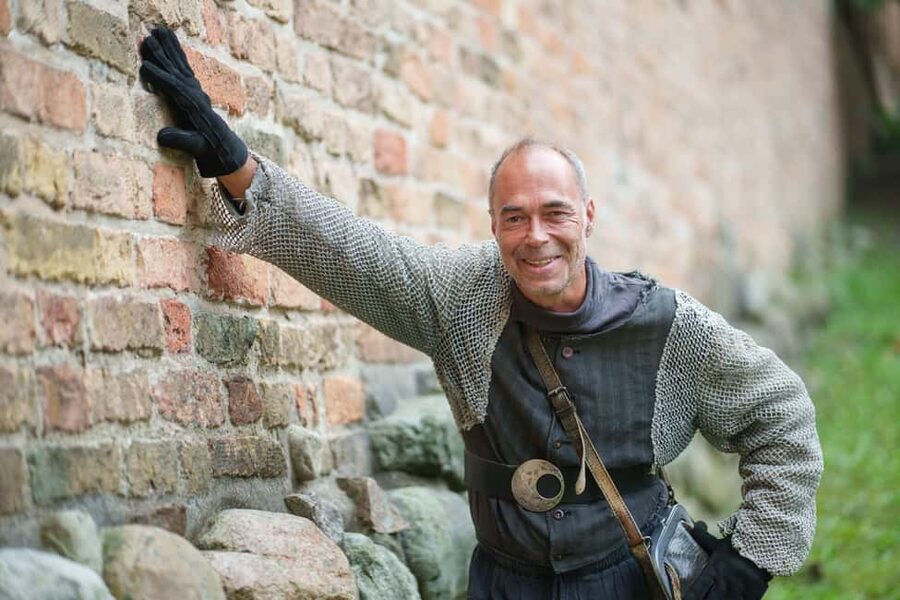
Rostock has a street-level dark side. This 1.5 hour tour is led by a trained actor and executioner, Tobias Hamann, who turns Old Town streets into a story about power, punishment, and everyday life. I also like that you get both scary and funny anecdotes plus real historical context, so it is entertaining without feeling random.
One thing to consider: the topic is grim and the tour is listed as not suitable for children under 14 and not intended for people with mobility impairments, so it is best if you can handle darker historical material and lots of walking on uneven streets.
In This Review
- Key things you will get from the Rostocker Executioner tour
- A dark side of Rostock that actually makes sense
- Meeting under the Rostock town hall arcades
- Town hall to the Kerkhoff: where legal power meets street life
- Krahnstöverhaus and Heiligengeisthof: jurisdiction, taxes, and uncomfortable rules
- Kuh and Steintor, the New Market, and St. Mary’s Church
- Executioner stories and the mix of scary and funny
- What those strange terms really tell you about the city
- Why the 1.5 hour timing works
- Price and value: $16 for performance plus interpretation
- Who should book this tour
- Should you book the Rostocker Executioner tour?
- FAQ
- How long is the Rostock: Tour with the Rostocker Executioner?
- Where do I meet the guide?
- What language is the tour in?
- Who leads the tour?
- How much does it cost?
- Is it suitable for children?
- Is it suitable for people with mobility impairments?
- What can I see during the tour?
- Can I cancel for a refund?
Key things you will get from the Rostocker Executioner tour
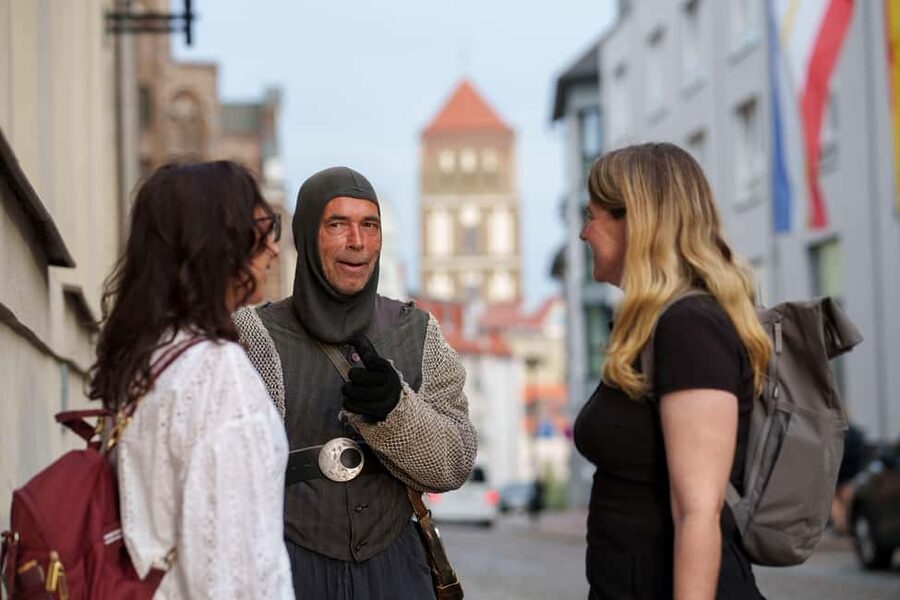
- A single, in-character guide at the meeting point, so the experience stays focused
- Streets as clues, from the town hall area to landmarks like St. Mary’s Church
- Executioner-specific history, including the sparrow tax and street customs
- Dark humor with context, where jokes sit next to the facts
- Language surprises, like how medieval death and torture terms made it into modern speech
- A quick, efficient format, with dense information delivered in about 90 minutes
A dark side of Rostock that actually makes sense
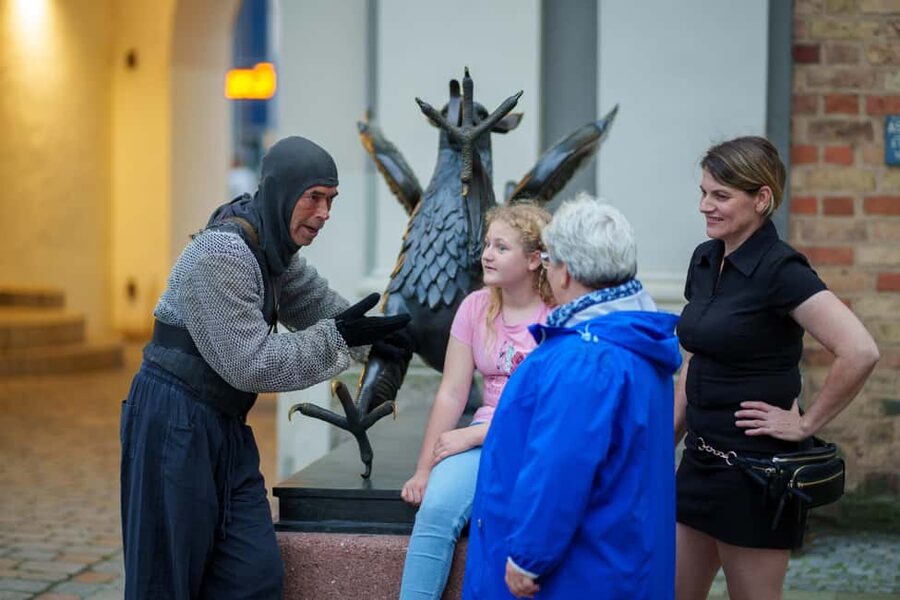
If you have only seen Rostock’s pretty faces, this tour is a helpful correction. The streets around the town hall area and the older districts make a lot more sense when you understand who held legal power, who carried out punishments, and how the city enforced rules. In other words, you are not just hearing spooky stories. You are learning how the system worked, and why it left marks in place names and phrases.
I like that the tour stays grounded in local geography. You do not wander in circles for the sake of walking. You move between major parts of the city’s old core, and each stop connects to an aspect of the executioner’s world, from jurisdiction to specific punishments.
You will also get a good value for money. At $16 per person for about 1.5 hours, you are paying for a living performance plus historical interpretation. If you enjoy tours where the guide can explain meaning, not just point at buildings, this one fits.
Also holding a platform in Rostock
- Rostock: Guided tour of the historic city center
★ 4.5 · 311 reviews - Best Berlin Shore Excursion from Warnemunde or Rostock Port
★ 4.8 · 200 reviews - Rostock: City Walking Tour
★ 4.9 · 198 reviews
Meeting under the Rostock town hall arcades
The tour starts under the arcades in front of the town hall. This matters more than you might think, because the experience is intentionally theatrical, with the guide clearly visible and in character. The meeting point is also simple: there will be only one hangman, and there will be only one executioner there.
Plan to arrive a few minutes early so you can find the arcades easily and get settled before the story starts. Since the live guide speaks German, you will want to feel comfortable with German or be ready to follow along even if your language is basic.
Also, because the theme is intense, I recommend going in with the right expectations. The pacing is fast enough that you will want to listen closely, especially if you are not fluent. One practical tip: if you tend to miss details when speakers talk quickly, sit closer to the guide when possible.
Town hall to the Kerkhoff: where legal power meets street life

You begin in the town hall area, and that is a smart choice. The town hall is where authority is visible, where rules are announced, and where Rostock’s legal order would have had a public presence. Starting here sets the tone: the executioner is not just a scary figure. He is part of the machinery of justice.
From there, the tour tracks you toward the older district spaces, including the Kerkhoff. Think of this as the city’s older social and administrative rhythm. You are not only learning names of places. You are learning how those places functioned in real life.
This is where you start picking up the tour’s pattern. Every time you reach a landmark, the guide connects it to tasks, roles, and punishments from the time period. That turns a walk into a timeline, even when you are moving through streets that look ordinary today.
A possible drawback here is also simple: if you prefer lighter, purely scenic tours, the tone may feel heavy early on. If you like dark history told with wit and clarity, this start will feel right.
Krahnstöverhaus and Heiligengeisthof: jurisdiction, taxes, and uncomfortable rules

One of the tour’s strengths is how it explains the executioner’s job beyond the stereotype. You will hear details about jurisdiction and punishments, and how authority decided who fell under which rules.
As you move through stops such as the Krahnstöverhaus and the Heiligengeisthof, the guide brings in the kinds of details that make history stick. You learn about a sparrow tax, plus terms and street customs such as Ausbringen der Priveten and why hair had to come off the streets. Those are the sort of facts that sound odd at first, then click into a bigger picture of public order.
Here is why these details are valuable for you. Modern life feels so private, so you might assume enforcement was only about major crimes. These examples show enforcement could be oddly specific, tied to sanitation, behavior, and how the city tried to control daily life. You start seeing the old city as regulated, not just romantic.
You will also pick up on how language carries memory. The tour explains that many medieval forms of torture and death entered modern speech without people noticing. That is a fun twist, and it also teaches you how culture repeats itself, even when laws change.
Kuh and Steintor, the New Market, and St. Mary’s Church
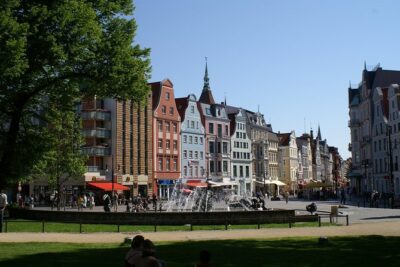
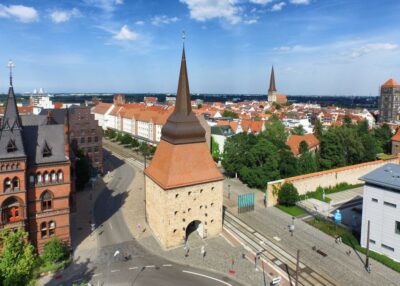
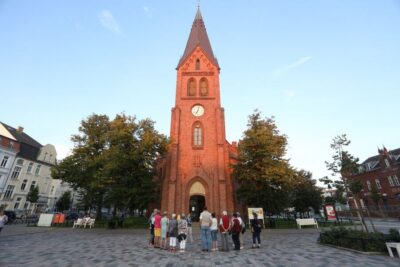
The tour then sweeps across additional key parts of the old core, including Kuh and Steintor, the new market, and St. Mary’s Church. This is where the walking stays practical, because you are bouncing between recognizably central areas rather than getting lost in side streets.
St. Mary’s Church adds a different flavor. Churches often sit at the intersection of community life, moral authority, and public history. So when the guide connects religious and civic power to the executioner’s role, you get a fuller sense of how punishment was understood by society, not just by courts.
The New Market is especially useful because markets concentrate people and activity. That makes it a believable place for public enforcement, warnings, and the sort of visibility that kept order. You will get context for why punishments and legal decisions would have had a public component in the first place.
You might also notice that architecture gets woven into the story. From what I have learned about how this tour is delivered, the guide ties the environment to the theme, so you do not treat buildings like background. You treat them like evidence.
Onward connections from Rostock:



Executioner stories and the mix of scary and funny
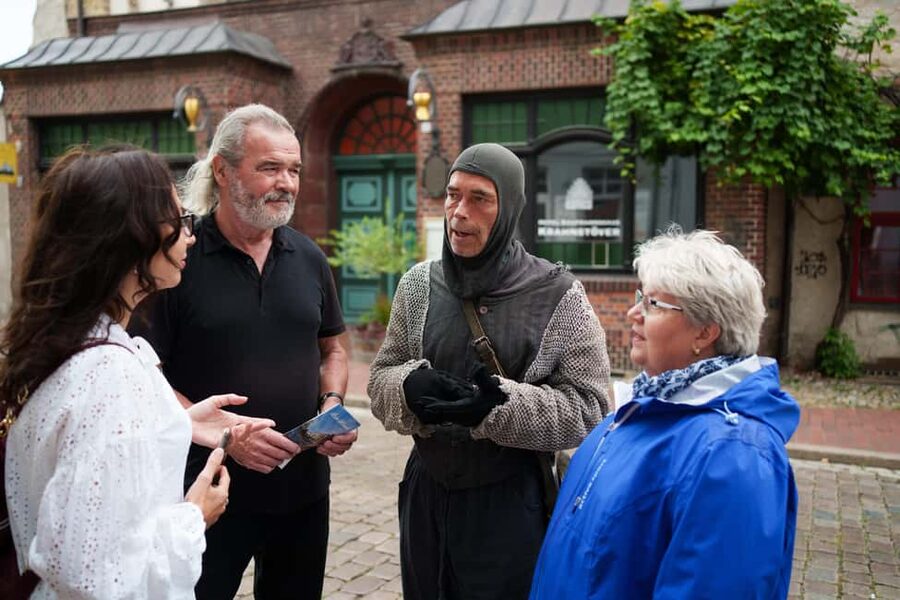
The emotional tone is one of the biggest selling points. The guide delivers “dark” stories with humor, and you learn to expect both the creepy and the clever. Those scary and funny anecdotes work because they point back to real roles and procedures, not just shocks.
This balance is also why the tour feels fast. You get dense information about the executioner’s tasks, what the jurisdiction meant, and how punishments played out. Then, instead of stopping the story for lectures, the guide keeps the flow with criminal anecdotes from Rostock and explanations of what words meant back then.
If you are someone who enjoys history but finds dry facts hard to stay with, this format can be a relief. Humor lowers the guard, then the facts bring the weight back in a way that feels honest.
One practical note based on how people describe the pace: the guide may speak quickly, which can make it tougher to catch every detail if your German is limited. Your best strategy is to focus on key place names and on any terms the guide repeats, because those tend to be the tour’s anchors.
What those strange terms really tell you about the city
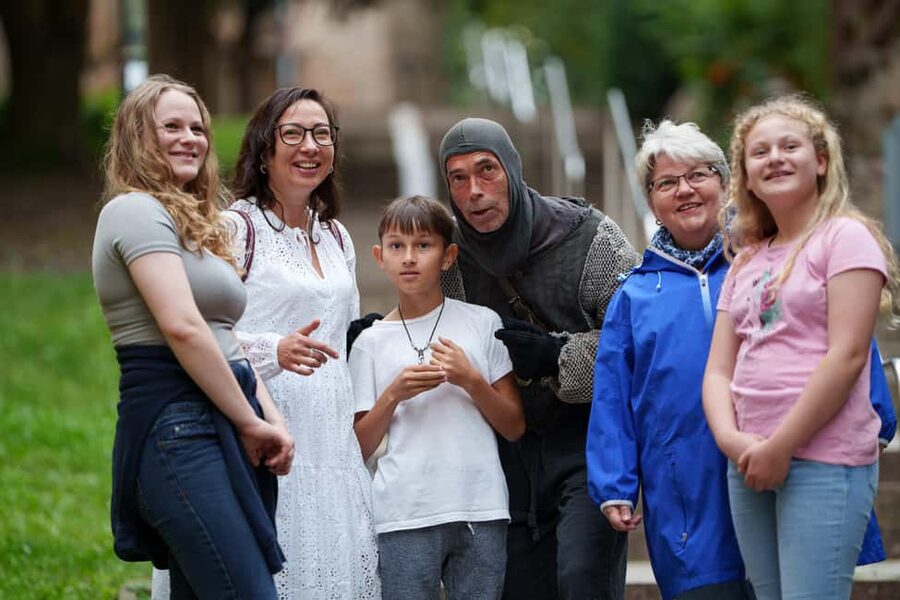
Several of the most memorable parts are also the strangest. You will hear about the sparrow tax, Ausbringen der Priveten, and the rule about hair coming off the streets. Even without knowing every historic nuance beforehand, these items give you a sense of how everyday life was managed.
What does that mean for you on the ground? It means you will leave with a new way of reading the city. When you see old streets, you can imagine the flow of people, the fear of rules being enforced, and the public nature of punishment. The executioner becomes a window into civic psychology.
It also helps you understand the tone of the tour’s language lesson. Medieval terms did not stay trapped in medieval daily life. They traveled. They entered modern speech. So you are not only learning about executions. You are learning how the past keeps talking through words you use without thinking.
Why the 1.5 hour timing works
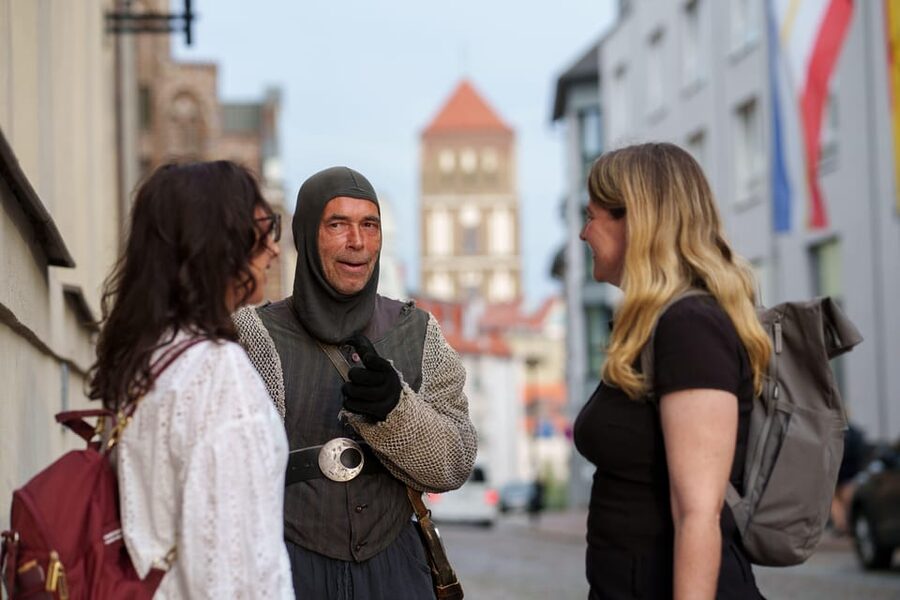
A common problem with history walks is that they sprawl. Here, the format is tight: about 1.5 hours. That is long enough to cover multiple landmarks and enough time for the guide to connect stories to places, but short enough that you will not feel stuck in a lecture.
This timing also helps the theatrical element. If a tour like this dragged on for hours, it could shift from entertaining to exhausting. With the shorter duration, the stories stay sharp, and the historical explanations stay on point.
The big practical upside is that it fits well with a day in Rostock. If you are already planning to see the town hall area and Old Town highlights like churches and markets, this tour becomes a meaning upgrade. It turns sightseeing into context.
Price and value: $16 for performance plus interpretation
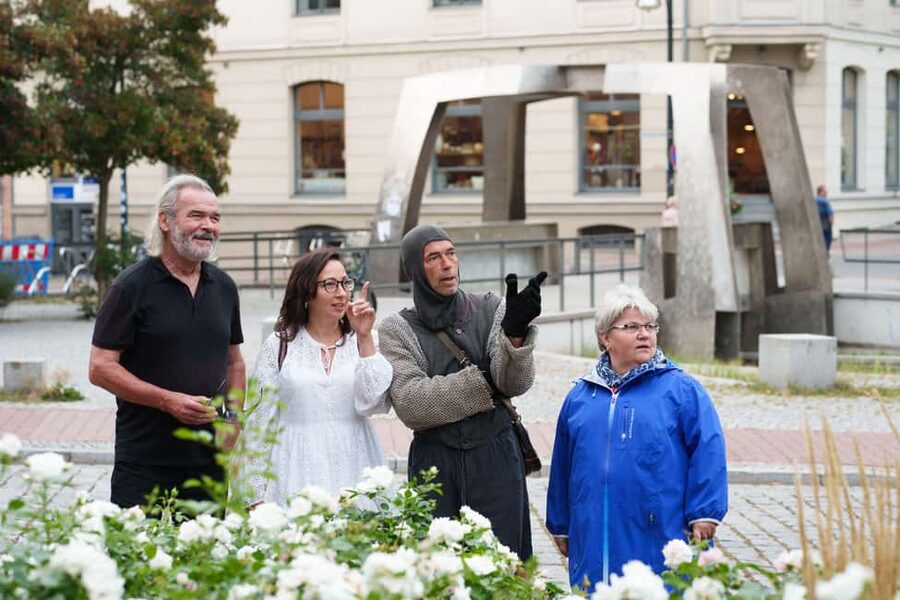
At $16 per person, you are not paying luxury prices for a show with no substance. You are paying for a live guide who is trained as an actor and executioner. That kind of training matters because it changes how the information lands. You are more likely to remember details like sparrow tax or hair-off-streets rules because you heard them in a story, not in a slide deck.
You also get a clear advantage over generic walking tours: the theme is specific. The executioner’s role gives structure to the walk. Instead of a general overview of Rostock, you get an explanation of one role in the city’s past and how that role connected to several neighborhoods.
The value calculation depends on your taste. If you love dark history told with wit, this feels like a steal. If you prefer family-friendly, light stories, you may find it too intense.
Who should book this tour
This tour is a strong match if you want:
- Street-level history tied to real landmarks
- A guide who can mix humor and facts
- An explanation of how legal power worked in a medieval city
It is not a good match if:
- You need a child-friendly outing, since it is listed as not suitable for children under 14
- Mobility is a concern, since it is listed as not suitable for people with mobility impairments
- You cannot handle darker subject matter and grim historical context
Language matters too. The tour is in German, and the delivery can be quick. If your German is solid, you will likely enjoy every layer. If it is not, you might still follow the main story, but you should expect to miss some fine points.
Should you book the Rostocker Executioner tour?
I think you should book if you want a memorable Rostock experience that goes beyond postcard sightseeing. The mix of scary and funny anecdotes, the focus on historical facts about the executioner, and the tight 1.5 hour format combine into a tour that is easy to recommend to people who like story-driven history.
Book it if you are comfortable with darker themes and you are ready to listen closely in German. Skip it if you want something purely relaxing or if the topic would genuinely upset you.
If you do book, go with curiosity about how cities work, not just fear about punishments. That mindset makes this tour click.
FAQ
How long is the Rostock: Tour with the Rostocker Executioner?
It lasts 1.5 hours.
Where do I meet the guide?
Meet under the arcades in front of the town hall.
What language is the tour in?
The tour is in German.
Who leads the tour?
A trained actor and executioner guide leads the tour, Tobias Hamann.
How much does it cost?
The price is $16 per person.
Is it suitable for children?
No, it is not suitable for children under 14.
Is it suitable for people with mobility impairments?
No, it is listed as not suitable for people with mobility impairments.
What can I see during the tour?
You will pass through parts of the old center including the town hall area, the Kerkhoff, Krahnstöverhaus, Kuh and Steintor, the new market, St. Mary’s Church, and the Heiligengeisthof.
Can I cancel for a refund?
Yes, free cancellation is available up to 24 hours in advance for a full refund.
Fresh on the arrivals board for Rostock

Rostock Tours & Activities, compared.

Best Berlin Shore Excursion from Warnemunde or Rostock Port
Read our review →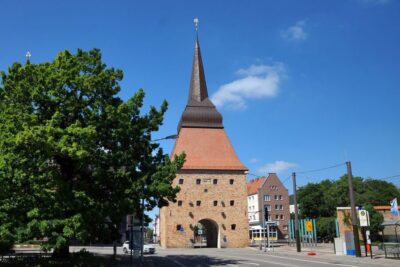

Full-Day, Half-Day, or Sunset Sailing Experience
Read our review →

Browse the lists this tour appears in