
Reviewed · ROSTOCK TOURS & ACTIVITIES
Rostock: Warnemünde and Rostock Half-Day Shore Trip
Two towns in one very efficient morning.
This half-day cruise shore trip is interesting because you get local-guided walking in Warnemünde, then you ride the real commuter tram and train into Rostock like you belong there. I like that it is built for a cruise timetable, with pickup right at the port and a plan that does not waste your limited hours.
My favorite part is what you get to see up close in Rostock. You visit St. Marien and go inside to see the astronomical clock, not just admire the outside from across the street. The other win is that you also get a chunk of free time in the center to shop, snack, and wander without a script.
One heads-up: this is a walking tour. Plan on cobblestones and stretches where you need to keep moving for 15 to 20 minutes at a time, and it is not suitable for wheelchair users.
In This Review
- Key things to know before you go
- Warnemünde and Rostock by Tram and Train, an easy win from the cruise port
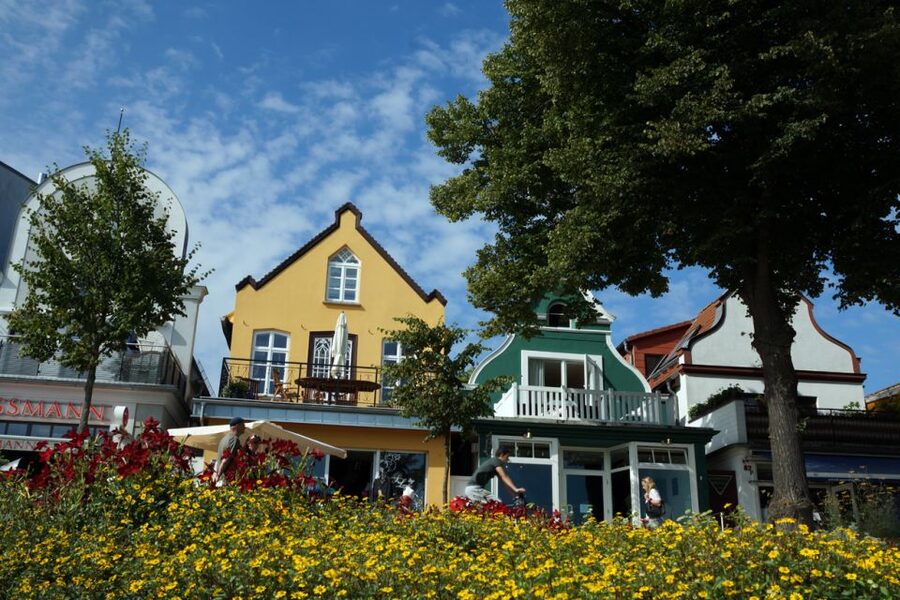
- Getting oriented in Warnemünde, gabled houses and the painted harbor vibe
- The commute to Rostock, how public transit keeps the day feeling real
- Inside St. Marien and Rostock’s medieval core, the sights with real payoff
- How to use your free time in Rostock without feeling rushed
- Pace, price, and the walking reality (bring the right shoes)
- Guides can make or break it, and this one usually lands well
- Should you book the Rostock and Warnemünde half-day shore trip?
- FAQ
- How long is the shore trip from Warnemünde to Rostock?
- Where does the tour start and end?
- What transportation is included during the day?
- Is food included in the price?
- What sights will we see in Rostock?
- Is there free time in Rostock?
- What is included in the entrance fees?
- Do I need to speak German for the public transport parts?
- Can I bring luggage or large bags?
- Is this tour wheelchair accessible?
Key things to know before you go
- Astronomical clock time with an interior church visit, not just exterior photos
- Public tram and train tickets included, so you are using the same transit locals use
- Warnemünde harbor walk with gabled houses, half-timber façades, and painted boats
- Streets of the Hanseatic university town, including major squares and the town’s medieval pieces
- A small-group cap of 20, which makes it easier to stay together on public transport
- No food included, so plan for snacks or a proper meal on your own
Warnemünde and Rostock by Tram and Train, an easy win from the cruise port
This is one of those shore trips that makes sense even if you only have about half a day. You start at Am Passagierkai 6 in Warnemünde, and you end back at the same place. In between, you get guided history plus enough unstructured time to keep it enjoyable.
The structure also helps. You do one guided walking block in Warnemünde, then you switch to public transportation to Rostock, and you do another guided block focused on the medieval city core. The best part is that the transit is not treated like a boring transfer. It is part of the experience, because riding the tram and commuter train is the fastest way to understand how these towns function day to day.
For value, this is also a strong deal on paper. The price includes your guide, your train and tram tickets, and the entrance fee for St. Marien. Food and drinks are on you, but for a cruise day, that is pretty normal.
Also holding a platform in Rostock
- Rostock: Guided tour of the historic city center
★ 4.5 · 311 reviews - Best Berlin Shore Excursion from Warnemunde or Rostock Port
★ 4.8 · 200 reviews - Rostock: City Walking Tour
★ 4.9 · 198 reviews
Getting oriented in Warnemünde, gabled houses and the painted harbor vibe
Warnemünde feels like the kind of place you can walk slowly without trying. Your guide starts you in the historic area with a walking tour that focuses on the former fishing village character.
Expect typical 18th- and 19th-century gabled houses, often with half-timbered façades and ornate doors. This is the kind of architectural detail you do not notice from a bus window, but in a short guided walk you can pick up what makes the town look the way it does.
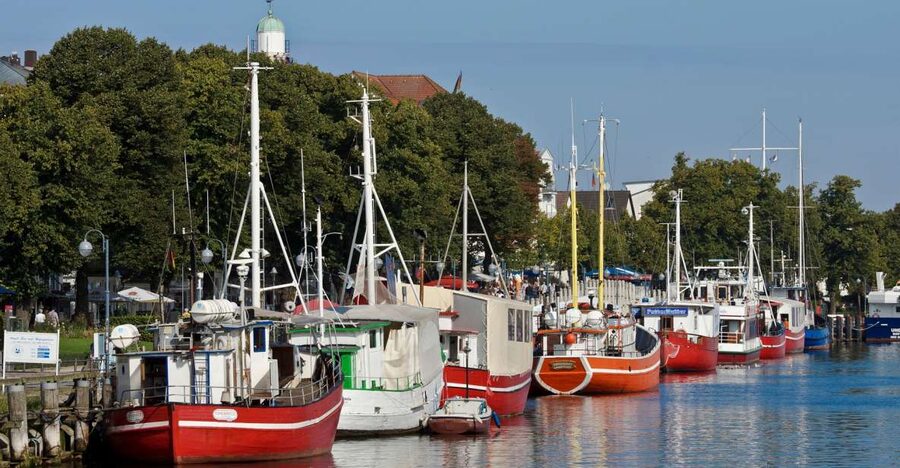
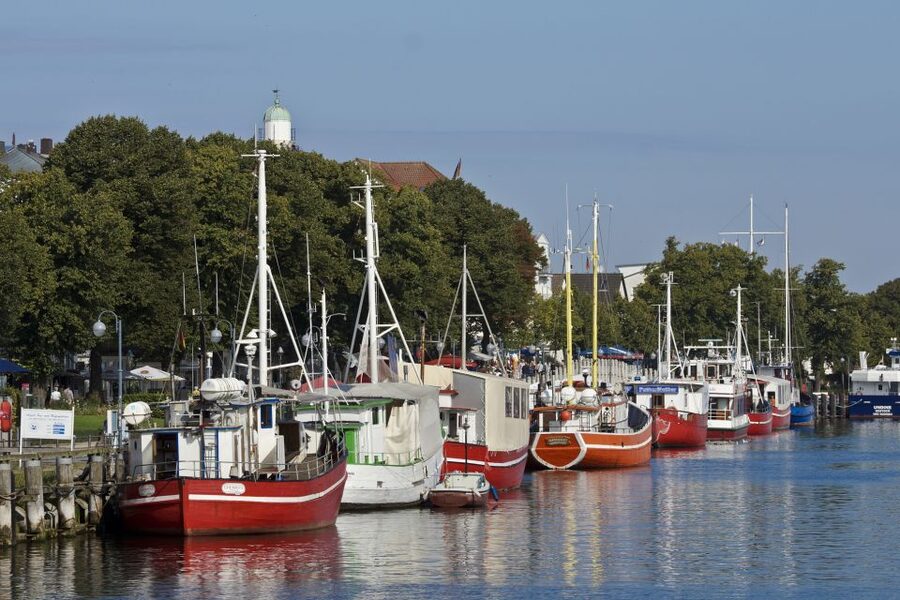
Then comes the seaside atmosphere. You will stroll the harbor area and see brighly painted fishing boats lined up along the Old Stream canal area, with quaint cafés in the mix. This is one of those visuals that makes you instantly understand why people come back for cake, coffee, and a quick bite after their walk.
Also, there is smart built-in flexibility here. After the introductory part, you may have chances to circle back to do a little shopping, grab a pastry, or hunt down a classic fish sandwich later once your feet have warmed up.
The commute to Rostock, how public transit keeps the day feeling real
The day’s pace shifts when you hop on the commuter train and tram to Rostock. The trip is part of the fun, because you are not stuck in a private vehicle watching life happen outside the window. You get to experience how people actually move around the region.
This is also where the small details matter. When you are traveling through Germany, it can be normal for announcements to be in German only. A good English-speaking guide helps you stay oriented so you do not feel stressed about the stop names or which direction to board. The goal is simple: stay together and arrive on time for the church visit.
Group size helps too. With a maximum group size of 20, it stays manageable if something slows down. One reason this works well as a cruise shore trip is that your guide can keep track of everyone without turning the group into a herd.
Practical tip for you: plan to keep your energy for walking stops. Transit takes your time, but it is easier on your legs than cobblestones, so treat it as a breather.
Inside St. Marien and Rostock’s medieval core, the sights with real payoff
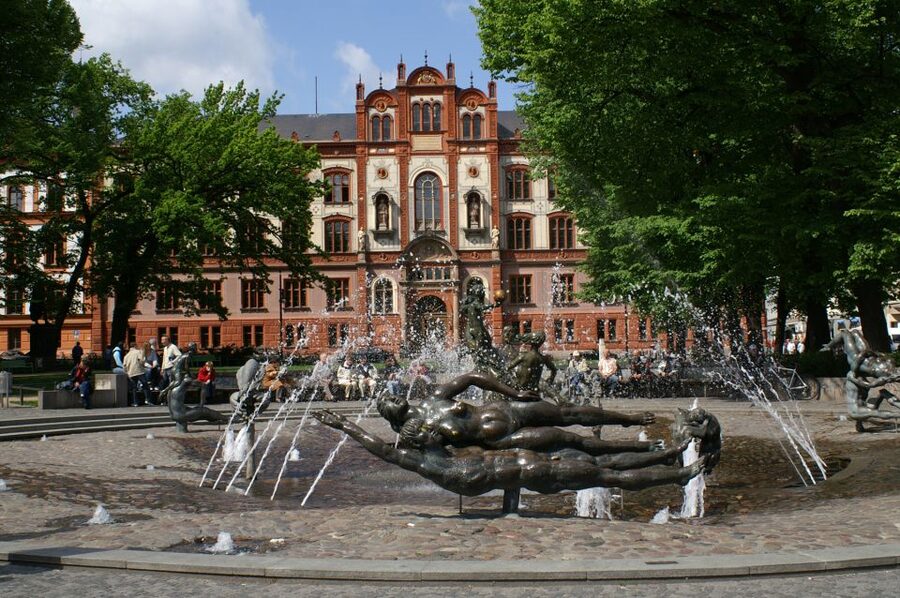
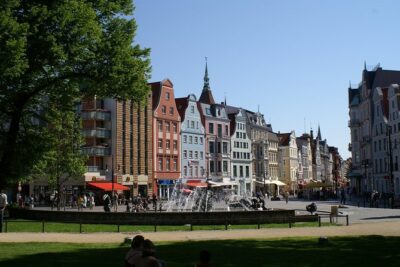
Rostock is where the day turns from seaside charm to city depth. You get a guided walk that takes you through the historic parts of the Hanseatic university town, including major squares where you can feel the old civic rhythm.
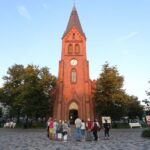
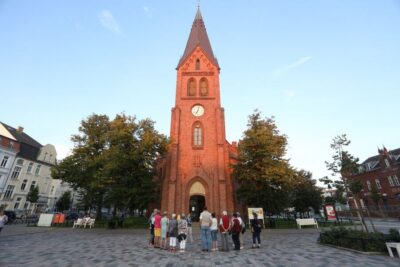
A key highlight is the church of St. Marien. You do not just pass by it. You go in, and you get to see the astronomical clock. This is a standout because clocks like this are not touristy decorations. They are a serious slice of how a city measured time and meaning long before everyone carried a phone with the time zone set automatically.
Your guided time also points you toward other big anchors. You will see the medieval monastery of the Monastery of the Holy Cross, along with the church streets and central areas that connect to the town’s past. You also learn about the town hall or the university area, plus the medieval town wall as you move through the city.
This is the value of guided walking here. Without someone to point out what to look for, you can easily walk past important structures because they do not scream for attention. With the guide, you pick up the why behind the buildings and how the city’s role changed over time.
And yes, you still get to be a person, not a student. There is time for you to step out of the flow, look around, and take in the market squares and shop-lined streets without everything being a stop-and-go lecture.
How to use your free time in Rostock without feeling rushed
Rostock includes a chunk of leisure time in the center. You get this after the guided portion, so you can steer your own hour.
Here is what I would do with it, based on the kind of places the route naturally leads you to:
- If you love looking like a local, use the market squares and shopping streets to slow down. Browse, pause, and pick a couple of streets to walk instead of trying to cover everything.
- If you want a quick food reset, plan something simple. Food and drinks are not included, so you are choosing between a snack and a full meal.
- If you are into photos, this is a great time to circle back to the church exterior areas and side streets where you can frame buildings without a group in the way.
One practical thought: the free time is not enormous. If you are the type who needs a long lunch and a long sit-down coffee, plan your priorities before you get there. For some people, that brief window can feel like they are shopping with one eye on the clock.
The good news is that the tour is paced. Even with a busy morning, the schedule leaves enough breathing room that you should not feel like you are sprinting.
Onward connections from Rostock:



Pace, price, and the walking reality (bring the right shoes)
Let’s talk about what this costs and why it is fair. At $81 per person for about 5 hours, you are paying for more than just sightseeing. You get:
- Pickup and drop-off at the cruise ship port
- An English-speaking guide
- Train and tram tickets
- Entrance fee to St. Marien
- A plan that connects Warnemünde and Rostock efficiently
That means your money is covering access and guidance, not just transportation time. If you tried to do this on your own, you would still pay for transit and the church entry, plus you would be paying in time and uncertainty. Here, the guide handles the sequencing so you do not spend your limited port hours trying to figure out the logistics.
Now the reality check: this is mostly walking. You should be comfortable with stretches of 15 to 20 minutes at a time, and you will likely deal with cobblestones. Comfortable shoes are not optional. It also means you should travel light, because luggage or large bags are not allowed.
This matters most if you have mobility limits. The tour is not suitable for wheelchair users. If your walking pace is slower, you may be okay as long as you can keep up through the guided segments and enjoy taking short breaks when the group allows it.
For best fit, I see it working well for:
- First-time visitors who want a guided overview without a long day trip
- People who like using real public transportation
- Travelers who care about one or two major interior highlights, especially St. Marien
Guides can make or break it, and this one usually lands well
This experience has a reputation for guides who keep people organized. Names you might encounter include Anne Kirchmann as the listed experience provider, and guides like Cornelia, Yvonne, Tobias, Bernd, Andres, and Daniel have been specifically noted for clear English, good pacing, and taking care of the group.
What you should look for in that kind of guiding style, and what it means for you:
- They keep you together on trains and trams, so nobody gets left behind.
- They explain what you are looking at so churches and old streets make sense fast.
- They manage the day so you still get a usable hour of free time.
If you want a smooth cruise shore day, this is exactly what you want from a guide, especially when public announcements might be in German and your time window is tight.
Should you book the Rostock and Warnemünde half-day shore trip?
If you are choosing between another port day option, I would book this when you want two towns, a real local transit feel, and one big interior stop. The astronomical clock at St. Marien plus the Warnemünde harbor walk are the kind of combo that makes the trip feel worth it.
I would think twice if:
- You cannot handle moderate walking on cobblestones
- You need a long sit-down food break and several hours of free roaming
- You are traveling with larger luggage or bulky items that the tour rules won’t allow
If your legs are good and you like guided context without being stuck in a classroom, this is a smart use of a cruise stop.
FAQ
How long is the shore trip from Warnemünde to Rostock?
The tour lasts about 5 hours.
Where does the tour start and end?
Pickup and drop-off happen at the cruise ship port, and the meeting point is Am Passagierkai 6 in Warnemünde.
What transportation is included during the day?
You ride the public train and tram to get from Warnemünde to Rostock and back.
Is food included in the price?
No. Food and drinks are not included.
What sights will we see in Rostock?
You will visit St. Marien Church (with entrance) to see the astronomical clock, and you will also see major central areas such as market squares and the medieval monastery of the Monastery of the Holy Cross.
Is there free time in Rostock?
Yes. You get leisure time in Rostock, including a longer free time period in the city center.
What is included in the entrance fees?
The price includes the entrance fee to St. Marien.
Do I need to speak German for the public transport parts?
No. The guide provides an English-speaking tour and tickets for public transport are included.
Can I bring luggage or large bags?
No. Luggage or large bags are not allowed.
Is this tour wheelchair accessible?
No. It is not suitable for wheelchair users.
Fresh on the arrivals board for Rostock


Rostock Tours & Activities, compared.

Best Berlin Shore Excursion from Warnemunde or Rostock Port
Read our review →
Full-Day, Half-Day, or Sunset Sailing Experience
Read our review →
Lovely Rostock and Warnemünde Shore Excursion for Cruise Ships
Read our review →Browse the lists this tour appears in