
Reviewed · WALKING TOURS
Rostock: City Walking Tour
Rostock’s old streets are still surprisingly readable. This 2-hour city walking tour helps you connect the dots between Rostock’s Hanseatic core, the medieval city wall, and the historic harbor area, guided by local expert Anne Kirchmann. I especially liked how the route stays focused on what you can actually see up close, and how the guide keeps the talk lively with insider context rather than turning it into a lecture. One thing to consider: it is not suitable for people with mobility impairments, since you’ll be doing a fair amount of walking on town-center streets.
If you want a clear introduction to Rostock’s top sights, plus a few off-the-main-path details, this is a strong way to start. It’s also priced for a small group (up to 6), which can make it better value than “per person” tours when you’re traveling with friends.
In This Review
- Key highlights you will feel right away
- Starting at Rostock Rathaus, the Greif griffin point
- Old Town alleys and the medieval city wall vibe
- Gothic churches and what to look for while you walk
- University square: a different side of Rostock
- Riverside boulevards and the historic harbor edge
- How Anne Kirchmann keeps it informative without weighing you down
- Price and value: $147 for a group up to 6
- Who should book this Rostock walking tour
- Quick tips to get more out of the two hours
- Should you book it?
- FAQ
- How long is the Rostock city walking tour?
- How much does the tour cost?
- Where do we meet the guide?
- What sites are covered?
- Is the tour private or group-based?
- What language is the live guide?
- Is free cancellation available?
- Is there a reserve and pay later option?
- Is this tour suitable for people with mobility impairments?
- What is the overall focus of the tour?
Key highlights you will feel right away
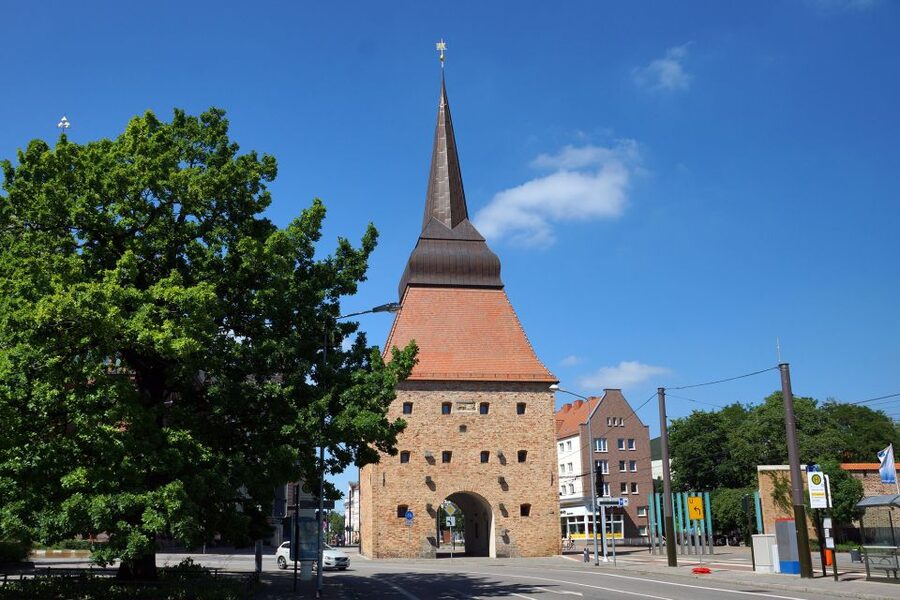
- Meet at the Rathaus front entrance under the Greif (griffin) symbol, so you start oriented and on-time.
- A true walking route through old-town alleys, riverside boulevards, and the harbor area, not a sit-down history class.
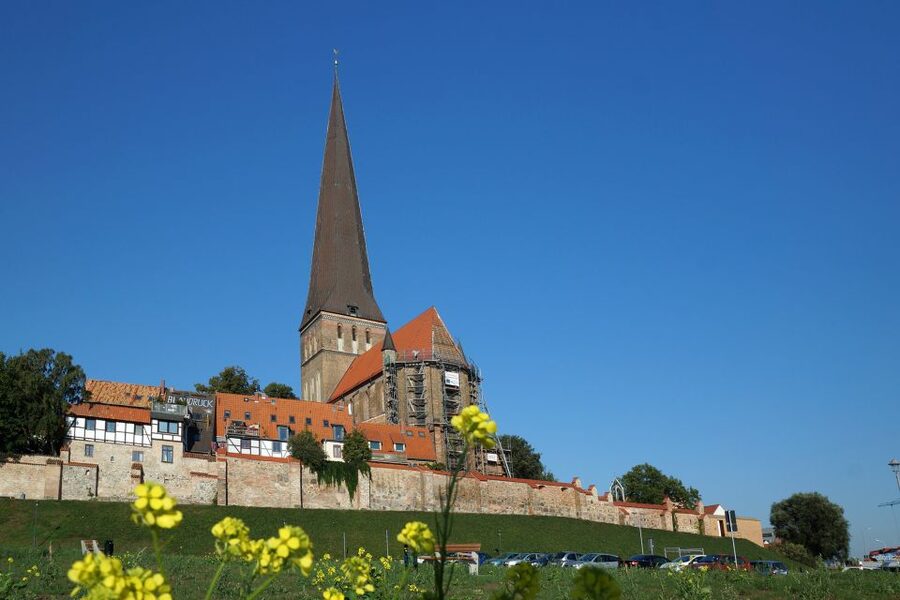
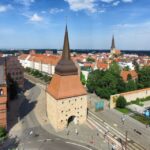
- Town hall, gothic churches, and the medieval city wall as your anchor points, with context as you pass them.
- University square on the route, which gives you a different side of Rostock beyond medieval streets.
- High guide ratings for keeping questions welcome and explanations well-paced.
Starting at Rostock Rathaus, the Greif griffin point
Most walking tours live or die on the first five minutes. Here, it’s simple: meet your guide in front of the Rathaus (town hall) at the main entrance, under the symbol of the Greif (griffin). That matters more than it sounds. You lose less time hunting for a meeting point, and you start with the right anchor building in front of you.
From that Rathaus area, you’ll build a map of central Rostock in your head. The Rathaus is more than a landmark photo stop. It’s a civic center, so it helps explain how the city functioned as a Hanseatic power. You’ll learn what to look for as you move, including how the city’s architecture hints at different eras.
One of the best-reviewed aspects of this tour is the way the guide controls pacing. A couple of guide styles exist in the wild. Some give you too many facts at high speed, others wander. This one leans toward keeping you moving while still giving real, useful background. You get a good overview without feeling buried in dates.
Practical tip: wear shoes you trust. Even though the tour is only 2 hours, old-town streets and sidewalks can add up, especially if you’re also stopping to look closely at buildings.
More German cities at walking speed:
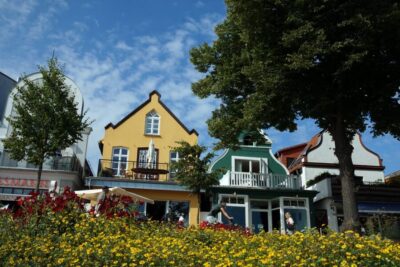
- Warnemünde: Guided Walking Tour
★ 4.3 · 102 reviews - Discover Berlin Half-Day Walking Tour
★ 5.0 · 9,624 reviews - Berlin City walk Government District and Places of Democracy
★ 4.7 · 8,467 reviews
Old Town alleys and the medieval city wall vibe
Once you leave the Rathaus area, the tour shifts into a classic Rostock rhythm: small streets, corners that open up into views, and that particular Hanseatic feel where buildings seem to keep their own secrets. This is where you start noticing patterns.
You’ll stroll through old-town alleys and learn what the guide means when they point out the medieval story in plain sight. The goal isn’t just to see pretty streets. It’s to understand why the city is arranged the way it is, and how older defenses and street layouts shaped everyday life.
A key topic is the medieval city wall. Even if you are not studying fortifications like a hobby, you can still read the city from it. The wall concept helps you understand what “old city boundaries” meant in practical terms: where people could move easily, where entrances mattered, and how the city protected trade and residents.
Also, you’ll get time to ask questions. That’s one of the repeated strengths in the guide feedback: people felt comfortable asking along the way, and the guide answered in a way that matched the walking pace. You do not need to arrive with a thick notebook. You can just ask what you’re curious about as you go.
Possible drawback to plan around: because the tour is focused and walking-based, it may not be ideal if you’re looking for maximum depth on every topic. Think of this as a smart orientation plus highlights, not an exhaustive academic course.
Gothic churches and what to look for while you walk
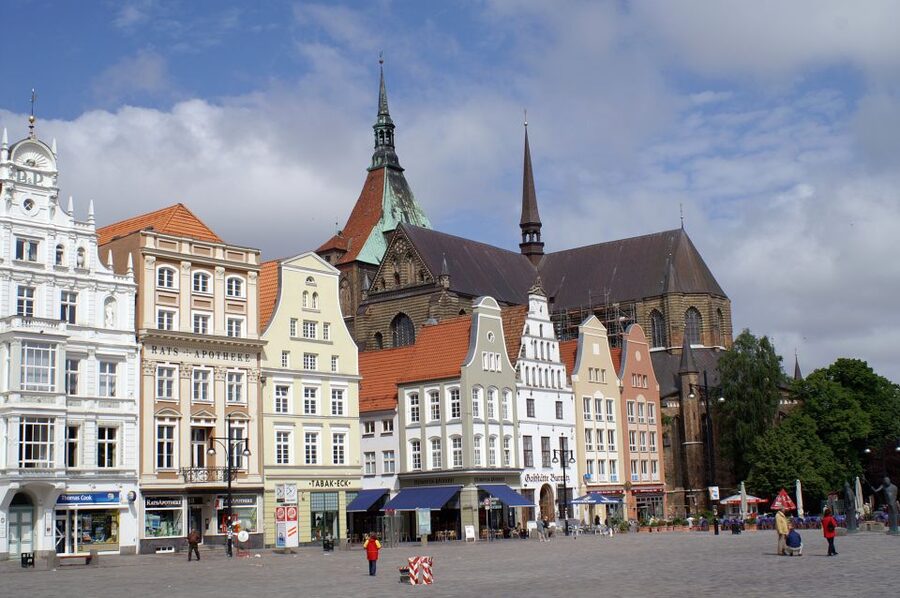
Rostock’s skyline is not just roofs and towers. There are gothic churches along the route, and they’re perfect for learning how to “read” architecture without a formal class.
During the stroll, the guide connects the buildings to the city’s identity. A church in a medieval or Hanseatic city wasn’t only about religion. It was also a marker of wealth, community life, and how civic priorities showed up in stone. Even if you only catch glimpses while walking, the guide’s explanations help you interpret what you’re seeing.
The best kind of church stop is the one that gives you a mental checklist. You’ll likely find yourself paying attention to shape and details rather than treating everything as one big blur of old stone. That’s the real value of a guided walk: it turns random sightseeing into something you can actually remember.
And yes, this tour is guided in German. If German is not your strong suit, you might still follow the rhythm, especially when the guide uses the buildings as visual aids. But if you want a lot of nuanced Q and A, consider whether you’re comfortable in German conversation.
Tip: if you’re traveling with a friend who speaks German, pair up for questions early. The guide seems especially good at keeping answers clear while still matching the pace of the route.
University square: a different side of Rostock
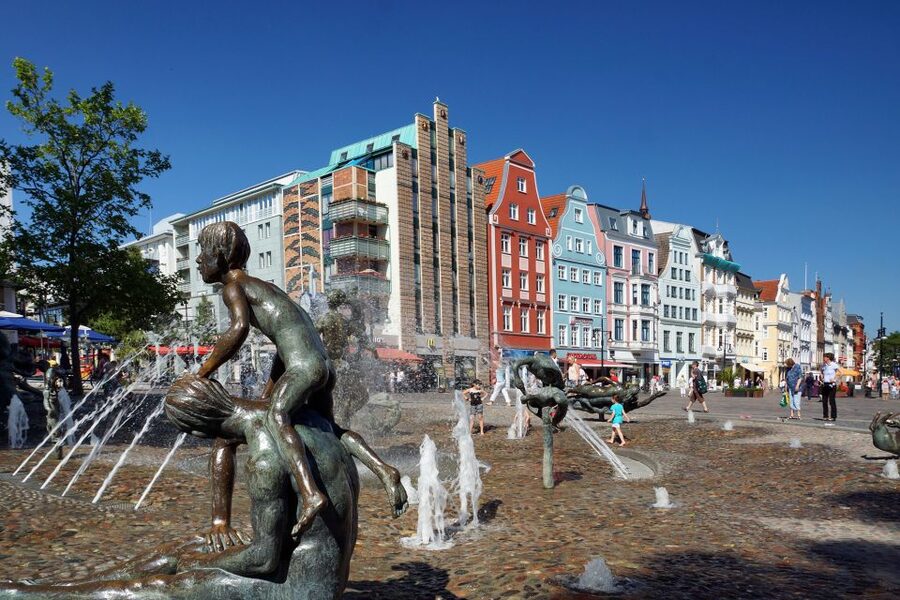
You’ll also pass through university square, which adds variety to the tour. Many “old town” walks focus only on medieval buildings and stop once the street gets modern. This one keeps you moving through different parts of central Rostock, so you don’t walk away with a one-note idea of the city.
That university stop matters because it adds a living, current-city element. Rostock is not a museum set. It’s a place where students, daily errands, and contemporary life happen alongside historic structures.
Even if you’re mainly interested in medieval Hanseatic stuff, this part helps you build a more realistic mental picture. Cities evolve. Rostock’s layout and public squares show how older towns adapt, not just preserve.
As you move through this area, keep an eye out for how people use space. A square that functions for students and locals often feels different from an administrative or church-centered area. The guide’s insider approach should help you notice those contrasts without you needing to research in advance.
Riverside boulevards and the historic harbor edge
One of the most interesting parts of Rostock is how the city meets water. This tour includes the riverside boulevards and the historic harbor area, so you get a sense of the harbor edge that shaped Rostock’s Hanseatic importance.
The harbor connection isn’t just romantic scenery. It’s how the city earned trade power, attracted merchants, and built wealth that showed up in civic and religious buildings. When your guide ties those threads together, the earlier stops make more sense. Town hall. Churches. City wall. Then water and trade. It’s a logical arc you feel while walking.
Another plus: the tour spans different eras. You’re not stuck in one time period. You’ll move from medieval architectural character toward 20th-century-era parts of the surrounding urban fabric. That helps you see Rostock as layers, not a single frozen moment.
A practical note: waterfront areas can mean wind. If you’re walking in cooler months, bring a layer you can manage while strolling. On a 2-hour tour, you don’t want to spend the whole time thinking about weather.
And if you love photography, this is where your camera will get a workout. You’ll have multiple opportunities to capture architecture plus water-oriented streets without the chaos of an all-day walking scramble.
Also holding a platform in Rostock



How Anne Kirchmann keeps it informative without weighing you down
The experience is led by ROSTOCK GUIDE Anne Kirchmann, and the feedback around guide style is strong for a reason. People really highlighted that the guide did not turn the tour into an overly deep history session. Instead, the focus stays on a real walk with clear explanations.
That balance is not easy. If you’ve been on tours that overdo dates and names, you know how quickly the energy drops. Here, the vibe is more practical. You get context for major city sites like the town hall, gothic churches, and the medieval city wall, and you keep moving through the city at a comfortable pace.
Another detail that stands out from the positive notes: you can ask questions at any point. That sounds basic, but it changes the whole feel. When you can clarify what you’re seeing, the tour becomes personal. You stop wondering, and you start noticing.
Language factor: the tour is German. If you’re not fluent, you may still enjoy the visual and the general story, but your questions may be limited. If you do speak some German, take advantage of it early in the tour.
Price and value: $147 for a group up to 6
Let’s talk money, since this is where good tours either pay off or don’t.
This costs $147 per group up to 6, for 2 hours with an expert guide. That pricing structure can be a smart deal if you’re traveling with friends or family. You’re not paying a premium “per person” rate. You’re paying for a guided experience you can share.
Is it worth it? For me, it comes down to what you want out of your first hours in Rostock. If you already know exactly what you want to see and you’re confident navigating on your own, you could do it independently. But if you want your time to be efficient, this tour does that. You get a guided overview of the old town and harbor area, plus guidance on what matters.
Also, the reviews rating is very high, and the comments consistently point to guide quality: clear explanations, good pacing, and a focus on a walk rather than a history lecture. That’s the kind of feedback that usually translates into better value, because you’re less likely to feel like you paid for something you did not enjoy.
Who should book this Rostock walking tour
You’ll probably love this tour if you:
- Want a 2-hour orientation to central Rostock without planning every stop yourself
- Enjoy learning from a local guide while you walk through real streets
- Prefer a “high signal” experience, with explanations that support what you see
- Are traveling in a small group (since it’s private group up to 6)
You might not love it as much if:
- You need a step-free, low-mobility route (it is not suitable for people with mobility impairments)
- You want an in-depth, sit-down style deep history session
- You do not speak German and feel you need detailed conversation
If you’re visiting Rostock as part of a longer Northern Germany route, this is also a good fit. It’s short, focused, and gives you a foundation for later independent wandering.
Quick tips to get more out of the two hours
- Arrive a few minutes early so you can find the Greif (griffin) symbol and start smoothly.
- Bring a light layer for waterfront and harbor breezes.
- If you have questions, ask them. The guide is set up for that kind of interaction.
- Take a moment at major stops to look for what you were just told. That’s when the information sticks.
Should you book it?
If you want a well-paced introduction to Rostock’s Hanseatic old town and harbor, I’d book this. The combination of Rathaus start point, classic highlights like town hall, gothic churches, and the medieval city wall, and the harbor walk makes it feel like a complete city primer rather than a random stroll.
The biggest reason to say yes is the guide approach. A lot of people felt the tour stayed enjoyable, with interesting context and a focus on the walk itself. If that’s your style, you’re in the right place.
If you need mobility accommodations or you require a non-German guide, then look for a different option. Otherwise, for $147 per group, it’s a sensible way to get oriented fast and enjoy Rostock with less guesswork.
FAQ
How long is the Rostock city walking tour?
The tour duration is 2 hours.
How much does the tour cost?
It costs $147 per group, up to 6 people.
Where do we meet the guide?
Meet your guide in front of the Rathaus (town hall) at the main entrance under the Greif (griffin) symbol.
What sites are covered?
You’ll see key sites of Rostock’s town center, including the town hall, gothic churches, and the medieval city wall, plus areas like old-town alleys, riverside boulevards, and the historic harbor area.
Is the tour private or group-based?
It is a private group.
What language is the live guide?
The live tour guide speaks German.
Is free cancellation available?
Yes. You can cancel up to 24 hours in advance for a full refund.
Is there a reserve and pay later option?
Yes. You can reserve now and pay later.
Is this tour suitable for people with mobility impairments?
No, it is not suitable for people with mobility impairments.
What is the overall focus of the tour?
The tour provides a great overview of Rostock’s key sites while also including insider knowledge from the local guide and time to ask questions.
Fresh on the arrivals board for Rostock


Walking Tours, compared.
Berlin City walk Government District and Places of Democracy
Read our review →

Berlin’s Best: 2 Hour Walking Tour Third Reich and the Cold War
Read our review →
Browse the lists this tour appears in