
Reviewed · CITY TOURS
Trier: Virtual Reality City Tour “The Treverer Code”
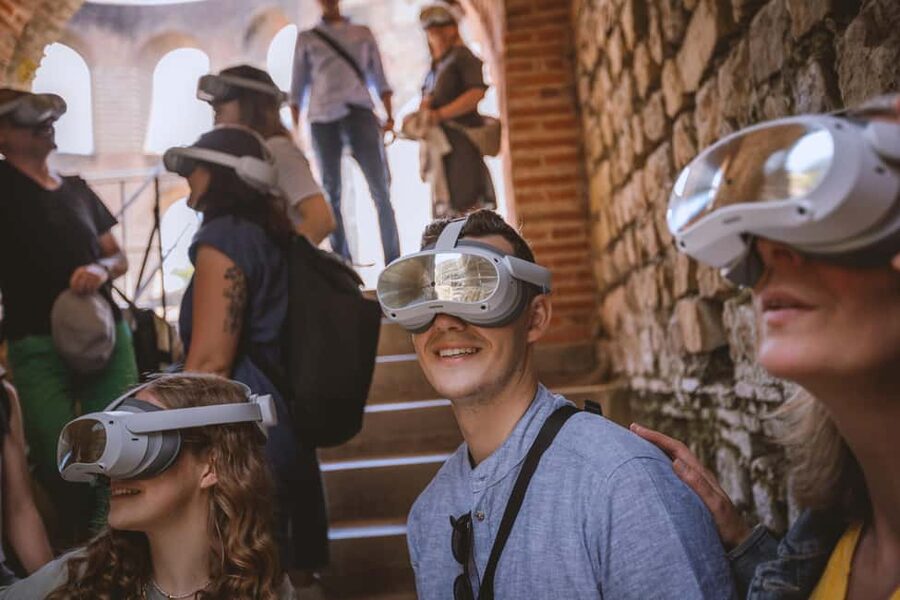
Trier can feel ancient fast, and this tour helps it stick. You get a classic guided city walk in Trier, then the VR glasses turn five stops into quick time-travel scenes you can actually look around. It is the kind of combo that makes you pay attention, not just look at stone.
I especially like how the tour pairs walking and explanation, so the visuals have context, not just effects. The Imperial Baths inside access and the chance to see the Frankenturm, which is usually off-limits, make the ticket feel focused. One thing to consider: if you are sensitive to pacing, VR quality, or you expect more cultural stops between sites, you might want to go in with realistic expectations about what fits into 2 hours.
In This Review
- Key moments that make The Treverer Code worth your time
- Why VR time travel actually works in Trier
- Meeting at Frankenturm, the start that sets the tone
- The Frankenturm tower visit, usually off-limits
- Thermen am Viehmarkt and stepping into the Imperial Baths
- The middle VR stop that breaks up the route
- Aula Palatina: where the VR context matters most
- Trier Cathedral: using the past to see the present better
- VR glasses, pacing, and the one thing to watch for
- Price and value: what $32 buys you in practical terms
- Who should book this VR city tour (and who might not)
- Should you book The Treverer Code?
- FAQ
- How long is The Treverer Code in Trier?
- What is the price per person?
- Where do we meet the guide?
- What ages is the tour suitable for?
- What happens if it rains during the tour?
- What language is the live guided tour in?
- Does the tour include VR glasses and what about the equipment?
Key moments that make The Treverer Code worth your time
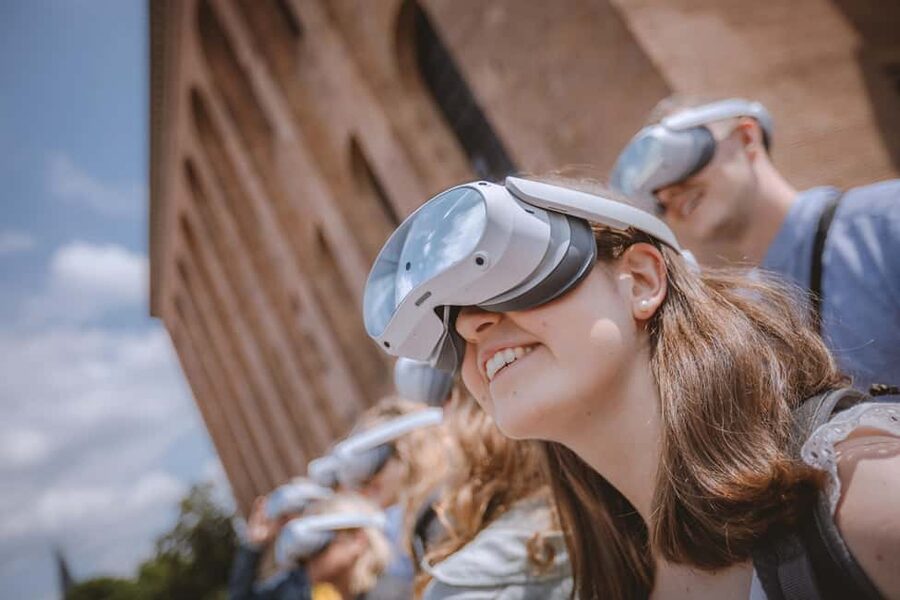
- VR at five ancient Trier locations, timed inside a guided walk, not as a separate gimmick
- Frankenturm access at a historic tower you normally cannot count on seeing
- Imperial Baths, inside, which adds real substance beyond seeing the exterior
- Accredited guides from Trier Tourist Information, with live narration in German
- A structured route that ends where you began, so you do not feel lost or rushed (mostly)
Why VR time travel actually works in Trier
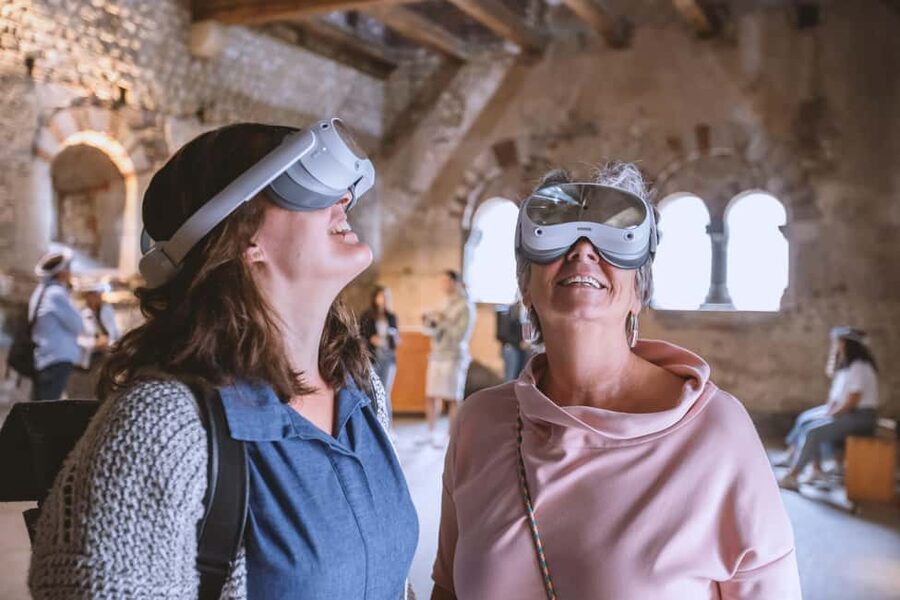
Trier already has that Roman-era weight. You walk around and the city does the talking, even before you learn anything. The Treverer Code adds one extra trick that helps most people, you look at the past with your own eyes, not just imagination.
The best part is the blend. You are not trapped in a chair watching a screen. You are walking, hearing stories, and then the VR scenes nudge what you notice next. In a place like Trier, where details matter, that matters a lot. One reviewer praised how the VR use improves a classic city tour and makes it easier to remember what you saw.
You also get a guided experience rather than solo headset wandering. The tour is led by a live guide from Trier Tourist Information, and they try to keep the info clear and paced. In one case, the guide Florian was singled out for bringing it with heart and focus. That kind of energy can turn a history lesson into a proper walk with momentum.
The downside? VR content quality can be a factor. One review noted that image quality could be improved, so if your expectations are set to top-tier visuals, keep them reasonable. Also, because the schedule is tight, you will not be browsing every corner of Trier between VR stops.
Also holding a platform in Trier
- Trier: Guided City Walk with Wine Tasting
★ 4.8 · 979 reviews - Trier: Guided Old Town Highlights and History Walking Tour
★ 4.7 · 687 reviews - Trier: Discovery Tour – Germany’s Oldest Wine Cellar
★ 4.7 · 218 reviews
Meeting at Frankenturm, the start that sets the tone
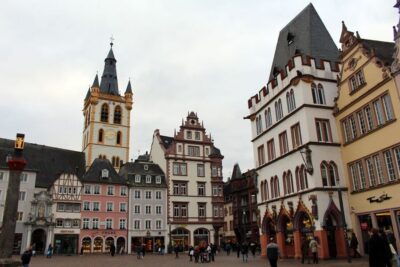
Your tour starts at the Frankenturm, a historic building in Trier. You meet your guide in the tower, and you start from a place that already feels like a landmark, not just a random pickup point. That matters because it sets a theme right away, ancient Trier, seen through buildings that are still standing.
From the beginning, the tour is designed for a smooth flow. You are guided through multiple stops, and you end back at Frankenturm. That return-to-start layout helps if you want an easy finish, or you plan to grab dinner afterward without figuring out a new endpoint.
Right away, you also handle the VR gear. At the start, all participants receive clean, disinfected, functional VR glasses. You will want to treat them carefully, since you are responsible for any improper or willful use and damage.
If you show up late, the experience is not forgiving. VR checks, headset distribution, and the walking pace all depend on the group moving together.
The Frankenturm tower visit, usually off-limits
Frankenturm is not one of those sights you can always count on getting inside. That is why this stop feels like more than a quick photo break. You get a guided visit where you can focus on what the tower is and how it fits into Trier’s story.
Even outside of the VR portion, seeing this structure as an actual interior visit changes the way you picture it. Towers are hard to judge from the street. A guide can point out practical details like how a building’s features supported the role it played. That is the kind of context VR alone cannot provide.
You will see Frankenturm twice in the overall experience: first as the starting point and later as the return. That makes it easier to connect what you learned earlier with what you notice again at the end. If you like tours that give you a built-in loop for memory, this structure helps.
Thermen am Viehmarkt and stepping into the Imperial Baths
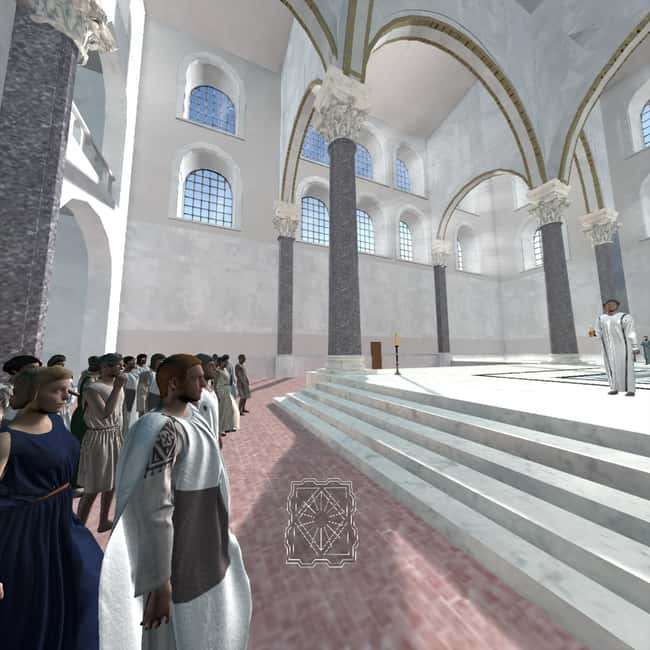
Next up is Thermen Am Viehmarkt, and the big appeal here is simple. You get the chance to see the Imperial Baths inside. Baths are one of those Roman things that never feel like a modern museum. They feel like a functioning idea, water, movement, and architecture that tells you how people lived.
The walking guide portion helps you connect the space to the past, and the VR time-travel part gives you another layer. You are not just standing where stone remains. You are prompted to picture how the rooms and layout might have worked.
This stop is also a good reason the tour feels efficient. You pack a major interior moment into a 2-hour format. If you are short on time in Trier and you want more than quick exteriors, this is where your money starts to feel justified.
One practical consideration: you are on a schedule. If you are the type who likes to linger and read every plaque, you might need to do that afterward on your own, because this experience keeps moving.
The middle VR stop that breaks up the route
There is a fourth guided stop on the walk, listed in the route but not named in the details I was given here. What I can say is that it is part of the sequence of five VR locations, and it sits between Thermen Am Viehmarkt and the Aula Palatina.
That middle segment is important because it prevents the tour from feeling like two big set pieces separated by gaps. The guide keeps you walking through Trier with stops designed to land the VR scenes at moments when your attention is fresh.
If you are comparing this tour to a self-guided headset use, the difference is pacing and timing. In one critical review, the person felt the walk between locations did not provide enough extra cultural attention. That is a real risk with any VR-and-walk format, so I recommend going in ready to ask questions. If you wonder about the buildings you are walking past, speak up. A good guide can turn those in-between moments into real learning.
Onward connections from Trier:


Aula Palatina: where the VR context matters most
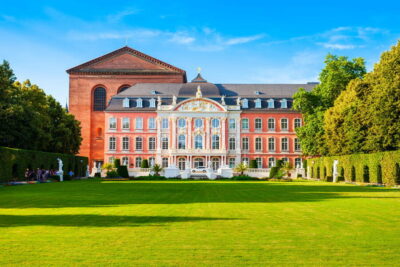
Aula Palatina is another anchor stop. It is one of those sites where the building itself gives you a clue about power, ceremony, and status. But the “why” can be hard to grasp when you are looking at stone with only surface knowledge.
That is where the VR layer can help. The tour uses VR to time travel and show scenes tied to the historical location you are visiting. When that VR moment lines up with what your guide is explaining, the building stops being just a structure and starts becoming a tool for understanding Trier’s role in its time.
This is also where you benefit most from having a live guide in the room. VR can show what it looks like, but a guide helps you understand what it meant. Expect guided narration in German, and plan for some content that stays in the original language.
If you do not speak German well, you can still enjoy it, but it will help to have at least a basic comfort level. The tour is wheelchair accessible, so the format is designed to keep movement manageable, but it still relies on the group staying together.
Trier Cathedral: using the past to see the present better
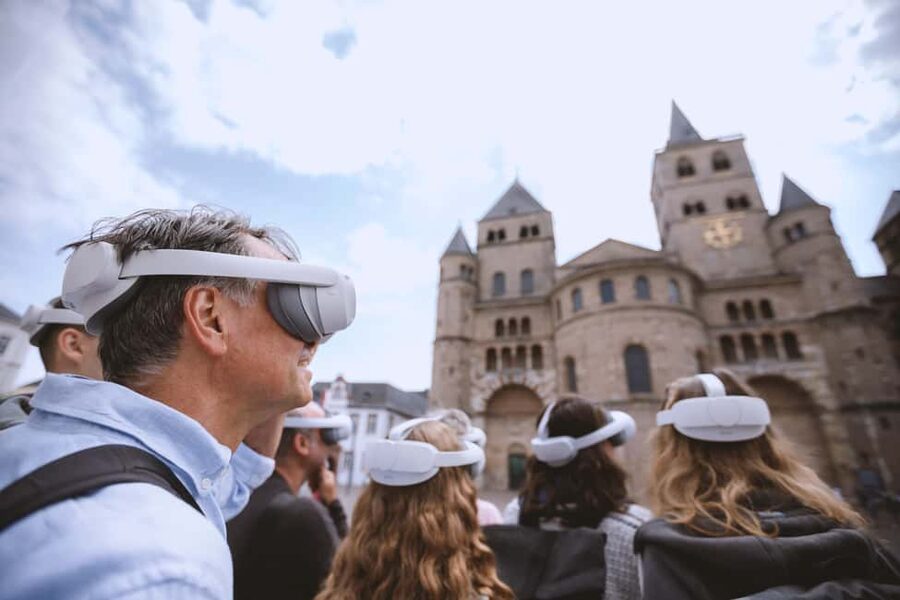
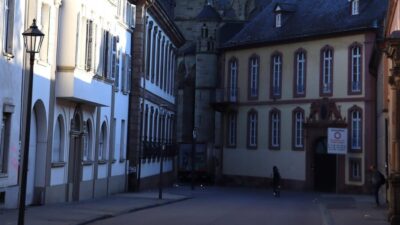
Finally, you reach Trier Cathedral. This is a major site, and it would be a worthwhile stop even on its own. What the Treverer Code adds is the sequencing. By the time you are in the cathedral area, you have already been through ancient Trier scenes and Roman-era context.
So you are not starting from zero. You are building a mental map across time. That is the value of a guided route that uses five VR stops instead of doing VR randomly. You end with a landmark that feels very real, and the earlier context makes it easier to understand why people kept returning to Trier and its sacred and civic spaces.
The cathedral segment is also a good chance to check your own memory. If you felt the VR scenes were doing the heavy lifting, the cathedral helps you see what the tour wants you to carry forward: an understanding that Trier’s importance did not happen in just one era.
VR glasses, pacing, and the one thing to watch for
VR tours live or die on two things: technical comfort and pacing.
First, the equipment. You receive disinfected, functional VR glasses at the start. You also need to handle them carefully. If something goes wrong or you damage a device, the rules say you could be liable for damage caused through improper or willful use, and devices get checked after.
Second, image quality and headset experience. One review said the image quality can be improved. That lines up with what you might reasonably expect for any VR kit used in public tours. Do not plan for cinematic graphics. Plan for historical scenes that help you orient and picture the space.
Third, pacing. A positive review emphasized information that was extensive but well dosed. Another negative review described a feeling of being marched from place to place with info that felt sparse. That tells you what to aim for: stay engaged, and keep your guide in mind. If you have questions, ask them. If you want slower storytelling, pick a time slot and group energy that matches your style.
The tour is about 120 minutes of guided city tour, wrapped into a total 2-hour experience. So your time is intentional, not slow.
Price and value: what $32 buys you in practical terms
At $32 per person for a 2-hour experience, you are paying for three things:
- A guided city walk in Trier, in German
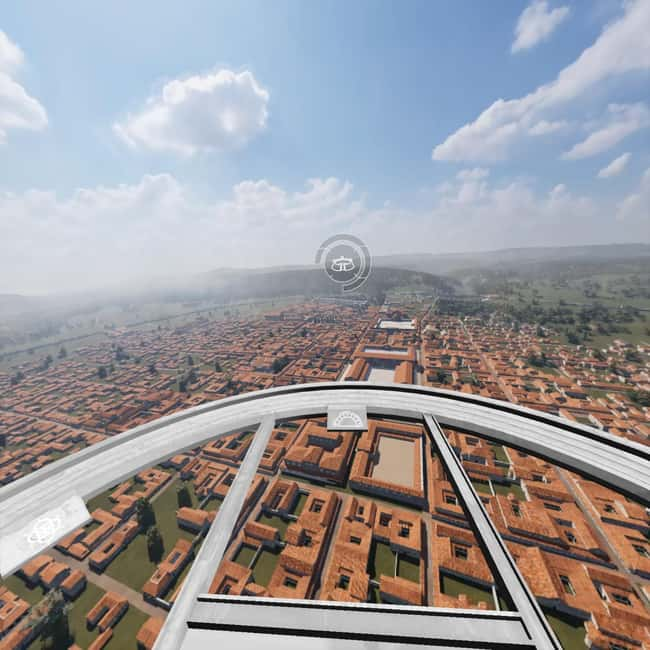
- VR glasses and five virtual time-travel moments at historical stops
- Access highlights, including inside the Imperial Baths and the Frankenturm visit, which is usually off-limits
Value is not just cost. It is how many “only-once” moments you get. If you are doing a short Trier visit, inside-access beats the usual exterior-only sightseeing. Add VR to that, and you are paying for interpretation, not just entry.
You are also getting a certified-guided format with accredited guides from Trier Tourist Information. That is worth something. It usually means the route makes sense, and the explanation is structured enough to connect your VR scenes to the real buildings you stand in front of.
If your budget is tight, this tour is still a fair option when you want one guided hit that covers multiple anchor stops. If you prefer deep, slow self-guided wandering, you might not love the packed pacing.
Who should book this VR city tour (and who might not)
This tour is a strong fit if you want:
- A guided overview of Trier that goes beyond photo stops
- An experience that helps you remember details, especially if you like “seeing” history in context
- Indoors access to the Imperial Baths
- A route structured enough that you do not need to map anything yourself
It is also listed as wheelchair accessible, so you can plan it with mobility in mind.
The tour is suitable for young people aged 13 and over accompanied by an adult, and proof of age may be required. During the walking portion, parents or guardians supervise children and are responsible for any damage caused by underage participants. So this is not a drop-off style activity.
Who might not love it:
- You want top-level VR image quality like a consumer headset with the newest visuals
- You dislike group pacing or you need long pauses at each sight
- You only speak English and you want full narration in English, since the live tour guide language is German
Should you book The Treverer Code?
I think you should book if your goal is smart sightseeing in Trier with a guided storyline and a couple of access upgrades that are hard to replicate on your own. The Frankenturm inside visit plus Imperial Baths indoors make the tour feel more tangible than many VR experiences that stay outside. And when the guide is as engaged as Florian was for one group, the whole thing clicks fast.
I would hesitate if you are picky about VR image quality, or if you expect lots of extra cultural stops between VR moments. In a 2-hour format, you cannot have everything, and the experience is built around a set number of locations.
If you are willing to go in with the right mindset, VR here is not just entertainment. It is a memory tool and a way to connect Trier’s buildings across time.
FAQ
How long is The Treverer Code in Trier?
The tour lasts about 2 hours.
What is the price per person?
It costs $32 per person.
Where do we meet the guide?
You meet at the Frankenturm Trier, a historic building. The guide waits inside the tower.
What ages is the tour suitable for?
The VR guided tour is suitable for young people aged 13 and over when accompanied by an adult. You may need to bring proof of age.
What happens if it rains during the tour?
If it is raining at the start or rain is forecast during the approximately two-hour tour, the guided tour will be conducted in a modified form in the Frankenturm. If that happens, the ticket cannot be returned.
What language is the live guided tour in?
The live tour guide language is German. Some content may be shown in its original language.
Does the tour include VR glasses and what about the equipment?
Yes, all participants get to use modern VR glasses. At the start you receive clean, disinfected, and functional glasses, and you should handle them with care since devices are checked after use.
Fresh on the arrivals board for Trier
City Tours, compared.

1-Hour City Tour by Boat with Guaranteed Seating
Read our review →
Berlin City walk Government District and Places of Democracy
Read our review →
City History Canal Sightseeing Tour on a Motorboat
Read our review →


Browse the lists this tour appears in