

Reviewed · TRIER TOURS & ACTIVITIES
Trier: Gladiator Valerius adventure tour
A gladiator guides you through the arena. This Trier Tourismus and Marketing GmbH experience lets you see the Roman amphitheater in a totally different light, with after-hours entry and an actor playing a gladiator as your guide. It is 75 minutes, in German, and built to feel like you are walking in the dust with Valerius.
What I like most is the way the performance turns history into something you can feel, especially the focus on survival, honor, and the personal cost of fame. I also like that the setup is hands-on, not lecture-style, so you are moving through the space as the story unfolds. The main catch is practical: the route includes uneven upper tiers and stairs, and the tour is not suitable for wheelchair users or people with mobility impairments.
In This Review
- Key things to know before you go
- Why an after-hours gladiator tour in Trier feels different
- Meeting Valerius at the closed amphitheater gate
- Walking the arena with a gladiator actor
- The story: fame, honor, and the price of survival
- The haunting moment: fighting your best friend
- What you learn by seeing the amphitheater up close
- Price and value for a 75-minute after-hours show
- Practicalities: timing, shoes, and rules inside
- Who should book the Valerius gladiator adventure tour
- Should you book Trier’s Gladiator Valerius tour?
Key things to know before you go
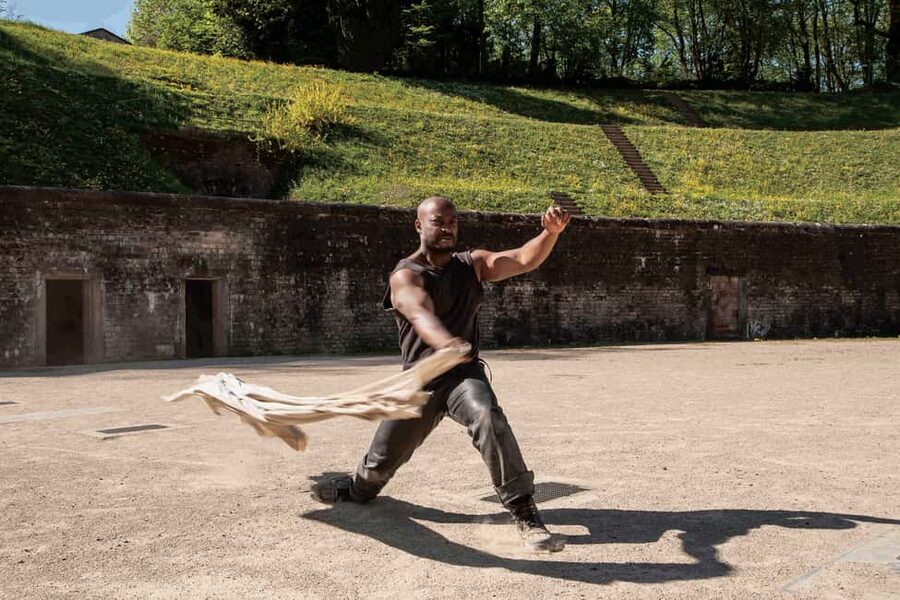
- After-hours amphitheater entry gives you a quieter, more dramatic setting than daytime visits.
- An actor as your gladiator guide keeps you engaged with an interactive walk through the arena.
- Survival stories with moral pressure focus on what it costs to live, win, and stay human.
- You experience the amphitheater from the inside including where fighters, animals, and friends moved.
- German-language performance with some original-language content, so it helps if you are comfortable with German.
- Stairs and uneven terrain mean good shoes and realistic expectations for your pace.
Why an after-hours gladiator tour in Trier feels different

Trier’s Roman amphitheater is impressive in daylight, but this tour changes the mood on purpose. When the amphitheater is closed for regular visits, the space stops feeling like a sightseeing stop and starts feeling like a stage. That matters, because gladiator life was not about polite tours and tidy facts, it was about pressure, power, and the brutal math of survival.
This is not a silent museum experience. You are guided through the arena while Valerius tells you what it meant to rise from the bottom of society, chase fame and fortune, and still fight because there is no safer option. You get the emotional spine of the story, not just dates and names.
Also holding a platform in Trier
- Trier: Guided City Walk with Wine Tasting
★ 4.8 · 979 reviews - Trier: Guided Old Town Highlights and History Walking Tour
★ 4.7 · 687 reviews - Trier: Discovery Tour – Germany’s Oldest Wine Cellar
★ 4.7 · 218 reviews
Meeting Valerius at the closed amphitheater gate
The performance happens after the amphitheater has already closed, so plan your arrival with that in mind. You meet in front of the entrance gate, then staff let you in. That also means the amphitheater is not already open and buzzing around you. You are joining a controlled start, which helps the show stay focused.
If you want a smoother experience, arrive with a little buffer. Even when the meeting point is simple, you are likely to wait while the group lines up and everyone is accounted for before the actor begins. So if you need the restroom, handle it early, right after you arrive, before you head inside.
Walking the arena with a gladiator actor
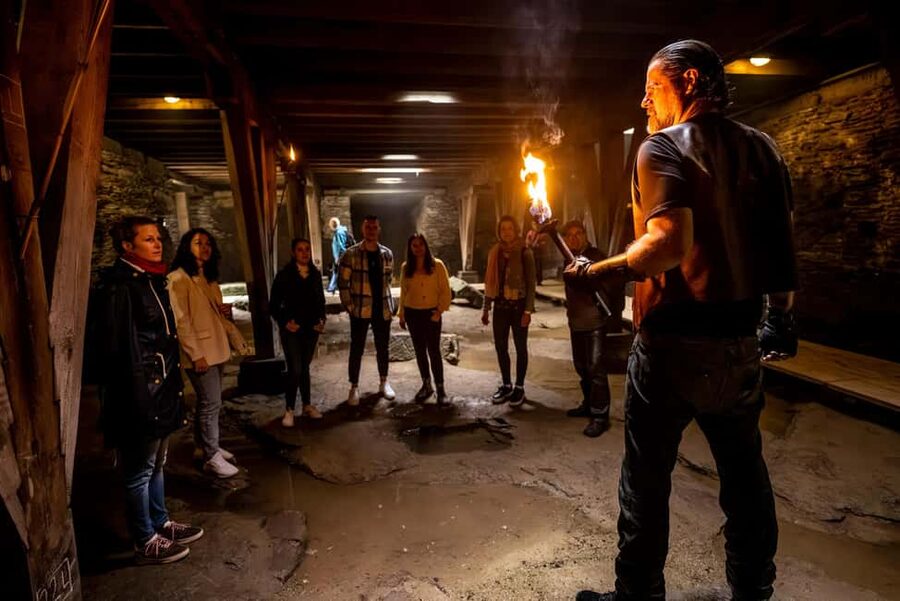
The core of this tour is the interactive amphitheater walk with a professional actor portraying Valerius. Instead of standing at one spot while you listen, you move along the amphitheater’s interior routes as the story unfolds. That physical movement is what makes the experience click, because you start noticing the space the way fighters and animals would have.
Expect the actor to guide you through key parts of the arena world. Valerius follows in the footsteps of the fighters and animals, and he points you toward the emotional geography of the place. You are not just hearing that people fought there, you are learning how the arena was used, how the circle pulled everyone in, and how losing friends could be part of the day’s rhythm.
The story: fame, honor, and the price of survival
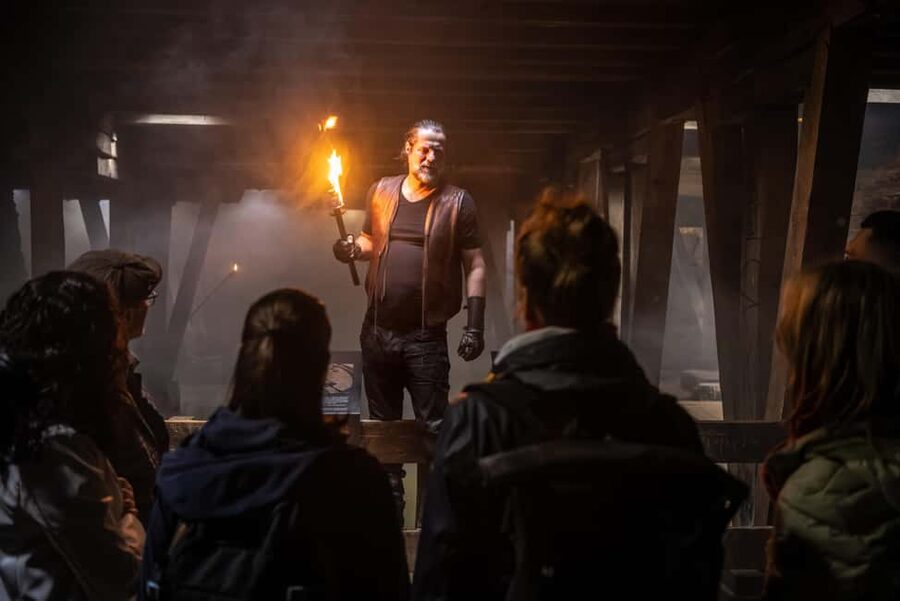
This tour’s strongest theme is the contradiction at the heart of gladiator life. Courage and fighting skill were admired, but gladiators were also considered unfree people doing hard physical work in the dust. Valerius makes that tension feel personal. He is not presenting gladiators as either heroes or villains. He’s showing the reality of a system that offered status to only a small number, while most lived and died with brutal uncertainty.
The show leans into survival as the central engine. You hear how gladiators eked out a living at the very bottom of society, and how only a few managed to buy freedom. Then the story turns the knife: Valerius survived, but the tour forces you to ask at what price. He recalls suffering he has seen, blood he has shed, and the friends who did not make it.
The haunting moment: fighting your best friend

One of the most gripping threads is the day that still haunts Valerius. He recounts the experience of facing his best friend in the amphitheater. That part is powerful because it stops the story from staying abstract. The arena is not just a place of entertainment, it is a place where relationships can be broken by the rules of the fight.
The tour also brings in a modern mirror. Valerius keeps asking you to weigh the inner struggle between the will to survive and morality. It is not a heavy-handed lecture. It is more like a charged question left hanging after the scene ends, so you carry it with you as you walk out of the arena space.
Onward connections from Trier:



What you learn by seeing the amphitheater up close
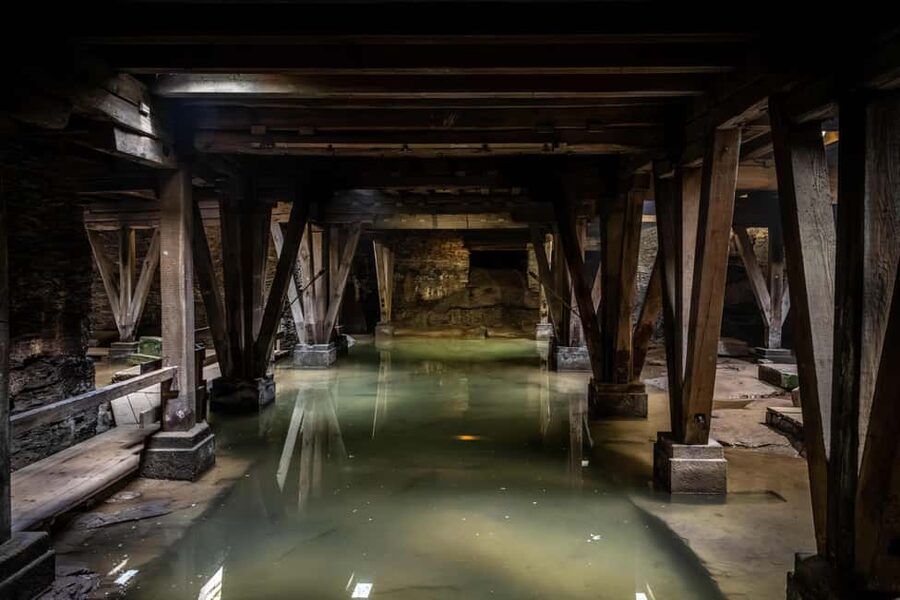
You will likely come away with a clearer sense of how an amphitheater shapes behavior. The arena is a bowl, the crowd is a factor, and the fighters are always being pulled into the center. Standing where Valerius leads you, you get that sense of being watched, judged, and measured.
You also learn that gladiator life was not only about fighting. It included constant pressure, survival choices, and the emotional cost of competing and winning in a system that never treated you as fully free. Even if you have read about Roman gladiators before, the performance format makes the ideas stick because you are experiencing the space while the story explains the human meaning inside it.
Price and value for a 75-minute after-hours show
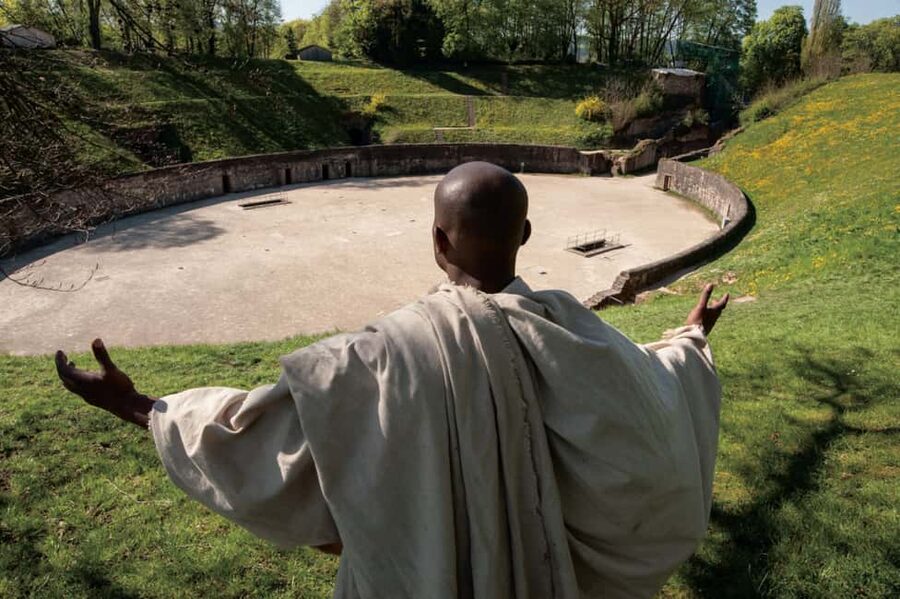
At $25 per person for a 75-minute experience, this is not a budget museum ticket, but it also is not a long expensive day. The value comes from the combo: after-hours amphitheater entry, a pro actor, and a guided narrative that uses the actual venue as your stage.
If you love history, you typically pay more for theatrical experiences in major cities. Here, the setting is doing a lot of work for you. You are spending your money on access to a special time slot plus performance energy, not on a distant script you read on a plaque.
For me, this price feels fair because the tour is short enough to fit easily into a Trier itinerary, yet structured enough to feel like a complete story arc with a beginning, middle, and emotional landing.
Practicalities: timing, shoes, and rules inside
A few practical notes will save you stress.
First, the route includes uneven terrain on upper tiers and you must climb stairs. Wear shoes with grip and plan for a slower pace if you feel unsteady. This is also why the tour is not suitable for wheelchair users and not for people with mobility impairments.
Second, there are filming limits. Video recording is not allowed, and photography inside the amphitheater is also not allowed. If you like to take photos, decide in advance whether you will just enjoy the moment live. It is built for storytelling, not for content capture.
Third, pets are not allowed, but assistance dogs are allowed.
Fourth, the tour guide speaks German, and some content is shown in original language. If your German is limited, you can still follow much of the story through the actor’s performance and the guided pacing, but it will help to know you are buying a German-language experience.
Who should book the Valerius gladiator adventure tour
This is a great fit if you want more than facts. You like story-driven history, you enjoy staged guides, and you do not mind moving around in an ancient venue.
It is also a strong choice if you are visiting Trier and want a focused plan that does not swallow your whole day. The timing is 75 minutes, and you can check starting times to pick the slot that works with your schedule.
Who might skip it? If you need step-free access, you should look for another option, because stairs and uneven ground are part of the route. If you are bringing kids, note that it is not suitable for children under 10.
Should you book Trier’s Gladiator Valerius tour?
If you are the kind of person who gets more out of a place when someone brings the human side into focus, book it. The after-hours setting plus a professional actor plus the emotional themes of survival and morality make this feel like a living story, not a walk past stones.
If you cannot handle stairs or uneven terrain, or if you need lots of photo freedom, it will likely frustrate you. But for the right audience, this tour gives you a memorable way to experience the Roman amphitheater in Trier, on purpose, at the time when it feels most like an arena.
Fresh on the arrivals board for Trier

Trier Tours & Activities, compared.


Guided Old Town Highlights and History Walking Tour
Read our review →



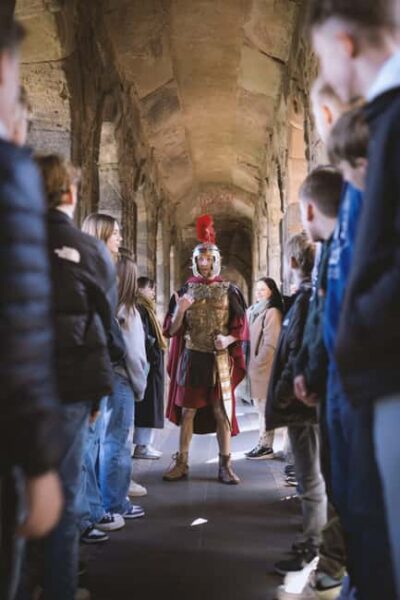

Tour with the Trier Night Watchman – Costume Tour
Read our review →Browse the lists this tour appears in