

Reviewed · THIRD REICH & WORLD WAR II TOURS
Third Reich and the Holocaust in Berlin Private Guided Tour
History here is personal. This private Berlin walk connects the Third Reich, World War II, and Holocaust memorials, starting at the Topography of Terror site and moving through the Old Town. You get live commentary in your chosen language as you pass the places that Nazis used for propaganda, control, and violence.
I love the way this tour puts faces and events to the story, led by a licensed history expert guide. I also like that the 5-hour option adds the Otto Weidt thread, so you see how Jewish lives were protected and exploited right in Berlin, not only from a distance.
One thing to consider: this is a heavy topic tour, and you should plan for a full 5 hours of walking and museum time.
In This Review
- Key things you should look for
- Why Berlin is the right classroom for the Third Reich
- Meeting point and how this private tour really works
- Topography of Terror: where the story starts
- Old Town walking stops: Potsdamer Platz, Brandenburg Gate, Reichstag
- Holocaust memorials and war monuments, handled with care
- The extra 5 hours: Friedrichstraße, Trains to Life – Trains to Death, and the Jewish Quarter
- Blindenwerkstatt Museum: Otto Weidt and the human story inside wartime Berlin
- Price and value: what $219 per person buys you
- The guide quality: what the best versions of this tour feel like
- Who should book this tour, and who might not
- Should you book this Berlin Third Reich and Holocaust private tour?
- FAQ
- How long is the Berlin Third Reich and Holocaust private guided tour?
- What is included on the 5-hour tour?
- Is the Jewish Quarter and Blindenwerkstatt Museum included in the 3-hour option?
- Where do I meet the guide?
- What languages are available for the live guide?
- Is this a private tour?
- What kind of guide will I have?
- Can I cancel for a full refund?
- Is there an option to reserve and pay later?
- Do I need to check anything before the tour?
Key things you should look for
- Topography of Terror in the former Gestapo and SS headquarters, with on-the-ground explanations of how Nazi power grew
- Memorial stops on foot through the Old Town, including Potsdamer Platz, the Holocaust memorial, and major WWII-era monuments
- A private pace that can match your interests and keep the story clear instead of rushed
- The added 5-hour layers in the Jewish Quarter, including Trains to Life – Trains to Death
- Otto Weidt at Blindenwerkstatt Museum, focusing on people, not only policies
Why Berlin is the right classroom for the Third Reich
Berlin is one of the most direct places in the world to learn how the Third Reich worked. Not in theory. In bricks, street corners, and memorials you can actually stand in front of. That matters, because Nazi rule was both bureaucratic and street-level. It was meetings and documents, yes, but also intimidation, propaganda, deportations, and mass murder.
This private tour is built around that idea. You start at the Topography of Terror museum, then you move outward through the city’s key WWII sites and memorial areas. So you get a timeline you can feel as you walk, instead of a list of dates.
The tone is serious. You will be dealing with Nazi ideology, Hitler’s rise, Holocaust history, and how propaganda shaped everyday life. If you want a light sightseeing day, this is not that. If you want context you can trust, it’s a strong choice.
Further Third Reich and wartime history tours:
- Berlin: Third Reich & Cold War Guided Walking Tour
★ 4.9 · 8,378 reviews - Berlin’s Best: 2 Hour Walking Tour Third Reich and the Cold War
★ 5.0 · 5,486 reviews - Third Reich Berlin: Hitler and WWII Walking Tour
★ 5.0 · 3,301 reviews
Meeting point and how this private tour really works
You meet your guide in front of the Typisch Berlin cafe at Wilhelmstraße 42, 10963 Berlin. Important detail: do not go inside the cafe, it is only the meeting point and the staff is not informed about the tour.
Because it is a private group, you are not trapped in a one-size-fits-all script. The tour is designed to adjust the tempo and what you focus on based on your interests. That helps a lot on a topic this dense. You can ask questions without the constant scramble of a larger group.
You also get live commentary in one of several languages: English, French, Russian, Spanish, Italian, German, or Polish. That’s not just comfort. It changes the whole experience when the guide can explain complex ideas clearly in your native language.
One practical point: the day before your tour, check your email. You’ll receive important information there.
Topography of Terror: where the story starts
The Topography of Terror museum is the anchor stop for this tour, and it’s a powerful place to begin. You’re dealing with the machinery of Nazi terror, not only the final outcome of WWII. The site includes the former headquarters connected to the Gestapo and SS, which means you are learning inside a space linked to the system itself.
Expect your expert guide to connect several themes in plain language. How the Nazis rose to power, how Adolf Hitler and the Nazi Party gained control, and how propaganda and terror fed each other. You’ll also get Holocaust history covered with direct references, including the role of persecution and deportation across Nazi-occupied Europe.
A museum like this can feel overwhelming if you go alone. With a guide, the place becomes structured. You’ll know what you are looking at, why it matters, and what questions to keep in mind as you walk to the next stop.
Old Town walking stops: Potsdamer Platz, Brandenburg Gate, Reichstag
After the museum, the route shifts into the Old Town, where the city itself starts telling you the next chapter.
Potsdamer Platz is part of that story because it connects to Berlin’s WWII geography. This is where the boundaries of the American, British, and Soviet Allied zones met during the liberation of the city. You’re not only seeing a modern landmark. You are seeing a spot with layered meanings from wartime Berlin.
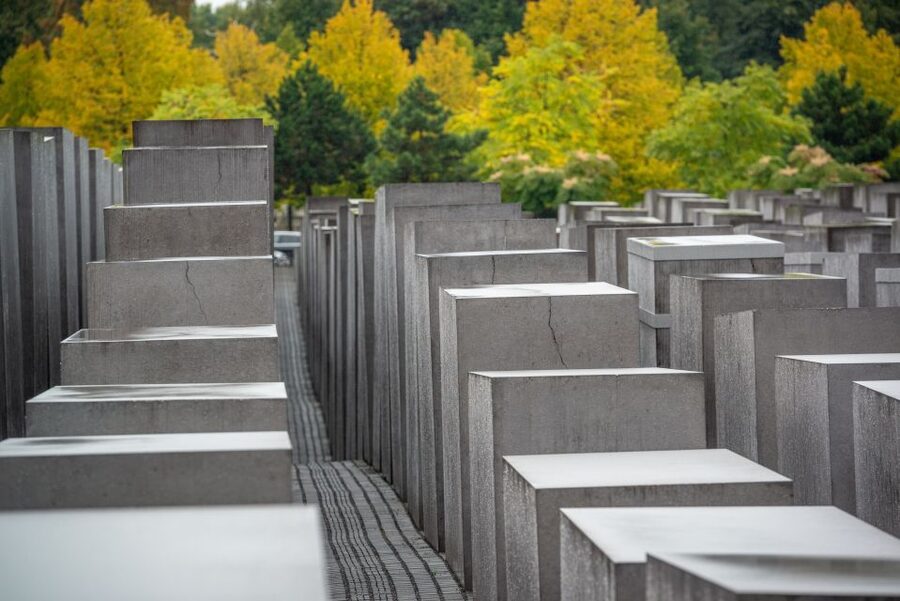
Next you come to the Holocaust memorial, a key moment where respect has to come before anything else. The guide frames it as the memory of the six million Jewish victims of the Holocaust. That stop is less about facts you can memorize and more about acknowledging what those facts represent.
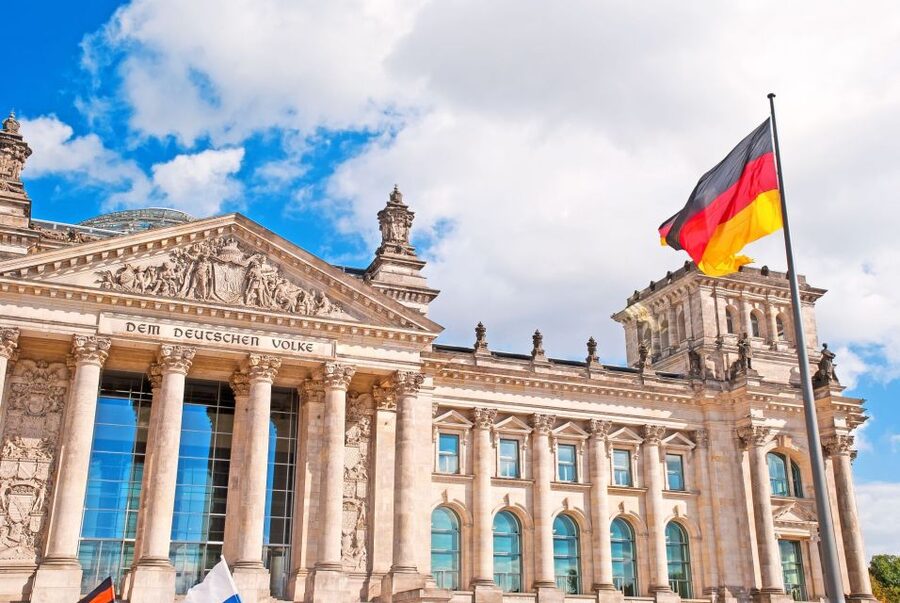
Then the tour typically moves toward major symbols of Berlin tied to Nazi era imagery and political power. You may see the Brandenburg Gate, which is often discussed in the context of Nazi propaganda rallies. The point is not that one building caused history. The point is that regimes use public architecture as a stage, and Berlin shows that clearly.
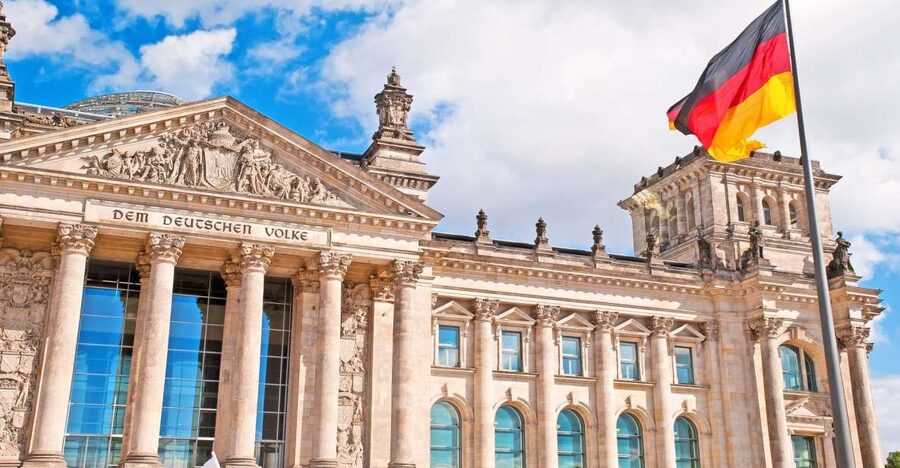
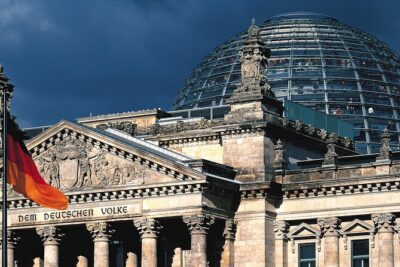
You may also stop at the Reichstag building. It’s especially relevant because it was burned in 1933, an event that sits early in the Third Reich timeline. With your guide, it becomes more than a headline. You’ll connect it to how the Nazis used moments of crisis to tighten control.
These street-level stops are valuable because they help you understand how power was performed. You learn to spot the link between ideology and public space.
Holocaust memorials and war monuments, handled with care
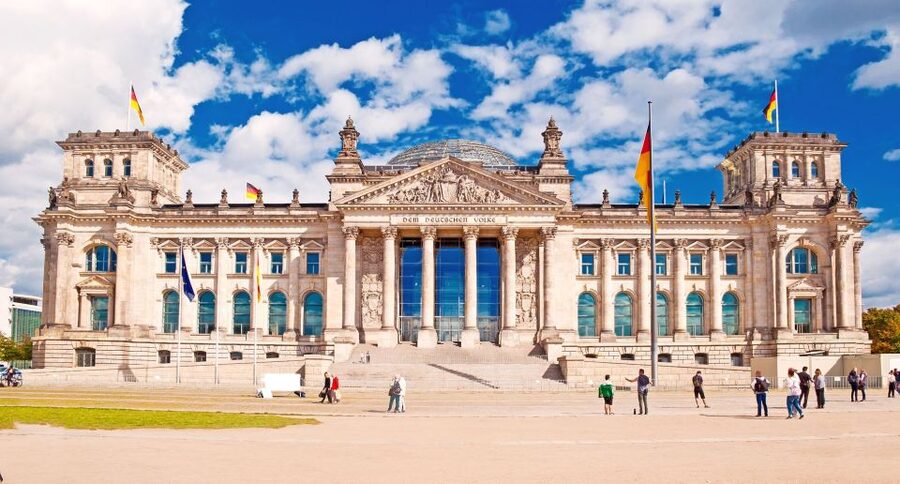
This tour doesn’t treat memorials like photo backdrops. It treats them like part of the story. That changes how you move through them, and it’s one reason a guided format is worth it here.
You’ll pay respects at the Memorial to the Murdered Jews of Europe during the Old Town portion. That visit anchors the tour’s moral center. It also helps you keep the Holocaust from getting lost inside WWII complexity, because the memorial is specific and focused.
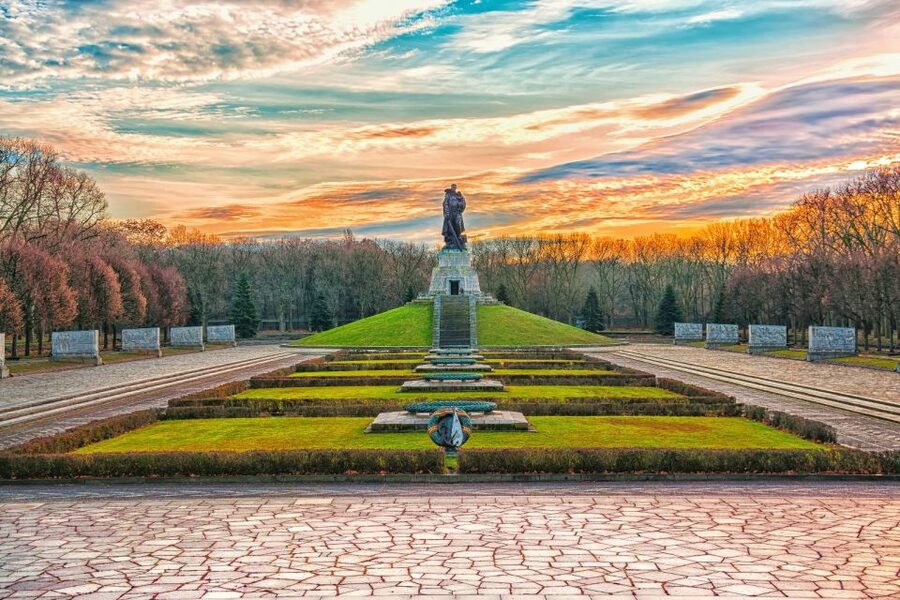
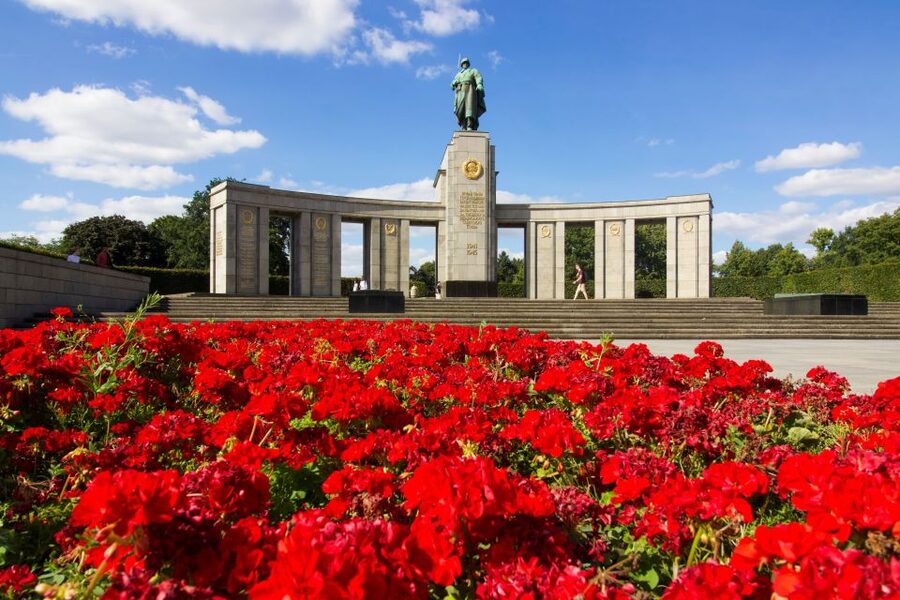
The route also includes war remembrance in the Soviet context. The tour ends at the Soviet War Memorial, one of several Berlin memorials erected by the Soviet Union to commemorate soldiers. That stop gives you a reminder that Berlin’s WWII story involved multiple armies and multiple forms of commemoration, not one single narrative.
In a day that covers propaganda, persecution, and mass death, you need moments that are slower and more respectful. This itinerary builds that in.
Also holding a platform in Berlin

The extra 5 hours: Friedrichstraße, Trains to Life – Trains to Death, and the Jewish Quarter
If you choose the 5-hour option, you get additional stops that make the story more personal and more geographically specific.
One addition is Friedrichstrasse, a famous Berlin street that your guide uses to keep the story tied to where people actually lived and moved. Another addition is the monument named Trains to Life – Trains to Death. This one matters because it focuses on murdered children during the Holocaust. It’s a hard topic, but having it on the itinerary means you cannot accidentally skip the part of the Holocaust history that involved children.
The tour also goes through Spandauer Vorstadt and the Jewish Quarter area. You’ll hear Jewish history as part of the route, and you may see the surviving New Synagogue located in that area. Even the word surviving carries weight here. It signals continuity after attempts to erase community life.
By adding these stops, the 5-hour tour stops being only about the rise and fall of Nazi power. It becomes a story about Berlin’s Jewish community before, during, and after Nazi rule, including what remained.
Blindenwerkstatt Museum: Otto Weidt and the human story inside wartime Berlin

One of the most emotionally important parts of the 5-hour itinerary is the visit to Otto Weidt’s Blindenwerkstatt Museum. This museum tells the story of Otto Weidt, who employed mostly blind and deaf Jewish workers in his workshop during WWII.
That framing is powerful. It doesn’t only show cruelty. It also shows how people tried to help under impossible conditions. It gives you names and choices, not only categories.
If you are someone who wants the Holocaust told with concrete human examples, this stop is worth it on its own. It helps balance the day: you see how the system worked, and then you see a specific response inside the city.
Because this museum visit is included in the 5-hour option, it is a major difference maker compared with the shorter version.
Price and value: what $219 per person buys you
At $219 per person for a 5-hour private guided tour, you’re paying for three things that matter on this kind of itinerary.
First, you’re paying for a licensed 5-star guide who is fluent in your chosen language. On a topic like the Third Reich and Holocaust history, clarity is not optional. A strong guide helps you avoid misunderstandings, spot propaganda patterns, and connect causes to effects.
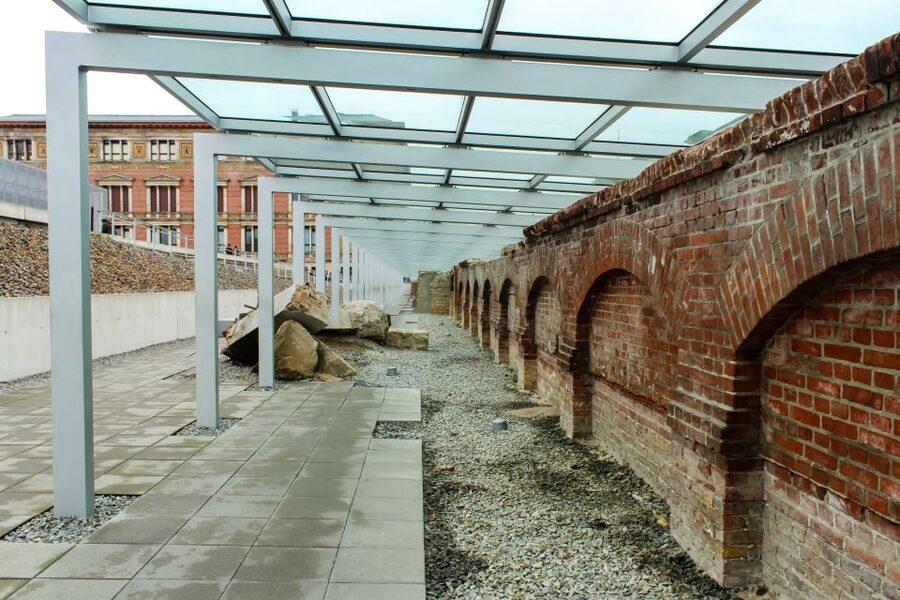
Second, you’re paying for time with the exact places where the story was made and remembered. This isn’t just a drive-by. It includes Topography of Terror and multiple memorial sites across the city.
Third, you’re paying for the added human layer in the 5-hour version. Friedrichstrasse, Trains to Life – Trains to Death, and the Jewish Quarter context, plus Blindenwerkstatt Museum, all stretch beyond the basics.
You could DIY Berlin memorial hopping. But here, the real value is how a trained guide links each location to the wider historical story, and how the private format keeps you from feeling lost or rushed.
The guide quality: what the best versions of this tour feel like
The tour description emphasizes an expert-leaning guide, and the experience tends to be shaped by the person delivering the story. In past instances tied to this tour, guides named Silvia, Gunnar, and Manfred were praised for how they explained WWII and Berlin history.
Silvia, for example, was described as a historian specialized in Second World War history, with explanations that felt like being in front of a very focused teacher. That kind of delivery is exactly what helps on a topic that can otherwise turn into a blur of names and dates.
Gunnar was also described as excellent, with a great walking pace through Berlin and strong history storytelling. Manfred received praise for bringing the city’s history across in a more relaxed conversation style. That matters because a private tour is where you can balance seriousness with understanding.
If you care about having time to ask questions, the guide’s teaching style is not a small detail. It is the difference between collecting facts and building understanding.
Who should book this tour, and who might not
This tour is a great fit if you:
- Want a guided structure through Berlin’s Third Reich and WWII sites
- Prefer learning through context on foot, not just reading at home
- Appreciate Holocaust history that includes both memorials and human stories like Otto Weidt
- Care about getting explanations in your own language
It may be less ideal if you:
- Want a casual sightseeing day
- Have low stamina for walking and museum time
- Get overwhelmed easily by heavy historical content
If you are traveling with teens or family members, this can still work, but you should match the day to what your group can handle emotionally. The 5-hour option is longer and includes particularly painful subjects like murdered children.
Should you book this Berlin Third Reich and Holocaust private tour?
If your goal is to understand the Third Reich and the Holocaust through Berlin’s real places, this is a strong booking. The itinerary is built around key sites you can only fully make sense of with a guide: Topography of Terror, the Old Town memorial cluster, and the Jewish Quarter additions in the 5-hour version.
My practical recommendation is simple. If Otto Weidt’s story and the Trains to Life – Trains to Death monument matter to you, choose the 5-hour option. If you mainly want the main memorial and WWII anchors without the extra Jewish Quarter and museum time, the shorter version can still work.
Just come prepared for seriousness. Bring a calm mindset, and let the guide do the heavy lifting of turning sites into understanding.
FAQ
How long is the Berlin Third Reich and Holocaust private guided tour?
The tour is offered as a 5-hour private walking tour. There is also a 3-hour walking tour option described, which focuses on the Old Town and key war sites.
What is included on the 5-hour tour?
The 5-hour option includes the Topography of Terror and Old Town war site visits such as Potsdamer Platz, the Memorial to the Murdered Jews of Europe, the Reichstag building, and the Soviet War Memorial. It also includes the Jewish Quarter and a visit to Otto Weidt’s Blindenwerkstatt Museum, plus additional stops such as Friedrichstrasse and the monument Trains to Life – Trains to Death.
Is the Jewish Quarter and Blindenwerkstatt Museum included in the 3-hour option?
No. The 3-hour tour does not include the Jewish Quarter and the Blindenwerkstatt Museum.
Where do I meet the guide?
Meet your guide in front of the Typisch Berlin cafe at Wilhelmstraße 42, 10963 Berlin. Do not enter the cafe, it is only the meeting point.
What languages are available for the live guide?
The live tour guide is available in English, French, Russian, Spanish, Italian, German, and Polish.
Is this a private tour?
Yes, this is a private group tour.
What kind of guide will I have?
You get a 5-star licensed guide who is fluent in your selected language, and the tour emphasizes a history expert-guided format.
Can I cancel for a full refund?
Yes. Free cancellation is available up to 24 hours in advance for a full refund.
Is there an option to reserve and pay later?
Yes. You can reserve now and pay later, keeping your travel plans flexible.
Do I need to check anything before the tour?
Yes. Please check your email the day before the tour to receive important information.
Fresh on the arrivals board for Berlin
Third Reich & World War II Tours, compared.

Berlin’s Best: 2 Hour Walking Tour Third Reich and the Cold War
Read our review →
Third Reich Berlin: Hitler and WWII Walking Tour
Read our review →
Walking Tour of Former Nazi Party Rally Grounds
Read our review →
Browse the lists this tour appears in