
Reviewed · BERLIN WALL TOURS
The Cold War and The Wall – Private Tour with Jacob
Berlin gets political fast on foot.
This private Cold War and The Wall walk with Jacob strings together Berlin’s most famous divide-and-control landmarks, from Checkpoint Charlie to Alexanderplatz, with stories that explain how the city worked on both sides. It is a tight, street-level way to understand the Wall era, not a distant slideshow.
I especially like the personal guide time. With a small group (up to 6), you can ask questions as you move and actually connect the buildings to the human stories. I also like that the route is packed with clear “theme stops,” from escape attempts tied to specific places to the big symbolism of the Brandenburg Gate. One thing to consider: it runs about 2 hours 45 minutes and most of it is outdoors, so bring an umbrella and plan on walking between sites.
In This Review
- What You’ll Remember From This Cold War Walk
- Why This Private Cold War Walk Beats a Quick Photo Stop
- Siegessaule and Straße des 17. Juni: Starting With Pressure and Protest
- Brandenburg Gate: The Wall’s Rise and Fall in One Symbol
- Potsdamer Platz: The Divide, Then the Post-Cold War Reset
- Aviation Ministry of Berlin: Max Linger’s Utopia Meets Heinz Holzapfel’s Escape Attempt
- Trabi Museum: East German Life You Can Actually See
- Checkpoint Charlie: The Famous Crossroad and the Meaning Behind It
- Friedrichstraße and Unter den Linden: Checkpoint Streets and the Avenue to the Border
- Palace of Tears: Citizens, Control, and the Emotional Weight of a Checkpoint
- Alexanderplatz, the TV Tower, and the Space Race Angle
- Price and Logistics: Is $310 Worth It?
- What to Expect During the Walk (and How to Prepare)
- Should You Book Cold War and The Wall With Jacob?
- FAQ
- How long is the private Cold War and The Wall tour?
- How many people are in the group?
- Is pickup included in Berlin?
- Do I need a public transport ticket?
- Are there admission fees at the stops?
- Can I cancel for a full refund?
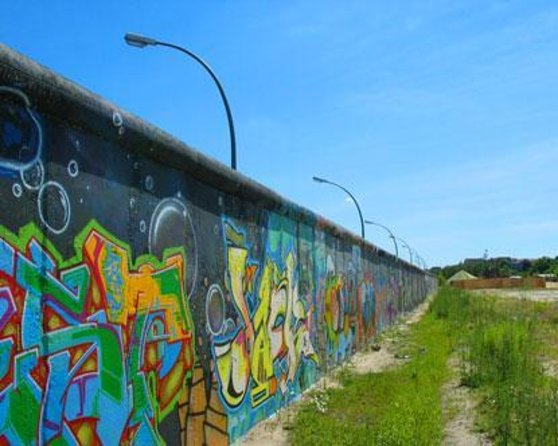
What You’ll Remember From This Cold War Walk
- A private group for up to 6 so you get real back-and-forth, not headset silence
- Hotel, Air B&B, or station pickup in Berlin plus a clear end point at Alexanderplatz
- Wall-era stops that are marked free at each listed site, so you can spend time on explanations
- Escape-story context at key locations including the aviation ministry area tied to Max Linger and Heinz Holzapfel
- Trabi Museum time (30 minutes) so East German everyday life is more than a slogan
- Planning tools included: an A3 guidance picture folder and a big subway station map
Why This Private Cold War Walk Beats a Quick Photo Stop
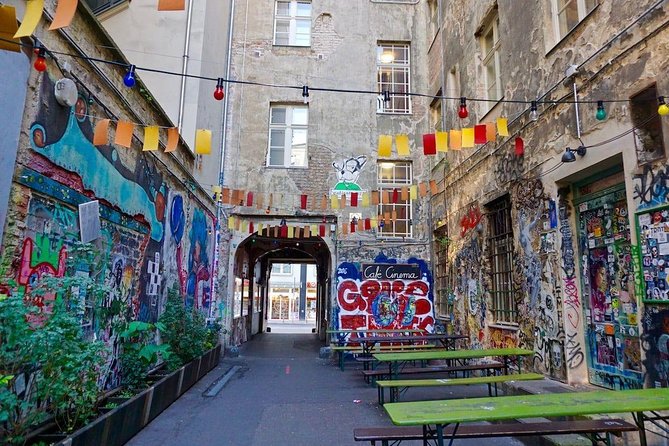
The Cold War is easy to turn into a list of famous images. This tour does the opposite. It builds a moving timeline using Berlin landmarks you can actually stand in front of. You get the sense of control, movement, and fear without needing to be an expert first.
The other big win is that it is private. When Jacob or Nadav Jacobs is explaining a checkpoint, you can ask what a term means, or how a place was used. You also get practical support for the rest of your Berlin visit, since guide availability is included for questions and help.
And because it ends at Alexanderplatz, you are not stuck far from transit after you finish. That matters when you still have dinner plans, a museum to hit, or a night train to catch.
More traces of the Wall through Berlin:
- Berlin: Third Reich & Cold War Guided Walking Tour
★ 4.9 · 8,378 reviews - Berlin’s Best: 2 Hour Walking Tour Third Reich and the Cold War
★ 5.0 · 5,486 reviews - Skip-the-Line: Berlin Wall Museum at Checkpoint Charlie
★ 4.1 · 2,041 reviews
Siegessaule and Straße des 17. Juni: Starting With Pressure and Protest
The tour begins at Siegessaule (Victory Column). It is the kind of landmark that looks like it is just standing there until someone connects it to the story around it. Here, Jacob ties it to Straße des 17. Juni and the East Germany 1953 revolution.
Why this works as a first stop: it gives you the theme early. Before you get to the Wall proper, you understand that East German society was under strain long before the border became a daily routine. It sets the emotional tone, so later checkpoints land harder.
Practical note: this stop is allocated about 15 minutes and is listed with free admission. It is enough time to get oriented and start learning, without dragging. If you arrive late or still need coffee, this is also a decent “recovery stop” because you can catch up quickly with the explanation.
Brandenburg Gate: The Wall’s Rise and Fall in One Symbol
Then you head to Brandenburg Gate, with the focus on the erection and fall of the Berlin Wall. This is one of those places where everyone takes a photo, but most people just move on.
The guide approach changes that. You are not looking at a postcard. You are looking at a national symbol while learning how the Wall reshaped what that symbol meant in everyday life.
This stop is short (about 10 minutes) and is listed with free admission. That is a plus if you want momentum. It can also be a drawback if you are the type who wants long pauses and extra time to linger. In a private walk, you can usually ask for a bit more context if you have questions, but the overall pacing is clearly designed for covering multiple sites.
Potsdamer Platz: The Divide, Then the Post-Cold War Reset
Potsdamer Platz is next, with the story of the city divide and a post-Cold War freedom concert. It is a smart transition, because it moves from “how Berlin was blocked” to “what happened after.”
This is also where you start noticing how city spaces shifted. You see the way Berlin rebuilt and rebranded itself after the Cold War. That helps you understand why so many Wall-era stories are not only about walls and uniforms, but also about rebuilding and identity.
Time here is about 15 minutes with free admission listed. For most people, that is the sweet spot: enough time for meaning, not enough time for boredom. If you love urban planning or the feel of how capitals reinvent themselves, you will likely want to follow up on your own after the tour.
Aviation Ministry of Berlin: Max Linger’s Utopia Meets Heinz Holzapfel’s Escape Attempt
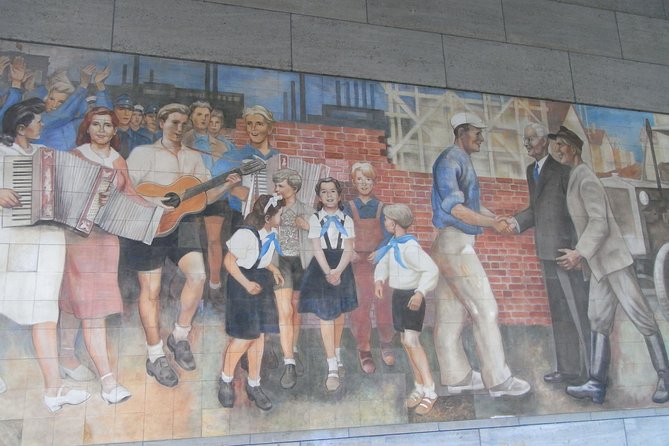
One of the more intriguing stops is at the Aviation Ministry of Berlin area. This is where Jacob brings in the story of Max Linger’s communist utopia and Heinz Holzapfel’s escape attempt.
Why I think this stop is valuable: it connects ideology to reality. Utopias are abstract until you attach them to a specific building and then connect that to what people tried to do to get out. Names like Max Linger and Heinz Holzapfel turn the Cold War from a headline into a set of personal stakes.
This stop is about 10 minutes, listed as free. That brevity may feel intense if you want lots of details on the individuals involved, but it is also how the tour stays on track. If this is a topic that really hooks you, ask Jacob to suggest what to read next. The guide availability for questions is part of what you are paying for, and it can help you extend the story without wasting your tour time.
Also holding a platform in Berlin


Trabi Museum: East German Life You Can Actually See
You then get 30 minutes at the Trabi Museum, focused on the East German car. This is a great break in the walking rhythm and a welcome change from only seeing official buildings and checkpoints.
Why this museum stop earns its place on the route: it gives you a taste of daily life rather than only border drama. A car might sound like a small detail, but it becomes a practical way to understand what people had, what they endured, and what normal looked like in a system with limits.
This stop is the longest on the list besides the city street sections, which signals how much weight the tour places on material culture. If you tend to remember things you can point to, rather than only stories you heard, this part is a strong payoff.
Drawback to consider: museum time can be more absorbing than the sidewalk stops. That can make the rest of the tour feel fast by comparison. The flip side is good too, because once you’ve seen something tangible, you process the checkpoints with a different lens.
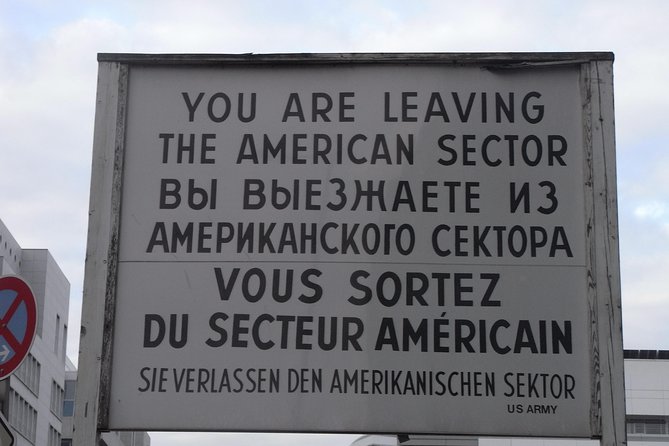
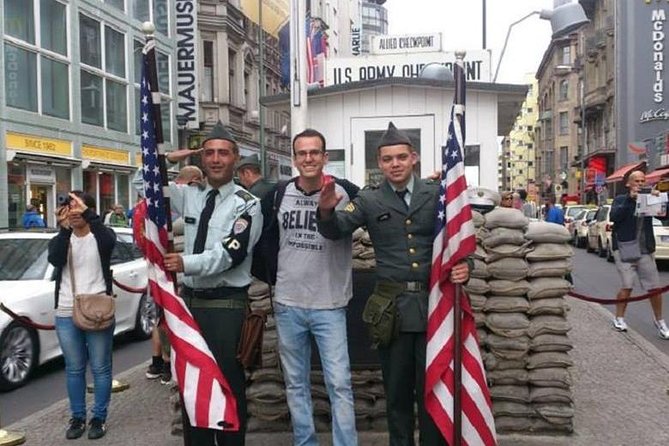
Checkpoint Charlie: The Famous Crossroad and the Meaning Behind It
Checkpoint Charlie is next, described as the main crossroad between East and West. It is one of the most recognizable Cold War sites in Berlin, but it can easily become a tourist checkpoint in your mind.
Jacob’s job is to give it meaning beyond fame. You learn how the site functioned as a hinge between worlds, and why crossings were never just about geography. They were about control, permissions, and fear.
This stop is about 10 minutes with free admission listed. That sounds brief, but it is consistent with the tour’s pace. If you want extra time at the checkpoint itself, you can usually ask during your private tour, but the route is designed so the story keeps moving forward.
Friedrichstraße and Unter den Linden: Checkpoint Streets and the Avenue to the Border
After Checkpoint Charlie, you move to Friedrichstraße, described as Check points Street, then onward to Unter den Linden, the East Germany main avenue leading to the border.
Together, these are about flow. What does the city feel like when people are moving under surveillance? What does an “everyday” street become when it is tied to checkpoints and restrictions?
Friedrichstraße is allocated about 20 minutes with free admission listed. Unter den Linden is also about 20 minutes and free. With both stops, you have time to understand that the Cold War was not only at dramatic gates. It also shaped ordinary streets and routes people relied on.
If you are the type who likes to orient yourself visually, these are key moments. You will likely start recognizing parts of Berlin you later see again on your own. The included big subway station map can help you connect the route to how you move around after the tour.
Palace of Tears: Citizens, Control, and the Emotional Weight of a Checkpoint
The Palace of Tears stop is about the main check point for citizens and communist control, with 20 minutes allocated and free admission listed.
This is where the story becomes emotionally heavy. Checkpoint places are usually explained with logistics, but a checkpoint that is specifically tied to citizens and control raises bigger questions about what was at stake for real people. Jacob’s framing here helps you connect policies to lived experience.
The stop being 20 minutes is important. If it were only 10, you might feel like you glossed over the point. Here, you get enough time to process what makes that kind of checkpoint different from a simple border crossing.
Practical consideration: places like this can bring in crowds even when admission is free, simply because everyone wants to see the Wall-era sites. In a private tour, Jacob can keep you moving at a pace that lets you hear the explanation without constantly fighting the crowd.
Alexanderplatz, the TV Tower, and the Space Race Angle
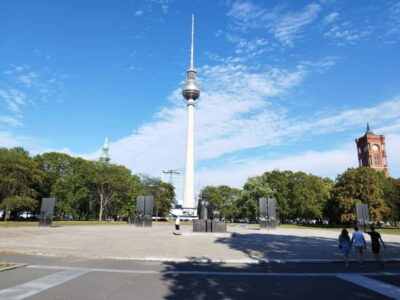
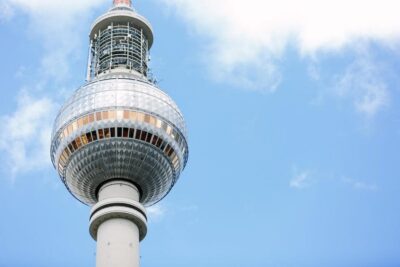
Finally, you end at Alexanderplatz, about 10 minutes allocated, focused on the TV tower and the space race.
This ending is clever. It is not only about the border and the wall system. It is also about ambition, technology, and how big projects were used to project strength during the Cold War.
You end right where Berlin’s transit options are practical. The tour ends at Alexanderplatz 10178 Berlin, so you can smoothly connect to whatever you plan next.
Price and Logistics: Is $310 Worth It?
This is $310 per group for up to 6 people. That pricing makes sense if you split it with friends or family. If the group is full, your per-person cost drops a lot. If you come as a small party, you will pay more per person, but you still get a private guide, pickup, and tangible planning tools.
What you get that actually supports the price:
- Private guide time across multiple themed stops
- Pickup in Berlin from hotel, Air B&B, or stations and even the airport
- A3 guidance picture folder and a big subway station map
- Guide availability for questions and help with your Berlin visit
What is not included:
- Public transport ticket fees are not included (roughly 3 to 11 euro depending on the ticket type)
- A private van and driver are upon request
- Bookings bigger than 10 require contact
For many first-time visitors, the big value is the pacing. You cover a lot of major sites in one 2 hours 45 minutes walk, without feeling like you are rushing for checkmarks. For repeat visitors, the value is context. You see famous places with new meaning, and you leave with clear ideas for what to explore afterward.
What to Expect During the Walk (and How to Prepare)
Expect a guided walking route with frequent short stops. The timing is designed so you get story plus variety:
- Siegessaule (about 15 minutes)
- Brandenburg Gate (about 10)
- Potsdamer Platz (about 15)
- Aviation Ministry area (about 10)
- Trabi Museum (about 30)
- Checkpoint Charlie (about 10)
- Friedrichstraße (about 20)
- Unter den Linden (about 20)
- Palace of Tears (about 20)
- Alexanderplatz (about 10)
All weather operations are included, so plan for rain. The tour also notes service animals are allowed, and it is near public transportation, which helps if you need a quick transit reset.
Bring a little patience for short stop timing. If you want deep reading at every location, this tour will feel like it gives you the thread rather than a complete book. But that is often a good thing. It prevents tour fatigue and keeps the experience lively.
Also, keep your eyes open for the planning extras. That A3 guidance picture folder and the big subway map are meant to help you continue on your own after the walk. If you like “see it now, understand it later,” that support is a real plus.
Should You Book Cold War and The Wall With Jacob?
Book it if you want a private, theme-driven Berlin walk that makes the Cold War feel concrete. This is a strong fit for first-time visitors who want to connect Berlin’s famous landmarks to what actually happened there. It also works well if you dislike generic tours where you hear the same facts at every stop with no chance for questions.
I would also lean toward booking if you enjoy escape stories and personal stakes. Stops tied to Max Linger’s communist utopia and Heinz Holzapfel’s escape attempt add a human angle that makes the architecture and signage feel less abstract.
Pass on it, or at least consider alternatives, if you have zero interest in checkpoints and Cold War systems, or if you want long museum time and slow wandering. The route is fast by design, and the tour assumes you are there to get the key connections, then keep exploring on your own.
If you are ready to learn how Berlin’s streets became borders, and you like the idea of finishing near Alexanderplatz with a plan for the rest of your trip, this is an easy yes.
FAQ
How long is the private Cold War and The Wall tour?
It runs about 2 hours 45 minutes.
How many people are in the group?
It is a private tour, and the group size is up to 6 people.
Is pickup included in Berlin?
Yes. Pickup is offered from a hotel, Air B&B, train station, or airport in Berlin.
Do I need a public transport ticket?
Public transport ticket fees are not included. The cost is around 3 to 11 euro for a 2-hour or day ticket.
Are there admission fees at the stops?
The listed stops are marked as free admission in the itinerary.
Can I cancel for a full refund?
Yes, free cancellation is offered. You can cancel up to 24 hours in advance for a full refund. If you cancel less than 24 hours before the start time, the amount paid is not refunded.
Fresh on the arrivals board for Berlin
Berlin Wall Tours, compared.

Berlin’s Best: 2 Hour Walking Tour Third Reich and the Cold War
Read our review →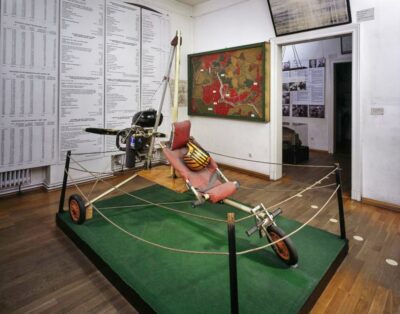
Skip-the-Line: Berlin Wall Museum at Checkpoint Charlie
Read our review →
East Side Gallery Spree Cruise in a Solar Catamaran
Read our review →
Cold War, Berlin Wall, Spies and the East Side Gallery
Read our review →
Cold War & Berlin Wall History Guided Bike Tour
Read our review →
Browse the lists this tour appears in