
Reviewed · SACHSENHAUSEN MEMORIAL VISITS FROM BERLIN
Sachsenhausen concentration Camp (by Private Vehicle)
Sachsenhausen hits hard. A private-vehicle, small-group guide visit to the Sachsenhausen Concentration Camp and Museum helps you understand how the Nazi system worked, not just what happened. I love the small group cap and I really like the photo-backed explanations that many guides use to make the story clearer.
One possible drawback is the emotional weight. This is a serious place with lots of walking, so plan for a heavy few hours and bring comfortable shoes.
In This Review
- Key things to know before you go
- Why Sachsenhausen, and why this guided format matters
- Getting there from Alexanderplatz without the transit stress
- Gedenkstätte und Museum Sachsenhausen: what your 5 hours are built around
- A note on pace and how much you will walk
- Lesser-seen areas and the memorial moments that stay with you
- How the guides make it personal, not just factual
- The 10:00 am schedule and what to plan around
- Price and value: what you are really paying for
- Who this Sachsenhausen tour suits best
- Should you book this Sachsenhausen tour?
Key things to know before you go
- Private vehicle transfers: skip the public transport hassle from Alexanderplatz and arrive with less stress.
- Small groups (up to 15): expect a calmer pace and room to ask questions.
- Admission included: you get into the main Gedenkstätte und Museum Sachsenhausen area with no extra ticket steps.
- Guides with real storytelling tools: you may see old photos and get careful, question-friendly explanations.
- Beyond the most obvious stops: the route includes lesser-seen areas, plus memorable memorial moments.
- English mobile ticket: confirmation comes at booking, and you travel with a phone-friendly ticket.
Why Sachsenhausen, and why this guided format matters
Sachsenhausen is one of those Berlin-area sites where the details matter. If you show up without guidance, it is easy to miss the connections between buildings, layouts, and the purpose behind them. With a guide, the place becomes more than a set of ruins. You start understanding the machinery of persecution and control.
I also like that the experience is built for attention, not speed. A 5-hour visit is long enough to slow down at key areas, but not so long that you numb out and just keep moving. If you want a meaningful Berlin WWII history experience, having someone interpret what you are looking at is a big deal.
The private-vehicle setup is part of why this works so well. You get a scheduled start from Alexanderplatz, and you are not wrestling with trains and transfers while you are already mentally preparing for a tough visit.
Other visits to the Sachsenhausen memorial:
- Berlin: Sachsenhausen Concentration Camp Tour in English
★ 5.0 · 5,711 reviews - Berlin: Sachsenhausen Concentration Camp Memorial Tour
★ 4.7 · 3,716 reviews - Sachsenhausen Concentration Camp Bus Tour in English from Berlin
★ 5.0 · 1,962 reviews
Getting there from Alexanderplatz without the transit stress
The tour starts at Park Inn by Radisson Berlin Alexanderplatz, Alexanderpl. 7, 10178 Berlin, with a 10:00 am departure. Ending back at the meeting point keeps the day simple and lets you plan lunch or dinner afterward without extra logistics.
Because the transfer is by private vehicle, you can treat the ride as a warm-up instead of a puzzle. I like that you can use the travel time for context, and you are less likely to feel frazzled when you arrive. That matters at sites like Sachsenhausen, where being calm helps you actually take things in.
If you are meeting from the city, note that the meeting point is near public transportation. So if you want to arrive by metro or tram first, you still can. Service animals are allowed, which is also a practical plus.
Gedenkstätte und Museum Sachsenhausen: what your 5 hours are built around
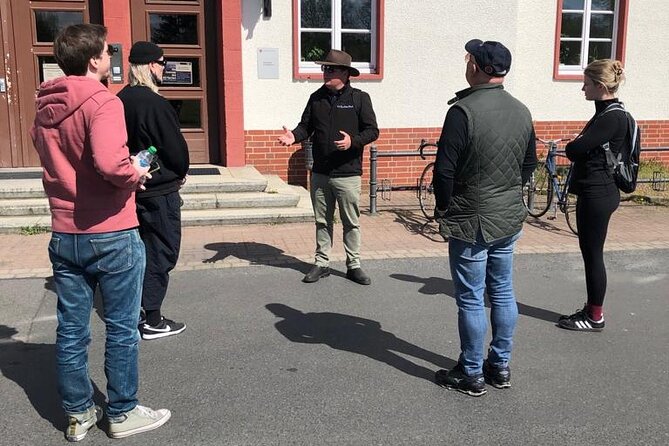
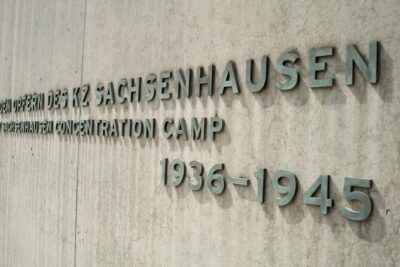
Your main stop is Gedenkstätte und Museum Sachsenhausen. This is the heart of the site, where the museum and memorial areas do the heavy lifting in terms of context. The focus is on the Nazi concentration camp system and the human reality behind it.
A good guide approach here is not just facts. It is interpretation tied to what you see. One reason people rate this experience so highly is that guides take time to explain key events, and they often use old photos as part of the walk. That photo support can help you make sense of scale, location, and timelines that can otherwise feel confusing.
You should also expect a respectful, reflective tone. The experience is designed around remembrance, and your guide will encourage you to consider what the victims endured and what the lessons are for the present. It is normal if you feel shaken. This is a place that does not try to soften what happened.
A note on pace and how much you will walk
Even with a private-vehicle transfer, once you are on the grounds you are doing real walking. One of the most practical tips from the experience is to wear comfortable shoes because there is plenty of ground to cover. If you tend to get sore feet easily, treat this as a serious walking day, not a quick museum stop.
Lesser-seen areas and the memorial moments that stay with you
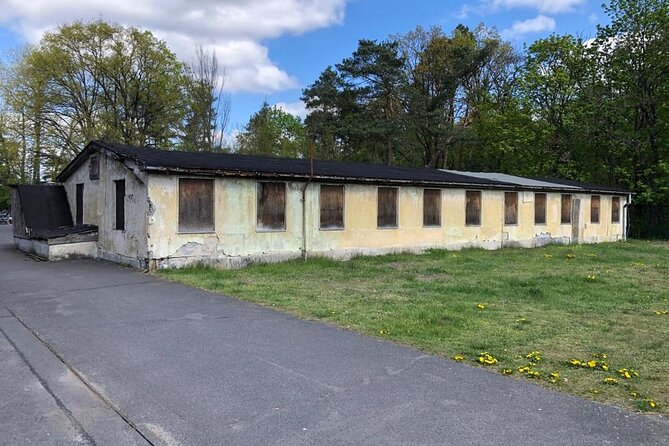
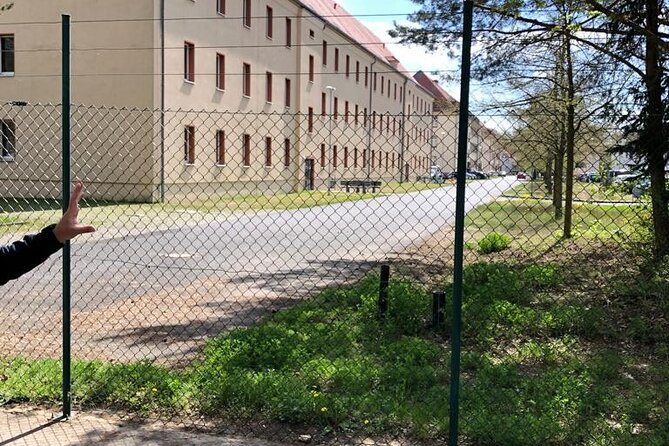
One of the best parts of this tour format is that it does not feel limited to the most obvious photo spots. The route goes beyond the main concentration camp areas to include lesser-seen locations. That matters because you start to see how the camp site functioned as a system, not just as a single landmark.
A memorial moment that has a strong emotional impact for many visitors is the display and memorial connected to homosexual victims of the camp, including the pink triangle symbolism. Having a guide explain what you are looking at, and doing it with care, can make the moment more understandable and less confusing. It is also a reminder that victim groups were not one-size-fits-all, and the camp machinery targeted many people for different reasons.
Because the tour stays guided, you are less likely to treat these stops like checkboxes. Instead, you can connect the dots between documentation, memorial choices, and what the camp represented.
Also holding a platform in Berlin



How the guides make it personal, not just factual
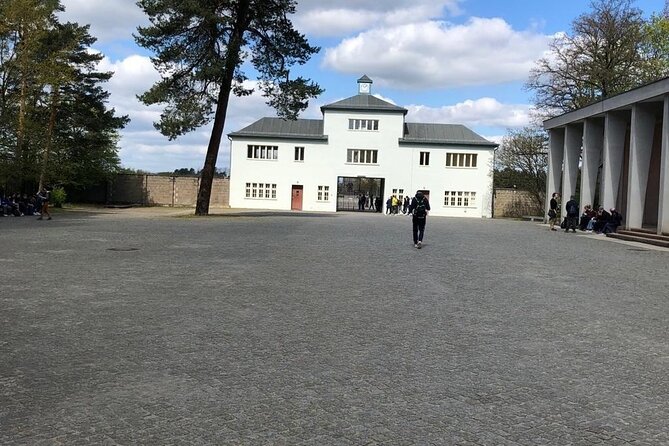
Guides are the difference between a frustrating history lecture and a tour that actually lands. People consistently praise the guides for being engaging, attentive, and well-prepared. In particular, you may meet guides like Steve, Tom, and Joerg, and the common theme is how they handle questions.
In some cases, guides bring a folder of photos and information to support their commentary. That means if your brain needs a visual anchor, you can get it. It also helps if you are trying to follow along with what you are seeing on the ground, because the explanations have something to point to.
Another thing I appreciate is the check-in style. In a difficult setting, you need a guide who can pace the group and stay flexible if someone needs a moment. One review experience describes guides as kind and thoughtful, especially when stopping at sensitive memorials, and that kind of care is exactly what makes the tour feel respectful.
Also, guides sometimes use the ride time for history background, which can make the museum parts less like random compartments. You get the bigger picture before you hit the details.
The 10:00 am schedule and what to plan around
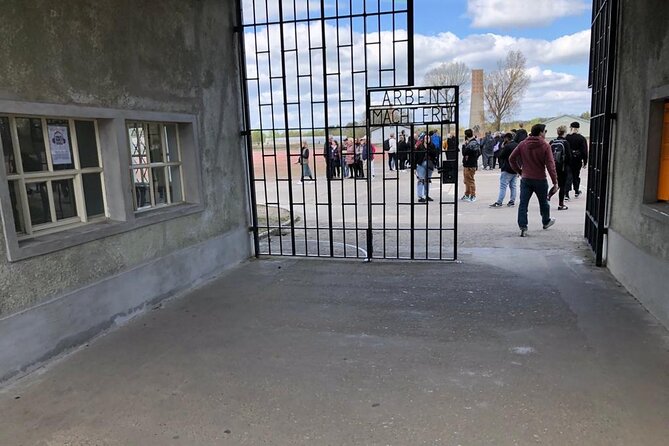
This is approximately a 5-hour experience, running from 10:00 am and returning you to the meeting point. That timing is ideal if you want one major Berlin history block without losing the entire day. It also keeps your evening open for something lighter afterward.
Because the subject is heavy and the walk is real, I suggest planning your day with recovery in mind. Do not stack this right before a long dinner where you will feel obliged to chat nonstop. After, you might want quieter time, because the camp’s realities tend to stick with you.
Snacks are not included, so plan ahead. Even if you do not want to eat much during a moving experience, having water and a small snack can prevent a basic fatigue crash. You can keep it simple, grab something before the meeting time, and then focus on the tour.
Price and value: what you are really paying for
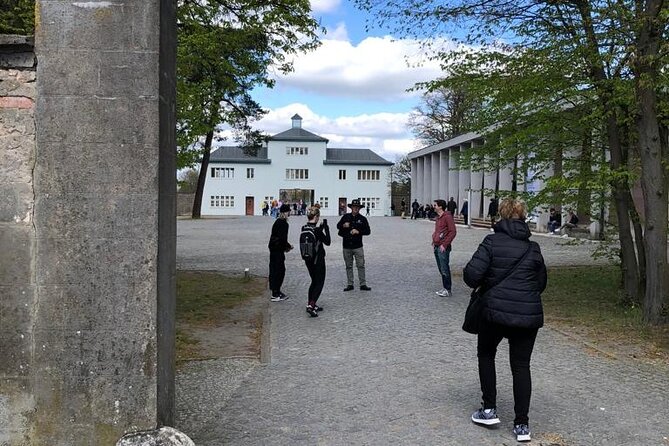
The price is $106.94 per person. That number may sound “museum pricey,” but here is where it makes sense.
You are paying for:
- a professional guided visit at Sachsenhausen,
- the main museum admission included in the price,
- and a private-vehicle transfer that reduces city-to-site stress.
If you tried to piece this together on your own, you would likely spend time figuring out transit and timing while still needing a guide to interpret the site. This tour compresses that planning into one clear schedule and includes entry.
The small-group format also supports value. With a cap of 15, you are less likely to feel like you are in a giant moving crowd. That is a big deal at a memorial, where attention is the point.
One more practical value factor: it is commonly booked about 51 days in advance on average. That suggests you should reserve early rather than assuming there will always be spaces at the last minute.
Who this Sachsenhausen tour suits best
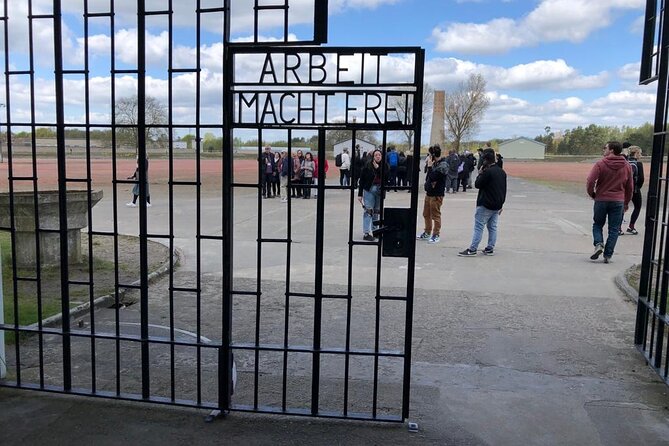
This tour is a strong match if you:
- want an English-guided understanding of how Sachsenhausen functioned,
- prefer a calmer group size and room for questions,
- would rather avoid public transport stress from central Berlin,
- and care about seeing more than only the most obvious stops.
It is also a good choice for people who want a structured experience. With a set start time at Alexanderplatz and a return to the same meeting point, you can plan the rest of your Berlin day without guesswork.
If you are looking for something light, funny, or quick, this is not that. It is emotionally serious, and it is built to teach you, not entertain you.
If you have mobility concerns, you should still consider the tour, but plan carefully. The information provided does not spell out step counts or accessibility details beyond general participation notes, so you might want to ask the operator about terrain and walking expectations before booking.
Should you book this Sachsenhausen tour?
If you want a guided Sachsenhausen experience that prioritizes context, respectful pacing, and a smoother Berlin-to-site day, I think this is worth booking. The combination of private-vehicle transfers, included admission, and a small cap on group size helps you focus on the place instead of the logistics.
Book it especially if you learn best with a real-time guide, and if you appreciate the kind of added support that comes from photos and careful explanations. And when you do book, wear comfortable shoes, plan for a snack or water, and give yourself some quiet time afterward.
Fresh on the arrivals board for Berlin
Sachsenhausen Memorial Visits from Berlin, compared.
Sachsenhausen Concentration Camp Tour in English
Read our review →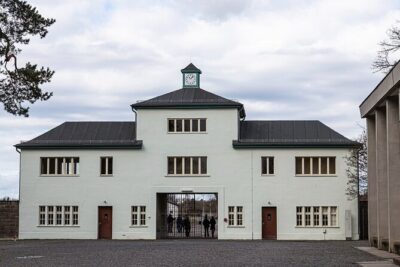
Sachsenhausen Concentration Camp Memorial Tour
Read our review →
Sachsenhausen Concentration Camp Bus Tour in English from Berlin
Read our review →Sachsenhausen Concentration Camp Tour in English
Read our review →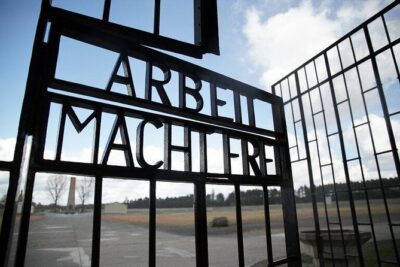
Sachsenhausen Concentration Camp Memorial Tour (Max. 15 Guests)
Read our review →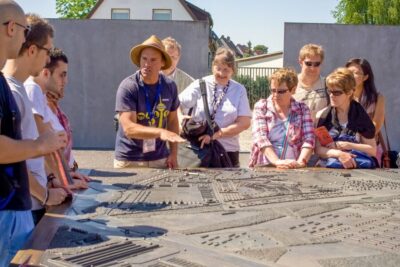
English Bus Tour to Sachsenhausen Concentration Camp
Read our review →
Sachsenhausen Concentration Camp and Potsdam Tour
Read our review →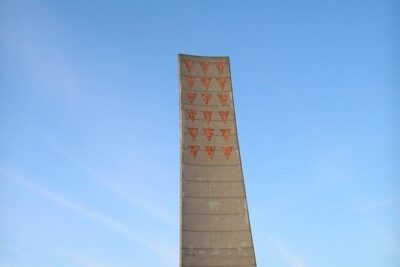
Sachsenhausen Concentration Camp Memorial Tour
Read our review →Browse the lists this tour appears in