
Reviewed · SACHSENHAUSEN MEMORIAL VISITS FROM BERLIN
Private Sachsenhausen Concentration Camp tour with train
A sobering train ride out of Berlin. This private Sachsenhausen outing ties together Oranienburg’s Nazi-era links and guided walking through the memorial grounds, with time to ask questions in English.
I like two things a lot. First, the hotel pickup and drop-off makes the day feel doable, not like a logistics puzzle. Second, you get a licensed guide trained by the memorial authority, and that matters when a place this heavy needs both clarity and respect, not just facts.
The main drawback to plan for is physical effort. You should expect lots of walking on uneven paths, plus limited on-site comfort, and the tour does not include food or drinks.
In This Review
- Key things to know before you go
- Sachsenhausen by train from Berlin: what makes this day worth it
- Timing and logistics: how the 6-hour plan really feels
- Oranienburg stop: why the town matters before the camp
- Memorial and Museum Sachsenhausen: the big picture first
- The grounds walk at Gedenkstätte und Museum Sachsenhausen: where details hit hard
- Guides that make or break this kind of visit
- Price and value: is $338.15 per person fair?
- What to bring and how to prepare for the emotional weight
- Who should book this private Sachsenhausen tour by train
- Should you book? My take on the decision
Key things to know before you go
- Oranienburg first: you start in the town tied to Nazi forced labor, not at the camp gate.
- Museum time is built in: Memorial and Museum Sachsenhausen gets you context before you walk the grounds.
- Gedenkstätte walk with an expert: the grounds visit focuses on prisoner life, SS brutality, and remembrance.
- Private means real Q and A: your guide can answer your questions and slow down when you need a minute.
- Train day, not a charter ride: you’ll use public transport, so factor in walking between stations and stops.
- Bring essentials: comfortable shoes, water, and a packed lunch strategy help a lot.
Sachsenhausen by train from Berlin: what makes this day worth it
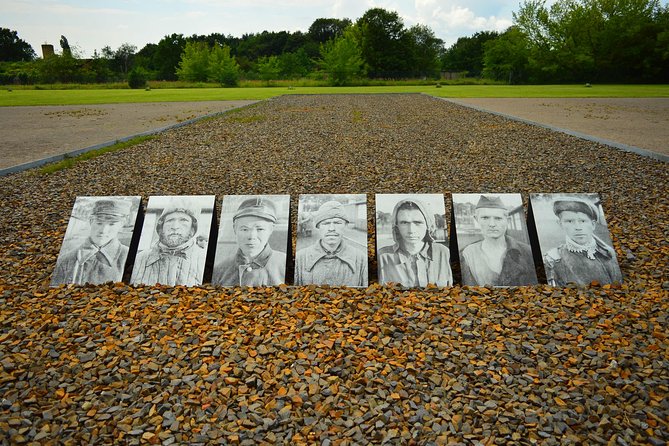
Sachsenhausen is not a casual stop. It is a place where the Nazi system turned human beings into parts, with daily routines built to crush dignity.
What I like about this version from Berlin is the structure. You do not just show up at the camp and move on. You also get the outside context in Oranienburg, then the museum, then the memorial grounds walk, with a guide who can connect the dots and answer follow-ups.
This is also a true private setup. Only your group goes, so the pacing can fit your questions and your emotions, not just a mass schedule.
Other visits to the Sachsenhausen memorial:
- Berlin: Sachsenhausen Concentration Camp Tour in English
★ 5.0 · 5,711 reviews - Berlin: Sachsenhausen Concentration Camp Memorial Tour
★ 4.7 · 3,716 reviews - Sachsenhausen Concentration Camp Bus Tour in English from Berlin
★ 5.0 · 1,962 reviews
Timing and logistics: how the 6-hour plan really feels
The tour runs about 6 hours. That time can feel either smooth or long depending on where your hotel is and how comfortably you handle transit and walking.
You’ll have hotel pickup and drop-off, and then you take public transport out toward Oranienburg and on to the memorial area. In practice, this often includes a walk from the station to the camp grounds that can run around 20 to 25 minutes, plus additional walking inside the memorial area.
A lot of people come out of this day with big step counts. One visitor reported walking close to 11,000 steps, with uneven pavement in the mix. If you are the type who hates waiting around or hates moving all day, this is the kind of day where you prepare up front.
Oranienburg stop: why the town matters before the camp
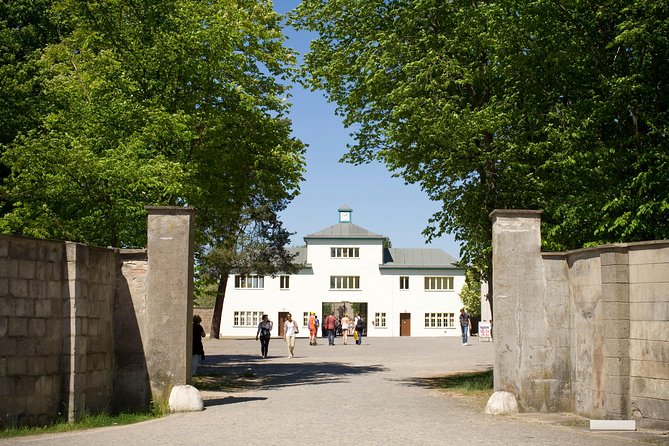
The first stop is Oranienburg, and it is short, about 25 minutes. The point is to shift your focus outward, to the normal-looking spaces that were tied into the machinery of oppression.
Here’s what you learn to look for. Oranienburg sat close to Sachsenhausen, and local businesses were linked to exploiting forced labor, including for factories producing war materials. That meant residents could be aware of, or complicit in, suffering that was happening just outside their doorsteps.
This start changes how you interpret the camp later. If you only see the camp as a sealed-off horror, you miss how the Nazi system depended on a wider world.
Even with a brief visit, it is not just a geography lesson. It is a reminder that evil scales through ordinary participation, silence, and profit.
Memorial and Museum Sachsenhausen: the big picture first
Next comes the Memorial and Museum Sachsenhausen, about 1 hour 30 minutes, and admission here is included. This is your foundation stop.
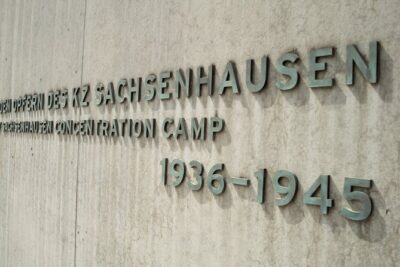
You get the timeline and the mechanics behind the site. During the 1936 Olympics, hosted by Nazi Germany, slave laborers were forced to build a new concentration camp just north of Berlin. That camp was Sachsenhausen, designed initially to hold political enemies of the Nazis.
Then the story expands beyond the Nazis alone. In the following decade, about 200,000 people were imprisoned in the camp before it was evacuated by the Soviets in 1945. For another five years, the Soviets used the camp to imprison roughly 60,000 war criminals, including Nazis and collaborators.
This museum-and-context time is what makes the later walk more than a checklist. You are not just seeing buildings. You are learning why they existed, who they were meant to break, and how systems like this function.
The grounds walk at Gedenkstätte und Museum Sachsenhausen: where details hit hard
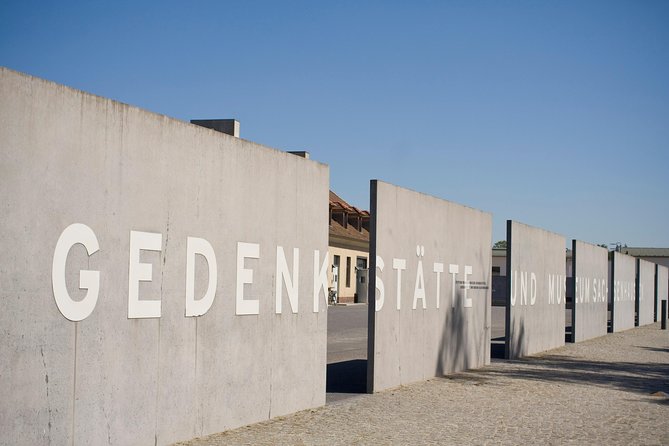
The final stop is the grounds walk at the Gedenkstätte und Museum Sachsenhausen, also about 1 hour 30 minutes. Admission here is free, but the guidance is the difference between seeing the layout and understanding the intent.
This is where your guide brings in the prisoner perspective and the daily reality of brutality. You walk through the former concentration camp grounds with an expert who explains SS practices, the rhythm of harm, and the way prisoners were dehumanized.
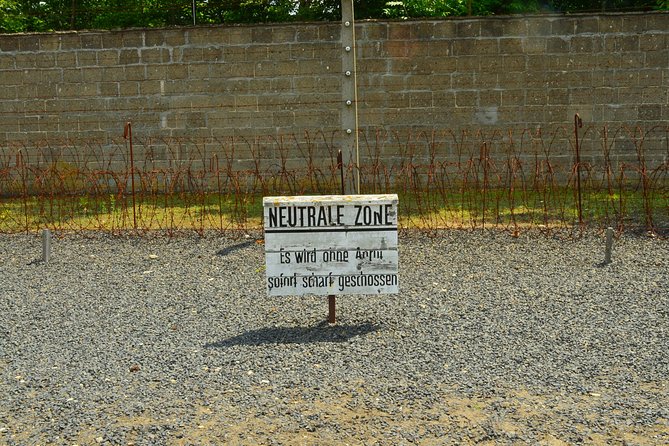
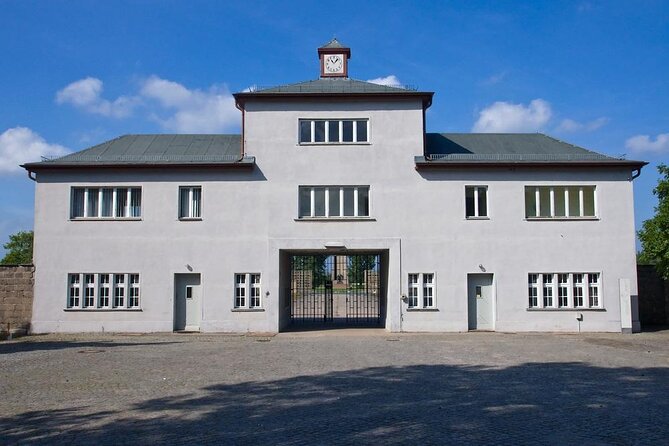
You may hear about chilling specifics tied to the camp’s design. Visitors often mention the overall layout and how places like Tower A (as the only entrance point) and Station Z (a key site for industrialized killing) help you grasp how the camp operated.
Some guides also weave in survivor testimonies and reflections on resilience. One review highlighted ideas like survival requiring community, not just individual hope. That kind of human detail is painful, but it keeps the story from turning into abstract history.
The best part is also the hardest part: this stop pushes remembrance. You see how the site is preserved so atrocities are not forgotten, and you come away thinking about what people must do in the present, not only what happened in the past.
Also holding a platform in Berlin

Guides that make or break this kind of visit
At Sachsenhausen, good guiding is not a luxury. It is a requirement.
I like that this experience is led by a licensed guide trained by the memorial authority. In plain terms, you should expect the guide to respect the site and structure the day around understanding, not spectacle.
The guide quality shows up in how they handle pacing and questions. I’ve seen examples of guides who meet you promptly at the hotel and give early context during the trip out, like Klaus and Nickolai. Others, such as Maria, were praised for pacing and for keeping the focus on how the Nazis planned and engineered horrors.
Several guides also earned strong marks for clarity and patience. Xavier was described as detailed and personal. Ioana was noted as subject-matter expert and highly professional. Martin was praised for connecting camp history to wider WWII and political context. Hannah and Chloe received praise for door-to-door help, including managing time so people did not feel rushed.
Even on a hard day, the “soft skills” matter. One visitor credited a guide, Walid, with flexibility and even using a taxi when walking would be tough for someone in the group. Another highlighted the guide Pip for teaching in a friendly but informed way, helping them leave with a stronger sense of shared humanity.
One possible consideration, based on a complaint, is that some people felt the tour could feel rushed and the time at the memorial shorter than expected. That is not the majority of feedback, but it is worth taking seriously. If you want unhurried museum time and a slower walking pace, ask for that preference when you book.
Price and value: is $338.15 per person fair?
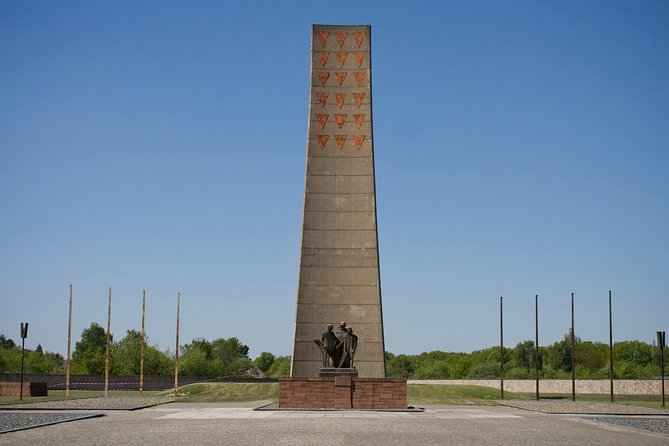
At $338.15 per person, this is not a budget outing. The value depends on what you want from the day.
Here’s what you are paying for, based on what’s included. You get a licensed guide trained by the memorial authority, plus hotel pickup and drop-off. You also get a private format, so you are not squeezed into a group rhythm.
The itinerary also includes admission for the Memorial and Museum Sachsenhausen stop. The other stop admissions are free in this structure, which helps keep your costs predictable.
The “train” part can affect value, too. You will be using public transport rather than having a private vehicle waiting the whole time. That can be a good thing for authenticity and convenience, but it also means more walking between points and more time spent managing transit.
Also, food and drinks are not included. That does not make the price unfair, but it does mean you should budget time and money for lunch on the way or bring a packed lunch, especially because memorial-site amenities can be limited.
If you compare this to a cheaper group tour, the big difference is responsiveness. With a private guide, you can ask questions in real time, get tailored explanations, and linger where your attention naturally lands.
What to bring and how to prepare for the emotional weight
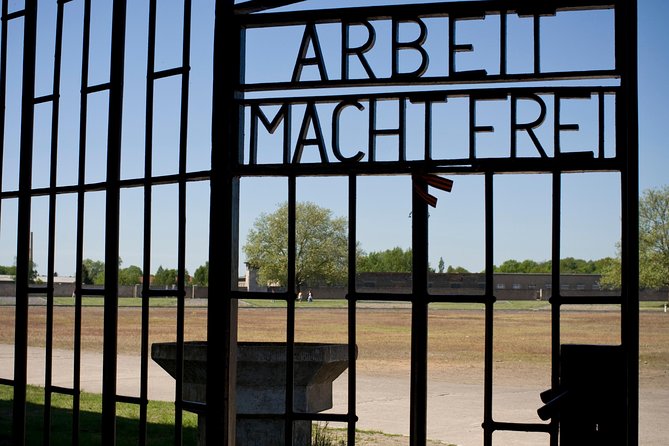
This is a somber visit. Plan for it like you would plan for a long hike in cold weather: you need physical comfort and mental readiness.
Wear comfortable shoes. Expect uneven ground and plenty of walking. Bring water, especially if you get thirsty easily, since the tour does not include drinks.
Bring your own lunch or plan for one. Multiple comments pointed out that amenities are scarce, and at least one person recommended packing your lunch. If you do not want to think at the last minute, bring food and small snacks.
Most importantly, give yourself room to feel. Guides often frame this visit with a focus on prisoner suffering and resilience, and it can land hard. If you get overwhelmed quickly, consider asking your guide to pace you and take breaks.
Who should book this private Sachsenhausen tour by train
I’d steer you here if you want a guided day that connects the camp to the broader Nazi system and the postwar use of the site. It is also a strong fit if you like asking questions and having a guide adjust to your pace.
It is a good option for history-minded people who are comfortable with heavy subject matter. If you want a surface-level “see it and move on” checklist, this is probably not your best choice.
On physical fitness, use caution. The operator notes moderate physical fitness is required and says it is not recommended for limited mobility or walking impairments. One review suggested a route can be adapted for a wheelchair user, but the baseline expectation is still a lot of walking on uneven terrain.
If you’re traveling with older family members or someone with limited walking capacity, talk to the provider before booking. This is the kind of day where one misfit shoe or one painful step can drain the experience fast.
Should you book? My take on the decision
Book this tour if you want private time with a memorial-authority trained guide, plus a structured day that starts in Oranienburg, builds context in the museum, then walks the grounds with expert interpretation. The guide names people shared, including Maria, Xavier, Klaus, Nickolai, Ioana, Martin, Hannah, Chloe, Walid, and Pip, point to a consistent theme: thoughtful explanation and respect for the site.
Skip or reconsider if you hate public transit days or you know you struggle with uneven walking for hours. Also think twice if you expect food included and a fully relaxing schedule. This is a meaning-focused day, not a comfort-focused day.
If you book, do two things: wear your best shoes, and go in ready to listen. You will leave with a sharper understanding of how the machinery of terror worked, not just where it happened.
Fresh on the arrivals board for Berlin


Sachsenhausen Memorial Visits from Berlin, compared.
Sachsenhausen Concentration Camp Tour in English
Read our review →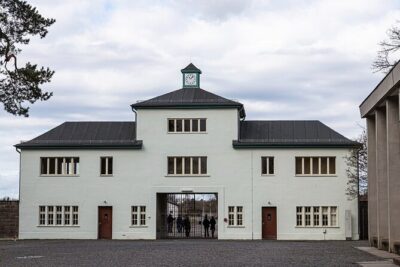
Sachsenhausen Concentration Camp Memorial Tour
Read our review →
Sachsenhausen Concentration Camp Bus Tour in English from Berlin
Read our review →Sachsenhausen Concentration Camp Tour in English
Read our review →
Sachsenhausen Concentration Camp Memorial Tour (Max. 15 Guests)
Read our review →
English Bus Tour to Sachsenhausen Concentration Camp
Read our review →
Sachsenhausen Concentration Camp and Potsdam Tour
Read our review →
Sachsenhausen Concentration Camp Memorial Tour
Read our review →Browse the lists this tour appears in