Reviewed · PRIVATE
Private Alternative Berlin Tour -Murals, Graffiti and Squats
Graffiti with context beats random street art. I love that this private tour gives the “why” behind Berlin’s walls, murals, and DIY scenes, and I especially liked how the guide, Jacob, was able to tailor the route to what I wanted to see. The one thing to consider is that it’s a walking and public transit style of outing, so you’ll want comfortable shoes and a little cash for transit and snacks.
Berlin’s alternative reputation did not come out of nowhere. After the Wall fell, cheap living helped attract artists, hippies, and punks, and that energy spilled into destroyed post war buildings, later abandoned spaces in East Germany, and eventually squats, galleries, and improvisational communities. Even with constant gentrification, you’ll still see evidence of that “make it yourself” culture, plus a guide like Nadav who turned the stories into something you can picture as you walk, not just memorize.
In This Review
- Key things I’d circle before you book
- Berlin’s alternative roots, told in plain street terms
- Price and group value, what $313 buys you
- Pickup, transit, and the 150-minute pace you can actually manage
- Potsdamer Platz to a viewpoint: starting with the city’s contradictions
- Dead Chicken Alley and Alexanderplatz: short stops with big meaning
- Haus Schwarzenberg: when galleries, squats, and street art share the same story
- East Side Gallery and Wall graffiti: seeing history as paint
- Friedrichshain-Kreuzberg and Oberbaumbrücke: the neighborhood shift you feel in your legs
- The guide factor: why Jacob and Nadav matter
- What to expect day-of: walking, photos, and the “interactive” vibe
- Who should book this tour, and who might skip it
- Should you book Private Alternative Berlin Tour: Murals, Graffiti and Squats?
- FAQ
- How long is the tour?
- What is the price?
- Is the tour private or shared?
- Does the tour include hotel pickup?
- What language is the guide?
- What does the price include?
- What is not included in the price?
- Do I need a public transport ticket?
- Do I need special equipment or a special physical level?
- Do I have to pay upfront?
- Can I cancel for a refund?
Key things I’d circle before you book
- Private, professional guide who can adjust the plan as your interests change (Jacob and Nadav both highlight this in their reviews).
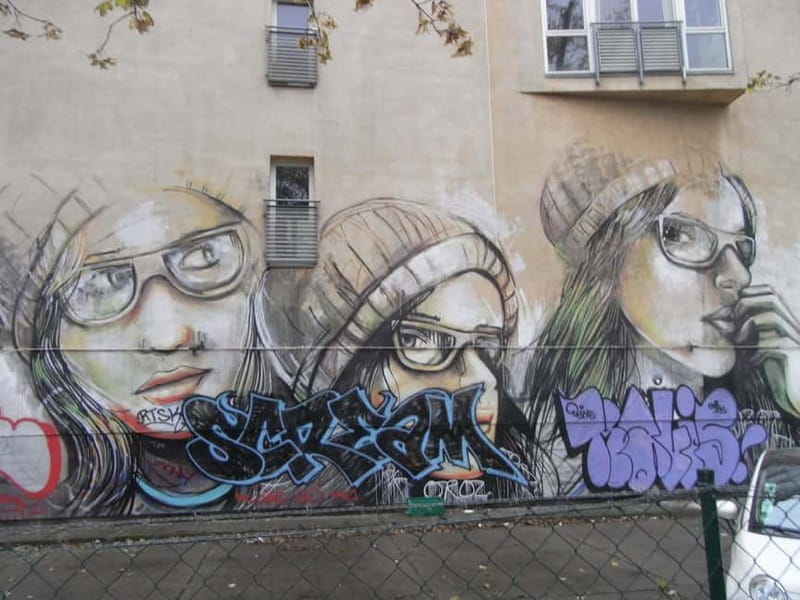
- Murals and Wall graffiti with context, so the art reads like a timeline, not random color.
- Alternative neighborhoods stitched together efficiently in about 150 minutes.
- Hotel pickup plus picture folder, so you have help before and after the walk.
- WhatsApp support before and after, useful if you want follow-up ideas for what to see next.
Berlin’s alternative roots, told in plain street terms
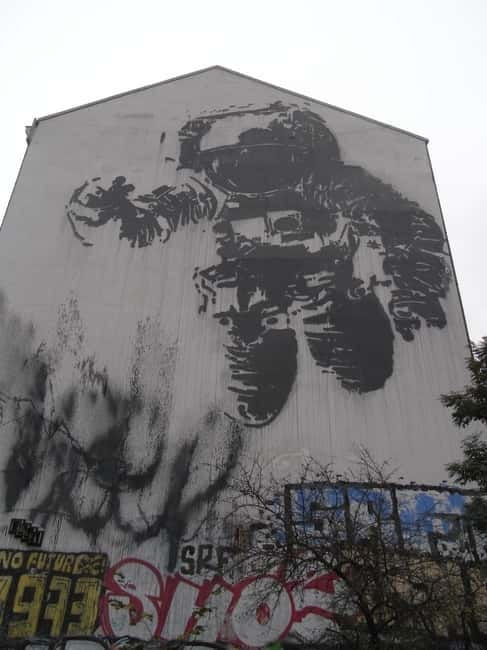
Berlin’s alternative scene is one of those topics that sounds vague until someone puts it on the sidewalk with you. This tour focuses on the “before and after” feeling that shaped the city. Before and after the fall of the Wall, Berlin became a magnet for people who wanted space, low costs, and the freedom to build their own culture.
The tour’s big promise is that you’ll see living art, not just painted walls. That means you’re looking at murals while also learning how squats, house projects, galleries, and improvised communities grew out of the post war situation. You also get the honest reality that gentrification keeps pushing in, so what you see today is partly a snapshot and partly a fight to keep the culture visible.
I also like that the guide is not just naming locations. In the reviews, Jacob is described as easy to understand and flexible, while Nadav stands out as an easy-going storyteller who can personalize the route while you’re walking. That matters because graffiti and squat history can turn into a lecture fast. Here, the goal is to help you read the city with your eyes, then connect it to the background.
Also holding a platform in Berlin
- Berlin: Reichstag, Dome and Government District Guided Tour
★ 4.7 · 18,288 reviews - Berlin: 1-Hour City Tour by Boat with Guaranteed Seating
★ 4.3 · 16,993 reviews - Berlin: TV Tower Standard Entrance Ticket
★ 4.4 · 15,883 reviews
Price and group value, what $313 buys you
The price is $313 per group up to 6 people for 150 minutes. If you’re traveling with friends and you fill the group, the cost becomes roughly $52 per person. If you don’t fill it, the per-person number rises, but you still get a true private experience instead of squeezing into a crowd.
What makes this feel like value is what’s included. You get hotel pickup, a professional guide, and a 3A picture folder with interactive explanations about Berlin’s alternative style. You’re also able to message the guide on WhatsApp before and after for recommendations, which can turn your tour into a springboard for the rest of your trip.
It’s not the cheapest way to do Berlin streets, but it’s also not trying to be a museum ticket. This is closer to paying for guided interpretation of murals and neighborhood culture, with logistics handled for you.
Pickup, transit, and the 150-minute pace you can actually manage
This is a private group tour with hotel pickup and it uses public transport between stops. That’s convenient, but it also means you should plan for a bit of hopping on and off trams or trains. The tour lists public transport as part of the flow, and public transport ticket costs are not included.
For budgeting, plan on 4 to 10 euro for transit tickets, and 5 to 15 euro for food, coffee, and snacks if you take a break. The tour itself is 150 minutes, so the walking is light-to-moderate, but it’s still city walking.
What to bring is simple: comfortable shoes. There are no special gear requirements. The main “gotcha” is stamina and weather. Berlin can be windy, and you’ll be outside enough to feel it.
Potsdamer Platz to a viewpoint: starting with the city’s contradictions
The tour kicks off with pickup in Berlin, then you move by public transport to Potsdamer Platz. This first stop works like a warm-up. Potsdamer Platz is not famous for squats the way Friedrichshain is, so it sets up contrast. You begin with a part of Berlin that feels more central and structured, then the guide can point you toward how alternative culture formed alongside it.
From there you go to a viewpoint for a short guided moment. Viewpoints are handy on a tour like this because Berlin’s neighborhoods are big and spread out. A quick look helps you understand direction, distance, and the way the city is stitched together, so later stops feel connected instead of scattered.
You’ll also appreciate this opening if you’re new to Berlin. Instead of jumping straight into street art, you get a map in your head, which makes every mural and alley feel like it belongs.
Dead Chicken Alley and Alexanderplatz: short stops with big meaning
Dead Chicken Alley is a quick guided walk, and quick stops are where graffiti tours can either rush or shine. The advantage here is that the guide keeps it interactive, and that makes small locations feel intentional instead of like a photo stop.
The name sounds playful, but the point is usually atmosphere. Alleys and side streets are where informal culture shows up first. If you pay attention here, you’ll start noticing how street art, local identity, and architecture all share the same language.
Then you reach Alexanderplatz for another guided segment. This stop helps bridge “old East Berlin feeling” with modern city life. It gives you a chance to see how alternative culture lived near major hubs, not just in far-away corners. The tour time at Alexanderplatz is short enough to keep momentum, but long enough that the guide can give you more than a single mural location.
Onward connections from Berlin:

Haus Schwarzenberg: when galleries, squats, and street art share the same story
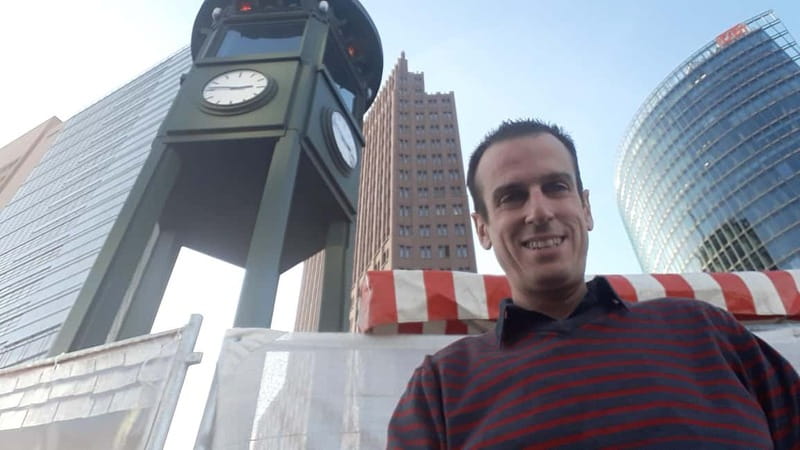
Haus Schwarzenberg is one of the key stops, and it’s a smart choice for this tour. It’s the kind of place that makes the idea of alternative culture concrete. Instead of treating graffiti as separate from “real life,” you connect it to how communities found space to organize, show work, and gather.
This stop is also where you start feeling the difference between “alternative as an aesthetic” and “alternative as infrastructure.” Squats and house projects are not just style. They’re social systems, even when they exist on the edge. When a guide explains that as you stand near the scene, the art on the walls makes more sense.
The tour allots enough time here to slow down a bit and absorb the energy. You might find it useful to keep your eyes up and also around. Alternative spaces often live at street level, in doorways, and in how people occupy the area, not only on big mural walls.
East Side Gallery and Wall graffiti: seeing history as paint
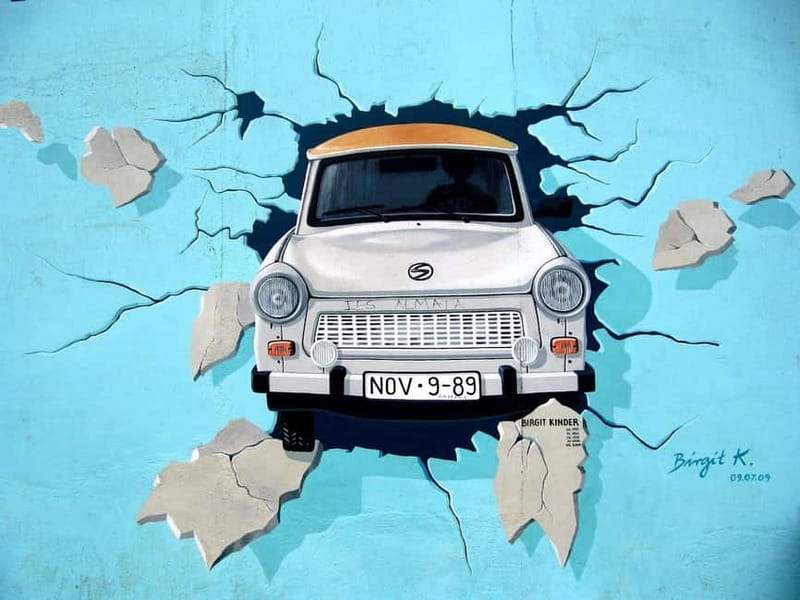
If you’re here for murals, this is the anchor. The tour includes a guided visit to East Side Gallery with a longer time block. That length matters because you’re not just getting a quick look at the wall. You’re getting a guided interpretation of Wall graffiti and murals, and that’s where Berlin’s history becomes visible.
East Side Gallery is special because it’s art attached to political memory. Without context, you might see it as a long outdoor gallery. With context, you start seeing the tension between expression and the history it survived.
This is also where the guide’s storytelling style becomes important. In the reviews, Nadav is praised for being a gifted story teller who vividly evokes the past. That’s what you want here. If the guide helps you connect the art to the era and the people who pushed for it, you’ll enjoy it more and take better photos.
Practical note: take your time reading a few key sections rather than trying to see everything. A guided stop is designed for understanding, not for racing.
Friedrichshain-Kreuzberg and Oberbaumbrücke: the neighborhood shift you feel in your legs
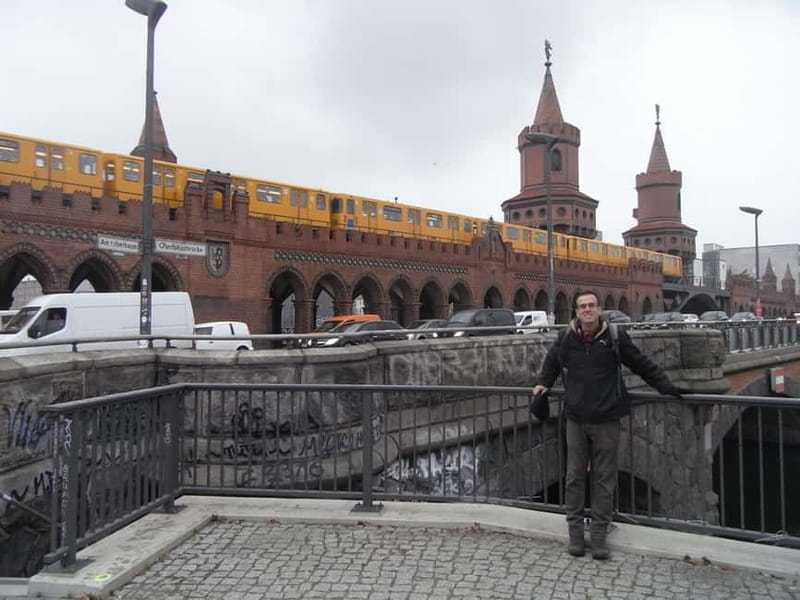
After East Side Gallery, the tour moves into Friedrichshain-Kreuzberg for a short guided stretch, then ends with Oberbaumbrücke. This sequence is a good way to show how alternative culture isn’t confined to one exact wall or one exact building. It spreads into neighborhoods and into the routes people walk every day.
Friedrichshain-Kreuzberg is often associated with punk and alternative energy, and this tour uses that reputation as a guide for how to look. You’re not getting a random neighborhood stroll. You’re getting a short window into how culture and street art reinforce each other.
Oberbaumbrücke gives you a change of perspective. Bridges make you look around. They also create natural framing for photos and for thinking about where the two sides of the city meet. It’s a fitting finish because alternative Berlin was always about movement, tradeoffs, and the lines people crossed.
If you’re doing this early in your trip, you’ll get a head start on understanding where to wander next. If you’re doing it later, you’ll enjoy seeing the city with new eyes.
The guide factor: why Jacob and Nadav matter
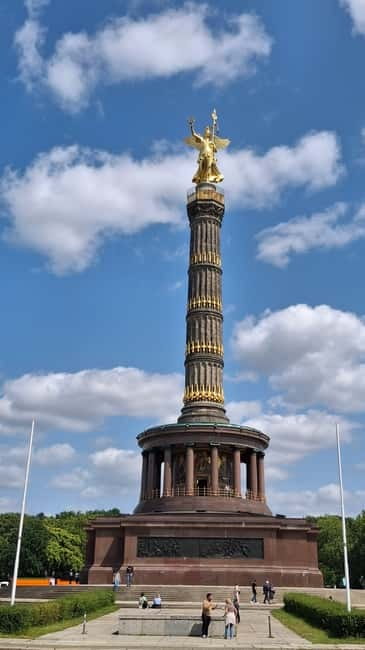
This tour is private, so the guide can actually shape your experience. That’s clear in the reviews.
Jacob is highlighted as entertaining and easy to understand, and also as flexible with start time and location. That kind of flexibility is underrated because Berlin plans can change fast, especially with transit and weather. If you can adjust the start, you waste less time.
Nadav is described as extremely knowledgeable and easy-going, with the ability to personalize the tour as it unfolds. The key phrase for you is able to devote more attention to areas that interest you. That means if murals are your thing, you can likely get extra time on murals, and if squat culture is what you want to understand, the guide can steer the explanation that way.
With a private alternative tour, you want two things: accuracy and pacing. The reviews point to both, and the structure of the tour supports it by mixing short guided moments with longer mural time.
What to expect day-of: walking, photos, and the “interactive” vibe
This is described as a fun and easy walking and public transport tour. You should expect to move between locations, stop for guided explanations, and have moments to look, photograph, and absorb.
The included picture folder is helpful if you like to study a bit after you get back to your hotel. It’s also a nice way to turn the tour into something you can revisit, especially if Berlin’s art and political context starts blending together after a few days.
Also, you get WhatsApp availability before and after. That’s practical because it helps you keep your Berlin plan from turning into guesswork. If you finish with questions, you can message the guide and ask what to see next based on what you liked during the walk.
For photos, you’ll want to keep expectations realistic. Murals and graffiti vary in how they photograph. You’ll get more enjoyment by trying to understand a few sections deeply, then snapping pictures where the guide tells you the story is strongest.
Who should book this tour, and who might skip it
This tour is a great match if you want:
- Murals and Wall graffiti with context, not just captions.
- A guide who can explain Berlin’s alternative culture in a way that’s easy to follow.
- A private experience for up to 6 people, with hotel pickup.
- Short neighborhood exposure to hippie, punk, and alternative areas.
You might choose a different style of tour if you want:
- A mostly museum-based day.
- A slow, sit-down experience with very little walking.
- A tour that avoids public transport entirely.
If you like street art, but only as decoration, this might feel more intense than you expect. The focus here is interpretation, including the squat and community side, so go in ready to learn.
Should you book Private Alternative Berlin Tour: Murals, Graffiti and Squats?
I think you should book it if you want Berlin’s street art to make sense. The combination of private guidance, Wall graffiti context at East Side Gallery, and added stops like Haus Schwarzenberg gives you more than a photo route. For a group, the price is also easier to swallow, especially if you can fill up to 6 seats.
Book it particularly if you value flexibility. Jacob’s review notes that flexibility with start time and location, and Nadav’s reviews highlight personalization as you go. That means the tour is built to meet your interests, not just follow a rigid script.
If you’re budget-tight, factor in the transit tickets and snacks. If you’re okay with that and you bring comfortable shoes, this tour is one of the more thoughtful ways to see Berlin’s alternative side without getting lost in it.
FAQ
How long is the tour?
The tour duration is 150 minutes.
What is the price?
It costs $313 per group, up to 6 people.
Is the tour private or shared?
It is a private group tour.
Does the tour include hotel pickup?
Yes, hotel pickup is included.
What language is the guide?
The live tour guide is available in English.
What does the price include?
It includes a professional guide, hotel pickup, a 3A picture folder with interactive explanations, and WhatsApp availability before and after the tour for recommendations and information.
What is not included in the price?
Public transport tickets (4 to 10 euro) and food, coffee, and snacks (5 to 15 euro) are not included.
Do I need a public transport ticket?
Yes, you will need a public transport ticket since it is not included.
Do I need special equipment or a special physical level?
No special requirements are listed. The tour is fun and easy walking and public transport.
Do I have to pay upfront?
You can reserve now and pay later.
Can I cancel for a refund?
Yes, free cancellation is available up to 24 hours in advance for a full refund.
Fresh on the arrivals board for Berlin
Private, compared.


Berlin Private Complete History All Day Walking Tour
Read our review →
Munich Private Tour with a Local – Highlights & Hidden Gems
Read our review →
Private Walking Tour Berlin Third Reich Hitler and World War II
Read our review →
Your private 3-hour Hamburg driving tour with a former policeman
Read our review →
Private Berlin: Iconic Sights and Hidden Gems Walking Tour
Read our review →
1.5-Hour Private Tour through Historical Old Town
Read our review →