
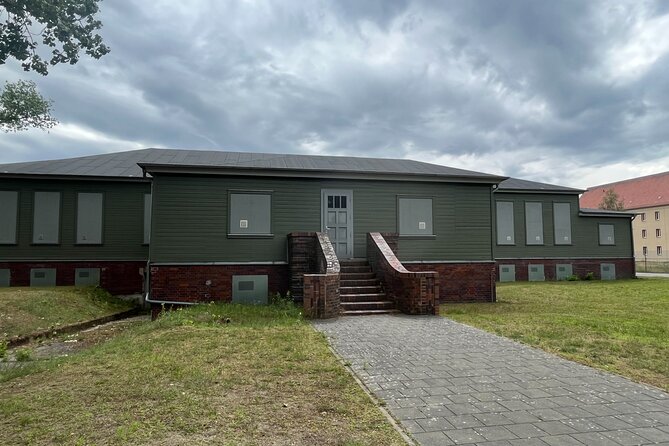
Reviewed · SACHSENHAUSEN MEMORIAL VISITS FROM BERLIN
Never Again Sachsenhausen Concentration Camp
Sachsenhausen hits hard, but it makes sense. This 4-hour visit from Potsdamer Platz pairs a guided introduction with time to walk key parts of the former camp, then connects what you see to Germany today. You also get a small-group pace and an English-language guide who steers the conversation with care.
What I like most is the way the route uses visitor center models to explain how the camp’s layout enforced control, not just cruelty in the abstract. I also like that the commentary is guided by a progressive, feminist lens through Siobhán, including the uncomfortable topics like racism, eugenics, and abuses tied to women’s bodies. It also stays respectful, even when the subject matter is gut-wrenching.
The main drawback to consider is tone and focus: this is not a dry, purely academic script. If you want a strictly neutral style, or if politics in historical interpretation makes you uneasy, this one may feel too pointed.
In This Review
- Key Highlights Worth Your Time
- Sachsenhausen and Why This Visit Feels More Grounded Than Most
- Price and Logistics: What $31.29 Actually Buys You
- Meeting Point and Small-Group Feel at Potsdamer Platz
- Visitors Center and Camp Models: Learning to Read the Site
- Prisoner Barracks and Camp Kitchen: Time to See It, Then Wrestle With It
- Infirmary, Racism, Eugenics, and Crimes Against Medicine
- What to Expect During the Walk: Pacing, Questions, and Emotion
- Who This Tour Suits Best (and Who Might Want a Different Style)
- Should You Book Never Again Sachsenhausen Concentration Camp?
- FAQ
- How long is the Sachsenhausen tour?
- Is the tour in English?
- What is included in the price?
- Where does the tour start?
- Do I need to buy a public transport ticket?
- What should I know about physical requirements?
Key Highlights Worth Your Time
- Small group (max 15), so questions are more likely than being pushed along
- English guide with a care-forward tone, including Siobhán’s style
- Visitor center with detailed models, helping you read the camp layout instead of wandering blind
- Autonomous time in the barracks and kitchen area, after you get the context
- Connections to the present, including discussion of far-right politics like AfD
- Admission ticket and memorial donation included, so the €30-ish headline price is more “all-in” than it looks
Sachsenhausen and Why This Visit Feels More Grounded Than Most
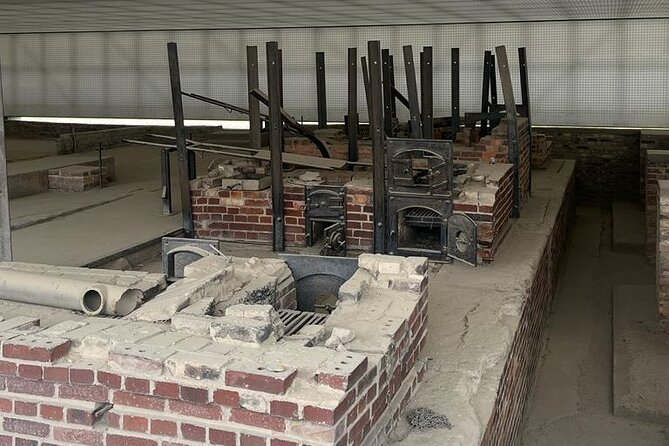
Sachsenhausen was designed to do more than imprison. Its purpose included control, intimidation, and a system that tried to manufacture a sense of superiority over prisoners. That matters, because you will notice the site’s structure as much as its suffering. This tour does not ask you to memorize dates. It helps you understand the logic of how power worked inside the camp.
You’ll also get a clear through-line across the camp’s later roles. The site began as an SS training camp, then became a Soviet special camp, and later shifted again into a pro-communist, anti-fascist propaganda tool. Even if you already know the broad outline of 20th-century German history, seeing those layers tied to specific places makes the history feel less like trivia and more like cause-and-effect.
Other visits to the Sachsenhausen memorial:
- Berlin: Sachsenhausen Concentration Camp Tour in English
★ 5.0 · 5,711 reviews - Berlin: Sachsenhausen Concentration Camp Memorial Tour
★ 4.7 · 3,716 reviews - Sachsenhausen Concentration Camp Bus Tour in English from Berlin
★ 5.0 · 1,962 reviews
Price and Logistics: What $31.29 Actually Buys You
At about $31.29 per person for a roughly 4-hour outing, the price is low enough that you might wonder what’s missing. The big answer is: your entry is included. The visit includes the admission ticket, plus a memorial donation, so you are not paying extra once you arrive. That makes it better value than tours that quietly stack on costs at the gate.
You do need to plan the rest. Snacks and bottled water are not included, so bring a small snack if you like, or buy something nearby before you start. Also, your public transport ticket is not included. If you’re using Berlin transit, you’ll want an ABC zone ticket since that is the one mentioned for this experience.
The schedule is simple. It runs about 4 hours and ends back at the meeting point at Potsdamer Platz 10, 10785 Berlin. Expect walking, some outdoors time, and a moderate fitness requirement. Nothing here sounds like a marathon, but this is not a sit-and-stare museum day either.
Meeting Point and Small-Group Feel at Potsdamer Platz
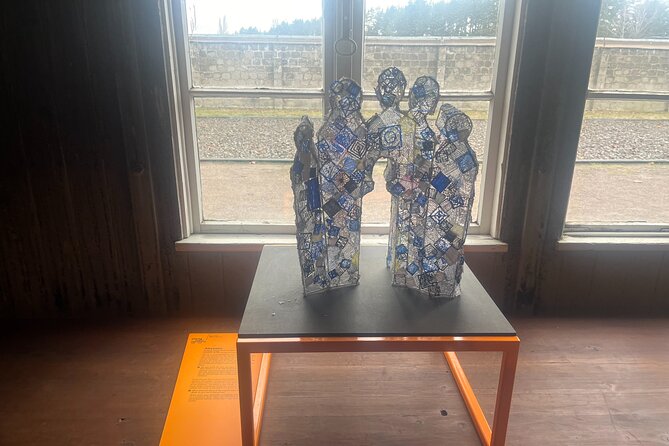
Starting at Potsdamer Platz keeps things practical. You’re in a transit-heavy area, which makes it easier to connect to the rest of your Berlin plan. Since the group size caps at 15 travelers, you’re not one face in a crowd. That size also helps the guide control pacing, which matters when the content is emotionally heavy.
This also matters for questions. When you get to the harder details, you will likely want clarification, and a smaller group is where that actually happens instead of being rushed. The tour includes time for autonomous exploring after the guide sets the stage, so you benefit from having heard the key framework before you roam.
Visitors Center and Camp Models: Learning to Read the Site
Stop one is the Memorial and Museum Sachsenhausen, and it begins right at the visitor center approach. You walk from the station to the visitors’ center, where the tour’s structure starts paying off.
Here’s what makes this stop especially useful: you get detailed models of the camp. Those models explain the physical structures built for control and the way the camp tried to project superiority over prisoners. Instead of just seeing walls, roads, fences, and designated spaces, you learn what the camp designers were trying to accomplish with those shapes.
This is also where you hear how the camp’s later transformations shape what you see now. The former SS training camp later connects to a Brandenburg police academy, and that fact alone can feel surreal. You’re looking at a place where modern authority still operates, which makes the history feel less sealed away in the past.
Prisoner Barracks and Camp Kitchen: Time to See It, Then Wrestle With It
After the visitor center framing, you get autonomous exploration of areas tied to prisoners, including the barracks and the camp kitchen. This is one of the smartest parts of the tour design. If you’re guided only and never allowed to slow down on your own, you end up with a blur of facts. If you’re totally self-guided, you might miss how the layout carried meaning.
With this approach, you can pause where your brain needs a moment. You can also look at the spaces with the context the guide gave you, so you’re not guessing what each place represents.
There’s another layer that keeps this from becoming only a historical reenactment. The tour includes discussion of neo-nazi Holocaust denial attacks that targeted areas connected to prisoners, including the barracks and the kitchen. That might be hard to sit with, but it also answers an important question you might have while visiting: is the past truly over? In this case, the tour points to how denial and extremist politics still reach into memory spaces.
The guide also connects these events to the present-day rise of far-right politics in Germany, including AfD. You may not need to agree with the framing to recognize the practical point: extremist ideology did not stop at 1945. It tries to find new ways into public life.
Also holding a platform in Berlin



Infirmary, Racism, Eugenics, and Crimes Against Medicine
The visit then moves to the infirmary, where the tour tackles some of the most disturbing subjects. You’ll hear about racism, control over women’s bodies, eugenics, and the idea of prisoners treated as lab rats for Nazi doctors’ career advancement.
This is where the tour’s tone matters. This experience is not just about violence in general. It’s about how the Nazi system tried to rationalize abuse through pseudo-science, medical authority, and a belief in who deserved to live. Seeing that tied to a physical space helps the message land. It is one thing to read about medical crimes. It is another thing to understand that the system used everyday institutional rooms, tools, and roles to do the unthinkable.
Siobhán’s style is especially relevant here. In the way the tour handles the story, the tone aims for what you’d want if you were standing in that space: respectful, careful, and aware of how heavy it is for everyone in the group. At the same time, there can be a small amount of levity at certain points, the kind that helps people keep functioning without minimizing what happened. That balance is not easy, and it can make the difference between learning and simply breaking.
What to Expect During the Walk: Pacing, Questions, and Emotion
A big part of your decision should be about how you handle intense sites. This tour is clearly designed to explain, but it does not sound like it’s trying to numb you with constant facts. It uses guidance at the right moments, then gives you space to absorb.
Since the topic is so heavy, plan your day accordingly. This isn’t a quick history pop-in you can stack with dinner and a show immediately after. I’d treat this like a proper mental appointment. Bring water if you need it, wear comfortable shoes, and give yourself time to decompress afterward.
If you’re bringing teens or adults who can handle serious material, the tour does not sound like it avoids difficult content. It is also flexible in pace, adjusting to the group and answering questions when they come up. That adaptability is often what makes a site visit feel humane instead of mechanical.
Who This Tour Suits Best (and Who Might Want a Different Style)
This experience fits best if you want a guided framework plus freedom to look closely. The visitor center models and the later autonomous sections are a strong combo. It’s also a good match if you value a guide who connects the past to the present in a clear way, including how extremist ideologies show up in today’s politics.
It may be less ideal if you want a strictly neutral, purely academic presentation with no interpretive lens. The tour’s progressive, feminist framing is part of the design, not an optional extra. You should also consider it if you are easily overwhelmed by topics like racism, eugenics, and abuses tied to women’s bodies. Those are central here.
The good news is that the tour aims to educate without turning the site into spectacle. You leave feeling informed, not wrecked.
Should You Book Never Again Sachsenhausen Concentration Camp?
Yes, you should book if you want a well-structured, English-language visit that helps you read the camp’s layout and understand how power was enforced. The price is a standout value because it includes the admission ticket and a memorial donation, and the small group size helps keep the experience respectful and question-friendly.
You might pass if you’re searching for a purely academic history lecture with no political or feminist interpretation. Also, if you know you react strongly to detailed discussion of medical crimes, eugenics, and racism, take that seriously before committing.
If you do book, go in with one goal: pay attention to how space, control, and ideology work together. That’s where this tour earns its rating.
FAQ
How long is the Sachsenhausen tour?
It lasts about 4 hours.
Is the tour in English?
Yes, it’s offered in English.
What is included in the price?
Admission is included, and there is also a donation for the memorial. The tour uses a mobile ticket.
Where does the tour start?
The meeting point is Potsdamer Platz 10, 10785 Berlin, Germany, and it ends back at the same meeting point.
Do I need to buy a public transport ticket?
Yes. Public transport is not included, and an ABC zone ticket is mentioned for this experience.
What should I know about physical requirements?
The tour notes a moderate physical fitness level is required, and it involves walking through the memorial areas. Service animals are allowed.
Fresh on the arrivals board for Berlin
Sachsenhausen Memorial Visits from Berlin, compared.
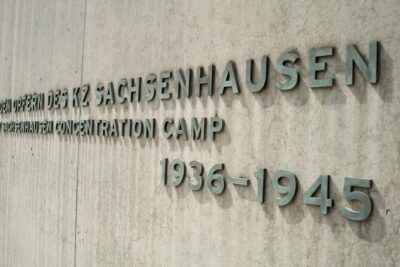
Sachsenhausen Concentration Camp Tour in English
Read our review →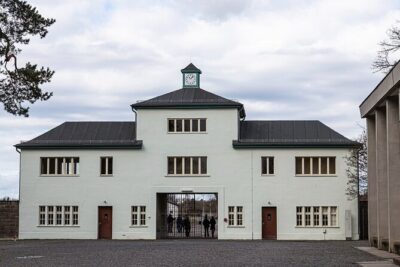
Sachsenhausen Concentration Camp Memorial Tour
Read our review →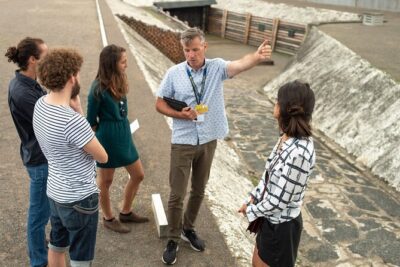
Sachsenhausen Concentration Camp Bus Tour in English from Berlin
Read our review →Sachsenhausen Concentration Camp Tour in English
Read our review →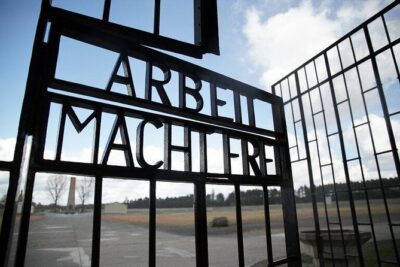
Sachsenhausen Concentration Camp Memorial Tour (Max. 15 Guests)
Read our review →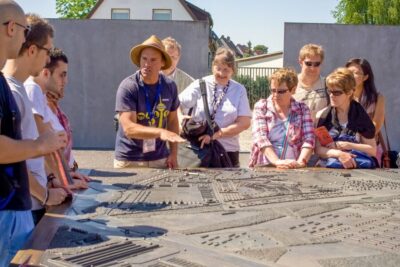
English Bus Tour to Sachsenhausen Concentration Camp
Read our review →
Sachsenhausen Concentration Camp and Potsdam Tour
Read our review →
Sachsenhausen Concentration Camp Memorial Tour
Read our review →Browse the lists this tour appears in