
Reviewed · THIRD REICH & WORLD WAR II TOURS
Nazi Berlin and the Jewish Community Tour
Berlin makes you look closer. This tour uses specific Berlin locations to explain how Hitler’s rise in 1933 gained traction, then ties it to what came next for Jews in the city. I especially like the clear focus on the Nazi machinery behind persecution, and I also value the human scale of the visit to Otto Weidt’s workshop, where rescue becomes part of the story.
The main drawback is that the content is heavy. If you prefer light sightseeing, this is not your tour.
In This Review
- Key things that make this tour worth your time
- How Hitler’s rise gets explained in plain Berlin street terms
- From Anhalter Bahnhof to WWII scars: what the route actually helps you see
- The resistance story, and why Operation Valkyrie is not just a movie title
- Varian Fry and the escape network: famous names, one terrifying question
- Operation T4 command center context: when policy becomes cruelty
- Jewish Berlin in real places: oldest cemetery, the golden dome, and community continuity
- Otto Weidt’s workshop: the Righteous Among the Nations story with hiding on the premises
- Transport, time, and value: what you should know before you go
- Who this tour is best for
- Should you book the Nazi Berlin and Jewish Community tour?
- FAQ
- How long is the Nazi Berlin and the Jewish Community Tour?
- What public transport ticket do I need?
- What languages are available for the guide?
- Is the tour wheelchair accessible?
- Is hotel pickup included?
- Can I get a refund if I cancel?
Key things that make this tour worth your time
- A guided explanation of Hitler’s rise to power starting in 1933, not just dates and slogans
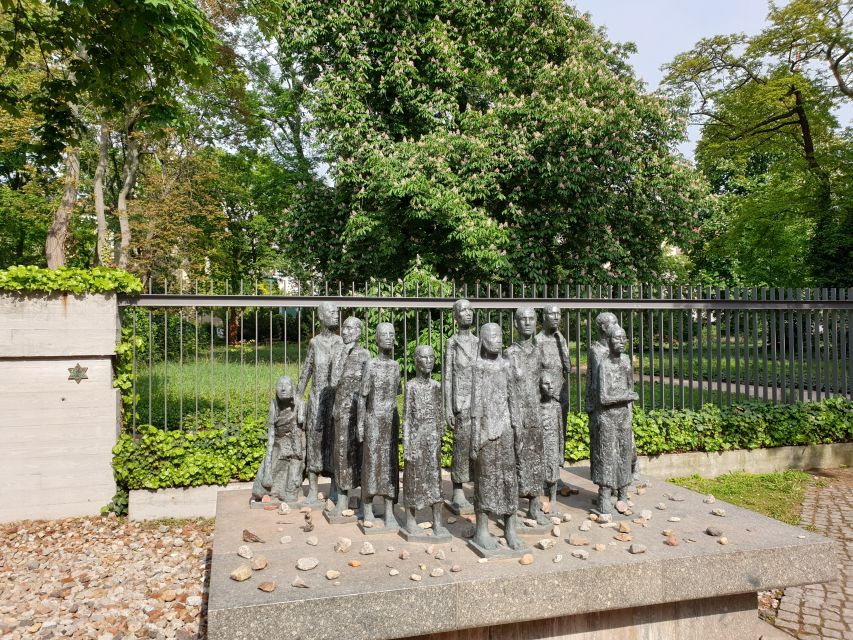
- Jewish community stops in the historical district, including the New Synagogue and the oldest Jewish cemetery
- Resistance Memorial tied to Operation Valkyrie, showing how Germans opposed Nazism from inside
- Varian Fry’s escape story, including the wider network behind the rescue of more than 3,000 persecuted Jews
- Operation T4 command center context, where the SS planned extermination and forced sterilization of disabled citizens
- Otto Weidt Workshop for the Blind, with the Righteous Among the Nations narrative and hiding efforts
How Hitler’s rise gets explained in plain Berlin street terms
Berlin can feel like a museum already, so it helps when a guide gives the story a shape you can follow. Here, the thread starts with Hitler’s rise to power in 1933 and then keeps moving, so you see how ideology turned into policy and then into street-level consequences.
I like that the tour doesn’t treat Nazism like an abstract evil that appeared out of thin air. You get the context for why it spread, including the role of Christian Berliners and the tragic relationship between the Christian world and the Jewish community as Nazism rose. That matters, because it makes the history harder to dismiss as something that only happened far away.
If your guide is Jean Charles, for example, you can expect a very structured, teaching-focused style. Several guides connected with this experience, including Céline and Silvio, have been described as clear and patient when explaining dense material. And if you are bringing a teen, that kind of pacing is a big deal, because you want your attention to stay on what is being explained, not drift to your phone.
Further Third Reich and wartime history tours:
- Berlin: Third Reich & Cold War Guided Walking Tour
★ 4.9 · 8,378 reviews - Berlin’s Best: 2 Hour Walking Tour Third Reich and the Cold War
★ 5.0 · 5,486 reviews - Third Reich Berlin: Hitler and WWII Walking Tour
★ 5.0 · 3,301 reviews
From Anhalter Bahnhof to WWII scars: what the route actually helps you see
A strong part of this tour is that it uses the city itself as evidence. You pass by ruins of historic buildings marked by World War II combat, which is one of the fastest ways to get out of “history book mode” and back into reality. Even if you have visited Berlin before, these kinds of visual reminders make the late-war timeline feel immediate.
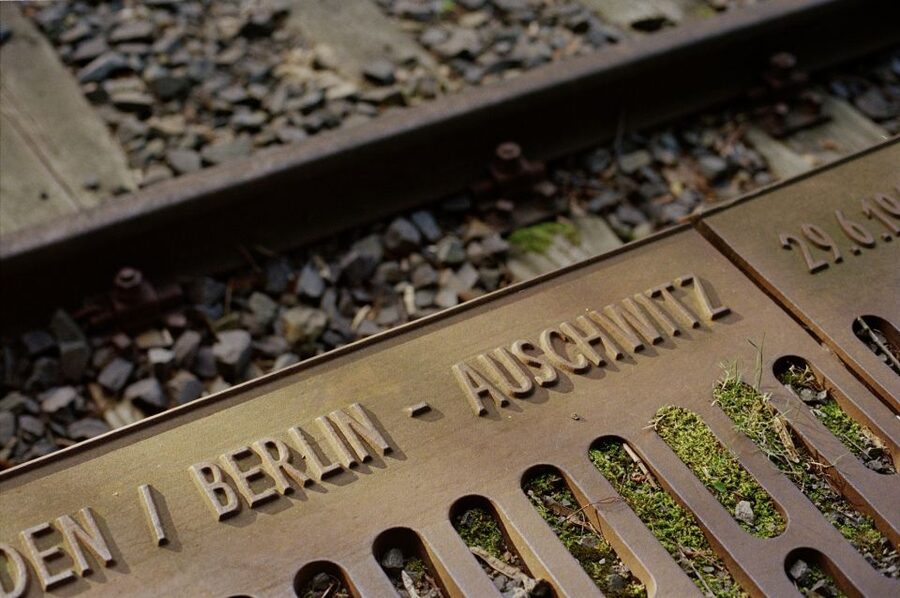
You also spend time around Anhalter Bahnhof, a place tied to wartime Germany and the deportation story that followed. The tour then connects those dots to the end of the war in May 1945, when Nazi Germany surrendered. That end point matters because it reminds you that this story did not stop in 1939, and it did not stop in one city. It kept unfolding, step by step, until the regime fell.
One practical note: you are traveling by public transport as part of the day. That is not a downside, it is part of the design. Berlin’s historical areas are spread out, and riding local transit keeps the tour grounded in how you would explore on your own.
The resistance story, and why Operation Valkyrie is not just a movie title
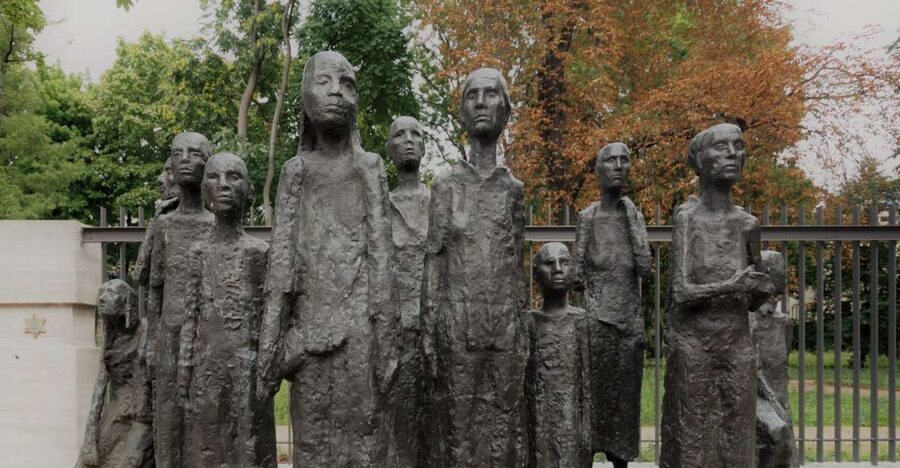
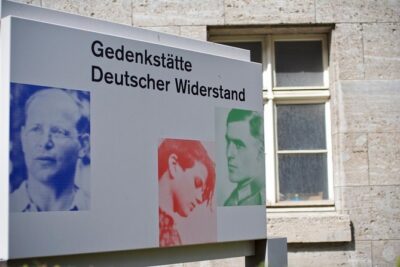
Most people have heard of Operation Valkyrie. On this tour, you learn what it meant in the real world and where it was directed from. The German Resistance Memorial becomes a key stop, and the guide connects it to Germans who opposed and fought Nazism.
What I like here is the balance. The tour recognizes the horrors of the Nazi period, but it also refuses to leave you in only despair. When you learn about resistance efforts that came from ordinary Germans who chose opposition, the story becomes more than a list of atrocities. It becomes a record of moral choices in a system that punished dissent.
This is also where the tour’s “short and focused” approach helps. You do not get lost in vague hero talk. Instead, you get location-based context for the resistance network and its links to the broader command and planning side of events.
Varian Fry and the escape network: famous names, one terrifying question
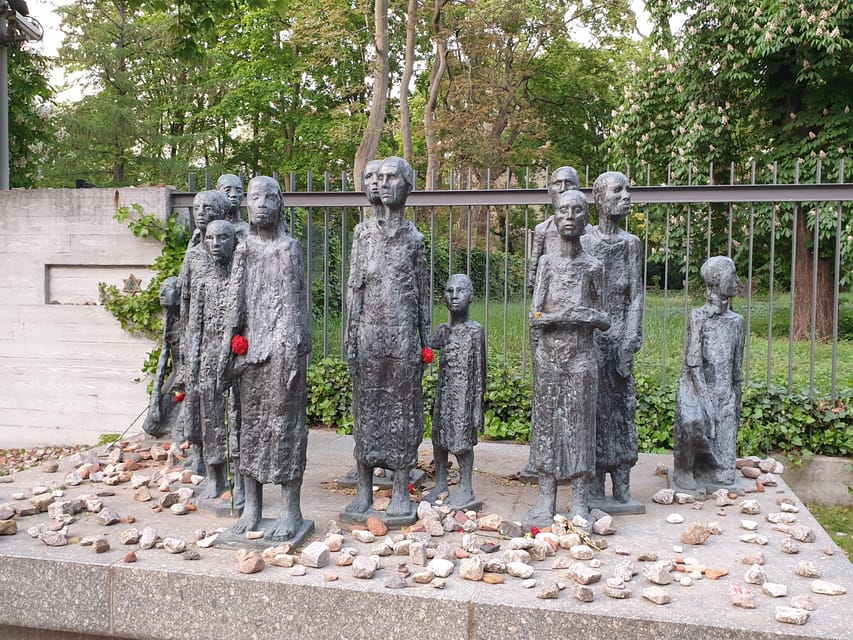
One of the most compelling threads in this experience is the story of Varian Fry, an American journalist who helped orchestrate the escape of over 3,000 persecuted Jews from Nazi-occupied Europe. You hear this not as a Hollywood montage, but as a practical rescue effort that depended on people willing to act.
The tour connects Fry’s work to recognizable names, including painter Marc Chagall, philosopher Hannah Arendt, and writer Heinrich Mann. Those names help you anchor the story in real intellectual and cultural life, not only in numbers. But the point is bigger than celebrity names. It pushes you to notice the terrifying question running through the period: who had the chance to leave, and who did not.
This is the part of the tour where I think you get the most “take it with you” learning. Afterward, you can look at later resistance and humanitarian stories with more understanding of what escape actually requires: contacts, resources, timing, and constant risk.
Operation T4 command center context: when policy becomes cruelty
The tour includes a stop at the command center of Operation T4, where the SS planned extermination and sterilization of disabled citizens. This is one of the hardest parts of the experience, and it is also one of the most important.
Why it matters is that it shows how Nazi violence was organized like an administrative project. It was planned, executed, and scaled. When you hear the details and connect them to the rest of the story, you start to understand that persecution was not just random brutality. It was bureaucratic and deliberate.
If you are the type who wants history explained with structure, this stop tends to land well. Many guides on this tour are praised for their ability to explain concepts clearly. One guide described as pedagogical and enthusiastic can make the logic of the system easier to follow, without turning the subject into something comfortable.
Also holding a platform in Berlin



Jewish Berlin in real places: oldest cemetery, the golden dome, and community continuity
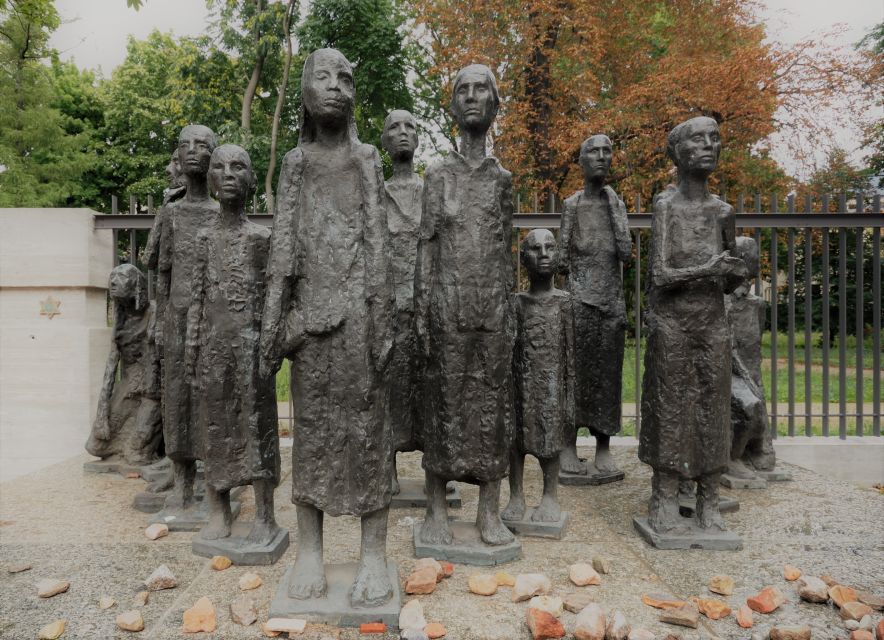
The tour shifts into the Jewish community district area using public transport, and it stays there long enough for you to register what you are looking at. You see the oldest Jewish cemetery, which sets the tone of long presence in the city. Then you visit the New Synagogue Berlin and its golden dome.
The golden dome is eye-catching, but the tour treats it as more than a photo stop. You get the long arc of Berlin’s Jewish community, and then you watch how that continuity was shattered when the Nazis came to power. That timeline is key. It helps you understand that the Jewish community did not begin with persecution. It had roots, institutions, and generations.
You also learn about forced labor and deportations during World War II. The guide uses those mechanisms to show how Nazi rule worked on the ground. You are not only remembering what happened. You are learning how it functioned: work imposed, rights stripped, movement controlled, and then deportations carried out.
This is also where the tour feels especially valuable if you are traveling with limited time. You cannot easily stitch together all these specific places on your own in a single morning without missing key context.
Otto Weidt’s workshop: the Righteous Among the Nations story with hiding on the premises
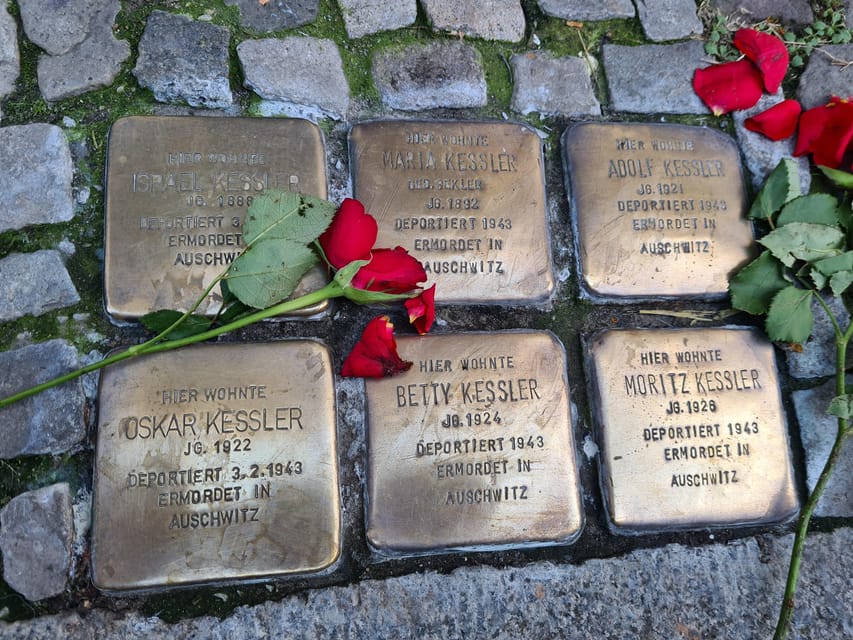
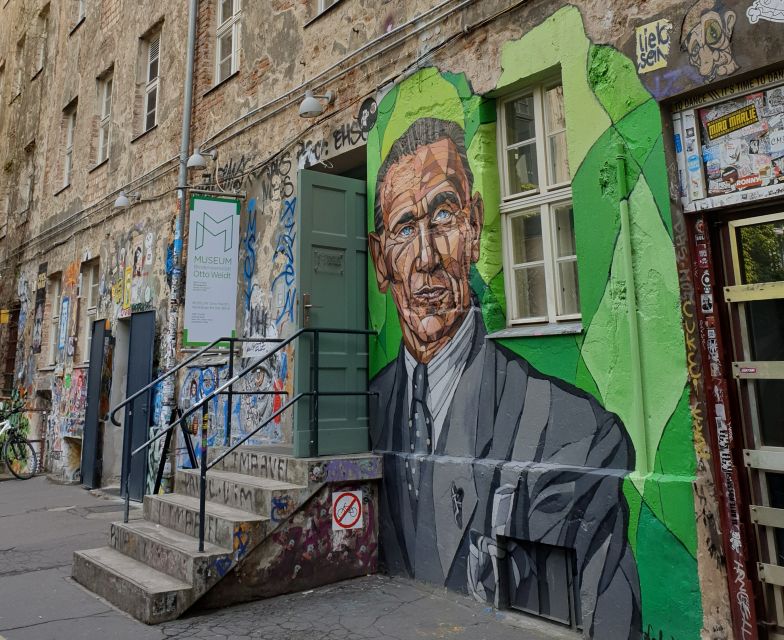
At the end of the tour, you head to the Museum Blindenwerkstatt Otto Weidt, the workshop for the blind. This is where the story turns toward rescue and risk.
Here, you hear about a Righteous Among the Nations and the efforts to protect his Jewish workers from persecution and deportation. When the threat grew, he found places for some of them to hide, including on the premises of what is now the museum.
I like how this ending avoids easy moralizing. It stays practical, focused on what protection looked like when the danger was immediate. The effect is not just inspiring, it is clarifying. You leave with a better sense of what rescue required under Nazi rule, where hiding someone could mean becoming a target yourself.
If you want a tour that gives you both the darker machinery and the human counterstory, this structure works. You come out with a fuller picture than you would get from a single memorial visit.
Transport, time, and value: what you should know before you go
The tour is 3 hours, about 210 minutes, and it runs as a group experience. The price is listed as $351 per group up to 6, which can be good value if you are traveling with a small group or family. If you are solo, it may feel steep compared to per-person walking tours, but you are paying for a guided, multi-stop route with interpretation and public transport movement.
A big practical requirement: you need an AB all-day public transport ticket. You should plan to buy it before the tour begins, because the tour uses public transport to reach the historical district and to move between stops.
Comfort matters. Bring comfortable shoes, because you will be walking through memorial and museum spaces and moving between points.
Language is another practical check. The live guide is available in French, Italian, English, Spanish, or German. If German is your strong language or you are traveling with someone who prefers a specific tongue, choose the departure that matches, because the story is too important to half-follow.
Accessibility is a plus: the tour is wheelchair accessible. Pickup is optional, with guidance that you wait in the hotel lobby about 10 minutes before the scheduled pickup time, and you are asked to contact the provider ahead of time so pickup details can be worked out.
Who this tour is best for
I think this tour is a great fit if you want Nazi Berlin explained in a way that connects ideology, policy, and daily life. You get both the Jewish community sites and the resistance and escape threads, which makes it more complete than a tour that focuses only on one theme.
It is also a good choice if you like guides who teach concepts clearly. Several guides associated with this experience have been described as passionate, pedagogical, and patient, and one family story specifically highlighted that even an 18-year-old found it engaging and stayed with the pacing.
If you are visiting Berlin for the first time, pair this with a more general city orientation tour on another day. This one is focused and serious, and it is better when you already know how the neighborhoods connect geographically.
Should you book the Nazi Berlin and Jewish Community tour?
Book it if you want a guided route that takes you beyond the obvious markers and into the systems behind persecution, the places tied to resistance and escape, and the Jewish community sites that show continuity and loss side by side. The mix of Operation T4 context, Operation Valkyrie links, the New Synagogue, and Otto Weidt’s Righteous Among the Nations story gives you a fuller picture than a single-subject tour.
Skip it only if you are not ready for heavy topics in a short window. This is a 3-hour concentration of history that asks you to absorb difficult facts and emotions. If that is okay with you, you will come away with sharper understanding and places you can return to later with more meaning.
FAQ
How long is the Nazi Berlin and the Jewish Community Tour?
It lasts 3 hours, which is about 210 minutes.
What public transport ticket do I need?
You need an AB all-day public transport ticket, as it is required for the tour.
What languages are available for the guide?
The live guide is available in French, Italian, English, Spanish, and German.
Is the tour wheelchair accessible?
Yes, the tour is wheelchair accessible.
Is hotel pickup included?
Pickup is optional. If you choose it, you wait in the hotel lobby 10 minutes before your scheduled pickup time, and you are asked to contact the provider ahead of time to discuss pickup details.
Can I get a refund if I cancel?
Yes. Free cancellation is available up to 24 hours in advance for a full refund.
Fresh on the arrivals board for Berlin


Third Reich & World War II Tours, compared.

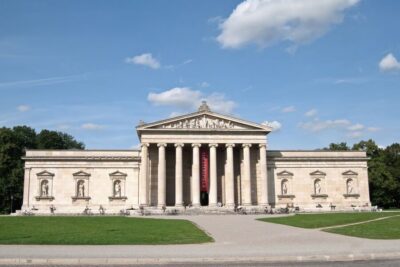
Berlin’s Best: 2 Hour Walking Tour Third Reich and the Cold War
Read our review →
Third Reich Berlin: Hitler and WWII Walking Tour
Read our review →
Walking Tour of Former Nazi Party Rally Grounds
Read our review →
Browse the lists this tour appears in