
Reviewed · GUIDED WALKS IN MUNICH
Munich under the Third Reich: a historical walking tour (private tour with a guide)
Munich hides its darkest chapters in plain sight. This private 2.5-hour walking tour connects the rise of the Nazi movement to real corners of the city, including the former GESTAPO headquarters and the key place tied to Joseph Goebbels’ plotting of the Night of Broken Glass. I like the way the guide keeps it focused, so you come away with a clearer cause-and-effect story, not just a list of names.
The one consideration: this is heavy history. You will visit memorials and places linked to repression, violence, and propaganda, so it can feel emotionally weighty even when it is presented thoughtfully.
In This Review
- Key Things You’ll Notice on This Walk
- Munich Under the Third Reich: Why These Streets Matter
- Starting at Marienplatz: A Simple, Easy Way to Begin
- The Nazi Rise in Munich: From Party Meetings to Public Power
- Former Nazi Party Headquarters: Where Ideology Needed Space
- Gestapo Headquarters: When Fear Replaces Politics
- Goebbels and Kristallnacht: Understanding the Planning Behind Violence
- Memorials for Victims and Opponents: What Memory Looks Like
- Everyday Life Under Nazism: Propaganda in Real Time
- Language, Pace, and Who This Private Tour Is For
- Price and Value: $188 for a Group Up to 10
- Practical Tips Before You Go
- Should You Book This Munich Under the Third Reich Tour?
- FAQ
- Where is the meeting point for the tour?
- How long is the walking tour?
- Is this tour private?
- What language is the guide?
- How much does the tour cost?
- What is included in the price?
- What is not included?
- Is the tour wheelchair accessible?
- Can I cancel for a refund?
- Is there an option to pay later?
Key Things You’ll Notice on This Walk
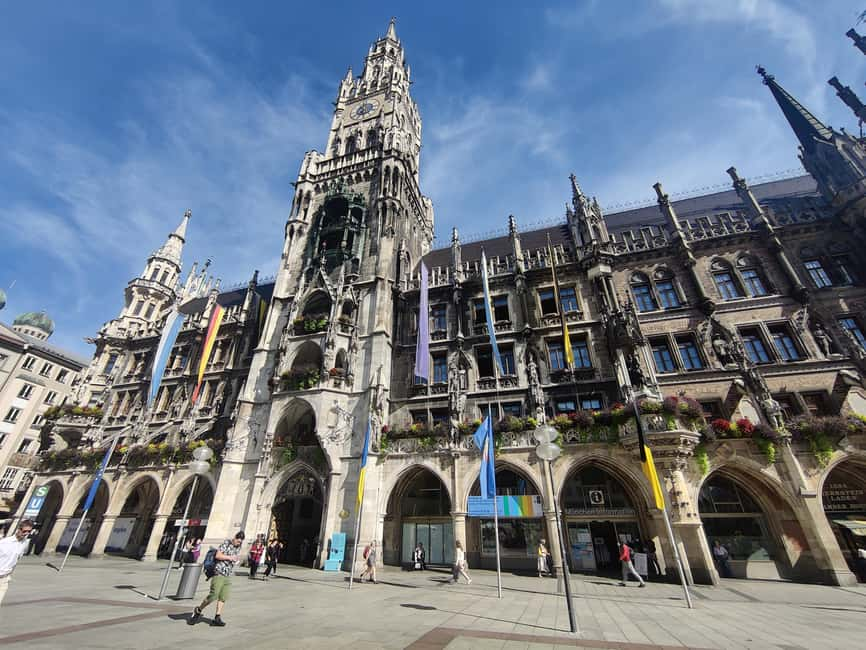
- Meeting at Marienplatz, Fischbrunnen, with a green umbrella, so you can start fast and not hunt for your guide
- Former Nazi Party Headquarters as a real-world reminder that ideology needed infrastructure
- Gestapo headquarters stop, where the story turns from speeches to fear and control
- Goebbels and the Night of Broken Glass connection, which helps explain how violence was organized
- Memorials for victims and opponents, so the tour ends where history is meant to be remembered
- A Spanish live guide for a smoother, more personal experience in Munich’s center
Munich Under the Third Reich: Why These Streets Matter
Munich is often described as the capital of the Nazi movement, and that label is not just a slogan. On this tour, you connect that fact to the way power grew from meetings and messaging into nationwide subjugation. The key is that you are looking at places, not just reading about them.
What I like is that the tour treats history as something with consequences. You are not only learning who did what, you are also understanding how propaganda shaped everyday life, and how the machinery of the regime took hold.
The timing is also smart. At 2.5 hours, you get enough stops to make the story feel coherent, without turning it into a long march through heavy material.
More Guided Walks in Munich
- Munich: Third Reich & WWII Walking Tour
★ 4.6 · 6,181 reviews - Third Reich Walking Tour Munich
★ 4.5 · 4,291 reviews - Munich: Old Town & Viktualienmarkt City Walk in German
★ 4.7 · 2,304 reviews
Starting at Marienplatz: A Simple, Easy Way to Begin
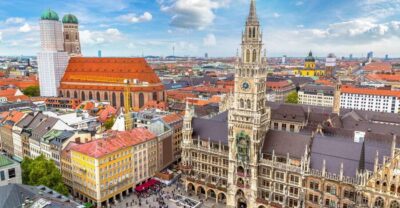
Your guide meets you next to the Fish Fountain (Fischbrunnen) on Marienplatz, holding a green umbrella. That matters more than it sounds. Marienplatz is busy, so having a clear landmark helps you stay calm, show up on time, and start learning immediately.
From this central point, the tour follows a walking format that keeps you oriented in the city. You also spend less time on logistics and more time on interpretation, since the focus is the dark political story tied to specific locations.
The Nazi Rise in Munich: From Party Meetings to Public Power
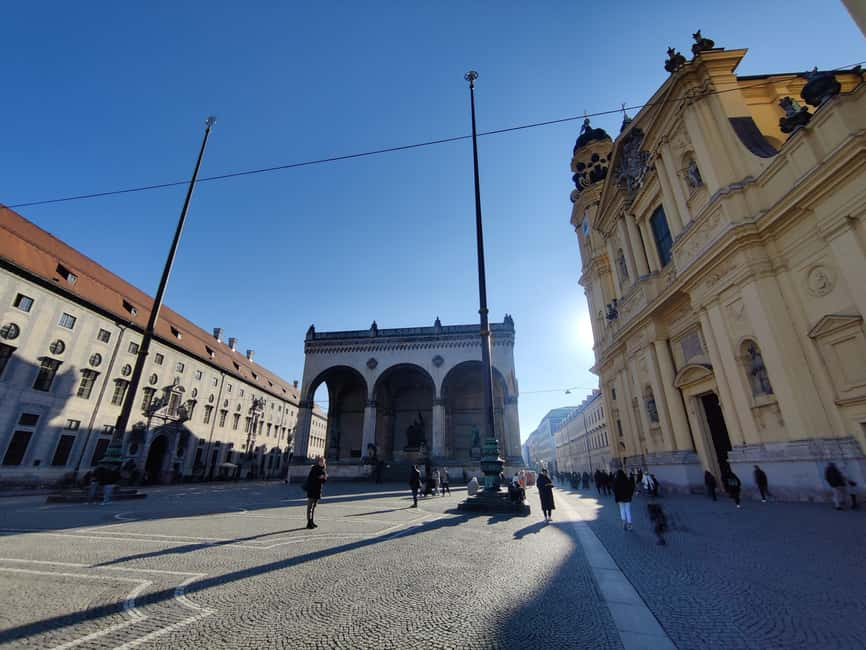
One of the most important parts of the experience is the sequence. You start with where the Nazi movement found momentum through early organizing, including the iconic places where the party’s first meetings took place. Seeing that early stage helps you understand that extremism did not appear out of nowhere. It was built step by step.
Then the guide connects those early moves to a wider strategy: subjugating an entire country. That shift is what makes this tour more than a “sites and photos” stroll. You learn how the party system worked, and how leaders used both messaging and intimidation to move from ideology to control.
If you like history that explains mechanisms, this is the sweet spot. You are not only hearing what happened in the 1930s and 1940s, you are also learning how the regime made its beliefs feel normal to everyday people.
Former Nazi Party Headquarters: Where Ideology Needed Space
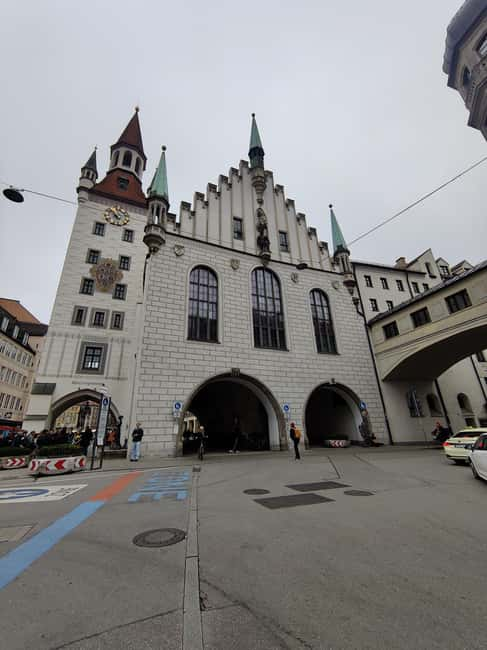
Visiting the former Nazi Party Headquarters is unsettling in a practical way. It shows you that propaganda and political theater required real rooms, real offices, and real organization. A movement can talk forever, but it only becomes a regime when it has a command structure.
This stop is valuable because it turns abstract ideology into something tangible. You start to see how decisions were made and how messaging was pushed through official channels. The tour frames the setting so you understand what the regime was trying to project, and how that projection was designed to win compliance.
The downside here is also obvious: you are standing in a place connected to a brutal political system. If you get uncomfortable with symbolism, you might find this stop tense. If you want the context to make sense, it is one of the best parts.
Gestapo Headquarters: When Fear Replaces Politics
The highlight list calls it out clearly, and the walk supports that: you visit the former GESTAPO headquarters. This is where the story shifts from rhetoric to enforcement.
I like that the guide doesn’t treat it as a spooky photo stop. The point is to understand how the regime used repression to keep control, and how daily life could be affected when fear becomes routine. Even if you already know the broad historical facts, standing at a site tied to surveillance and coercion makes the concept feel sharper.
This stop is often what history buffs remember most, because it gives the Nazi system a face in physical space. You can almost feel the difference between public persuasion and private intimidation.
Further Third Reich and wartime history tours:

Goebbels and Kristallnacht: Understanding the Planning Behind Violence
One of the most specific, and most memorable, elements is seeing the key place where Joseph Goebbels plotted the Night of Broken Glass. The name alone is dramatic, but the tour’s value is that it treats the event as planned and organized, not as chaos that just happened.
This connection helps you connect propaganda to violence. When the regime controlled narratives, it also controlled what people were willing to tolerate, and who became the target. That link is the part you carry with you, because it shows how a state can manufacture consent and then move into brutality.
If you like clear cause-and-effect history, you will probably appreciate how the guide threads these ideas together across multiple stops. You can see the arc from early meetings, to headquarters, to enforcement, to mass violence.
Memorials for Victims and Opponents: What Memory Looks Like
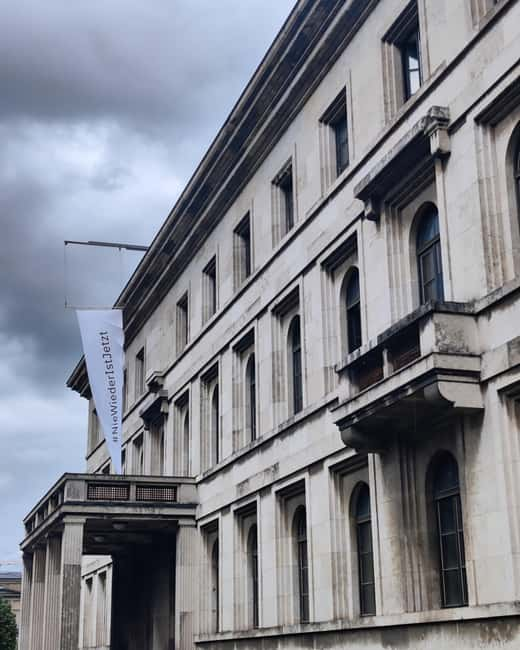
A tour like this should not end in the dark and stop there. Here, you also visit memorials honoring the victims and opponents of the regime. That changes the mood of the walk, and it is not just for closure. It keeps the focus on the people harmed, and on those who resisted.
I find memorial stops important because they prevent history from becoming a set of dates. They remind you that regimes are not only made of leaders and paperwork, they are built over human suffering. The guide’s reminder about the importance of historical memory lands better here than it would in a purely informational setting.
These memorials also help you leave with something useful. You do not just know the past, you understand why people preserve it in public space.
Everyday Life Under Nazism: Propaganda in Real Time
Beyond the buildings, the tour talks about daily life during Nazism. You learn about the propaganda used by the regime, how it shaped behavior, and how leaders influenced public thought. That focus is what makes the tour feel like history with a heartbeat.
It is also what makes the information practical for you after the walk. When you visit museums or read about Munich in later hours, you can interpret what you see through the lens you gained here.
The guide also puts events into context and explains the events that helped trigger World War II. You end with the bigger picture, so you can place Munich in the wider story without feeling lost.
Language, Pace, and Who This Private Tour Is For
This is a private group tour with a Spanish live guide. That is a big deal if you want to ask questions or if you simply absorb information better in your own language. It also means the guide can tailor the flow to your pace, since you are not squeezed into a huge crowd.
The tour is listed as wheelchair accessible, which is helpful if you want a structured walk that is still manageable for mobility needs. You should still plan to wear comfortable shoes, because a historic city tour always involves walking through streets and around landmarks.
Who it suits best:
- history lovers who want specific Nazi-era Munich sites
- students or anyone studying how propaganda and power work
- Spanish speakers who want a guided explanation in the language they think in
If you want a light, casual walk with quick photo stops, this may not be the right fit. If you want context and clarity, it is a strong match.
Price and Value: $188 for a Group Up to 10
The price is $188 per group up to 10, for 2.5 hours with a live guide. On the surface, that sounds like a lot, but private, topic-heavy tours often cost more because they include expert interpretation in a short time window.
Here is the value logic: you are paying for focused guidance. You are not just walking a route, you are receiving a guided explanation connecting the rise of the Third Reich to the specific places in Munich. The ability to group up with friends or family can make this far more affordable than paying per person on a larger group tour.
It also helps that the tour is centralized and efficient. Starting at Marienplatz means less time wasted and more time spent learning. If you can fill even a partial group, the per-person cost drops fast, and you get the comfort of a private experience.
Practical Tips Before You Go
Bring a calm mindset. This is not a “fun facts” tour. The subject matter is dark, and you will be asked to reflect through memorials and commentary about victims and opponents.
Wear layers if the weather shifts. A walking tour in Munich can change quickly, and a 2.5-hour route is long enough to feel temperature swings.
Also, have a question or two ready if Spanish is your strongest language. Since the guide is live and the group is private, you will likely get more direct answers than on a larger, rigid tour.
Should You Book This Munich Under the Third Reich Tour?
I would book it if you want Nazi-era Munich history tied to real locations, not just a general overview. The mix of stops, from the former Nazi Party Headquarters to Gestapo headquarters and the site connected to Goebbels and Kristallnacht, creates a clear narrative. Add the memorials for victims and opponents, and you get history with a moral anchor.
I would think twice if you need a gentler pace or if heavy political repression topics tend to overwhelm you. In that case, you might prefer a lighter introduction before taking on this one.
FAQ
Where is the meeting point for the tour?
Your guide will meet you next to the Fish Fountain (Fischbrunnen) on Marienplatz, holding a green umbrella.
How long is the walking tour?
The tour lasts 2.5 hours.
Is this tour private?
Yes. It is a private group tour.
What language is the guide?
The guide is Spanish.
How much does the tour cost?
It is priced at $188 per group up to 10.
What is included in the price?
You get a live Spanish guide and the 2.5-hour guided visit.
What is not included?
Hotel pickup service and food and drinks are not included.
Is the tour wheelchair accessible?
Yes, the tour is wheelchair accessible.
Can I cancel for a refund?
Free cancellation is available up to 24 hours in advance for a full refund.
Is there an option to pay later?
Yes. You can reserve now and pay later, keeping your travel plans flexible.
Centuries Per Block
- Munich: Guided Tour of the historic Town Hall on Marienplatz
★ 4.8 · 63 reviews - Munich Craft Beer & Cultural Tour With Snack
★ 5.0 · 46 reviews - Munich History Tour: Private & Personalized with a Local Guide
★ 4.5 · 33 reviews - Munich and Nazi History Combination Day Tour Small Group
★ 5.0 · 32 reviews
Cities at Walking Speed
- Munich: Night Watchman Walking Tour
★ 4.7 · 2,092 reviews - Munich Ghosts and Spirits Evening Walking Tour
★ 5.0 · 1,900 reviews - Munich Old Town Walking Tour
★ 4.5 · 1,287 reviews - Munich: Walking Tour Old Town and Viktualienmarkt
★ 4.7 · 839 reviews
Fresh on the arrivals board for Munich

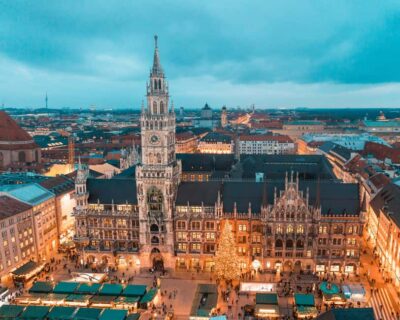

Guided Walks in Munich, compared.
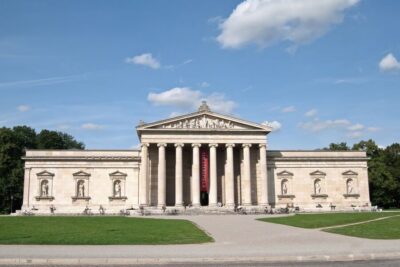
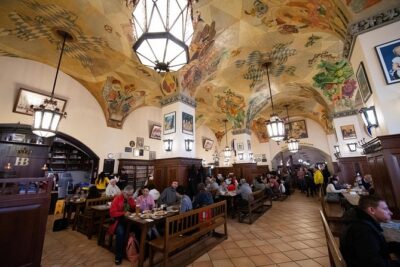
Old Town & Viktualienmarkt City Walk in German
Read our review →
Munich Ghosts and Spirits Evening Walking Tour
Read our review →
Birthplace of the Third Reich Guided Walking Tour
Read our review →Browse the lists this tour appears in