
Reviewed · THIRD REICH & WORLD WAR II TOURS
Munich: Third Reich and World War II Segway Tour of the City
Gliding past Munich landmarks feels strangely cinematic. This 3-hour Segway tour pairs classic sights with the city’s WWII-era story, led by a guide who keeps things clear and controlled. I like that you get hands-on practice before you roll into the streets, and I like the way the commentary connects buildings to real events.
You cover major squares and monuments without spending your whole day bouncing between stops. I also love the range of what you pass, from Königsplatz and Odeonsplatz to the Brown House and Schelling-Salon. You finish with a guide who points you toward strong add-on food and beer choices like Hofbräuhaus am Platzl and Hofbraukeller.
One consideration: the ride can feel a bit intense on real road crossings, and one rider noted limited time to really use the Segway more in the English Garten area. If you want lots of slow scenic drifting, go in with the right expectations.
In This Review
- The Segway Training That Makes This Tour Work
- A 3-Hour Route That Hits the Big Names in Munich
- From Königsplatz to Odeonsplatz, You See Power in the Layout
- Hitler’s Munich Apartments, and the Uneasy Feeling of Location
- The Old Synagogue Site and WWII Stories That Don’t Feel Abstract
- Schelling-Salon, the Brown House, and the City’s Wartime Contradictions
- How the Tour Feels on the Ground: Wind, Traffic, and First-Time Segway Nerves
- Price, Group Size, and the Real Value of “Sites Plus Story”
- Food and Beer Stops Your Guide Mentions for After the Ride
- Who This Tour Is Best For, and Who Should Skip It
- Should You Book the Munich Third Reich and WWII Segway Tour?
- FAQ
- How long is the Segway tour in Munich?
- Where do I meet the guide?
- What is included in the price?
- Is hotel pickup or drop-off included?
- What languages are offered, and how big is the group?
- Who should not book this tour?
The Segway Training That Makes This Tour Work
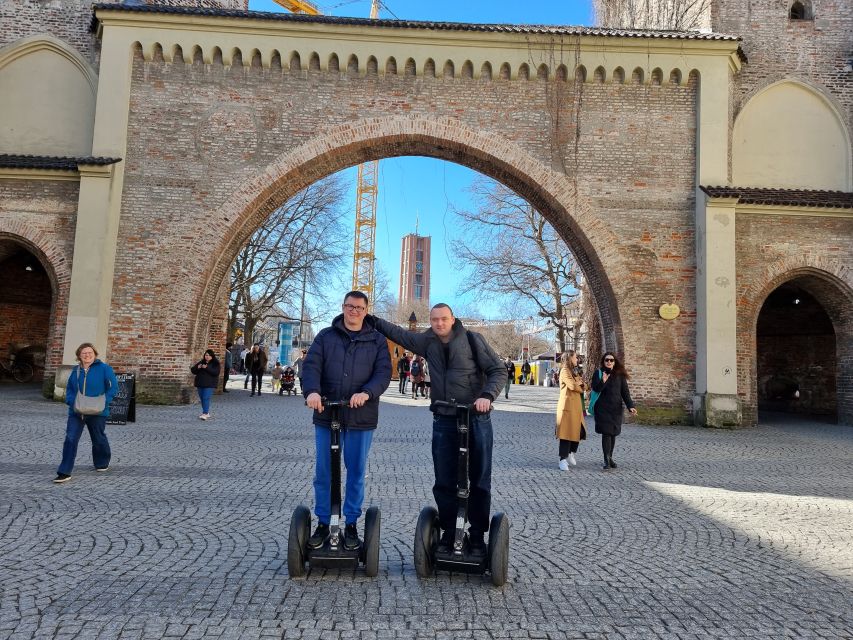
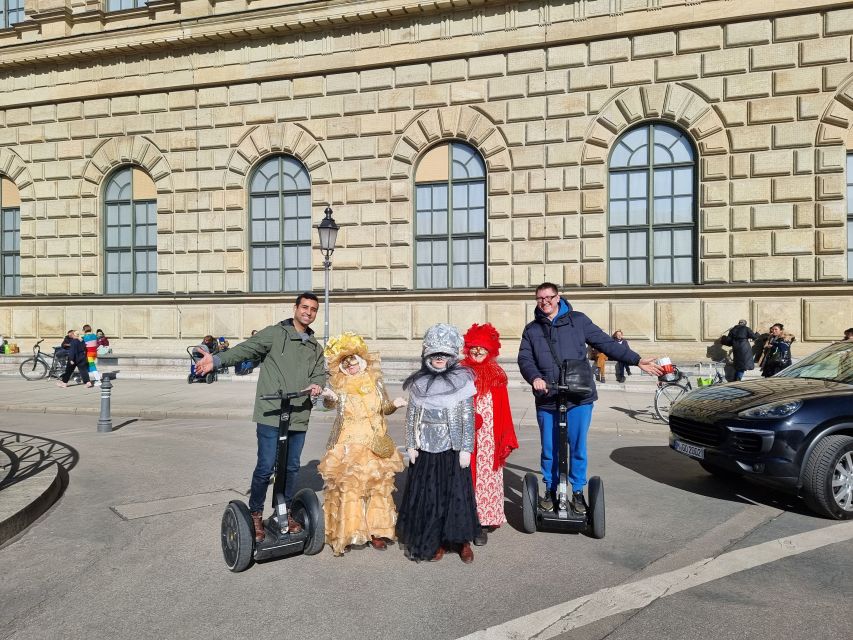
This tour starts the way it should: you meet your guide at the Robot City Segway Tour München office, then get a safety briefing and real practice time. That matters, because a Segway is not just sightseeing with wheels. You are learning balance, turning, and smooth stopping, all while staying aware of traffic and other cyclists.
The reviews you can trust here are consistent about one thing. Guides like Abdel and Jamal are patient and hands-on. In other words, if you have never ridden before, you are not thrown into the deep end. You get the chance to feel the machine respond to your weight and handle controls confidently before the tour moves into the city core.
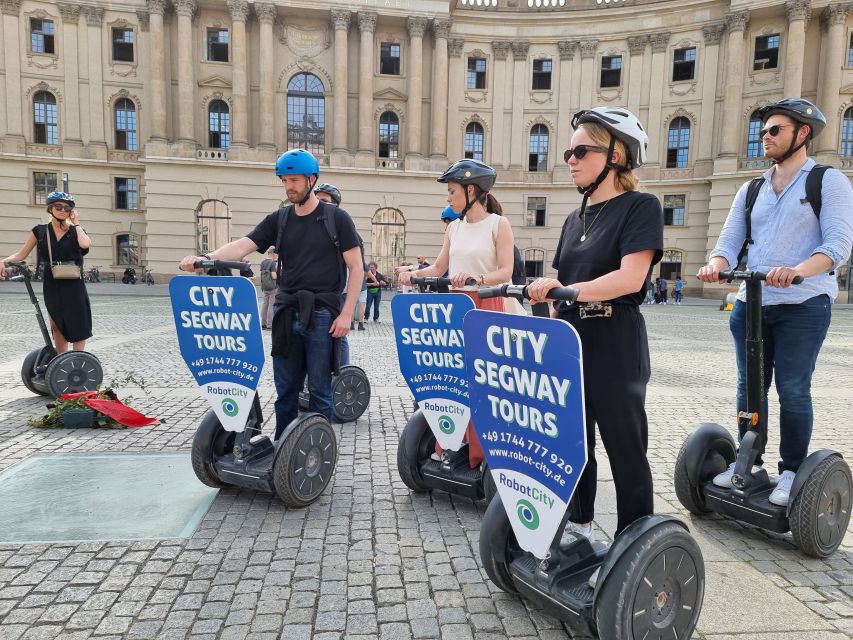
They also provide helmet and the guide stays with your group the whole time. That combination makes a huge difference in a place like Munich, where you can get a mix of tram corridors, bike lanes, and pedestrian zones in a short distance.
Practical tip: wear closed-toe shoes and dress for wind. Even in cool weather, you feel the air once you are moving.
A 3-Hour Route That Hits the Big Names in Munich
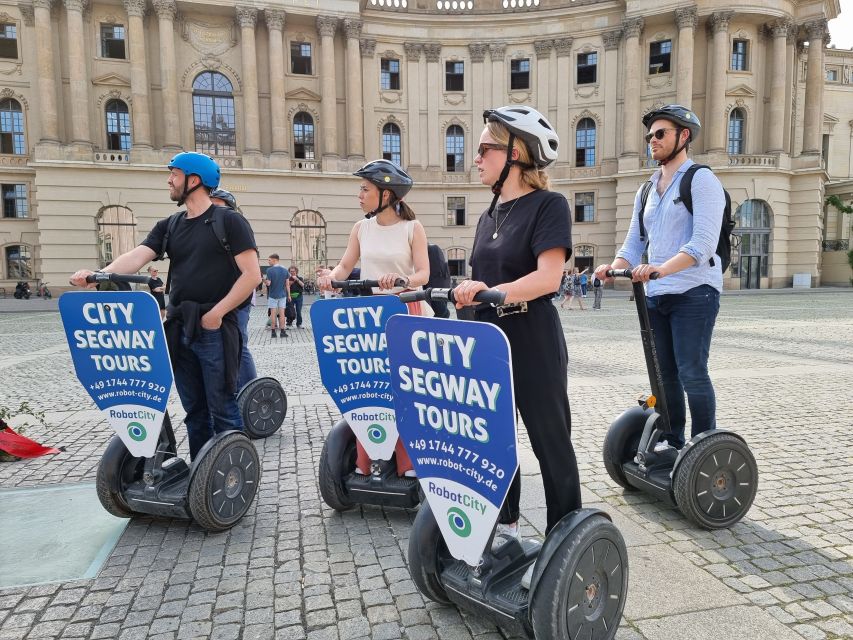
The structure of the day is simple: you ride through central Munich, pause briefly at key spots, then move on. In three hours, that is the point. You get a fast sweep of what most first-timers try to cram into a half-day walking route.
You pass and reference major landmarks such as:
- Königsplatz and Odeonsplatz
- the Führer’s building area
- the Brown House
- Schelling-Salon, a pub that stayed open through World War I and World War II
- the general area tied to Hitler’s apartment stays (1920 to 1929, and again in 1933)
- the Old Synagogue site (covered through an exterior stop)
Why this matters: in Munich, the most important sights are spread out, and walking them all means either missing something or arriving tired. On a Segway, you trade a bit of slow strolling for more coverage and less backtracking.
Also, with a small group limited to 10 participants, you are not stuck in a long conga line. That keeps the pace friendlier and gives the guide room to answer questions without shutting you down every time you stop.
More Segway Rides in Munich
- Munich: City Highlights Guided Segway Tour
★ 4.6 · 266 reviews - Munich: City Highlights Guided Segway Tour
★ 4.5 · 161 reviews - Munich’s Highlights 3-hour Segway Tour
★ 5.0 · 76 reviews
From Königsplatz to Odeonsplatz, You See Power in the Layout
One of my favorite parts of Munich is that you can read the city with your feet. Buildings are placed for a reason. With this tour, you get that same idea but faster, because you roll along the axes and squares tied to political life.
When you glide through areas like Königsplatz and Odeonsplatz, the guide’s job is not just naming places. It is helping you understand how space shapes attention. Think of it like map-reading in motion. You start noticing sightlines, how monuments anchor a view, and why certain locations became symbolic.
You also pass the Führer’s building and the Brown House. Those are not just “historical buildings.” They are cues that the city’s everyday streets were also part of a larger political machine. The tour uses exterior stops and stories to help you connect the dots instead of treating each stop like a random photo spot.
If you care about how ideology spreads through institutions, this is the kind of route that makes the city feel organized, even when the events were horrifying.
Hitler’s Munich Apartments, and the Uneasy Feeling of Location
This is the section many people book for. The tour includes stops outside locations connected to Hitler living in Munich, including his apartment from 1920 to 1929 and his later apartment in 1933.
What makes this more than a sightseeing stop is the framing. The guide explains the time he lived in Munich and the way his influence grew. That context helps you understand why people remember these addresses at all. It is not about the building style, it is about the human scale of ambition and the way real life can feed a political rise.
And yes, this is heavy material. If you are sensitive to WWII and Nazi history, you should still know that the tour is built around that theme. You will be riding past locations tied to the Third Reich era, and the guide’s commentary keeps the story connected to what happened in the city during World War II.
My advice: go in mentally prepared to learn, not to hunt for shock. The value here is context, not drama.
The Old Synagogue Site and WWII Stories That Don’t Feel Abstract
Another strong part of the tour is the Old Synagogue stop outside the landmark area. You hear what happened in the city during World War II, and you connect that to a site people associate with Jewish life in Munich.
This is where a guided experience helps. Without context, an exterior stop can turn into a quick glance and a photo. With a guide, you get a narrative thread that makes the architecture and location feel tied to real lives, real loss, and real change.
A good guide can also pace the conversation. In this tour, guides are described as patient and attentive, which matters here. If the group is nervous about riding, that nervousness can steal attention from the story. A calm guide keeps the focus on learning and safety at the same time.
Also, rain can happen. One rider did the tour despite rain and still found it worthwhile. So bring a light waterproof layer if weather is iffy.
Schelling-Salon, the Brown House, and the City’s Wartime Contradictions
Munich has this odd ability to hold contradictions in plain sight. You can pass a place tied to the violence and upheaval of the era, then move a short distance and see a pub that remained open across both world wars, like Schelling-Salon.
The tour passes that kind of site and uses it to explain how the city functioned day to day while enormous events unfolded. That is an important lesson because history is not always loud. Sometimes it is quiet routine continuing beside catastrophe.
You also pass the Brown House, a key reference point connected to the Nazi movement. Again, the guide’s role is to make it legible so you do not just memorize labels. You start understanding why certain places became symbols and how those symbols were staged through physical space.
If you are the type who likes your history grounded in geography, you will get more out of this than by reading a plaque on your own.
Further Third Reich and wartime history tours:



How the Tour Feels on the Ground: Wind, Traffic, and First-Time Segway Nerves
The best Segway tours remove fear, not just go fast. Here, the training and helmet help, but you should still know that you are riding through real streets. One rider flagged that the roads felt scary for a member of their group, even though the ride through parks and bike tracks felt better.
Here is how to judge this for yourself:
- If you are comfortable on bikes, trams, and busy intersections, you are likely fine.
- If you hate traffic sounds or sudden movement from others, consider whether you want this level of road exposure.
- If you want to spend more time gliding slowly in park scenery, note that the tour’s priorities are highlights and story, not maximum time in one scenic area.
The good news is that the group size stays small, and the guides are described as careful. Several reviews mention feeling safe with Abdel and other guides taking care of participants.
Price, Group Size, and the Real Value of “Sites Plus Story”
At $100 per person for a 3-hour tour, this is not the cheapest way to see Munich. But it is built for value in a specific way: you are buying time-efficient coverage plus guided interpretation plus equipment.
You get:
- a live guide (English or German)
- the Segway
- a helmet
- a route that hits multiple top-area landmarks and WWII-linked sites in one session
- a small group, limited to 10 participants
Hotel pickup is not included, so you do need to get yourself to the meeting point. Still, you avoid the “walk all day, see half the stuff” problem that plagues many first-day sightseeing plans.
If you hate the hassle of coordinating routes, and you want an organized sweep with context, this price starts to make sense. You are paying for a guided, transport-based shortcut through the city center.
Food and Beer Stops Your Guide Mentions for After the Ride
This tour is about history and movement, not a long sit-down meal. But the guide recommends places to return to afterward, and those recommendations are the kind that work well when you still want Munich flavors once you are off the Segway.
Two mentions you can plan around are:
- Hofbräuhaus am Platzl, a beer hall originally built in 1589
- Hofbraukeller, a restaurant serving traditional Bavarian cuisine
This is handy because after a two- to three-hour ride, it is easy to end up hungry and indecisive. The guide helps you convert your new bearings into an evening plan.
If you are visiting around busy times, remember that crowds can change how long it takes to get food. One rider specifically noted that even during Oktoberfest crowds, getting around on this tour was not a big problem.
Who This Tour Is Best For, and Who Should Skip It
This experience fits best if you check most of these boxes:
- you are at least 14 years old
- you want to cover a lot of Munich without a long walking day
- you care about WWII context tied to actual locations
- you are curious and okay with a serious subject handled through a guide
It is not suitable for children under 14 years, and it is not suitable for pregnant women. If you have mobility or balance concerns, you should think carefully. The tour does include training, but it is still an active riding experience.
Also, because the theme is Third Reich and World War II sites, it is best for people who want historical grounding. If you are looking for a light comedy tour, this will not match that mood.
Should You Book the Munich Third Reich and WWII Segway Tour?
Book it if you want a time-efficient way to understand Munich through place, not just plaques. The standout strength is the combination of Segway setup and guide storytelling. Multiple reviews highlight patient instruction and a guide who takes safety seriously, especially for first-timers.
Skip it or reconsider if you strongly dislike roads with traffic exposure, or if you hoped for a slow, scenery-first Segway cruise. This tour is designed around key stops and narrative flow, not maximum park glide time.
If you want a practical middle ground, do this early in your visit. You will leave with your bearings and a better sense of where to go next for food and wandering.
FAQ
How long is the Segway tour in Munich?
The tour lasts 3 hours.
Where do I meet the guide?
Meet your guide at Robot City Segway Tour München.
What is included in the price?
The tour includes a guide, the Segway, and a helmet.
Is hotel pickup or drop-off included?
No. Hotel pickup and drop-off are not included.
What languages are offered, and how big is the group?
The tour is offered with a live guide in English and German. It is a small group limited to 10 participants.
Who should not book this tour?
The tour is not suitable for children under 14 years and it is not suitable for pregnant women.
Kilometres, Standing Up
- Berlin 2-Hour Segway Tour
★ 4.6 · 238 reviews - Heidelberg & Neckar Valley: Segway Tour – 360 Degrees
★ 4.8 · 227 reviews - Berlin: 2-Hour Premium Segway Tour
★ 4.5 · 185 reviews - Düsseldorf: 2-Hour Segway Tour along the Rhine
★ 4.9 · 175 reviews
Fresh on the arrivals board for Munich




Third Reich & World War II Tours, compared.


Berlin’s Best: 2 Hour Walking Tour Third Reich and the Cold War
Read our review →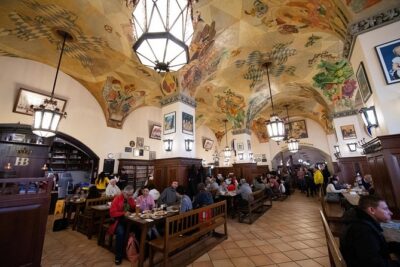
Third Reich Berlin: Hitler and WWII Walking Tour
Read our review →
Walking Tour of Former Nazi Party Rally Grounds
Read our review →
Browse the lists this tour appears in