
Reviewed · GUIDED WALKS IN MUNICH
Munich: Resistance against Hitler – Historical Walking Tour
Munich turns heavy fast once you start walking. This 2-hour resistance tour uses real locations to explain how people in Hitler’s home city fought back. Led by Alex, a Munich local with a passion for history, it goes beyond the famous names and connects the stories to what you can still see in the streets today.
I love that the focus stays on action and risk, not just ideas. You also get standout attention to the White Rose and the lesser known threads of resistance that make Munich feel different after the tour.
The main drawback to consider is the language: the live guide is German, so if you need English, this may be frustrating.
In This Review
- Key highlights that make this tour worth your time
- Munich, Where Nazi Power Started, and Resistance Began
- Meeting at LMU: Fast start, clear route, practical pace
- From LMU into the power map: why the first streets matter
- The former Central Ministry and the secret-plot thread
- White Rose: more than a name on a plaque
- Youth preparing to resist, while others looked away
- A lone man’s bomb plan and the sites tied to assassination
- Odeonsplatz finale: the last stop lands with meaning
- Alex’s style: serious content, human delivery, and room for questions
- Price and value: what $28 buys you in real time
- Who should book this tour, and who might skip it
- Should you book the Munich Resistance Against Hitler walking tour?
- FAQ
- Where is the tour meeting point?
- How long is the tour?
- What language is the live guide?
- Does the tour run in bad weather?
- What should I bring?
- Is hotel pickup included?
Key highlights that make this tour worth your time
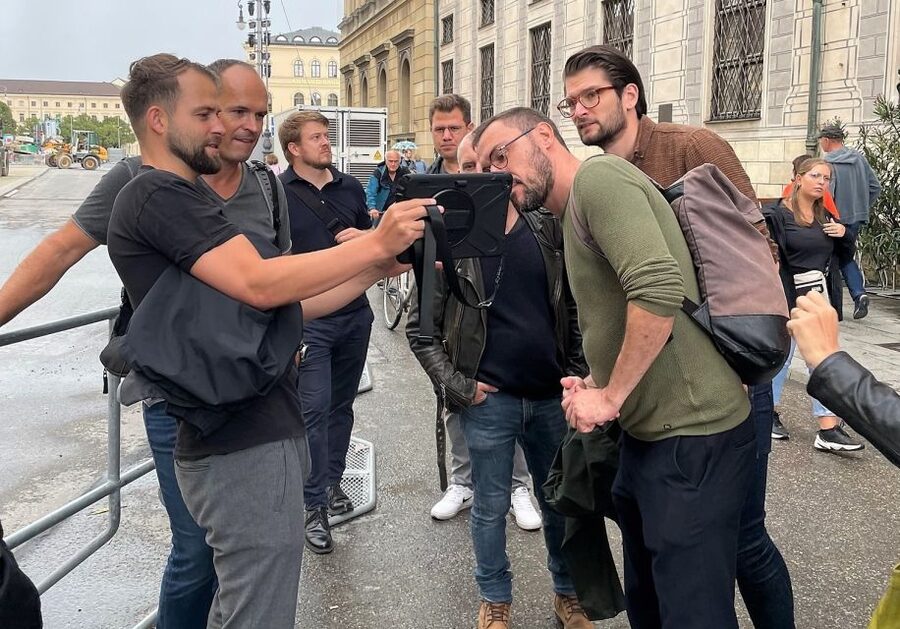
- Alex (Munich local guide): lively, serious storytelling that still feels human.
- White Rose focus: one of Germany’s best known resistance groups, explained with context.
- Assassination plot locations: you see the places tied to plans to kill Hitler.
- Military coup connection: you get the drama of organized resistance, not only pamphlets and speeches.
- Youth resistance in Munich: a reminder that younger people also chose to resist.
Munich, Where Nazi Power Started, and Resistance Began
Munich is where National Socialism took its first breath in public. Nazi Party speeches and propaganda took root here, and even though many people tried to stay quiet, some chose something harder: active resistance against Hitler.
What makes this tour click is that it treats resistance as real human behavior. You are not just learning dates. You are walking between sites tied to intimidation, decision-making, and courage, then hearing how people ended up risking their lives anyway. That contrast, Munich the birthplace of the movement versus Munich as a stage for opposition, is the core of the experience.
And yes, the stories are tragic. But they are also hopeful because you see patterns of conscience. People did not always win, but they still chose right over safety.
More Guided Walks in Munich
- Munich: Third Reich & WWII Walking Tour
★ 4.6 · 6,181 reviews - Third Reich Walking Tour Munich
★ 4.5 · 4,291 reviews - Munich: Old Town & Viktualienmarkt City Walk in German
★ 4.7 · 2,304 reviews
Meeting at LMU: Fast start, clear route, practical pace
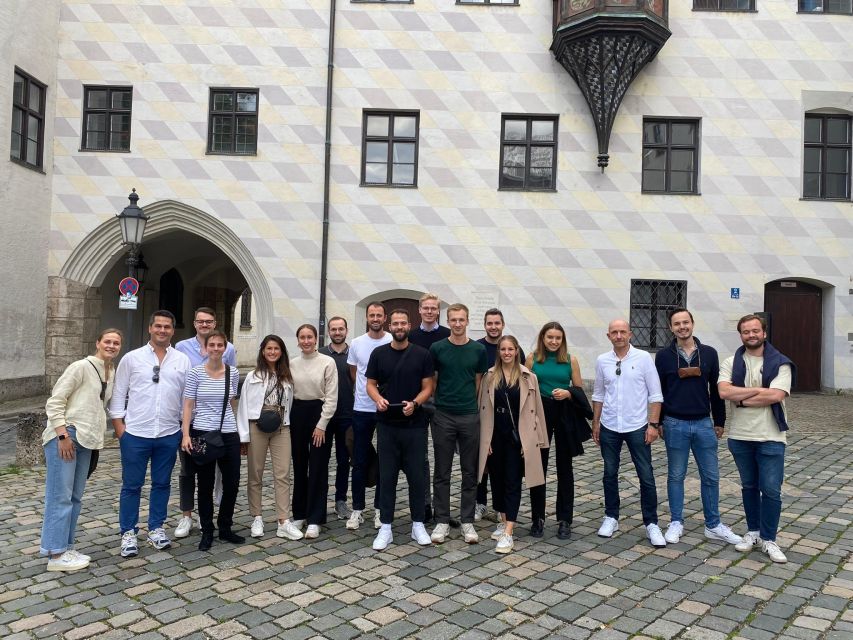
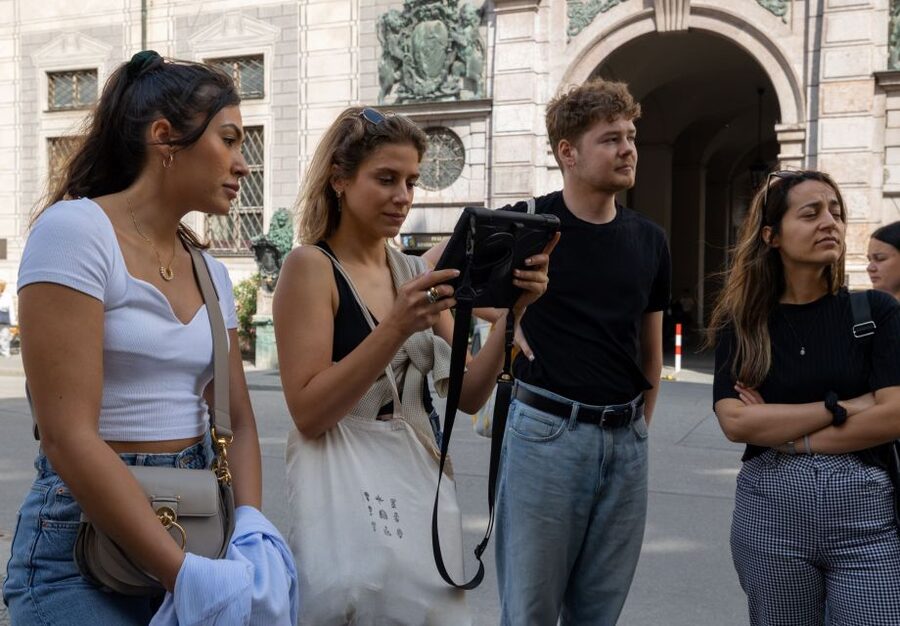
You meet at the big fountain in front of the main entrance of the Munich University, LMU, at Geschwister-Scholl-Platz 1. It is a smart starting point because it puts you in the middle of a recognizable Munich landmark right away, then the tour moves through nearby sites tied to the resistance networks.
The tour runs about 2 hours, so it is not one of those slow, all-day history marathons. The pace works well if you want meaning without losing the rest of your day. The tour also goes rain or shine, so plan for weather and bring comfortable shoes. This is very much a walking tour, so your legs will do most of the remembering.
From LMU into the power map: why the first streets matter
Once you start, you are basically learning how Munich was laid out for influence. The early part of the route takes you to the university’s main building and then onward toward important historical sites, including the former Central Ministry.
Why this matters for you: these sites are not random backdrops. They show where decisions were coordinated, where influence was built, and where the machinery of the Nazi system sat. When you understand that physical layout, the resistance stories hit differently. It becomes clear why pamphlets, meetings, and plots had to work around surveillance and fear.
This is also where you begin to notice how Alex tells the story. The tone stays serious, but he does not bury you in academic language. You can ask questions, and he answers them in a way that makes the bigger picture clearer without turning the whole thing into a lecture.
The former Central Ministry and the secret-plot thread
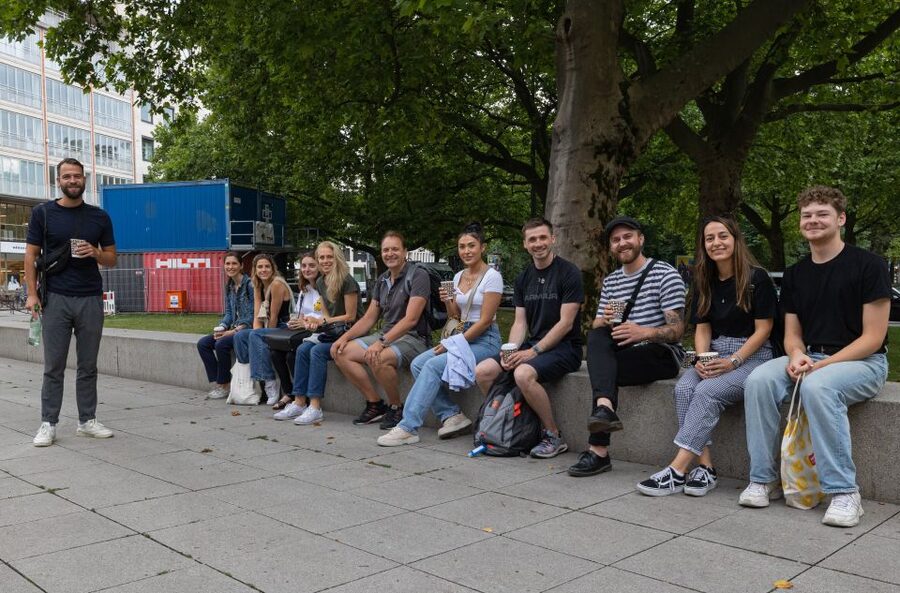
One of the more intense parts of the walk connects to the former Central Ministry. This is where the tour shifts from broad context into more specific resistance action.
You will hear about a secret military plot tied to opposition within the system, not just outside it. That distinction is important. When resistance comes only from the margins, it can feel like wishful thinking. But when people inside the power structure tried to stop Hitler, it shows the regime was not universally total. There were fault lines, even among those close to the machinery.
A practical note for you as you listen: keep your eyes up. In places like these, the conversation moves faster than the surroundings. If you glance around at the architecture and street layout, it helps your brain connect the story to something you can later picture on your own walk.
White Rose: more than a name on a plaque
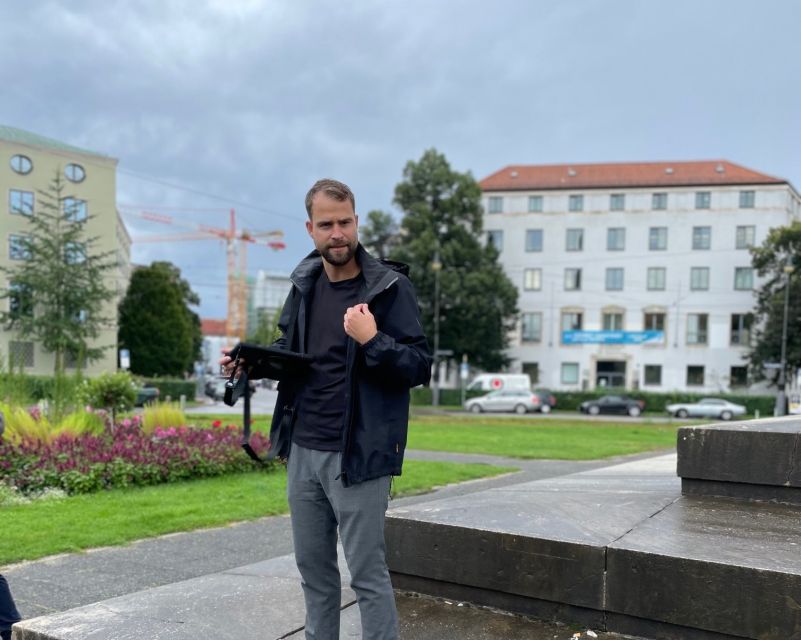
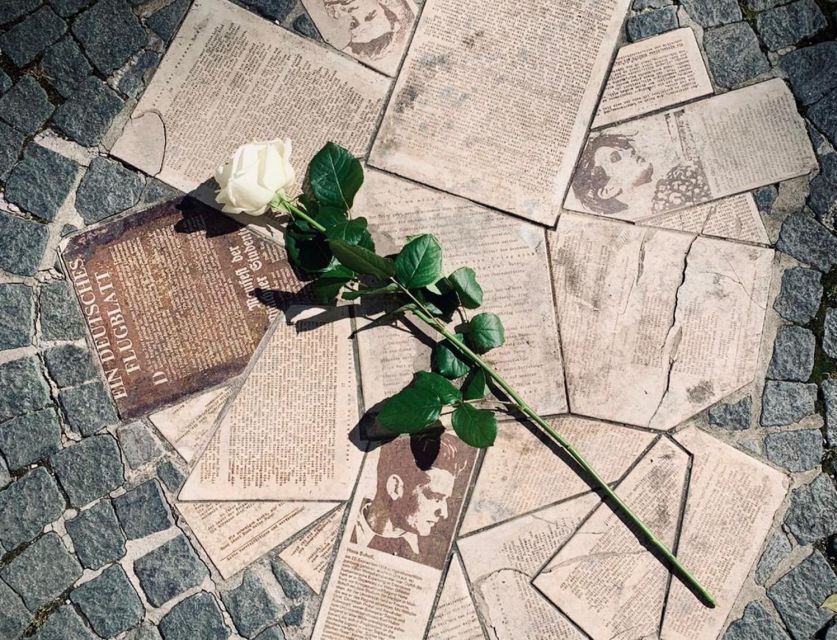
Of course, the White Rose gets serious attention, and it is a highlight for a reason. They are Germany’s most famous resistance group, but it is easy to know the name and miss what made their resistance so dangerous and so specific.
On this tour, the White Rose comes with context that changes how you interpret it. You learn the wider resistance landscape, so the White Rose is not isolated as a neat textbook chapter. You also see how their message fits into Munich’s role as a propaganda center up to the very end.
What I like is that this tour does not treat the White Rose as the only story worth telling. Alex keeps bringing the discussion back to what resistance looked like on the ground: networks, risks, and the courage required to stand against a regime that punished even small acts.
Further Third Reich and wartime history tours:



Youth preparing to resist, while others looked away
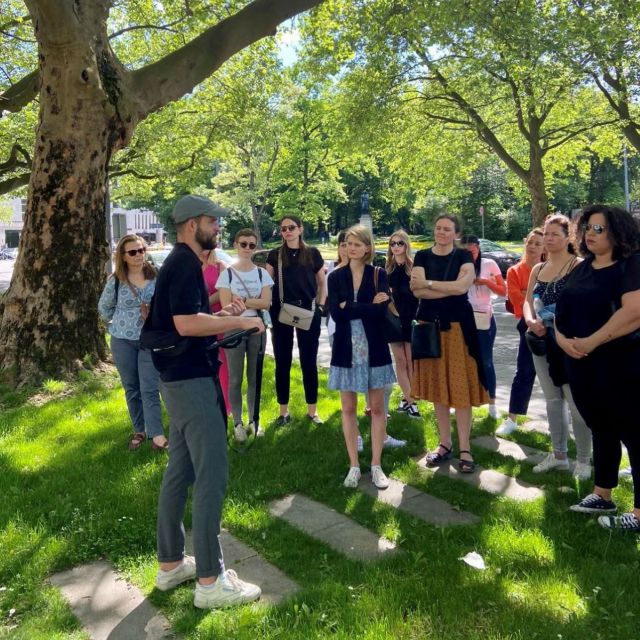
One of the most sobering parts is the section about Munich’s youth and how young people were prepared to resist. You hear how younger resistance took shape in a time when many older people deliberately looked the other way.
For you, this is where the tour stops feeling like distant history. It becomes a question you can carry with you: how do societies normalize fear, silence, and delay. And what happens when the people who should be protecting you decide they will not.
Alex’s storytelling helps here because he uses the sites and the surrounding setting to keep the topic grounded. It is not abstract moralizing. It is tied to decisions made by real people under real pressure.
A lone man’s bomb plan and the sites tied to assassination
The tour also leads you to a dramatic thread about a lone man and the place where he built a bomb with the goal of killing Hitler. That section is intense by design, and you can feel the weight of it while you walk.
Why this belongs on a resistance tour: it shows the desperation and the determination inside opposition efforts. The attempt to remove Hitler was not simply a political opinion. It was a high-risk move in a city where the Nazi system could respond brutally and fast.
Now, a consideration: because this topic is so heavy, it helps to pace yourself mentally. You do not have to force emotion. Just listen closely and take short breaks when you need to. The walking parts give you a bit of space to reset without missing the story.
Odeonsplatz finale: the last stop lands with meaning
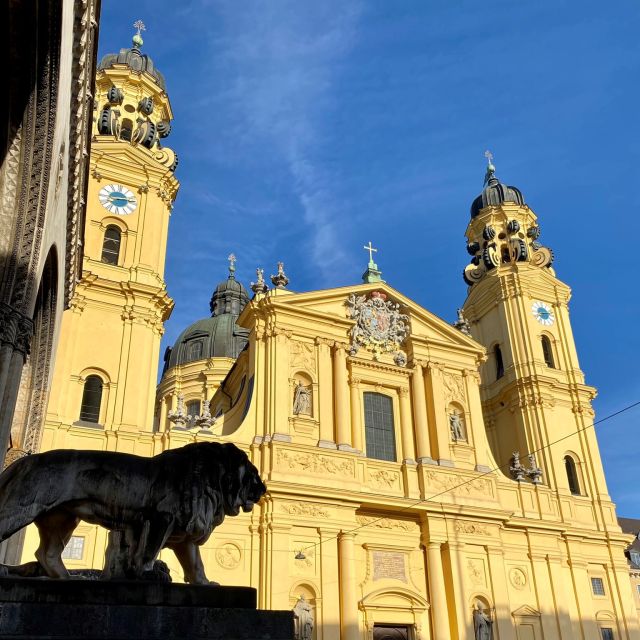
The tour ends at Odeonsplatz, a beautiful Munich square that creates an interesting contrast for the finale. You finish with the last story of the route, tied to the dramatic sense of resistance and the final chapter of this journey through Munich’s darker years.
This is a good finish point for a practical reason too. Odeonsplatz is central, easy to orient from, and it gives you options right after the tour. You can immediately continue exploring, or you can just step back and let the information settle while you enjoy the square’s open air.
Alex’s style: serious content, human delivery, and room for questions
If you care about hearing the story in a way that sticks, Alex’s approach is a big part of the value. From what you will experience on the walk, he clearly knows the material, and he is also good at keeping the group engaged.
A couple of specifics you can expect:
- You will get personal explanations that connect different resistance threads rather than treating them as isolated facts.
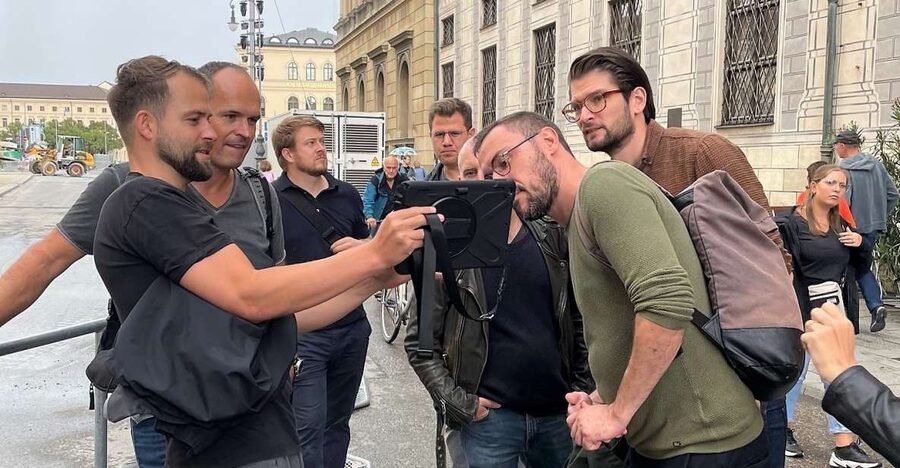
- You will see historical image material that supports the locations you are standing near, which makes the stories easier to picture.
- You will have time to ask questions and get direct answers, which helps you clear up confusion quickly.
That matters because Munich can be visually confusing if you are relying on monuments alone. The tour gives you a mental map, and then your own sightseeing gets smarter afterward.
Price and value: what $28 buys you in real time
The tour costs $28 per person for about 2 hours with a live local guide. That is not only a low price, it also reflects a big advantage: you are paying for targeted storytelling in the exact places involved.
Here is the value logic in plain terms:
- A history lesson from a book is static.
- A walk through Munich gives you context you cannot download.
- You also get personal recommendations to explore Munich like a local, which extends the value beyond the tour itself.
If you are budgeting, this is one of those rare experiences where the cost feels aligned with what you actually receive: focused time, real sites, and an engaging guide rather than a generic overview.
Who should book this tour, and who might skip it
This tour is a great fit if you want:
- A walking tour that connects resistance history to places you can still see.
- The White Rose story with additional context, not just a single-group overview.
- A guide who can answer questions and explain the links between movements.
It might be less ideal if:
- You need the tour in English. The live guide language is German, and the information is delivered live, so comprehension will depend on your German level.
- You are looking for a purely light sightseeing day. This is serious subject matter, so be ready for emotional weight.
Should you book the Munich Resistance Against Hitler walking tour?
Yes, if you want a meaningful, place-based history experience in Munich. The combination of Alex’s delivery, the focus on resistance beyond the most famous names, and the way the route moves from LMU to key sites like Odeonsplatz makes this more than a standard “dark history” walk.
Book it especially if you like to understand the city’s layers, not just collect landmarks. You will walk away with a clearer sense of how Munich’s public face and its resistance reality can both exist in the same streets.
If you do not speak German well, consider your options carefully. With limited language support data, this is the one factor that can change the experience fast.
FAQ
Where is the tour meeting point?
You meet at the big fountain in front of the main entrance of the Munich University (LMU), Geschwister-Scholl-Platz 1.
How long is the tour?
The tour lasts about 2 hours.
What language is the live guide?
The live tour guide speaks German.
Does the tour run in bad weather?
The tour takes place rain or shine.
What should I bring?
Wear comfortable shoes for walking.
Is hotel pickup included?
No, hotel pickup is not included.
Centuries Per Block
- Munich: Guided Tour of the historic Town Hall on Marienplatz
★ 4.8 · 63 reviews - Munich Craft Beer & Cultural Tour With Snack
★ 5.0 · 46 reviews - Munich History Tour: Private & Personalized with a Local Guide
★ 4.5 · 33 reviews - Munich and Nazi History Combination Day Tour Small Group
★ 5.0 · 32 reviews
Cities at Walking Speed
- Munich: Night Watchman Walking Tour
★ 4.7 · 2,092 reviews - Munich Ghosts and Spirits Evening Walking Tour
★ 5.0 · 1,900 reviews - Munich Old Town Walking Tour
★ 4.5 · 1,287 reviews - Munich: Walking Tour Old Town and Viktualienmarkt
★ 4.7 · 839 reviews
Fresh on the arrivals board for Munich




Guided Walks in Munich, compared.
Old Town & Viktualienmarkt City Walk in German
Read our review →
Munich Ghosts and Spirits Evening Walking Tour
Read our review →

Birthplace of the Third Reich Guided Walking Tour
Read our review →Browse the lists this tour appears in