
Reviewed · GUIDED WALKS IN MUNICH
Munich: Nazi History 2-Hour Small Group Walking Tour
Munich has a dark layer. This 2-hour small-group walking tour follows the trail of the Nazi movement through street corners and landmark buildings, with Alun Evans guiding you in clear English. I like that it connects big events to specific places, and I also like the small size, which makes it easier to ask questions without yelling across a crowd.
The tradeoff is that it is short. You’ll see the major stops, but if you want to sit with every detail for longer, you may feel a bit rushed, especially when the weather is cold and you are standing and walking outdoors.
In This Review
- Key things to know before you go
- Munich’s Nazi history, mapped to actual streets
- Meeting at Marienplatz, then learning to read the city
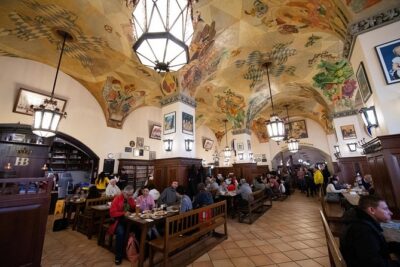
- Hofbräuhaus München: where speeches and meetings turned into momentum
- Odeonsplatz and the march of symbolism in architecture
- The 1923 Beer Hall Putsch stop: how failure still shaped the story
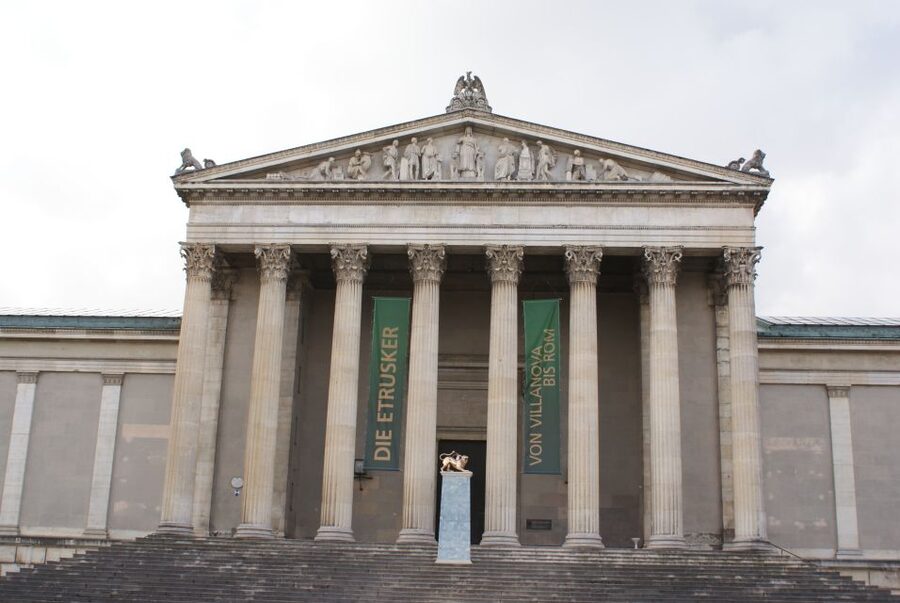
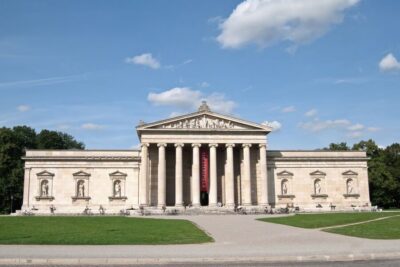
- Königsplatz: the end point that explains Nazi rally culture
- Why the guide makes the difference for such a hard topic
- Price and value: is $58 for 2 hours worth it?
- Who this tour suits, and who might want something else
- Practical tips so you enjoy the experience more
- Should you book this Munich Nazi History walking tour?
Key things to know before you go
- Small-group feel: capped at a small number, so you get more back-and-forth.
- Alun Evans style: respectful, engaging, and patient, with the right level of detail.
- Real street-level locations: rally and meeting sites tied to the Nazi party and SS.
- Beer Hall Putsch landmark: you visit the spot connected to the 1923 failed uprising.
- Königsplatz rally grounds: the tour ends in an area known for Nazi gatherings.
- All-weather walking: it runs in all conditions, so you will want layers and good shoes.
Munich’s Nazi history, mapped to actual streets
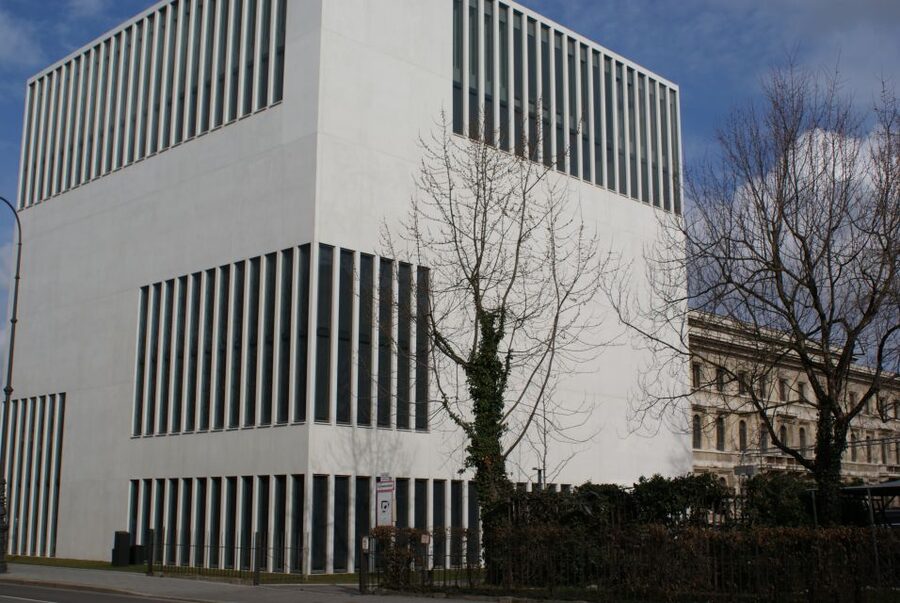
If your Munich plans are mostly beer, art, and pale stone facades, this tour gives you a sharp reality check. You are not just learning names and dates. You are looking at the same kind of urban stage where political theater happened, where speeches were delivered, and where crowds were mobilized.
What makes this experience work is the pacing. In two hours, you cover a tight chain of locations in central Munich, moving from one site tied to the rise of the Nazi party to another tied to its rallying and organizing. You start at Marienplatz, then work your way through key squares and landmark areas, ending at Königsplatz.
And yes, it is heavy subject matter. The guide’s approach matters here. Reviews highlight that Alun Evans treats people with respect, presents the story thoughtfully, and keeps explanations clear even when the topic is painful.
More Guided Walks in Munich
- Munich: Third Reich & WWII Walking Tour
★ 4.6 · 6,181 reviews - Third Reich Walking Tour Munich
★ 4.5 · 4,291 reviews - Munich: Old Town & Viktualienmarkt City Walk in German
★ 4.7 · 2,304 reviews
Meeting at Marienplatz, then learning to read the city
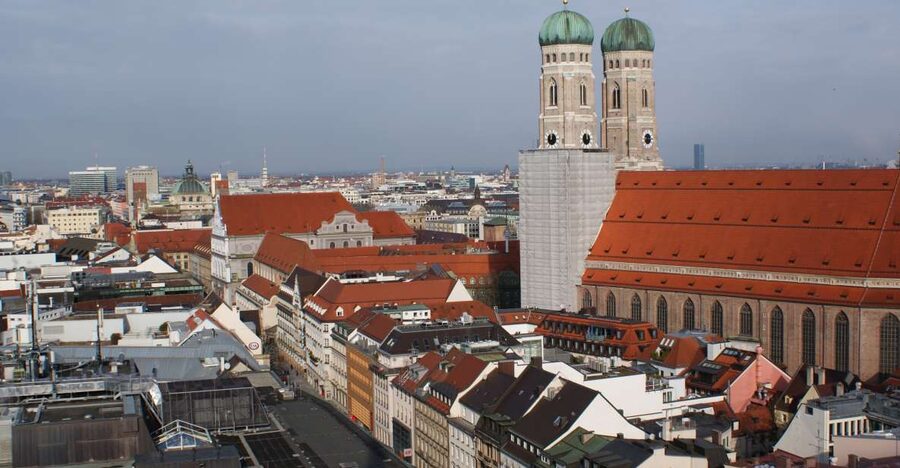
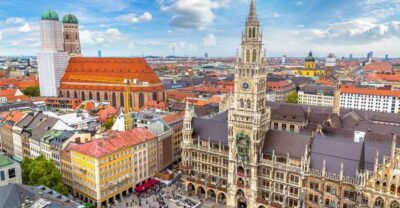
You begin at Marienplatz, in front of the Tourist information Center. The guide holds a sign for easy recognition, and from there you get moving right away.
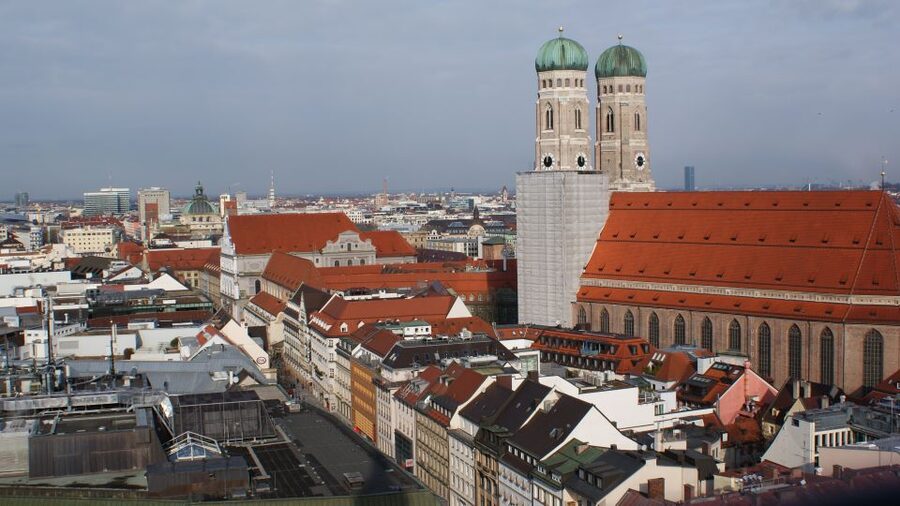
Marienplatz is one of those places where Munich looks postcard-perfect. That is exactly why starting here is effective. As you walk, you start noticing how history can sit under everyday routines, with major political shifts shaped by the same streets locals use every day.
The tour includes walking time from the center of the city, and that matters because it helps the story feel physical. You are not staring at a single plaque and calling it a day. You are traveling between locations that were connected by people, ideas, and momentum.
Hofbräuhaus München: where speeches and meetings turned into momentum
One of the first major stops is Hofbräuhaus München, the famous beer hall. This is not just a “see it because it’s famous” moment. The guide ties it to the Nazi party’s public gathering culture, including the time when the party would meet there and when Hitler gave speeches.
This stop is powerful because it shows how everyday spaces can become stages for mass persuasion. Even if you already know the outline of events, hearing how the Nazi movement used a well-known public venue can change the way you picture the era.
It is also a quick visit, so don’t expect lots of time inside. The value is the explanation around the building and the context you carry with you as you keep walking.
Practical tip: since refreshments are not included, plan for a break elsewhere if you need one. A short beer hall stop can work even if you are not in the mood for a drink, but you’ll still feel the outdoor walking after.
Odeonsplatz and the march of symbolism in architecture
Next comes Odeonsplatz, a square where architecture and power symbolism overlap in a way that is hard to ignore once you know what to look for. You spend a short stretch here, and the tour connects what you see to the era of Nazi rise and staging.
This stop also includes references to the Bavarian State Opera and the Residenz area, so you get a sense of how central and formal the surroundings are. That is useful. When political movements seek legitimacy, they often borrow the language of prestige and permanence. The setting makes that dynamic feel closer.
If you’re the type who likes understanding the “why” behind where events happened, Odeonsplatz is a key learning point. It helps you connect the Nazi movement’s desire for authority to the physical city they were moving through.
The 1923 Beer Hall Putsch stop: how failure still shaped the story
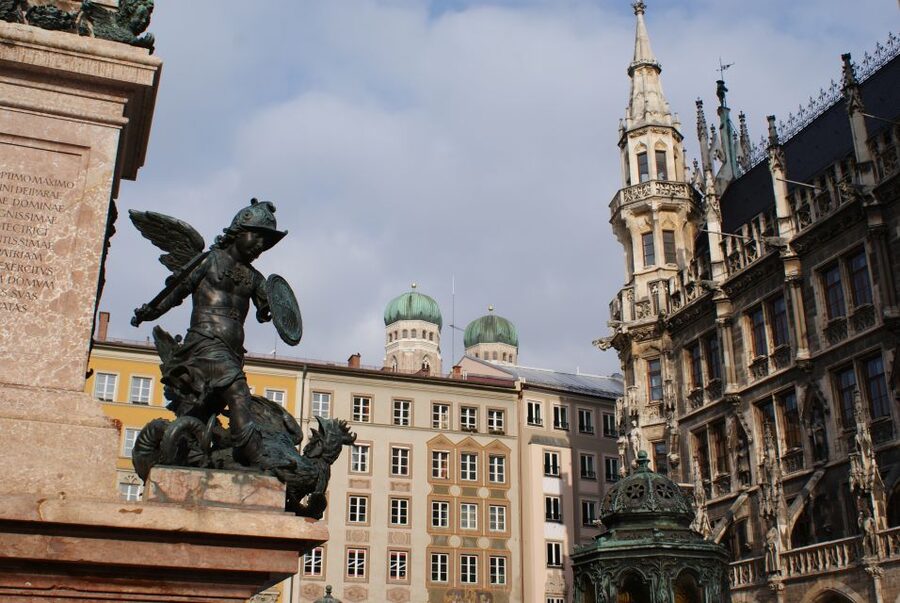
The tour also includes the site connected to the failed Beer Hall Putsch of 1923. This is a moment that can feel like a dead end in a textbook, but the guide frames it as something else: a failed attempt that still fed the movement’s myth, networks, and momentum.
Standing near the real-world location makes the event feel less abstract. You can start to understand why it mattered, not because it succeeded militarily, but because it shaped how the Nazis told their own story afterward.
A helpful detail in the guide’s delivery, based on how Alun Evans is described, is that he doesn’t treat the topic like trivia. He presents it in a candid, careful way, with enough context to keep the history accurate while still acknowledging how awful it was.
Further Third Reich and wartime history tours:



Königsplatz: the end point that explains Nazi rally culture
The tour finishes at Königsplatz, an area strongly tied to Nazi rallies. This is a smart ending. By the time you reach the final stop, you’ve already seen the narrative arc: early conditions around Hitler’s arrival, the Nazi party’s organizing, and the way public venues and prominent squares supported their presence.
Königsplatz is where the “rally” side of the story clicks. You get the sense of how a regime built spectacle, repetition, and crowd psychology into its strategy. Even if you do not know the architectural details, your brain starts to connect what you learned earlier with why the Nazis wanted spaces that look dramatic and official.
This ending also gives you a practical advantage. Since the tour returns to central meeting area on request, you can keep your evening flexible. You can head back to Marienplatz, grab dinner, and still feel like you understood something real about the city you are visiting.
Why the guide makes the difference for such a hard topic
A major strength here is Alun Evans’ tour style. Reviews describe him as caring, humble, and welcoming, with an approach that respects the audience while still being direct about history.
That matters for this specific subject. You want someone who can explain the context without sensationalizing it, and someone who can guide a group through painful content with care. The reviews also emphasize patience and engagement, including times when groups were small and the weather was brutal.
One of the clearest takeaways from those comments is how he adjusts in the moment. When a group is tiny, a walking tour can drift into awkward silence. Here, it doesn’t. He stays responsive and keeps the narrative moving, which helps you stay focused even when you are cold.
Price and value: is $58 for 2 hours worth it?
At $58 per person for a 2-hour tour, this is not the cheapest thing you can do in Munich. But it is also not trying to be a cheap “hit the highlights” experience.
You are paying for three things that are hard to replicate on your own:
- A focused route through multiple key Nazi-era locations in central Munich
- An English-speaking guide who can connect events to place and explain why the story unfolded that way
- A small-group dynamic that makes it easier to ask questions during a tight schedule
If you compare this to a self-guided walk, the difference is interpretation. Munich has a lot of history, and without guidance you might read plaques but miss the logic that connects them.
Where the value may be less satisfying is if you are looking for lots of time at each stop, or if you want an in-depth chronological lecture for longer than two hours. This tour is designed to be sharp and efficient, and that is exactly why it works for many visitors.
Who this tour suits, and who might want something else
This tour is a great fit if you:
- Want Nazi-era history grounded in real locations in central Munich
- Prefer a guided story over solo reading
- Appreciate a careful, respectful approach to difficult topics
- Like small groups, where you can actually interact
It might not be the best fit if you:
- Want a long, museum-style experience with extended time at each site
- Get uncomfortable standing outdoors for a couple hours, especially in cold weather
- Prefer strictly neutral tours that avoid interpretation, because this tour is built around context and meaning
Practical tips so you enjoy the experience more
This one is simple, but it’s worth saying. The tour runs in all weather. Dress for the outside conditions you expect, not the weather you hope for. If refreshments are not included for you, plan a snack and water option before or after.
Comfort matters too. You are walking through central Munich squares and between stops. Good shoes help you focus on the story instead of your feet.
Also, consider what you want from the time. You will get a clear set of major stops, so it helps to arrive mentally ready to listen. If you treat it like a quick checklist, you might miss the emotional weight of what the guide is explaining.
Should you book this Munich Nazi History walking tour?
I think you should book it if you want a short, guided way to understand how the Nazi movement took shape in Munich through specific rally and meeting locations, and you want that context delivered with care.
If you are the type who likes asking questions and you prefer small-group tours, this format is especially appealing. And if you worry about doing this kind of history in a way that feels respectful and not performative, the guide style described for Alun Evans is a strong sign you’ll be in good hands.
On the other hand, if you want deep immersion at one location for a long time, you may find the 2-hour length limiting. In that case, you might pair this tour with other reading or a museum visit so the story has room to breathe.
If you want a focused, street-level route through Munich’s darkest chapter, this tour is a solid choice.
Centuries Per Block
- Munich: Guided Tour of the historic Town Hall on Marienplatz
★ 4.8 · 63 reviews - Munich Craft Beer & Cultural Tour With Snack
★ 5.0 · 46 reviews - Munich History Tour: Private & Personalized with a Local Guide
★ 4.5 · 33 reviews - Munich and Nazi History Combination Day Tour Small Group
★ 5.0 · 32 reviews
Cities at Walking Speed
- Munich: Night Watchman Walking Tour
★ 4.7 · 2,092 reviews - Munich Ghosts and Spirits Evening Walking Tour
★ 5.0 · 1,900 reviews - Munich Old Town Walking Tour
★ 4.5 · 1,287 reviews - Munich: Walking Tour Old Town and Viktualienmarkt
★ 4.7 · 839 reviews
Fresh on the arrivals board for Munich

Guided Walks in Munich, compared.
Old Town & Viktualienmarkt City Walk in German
Read our review →
Munich Ghosts and Spirits Evening Walking Tour
Read our review →

Birthplace of the Third Reich Guided Walking Tour
Read our review →Browse the lists this tour appears in