
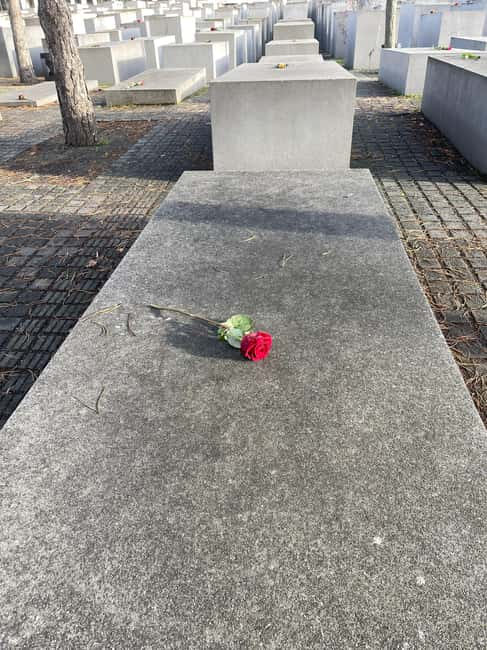
Reviewed · SACHSENHAUSEN MEMORIAL VISITS FROM BERLIN
Intense visit – Sachsenhausen concentration camp
History hits hard at Sachsenhausen. This 6-hour visit, guided by Jörg Rupert Schöpfel, takes you from Berlin’s Old Synagogue area to Oranienburg and then through the camp using the route prisoners were forced to take. I especially like how the tour connects specific original sites to the bigger story, including the November pogroms that helped set the stage for mass murder, and it doesn’t stop at dates.
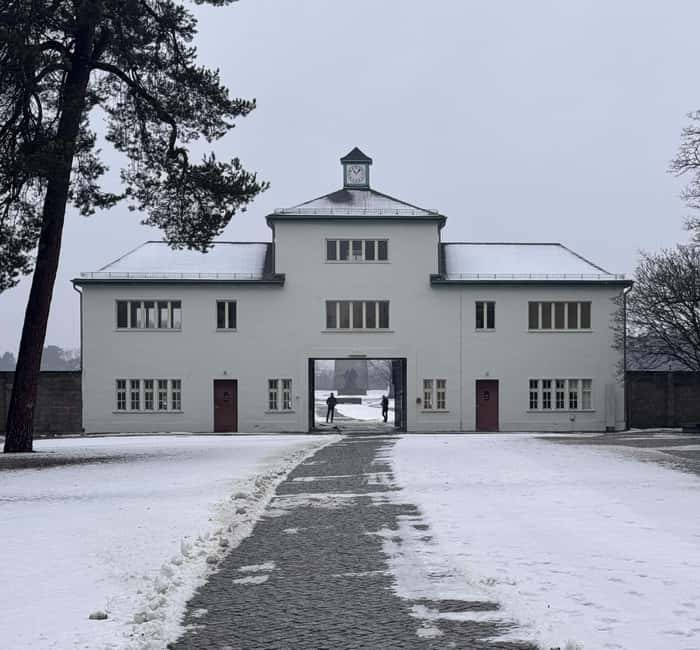
I also like the way the guide builds understanding around people, not just buildings. You’ll see the roll-call square and the camp’s key locations, from the cynically displayed Arbeit macht frei gate to the prison that held Hitler’s personal detainees, and you’ll hear the kind of details that make the scale feel real. Best of all, Jörg is described as friendly and very open to questions, which matters on a subject this heavy.
One drawback to plan for: this is emotionally challenging and mostly outdoors. In winter, rain and cold can make the walking tougher, and for younger children the material can be difficult to absorb and tiring.
In This Review
- Key highlights you should care about
- Berlin start, history in 15 minutes, and why the trip matters
- Oranienburg walk: following forced routes and seeing how the system scaled
- Entering Sachsenhausen through the gate: scale, ritual, and control
- Barracks, a “prison within the prison,” and the machinery of cruelty
- Hitler’s detainees, the crematorium route, and the story of mass murder
- Perpetrators, psychology, and the long shadow of justice
- Memory culture after the camp: how explanations changed over three generations
- What you actually get in 6 hours, and how to pace yourself
- Price and value: $17 plus the real costs you should plan for
- Practical prep: what to bring for an outdoors, heavy, walking day
- Who this Sachsenhausen tour fits best
- Should you book this Sachsenhausen tour with Jörg Rupert Schöpfel?
- FAQ
- Where is the meeting point?
- What is included in the price?
- Do I need a public transport ticket?
- How long is the tour?
- What languages does the guide speak?
- How much of the tour is outdoors?
- What should I bring for the visit?
- Is the tour wheelchair accessible?
- Is this tour suitable for younger children?
- Can I cancel and get a full refund?
Key highlights you should care about
- Berlin’s Old Synagogue meeting point, with historical setup tied to the 1938 November pogroms
- Oranienburg walk on the prisoner route, plus stops like the remaining Inspectorate of Concentration Camps building
- The “work makes you free” gate and roll-call square, to grasp camp scale fast
- Station Z, the site of mass murder, followed by the crematorium where more than 50,000 bodies were burned
- Everyday terror sites, including the shoe-testing track, barracks, infirmary, and the prison within the prison
- After the camp, a focus on how public memory and explanations have changed over generations, plus the psychology of perpetrators and participation
Berlin start, history in 15 minutes, and why the trip matters
The tour begins near the Old Synagogue, a place that once anchored Jewish life in Berlin in the 19th and early 20th centuries. Starting there sets the tone in a grounded way. You’re not just traveling to a memorial, you’re being oriented to how the tragedy unfolded.
Then you head out by public transport toward Oranienburg. During the ride, you get a focused overview of how Hitler rose to power, with enough background to make the camp visit understandable rather than confusing. There’s also an intense 15-minute introduction to German history, from the end of World War I through Germany’s division during the Cold War.
This matters because Sachsenhausen was not an isolated horror. You get the political and social context you need to see the camp as part of a larger system. If you’ve ever felt overwhelmed by concentration-camp history, this structure is a practical fix.
Other visits to the Sachsenhausen memorial:
- Berlin: Sachsenhausen Concentration Camp Tour in English
★ 5.0 · 5,711 reviews - Berlin: Sachsenhausen Concentration Camp Memorial Tour
★ 4.7 · 3,716 reviews - Sachsenhausen Concentration Camp Bus Tour in English from Berlin
★ 5.0 · 1,962 reviews
Oranienburg walk: following forced routes and seeing how the system scaled
Once you arrive in Oranienburg, you walk toward the camp. The key detail here is that you follow the same route prisoners were once forced to take. That one choice by the tour design changes your body’s sense of time and distance. You can’t separate the scenery from what happened.
Along the way, you’ll see the remaining building of the Inspectorate of Concentration Camps. That stop helps you understand Sachsenhausen’s special role inside a network of more than 1,000 camps. The tour doesn’t treat the memorial as a stand-alone site. It frames it as an administrative and operational hub.
There’s also an overview map that helps you picture how the camp “business model” expanded in just nine years. That word choice might sound cold, but it’s exactly the point. The system grew with planning, paperwork, and administration, not random violence.
A possible limitation: this is not a slow, read-every-sign kind of visit. You’re moving, listening, and absorbing a curated set of stops. If you want to linger for every exhibit label on your own, plan to arrive with time afterward for independent exploration.
Entering Sachsenhausen through the gate: scale, ritual, and control
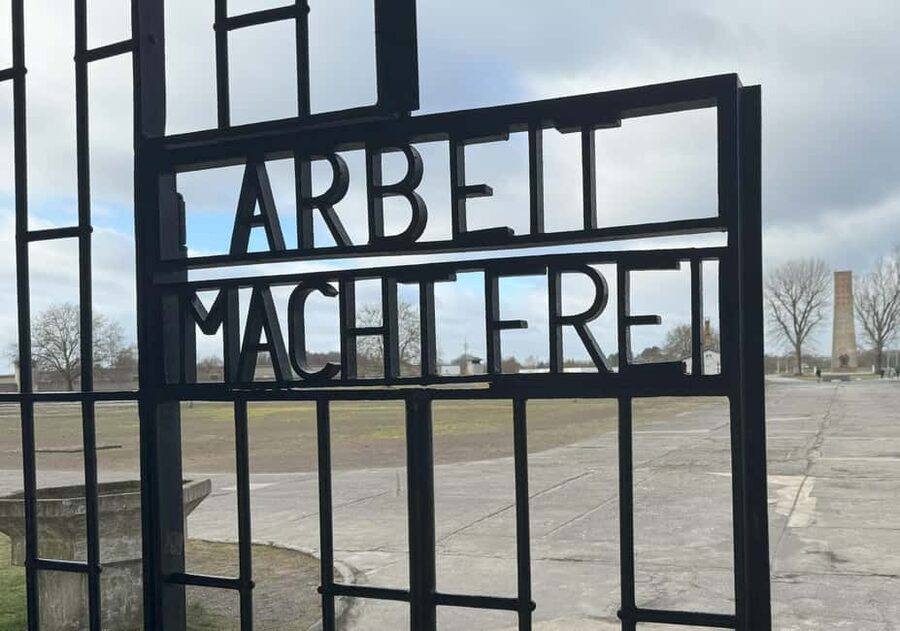
When you enter the camp, you pass under the cynical Arbeit macht frei gate. It’s easy to think you already know what it looks like from photos, but seeing it in place hits different. You’re standing in the exact setting where propaganda met routine cruelty.
From there, the roll-call square is your first big “sense of scale” moment. This is where the camp’s vastness starts to register. You’re also set up for how control worked day to day: the process mattered, the waiting mattered, and forced conformity mattered.
You’ll then move through key areas linked to prisoners’ daily life and terror. This includes barracks and places that show how the camp functioned beyond mass murder, including the sort of suffering that wore people down before they were ever killed.
One thing I appreciate is how the tour keeps returning to cause and effect. You’re not only told what existed, you’re shown what it enabled: isolation, punishment, exploitation, and the grinding mechanics of incarceration.
Barracks, a “prison within the prison,” and the machinery of cruelty
Inside Sachsenhausen, you’ll cover original barracks and multiple sites connected to everyday life under Nazi rule. These stops are crucial because they make the camp feel lived in, not just historical.
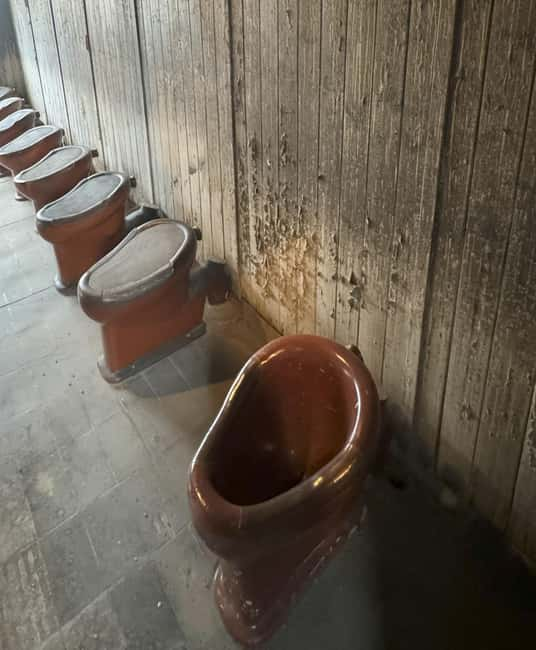
A highlight is the shoe-testing track. It’s uncomfortable to hear about, but that’s the point. It’s a concrete example of how cruelty could be systematized into routine. The tour also includes the infirmary, where cruel medical experiments took place. That stop is especially heavy, and the guide’s tone matters because you need facts handled with care.
You’ll also see the prison that held Hitler’s personal detainees. In one part of the route, you’ll hear about a prison within the prison, which helps explain how layered repression could be. It’s not one lock-up system. It’s a whole hierarchy.
If you’re the type who needs to make meaning from chaos, the structure helps. The sites are connected to themes you hear repeatedly: power, selection, exploitation, and a controlled environment where perpetrators could act without limits.
Hitler’s detainees, the crematorium route, and the story of mass murder
The tour reaches a turning point at Station Z. This is described as the site of unimaginable mass murder, and it’s one of the stops that most people associate with Sachsenhausen. It’s also one of the areas where you feel the tour shift from explaining the camp system to confronting the end point of that system.
From there, you visit the crematorium. The tour includes the fact that more than 50,000 bodies were burned there. That figure is hard to hold, and the guide’s pacing helps you absorb it without turning it into numb information.
You may also pass through or hear about additional execution-related areas such as the shooting trench. The tour also includes the inmates’ brothel, a location that forces you to face the grotesque logic of exploitation under Nazi rule. It’s not pleasant material, but it adds context for how prisoners were dehumanized in multiple ways.
A practical note: you don’t get to “tour” these sites in a casual way. You’re listening, and you’ll probably feel your focus sharpen and your emotions tighten. Take it seriously, but also remember you’re allowed to pause and breathe. The tour includes a reflective rhythm near the end of the on-site portion, and there can be quiet time for reflection in the cafeteria.
Also holding a platform in Berlin



Perpetrators, psychology, and the long shadow of justice
Sachsenhausen is not just about victims. This tour spends time on how perpetrators were recruited and trained by the SS. That theme matters because it answers the question that many people feel in their gut: how does ordinary life get twisted into obedience for mass crime.
The guide also addresses the psychology behind participation. There’s discussion of psychological research exploring how so many individuals came to take part willingly. This isn’t presented as a single answer. It’s framed as human behavior under propaganda, systems, incentives, and fear.
Then you also hear how hard it was to achieve justice after the crimes. That part is valuable because it prevents history from becoming neat. Justice did not arrive quickly or evenly, and memory did not automatically form. You get the sense that the aftermath, the trials, the decades of denial or incompleteness, and the struggle to understand all contributed to how people looked back.
I appreciate this balance. You’re not only told about atrocities. You’re shown how societies try to explain them afterward, and why those explanations can change over time.
Memory culture after the camp: how explanations changed over three generations
Toward the end, the tour shifts into how public awareness and remembrance evolved. You’ll look more closely at the development of memory culture across three generations, and the guide discusses why the search for answers to how could this happen became a global focus.
This section is surprisingly useful, even if you came for the physical sites. It helps you understand why memorials are not just places of mourning. They are also places where societies argue with the past, teach the past, and try to prevent repetition.
If you enjoy asking questions, this is a strong moment to do it. The tour becomes more meaningful when you press for details and clarification, and Jörg is described as open to that kind of dialogue. For many people, that turns the visit from a history lesson into something closer to understanding.
What you actually get in 6 hours, and how to pace yourself
The whole experience runs about 6 hours. You spend roughly two and a half hours on site, which is a focused amount of time for a memorial this large. That pacing is intentional: you get the key thematic stops without turning it into a “see everything” marathon.
You also get time to return. The guide accompanies you back to the Berlin meeting point by train again, and can help you find a good connection if you’re going elsewhere after the tour.
If you’re someone who likes to keep learning on your feet, this is a smart format. If you’re someone who gets overloaded by dense information, it can still work, as long as you plan for a slow decompression afterward. This is the kind of visit that follows you home.
Price and value: $17 plus the real costs you should plan for
The price is listed at $17 per person, and the entrance to the site is included. For a guided visit that focuses on major locations, includes interpretation on perpetrators and psychology, and covers a long route by public transport, that is strong value.
The main cost you need to factor in is the public transport ticket. You’ll need an ABC ticket from the local train company, and for most people a 24-hour ticket is a good option. The tour does not provide that ticket, and the written guidance also notes that water supply on site is poor. That means your real “all-in” cost includes small things like food and drinks.
Given the length and the intensity, I think it’s fair value, especially if you’re traveling on a budget. You’re paying for the guide’s ability to connect locations to meaning, and for that, language and clarity matter.
Practical prep: what to bring for an outdoors, heavy, walking day
Most of the tour is outdoors, so check the weather forecast and dress appropriately. Winter rain is mentioned as a real issue, and practical gear like a proper umbrella, warm clothes, and dense shoes can make the difference between coping and suffering.
Bring water. The guidance is clear that supply on the side is poor. Also bring a sandwich or other snack, because you shouldn’t count on reliable food availability at the memorial.
A few other rules are stated: pets are not allowed (assistance dogs are allowed), no alcohol or drugs, and no party groups. You should also avoid fireworks and alcoholic drinks in the vehicle.
If you use a wheelchair, the tour is described as wheelchair accessible, and you should let the organizers know if you need one on site. The site offers a vast amount of information and multiple exhibitions, but this tour focuses on a set of key stops rather than trying to cover everything.
Who this Sachsenhausen tour fits best
This is best for adults and older teens who want a serious guided visit with historical context and a focus on psychology of victims and perpetrators. The tour includes an intense intro to German history, so it helps if you can handle a structured timeline before you start walking.
It can be exhausting and difficult for younger children, so if you’re traveling with kids, think carefully about attention span and emotional load.
If you want a memorial visit that combines original sites with explanations about the system, this is a good match. And because Jörg is described as friendly and open to questions, it works well if you like to clarify details in real time.
Should you book this Sachsenhausen tour with Jörg Rupert Schöpfel?
I’d book it if your priority is understanding the machinery of the camp, not just taking photos or skimming plaques. The blend of major locations, strong context about the SS system, and the discussion of psychology and memory makes the visit more than a list of sites.
I’d hesitate only if you know you’re sensitive to heavy material, or you’re traveling with younger children who may find the subject hard to process. Also, if you hate walking or you show up without weather gear and water, you’ll likely struggle.
If you can prepare, come with curiosity, and plan a quiet decompression afterward, this tour offers real value for learning, reflection, and context.
FAQ
Where is the meeting point?
The meeting point may vary by option. One option is Oranienburger Straße, and the tour starts near the New Synagogue area in Berlin.
What is included in the price?
The entrance to the Sachsenhausen memorial site is included.
Do I need a public transport ticket?
Yes. You need an ABC ticket by the local train company. For most people, a 24-hour ticket is a good option.
How long is the tour?
The tour duration is 6 hours, with about two and a half hours on site.
What languages does the guide speak?
The live tour guide is available in English and German.
How much of the tour is outdoors?
Most of the tour is outdoors, so you should dress for the weather and bring appropriate clothing.
What should I bring for the visit?
Bring food and drinks. The guidance specifically recommends bringing water and a sandwich because supply on the side is poor.
Is the tour wheelchair accessible?
Yes, the tour is wheelchair accessible. You should let the organizers know if you need a wheelchair on site.
Is this tour suitable for younger children?
For younger children, the tour can be exhausting and difficult to understand.
Can I cancel and get a full refund?
Free cancellation is available up to 24 hours in advance for a full refund.
Fresh on the arrivals board for Berlin
Sachsenhausen Memorial Visits from Berlin, compared.
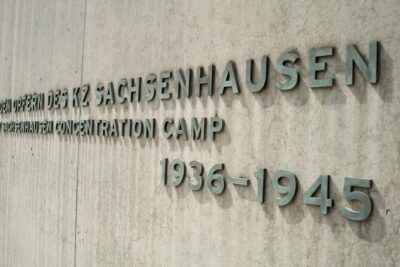
Sachsenhausen Concentration Camp Tour in English
Read our review →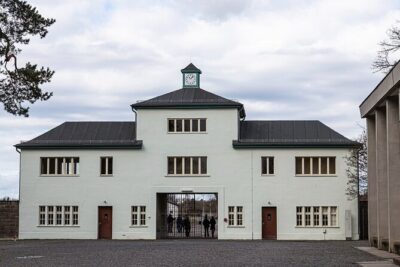
Sachsenhausen Concentration Camp Memorial Tour
Read our review →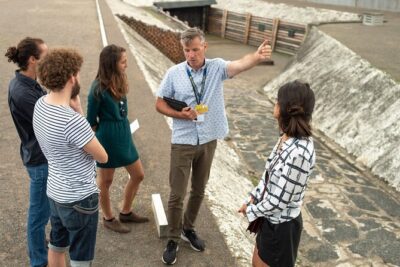
Sachsenhausen Concentration Camp Bus Tour in English from Berlin
Read our review →Sachsenhausen Concentration Camp Tour in English
Read our review →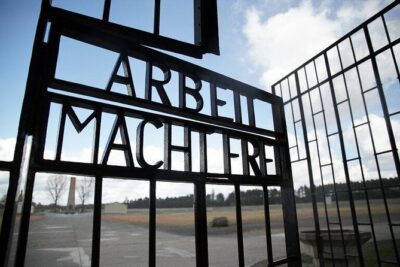
Sachsenhausen Concentration Camp Memorial Tour (Max. 15 Guests)
Read our review →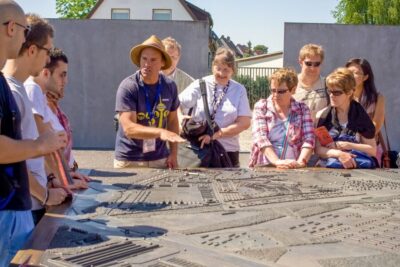
English Bus Tour to Sachsenhausen Concentration Camp
Read our review →
Sachsenhausen Concentration Camp and Potsdam Tour
Read our review →
Sachsenhausen Concentration Camp Memorial Tour
Read our review →Browse the lists this tour appears in